How to Start Planning a Trip: Your Ultimate Guide

Embarking on a new adventure is an exciting prospect, but the idea of planning a trip from scratch can often feel overwhelming. Many aspiring travelers get stuck before they even begin, unsure of the first steps to take. Whether you’re dreaming of a serene beach getaway, an adventurous mountain trek, or an immersive cultural city break, a well-thought-out plan is your ticket to a stress-free and enjoyable journey.
This comprehensive guide is designed to demystify the trip planning process. We’ll break down “how to start planning a trip” into clear, systematic steps, providing you with practical advice, concrete examples, and actionable tips. By the end, you’ll feel confident and equipped to turn your travel dreams into a tangible itinerary, ready for an unforgettable experience.
Start with Your Travel Vision

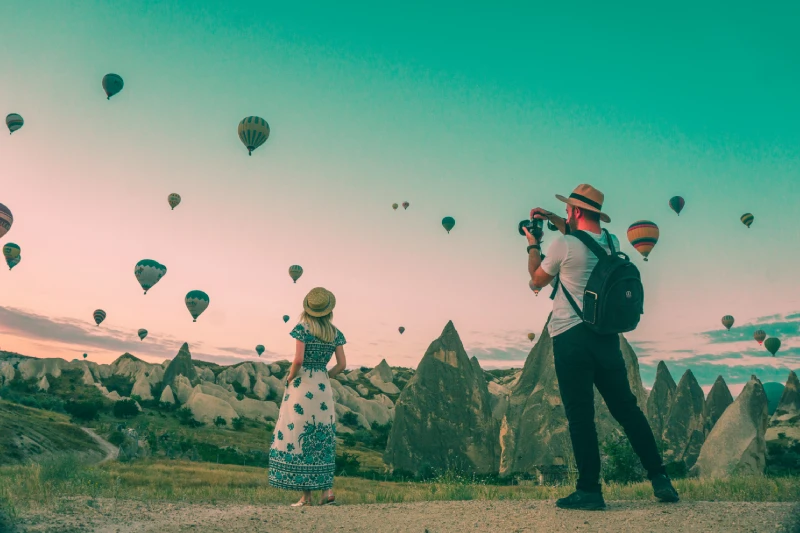
Before you dive into booking flights or researching hotels, the very first step in how to start planning a trip is to define your travel vision. What kind of experience are you truly seeking? This foundational step helps align your expectations with your actual trip, ensuring a more satisfying outcome.
Why Define Your Vision?
Defining your travel vision helps set the overall tone and purpose of your trip. It’s about understanding why you want to travel and what you hope to gain from the experience. Are you looking for relaxation, adventure, cultural immersion, or perhaps a family-friendly escape?

Without a clear vision, you might find yourself overwhelmed by endless options or booking a trip that doesn’t truly resonate with your desires. A strong vision acts as a compass, guiding all subsequent planning decisions, from destination choice to daily activities.
Brainstorming Travel Styles
Consider different travel styles that appeal to you. Do you prefer luxury resorts or budget-friendly hostels? Are you an independent explorer or do you enjoy guided tours? Thinking about these preferences early on will significantly streamline your planning process.
For example, if you envision a trip focused on outdoor adventure, you’ll naturally gravitate towards destinations with hiking trails, national parks, or water sports. If your vision is about cultural discovery, you’ll look for cities rich in history, museums, and local traditions. Be honest with yourself about what truly excites you.
Who Are You Traveling With?
The composition of your travel party greatly influences your trip vision. Are you planning a solo adventure, a romantic getaway with a partner, a fun trip with friends, or a family vacation with children? Each scenario brings its own set of considerations and priorities.
For a family trip, your vision might include kid-friendly attractions, ample downtime, and safe environments. A solo trip, on the other hand, might prioritize flexibility, personal growth, and meeting new people. Discussing expectations with your travel companions early on is crucial to ensure everyone is on the same page.
Select Your Dream Destination

Once you have a clear travel vision, the next exciting step in how to start planning a trip is choosing your destination. This decision will inform almost every other aspect of your trip, so take your time and consider all factors.
Read Also : Your Ultimate Travel Planning Guide for Beginners

Factors to Consider
Several key factors should influence your destination choice. These include the time of year you plan to travel (weather conditions, peak season vs. off-season), your budget constraints (some destinations are inherently more expensive), and the duration of your trip (a week-long trip to Japan might be rushed, while a week in a nearby country could be perfect).
Also, think about travel time and accessibility. Do you want a direct flight or are you open to layovers? Consider the local language, cultural norms, and safety aspects of potential destinations. A little research here can prevent major headaches later.
Inspiration Sources
Where do you find your travel inspiration? It could be anywhere! Travel blogs, Instagram feeds, documentaries, books, or even recommendations from friends and family are excellent starting points. Pay attention to places that consistently catch your eye and align with your travel vision.
Don’t be afraid to dream big, but also be realistic about what’s achievable within your given timeframe and budget. Create a list of potential destinations that spark your interest and start gathering basic information about each one.
Narrowing Down Your Choices
With a list of potential destinations, it’s time to narrow it down. A practical approach is to create a pros and cons list for each. Consider:
- Cost: How expensive are flights, accommodation, and daily expenses?
- Activities: Does it offer what you’re looking for (e.g., beaches, mountains, historical sites)?
- Logistics: How easy is it to get there? What are the visa requirements?
- Safety: Check current travel advisories.
- Timing: Is the weather suitable for your travel dates?
By systematically evaluating each option against your vision and practical constraints, you’ll likely find one or two destinations that stand out as the perfect fit for your upcoming adventure.

Determine Your Travel Budget

Understanding “how to start planning a trip” effectively means getting a firm grasp on your finances from the outset. A realistic budget is crucial for avoiding financial stress and ensuring you can enjoy your trip without constant worry.
Estimating Major Costs
The largest components of any travel budget are typically flights and accommodation. Start by researching average costs for your chosen destination during your preferred travel dates. Use flight comparison websites and hotel booking platforms to get a ballpark figure. Don’t forget to factor in potential taxes and fees.
Other major costs can include transportation within your destination (trains, rental cars, ferries), major tours or excursions, and travel insurance. Always overestimate slightly to give yourself a buffer for unexpected expenses.
Allocating Funds for Daily Expenses
Beyond the big-ticket items, you’ll need to budget for daily expenses. This includes food and drinks, local transportation (taxis, public transport), entrance fees to attractions, shopping, and souvenirs. Research typical costs for meals and activities in your destination.
Read Also : Essential Travel Documents Checklist for Seamless Journeys
A good rule of thumb is to set a daily spending limit and track your expenses during the trip. Apps can be incredibly helpful for this. Remember to account for different spending habits; some days you might splurge on a nice meal, while others could be more budget-friendly.
Saving Strategies
Once you have a rough budget, it’s time to figure out how to fund it. If you don’t have the money saved already, establish a realistic savings plan. This might involve setting up an automatic transfer to a dedicated travel savings account, cutting back on non-essential spending, or finding ways to earn extra income.
Consider looking for deals and discounts on flights and accommodation well in advance. Flexibility with your travel dates can also lead to significant savings. The earlier you start saving, the less pressure you’ll feel.
Research Flights and Accommodations

With your destination and budget in mind, the practical steps of how to start planning a trip move towards securing your travel essentials. Booking flights and accommodation effectively can save you money and enhance your overall experience.
Finding the Best Flight Deals
Finding affordable flights requires a bit of strategy and patience. Start by using flight comparison websites like Google Flights, Skyscanner, or Kayak. These platforms allow you to compare prices across multiple airlines and often highlight the cheapest dates to fly.
- Be Flexible: If your dates are flexible, you can often find cheaper flights by adjusting your travel by a few days.
- Consider Layovers: Direct flights are convenient, but flights with one or more layovers can sometimes be significantly cheaper.
- Book in Advance: Generally, booking 2-3 months in advance for international travel, and 1-2 months for domestic, yields better prices.
- Clear Your Cookies: Some sites may track your searches and increase prices. Clear your browser cookies or use incognito mode.
Also, consider flying into or out of smaller, alternative airports if they are conveniently located near your destination.
Choosing the Right Accommodation
Your choice of accommodation greatly impacts your trip experience. Consider what type of lodging best suits your travel style and budget:
- Hotels: Offer various amenities, from budget to luxury.
- Hostels: Ideal for budget travelers and meeting new people.
- Vacation Rentals (Airbnb, Vrbo): Great for longer stays, families, or those wanting a local experience with kitchen facilities.
- Guesthouses/B&Bs: Often offer a more personalized and intimate experience.
Read reviews carefully on sites like Booking.com, TripAdvisor, or Google Maps. Pay attention to location (proximity to attractions, public transport, safety), cleanliness, and service. Don’t just look at the star rating, but also what previous guests specifically say.
Booking Tips and Tricks
When you’re ready to book, always double-check all details: dates, times, passenger names, and baggage allowances. Consider booking refundable options if your plans are still somewhat uncertain, though these are often more expensive.
For flights, consider booking directly with the airline after finding a good deal on a comparison site, as this can sometimes simplify changes or cancellations. For accommodation, look for loyalty programs or direct booking deals that might offer perks not available through third-party sites. Always confirm your booking via email.
Read Also : Your Ultimate Long Term Travel Planning Guide
Create a Flexible Itinerary

With your destination, budget, flights, and accommodation secured, the next crucial step in how to start planning a trip is to craft an itinerary. An itinerary provides structure to your days, but remember the key word here is “flexible.”
Balancing Activities and Relaxation
A common mistake is over-scheduling. While it’s tempting to pack every sight and experience into your trip, this can lead to burnout. Aim for a balance between planned activities and free time for relaxation or spontaneous exploration. For example, don’t plan back-to-back museum visits without a break.
Allocate a realistic amount of time for each activity, including travel time between locations. Consider your energy levels and interests. If you’re traveling with others, make sure everyone’s preferences are considered when planning the daily schedule. Less is often more when it comes to enjoyment.
Utilizing Digital Planning Tools
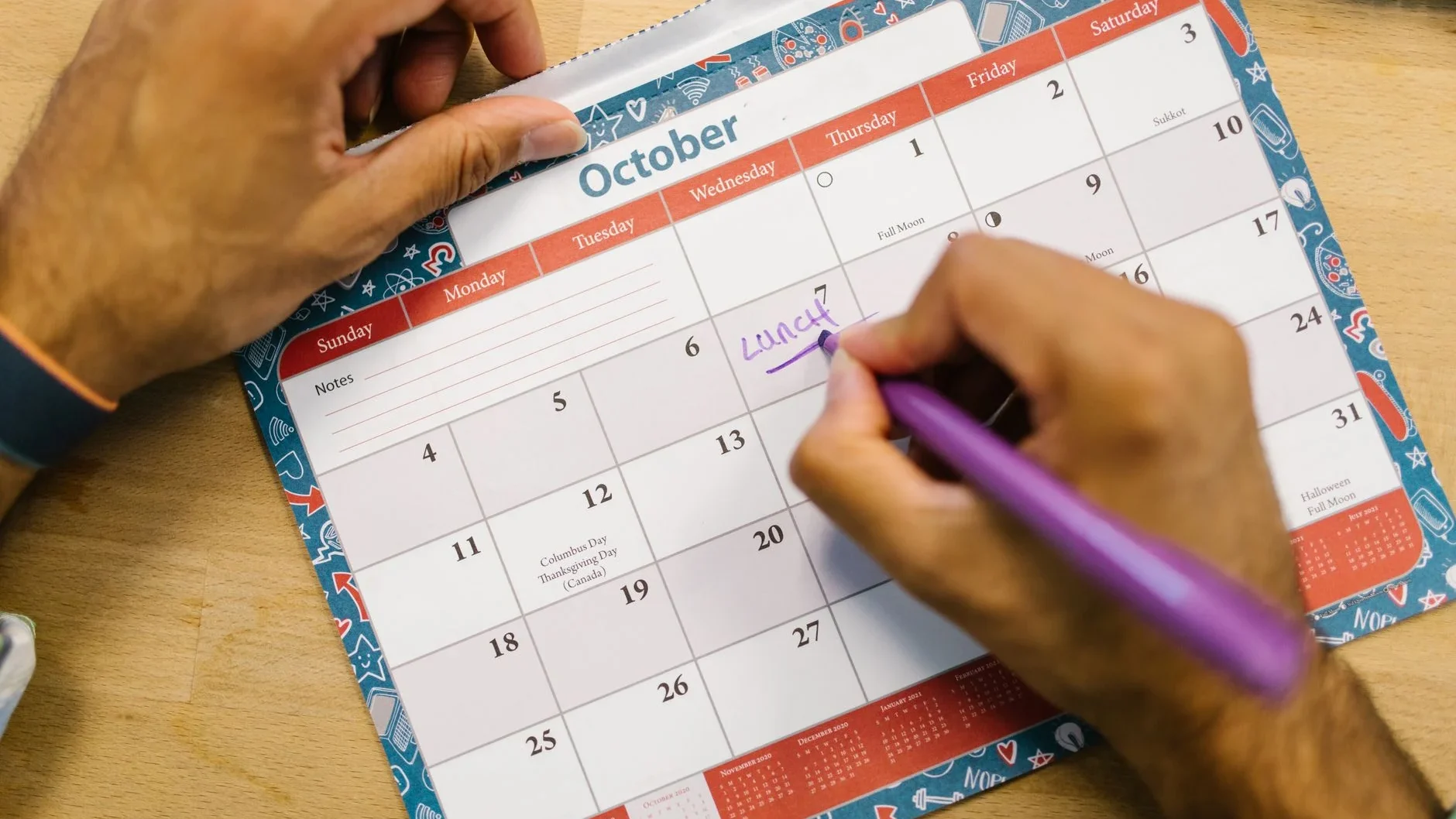
There are many excellent digital tools available to help you organize your itinerary. Apps like TripIt can compile all your bookings into one master itinerary. Google Maps is invaluable for plotting locations, estimating travel times, and finding nearby restaurants or attractions.
You can also use simple spreadsheets or note-taking apps to list daily activities, opening hours, booking confirmations, and important addresses. Having all this information digitally accessible on your phone will be a lifesaver during your trip.
Building in Spontaneity
While planning is essential, don’t fall into the trap of rigid adherence to your schedule. Some of the best travel memories come from unexpected detours or spontaneous decisions. Leave some gaps in your itinerary for exploring a charming side street, lingering longer at a cafe, or joining a local event you stumble upon.
Think of your itinerary as a guide, not a strict rulebook. Be open to recommendations from locals or fellow travelers. A flexible mindset allows for discovery and genuine experiences.
Handle Essential Documents and Visas
One of the most critical, yet often overlooked, aspects of how to start planning a trip is ensuring all your travel documents are in order. Neglecting this can lead to significant delays or even cancellation of your trip.
Passport and ID Checks
First and foremost, check your passport’s expiration date. Many countries require your passport to be valid for at least six months beyond your intended departure date. If it’s close to expiring, begin the renewal process immediately, as it can take several weeks or even months.
Also, ensure you have other necessary identification, such as a driver’s license or international driving permit if you plan to rent a car. Make photocopies or take digital photos of all important documents and store them securely, separate from the originals.
Read Also : Plan Your Dream Trip to Beautiful Places: A Guide
Understanding Visa Requirements
Research the visa requirements for your destination country well in advance. Some countries offer visa-free travel for certain nationalities, while others require a visa obtained prior to arrival or an e-visa. The process for obtaining a visa can range from a simple online application to a complex embassy visit.
Visit the official government website of your destination country or consult your country’s foreign affairs department for accurate and up-to-date information. Applying for a visa can be a lengthy process, so don’t leave it to the last minute.
Travel Insurance Essentials
Travel insurance is not just an optional extra; it’s a vital safety net. It can cover unexpected events like trip cancellations, medical emergencies abroad, lost luggage, or travel delays. Research different policies and choose one that aligns with your specific needs and the nature of your trip.
Consider coverage for medical expenses, emergency evacuation, trip interruption, and baggage loss. Read the fine print carefully, especially regarding pre-existing conditions or specific activities you plan to undertake. The peace of mind that travel insurance provides is invaluable.
Pack Smart and Efficiently
Packing can be a daunting task, but knowing how to start planning a trip efficiently includes mastering the art of smart packing. The goal is to bring everything you need without overpacking, which can lead to unnecessary fees and hassle.
The Art of Minimalist Packing
Minimalist packing isn’t about deprivation; it’s about intentionality. Start by making a comprehensive list of everything you think you’ll need. Then, go through it and identify items that can serve multiple purposes or can be left behind. Rolling clothes can save space and reduce wrinkles.
Consider laundry options at your destination. If you can wash clothes, you can pack fewer outfits. For toiletries, opt for travel-sized containers or solid versions to save space and comply with carry-on liquid restrictions. Every item should earn its place in your luggage.
Essential Items Checklist
While your specific packing list will vary, some essentials are universal:
- Clothing: Mix-and-match items, layers for varying temperatures.
- Footwear: Comfortable walking shoes are a must.
- Toiletries: Travel-sized essentials, medications.
- Documents: Passport, ID, tickets, booking confirmations (physical and digital).
- Electronics: Phone, charger, power bank, universal adapter.
- Health & Safety: First-aid kit, hand sanitizer, any necessary prescriptions.
Always pack a change of clothes, essential medications, and valuable items in your carry-on bag in case your checked luggage is delayed or lost.
Adapting to Your Destination’s Climate
Research the weather forecast for your destination during your travel dates. This will help you pack appropriate clothing and avoid being caught off guard. If you’re traveling to a region with unpredictable weather, layers are your best friend.
Read Also : Planning the Ideal Short Trip: Relaxation and Adventure
Also, consider local customs regarding dress. Some cultures might require more modest attire, especially when visiting religious sites. Packing versatile clothing that can be dressed up or down will give you more options without adding bulk.
Prepare for Departure Day
The final stage of how to start planning a trip involves tying up loose ends and making sure you’re ready for a smooth departure. A little preparation on the eve of your trip can prevent last-minute stress.
Final Checks and Confirmations
A few days before your departure, reconfirm all your bookings: flights, accommodation, tours, and transfers. Check for any last-minute schedule changes or important alerts from airlines or hotels. Make sure your online check-in is complete if available.
Verify that you have all necessary documents printed or easily accessible on your phone, including boarding passes, hotel reservations, and any visa confirmations. Charge all your electronic devices the night before to ensure they’re ready for your journey.
Arranging Transportation to the Airport
Plan your transportation to the airport well in advance. Consider factors like traffic, public transport schedules, and the amount of luggage you have. Book a taxi or ride-share, confirm your shuttle pick-up, or check train/bus times to ensure you arrive with plenty of time before your flight.
Aim to arrive at the airport at least two hours before domestic flights and three hours for international flights. This allows ample time for check-in, security, and any unforeseen delays. Better to be early than rushed.
Digital Copies and Emergency Contacts
Before you leave, ensure you have digital copies of all your important documents stored securely in the cloud (e.g., Google Drive, Dropbox) or emailed to yourself and a trusted family member. This includes your passport, visa, flight tickets, and insurance policy.
Create a list of emergency contacts, both at home and at your destination, and carry it with you. Inform a trusted person about your itinerary and contact details. This preparedness can be invaluable in case of an emergency.
Kesimpulan
Mastering “how to start planning a trip” is less about finding a magic formula and more about adopting a systematic, thoughtful approach. By breaking down the process into manageable steps—from defining your travel vision and choosing a destination to budgeting, booking, and packing—you can transform what might seem like a daunting task into an exciting and enjoyable prelude to your adventure.
Remember that flexibility is key. While thorough planning provides a solid framework, being open to spontaneity and unexpected changes will often lead to some of the most memorable experiences. Prioritize your safety, secure your documents, and always leave room for discovery.
With this guide, you now have a clear roadmap to plan your next journey with confidence and ease. So, take a deep breath, start dreaming, and get ready to explore the world!
FAQ
Generally, it's advisable to start planning 3-6 months in advance for international trips, especially if you're traveling during peak season or need a visa. For domestic trips, 1-3 months should suffice. This allows time for research, securing better deals on flights and accommodation, and handling documents.
The most important thing is to be realistic and comprehensive. Don't just budget for flights and hotels; include daily expenses like food, local transportation, activities, and a buffer for emergencies. Researching average costs at your destination will help you create an accurate budget.
Yes, travel insurance is highly recommended. It provides crucial protection against unforeseen circumstances such as medical emergencies, trip cancellations, lost luggage, and travel delays. The peace of mind and financial protection it offers far outweigh its cost.
To find cheap flights, be flexible with your travel dates, consider flying to alternative airports, use flight comparison websites, and book in advance. For accommodation, compare prices across various platforms, read reviews, and consider different types of lodging like hostels or vacation rentals depending on your budget and style.
A balanced approach is best. Book major components like flights and primary accommodation in advance to secure better prices and availability. However, leave some flexibility in your daily itinerary for spontaneous activities, local recommendations, and unexpected discoveries. This allows for both structure and adventure.


Popular Posts


Embracing Spiritual Growth Through Travel and Exploration
Travel is more than just seeing new places; it's a profound journey into oneself. This article explores how embracing travel and exploration can significantly contribute to your spiritual growth, offering unique perspectives and transformative experiences.


