Essential Travel Documents Checklist for Seamless Journeys
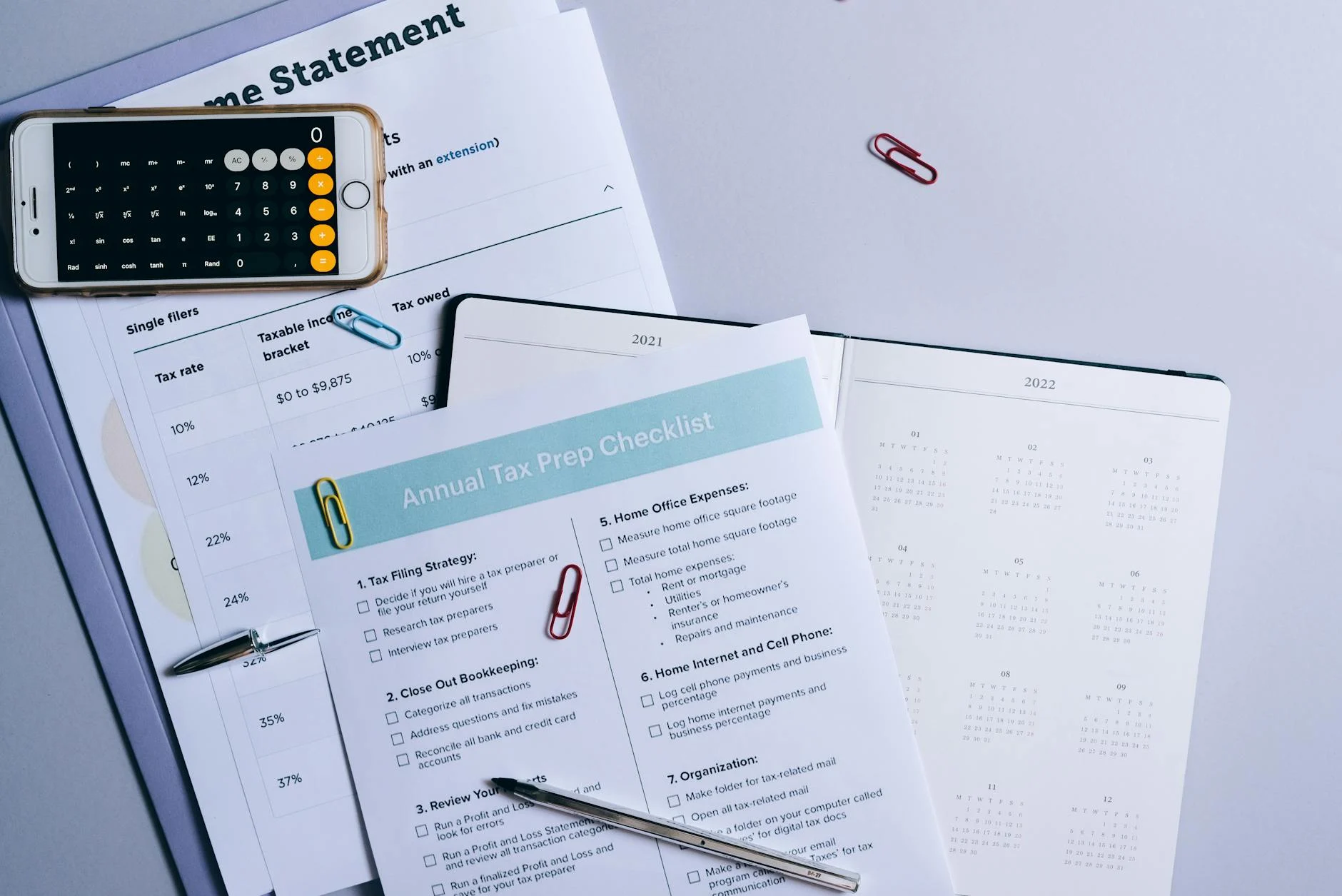
The Ultimate Essential Travel Documents Checklist for a Stress-Free Journey
Embarking on an adventure, be it a spontaneous weekend getaway or a meticulously planned international expedition, is an exhilarating prospect. Yet, that initial thrill can quickly morph into a full-blown panic if you find yourself scrambling for crucial paperwork at the eleventh hour, or worse, realizing you’ve left something vital behind. A seasoned traveler knows that the cornerstone of a truly smooth journey lies in having all their essential travel documents checklist in tip-top shape.
This comprehensive guide is designed to take the guesswork out of your travel prep, offering you a systematic, step-by-step approach to organizing every single piece of documentation you might possibly need. From your primary identification to vital health records, we’ll walk you through each category, ensuring you can focus on savoring your trip rather than stressing over administrative hiccups. So, let’s dive in and craft your perfect, stress-free travel document strategy!
Your Passport and Visa: The Gateway to International Travel
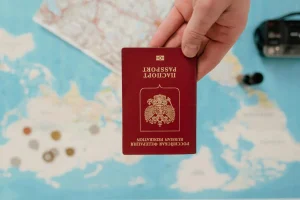
Without a doubt, your passport stands as arguably the most critical document for international travel, serving as both your primary identification and undeniable proof of citizenship. Equally important are any necessary visas, which graciously grant you permission to enter and stay in foreign countries. Overlooking these can truly put the kibosh on your trip before it even gets off the ground.

Passport Validity and Condition
Just having a passport isn’t enough; its validity is absolutely key. Many countries insist that your passport be valid for at least six months beyond your intended departure date. Make it a point to check this requirement well in advance of your trip to sidestep any last-minute complications at the airport or border control. A passport cutting it too close to expiration could easily lead to denied boarding or entry.
Furthermore, always make sure your passport is in pristine condition. Tears, water damage, or significant wear and tear can render it invalid in the blink of an eye. Always store your passport in a safe, dry place and seriously consider using a passport holder to shield it from damage during your travels. Treat it as your most valuable possession while abroad – it truly is!
Visa Requirements and Application
Depending on your nationality and chosen destination, you may well need a visa to set foot in certain countries. Visa requirements can be a real mixed bag and often quite complex, frequently hinging on the purpose and duration of your visit. It’s absolutely vital to dig into the specific visa regulations for every country you plan to visit or even transit through.

Kick off your visa application process early; some applications can take weeks, or even months, to process. Gather all required documents, such as application forms, passport-sized photos, flight itineraries, and undeniable proof of accommodation. Sending in an incomplete application or missing crucial deadlines can throw a wrench in your plans, leading to significant delays or even outright rejection, jeopardizing your entire trip.
Passport-Sized Photos
Even if your visa is all squared away, it’s still a smart move to tuck away a few extra passport-sized photos. These can come in incredibly handy for various purposes during your travels, such as applying for local permits, extended visas, or even membership cards at certain attractions. Just make sure they meet international standards for size, background, and facial expression.
Having a few spares means you won’t be left scrambling for a photo booth or studio in an unfamiliar city, saving you precious travel time. Keep them well-protected in a small envelope or a separate compartment in your travel wallet to prevent bending or damage.
Read Also : How to Start Planning a Trip: Your Ultimate Guide

Travel Tickets and Itinerary: Your Roadmap

With your passport and visas squared away, your travel tickets and a detailed itinerary become the very backbone of your journey. These documents not only confirm your bookings but also provide a crystal-clear plan for your movements.
Flight, Train, and Bus Tickets
Whether you’re jetting across continents or enjoying a scenic train ride, having all your transportation tickets readily accessible is non-negotiable. While digital tickets are the norm these days, it’s always a good idea to have both digital copies on your phone and physical printouts as backup. A dead battery or pesky network issues can make digital access impossible precisely when you need it most.
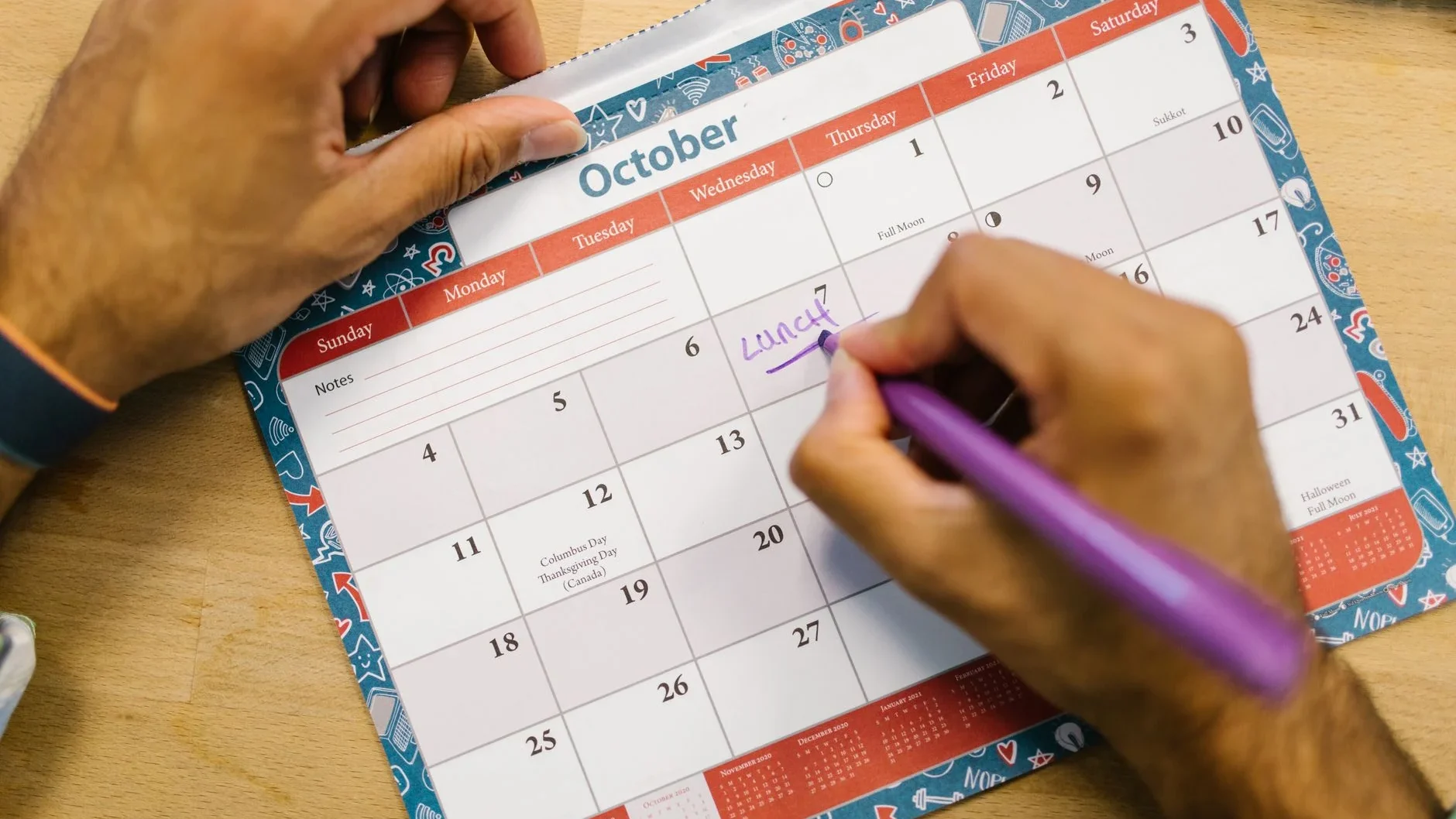
Ensure that the names on your tickets exactly match the name on your passport or official ID. Even small discrepancies can cause a real headache during check-in or security screenings. Double-check flight numbers, departure times, and terminal information to avoid any last-minute rush or confusion.
Accommodation Bookings
Immigration officials often look for proof of accommodation upon entry to a country, demonstrating that you have a place to lay your head. This includes hotel reservations, Airbnb bookings, or even invitation letters if you’re staying with friends or family. Just like your transportation tickets, keep both digital and printed copies close at hand.
Keeping your accommodation details close at hand also makes your arrival a breeze, allowing you to easily direct taxi drivers or navigate public transport to your lodging. Jot down the full address, contact number, and booking reference for each place you’re staying.

Detailed Travel Itinerary
A well-structured itinerary lays out a day-by-day plan of your trip, including dates, times, locations, and any pre-booked activities or tours. This isn’t just for your own organization; it can be incredibly useful in emergency situations or if you need to provide proof of your travel plans to family, friends, or even authorities.
Your itinerary should include confirmation numbers for tours, contact details for local guides, and any important addresses. Pass a copy along to a trusted person back home so they know your general whereabouts and can offer assistance if needed.
Financial Documents: Ensuring Access to Funds

Having access to your funds is absolutely non-negotiable for any trip. Carrying the right financial documents ensures you can manage expenses and tackle emergencies without breaking a sweat.
Read Also : Travel Packing List for Beginners: Your Ultimate Guide
Credit and Debit Cards
Carry at least two different credit or debit cards, preferably from different banks, and tuck them away in separate places. This simple strategy has your back if one card goes missing, gets swiped, or is unexpectedly blocked. Before you leave, make sure to give your bank a heads-up about your travel dates and destinations to prevent them from flagging international transactions as suspicious and freezing your card.
Know your PINs by heart and keep emergency contact numbers for your banks handy, stored separately from your wallet. It’s also wise to get a clear picture of any foreign transaction fees your cards might incur.
Local Currency and Emergency Cash
While cards are widely accepted, it’s always smart to have some local currency tucked away for immediate expenses like taxis, tips, or small purchases. Research the local currency exchange rates before you go and consider exchanging a small amount at your home bank for potentially better rates.
Always carry a small amount of emergency cash in a secure, hidden pouch. This can be a real lifesaver when ATMs are playing hard to get, card machines are on the fritz, or for those pesky unexpected expenses.
Bank Contact Information
Jot down a separate list of your bank’s international customer service numbers. If your cards are lost or stolen, you’ll need to report it immediately. Having this information at your fingertips, along with your card numbers (stored securely, never alongside the cards themselves), will smooth out the process of canceling cards and requesting replacements.
Consider snapping a photo of the back of your cards (excluding the CVV for security) or noting down the numbers in a secure, encrypted document or app.
Health and Medical Documents: Staying Safe and Prepared

Your well-being is paramount, especially when you’re far from home. Having the right medical documents can make a world of difference in case of illness or injury abroad.
Travel Insurance Policy
Travel insurance isn’t just a nice-to-have; it’s a downright essential. Your policy document should be easily accessible, detailing your coverage for medical emergencies, trip cancellations, lost luggage, and more. Get a clear picture of your policy limits, deductibles, and the nitty-gritty of filing a claim.
Carry your policy number and the emergency contact number for your insurance provider. In a medical emergency, you’ll need to contact them promptly to coordinate care and ensure coverage.
Read Also : Best Travel Apps for International Trips [apc_current_year]
Vaccination Records and Health Certificates
Some countries require proof of vaccination for certain diseases, such as Yellow Fever or Polio. Always double-check the health requirements for your destination well ahead of time. Your International Certificate of Vaccination (often fondly referred to as a “Yellow Card”) should be carried with your other essential documents.
If you have any chronic medical conditions, carry a doctor’s note detailing your condition, prescribed medications (with generic names), and any allergies. This can be a game-changer if you need medical help overseas or if customs officials raise an eyebrow at your medications.
Prescription Medications (with Doctor’s Note)
If you take prescription medications, make sure you pack enough for your entire trip, plus a little extra buffer in case of unexpected delays. Keep medications in their original, labeled containers to avoid any issues with customs.
A doctor’s note, clearly explaining your prescriptions, including the dosage and generic names of the drugs, comes highly recommended. This note can help you breeze through customs and effectively communicate your medical needs to foreign pharmacists or doctors. Carry it in both physical and digital formats.
Identification and Emergency Contacts: Beyond Your Passport
While your passport takes center stage, other forms of identification and a solid list of emergency contacts are absolutely crucial for navigating all sorts of situations.
Driver’s License and International Driving Permit (IDP)
If you plan to drive abroad, your domestic driver’s license is usually required. However, many countries also insist on an International Driving Permit (IDP) alongside your domestic license. An IDP translates your license into multiple languages and is recognized in over 150 countries.
Obtain your IDP before you leave, as it cannot be issued internationally. Check the specific requirements for each country you intend to drive in. Without the proper paperwork, you could find yourself in a pickle, facing fines or even legal woes.
Other Forms of ID (Student, Professional)
While not always legally required, other forms of identification can certainly be useful. A student ID, for instance, could unlock some sweet discounts at museums or attractions, while a professional ID might be helpful in certain business contexts. Keep these separate from your primary ID to minimize risk if your main wallet goes missing.
These secondary IDs can also serve as an additional form of identification if your passport is temporarily unavailable, though they won’t replace it for official purposes.
Read Also : Planning the Ideal Short Trip: Relaxation and Adventure
Emergency Contact List
Put together both a physical and digital list of emergency contacts, including family members, friends, and your country’s embassy or consulate in your destination. Include their full names, phone numbers, and email addresses. This list should be easily accessible but also stored securely.
Consider writing “ICE” (In Case of Emergency) and a contact number on a card in your wallet. First responders are often trained to keep an eye out for this vital information.
Copies and Digital Backups: Your Safety Net
Even the most meticulous planner can hit a snag; documents can get lost or, worse, stolen. That’s where copies and digital backups step in as your ultimate safety net.
Photocopies of All Essential Documents
Run off several photocopies of your passport, visa, flight tickets, insurance policy, and other critical documents. Keep one set in a separate bag from your originals, and leave another set with a trusted person back home. These copies can truly grease the wheels when it comes to replacing lost documents.
When making copies, ensure all important details are clear and legible. You might even consider laminating a set of copies for extra durability.
Digital Scans and Cloud Storage
In addition to physical copies, create digital scans or clear photos of all your essential documents. Stash these securely in a cloud-based service (like Google Drive, Dropbox, or iCloud) or on an encrypted USB drive. This allows you to access them from anywhere in the world, even if you lose all physical copies.
Make sure your cloud storage is under lock and key with a strong password, and that you can access it from a public computer if your phone or laptop goes missing. Send copies to your own email address as an additional backup.
Contact Information for Lost/Stolen Documents
Put together a handy list of emergency contact numbers for reporting lost or stolen items: your bank’s international fraud line, your travel insurance provider, and your embassy/consulate. Having these numbers immediately available saves precious time during a stressful situation.
Keep this list separate from your wallet and phone, perhaps in your carry-on bag or a hidden pocket. The faster you report a missing passport or credit card, the less trouble you’ll likely face.
Specific Destination Requirements: Tailoring Your Checklist
Every destination has its own quirks, and some might throw in specific requirements that go above and beyond the usual suspects. Always research your chosen destination thoroughly.
Read Also : Your Ultimate Long Term Travel Planning Guide
Entry and Exit Forms
Many countries require you to fill out entry and exit forms, either upon arrival or departure. These may be provided on the plane, at the border, or even online in advance. Get acquainted with these forms beforehand and have any necessary information (like your accommodation address) at the ready to speed things along.
Some countries, like the USA, require an ESTA (Electronic System for Travel Authorization) for visa-waiver program travelers, which absolutely must be applied for and approved before departure.
Customs Declarations
Brush up on customs regulations regarding what you can bring into and out of a country. This includes limits on currency, alcohol, tobacco, and specific goods. Have any necessary declarations prepared to avoid delays or penalties.
If you’re toting valuable items (e.g., expensive camera equipment), it’s often a smart play to register them with your home country’s customs before you leave, sidestepping any unexpected import duties when you return.
Local Permits or Licenses
For certain activities, you might need specific local permits or licenses. This could include fishing permits, hiking permits for national parks, or special permits for drones. Research these requirements well in advance and apply if necessary.
Turning a blind eye to these local rules can land you in hot water, leading to fines, confiscated gear, or even legal hassles, which can really put a damper on your travel plans.
Conclusion
Getting your essential travel documents checklist in order is truly the bedrock of any successful and enjoyable trip. By meticulously organizing your passport, visas, tickets, financial, and medical information, you’ll dramatically cut down on potential stress and unwelcome surprises. Remember, thorough preparation isn’t just about ticking boxes; it’s about freeing yourself up to fully soak in the travel experience, confident that all your administrative ducks are in a row.
Take the time to review each item on this checklist well in advance of your departure. Create both physical and digital backups, inform your banks, and share your itinerary with a trusted contact. With these steps firmly in place, you’re not just preparing documents; you’re building a solid foundation for unforgettable memories and truly seamless journeys. Travel smart, travel safe, and enjoy every single moment of your adventure!
FAQ
We strongly recommend kicking off your travel document prep at least 3-6 months before your intended departure date, especially for international trips. This gives you ample time for passport renewals, visa applications, and securing travel insurance, all of which can sometimes take several weeks or even months to process.
If your passport goes missing or is stolen abroad, immediately report it to the local police and get your hands on a police report. Then, reach out to your country's embassy or consulate in that region. They'll guide you through the process of applying for an emergency passport or temporary travel document, which typically requires proof of identity, citizenship, and that all-important police report.
Yes, it's highly recommended to carry physical photocopies in addition to digital versions. While digital copies are super convenient, you might hit a snag with no internet access, a dead phone battery, or an unwelcome tech glitch. Physical copies serve as a reliable backup, especially in situations where you need to present documents to officials or if you need to replace a lost original.
No, it's generally not advisable to carry all your credit cards and large sums of cash in one place. Spread your valuables around. For instance, keep one primary credit card and some cash in your wallet, another credit card in a separate, secure location (e.g., a hidden pouch or hotel safe), and if possible, leave a third card with a trusted person at home. This minimizes risk if your wallet is lost or stolen.
An International Driving Permit (IDP) is a document that translates your domestic driver's license into multiple languages, making it easily understandable to authorities in foreign countries. You'll need an IDP if you're planning to drive in a country where your domestic license isn't recognized, or where the local language is different. Always double-check the specific driving regulations for each country you visit.


Popular Posts


Embracing Spiritual Growth Through Travel and Exploration
Travel is more than just seeing new places; it's a profound journey into oneself. This article explores how embracing travel and exploration can significantly contribute to your spiritual growth, offering unique perspectives and transformative experiences.


2 thoughts on “Essential Travel Documents Checklist for Seamless Journeys”