Travel Packing List for Beginners: Your Ultimate Guide
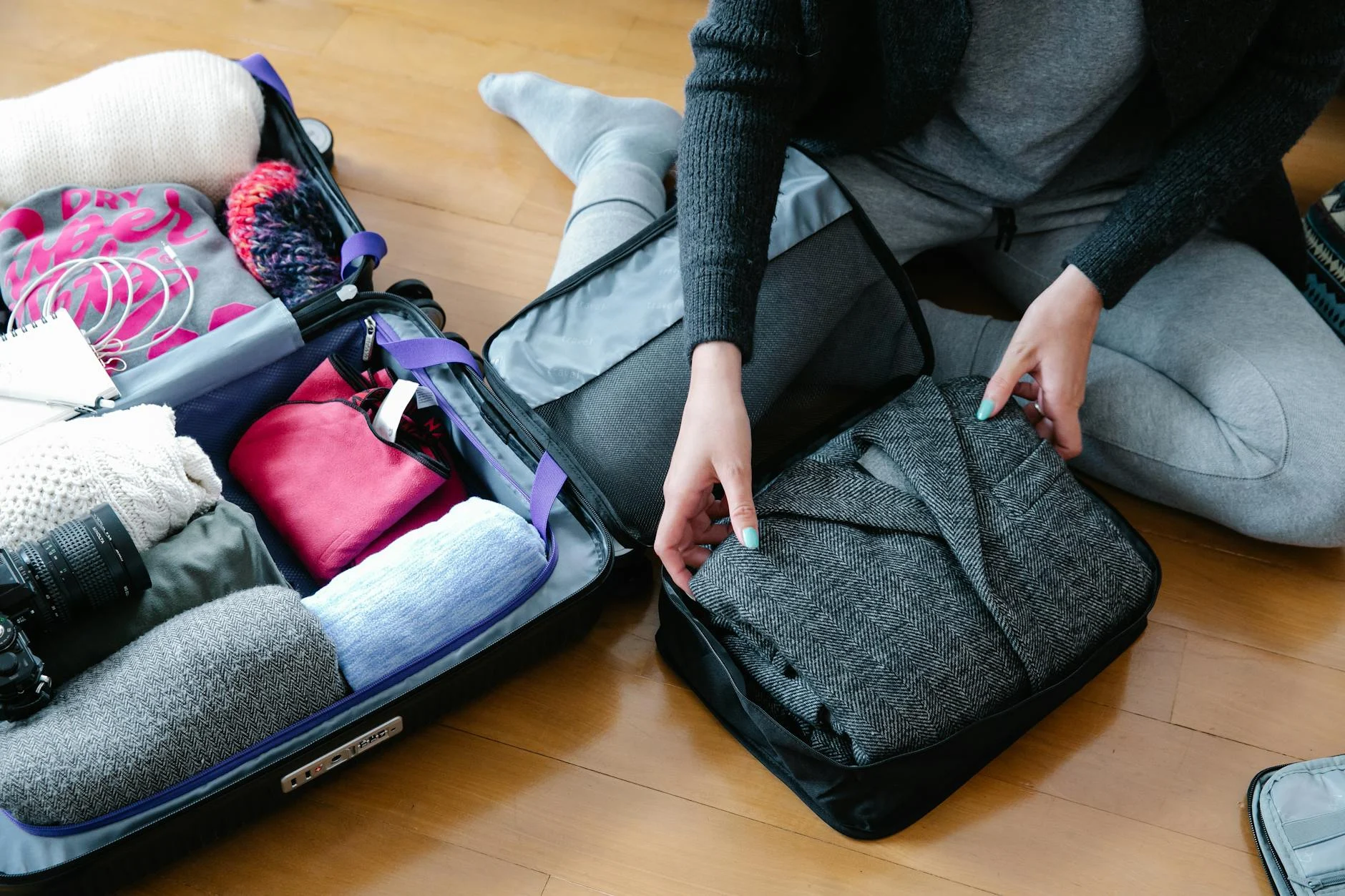
The sheer excitement of planning your maiden voyage can, at times, feel quickly overshadowed by the daunting task of packing. What do you truly need to bring along for the ride? And what, precisely, can you afford to leave behind? These are classic dilemmas that often lead aspiring travelers down the rabbit hole of overpacking, underpacking, or, worse still, forgetting those crucial items that could make or break a trip.
But fear not, budding adventurer! This ultimate travel packing list for beginners is your trusty compass, designed to demystify the entire process. We’ll ensure you’re not just well-prepared, but truly ready for whatever your journey throws your way. We’ll walk you through a systematic, step-by-step approach, starting from understanding your destination and moving on to savvy packing strategies. The goal? To let you focus squarely on making those unforgettable memories, not on luggage woes.
By following this guide, you’ll not only learn the ins and outs of packing efficiently but also how to anticipate your needs and sidestep those common beginner blunders. Get ready to transform your packing anxiety into quiet confidence, setting the perfect stage for a truly stress-free and utterly enjoyable travel experience.
Understanding Your Destination and Trip Type
Before you even dream of tossing items into a suitcase, the very first order of business for any beginner’s travel packing list is to get a solid grasp of where you’re headed and what adventures await. This foundational knowledge is the bedrock that will dictate nearly every single item you decide to pack.

Researching Climate and Weather
The weather at your chosen destination is, without a doubt, the most critical piece of the puzzle when it comes to your clothing choices. Just imagine showing up to a chilly mountain retreat with nothing but shorts, or lugging heavy coats to a sun-drenched tropical beach getaway – neither scenario paints a pretty picture, does it?
Always make it a point to check the weather forecast for your travel dates and specific location a week or two before you hit the road. Pay close attention to average temperatures, expected rainfall, and humidity levels. This foresight will be your guiding star, helping you decide between light, breathable fabrics and warmer, waterproof layers, ensuring you’re comfortable and ready to roll, come rain or shine.
Considering Activities and Itinerary
What kind of escapades do you have lined up? Are you planning to conquer national park trails, get lost in bustling city streets, unwind by a luxurious resort pool, or perhaps attend some formal shindigs? Each unique scenario calls for its own distinct set of clothing and gear.

For instance, a trip centered around urban exploration will demand comfortable walking shoes and versatile outfits that can go from day to night, while a beach vacation practically screams for swimwear, sandals, and robust sun protection. Take a moment to sketch out a rough itinerary of your daily activities; it’s a brilliant way to visualize exactly what you’ll need for each occasion.
Duration of Your Trip
The length of your journey plays a direct role in the sheer quantity of items you ought to pack. A quick weekend getaway, for example, will require significantly less baggage than a two-week expedition. While this might seem like stating the obvious, many first-time travelers often grapple with striking that perfect balance.
For shorter jaunts, keep your focus laser-sharp on essentials and highly versatile items that can be worn more than once. If you’re embarking on a longer adventure, aim to pack enough for about a week and factor in laundry days, or opt for quick-dry fabrics that can be washed and worn overnight. And here’s a golden nugget of advice: when it comes to luggage weight and ease of movement, less is often a whole lot more.
Read Also : Essential Travel Documents Checklist for Seamless Journeys

Essential Documents and Money

These are the non-negotiables, the absolute bedrock of any beginner’s travel packing list. Without the right identification and ready access to funds, your eagerly anticipated trip could, quite literally, be dead in the water before it even begins.
Passports, Visas, and IDs
Your passport (for international adventures) or a government-issued ID (for domestic travel) stands as your single most important document. Double-check that it boasts at least six months of validity beyond your planned return date; many countries are sticklers for this rule.
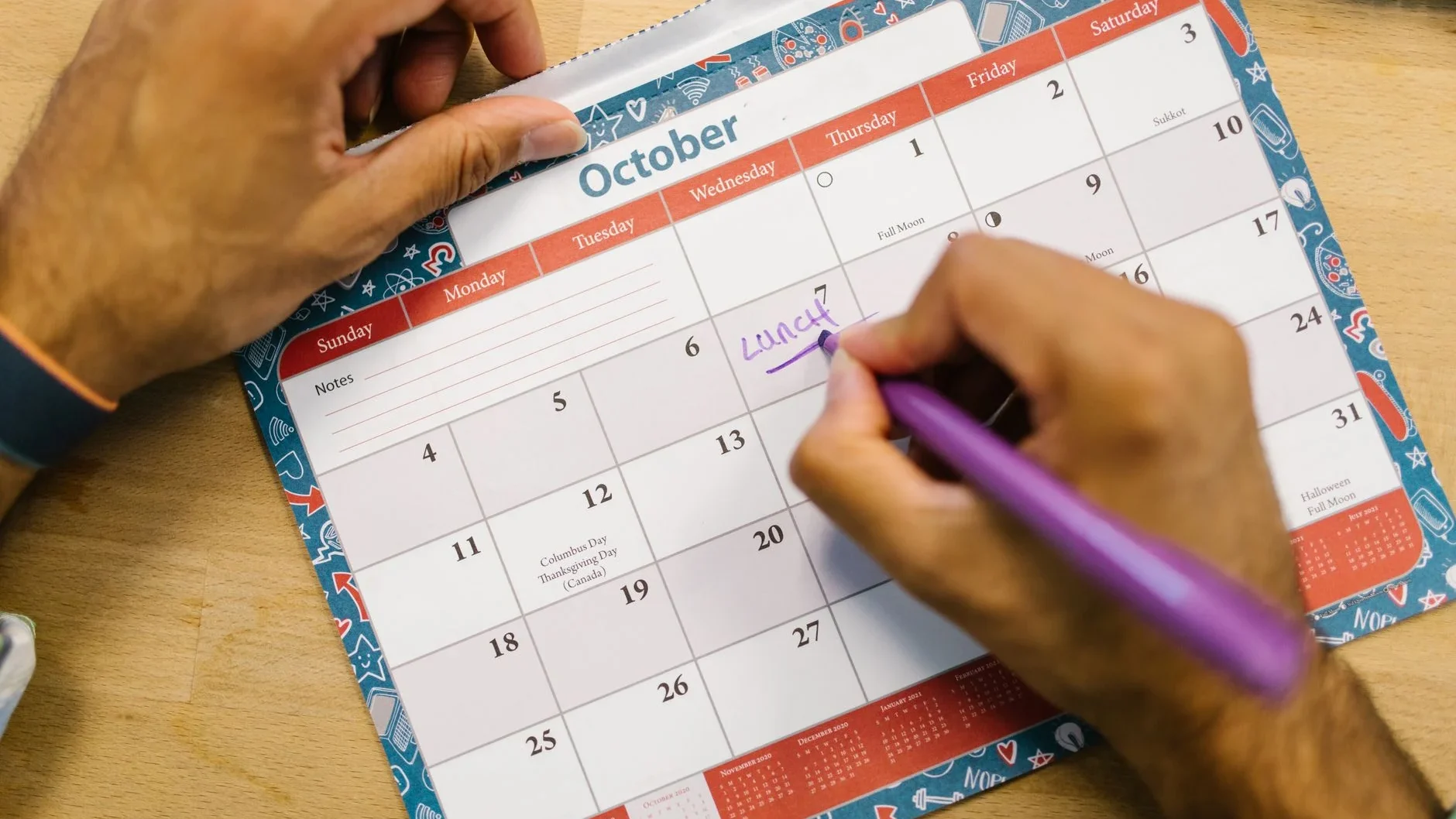
Always verify if your destination demands a visa, and if so, apply for it with ample time to spare. Make sure to create both physical and digital copies of all your vital IDs. Stash a physical copy somewhere separate from the original, and keep digital versions safely tucked away in a cloud service or email them to yourself for easy retrieval.
Booking Confirmations and Itinerary
Keep all your flight tickets, hotel reservations, tour bookings, and transportation confirmations neatly organized. While the digital age has made many of these accessible on your phone, having printouts can be an absolute lifesaver if your phone battery decides to call it quits or you find yourself without internet access.
Consider creating a simple folder for all your hard copies and saving digital versions to an offline-accessible folder on your smartphone or tablet. This little bit of foresight ensures smooth sailing through check-ins and transitions throughout your entire journey.

Financial Essentials
Before you even think about jet-setting, make sure to give your bank and credit card companies a heads-up about your travel dates and destinations. This simple step can prevent frustrating fraud alerts and card freezing. Aim to carry a smart combination of payment methods:
- Credit Card(s): Your go-to for major purchases and those unexpected emergencies.
- Debit Card: Perfect for withdrawing local currency from ATMs.
- Local Currency: A modest amount of cash for immediate needs upon arrival, tips, or those charming little spots that don’t accept cards.
It’s also a savvy move to tuck away a small stash of emergency cash in a separate, inconspicuous spot, well away from your main wallet.
Clothing: The Smart Way to Pack
Packing clothes can feel like navigating a minefield, especially for those new to the travel game. The ultimate goal here is to supercharge versatility while keeping bulk to an absolute minimum. When you’re building this part of your beginner’s travel packing list, let “mix and match” and “layering” be your twin mantras.
Read Also : How to Start Planning a Trip: Your Ultimate Guide
Layering for Versatility
Layering isn’t just a technique; it’s a seasoned traveler’s secret weapon, pure and simple. Instead of cramming heavy, bulky items into your bag, opt for lighter pieces that can be cleverly combined to adapt to a spectrum of temperatures. This smart approach includes:
- Base Layer: Think versatile T-shirts and tank tops.
- Mid-Layer: Sweaters, cardigans, or a light jacket fit the bill perfectly.
- Outer Layer: A trusty waterproof or windproof jacket is your best friend.
This strategy is a game-changer, allowing you to effortlessly add or shed clothing as the weather capriciously shifts throughout the day, guaranteeing you remain comfortable from dawn till dusk.
Comfortable Footwear
Let’s face it, you’re likely going to be putting in some serious mileage on your feet, so comfortable shoes are absolutely paramount. Do yourself a huge favor and pack at least two pairs of shoes:
- One pair of truly comfortable walking shoes (think reliable sneakers or sturdy sandals).
- One pair of shoes that are a touch dressier but still comfortable (flats or loafers work wonders) or shoes specifically for an activity (like hiking boots or flip-flops for a beach retreat).
Here’s a pro tip: wear your bulkiest pair of shoes on the plane. It’s a simple trick that frees up valuable real estate in your luggage.
Undergarments and Socks
This is one area where it’s always better to err on the side of caution and pack a little extra. Aim for one fresh pair per day, plus an additional 1-2 spares, just in case. If you’re planning on doing laundry during your trip, you can certainly trim this number down. If possible, gravitate towards quick-drying fabrics, especially for socks, as they can be washed and ready to wear again by morning.
Also, give a thought to specialized socks for different activities, such as moisture-wicking socks for those long hikes or thinner socks tailored for warmer climates.
Sleepwear and Swimwear (if applicable)
Don’t let your pajamas slip your mind! A comfortable set of sleepwear is key to unwinding and snagging a good night’s rest in unfamiliar surroundings. And if your itinerary includes any watery escapades, a swimsuit is, naturally, an absolute must. Consider packing two swimsuits; that way, one can be drying out while you’re enjoying a dip in the other.
Always double-check your itinerary to confirm if these items are truly needed. It’s surprisingly easy to overlook them when you’re laser-focused on outerwear.
Toiletries and Personal Care

Keeping up with your personal hygiene while globetrotting is more than just good manners; it’s essential for your well-being. This segment of your beginner’s travel packing list is all about keeping you feeling fresh, clean, and healthy on the go, no matter where your adventures take you.
Read Also : Planning the Ideal Short Trip: Relaxation and Adventure
Travel-Sized Essentials
Unless you’re checking a bag, airline regulations for carry-on luggage are pretty strict: liquids must be in containers of 100ml (3.4 oz) or less, and all of them need to fit snugly into a single quart-sized clear bag. This makes travel-sized toiletries not just convenient, but absolutely essential.
Stock up on small bottles of shampoo, conditioner, body wash, toothpaste, and lotion. Alternatively, why not explore solid alternatives like shampoo bars or toothpaste tablets? They’re brilliant for bypassing those pesky liquid restrictions entirely. And whatever you do, don’t leave home without your trusty toothbrush and deodorant!
Medications and First-Aid Kit
If you rely on prescription medications, always, always carry them in your carry-on luggage. Keep them in their original containers with the prescription label intact. This isn’t just good practice; it’s crucial for smooth sailing through customs and a lifesaver if your checked luggage decides to go on its own little adventure.
Beyond prescriptions, put together a small, basic first-aid kit. It should include:
- Pain relievers (e.g., ibuprofen, acetaminophen)
- Band-aids and antiseptic wipes for minor scrapes
- Anti-diarrhea medication and antacids for stomach woes
- Any personal allergy medication you might need
This humble little kit can be a real saviour for those minor ailments that could otherwise throw a wrench in your travel plans.
Sun Protection and Insect Repellent
No matter your destination, sun protection is almost always a smart move. Pack sunscreen with a high SPF, a wide-brimmed hat, and a good pair of sunglasses. Remember, even on those seemingly cloudy days, UV rays can pack a powerful punch.
If you’re venturing into areas notorious for mosquitoes or other buzzing critters, insect repellent is an absolute must-have. Opt for one containing DEET or picaridin for maximum effectiveness. These items are vital for warding off sunburns and insect-borne illnesses, playing a big role in ensuring both your comfort and safety.
Electronics and Entertainment

In our hyper-connected digital age, electronics frequently claim a substantial chunk of our travel gear. Here’s what to keep in mind for your beginner’s travel packing list to ensure you stay connected, charged, and thoroughly entertained, no matter where your wanderlust takes you.
Universal Adapters and Power Banks
If your travels are taking you across international borders, a universal travel adapter isn’t just handy; it’s absolutely indispensable. Different countries, as you’ll soon discover, operate on varying plug types and voltage standards. A universal adapter is your golden ticket, allowing you to safely charge all your beloved devices without a hitch.
Read Also : First Time Traveler Tips: Your Ultimate Guide to Adventure
A portable power bank is another absolute lifesaver, especially on those marathon travel days or when you’re out exploring and a wall outlet is nowhere in sight. Just make sure it’s fully juiced up before you leave and that it complies with airline regulations for carry-on items.
Phone, Charger, and Headphones
Your smartphone has likely become your trusty camera, your navigational guru, your communication hub, and your entertainment center, all rolled into one sleek device. So, for goodness sake, don’t forget its charger! Bringing along a longer charging cable can often prove to be a real convenience.
Headphones are non-negotiable for indulging in music, catching up on podcasts, or watching movies during transit without bothering your fellow travelers. And let’s be honest, noise-cancelling headphones can be an absolute game-changer for lengthy flights or particularly noisy environments.
Camera (Optional) and Storage
While your phone’s camera is undoubtedly excellent, if photography truly sets your soul on fire, you might consider bringing a dedicated camera. If so, remember to pack:
- The camera body itself and your preferred lenses
- A stash of extra batteries and its charger
- Plenty of memory cards to capture every moment
- A portable hard drive or a cloud storage solution for backing up those precious photos
Always, without fail, keep valuable electronics like your camera tucked safely in your carry-on luggage for both security and peace of mind.
Health and Safety Precautions

Beyond the tangible items you pack, preparing for health and safety is a crucial, yet often overlooked, facet of a truly comprehensive travel packing list for beginners. It’s the invisible shield that provides peace of mind and robust protection against the unexpected twists and turns of travel.
Travel Insurance Information
While not an item you physically tuck into your bag, having travel insurance is not just recommended; it’s practically a travel commandment. It can be a financial lifeline, covering everything from medical emergencies and trip cancellations to lost luggage and more. Before you even think about setting foot out the door, make absolutely certain you:
- Fully understand your policy’s coverage – leave no stone unturned.
- Have your policy number and all emergency contact details readily at your fingertips.
- Share this vital information with a trusted family member or close friend.
Investing in travel insurance isn’t just a cost; it’s a shrewd investment in your peace of mind.
Emergency Contact Information
In the unfortunate event of an emergency, having key contact information readily available is absolutely vital. Create a physical list to keep securely in your wallet or passport holder, and also save it on your phone (perhaps as a lock screen message or an “In Case of Emergency” (ICE) contact). This small act of preparedness speaks volumes.
Read Also : Your Ultimate Long Term Travel Planning Guide
This list should include contacts for family, your embassy or consulate at your destination, your bank’s emergency line, and your travel insurance provider. Believe it or not, this tiny step can make a monumental difference in the midst of a crisis.
Hand Sanitizer and Face Masks
Maintaining personal hygiene, especially when navigating bustling public spaces and during transit, is incredibly important. A small bottle of hand sanitizer is an invaluable ally for keeping your hands clean and germ-free when soap and water are simply out of reach.
Depending on your destination and your personal comfort zone, tucking a few face masks into your bag can also be a sensible move, particularly for crowded areas or public transportation. These simple items contribute significantly to safeguarding your health and overall well-being while you’re on the move.
Miscellaneous but Important Items
Sometimes, it’s those seemingly insignificant, easily forgotten items that end up making the biggest splash in your travel comfort and convenience. These are the unsung heroes often overlooked on a typical travel packing list for beginners, but they can be absolute game-changers.
Reusable Water Bottle and Bag
A reusable water bottle isn’t just an eco-friendly choice; it’s a supremely practical addition to your kit. You can effortlessly fill it up post-security at airports or at public water fountains, saving you money and significantly cutting down on plastic waste. Many airports these days even boast dedicated water refill stations.
A foldable reusable shopping bag or tote is also astonishingly useful. It can seamlessly transform into an extra bag for souvenirs, groceries, or even dirty laundry, offering incredible flexibility without hogging precious space in your luggage.
Small Padlock and Pen
A small, TSA-approved padlock can be a surprisingly effective safeguard for your luggage, especially if you’re bunking down in hostels with lockers or relying on public transportation where an extra layer of security offers invaluable peace of mind. It’s a simple yet potent deterrent against opportunistic theft.
And a pen? Oh, that humble pen is surprisingly useful for a myriad of tasks: filling out customs forms on the plane, jotting down quick notes, or exchanging contact information. It’s a tiny item that, time and again, saves you the hassle of hunting one down precisely when you need it most.
Snacks and Entertainment for Travel
Long stretches of travel can easily lead to the dreaded duo of hunger and boredom. So, make sure to pack a few non-perishable snacks like granola bars, nuts, or dried fruit to keep your energy levels up and tide you over between meals or in the event of unexpected delays. This simple foresight can save you both money and a rumbling stomach.
For entertainment, download movies, TV shows, podcasts, or audiobooks onto your devices well before you depart. A good old-fashioned book or a travel journal can also provide a refreshing break from screens and offer a wonderful way to capture your cherished memories.
Read Also : Beginner Traveler Mindset: Essential Advice for Your First Trip
Packing Strategies for Beginners
Knowing what to pack is one side of the coin, but truly mastering how to pack is an entirely different beast. Efficient packing isn’t just about maximizing space; it’s about minimizing wrinkles and making it a breeze to locate specific items. These savvy tips are absolutely crucial for any beginner’s travel packing list.
Roll, Don’t Fold
One of the most powerful space-saving techniques in a traveler’s arsenal is rolling your clothes tightly instead of folding them. This method not only compresses items, allowing you to squeeze more into your luggage, but it also works wonders in reducing wrinkles, especially for everyday items like T-shirts and jeans.
To execute a perfect roll, lay your garment flat, neatly fold in any sleeves, and then roll it tightly from the bottom up. This creates a compact, cylindrical shape that will fit snugly and efficiently into your suitcase.
Utilize Packing Cubes
Packing cubes are, without exaggeration, an absolute game-changer for organization. These zippered fabric containers come in a delightful array of sizes and allow you to neatly categorize your belongings. For instance, you can dedicate one cube solely for tops, another for bottoms, one for undergarments, and so forth.
Not only do they keep your suitcase impeccably tidy and make finding specific items a cinch without rummaging, but some compression packing cubes can even help push out excess air, saving even more space. They truly are an excellent investment for any traveler, seasoned or just starting out.
Weight Distribution and Carry-On vs. Checked
When you’re loading up your suitcase, always place heavier items (like shoes or toiletries) at the bottom, closest to the wheels. This ensures better balance and prevents your bag from toppling over unexpectedly. Lighter, more delicate items can then be placed gently on top.
Be strategic about what goes into your carry-on versus your checked luggage. Always keep your absolute essentials – documents, medications, a fresh change of clothes, and valuable electronics – safely in your carry-on bag. That way, if your checked bag decides to take a detour or gets lost in transit, you’ll still have your most important items right there with you.
Conclusion
Embarking on your very first travel adventure is a truly exhilarating milestone, and armed with a meticulously prepared travel packing list for beginners, you can rest assured it will be a smooth and utterly enjoyable experience. We’ve journeyed through every crucial aspect, from essential documents and smart clothing choices to vital health precautions and ingenious packing strategies. The secret sauce, as you’ve learned, lies in being systematic, thoughtful, and wonderfully adaptable.
Always remember, the goal isn’t to cram every single thing you own into a suitcase, but rather to pack smart – bringing only what you genuinely need while remaining perfectly prepared for a myriad of scenarios. By diligently researching your destination, keeping your documents in shipshape order, selecting versatile clothing, and employing those clever packing techniques, you’ll feel confident, poised, and ready for anything your journey decides to throw your way.
So, take a deep breath, lean on this guide, and don’t hesitate to personalize your packing list to perfectly fit your unique adventure. With this level of careful preparation, you’re all set to forge incredible memories, free from the nagging worry of forgotten essentials. Happy travels, indeed!
Read Also : Essential Travel Gear for New Travelers: Your Ultimate Guide
FAQ
Hands down, your passport or government-issued ID, along with any necessary travel documents like visas or booking confirmations, are absolutely paramount. Without them, your trip won't even get off the ground! Always keep them secure and easily accessible within your carry-on bag.
A great rule of thumb is to aim for 3-4 tops, 2-3 bottoms, and 1-2 outer layers that are versatile enough to be mixed and matched. Add enough undergarments and socks for each day, plus an extra pair or two for good measure. Focus on pieces that can easily transition from casual to slightly dressy.
For beginners, especially if you're flying with just a carry-on, travel-sized toiletries (under 100ml/3.4 oz) are highly recommended due to strict airline liquid restrictions. If you're checking a bag, full-sized options are available, but travel-sized still wins for saving space and keeping your luggage lighter.
Rolling your clothes tightly instead of folding them can significantly reduce creases and is a fantastic space-saver. Additionally, using packing cubes helps keep items compressed and organized, further preventing them from getting rumpled during transit.
While it's not a physical item you pack, travel insurance is highly advisable for all travelers, particularly beginners. It offers invaluable peace of mind and crucial financial protection against unforeseen events like medical emergencies, lost luggage, or unexpected trip cancellations, making it an essential safety net for your journey.


Popular Posts


Embracing Spiritual Growth Through Travel and Exploration
Travel is more than just seeing new places; it's a profound journey into oneself. This article explores how embracing travel and exploration can significantly contribute to your spiritual growth, offering unique perspectives and transformative experiences.


