First Time Traveler Tips: Your Ultimate Guide to Adventure

Embarking on your first big adventure is more than just a trip; it’s a thrilling rite of passage, a gateway to fresh experiences, diverse cultures, and profound self-discovery. The world, with all its incredible sights and sounds, is literally at your fingertips. Yet, for many, the sheer thought of mapping out and executing that inaugural journey can feel utterly overwhelming. From pinpointing the perfect destination to zipping up your suitcase, there’s a whole lot to wrap your head around.
But fear not, aspiring globetrotter! This ultimate guide is your secret weapon, specifically crafted to arm you with all the crucial first time traveler tips you’ll ever need. We’re going to break down every single step of the process, offering clear, systematic advice that will transform any pre-trip jitters into pure, unadulterated excitement. Get ready to cast off your worries and turn those travel dreams into a fantastic, tangible reality!
Planning Your First Trip: The Foundation of Fun
They say a journey well-planned is a journey half-enjoyed. Before you even think about tossing a single item into your bag, dedicating ample time to thorough planning will save you a world of stress and a pretty penny in the long run. These foundational first time traveler tips are truly the bedrock for a smooth and memorable start.
Choosing Your Destination Wisely
Picking the right spot for your inaugural trip is absolutely crucial. Cast your mind over what truly sparks your interest: are you dreaming of sun-drenched beaches, bustling cityscapes, or the tranquil embrace of nature? Also, consider your budget and your preferred travel pace. For a maiden voyage, a country boasting solid tourism infrastructure, a relatively stable political climate, and perhaps a language you’re somewhat comfortable with (or where English is widely spoken) can make the transition much smoother.

Seriously ponder the kind of experience you’re after. Is it the vibrant pulse of urban life, serene natural vistas, or a deep dive into historical wonders? Dive into research – scour travel blogs, binge-watch documentaries, and pick the brains of friends who’ve been there, done that. Don’t feel obliged to jet off to somewhere wildly exotic right out of the gate; sometimes, a nearby country holds just as much magic and wonder.
Researching Visa and Entry Requirements
This particular step is, without a shadow of a doubt, one of the most critical pieces of the planning puzzle. Many nations require visitors to secure a visa well before they arrive, while others graciously offer visa-free entry or visas upon landing. Overlooking visa requirements can be a real trip-killer, leading to denied boarding or entry, effectively sinking your adventure before it even leaves the dock.
Always, always cross-reference information with the official government websites of both your chosen destination and your own country’s foreign affairs department for the most current details. Pay close attention to passport validity – most countries insist on at least six months of validity beyond your planned stay – and any specific health declarations or vaccination mandates.
Setting a Realistic Budget
Having a firm grasp on your financial boundaries is paramount. Your budget will be the guiding star for every decision, from your destination choice to your accommodation and daily escapades. Kick things off by estimating the big-ticket items: flights, lodging, and travel insurance. Then, meticulously factor in daily outgoings for food, local transport, activities, and, crucially, a buffer for those unexpected curveballs.
To craft a truly realistic budget, keep these points firmly in mind:
- Accommodation: From cozy hostels and budget hotels to chic Airbnbs or luxurious resorts – what’s your style?
- Food: Will you be dining out, whipping up your own meals, or sampling delicious street food?
- Transportation: Public transport, taxis, ride-sharing apps, or simply pounding the pavement?
- Activities: Entrance fees, guided tours, and that irresistible souvenir or two.
- Buffer: Always set aside an extra 10-15% of your total budget for those unforeseen expenses that inevitably pop up.
Booking Flights and Accommodation
Once your destination is set and your budget is ironed out, it’s high time to lock in your major travel components. For flights, cast a wide net using flight comparison websites, but always double-check the airlines’ direct sites for exclusive deals. If you can swing it, be flexible with your travel dates; mid-week flights often come with a friendlier price tag. Booking well in advance is usually the golden rule for better fares, especially if you’re traveling during peak seasons.
Read Also : Solo Travel Tips for Beginners: Your Ultimate Guide

When it comes to accommodation, pore over those reviews like a hawk. Seek out places that perfectly align with your budget and travel vibe, paying close attention to location, amenities, and, above all, safety. Securing a reputable hotel or hostel, particularly for your first few nights, can provide a fantastic home base as you get your bearings in unfamiliar surroundings.
Essential Packing Tips for First Time Travelers
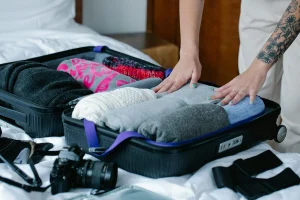
Packing can feel like trying to solve a Rubik’s Cube, but with a strategic mindset, it suddenly becomes a breeze. These first time traveler tips are all about helping you pack smart, not just pack light – a subtle but significant difference.
The Art of Minimalist Packing
Resist that powerful urge to pack “just in case” items. Trust us, overpacking is a classic rookie mistake that leads to cumbersome bags, pesky extra fees, and a whole lot of avoidable stress. Instead, champion versatility: think clothes that can be mixed and matched effortlessly, and items that brilliantly serve multiple purposes. Here’s a trick: lay out everything you *think* you need, then take a deep breath and ruthlessly cut it down by half.
Always keep the climate of your destination and the length of your trip front and center. Opt for quick-drying fabrics and choose a cohesive color palette that makes creating outfits a no-brainer. And remember, nine times out of ten, you can easily pick up any forgotten essentials once you arrive.
Don’t Forget Travel Essentials
While packing light is the name of the game, some items are truly non-negotiable. This vital list includes your passport/ID, credit/debit cards, any prescription medications (with supporting prescriptions if required), and a universal travel adapter. A compact first-aid kit, stocked with basics like pain relievers, plasters, and antiseptic wipes, is also a super smart addition.

Other must-haves might extend to a reusable water bottle, a small daypack for your excursions, sunglasses, and perhaps a comfy travel pillow for those longer journeys. Whip up a comprehensive checklist and diligently tick off items as you pack to ensure no crucial piece of the puzzle gets left behind.
Hand Luggage vs. Checked Baggage Strategy
It’s crucial to decide what goes where. Your hand luggage should be a fortress for all your most valuable and utterly essential items: think documents, money, electronics, medications, and a spare change of clothes. This way, if your checked baggage decides to play hide-and-seek or gets lost in transit, you’ll still have your absolute necessities close at hand.
Checked baggage, on the other hand, is the designated spot for bulkier items, liquids exceeding 100ml, and anything you wouldn’t mind being without for a day or two. Keep a keen eye on airline weight and size restrictions for both types of luggage to steer clear of unwelcome fees at the airport.
Mastering Travel Documents and Money

Read Also : Your Ultimate Travel Planning Guide for Beginners
Properly managing your identity and finances is absolutely critical for a journey free of undue stress. These first time traveler tips are designed to help you keep everything secure and in its right place.
Organizing Important Documents
Before you even step out the door, make multiple copies of all your critical documents: your passport, visa, flight tickets, hotel reservations, and travel insurance policy. Store digital copies on your phone, in cloud storage, and even email them to yourself. Critically, keep physical copies stashed separately from the originals. Think of it as having all your ducks in a row.
Consider investing in a dedicated travel wallet or document organizer; it’s a game-changer for keeping everything neatly corralled while you’re on the move. Always ensure your passport is easily accessible yet securely tucked away when navigating airports or crossing borders.
Smart Money Management Abroad
Putting all your eggs in one basket when it comes to payment methods is a risky business. Instead, carry a sensible mix: a small stash of local currency for immediate needs, a primary credit card, and a reliable backup debit card. It’s also vital to give your bank and credit card companies a heads-up about your travel plans to prevent them from mistakenly flagging your transactions as fraudulent.
Do your homework on currency exchange rates before you go, and make it a point to avoid exchanging large sums at airports, where rates are often a rip-off. Use ATMs from well-known banks for cash withdrawals, but be mindful of any pesky transaction fees. Better yet, consider a travel-specific debit card that boasts low or even zero foreign transaction fees.
Travel Insurance: A Non-Negotiable
Many first-time adventurers mistakenly view travel insurance as an optional extra, but this is one of the most vital investments you can make. It’s your safety net against unforeseen events like medical emergencies, trip cancellations, lost luggage, and personal liability. Seriously, do not even think about traveling without it.
Take the time to thoroughly read your policy, understanding precisely what’s covered and, just as importantly, what isn’t. Ensure it extends to any specific activities you plan (like adventure sports) and any pre-existing medical conditions. Keep your policy details and emergency contact numbers easily accessible – they’re worth their weight in gold if things go sideways.
Staying Safe and Healthy on Your Journey

Your well-being should always be at the very top of your priority list. These first time traveler tips are all about keeping you safe and sound, allowing you to enjoy your adventure to the fullest.
Prioritizing Personal Safety
Always keep your wits about you and be acutely aware of your surroundings, especially when you’re in unfamiliar territory. Steer clear of walking alone at night in dimly lit areas. Keep your valuables out of sight and be on guard against pickpockets, particularly in bustling tourist hotspots. Opt for reputable taxis or well-known ride-sharing services.
Read Also : Trip Planning Advice for Novices: Your Ultimate Guide
Make sure to share your itinerary with a trusted family member or friend back home. Educate yourself on common local scams prevalent in your destination. Most importantly, trust your gut feeling; if a situation feels off, remove yourself from it without hesitation. And when scouting for accommodation, do your homework on the safest neighborhoods.
Health Precautions and First Aid
Consult your doctor well in advance of your trip to discuss any necessary vaccinations or preventative medications for your chosen destination. Pack all prescription medications in their original containers, accompanied by a doctor’s note, which is especially crucial for international travel.
A basic first-aid kit is an absolute must-have. Stock it with essentials like pain relievers, allergy medication, antiseptic wipes, plasters, motion sickness tablets, and any personal medications you regularly take. Stay well-hydrated, particularly in hot climates, and be vigilant about local food and water safety standards.
Dealing with Emergencies
Familiarize yourself with the emergency numbers for your destination (police, ambulance). Keep the contact details for your home country’s embassy or consulate readily at hand. In the event of a serious emergency, contact your travel insurance provider immediately for guidance – they’re there to help you navigate through tough spots.
Having copies of your passport and insurance details stored separately can be an absolute lifesaver if the originals are lost or stolen. The key is to stay calm, assess the situation logically, and seek assistance from local authorities or your embassy if the need arises.
Navigating Transportation Like a Pro
Getting from point A to point B in a new place can often become an integral part of the adventure itself. These first time traveler tips are designed to help you move around efficiently and with unwavering confidence.
Understanding Local Transport Options
Before you even touch down, take some time to research the local public transportation system – buses, trains, subways, you name it. More often than not, these are the most budget-friendly and authentic ways to truly immerse yourself. Learn how to purchase tickets, get a grasp of the routes, and identify common stops. It’s all part of finding your feet.
Apps like Google Maps or dedicated local transit apps can be incredibly powerful tools for navigation. Don’t shy away from politely asking locals for directions, but always cross-verify the information with a map or another source if possible. Taxis and ride-sharing apps, while convenient, typically come with a higher price tag.
Renting a Car: Pros and Cons
Renting a car certainly offers unparalleled flexibility and the freedom to explore those charming, off-the-beaten-path locales. However, it’s crucial to weigh the pros and cons: Are you comfortable driving on the opposite side of the road? Are the local roads well-maintained and easy to navigate? Is parking readily available and won’t break the bank?
Read Also : Beginner Traveler Mindset: Essential Advice for Your First Trip
Ensure you have an international driving permit if required. Always purchase adequate insurance when renting a car and meticulously inspect the vehicle for any existing damage before you drive off the lot. A firm grasp of local traffic laws is also a must.
Public Transport Etiquette
Different cultures come with different expectations when it comes to behavior on public transport. Take a moment to observe how the locals use the system: Is it customary to offer your seat to the elderly? Is it acceptable to chat loudly on your phone? Being mindful of local customs will not only make your experience smoother but also show a deep respect for the culture.
Always keep your belongings secure, especially during rush hour. Be prepared for crowds, and ensure you always have your ticket or pass ready for inspection. If you’re ever unsure, simply watch what others do or politely ask for guidance.
Embracing Local Culture and Communication

Truly connecting with the local culture will enrich your travel experience beyond measure. These first time traveler tips will help you engage respectfully and meaningfully.
Learning Basic Phrases
Even just a handful of words in the local language can go an incredibly long way. Simple greetings like “hello,” “thank you,” “please,” “excuse me,” and “do you speak English?” are fantastic starting points. Locals genuinely appreciate the effort, and it can often unlock doors to more authentic and heartwarming interactions.
Lean on translation apps or a compact phrasebook if you find yourself struggling. Don’t be afraid to stumble over your words; most people are patient and genuinely happy to lend a hand to a polite traveler.
Respecting Local Customs
Make it a point to research local etiquette before you even arrive. This encompasses everything from appropriate dress codes for religious sites, to tipping customs, dining manners, and even body language. For instance, pointing with your foot or touching someone’s head can be deeply offensive in some cultures.
Being aware and respectful of cultural norms isn’t just good manners; it actively prevents unintentional offense. Observe the locals and try to emulate their behavior where it feels appropriate. When in doubt, a warm smile and a sincere “thank you” are universally understood.
Staying Connected: SIM Cards and Wi-Fi
While unplugging can be a wonderful part of travel, staying connected for navigation, emergencies, and keeping in touch with loved ones is often non-negotiable. Look into local SIM card options upon arrival; more often than not, these are far more economical than exorbitant international roaming charges.
Read Also : Hidden Gems for Unforgettable Weekend Adventures 2026
Many cafes, hotels, and public spaces generously offer free Wi-Fi. However, exercise caution when using public Wi-Fi networks for sensitive transactions, as they might not be as secure as you’d hope. For consistent connectivity, consider a portable Wi-Fi device or an eSIM.
Maximizing Your Experience: Beyond the Basics
It’s time to move beyond the mere checklist and truly immerse yourself in the heart of your adventure. These advanced first time traveler tips are all about helping you forge unforgettable, lasting memories.
Documenting Your Memories
Whether you’re a shutterbug, a dedicated journaler, or simply someone who takes mental snapshots, find a method that allows you to truly capture your experiences. Photos are brilliant for jogging your memory of sights, but a travel journal offers a unique space to record feelings, amusing anecdotes, and reflections that you can cherish for years to come.
But here’s the kicker: don’t spend your entire trip glued to your lens. Remember to put that camera down and simply be present in the moment, soaking in the atmosphere and crafting memories that don’t need a screen to be vividly relived.
Flexibility and Open-Mindedness
Let’s face it: travel rarely unfurls exactly as planned. Flights get delayed, attractions unexpectedly close, and even the best-laid plans can go sideways. This is where you need to embrace flexibility with open arms. A willingness to adapt and an open mind to new experiences – even the unexpected ones – can often transform a potential setback into a truly memorable adventure.
Be adventurous! Be open to trying new foods, striking up conversations with strangers, and stepping well outside your comfort zone. Some of the most cherished travel memories often spring from spontaneous decisions and delightful, unexpected detours.
Dealing with Travel Hiccups Gracefully
No trip is perfect, full stop. You might get hopelessly lost, miss a crucial train, or hit a frustrating language barrier. How you choose to react to these little challenges significantly shapes your overall experience. Instead of letting frustration get the better of you, take a deep breath, and approach the problem with a calm, problem-solving mindset.
Remember that these challenges are simply part of the grand adventure and often morph into hilarious or insightful stories later on. A positive attitude can truly transform a frustrating situation into a character-building experience that makes you a savvier traveler.
Common Mistakes First Time Travelers Make (And How to Avoid Them)
Learning from the missteps of others is a fantastic shortcut to saving yourself a whole heap of trouble. Here are some crucial first time traveler tips on what to proactively steer clear of.
Overpacking and Underplanning
That urge to pack everything “just in case” is incredibly powerful, but it’s a classic rookie error. Overpacking leads to heavy, cumbersome bags, those annoying extra fees, and a serious case of decision fatigue. Conversely, skimping on the planning for major aspects like visas, insurance, or emergency funds can spell disaster.
Read Also : Discover Hidden Travel Destinations for Your Next Adventure
Solution: Craft a super detailed packing list, then be ruthless in cutting it down. For planning, tackle the big-ticket items first (flights, accommodation, visas, insurance), and only then fill in the finer details. A balanced approach, hitting that sweet spot between spontaneity and preparation, is absolutely key.
Ignoring Travel Insurance
Many first-timers mistakenly view travel insurance as an unnecessary drain on their budget. This, my friends, is a dangerous oversight. Picture this: a medical emergency, a sudden trip cancellation, or lost luggage could easily run into thousands of dollars, completely dwarfing the modest cost of a comprehensive policy.
Solution: Research and invest in comprehensive travel insurance that covers medical emergencies, trip interruption/cancellation, and baggage loss. It’s truly peace of mind that you simply cannot afford to skip.
Not Having Backup Plans
Putting all your faith in a single plan for everything is playing with fire. What if your primary credit card gets blocked while you’re abroad? What if your hostel booking unexpectedly falls through? What if your phone battery decides to die just when you desperately need a map?
Solution: Carry multiple payment methods, print out hard copies of important reservations, download offline maps to your phone, and always have a portable power bank for your devices. Think of it as having a “Plan B” (and maybe even a “Plan C”) for all critical aspects of your journey.
Conclusion
Stepping out on your first international adventure is, without a doubt, a profoundly transformative experience. With these comprehensive first time traveler tips firmly in your arsenal, you’re now exceptionally well-equipped to navigate your journey with both confidence and boundless enthusiasm. From meticulous planning and smart packing to prioritizing your safety and wholeheartedly embracing cultural immersion, we’ve covered every base to ensure your inaugural trip is nothing short of spectacular.
Always remember, travel is just as much about those delightful, unexpected detours as it is about the carefully planned destinations. Cultivate flexibility, maintain an open mind, and allow yourself to be utterly captivated by the myriad wonders of the world. Each challenge you overcome and every new discovery you make will contribute to a richer, far more meaningful experience.
So, take a deep breath, give that passport one final double-check, and brace yourself for an unforgettable adventure. The world is calling your name, and you, my friend, are absolutely ready to answer! Happy travels!
FAQ
For your maiden international voyage, focus on versatile, comfortable clothing that's perfectly suited for your destination's climate. Essential items absolutely must include your passport, any required visas, travel insurance documents, necessary prescription medications, a universal adapter, and comfortable walking shoes. The golden rule is to pack light to dodge extra baggage fees and make moving around a breeze. Always keep your most valuable items and important documents safely stashed in your carry-on bag.
Budgeting is a highly personal affair, varying wildly based on your chosen destination, travel style, and the duration of your trip. Begin by calculating your fixed costs, such as flights and accommodation. Next, estimate your daily expenses for food, local transportation, activities, and, of course, a few souvenirs. Crucially, always tack on an extra 10-15% buffer for those inevitable, unexpected costs. Researching average daily expenses for your specific destination can give you a much more accurate ballpark figure.
Absolutely, travel insurance is not just highly recommended, it's often considered utterly essential for first-time travelers. It provides a vital safety net, offering crucial protection against unforeseen events like medical emergencies, trip cancellations or interruptions, lost or stolen luggage, and personal liability. The peace of mind alone is worth its weight in gold, as the cost of a policy is typically minimal compared to the potentially staggering expenses you could incur without it.
To ensure your safety as a first-time solo traveler, always maintain a keen awareness of your surroundings, particularly after dark. Share your detailed itinerary with a trusted friend or family member back home. Keep valuables securely out of sight. Prioritize booking accommodation in well-researched, safe neighborhoods and always opt for reputable transportation services. Trust your instincts implicitly, avoid any situations that feel risky, and learn a few basic phrases in the local language – they can be lifesavers in an emergency.
Several apps can be incredibly helpful for first-time international travelers. Google Maps (especially with downloaded offline maps) is indispensable for navigation, while a reliable translation app like Google Translate or iTranslate can bridge language barriers. Currency converter apps and your airline's official app are also incredibly useful. Furthermore, apps for booking accommodation (e.g., Booking.com, Airbnb), local public transport, and communication (like WhatsApp) will prove invaluable companions on your journey.


Popular Posts


Embracing Spiritual Growth Through Travel and Exploration
Travel is more than just seeing new places; it's a profound journey into oneself. This article explores how embracing travel and exploration can significantly contribute to your spiritual growth, offering unique perspectives and transformative experiences.


