Solo Travel Tips for Beginners: Your Ultimate Guide

Embarking on a solo travel adventure is, without a doubt, an exhilarating prospect. Yet, for many, especially those just dipping their toes into the idea, it can feel incredibly daunting. The thought of navigating uncharted territories, immersing oneself in new cultures, and tackling challenges entirely on your own can spark a potent mix of excitement and apprehension. However, solo travel throws open the doors to unparalleled opportunities for personal growth, boundless freedom, and unforgettable experiences that simply can’t be replicated when you’re part of a group.
If you’re toying with the idea of taking that first leap into independent travel, you’ve landed in just the right spot. This comprehensive guide is chock-full of essential solo travel tips for beginners, meticulously crafted to arm you with the knowledge and confidence you’ll need to plan, execute, and truly revel in your independent escapade. From practical planning hacks to crucial safety measures and insights on embracing solitude, we’ll cover every single base to ensure your inaugural solo trip is nothing short of a roaring success.
Why Solo Travel? Embracing the Adventure
The Freedom of Choice
One of the most magnetic pulls of solo travel is the sheer, unadulterated freedom it hands you on a silver platter. Every single decision – from where to grab a bite to eat to which historical sights to soak in – rests entirely in your hands. There’s no need to compromise on itineraries or preferences, allowing you to tailor your journey precisely to your heart’s desires, without a single backward glance.
This sweet autonomy means you can wake up whenever the mood strikes, linger for hours at a museum that has truly captured your imagination, or spontaneously pivot your plans based on a whispered local recommendation. It’s a golden opportunity to truly tune into your own instincts and craft an experience that is uniquely yours, making these solo travel tips for beginners all the more invaluable.

Personal Growth and Self-Discovery
Solo travel has a remarkable way of gently, yet firmly, nudging you out of your comfort zone – in the absolute best way imaginable. Navigating unfamiliar situations, solving problems off your own bat, and relying solely on yourself fosters incredible personal growth. You’ll unearth strengths and capabilities you never even knew were bubbling beneath the surface.
This journey of self-discovery runs deep. Without the constant chatter or input of others, you become far more attuned to your own thoughts and feelings, leading to a profound understanding of who you are and what truly sets your soul alight. Many solo travelers often report returning home with a renewed sense of confidence, having truly come into their own.
Meeting New People
While you might be venturing out alone, solo travel often, paradoxically, paves the way for deeper, more meaningful connections with others. When you’re not caught up in conversations with travel companions, you naturally become more approachable and open to striking up a chat with locals and fellow wanderers alike.
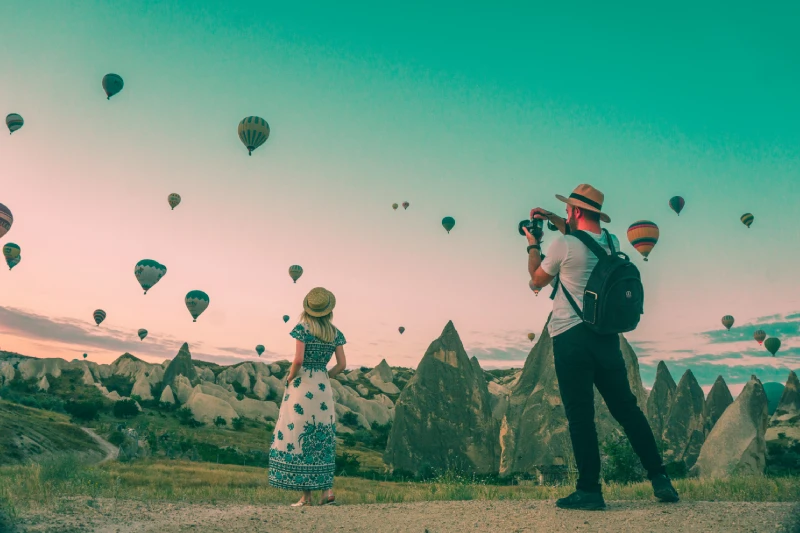
Hostels, guided group tours, and even simply enjoying a meal by yourself can act as excellent catalysts for sparking conversations. These serendipitous interactions can immeasurably enrich your trip, offering invaluable local insights, shared laughter, and sometimes even forging friendships that stand the test of time. Never underestimate the power of simply being open and friendly.
Pre-Trip Planning: Laying the Groundwork
Choosing Your Destination Wisely
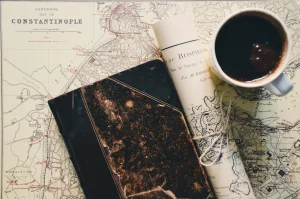
For your maiden solo voyage, picking the right destination is absolutely paramount. Cast your net towards places renowned for their safety, ease of navigation, and a genuinely welcoming vibe for solo travelers. Countries boasting robust public transport systems and a well-oiled tourism infrastructure often prove to be stellar choices.
Read Also : First Time Traveler Tips: Your Ultimate Guide to Adventure

Doing your homework on destinations that align with your passions – be it bustling urban jungles, serene natural wonders, or deep cultural immersion – will ensure you have plenty to see and do. Perusing blogs and forums penned by other solo travelers can offer a treasure trove of insights into truly beginner-friendly locales.
Budgeting for Your Solo Journey
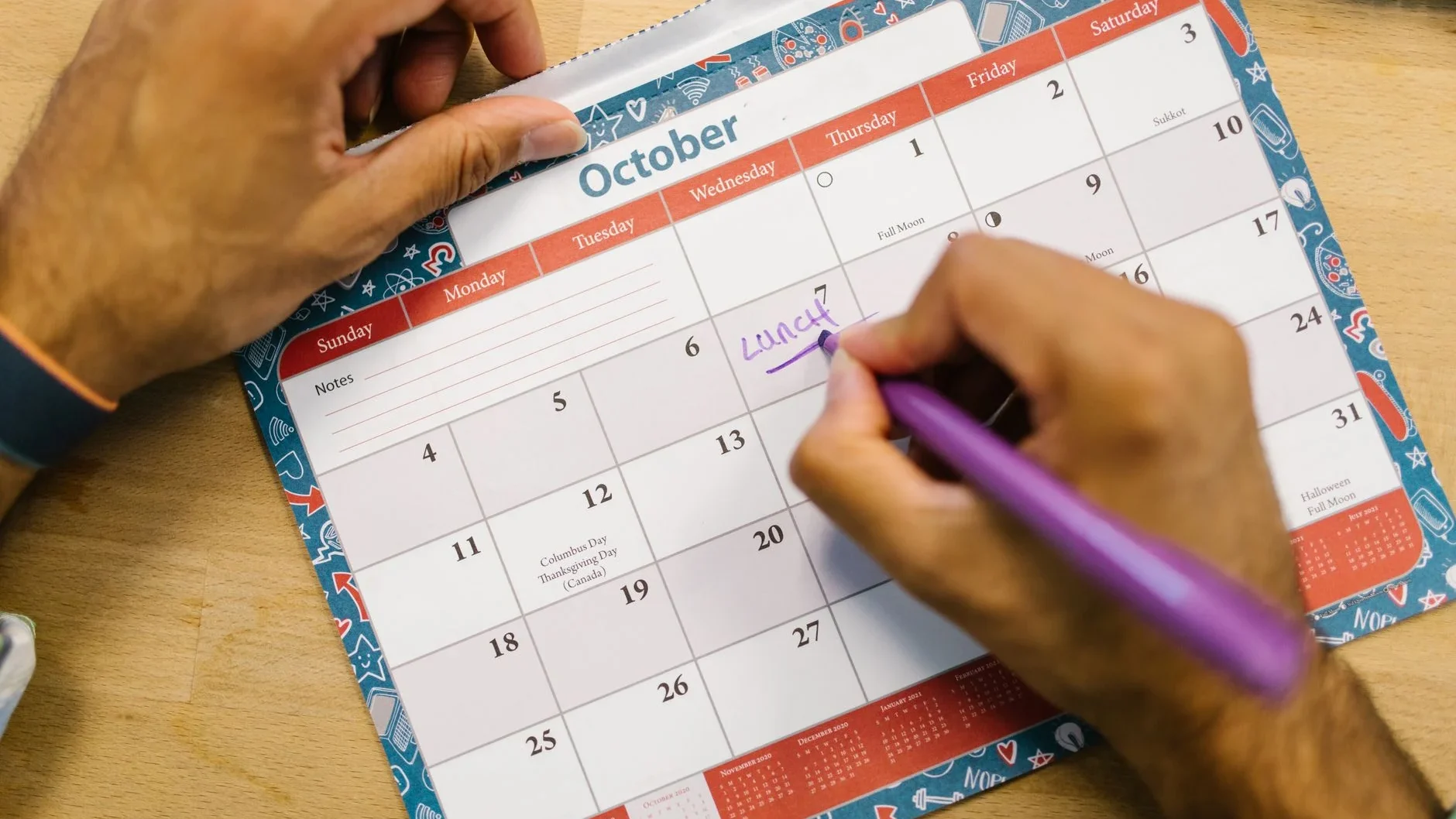
Smart budgeting is the name of the game, especially when you’re footing the bill for every single expense yourself. Draw up a meticulous budget that factors in accommodation, transport, food, activities, and, crucially, a rainy-day fund for any unforeseen emergencies. Keep in mind that solo accommodation can sometimes cost a pretty penny more than splitting expenses with a travel buddy.
Actively seek out savvy ways to save a buck, such as whipping up some of your own meals, opting for budget-friendly crash pads like hostels, or making the most of free walking tours. Knowing your financial boundaries upfront will help keep stress at bay during your trip and allow you to soak in every moment.
Packing Smart for One
When you’re the sole custodian of your luggage, packing light isn’t just a suggestion; it’s a golden rule. Aim for versatile threads that can be effortlessly mixed and matched, and always, always double-check the weather forecast for your chosen destination. A good rule of thumb? If you can’t comfortably carry it yourself, it probably doesn’t belong in your bag.
Don’t forget essential bits and bobs like a universal adapter, a trusty portable power bank, a reusable water bottle, and any necessary medications. Lay out everything you *think* you need, then play a ruthless game of “critical removal” – try to halve it. Less baggage quite literally translates to more freedom to flit around with ease.
Researching Local Culture and Customs
Before you even set foot out the door, take the time to truly grasp the local culture, customs, and etiquette of your chosen destination. This foresight will not only help you steer clear of awkward misunderstandings but also show genuine respect for the local populace, ultimately elevating your entire experience.
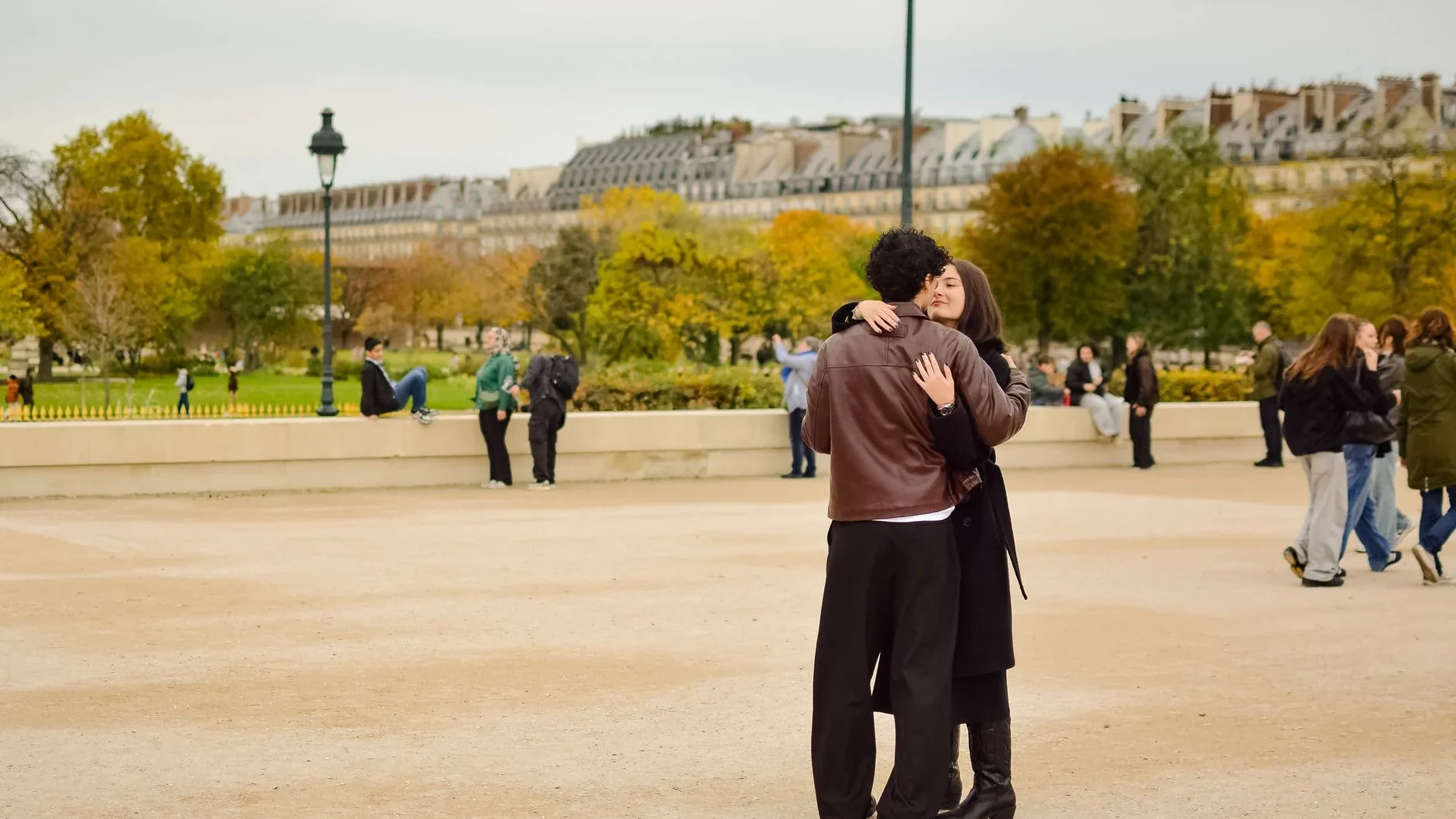
Pick up a few key phrases in the local tongue, such as “hello,” “please,” and “thank you.” Understanding dress codes, tipping norms, and social graces can make a world of difference in how you’re perceived and how comfortable you feel engaging with the locals.
Safety First: Prioritizing Your Well-being

Sharing Your Itinerary
One of the most vital solo travel tips for beginners is to always keep someone in the loop about your whereabouts. Share your detailed itinerary, including flight numbers, accommodation bookings, and planned activities, with a trusted friend or family member back home. It’s truly a no-brainer.
Make it a point to regularly check in with them, especially when you’re moving from one place to another. In the unfortunate event of an emergency, having someone clued in on your plans can be an absolute godsend, offering invaluable peace of mind for both you and your nearest and dearest.
Read Also : Solo Travel Destinations for Beginners [apc_current_year]
Staying Aware of Your Surroundings
Always keep your wits about you and be keenly aware of what’s unfolding around you. Steer clear of poorly lit areas when night falls, and try to blend in with the crowd rather than drawing unnecessary attention to yourself. Keep your valuables out of sight and stay sharp for common tourist traps and scams.
When using public transport or simply strolling about, try not to be overly engrossed in your phone or map. Take a beat to observe your environment and, above all, trust your gut. If a situation makes you feel even a whisper of unease, make a swift exit.
Securing Your Valuables
Invest in a top-notch money belt or a secure travel pouch to keep your passport, cash, and credit cards safely tucked away beneath your clothes. Resist the urge to keep all your money and cards in one place; instead, spread them across different bags or pockets like a savvy squirrel. It’s a classic case of not putting all your eggs in one basket.
When bunking down in hostels or hotels, make good use of lockers or in-room safes for your more precious items. Never, ever leave your phone or wallet unattended, not even for a moment, in public spaces. These small, thoughtful precautions can save you from monumental headaches.
Trusting Your Gut Instincts
Your intuition is a powerful, often overlooked, safety tool, especially when you’re out there on your own. If a person or a situation sends a shiver of unease down your spine, it’s always, always best to err on the side of caution and remove yourself from it. Don’t ever feel compelled to be polite if it means compromising your personal safety.
This golden rule applies to everything from accepting rides from strangers to venturing down a particular street. Your gut feeling is often your brain’s lightning-fast, subconscious processing of potential threats, so pay heed to its whispers.
Accommodation & Transport: Getting Around Solo

Finding Safe and Social Stays
For solo travelers, particularly beginners, zeroing in on the right accommodation is absolutely key. Hostels often strike a fantastic balance of affordability, safety, and buzzing social opportunities. Many even boast female-only dorms and secure lockers, offering an extra layer of peace of mind.
Alternatively, cast your eye towards guesthouses or hotels with 24-hour reception and glowing reviews concerning safety and location. Always make it a habit to pore over recent reviews from other solo travelers to get a real feel for the atmosphere and security of a place before you commit to booking.
Navigating Public Transportation
Public transportation often stands as the most cost-effective and truly authentic way to traverse a new city. Take a moment to familiarize yourself with the local bus, train, or metro systems before you even arrive. Handy tools like Google Maps or dedicated local transport apps can be incredibly useful for mapping out your routes.
Read Also : inspiring Travel Tales That Will Ignite Your Wanderlust
During peak hours, public transport is generally as safe as houses. If you’re out and about at night, consider opting for reputable ride-sharing apps or taxis, especially if you’re a bit unsure of your surroundings. Always confirm the fare or agree on a price before your journey begins, so there are no nasty surprises.
Booking Flights and Trains in Advance
To bag the best prices and guarantee availability, it’s a savvy move to book your flights and long-distance train or bus tickets well ahead of time. This holds particularly true for popular routes or during the hustle and bustle of peak travel seasons.
Having your major transport sorted well in advance works wonders for minimizing stress, allowing you to focus squarely on soaking up every moment of your trip. Keep digital copies of all your bookings, alongside physical printouts as a safety net, just in case your phone decides to play dead or you lose signal.
Managing Your Money: Financial Preparedness

Multiple Payment Methods
Never, under any circumstances, put all your financial eggs in one basket by relying on a single payment method. Carry a smart mix of credit cards, debit cards, and a sensible stash of local currency. Crucially, keep them stashed in different places to significantly mitigate risk should one go missing or get stolen.
Do your due diligence and inform your bank of your travel plans to prevent your cards from being flagged for suspicious activity – a real headache you don’t need. Also, get a clear understanding of any foreign transaction fees associated with your cards, and perhaps even consider snagging a travel-friendly credit card that waves international fees goodbye.
Understanding Exchange Rates
Before you jet off, get cozy with the current exchange rate between your home currency and the local currency. This little bit of homework will empower you to make well-informed decisions about your purchases and expertly sidestep being overcharged.
Stick to reputable ATMs, ideally those physically attached to banks, when withdrawing cash. Give currency exchange booths at airports a wide berth, as they often offer less-than-favorable rates. A reliable currency converter app on your phone can quickly become your best friend.
Emergency Funds
Always, always have an emergency fund tucked away, entirely separate from your main travel budget. This could manifest as a credit card with a generous limit or a distinct savings account accessible purely for emergencies. This financial safety net is absolutely crucial for navigating unexpected curveballs like medical emergencies, lost luggage, or needing to rebook flights in a hurry.
Knowing you have a financial cushion to fall back on will provide immense peace of mind and is, without a doubt, one of the most practical solo travel tips for beginners you’ll ever receive.
Read Also : Beginner Traveler Mindset: Essential Advice for Your First Trip
Connecting with Others: Conquering Loneliness

Utilizing Social Apps and Tours
For solo travelers, technology can be a magnificent bridge to connection. Apps like Meetup, Couchsurfing (brilliant for finding local events, not just stays), or even dedicated solo travel groups on social media can be golden tickets to finding like-minded souls and engaging local happenings.
Diving into walking tours, hands-on cooking classes, or day trips is a truly excellent way to rub shoulders with new people. These activities naturally create a shared experience, making it much easier to strike up conversations and, perhaps, even find temporary travel companions.
Engaging with Locals
Don’t be shy about striking up conversations with the locals. A simple “hello” or a genuine request for recommendations can unlock doors to fascinating interactions and offer unparalleled insights into the local culture. Many locals beam with pride for their heritage and are more than happy to share it.
Venturing into local markets, cozy cafes, or community events, rather than just sticking to the well-trodden tourist hotspots, can provide more authentic opportunities for interaction. Remember to approach with respect and a genuine interest in their way of life.
Staying Open to New Friendships
One of the true delights of solo travel is the effortless ease with which you can forge new friendships. Be open to chatting with people you encounter in hostels, on tours, or even just while waiting in line. These connections might be fleeting but incredibly memorable, or they might even blossom into future travel plans. You never know who you’ll meet!
Don’t put undue pressure on yourself to constantly seek company, but do remain receptive to friendly overtures. Striking a healthy balance between cherished solitude and joyful social interaction is absolutely key to a truly fulfilling solo journey.
Health & Wellness: Keeping Yourself in Top Shape
Travel Insurance is Non-Negotiable
Travel insurance is arguably the most critical item on any comprehensive list of solo travel tips for beginners. It acts as an indispensable safety net for medical emergencies, frustrating trip cancellations, lost luggage, and a myriad of other unforeseen circumstances. Simply put: do not, under any circumstances, leave home without it.
Take the time to meticulously pore over the policy details to fully grasp what’s covered, paying particular attention to medical expenses and emergency evacuation. Ensure it covers every single activity you plan to undertake, from hiking to diving.
Basic First Aid Kit
Tuck a small, yet well-appointed, first aid kit into your bag with essentials like pain relievers, antiseptic wipes, a selection of band-aids, allergy medication, and any personal prescription drugs you might need. While you’ll hope it gathers dust, having these items readily at hand can be a real lifesaver for minor scrapes and ailments.
Read Also : Hidden Gems for Unforgettable Weekend Adventures 2026
It’s also a smart move to do a quick scout for the locations of local pharmacies or clinics at your destination, just in case you find yourself needing more specialized medical attention.
Prioritizing Rest and Hydration
It’s all too easy to get swept up in the whirlwind excitement of travel and push yourself to the brink. However, fatigue can leave you more susceptible to illness and prone to making poor decisions. Make sure you’re getting a good night’s sleep, every night.
Stay well-hydrated, especially in scorching climates or when engaging in physically demanding activities. Carry a trusty reusable water bottle and top it up whenever you get the chance. Nurturing your physical well-being is paramount for truly savoring your solo adventure.
Documenting Your Journey: Capturing Memories
Photography Tips for Solo Travelers
Capturing the magic of your solo journey doesn’t mean your photo album will be a monotonous collection of selfies. Consider investing in a compact, lightweight tripod or a selfie stick for those wider, more dynamic shots. And don’t be shy about politely asking fellow travelers or friendly locals to snap your picture – more often than not, they’re happy to lend a hand.
Focus your lens on capturing the very essence of the places you visit, from sweeping landscapes to vibrant local life and those unique, intricate details. These photographs will become treasured keepsakes of your independent adventure.
Journaling Your Experiences
A travel journal quickly becomes an invaluable companion for solo travelers. It carves out a private sanctuary for you to reflect on your experiences, thoughts, and feelings, entirely free from external influences. Jot down daily happenings, exciting new discoveries, challenges you’ve overcome, and your personal insights.
Reading your journal entries years down the line will instantly transport you back to those moments and vividly remind you of the incredible journey of self-discovery you embarked upon. It’s a powerful and deeply personal way to process and cherish your trip.
Staying Connected with Home
While solo travel champions independence, it’s also important to keep those lines of communication open with your loved ones back home. Schedule regular video calls or send messages to share your thrilling adventures and reassure them that you’re safe and sound. This can also be a wonderful antidote to any pangs of homesickness.
Consider picking up a local SIM card or an e-SIM for affordable data access, making communication a breeze and utterly reliable. Sharing your experiences can also light a spark in others, inspiring them to take their own solo leaps.
Overcoming Challenges: Resilience on the Road
Dealing with Unexpected Situations
Travel, particularly when you’re flying solo, inevitably throws up a few curveballs – a delayed flight, a misplaced booking, or a minor injury. The trick is to approach these situations with a flexible attitude and a problem-solving mindset, rather than letting panic take the reins.
Read Also : Discover Hidden Travel Destinations for Your Next Adventure
Keep important numbers close at hand (insurance, embassy, bank) and be ready to pivot your plans on a dime. Every challenge you conquer becomes another gripping story and a powerful testament to your burgeoning resilience as a solo traveler.
Managing Homesickness
It’s perfectly normal to feel a little pang of homesickness, even when you’re having the time of your life on the most exciting solo trip. When it strikes, acknowledge the feeling, but don’t allow it to consume you. Distract yourself with an activity you genuinely enjoy, reach out to a friend or family member for a chat, or simply treat yourself to a comforting meal.
Take a moment to remember *why* you chose to travel solo and refocus on the incredible experiences you’re collecting. Homesickness is usually a fleeting visitor that packs its bags as you re-engage with your vibrant surroundings.
Embracing Flexibility
One of the greatest freedoms solo travel offers is the glorious ability to change your plans on a whim. While it’s smart to have a general itinerary as a guiding star, remain open to spontaneous detours. A local’s recommendation, a new friend’s exciting suggestion, or simply an urge to explore something truly off the beaten path can lead to some of your most cherished and memorable moments.
Don’t be afraid to wander from your original blueprint; embracing flexibility is a core tenet of truly enjoyable independent travel and will often lead you to unexpected wonders.
Enjoying Every Moment: The Solo Traveler’s Mindset
Savoring Solitude
Solo travel presents a rare and precious opportunity to truly savor solitude. Embrace those quiet moments of reflection, whether you’re enjoying a coffee alone at a quaint cafe, getting lost in a good book in a serene park, or simply watching the world unfold around you. These moments can be incredibly peaceful and deeply rejuvenating for the soul.
Learning to be comfortable and utterly content in your own company is a valuable life skill that solo travel helps cultivate. It’s not about being lonely; it’s about relishing your own presence and finding joy in quiet introspection.
Stepping Out of Your Comfort Zone
Pushing your boundaries is a fundamental, transformative part of the solo travel experience. Dare to try new foods, attempt a conversation in a foreign language, or enthusiastically participate in an activity you wouldn’t normally consider. These experiences are the building blocks of confidence and the stuff of lasting memories.
Always remember that true growth happens when you step outside your comfort zone. Embrace the unfamiliar, and you’ll often be rewarded with incredible adventures and a much stronger, more self-assured sense of self.
Celebrating Small Victories
From successfully navigating a labyrinthine public transport system to confidently ordering an entire meal in a foreign language, make it a point to celebrate your small victories along the way. Each achievement, no matter how seemingly minor, significantly contributes to your burgeoning confidence and profound sense of accomplishment.
Read Also : Best Road Trips in the World: Ultimate Guide
These positive reinforcements are absolutely crucial for maintaining an upbeat mindset and will spur you on to continue exploring and delightfully challenging yourself on your solo journey.
Conclusion
Embarking on a solo travel adventure as a beginner is a profound decision, one that promises unparalleled freedom, deep personal growth, and a tapestry of unforgettable memories. While the initial thought might stir a mix of excitement and apprehension, arming yourself with the right knowledge and cultivating a confident mindset can transform any lingering doubts into daring determination. The solo travel tips for beginners shared throughout this guide are designed to be your steadfast compass, helping you expertly navigate the planning stages, prioritize your safety above all else, and fully immerse yourself in the sheer beauty of independent exploration.
Always remember that every seasoned solo traveler was, at one point, standing exactly where you are now – a beginner. The journey of discovering new places and, perhaps even more importantly, new facets of your own self, is incredibly rewarding. By taking thoughtful, systematic steps in your planning, staying vigilant with safety, and wholeheartedly embracing both the quiet solitude and the vibrant opportunities for connection, you’ll build an unshakeable resilience and weave a travel narrative that is uniquely, gloriously your own. Don’t let fear hold you back from experiencing the world on your terms; it’s a big, beautiful world out there, just waiting to be explored.
So, take a deep breath, pick your dream destination, and start packing that bag. The world is eagerly waiting for you to explore it, one incredible solo adventure at a time. Trust your instincts, throw yourself open to new experiences, and get ready for a journey that will undoubtedly change you for the better, inside and out. Happy travels!
FAQ
Absolutely, solo travel can be incredibly safe for beginners, especially if you plan meticulously and make your well-being a top priority. Key solo travel tips for beginners that significantly bolster safety include diligently researching secure destinations, sharing your itinerary with someone back home, trusting your gut instincts, and always being keenly aware of your surroundings. With a little preparation, you'll be as safe as houses.
There isn't a definitive "best" age to travel solo; it’s much more about your mindset and how prepared you feel. People from all walks of life and all ages, from spirited young adults to vibrant retirees, successfully embark on solo adventures. What truly matters most is a genuine willingness to embrace independence, an adaptable spirit, and an open heart for new experiences.
It's true, a pang of loneliness can sometimes be part and parcel of solo travel, but it's entirely manageable. Actively seek out social opportunities by opting for hostels, joining lively group tours, or utilizing social apps like Meetup. Don't be afraid to engage with locals, strike up conversations with fellow travelers, and remember that moments of solitude can also be incredibly enriching for deep self-reflection.
Key items for your solo adventure include a universal adapter, a trusty portable power bank, a reusable water bottle, a small first aid kit, comfortable walking shoes, versatile clothing that mixes and matches easily, and a secure way to carry your valuables (like a discreet money belt). And don't forget digital and physical copies of important documents, plus any necessary medications. Remember, packing light is always a winning strategy!
Absolutely, travel insurance isn't just recommended; it's arguably an essential cornerstone for any solo trip, especially for beginners. It provides crucial financial coverage for medical emergencies, frustrating trip cancellations, lost luggage, and a host of other unforeseen events, offering invaluable peace of mind when you're a long way from home. Think of it as your safety net against life's little curveballs.


Popular Posts


Embracing Spiritual Growth Through Travel and Exploration
Travel is more than just seeing new places; it's a profound journey into oneself. This article explores how embracing travel and exploration can significantly contribute to your spiritual growth, offering unique perspectives and transformative experiences.


One thought on “Solo Travel Tips for Beginners: Your Ultimate Guide”