Your Ultimate Travel Planning Guide for Beginners
The allure of new horizons, vibrant cultures, and breathtaking landscapes calls to many, yet the thought of planning a trip can be overwhelming, especially for first-timers. Where do you even begin when faced with countless destinations, booking options, and packing dilemmas? It’s a common feeling, but with a systematic approach, your dream trip is well within reach.
This comprehensive travel planning guide for beginners is designed to demystify the entire process. We’ll walk you through each crucial step, from the initial spark of an idea to returning home with cherished memories. By following these clear, actionable steps, you’ll gain the confidence and knowledge needed to plan your next adventure seamlessly and stress-free.
So, whether you’re dreaming of a bustling city escape, a tranquil beach retreat, or an adventurous mountain trek, let’s dive into how you can make that dream a reality. Prepare to transform your travel aspirations into concrete plans with this ultimate guide.
Choosing Your Dream Destination

The first and often most exciting step in any journey is deciding where to go. This choice sets the tone for your entire trip, so it’s important to consider various factors that align with your travel desires and practical constraints.
Defining Your Travel Style
Before you pinpoint a location, reflect on what kind of experience you’re truly seeking. Are you an adrenaline junkie craving adventure sports, or do you prefer lounging on a beach with a good book? Perhaps you’re a history buff eager to explore ancient ruins, or a foodie wanting to immerse yourself in local cuisine. Consider if you’re traveling solo, with a partner, family, or friends, as this will influence suitable destinations.
Understanding your travel style helps narrow down the vast possibilities. For instance, if relaxation is key, a bustling metropolis might not be the best fit. If cultural immersion is your goal, a secluded resort may not offer the experiences you desire. Be honest with yourself about what truly excites you.
Researching Potential Locations
Once you have a general idea of your travel style, start researching specific locations. Use online resources like travel blogs, guides, and social media to gather inspiration. Pay attention to factors such as climate during your intended travel dates, safety ratings, and the overall cost of living or travel in that area. Websites like Numbeo can give you a rough idea of daily expenses.
Don’t forget to check visa requirements for your nationality. Some countries require you to apply for a visa well in advance, which can significantly impact your planning timeline. A quick search on your government’s travel advisory website (e.g., U.S. Department of State, UK Foreign Office) can provide essential information on entry requirements and safety warnings.
Setting a Realistic Timeline
Your available time plays a crucial role in destination selection. A weekend getaway will naturally lead you to different places than a month-long sabbatical. Consider the travel time to and from your destination, as well as the amount of time you wish to spend exploring once you arrive. Long-haul flights might eat into a short trip, making a closer destination more practical.
Read Also : Trip Planning Advice for Novices: Your Ultimate Guide

Think about the best time to visit your chosen location. Peak seasons often mean higher prices and larger crowds, while off-peak seasons might offer better deals but potentially less favorable weather or fewer open attractions. Balancing these factors will help you make an informed decision for your initial travel planning guide for beginners.
Setting a Realistic Travel Budget

Money matters are often the biggest hurdle for aspiring travelers. A well-defined budget is not about limiting your fun, but about ensuring you can enjoy your trip without financial stress. This step is fundamental in any effective travel planning guide for beginners.
Estimating Major Expenses
Begin by listing the big-ticket items: flights, accommodation, and major transportation (like train passes or car rentals). Use comparison websites (e.g., Google Flights, Skyscanner, Booking.com, Airbnb) to get estimated costs. Remember that prices fluctuate, so these are initial estimates. For flights, consider booking several months in advance for better deals, especially for international travel.
Accommodation can vary wildly from budget hostels to luxury resorts. Decide what level of comfort you need and research options within that range. Don’t forget to factor in airport transfers or initial transport from your arrival point to your lodging.
Daily Spending & Contingency Funds
Beyond the major bookings, you’ll need money for daily expenses. This includes food, local transportation, activities, entrance fees to attractions, and souvenirs. Research average meal costs in your destination and estimate a daily allowance. It’s always wise to add a contingency fund of at least 10-15% of your total budget for unexpected costs, such as medical emergencies, lost luggage, or spontaneous excursions.

For example, if you plan to spend $50 a day on food and activities, and your trip is 10 days, that’s $500. Add an extra $50-75 for unexpected treats or small emergencies. This buffer provides peace of mind and flexibility.
Tracking Your Spending
Once you’re on your trip, it’s easy to lose track of expenses. Use a simple spreadsheet, a budgeting app (like Mint, TravelSpend, or Splitwise), or even a small notebook to log your daily spending. This helps you stay within your budget and avoid overspending. Before you leave, inform your bank and credit card companies of your travel dates and destinations to avoid any security flags or frozen accounts.
Consider carrying a mix of payment methods: a primary credit card, a backup debit card, and some local currency for small purchases or places that don’t accept cards. Always be aware of ATM fees and exchange rates.
Booking Your Transportation and Accommodation

Read Also : First-Time International Travel Tips: Your Ultimate Guide
With your destination and budget in mind, it’s time to secure the practical elements of your trip. This stage involves making reservations that will form the backbone of your travel itinerary.
Finding the Best Flight Deals
Flight prices can be volatile, so being strategic is key. Start by using flight comparison websites like Google Flights, Skyscanner, and Kayak. These tools allow you to compare prices across multiple airlines and often have features like “flexible dates” or “anywhere” searches, which can reveal cheaper options. Booking flights on specific days (often Tuesday, Wednesday, or Saturday) and at certain times (early morning or late at night) can sometimes yield better rates.
Always clear your browser’s cookies or use an incognito/private browsing window when searching for flights, as websites sometimes track your searches and increase prices. Consider signing up for price alerts from these sites to be notified when fares drop for your desired route. Flexibility with your travel dates, even by a day or two, can lead to significant savings.
Selecting Your Stay
Accommodation is more than just a place to sleep; it’s a significant part of your travel experience. Websites like Booking.com, Airbnb, Expedia, and Agoda offer a wide range of options, from hostels and guesthouses to hotels and vacation rentals. When choosing, always read reviews carefully, paying attention to comments about cleanliness, location, safety, and customer service.
Consider the type of experience you want. A hostel might be great for meeting other travelers, while an Airbnb can offer a more local feel and kitchen facilities. A hotel often provides amenities like daily cleaning and concierge services. Think about the proximity to public transport and attractions, as this can save you time and money on local travel.
Local Transportation Options
Once you arrive, how will you get around? Research local transportation networks in advance. This could include extensive metro systems, bus routes, trains, or ride-sharing apps like Uber or Grab. In some destinations, renting a car offers more flexibility, but be aware of driving laws, parking availability, and insurance requirements. Always get an International Driving Permit if needed.
Purchasing a multi-day pass for public transport can often be more cost-effective than buying single tickets, especially in cities where you plan to use it frequently. For example, a “Paris Visite” pass or a “Japan Rail Pass” can offer great value. Knowing your options beforehand will make your arrival smoother and your daily commutes more efficient.
Understanding Travel Documents and Visas
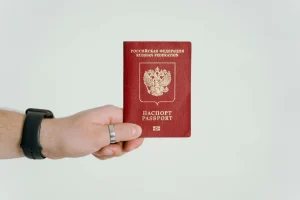
This section is non-negotiable for a smooth international trip. Proper documentation is your key to entry and exit, and overlooking these details can lead to significant headaches or even trip cancellation. This is a critical component of any comprehensive travel planning guide for beginners.
Passport Validity and Requirements
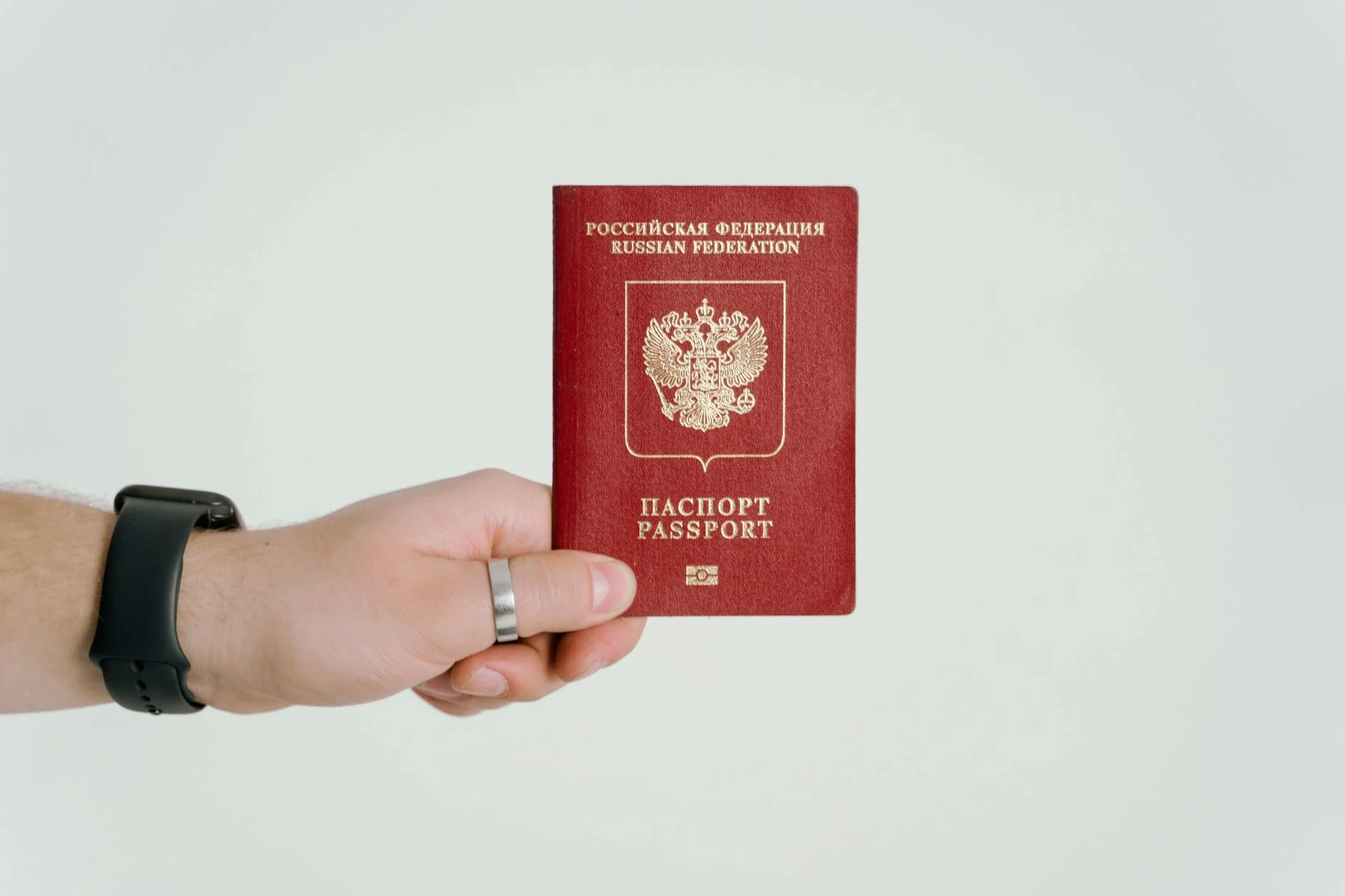
Your passport is your most important travel document. First, check its expiration date. Many countries require your passport to be valid for at least six months beyond your intended departure date. Even if your trip is short, an expiring passport can prevent you from boarding your flight or entering a country. Make sure your passport has enough blank pages for entry and exit stamps, as some countries require a minimum number.
Read Also : How to Start Planning a Trip: Your Ultimate Guide
If you need to renew your passport, start the process well in advance, as it can take several weeks or even months, especially during peak travel seasons. Check your government’s passport agency website for current processing times and requirements.
Researching Visa Needs
A visa is an official endorsement issued by the country you wish to visit, permitting you to enter. Visa requirements vary widely depending on your nationality and destination. Some countries offer visa-free travel, others require a visa on arrival, and many demand you apply for a visa in advance through their embassy or consulate. Websites like VisaHQ or Sherpa can help you determine specific requirements.
The visa application process can be complex and time-consuming, often requiring extensive paperwork, invitation letters, proof of funds, and sometimes even an interview. Start this research as soon as you’ve chosen your destination to ensure you have ample time to complete all necessary steps. Missing a single document can delay or deny your visa.
Essential Copies and Digital Backups
Always carry physical and digital copies of your crucial documents. Make photocopies of your passport, visa, flight tickets, hotel reservations, and travel insurance policy. Keep these copies separate from the originals. For example, store originals in a safe place and copies in a day bag or a separate piece of luggage.
Even better, create digital backups. Scan all important documents and save them to a cloud service (like Google Drive, Dropbox) or email them to yourself. This way, if your physical documents are lost or stolen, you can easily access vital information from anywhere in the world. Also, leave a copy of your itinerary and contact information with a trusted family member or friend back home.
Crafting Your Itinerary (Flexible is Key!)

An itinerary acts as your roadmap, helping you make the most of your time. However, the best itineraries are not rigid schedules but flexible guides that allow for spontaneity and unexpected discoveries. This is a key part of any good travel planning guide for beginners.
Must-See Attractions vs. Hidden Gems
Begin by listing the main attractions you absolutely want to see. These might be iconic landmarks, famous museums, or specific events. Research their opening hours, admission fees, and whether advance booking is required. Then, consider adding some “hidden gems”—local markets, less-known parks, or unique neighborhoods—that offer a more authentic cultural experience away from the tourist crowds. Balancing popular spots with local finds often leads to the most memorable trips.
For example, if you’re in Paris, the Eiffel Tower and the Louvre are must-sees. But also consider a stroll through the Marais district, a picnic along the Canal Saint-Martin, or visiting a local patisserie away from the main tourist routes. This mix provides both iconic experiences and a taste of local life.
Pacing Yourself
One of the biggest mistakes beginners make is over-scheduling. Trying to cram too many activities into one day leads to exhaustion and less enjoyment. Remember, you’re on vacation! Allow for travel time between locations, meal breaks, and some downtime to simply relax or people-watch. A good rule of thumb is to plan 2-3 major activities per day, leaving room for spontaneous detours.
Read Also : First Time Traveler Tips: Your Ultimate Guide to Adventure
Consider grouping activities geographically. If several attractions are in the same neighborhood, visit them on the same day to minimize travel time. Don’t be afraid to leave some days relatively open. Sometimes, the best travel memories are made when you stumble upon an unexpected festival, a charming cafe, or simply enjoy a quiet afternoon.
Booking Activities in Advance
For popular attractions, tours, or events, it’s often wise to book tickets or make reservations in advance. This can save you time waiting in long lines and guarantee your spot, especially during peak season. Research whether a city pass (e.g., a museum pass) might be a cost-effective option if you plan to visit many paid attractions. These passes often include public transport as well.
However, avoid booking every single activity. Leave some flexibility for local recommendations or simply following your whims. Sometimes, the best experiences are not planned but discovered. This balance of pre-booking and spontaneity is crucial for a fulfilling trip.
Packing Smart: Essentials for Every Trip
Packing can be a daunting task, but smart packing can significantly enhance your travel experience. Overpacking leads to heavy bags and extra fees, while underpacking can leave you unprepared. This travel planning guide for beginners emphasizes efficiency.
The Art of Minimalist Packing
Less is often more when it comes to travel. Start by making a detailed packing list. Consider your destination’s climate, the activities you’ve planned, and the duration of your trip. Aim for versatile clothing items that can be mixed and matched. Layers are always a good idea, as they adapt to varying temperatures. Rolling your clothes can save space and reduce wrinkles.
Focus on multi-purpose items. For example, a sarong can be a towel, a blanket, a scarf, or a cover-up. Solid toiletries (shampoo bars, soap bars) save space and prevent leaks. Think about laundry options at your destination; a quick hand wash can extend the life of your clothes, meaning you pack less. Remember, you can almost always buy essentials if you truly forget something.
Essential Documents & Valuables
Beyond your passport and visa, ensure you have your flight and accommodation confirmations, travel insurance details, and any necessary health documents (e.g., vaccination cards). Keep these in a secure, easily accessible place, like a travel wallet or a dedicated pouch in your carry-on. For valuables like jewelry or expensive electronics, consider leaving them at home if they’re not essential. If you must bring them, keep them in your carry-on luggage, never in checked bags.
It’s also wise to carry a small amount of local currency for immediate needs upon arrival, like a taxi or a snack. Distribute your money in different places (e.g., some in your wallet, some in a money belt, some in a hidden pocket) to mitigate risk in case of theft.
Health and Safety Kit
A small, well-stocked first-aid kit is a travel essential. Include pain relievers, band-aids, antiseptic wipes, any personal prescription medications (with copies of prescriptions), allergy medication, and motion sickness pills if needed. Sunscreen, insect repellent, and hand sanitiser are also highly recommended. Research any specific health precautions for your destination, such as required vaccinations.
Read Also : Budget Travel Planning for Beginners: Your Ultimate Guide
For personal safety, consider a small padlock for hostel lockers, a doorstop alarm for hotel rooms, and a personal safety alarm. While you hope never to use them, having these items can provide an extra layer of security and peace of mind, especially for solo travelers. Being prepared for minor health issues or safety concerns allows you to enjoy your trip more fully.
Staying Safe and Healthy While Traveling
While travel is exciting, it’s crucial to prioritize your safety and health. Being prepared for potential challenges ensures that your adventure remains enjoyable and worry-free. This segment of our travel planning guide for beginners is paramount.
Travel Insurance: A Non-Negotiable
Many beginners overlook travel insurance, viewing it as an unnecessary expense. However, it is arguably one of the most important purchases for any international trip. Travel insurance can cover a wide range of unforeseen events, including medical emergencies, trip cancellations or interruptions, lost luggage, and even natural disasters. A sudden illness or accident abroad can lead to exorbitant medical bills, which your regular health insurance may not cover.
Read the policy details carefully to understand what is and isn’t covered. Look for policies that offer good medical coverage, emergency evacuation, and trip cancellation/interruption benefits. Compare different providers and choose one that best fits your travel style and destination. It’s truly better to have it and not need it than to need it and not have it.
Local Customs and Safety Tips
Before you go, research the local customs, laws, and common safety concerns of your destination. Understanding cultural norms (e.g., dress codes for religious sites, tipping etiquette, greetings) can help you avoid unintentional offense and show respect. Be aware of common scams targeting tourists, such as inflated taxi fares, fake tour guides, or pickpocketing in crowded areas. Websites like TripAdvisor forums or government travel advisories often highlight these issues.
Always trust your instincts. If a situation feels unsafe, remove yourself from it. Avoid walking alone at night in unfamiliar areas, keep valuables out of sight, and be cautious about flashing expensive items. Use reputable transportation services, especially after dark. Learning a few basic phrases in the local language can also be incredibly helpful and appreciated by locals.
Communication and Connectivity
Staying connected is vital for safety and convenience. Consider purchasing a local SIM card upon arrival, which often offers affordable data and local calls. Alternatively, check if your current mobile provider has international roaming plans that are cost-effective. Ensure your phone is unlocked before you leave if you plan to use a local SIM.
Always have a way to charge your phone (power bank, adapter). Keep a list of emergency contacts, including local emergency numbers, your country’s embassy or consulate, and your travel insurance provider’s helpline. Share your itinerary with a trusted person back home and check in with them regularly, especially if you’re traveling solo. Reliable communication ensures you can get help if you ever need it.
Enjoying Your Trip and Handling Unexpected Situations
Read Also : Best Travel Planning Apps for Beginners: Your Guide
You’ve planned meticulously, but travel is inherently unpredictable. The true art of a successful trip lies not just in planning, but in how you react to the unexpected. This final step in our travel planning guide for beginners focuses on making the most of your journey.
Embracing the Unexpected
Despite all your careful planning, things might not always go exactly as anticipated. Flights get delayed, reservations get mixed up, or the weather might not cooperate. Instead of letting these minor setbacks ruin your trip, try to embrace them as part of the adventure. Often, the most memorable travel stories come from navigating unforeseen challenges or stumbling upon something wonderful because your original plans changed.
Maintain a positive attitude and a flexible mindset. Have backup ideas for activities in case your primary plan falls through. For example, if a museum is closed, look for a local park or a charming cafe nearby. Remember that travel is about experiencing new things, and sometimes the best experiences are unplanned.
Staying Connected with Loved Ones
While immersing yourself in your destination, don’t forget to stay connected with family and friends back home. A quick message or call can reassure them of your safety and allow you to share your exciting experiences. Use apps like WhatsApp, FaceTime, or Skype for free international communication over Wi-Fi. Sharing photos and stories can also help process your experiences and keep your loved ones engaged in your journey.
However, also remember to disconnect from your devices sometimes and truly be present in the moment. Find a balance between sharing your adventures and fully experiencing them without the constant distraction of a screen. Your memories will be richer for it.
What to Do in an Emergency
Knowing what to do in a serious emergency can be life-saving. Keep a list of important phone numbers readily accessible: local emergency services (police, ambulance, fire), your country’s embassy or consulate in the destination, your travel insurance emergency hotline, and a trusted contact back home. Store these numbers both in your phone and written down somewhere secure.
In case of a lost or stolen passport, contact your embassy or consulate immediately; they can help you get an emergency travel document. If you experience a medical emergency, contact your travel insurance provider as soon as possible for guidance on local hospitals and medical care. Always prioritize your safety and well-being, and don’t hesitate to seek help when needed. Being prepared for the worst allows you to enjoy the best.
Conclusion
Embarking on your first solo trip or family adventure doesn’t have to be a daunting task. By systematically breaking down the planning process, as outlined in this travel planning guide for beginners, you can transform potential stress into genuine excitement. From selecting your dream destination and meticulously managing your budget to securing essential documents and packing smart, each step contributes to a smoother, more enjoyable journey.
Remember that flexibility is your best companion. While planning is crucial, the ability to adapt to unforeseen circumstances and embrace the unexpected will truly define your travel experience. Prioritizing safety and health through insurance and local awareness ensures peace of mind, allowing you to fully immerse yourself in new cultures and create lasting memories.
Read Also : Family Travel Planning Tips for Beginners
So, take these steps, apply them to your unique travel aspirations, and start building the adventure of a lifetime. The world is waiting, and with this guide, you’re now equipped to explore it confidently and joyfully. Happy travels!
FAQ
Ideally, you should start planning 3-6 months in advance for international trips, especially if you need a visa or are traveling during peak season. For domestic or shorter trips, 1-2 months might be sufficient. This allows time for visa applications, finding good deals on flights and accommodation, and thorough research.
To save money, be flexible with your travel dates and destinations, book flights and accommodation in advance, consider traveling during the off-season, and utilize budget accommodation like hostels or guesthouses. Eating local food, using public transportation, and taking advantage of free attractions can also significantly cut costs.
Yes, travel insurance is highly recommended, especially for international travel. It provides crucial protection against unexpected medical emergencies, trip cancellations, lost luggage, and other unforeseen events that could otherwise lead to significant financial loss. It's a small investment for peace of mind.
Solo travelers should always share their itinerary with someone back home, research safe neighborhoods and local customs, avoid walking alone at night, trust their instincts, and keep valuables secure. Consider staying in reputable accommodations and having a local SIM card for connectivity. Travel insurance is also particularly important for solo adventurers.
If you lose your passport, immediately report it to the local police and obtain a police report. Then, contact your country's embassy or consulate in your destination. They will guide you through the process of applying for an emergency travel document to allow you to return home or continue your journey.


Popular Posts


Embracing Spiritual Growth Through Travel and Exploration
Travel is more than just seeing new places; it's a profound journey into oneself. This article explores how embracing travel and exploration can significantly contribute to your spiritual growth, offering unique perspectives and transformative experiences.


