Budget Travel Planning for Beginners: Your Ultimate Guide

Embarking on your first big adventure is nothing short of exhilarating, but let’s be honest, the thought of managing travel costs often gives many pause. Fear not! With the right strategies tucked under your belt and a dash of savvy planning, you can explore the world without breaking the bank. Budget travel planning for beginners isn’t merely about pinching pennies; it’s about making smart, informed choices that amplify your experience while keeping expenditure in check.
This guide, tailor-made for those just dipping their toes into the world of economical exploration, will dissect the entire process into easy-to-follow, actionable steps. We’ll arm you with concrete examples and practical tips, helping you navigate everything from snagging cheap flights to relishing local cuisine on a shoestring budget. Get ready to turn those travel dreams into a vivid reality, proving once and for all that unforgettable journeys don’t have to come with a hefty price tag.
Define Your Budget and Financial Goals
The very first cornerstone of effective budget travel planning for beginners is to clearly map out how much you can genuinely afford to spend. This isn’t just pulling a vague number out of thin air; it demands a thorough look at your finances and a firm commitment to staying within those limits. Understanding your financial boundaries will be the compass guiding every decision you make, from where you go to what you do each day.
Without a crystal-clear budget, it’s all too easy to let expenses run wild, leading to stress and regret once you’re back home. So, take the time to sit down, perhaps with a cup of coffee, and meticulously calculate your available funds. Factor in your income, existing monthly expenses, and any savings you can earmark specifically for this adventure. This foundational step is absolutely crucial for a successful and, most importantly, stress-free budget trip.

Calculate Your Total Travel Fund
Before you even begin dreaming about booking anything, take stock of your current savings and realistically assess how much more you can tuck away between now and your departure date. This means getting down to brass tacks with your monthly income and outgoings. Whip out a spreadsheet or fire up a budgeting app to track every single penny. Be honest with yourself about what you can genuinely set aside – no ifs, ands, or buts.
Once you’ve got a solid figure for your total travel fund, you can then start carving it up into sensible categories: flights, accommodation, food, activities, and, crucially, an emergency fund. This systematic approach ensures you don’t overlook any major expenses and gives you a clear visual of where your hard-earned money will go.
Research Destination Costs
Let’s face it, destinations come with vastly different price tags. A whirlwind trip through Southeast Asia, for instance, could be significantly lighter on your wallet than a similar duration escapade in Western Europe. Do your homework! Research the average costs for a place to stay, meals, local transportation, and popular activities in your desired spots. Websites like Numbeo or a good old-fashioned dive into consumer travel blogs are invaluable resources here.

This preliminary research will quickly tell you if your initial budget is playing nicely with your dream destination. If not, don’t fret; you might just need to tweak either your budget or your destination choice. Remember, flexibility is key when it comes to budget travel planning for beginners – sometimes the best adventures are the ones you didn’t initially plan.
Prioritize Your Spending
What truly makes your heart sing when you travel? Is it indulging in gourmet food, sprawling out in luxurious digs, or ticking off every single tourist attraction? For us budget travelers, setting priorities is non-negotiable. You simply can’t have it all, so decide upfront where you’re happy to splurge a little and where you can tighten your belt significantly.
For example, if soaking up local culture is paramount, you might prioritize a hands-on cooking class and happily bunk down in a hostel. If photography is your passion, perhaps you’ll allocate more funds to protecting your gear and getting to those picture-perfect scenic spots, while happily opting for cheaper meals. Understanding your priorities empowers you to make conscious spending choices that align with your travel aspirations.
Read Also : Smart Travel Saving Tips for Your Next Adventure

Finding Affordable Flights
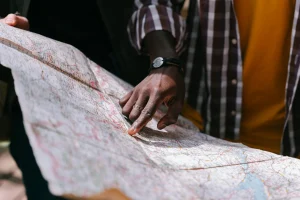
Flights, more often than not, can be one of the biggest budget busters. Learning to hunt down cheap airfare is a cornerstone of effective budget travel planning for beginners. It calls for a healthy dose of flexibility, a pinch of patience, and knowing precisely where to cast your net. Don’t just settle for the first price that pops up; a strategic search can quite literally save you hundreds.
The labyrinthine world of flight booking might seem overwhelming at first glance, but armed with a few simple tricks, you can dramatically trim your air travel costs. Timing your purchase, being open-minded about your destination, and knowing the right tools are truly your best friends in this game.
Be Flexible with Dates and Times
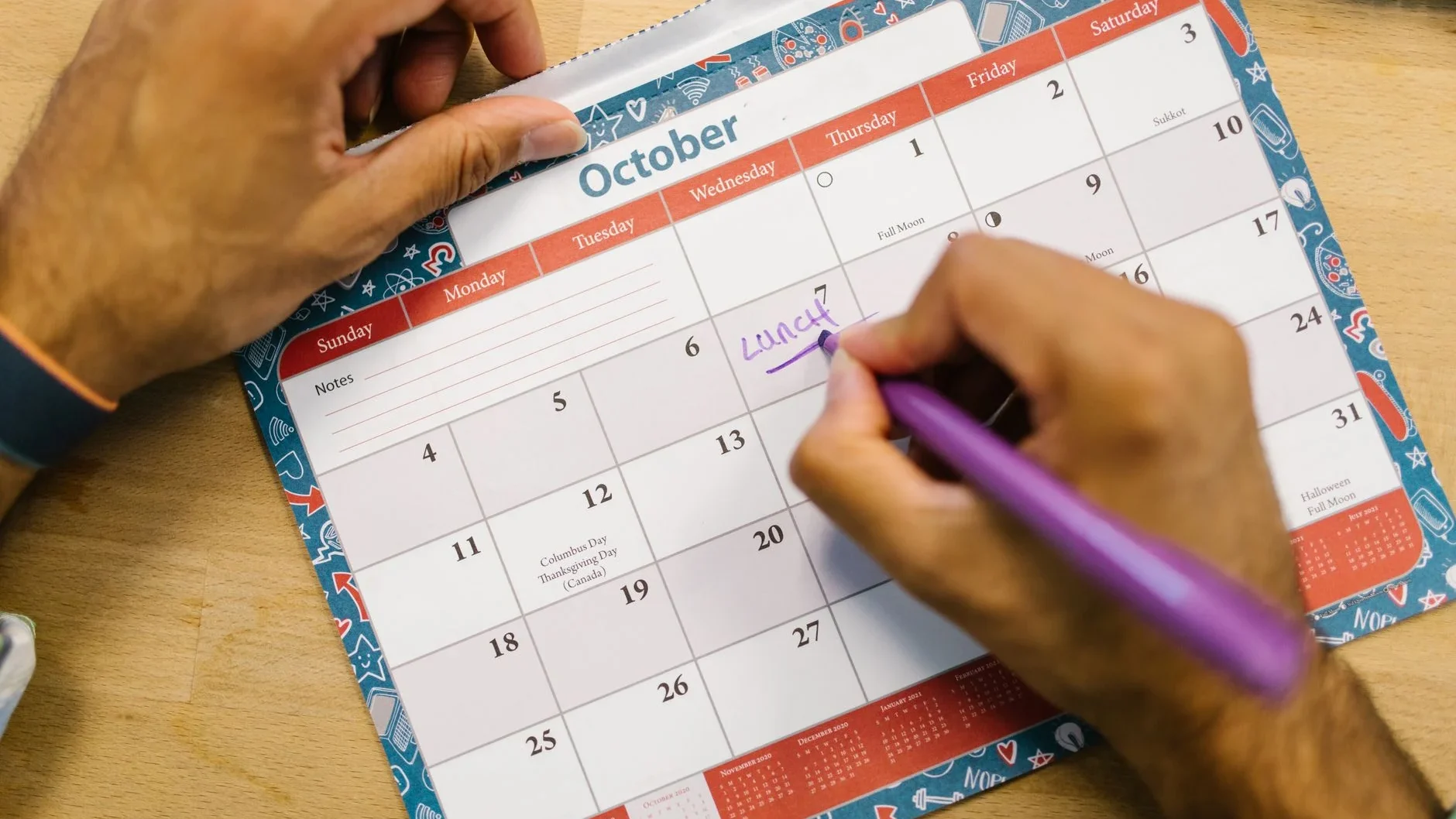
Here’s the golden rule for snagging cheap flights: be as flexible as a gymnast. Flying on weekdays, especially Tuesday, Wednesday, and Saturday, is often considerably cheaper than jetting off on peak days like Friday and Sunday. Similarly, red-eye flights or those with slightly inconvenient layovers tend to be less expensive. If you can, steer clear of major holidays and peak seasons like the plague.
Make good use of flight comparison websites’ “flexible dates” or “calendar view” options to pinpoint the days offering the lowest fares. Sometimes, simply shifting your departure or return by just one day can lead to significant savings. Remember, patience and an open mind are your secret weapons here.
Utilize Flight Comparison Sites
Websites like Google Flights, Skyscanner, Kayak, and Momondo are indispensable tools for unearthing the best deals. These platforms cast a wide net, searching across myriad airlines and online travel agencies to present you with a comprehensive range of options. It’s always a smart move to cross-check different sites, as they occasionally boast exclusive deals or slightly varied pricing.

A little insider tip when using these sites: always clear your browser cookies or switch to incognito mode. Airlines have been known to track your searches and might subtly inflate prices for routes you’ve repeatedly viewed. Comparing across multiple platforms is your best bet for securing the most competitive price.
Consider Alternative Airports
Sometimes, the trick to saving a pretty penny on airfare lies in flying into a smaller, regional airport located near your main destination, rather than the bustling international hub. While this might mean an extra leg of ground transportation, the savings on the flight itself can often far outweigh this minor inconvenience. Do your research on bus, train, or even rideshare options from these alternative airports.
For instance, if London is calling, checking flights into Luton or Stansted instead of Heathrow or Gatwick could save you a bundle. Just remember to always factor in the cost and time of getting from the alternative airport to your final stop to ensure it truly remains a cost-effective choice.
Smart Accommodation Choices

Read Also : How to Travel the World on a Budget [apc_current_year]
Where you decide to rest your head each night can make or break your travel budget. For successful budget travel planning for beginners, it’s absolutely essential to think beyond the traditional hotel room. There’s a vast spectrum of affordable, and often more authentic, accommodation options available that can genuinely elevate your travel experience.
From the lively atmosphere of social hostels to the cozy charm of unique homestays, exploring diverse types of lodging can not only save you money but also open doors to meeting fellow globetrotters and immersing yourself more deeply in the local culture.
Explore Hostels and Guesthouses
Hostels are truly a backpacker’s best friend and an excellent choice for budget-conscious travelers. They offer dorm rooms at a mere fraction of a hotel’s cost, and many now even provide private rooms for those who prefer a little more solitude. Hostels are fantastic hubs for connecting with other travelers and often host social events, making them ideal for solo adventurers looking to make new friends.
Guesthouses, particularly prevalent in Asia and parts of Europe, offer a more local and typically quieter experience than hostels, usually at a lower price point than hotels. Often run by local families, they provide basic amenities and a more personal touch. Always read reviews carefully to ensure they meet your standards for cleanliness and safety.
Try Homestays and Couchsurfing
For an even deeper dive into local life and an ultra-budget-friendly experience, consider homestays or Couchsurfing. Homestays allow you to live with a local family, offering invaluable insights into their culture and daily routines. Websites like Airbnb, for example, feature private rooms in local homes, often at a lower cost than booking an entire apartment.
Couchsurfing is a global community where members generously offer spare couches or rooms to travelers for free. It’s an incredible way to save money and forge genuine connections with locals, but it does require an open mind and a willingness to engage. Remember to always prioritize your safety and choose hosts who boast excellent reviews.
Book During the Off-Season or Shoulder Season
Just like flight prices, accommodation rates swing wildly with demand. Traveling during the off-season or shoulder season (those sweet spots just before or after the peak tourist rushes) can lead to substantial savings on lodging. As an added bonus, you’ll also contend with fewer crowds, making for a far more enjoyable and relaxed experience.
Do your research on the peak tourist seasons for your chosen destination and aim to plan your trip outside those busy windows. While the weather might not always be “picture perfect,” the benefits of lower prices and fewer people often outweigh any minor inconveniences. This is a truly smart play for any budget travel planning for beginners.
Eating on a Budget

Food expenses can quickly spiral out of control, especially if you find yourself constantly dining out in tourist traps. Mastering the art of eating affordably is a vital skill in budget travel planning for beginners. It’s not about sacrificing delicious food; it’s about making clever choices that allow you to savor authentic local flavors without emptying your wallet.
Read Also : How to Save Money on Travel: Your Ultimate Guide
From bustling street food stalls to whipping up your own meals, there are countless ways to keep your food budget firmly in check while still indulging in the culinary delights of your destination.
Embrace Street Food and Local Markets
One of the absolute best ways to eat cheaply and authentically is to wholeheartedly embrace street food and explore local markets. In many countries, street food vendors dish out incredibly flavorful meals at a fraction of what restaurants charge. Keep an eye out for places bustling with locals; a long queue is often a tell-tale sign of good, safe eats!
Local markets are not just a feast for the senses but also brilliant spots to pick up fresh produce, snacks, and ingredients if you have access to a kitchen. They offer an immersive cultural experience and are perfect for stocking up on picnic supplies. Remember to always prioritize hygiene when selecting your street food vendors.
Cook Your Own Meals
If your accommodation boasts a kitchen (and many hostels, Airbnbs, and guesthouses do), seize the opportunity! Cooking even just one meal a day can save you a significant chunk of change. Pop into local supermarkets and markets to buy ingredients and perhaps even try your hand at preparing some local dishes – it’s part of the adventure!
Whipping up your own breakfast and packing lunches for your sightseeing days are particularly effective money-saving strategies. This not only keeps costs down but also gives you control over what you eat and can be a fun way to experiment with local ingredients. This is a core strategy in budget travel planning for beginners, and it’s surprisingly rewarding.
Pack Snacks and a Reusable Water Bottle
Those seemingly small, impulse purchases of snacks and drinks throughout the day can quietly drain your budget without you even noticing. Be proactive! Pack a few non-perishable snacks from home, like granola bars or nuts, to stave off hunger between meals. This is especially handy for long travel days or extended excursions.
A reusable water bottle is an absolute non-negotiable. Many cities offer public water fountains, and hostels frequently provide filtered water. Constantly buying bottled water is not only expensive but also a significant environmental drain. If you’re unsure about local tap water quality, consider investing in a good filter bottle. Your wallet and the planet will thank you.
Efficient Transportation Tips
Navigating your destination both efficiently and affordably is another crucial piece of the puzzle for budget travel planning for beginners. While taxis might seem like the easy way out, they can quickly devour your funds. Learning to master local public transport or discovering alternative methods can lead to substantial savings, leaving more money for experiences.
From the simple act of walking to embarking on long-distance buses, there are myriad ways to explore a new place without burning a hole in your pocket just getting from point A to point B.
Read Also : Find Cheap Flights: Your Ultimate Guide for [apc_current_year]
Utilize Public Transportation
Buses, trains, and subways are typically the most wallet-friendly ways to zip around a city or even travel between cities. Do a little digging into your destination’s public transport system before you arrive. Many cities offer multi-day passes that can prove far more economical than constantly buying single-ride tickets.
Apps like Google Maps are brilliant for plotting routes using public transport. And don’t be shy about asking locals for directions or tips; they often know the most efficient and affordable routes. Embracing public transport also offers a wonderful, authentic peek into local daily life.
Walk or Bike Whenever Possible
Walking is not only completely free but also one of the absolute best ways to truly soak in a new place. You’ll stumble upon hidden gems, observe the rhythm of local life, and get some good exercise to boot. So, pack those comfortable walking shoes!
In many cities, bike rentals are surprisingly affordable and offer a fantastic way to cover more ground than walking while still being fully immersed in your surroundings. Keep an eye out for bike-sharing programs or independent rental shops. This active approach is a win-win for both your wallet and your well-being, making it a key aspect of smart budget travel planning for beginners.
Consider Overnight Buses or Trains
For those longer hauls between cities or even countries, overnight buses or trains can be a truly fantastic budget-friendly option. They pull double duty: getting you to your next destination and saving you the cost of a night’s accommodation. While it might not always be the most luxurious sleep of your life, the savings can be substantial.
It’s wise to book these tickets in advance, especially during peak seasons, as they tend to fill up fast. Always keep your belongings secure and your valuables close by when traveling overnight. This strategy is a particular favorite among seasoned budget travelers.
Activities and Entertainment for Less

Travel isn’t just about the logistics of getting from one place to another; it’s profoundly about the experiences you gather along the way. For beginners diving into budget travel planning, it’s vital to remember that a plethora of enriching activities won’t cost you a dime. You can immerse yourself in culture and forge lasting memories without splurging a fortune.
Being creative and open to genuine local experiences can unlock a world of free or low-cost entertainment that often provides a deeper, more meaningful connection to your destination than typical, overpriced tourist traps.
Seek Out Free Attractions
Many cities are brimming with a wealth of free attractions. Think engaging free walking tours (but remember to tip your guide!), sprawling public parks, pristine beaches, awe-inspiring historical monuments, free museums (always check for specific free entry days/times), and simply getting lost wandering through vibrant neighborhoods. These activities frequently offer a more authentic and rewarding experience than their paid counterparts.
Read Also : Travel Hacks That Save Money: Smart Tips for Budget Trips
Before you even leave home, do a quick search for “free things to do in [destination]” to compile a handy list of options. Local tourism websites or blogs are excellent resources for this. Embrace the simple pleasures; sometimes, the most profound experiences are the ones that cost absolutely nothing.
Look for Local Events and Festivals
Timing your trip to coincide with local festivals, bustling markets, or free concerts can add an incredible, vibrant dimension to your travel experience. These events are often free to attend and offer a fantastic, unfiltered way to witness local culture, music, and traditions firsthand. They can easily become the most memorable highlights of your entire journey.
Keep an eye on local event listings, community boards, or simply ask your accommodation hosts about any upcoming happenings. Attending a local festival can be a truly unforgettable and budget-friendly activity that provides unique insights into the community, making it a truly smart part of budget travel planning for beginners.
Utilize Discount Passes or Student IDs
If your itinerary includes visiting multiple paid attractions, it’s worth investigating whether a city pass or tourist card offers better value. These passes often bundle entry to several sites and sometimes even public transport, potentially saving you money compared to buying individual tickets. Just be sure to do the math to confirm it’s genuinely a saving for your specific plans.
And if you’re a student, always, always carry your student ID! Many museums, galleries, and attractions worldwide offer discounted entry for students. Even if not explicitly advertised, it never hurts to politely ask. Senior citizens can also frequently find similar concessions.
Packing Smart to Save Money
What you pack, and crucially, how you pack it, can have a direct and significant impact on your travel budget. Overpacking is a surefire way to incur extra baggage fees, while forgetting key essentials can force expensive, last-minute purchases abroad. Smart packing is a critical, though often overlooked, element of effective budget travel planning for beginners.
Thinking strategically about your luggage won’t just save you money; it will also make your entire journey smoother, less stressful, and ultimately, more enjoyable.
Travel Light: Avoid Checked Baggage Fees
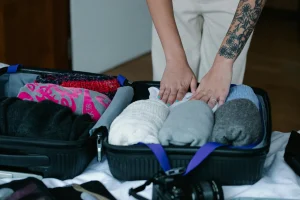
Airlines, especially budget carriers, are notorious for charging hefty fees for checked luggage. Your goal should be to travel with just a carry-on bag if at all humanly possible. This not only saves you a pretty penny but also cuts down on waiting time at baggage claim and drastically reduces the risk of lost luggage. Learning to pack light is a skill, and like any skill, it gets better with practice.
Make sure to research your chosen airline’s specific carry-on size and weight restrictions before you fly – they can vary widely. Invest in a good quality carry-on backpack or suitcase that cleverly maximizes space. For longer trips, consider hand-washing clothes on the go or utilizing local laundry services.
Bring Essential Toiletries and Medications
While hotels often provide those tiny complimentary toiletries, relying on them can quickly get expensive if you need specific brands or larger quantities. Pack travel-sized versions of your preferred shampoo, conditioner, soap, and toothpaste. This simple step prevents you from having to buy full-sized products at inflated tourist prices in an unfamiliar country.
Read Also : Your Ultimate Travel Planning Guide for Beginners
Crucially, bring any prescription medications you need, along with a copy of your prescription from your doctor. Also, assemble a small first-aid kit with basics like pain relievers, band-aids, and antiseptic wipes. These items are invariably much cheaper to buy at home than when you’re caught out abroad, making it a truly smart aspect of budget travel planning for beginners.
Pack Versatile Clothing and Layers
To keep the amount of clothing you need to a minimum, pack versatile items that can be effortlessly mixed and matched to create multiple outfits. Opt for neutral colors that play well together. Layers are absolutely essential for adapting to different temperatures without needing a separate, bulky outfit for every single scenario.
Consider quick-drying fabrics if you envision doing some hand-washing during your trip. Roll your clothes tightly – it’s a great trick for saving space and minimizing wrinkles. A well-thought-out wardrobe means less to pack and fewer worries about what to wear, directly contributing to both your budget and your peace of mind.
Utilizing Technology for Savings
In this digital age, your smartphone isn’t just for scrolling social media; it can be your most powerful ally for budget travel planning for beginners. From unearthing incredible deals to seamlessly navigating new cities, a plethora of apps and online resources exist to help you save money and genuinely enhance your travel experience. Never underestimate the power of a few smart downloads before you go.
Leveraging technology effectively can streamline your entire planning process and unlock hidden savings that you might otherwise completely miss.
Download Essential Travel Apps
Before you even step out the door, populate your phone with apps that will be your trusty sidekicks, saving you both money and precious time. These include:
- Offline Maps: Apps like Google Maps or Maps.me allow you to download maps for offline use, cleverly saving your data and preventing you from getting hopelessly lost when an internet connection isn’t available.
- Currency Converters: Xe Currency or similar apps provide real-time exchange rates, helping you instantly grasp costs and make informed decisions.
- Translation Apps: Google Translate can be an absolute lifesaver for breaking down language barriers and understanding menus.
- Budget Trackers: Apps like TravelSpend or Wallet are fantastic for logging your expenses on the go and ensuring you stick to your budget like glue.
Having these indispensable tools readily available on your phone can prevent costly mistakes and make navigating foreign environments significantly easier.
Find Free Wi-Fi Hotspots
Relying on public Wi-Fi whenever possible can be a game-changer, saving you from exorbitant international roaming charges or the need to immediately buy a local SIM card. Many cafes, restaurants, hostels, and public spaces generously offer free Wi-Fi. Look for “Wi-Fi finder” apps that can help you pinpoint these hotspots.
However, a word to the wise: when using public Wi-Fi, always be mindful of cybersecurity. Avoid accessing sensitive information like online banking. Using a VPN (Virtual Private Network) can add an extra layer of security and peace of mind. Minimizing your mobile data usage is a key, often overlooked, strategy in budget travel planning for beginners.
Book Tours and Activities Online in Advance
While spontaneous travel certainly has its charms, booking certain tours or activities online in advance can frequently secure you better prices. Websites like GetYourGuide, Klook, or Viator often roll out discounts for early bookings, especially compared to purchasing tickets on the spot. Always take a moment to compare prices across different platforms – it pays off.
Read Also : Trip Planning Advice for Novices: Your Ultimate Guide
Also, keep an eye out for combo deals or packages that bundle multiple attractions if you plan on visiting several paid sites. Reading reviews online is another smart move, helping you choose reputable and genuinely worthwhile experiences, preventing you from wasting money on subpar activities.
Be Flexible with Travel Dates and Destinations
Flexibility is, without a shadow of a doubt, the most potent tool in a budget traveler’s arsenal. For beginners in budget travel planning, being open to different dates and even different destinations can unlock significantly cheaper options that rigid plans simply wouldn’t allow. This adaptable approach dramatically maximizes your chances of stumbling upon incredible deals.
Embrace the philosophy that the journey itself is the grand adventure, and sometimes the most fulfilling trips lead you to places you hadn’t initially even considered.
Travel During the Off-Season
As we touched upon with accommodation, traveling during the off-season or shoulder season dramatically slashes costs for flights, lodging, and even some activities. You’ll also encounter far fewer crowds, making for a more relaxed, authentic, and altogether more pleasant experience. Do your research to identify the optimal times to visit your chosen region, striking that perfect balance between decent weather and rock-bottom prices.
For example, exploring European cities in late autumn or early spring can be considerably cheaper than the peak summer months, with still-pleasant weather and significantly fewer tourists. This simple shift in timing can save you a substantial percentage of your overall budget – it’s a real game-changer.
Use “Explore” or “Everywhere” Search Functions
If you’re truly open-minded about where you go, then the “Explore” or “Everywhere” search functions on flight comparison websites like Skyscanner or Google Flights will become your new best friend. These ingenious tools allow you to input your departure airport and desired travel dates (or even an entire month), and then magically show you the cheapest destinations worldwide.
This is a fantastic, inspiring way to unearth unexpected and incredibly affordable travel opportunities. You might just find a direct flight to a fascinating country you hadn’t even considered, paving the way for an exciting and supremely budget-friendly adventure. This feature is a true revelation for budget travel planning for beginners.
Be Open to Different Types of Travel
Don’t pigeonhole yourself into just one type of travel. Expand your horizons! Consider road trips, train journeys, or even volunteering opportunities that might offer free accommodation in exchange for some work. The more open you are to diverse modes and styles of travel, the more opportunities you’ll discover to save money and enrich your experience.
Sometimes, the journey itself blossoms into the destination. A scenic train ride or a multi-stop bus journey through a region can be an experience in its own right, often proving more budget-friendly and culturally enriching than simply flying directly to a single city.
Building an Emergency Fund
Even the most meticulously planned budget trip can hit a few unexpected speed bumps. For budget travel planning for beginners, having an emergency fund isn’t just a good idea; it’s an absolute necessity. This financial cushion provides invaluable peace of mind and ensures that minor mishaps don’t completely derail your entire trip or, worse, plunge you into debt.
Read Also : Family Travel Planning Tips for Beginners
Think of it as your personal safety net, allowing you to gracefully handle unforeseen circumstances without breaking into a cold sweat over money.
Allocate a Portion of Your Budget for Emergencies
When you’re initially mapping out your total travel fund, make it a point to set aside a specific percentage, typically 10-15%, solely for emergencies. This dedicated sum could be for anything from a missed flight connection, an unexpected medical expense, a lost passport, or even just needing an extra night’s accommodation due to unforeseen circumstances.
This fund should ideally be kept separate from your daily spending money and only accessed if it’s absolutely, positively necessary. Having it tucked away gives you the confidence to navigate unexpected challenges without panicking. It’s a non-negotiable part of responsible budget travel.
Understand Travel Insurance
Travel insurance is not your emergency fund, but it is a crucial, complementary tool that works hand-in-glove with it. For a relatively small upfront cost, comprehensive travel insurance can provide a safety net for major emergencies like medical incidents, trip cancellations, lost luggage, or even emergency evacuations. It offers a layer of protection that your emergency fund alone simply cannot.
Do your homework on different policies and choose one that perfectly fits your travel style and destination. Always read the fine print to thoroughly understand what is and isn’t covered. Never travel without adequate insurance, especially on a budget, as a major incident could easily wipe out all your carefully saved funds.
Have Access to Backup Funds
Beyond your dedicated emergency fund, ensure you have easy access to backup funds in the event of a major crisis. This could take several forms: a separate credit card (perhaps with a low limit if you’re concerned about overspending), an amount kept in a completely separate bank account, or funds accessible to a trusted person back home who can transfer money if the need arises.
Always carry a small amount of local currency cash for immediate needs, but rely on cards for larger transactions. And crucially, inform your bank of your travel dates to avoid any inconvenient card freezes. These layered precautions are vital for secure and stress-free budget travel planning for beginners.
Conclusion
Embarking on a journey with a limited budget might initially seem like a tall order, but as this comprehensive guide for budget travel planning for beginners clearly illustrates, it’s an entirely achievable feat with careful thought and strategic choices. From the foundational steps of defining your financial limits to smart packing and ingeniously leveraging technology, every single decision you make contributes to a more affordable, yet equally rewarding, adventure. Remember, budget travel isn’t about deprivation; it’s about making conscious, empowered choices that align with your priorities and allow you to truly see the world without enduring financial strain.
The key takeaways to engrave in your mind are flexibility, thorough research, and a genuine willingness to embrace local experiences. By being open to different dates, destinations, and accommodation types, you unlock a treasure trove of savings. Utilizing public transport, savoring authentic street food, and actively seeking out free activities will immerse you deeper into the local culture while keeping your wallet comfortably full. Most importantly, always prioritize your safety and have a robust emergency plan in place, ensuring your journey is as smooth and secure as it is memorable.
So, take these practical steps to heart, start planning your next great escape, and get ready to discover that the world is far more accessible than you ever dared to imagine. Happy travels!
Read Also : How to Find Travel Deals & Discounts: Your Ultimate Guide
FAQ
Absolutely, budget travel can be incredibly safe for beginners. Your safety primarily hinges on your chosen destination, your personal awareness, and the precautions you take, rather than simply the size of your budget. Always research your destination's safety profile, share your itinerary with a trusted friend or family member, steer clear of walking alone at night in unfamiliar areas, and most importantly, always trust your gut feeling. Using reputable hostels and public transport is generally a safe bet.
This is a bit like asking "how long is a piece of string?" – it varies wildly depending on your destination, the length of your trip, and your personal travel style. However, a good rule of thumb for many budget-friendly destinations (think Southeast Asia, parts of Eastern Europe) might be around $30-60 USD per day for accommodation, food, and local transport. For more expensive regions (like Western Europe), this could easily jump to $60-100+ USD per day. Always do your specific destination cost research and build a detailed budget accordingly.
For budget travel planning, you'll want a few key apps in your arsenal. Essential choices include flight comparison tools like Skyscanner or Google Flights, accommodation finders such as Hostelworld or Airbnb, reliable offline maps like Maps.me or Google Maps, currency converters like Xe Currency, and dedicated budget trackers such as TravelSpend. Translation apps (Google Translate) and local ride-sharing apps (like Uber or Grab, depending on the region) can also prove incredibly useful.
It's always best to have a healthy mix of both. Carry a small amount of local currency cash for immediate needs, incidental purchases, and places that might not accept cards (e.g., street food vendors, small local markets). For larger purchases, booking tours, and emergencies, definitely lean on a credit card, ideally one with no foreign transaction fees. Make sure to inform your bank of your travel dates to prevent any inconvenient card freezes. The golden rule: avoid carrying excessively large sums of cash.
For optimal budget travel, starting your planning 3-6 months in advance is generally ideal. This gives you ample breathing room to thoroughly research destinations, snag cheaper flights (which are often best booked 2-3 months out), secure affordable accommodation before prices rise, and diligently save up your travel funds. For extremely popular destinations or if you're locked into peak season travel, even earlier planning (6-12 months) can often yield significantly better deals.


Popular Posts


Embracing Spiritual Growth Through Travel and Exploration
Travel is more than just seeing new places; it's a profound journey into oneself. This article explores how embracing travel and exploration can significantly contribute to your spiritual growth, offering unique perspectives and transformative experiences.


One thought on “Budget Travel Planning for Beginners: Your Ultimate Guide”