How to Travel the World on a Budget 2026
The allure of exploring distant lands, immersing oneself in diverse cultures, and witnessing breathtaking landscapes is a dream shared by many. However, the perceived high cost often keeps this dream just out of reach. Many believe that traveling the world requires a massive bank account, but this couldn’t be further from the truth.
With careful planning, smart choices, and a willingness to embrace new experiences, it is entirely possible to travel the world on a budget. This guide will break down the essential strategies, offering concrete examples and systematic steps to help you turn your global adventure dreams into an affordable reality. From finding cheap flights to eating like a local, we’ll cover everything you need to know to explore the globe without breaking the bank.
Planning Your Budget Adventure
Define Your Budget and Goals
Before you even book a single flight, it’s crucial to establish a realistic budget. Determine how much money you can comfortably save and spend, and for how long you wish to travel. A clear budget will guide all subsequent decisions, from destination choices to daily spending limits.
Consider your travel style: Are you seeking luxury on a shoestring, or are you comfortable with hostels and street food? Your preferences will significantly impact your budget. For example, a daily budget of $30-50 might be feasible in Southeast Asia, while $70-100 might be needed for parts of Europe. Research average costs for your desired regions to set realistic expectations.

Research Destinations Wisely
Not all countries are created equal when it comes to cost. Some destinations are inherently more budget-friendly than others. Regions like Southeast Asia (Thailand, Vietnam, Cambodia), parts of Eastern Europe (Poland, Hungary), and Central/South America (Colombia, Bolivia) offer incredible experiences at a fraction of the cost of Western Europe or North America.
When researching, look beyond just flight prices. Investigate the cost of accommodation, food, local transportation, and popular activities. Websites like Numbeo.com can provide a general idea of living costs in various cities worldwide, helping you prioritize destinations that align with your budget.
Create a Flexible Itinerary
While a detailed plan might seem like a good idea, a rigid itinerary can often lead to unexpected expenses or missed opportunities for savings. Instead, create a flexible framework for your journey. Know your major stops and estimated timeframes, but leave room for spontaneity.

Being flexible with your travel dates and even your exact destinations can open up opportunities for cheaper flights and accommodation deals. Sometimes, simply shifting your departure by a day or choosing a less popular route can lead to significant savings. Embrace the unexpected adventures that come with a less structured plan.
Finding Affordable Flights
Utilize Flight Comparison Sites
The first step to finding cheap flights is to use flight comparison websites. Tools like Google Flights, Skyscanner, Kayak, and Momondo allow you to compare prices across multiple airlines and online travel agencies simultaneously. These platforms often have features that let you search for flexible dates or “everywhere” destinations, which can reveal surprising deals.
Always clear your browser’s cookies or use an incognito/private browsing window when searching for flights. Some theories suggest that websites might increase prices based on your search history, although this is not universally proven, it’s a good practice to ensure you’re seeing the most current prices.
Read Also : Smart Travel Saving Tips for Your Next Adventure

Be Flexible with Dates and Airports
Flexibility is your greatest asset when it comes to securing cheap flights. Traveling during the off-season or shoulder season (just before or after peak season) can dramatically reduce airfare. Mid-week flights (Tuesday, Wednesday, Thursday) are often cheaper than weekend travel.
Consider flying into or out of smaller, alternative airports near your desired destination. Sometimes, a flight to an airport an hour or two away might be significantly cheaper, even after factoring in the cost of ground transportation. Use the “nearby airports” option on flight search engines to explore these possibilities.
Consider Budget Airlines and Layovers
Budget airlines (like Ryanair, EasyJet, Spirit, AirAsia) often offer incredibly low fares, especially for short-haul flights. However, be aware of their additional fees for baggage, seat selection, and even printing boarding passes. Always calculate the total cost before booking.
Embrace layovers. Direct flights are convenient, but flights with one or two layovers are frequently much cheaper. If you have time, a long layover can even be an opportunity to briefly explore another city, adding an extra dimension to your trip without extra flight costs.
Smart Accommodation Choices
Stay in Hostels and Guesthouses
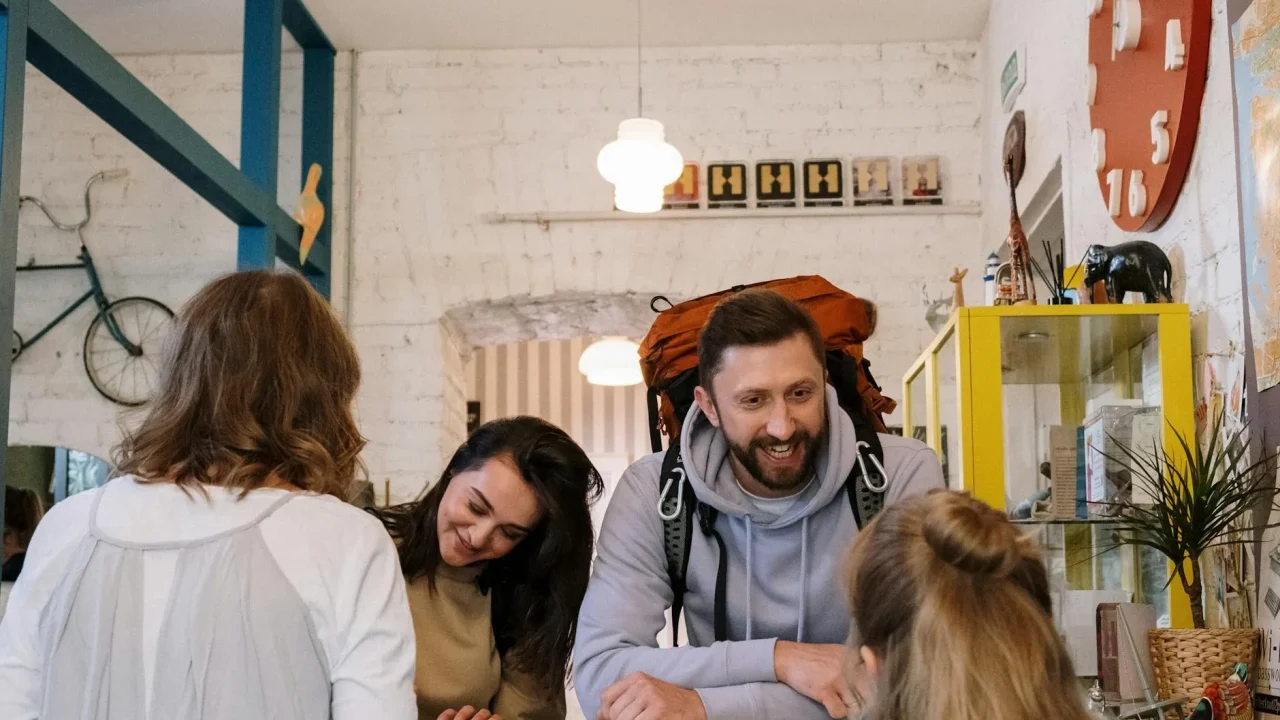
Hostels are a cornerstone of budget travel. They offer affordable dormitory beds, often with communal kitchens and common areas, making them excellent places to meet fellow travelers. Many hostels also offer private rooms that are still cheaper than traditional hotels.
Guesthouses, especially in Asia and Africa, provide a more local and often very affordable alternative to hotels. They typically offer basic amenities but can give you a more authentic experience and direct interaction with local hosts. Look for highly-rated options on booking platforms like Booking.com or Hostelworld.

Explore Alternative Accommodation
Beyond hostels, there are numerous other ways to find cheap or even free accommodation. Couchsurfing allows you to stay with locals for free, offering a unique cultural exchange. Websites like Workaway or Worldpackers connect travelers with hosts who offer free accommodation and sometimes food in exchange for a few hours of work per day (e.g., gardening, teaching, reception duties).
Renting an apartment or room via Airbnb or similar platforms can also be cost-effective, especially for longer stays or when traveling with a group. Often, having access to a kitchen allows you to save significantly on food costs.
Book in Advance or Last Minute
For popular destinations and peak seasons, booking accommodation well in advance can secure better prices and ensure availability. This is especially true for unique hostels or guesthouses that tend to fill up quickly.
However, if you’re flexible, sometimes last-minute deals can be found, particularly for hotel rooms that haven’t been booked. Apps like HotelTonight specialize in same-day bookings. This strategy requires a higher tolerance for uncertainty but can yield significant savings.
Read Also : How to Save Money on Travel: Your Ultimate Guide
Eating Well on a Budget
Embrace Street Food and Local Markets
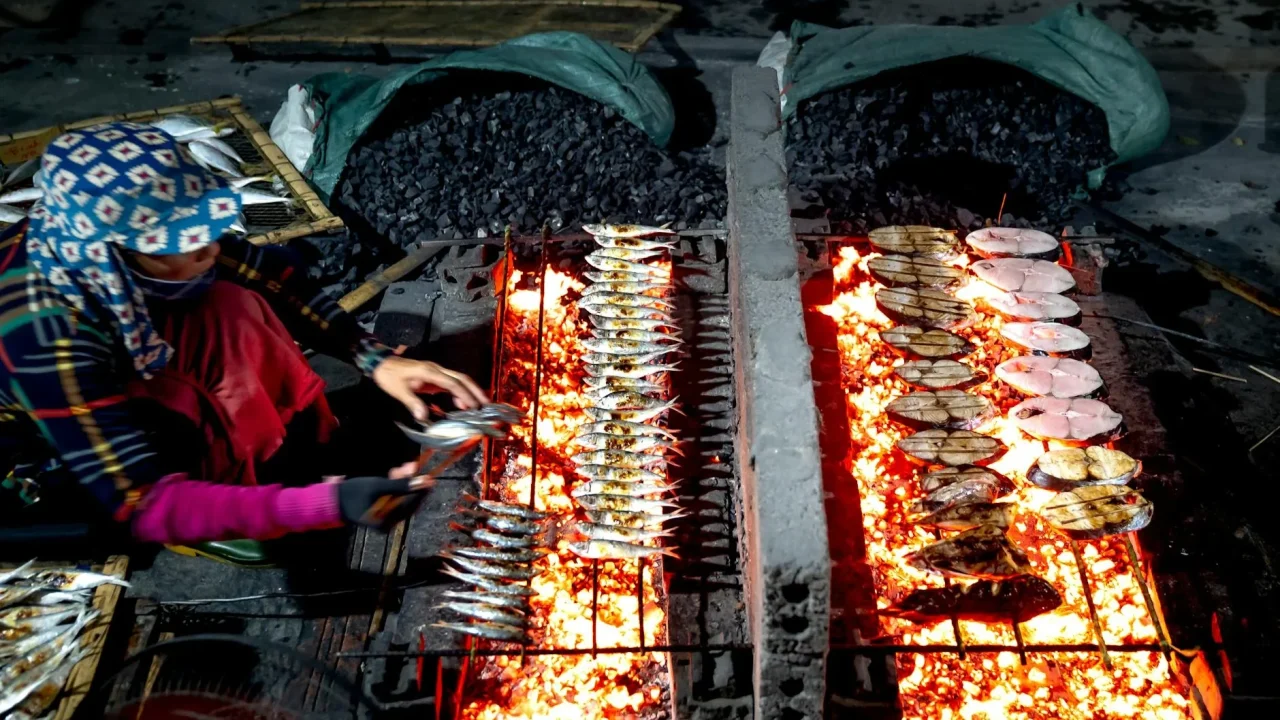
One of the most enjoyable and budget-friendly ways to eat while traveling is to dive into the local street food scene. Not only is it incredibly cheap, but it also offers an authentic taste of the local culture. Look for stalls with long lines of locals – that’s usually a sign of good, safe food.
Visiting local markets allows you to buy fresh produce, bread, and snacks at a fraction of supermarket prices. This is perfect for preparing your own meals if your accommodation has a kitchen, or for packing picnic lunches for your day trips.
Cook Your Own Meals
If your hostel, Airbnb, or guesthouse offers kitchen facilities, make full use of them. Cooking even one meal a day, like breakfast or dinner, can save a substantial amount of money over the course of your trip. Groceries are almost always cheaper than eating out.
Plan simple meals that don’t require extensive ingredients or cooking skills. Pasta, rice dishes, sandwiches, and salads are easy to prepare and can be very satisfying. This strategy is particularly effective for longer stays in one location.
Hydrate Smartly
Buying bottled water daily can add up quickly. Invest in a reusable water bottle and a portable water filter (like a Lifestraw or SteriPEN) if you’re traveling in areas where tap water isn’t safe to drink. This not only saves money but also reduces plastic waste.
For other beverages, try to stick to water or local, inexpensive options. Avoid expensive sodas, juices, or alcoholic drinks in touristy areas. Many hostels offer free filtered water, so always check before buying.
Free and Low-Cost Activities

Explore Free Attractions
Many of the best travel experiences don’t cost a dime. Walking tours, exploring local parks, visiting free museums (many major cities have free museum days or permanently free institutions), hiking trails, and simply wandering through vibrant neighborhoods are all excellent ways to experience a destination without spending money.
Look for local festivals, free concerts, or public events. Check community boards or local tourism websites for information on what’s happening during your visit. Sometimes, the most memorable moments come from unexpected free discoveries.
Utilize City Passes and Discounts
For attractions that do have an entry fee, consider purchasing a city pass if you plan to visit multiple paid sites. These passes often include entry to major landmarks, public transportation, and sometimes even discounts on tours, potentially saving you a lot compared to buying individual tickets.
Always check for student, senior, or youth discounts if applicable. Many attractions also offer cheaper entry on specific days or during certain hours. A quick online search can often reveal these money-saving opportunities.
Read Also : Travel Hacks That Save Money: Smart Tips for Budget Trips
Embrace Nature and Outdoor Activities
Nature offers endless free entertainment. Hiking, swimming in natural lakes or oceans, picnicking in scenic spots, stargazing, or simply relaxing on a beach are all fantastic ways to enjoy your surroundings without spending money on organized tours or expensive activities.
Research national parks or protected areas in your chosen destinations. While some may have a small entrance fee, the experiences they offer are often priceless and provide incredible value for money. Always respect local regulations and leave no trace.
Transportation Strategies
Use Public Transportation
In most cities worldwide, public transportation (buses, trains, subways, trams) is the most cost-effective way to get around. It’s often reliable, extensive, and gives you a more authentic local experience compared to taxis or ride-sharing services.
Purchase multi-day passes if available, as these often offer better value than single tickets. Learn how to navigate the local system using apps like Google Maps or Citymapper, which provide real-time public transport information.
Walk or Bicycle
For shorter distances, walking is not only free but also the best way to truly soak in the atmosphere of a place. You’ll discover hidden gems, local shops, and street art that you might miss from a bus or car.
Many cities also offer bicycle rental schemes, sometimes for free or a very low cost for short periods. Cycling is a fantastic way to cover more ground than walking while still enjoying the outdoors and staying active. It’s also environmentally friendly!
Consider Overnight Trains or Buses
When traveling long distances between cities or countries, overnight trains or buses can be a budget traveler’s best friend. They serve a dual purpose: getting you from point A to point B and providing a night’s accommodation, effectively saving you the cost of a hostel or hotel.
While not always the most comfortable, the savings can be significant. Book these well in advance, especially for popular routes, to secure the best prices and ensure availability. Look for sleeper options if your budget allows for a slightly more comfortable journey.
Earning Money While Traveling
Remote Work Opportunities
The rise of remote work has made it easier than ever to earn an income while exploring the world. If your profession allows for it, consider taking your job on the road. Digital nomads can work from anywhere with an internet connection, funding their travels as they go.
Popular remote jobs include web development, graphic design, content writing, virtual assistance, and online marketing. Platforms like Upwork, Fiverr, and various job boards specialize in connecting freelancers with remote clients.
Read Also : Budget Travel Planning for Beginners: Your Ultimate Guide
Teach English Abroad
Teaching English as a Foreign Language (TEFL) is a highly popular way for native English speakers to earn money while living in another country. Many countries, particularly in Asia and South America, have a high demand for English teachers, often providing competitive salaries and sometimes even accommodation.
You’ll typically need a TEFL certification, which can be obtained online or in-person. Research the requirements for your desired countries, as some may also require a degree or specific visa types.
Temporary and Seasonal Jobs
For those looking for a more immersive experience, temporary or seasonal jobs can be a great option. This could include working at hostels, bars, farms (WWOOFing), ski resorts, or as tour guides. These jobs often come with accommodation and meals, significantly reducing your travel expenses.
Websites like Workaway, Worldpackers, and specific country job boards can help you find these opportunities. It’s an excellent way to extend your stay in a particular region, meet locals, and gain unique cultural insights.
Packing Smart to Save
Travel Light with a Carry-On
One of the easiest ways to save money on flights is to avoid checked baggage fees. Invest in a good quality carry-on backpack that meets airline size and weight restrictions. Traveling light also makes it easier and cheaper to use public transport and walk around.
Learn the art of minimalist packing. Roll your clothes, use packing cubes to maximize space, and only bring essentials. Remember, you can buy most things you need on the road, often cheaper than at home.
Versatile Clothing and Toiletries
Pack versatile clothing that can be mixed and matched, layered, and worn in different settings. Focus on quick-drying fabrics that are suitable for various climates. This reduces the number of items you need to bring.
For toiletries, use travel-sized containers or solid versions (like shampoo bars) to save space and meet carry-on liquid restrictions. You can always refill or purchase larger items at your destination if needed, which is often cheaper than buying small, expensive travel versions repeatedly.
Essential Gear for Budget Travelers
Certain items can significantly enhance your budget travel experience. A portable power bank keeps your devices charged on the go. A universal adapter is crucial for international travel. A quick-dry towel is more practical than a bulky cotton one.
Consider a small first-aid kit with basic medications, bandages, and antiseptic wipes. This can save you from having to find a pharmacy for minor ailments in an unfamiliar country. A reusable shopping bag is also handy for market purchases.
Read Also : How to Find Travel Deals & Discounts: Your Ultimate Guide
Travel Insurance and Safety on a Budget
Choose the Right Travel Insurance
While it might seem like an extra expense, travel insurance is a non-negotiable for any international trip, especially when traveling the world on a budget. Unexpected medical emergencies, trip cancellations, or lost luggage can lead to massive financial setbacks that far outweigh the cost of insurance.
Shop around for policies that cover your specific needs and activities. Look for providers that cater to long-term travelers or backpackers, such as World Nomads or SafetyWing. Read the fine print carefully to understand what is and isn’t covered.
Prioritize Personal Safety
Staying safe doesn’t have to cost money. Research common scams and safety concerns for your destinations beforehand. Be aware of your surroundings, especially in crowded tourist areas or at night. Avoid displaying expensive electronics or jewelry.
Keep important documents (passport, visa copies) in a secure, separate place from your main wallet. Consider carrying a dummy wallet with a small amount of cash and expired cards to hand over in case of a mugging, keeping your real valuables hidden.
Budget for Emergencies
Even with meticulous planning, unexpected situations can arise. Always have an emergency fund set aside, separate from your main travel budget. This could be a credit card with a decent limit or a separate savings account accessible from abroad.
This fund is for true emergencies, like needing to book an unexpected flight home, cover a medical deductible, or replace a stolen passport. Having this safety net provides peace of mind and prevents a small hiccup from derailing your entire trip.
Conclusion
Traveling the world on a budget is not just a dream; it’s an achievable reality for anyone willing to plan wisely, make smart choices, and embrace a flexible mindset. By systematically approaching aspects like flight booking, accommodation, food, activities, and transportation, you can significantly reduce your expenses without sacrificing the richness of your travel experiences.
Remember that the core of budget travel lies in prioritizing experiences over luxury, connecting with local cultures, and being resourceful. From cooking your own meals to utilizing public transport and volunteering, every small decision contributes to a larger financial freedom that allows you to explore more, for longer. The world is vast and full of wonders waiting to be discovered, and a tight budget shouldn’t be a barrier to your adventures.
So, start planning, begin saving, and prepare to embark on an unforgettable journey. With these strategies in hand, you’re well-equipped to navigate the globe affordably and create memories that will last a lifetime.
FAQ
Yes, absolutely! While "very little" is subjective, it's possible to travel for extended periods on a surprisingly small budget, especially in budget-friendly regions like Southeast Asia or parts of South America. Strategies like volunteering for accommodation, hitchhiking, couchsurfing, and eating street food can drastically reduce daily expenses.
The amount varies greatly depending on your destinations and travel style. A common estimate for a year of budget travel in moderately cheap regions (e.g., Southeast Asia, Central/South America) ranges from $10,000 to $20,000 USD, excluding initial flight costs. This typically covers hostels, street food, local transport, and some activities. For more expensive regions, this figure would be higher.
Some of the top countries for budget travel include:
- Southeast Asia: Vietnam, Thailand, Cambodia, Laos, Indonesia (outside Bali's luxury resorts).
- Eastern Europe: Poland, Hungary, Czech Republic, Romania, Bulgaria.
- Central & South America: Colombia, Bolivia, Peru, Guatemala, Nicaragua.
- South Asia: India, Nepal, Sri Lanka.
These countries generally offer affordable accommodation, cheap and delicious food, and low-cost transportation.
Prioritize safety by researching local customs and potential scams, keeping valuables secure and out of sight, and avoiding walking alone at night in unfamiliar areas. Travel insurance is crucial for medical emergencies. Share your itinerary with a trusted person, and always trust your instincts. Budget travel doesn't mean compromising on safety.
A balanced approach often works best for budget travel. Book your initial flights and first few nights of accommodation in advance, especially for popular destinations or peak seasons, to secure better prices. For the rest of your trip, maintain flexibility. This allows you to take advantage of last-minute deals, follow recommendations from fellow travelers, and adjust your plans based on your budget and preferences without being tied down.


Popular Posts


Embracing Spiritual Growth Through Travel and Exploration
Travel is more than just seeing new places; it's a profound journey into oneself. This article explores how embracing travel and exploration can significantly contribute to your spiritual growth, offering unique perspectives and transformative experiences.


