Travel Hacks That Save Money: Smart Tips for Budget Trips
Travel dreams often come with a hefty price tag, but they don’t have to. With the right strategies and a little planning, you can explore the world without emptying your wallet. The secret lies in understanding smart travel hacks that save money, transforming expensive trips into affordable adventures.
This comprehensive guide will walk you through systematic steps and concrete examples, offering practical advice on how to significantly reduce costs across all aspects of your journey. From finding the cheapest flights to enjoying local cuisine without overspending, we’ll cover everything you need to know to become a savvy budget traveler. Get ready to unlock the secrets to more travel for less money, making your wanderlust a sustainable reality.
Smart Planning Before You Go
Set a Realistic Budget
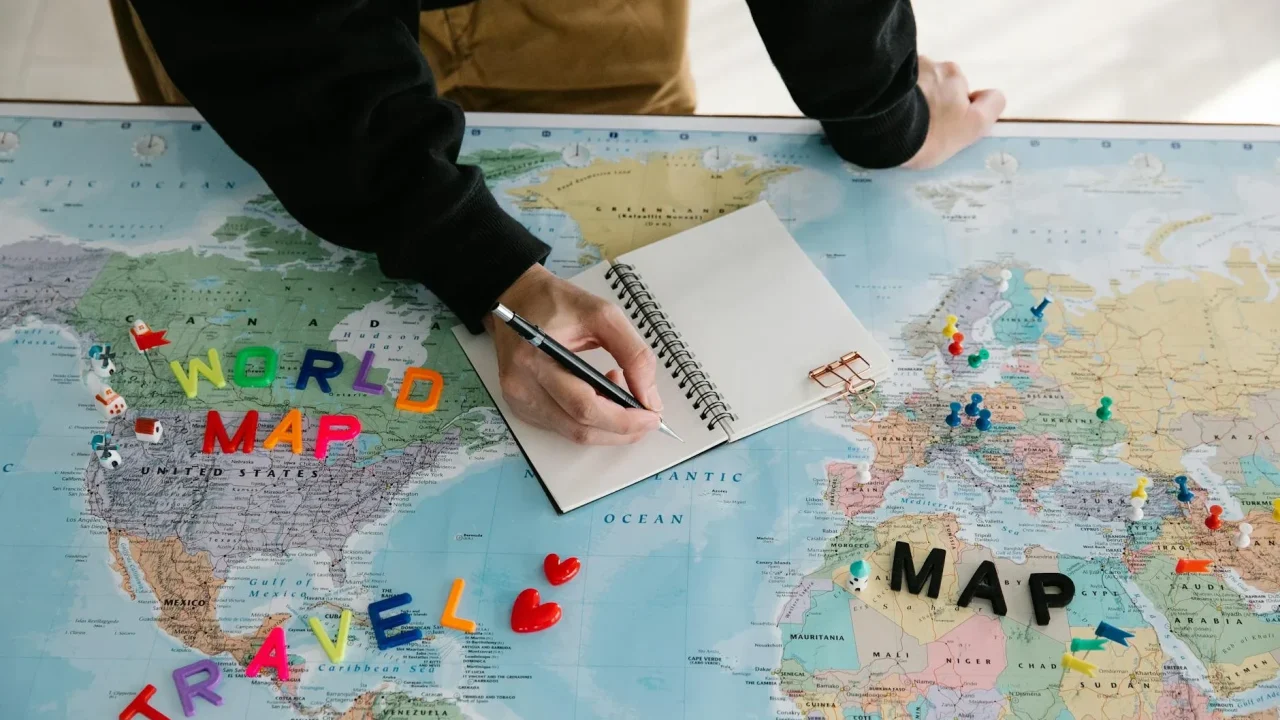
Before you even think about booking, establish a clear and realistic budget. This isn’t just about how much you can spend, but how much you want to spend on different categories like flights, accommodation, food, activities, and souvenirs. A well-defined budget is the foundation of all successful budget travel.
Consider using a spreadsheet or a budgeting app to track your potential expenses. Research average costs for your chosen destination to avoid surprises. Knowing your limits upfront helps you make informed decisions and stick to your financial goals throughout the planning process.

Choose Your Destination Wisely
The location itself significantly impacts your travel expenses. Some destinations are inherently more expensive than others, regardless of the time of year. Opting for countries with a lower cost of living can dramatically stretch your travel budget.
Explore emerging destinations or off-season travel to popular spots. For example, visiting Southeast Asia or parts of Eastern Europe often offers a more budget-friendly experience compared to Western Europe or North America. Researching average daily costs for different regions can reveal hidden gems that align with your financial goals.
Travel During Off-Peak Seasons
One of the most effective travel hacks that save money is timing your trip. Traveling during the off-peak or shoulder season can lead to substantial savings on flights, accommodation, and even some activities. Demand is lower, and prices reflect that.

While peak season might offer ideal weather, off-peak travel often provides a more authentic experience with fewer crowds and better deals. Be mindful of local holidays and festivals, which can sometimes spike prices even during generally low seasons. Flexibility with your travel dates is key here.
Finding Affordable Flights

Be Flexible with Dates and Airports
Flexibility is your greatest asset when searching for cheap flights. Even shifting your departure or return date by a day or two can result in hundreds of dollars in savings. Mid-week flights (Tuesdays, Wednesdays, Thursdays) are often cheaper than weekend travel.
Consider flying into or out of alternative airports if your destination has multiple options. Sometimes, a slightly longer commute from a smaller airport can be well worth the savings. Always check nearby airports using flight comparison sites to see if better deals exist.
Read Also : How to Find Travel Deals & Discounts: Your Ultimate Guide

Utilize Flight Comparison Sites
Don’t just stick to one airline’s website. Use flight comparison sites like Google Flights, Skyscanner, or Kayak to compare prices across multiple airlines and online travel agencies. These tools can help you identify the cheapest days to fly and alert you to price drops.
Remember that these sites don’t always show budget airlines, so it’s a good idea to check those directly once you have a general idea of prices. Always clear your browser cookies or use incognito mode when searching for flights, as prices can sometimes increase based on your search history.
Consider Budget Airlines (with caution)
Budget airlines often offer incredibly low fares, making them a fantastic option for saving money. However, be aware of their business model, which typically involves charging extra for everything from checked luggage and seat selection to in-flight meals.
Always read the fine print and calculate the total cost, including all potential fees, before booking. For short trips with minimal luggage, budget airlines can be a game-changer, but for longer journeys or those requiring specific amenities, a full-service airline might offer better value.
Savvy Accommodation Choices

Explore Hostels and Guesthouses
Hostels are no longer just for young backpackers; many now offer private rooms and a social atmosphere at a fraction of hotel prices. Guesthouses, especially in Asia and Latin America, provide local charm and often include breakfast, offering excellent value.
These options are perfect for meeting other travelers, getting local tips, and experiencing a destination more authentically. Always check reviews for cleanliness and safety, and consider booking directly with guesthouses for potentially better rates than online platforms.

Use Vacation Rentals (Airbnb, Vrbo)
For longer stays or group travel, vacation rentals like Airbnb or Vrbo can be significantly cheaper than hotels. Having access to a kitchen allows you to cook some of your meals, another fantastic way to implement travel hacks that save money.
Beyond cost savings, rentals offer a unique opportunity to live like a local and enjoy more space and privacy. Always factor in cleaning fees and service charges, and compare total costs with traditional accommodation options before committing.
Consider House Sitting or Swapping
For the ultimate budget accommodation, look into house sitting or home swapping. House sitting involves staying in someone’s home for free in exchange for taking care of their pets or property. Websites like TrustedHousesitters connect owners with sitters.
Home swapping allows you to exchange your home with another traveler, eliminating accommodation costs entirely. While it requires trust and coordination, these options can lead to incredible savings and unique travel experiences.
Read Also : Smart Travel Saving Tips for Your Next Adventure
Eating Well on a Budget
Embrace Local Street Food and Markets
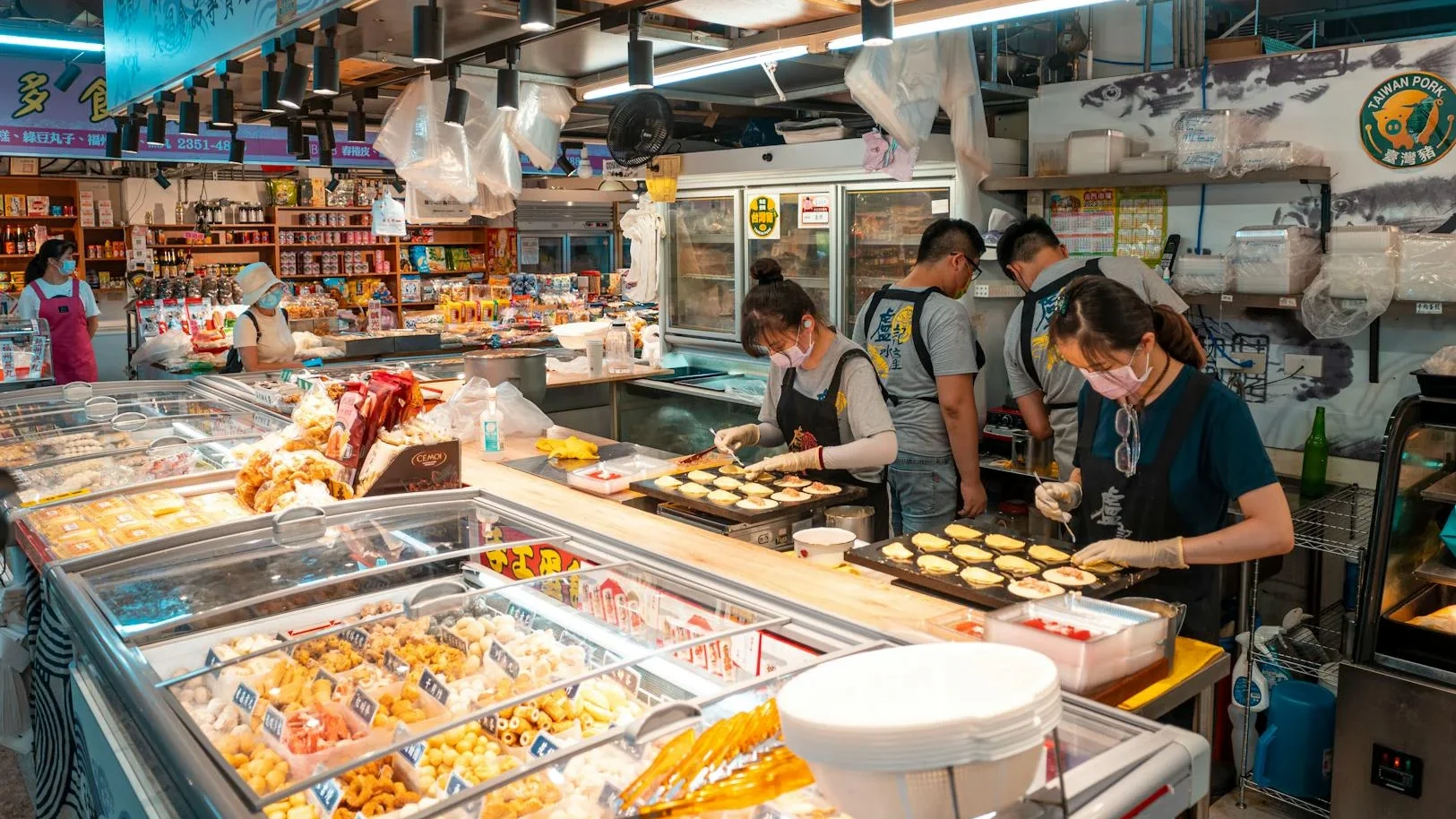
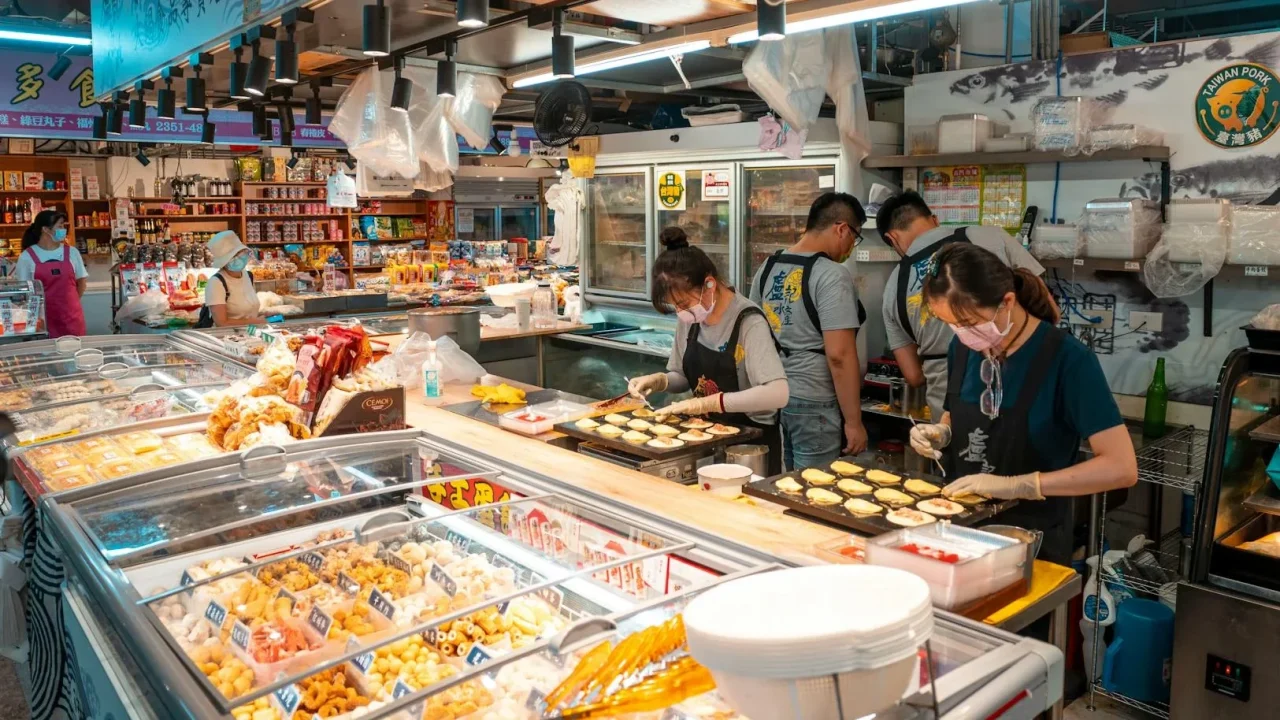
One of the most delicious and budget-friendly ways to eat abroad is by indulging in local street food and fresh market produce. Not only is it incredibly flavorful, but it’s also significantly cheaper than dining in restaurants.
Look for stalls with long lines of locals – a sure sign of good quality and fair prices. Exploring local markets also provides an authentic cultural experience and a chance to buy fresh ingredients if you have access to a kitchen. Don’t be afraid to try new things!
Cook Your Own Meals
If your accommodation has kitchen facilities, cooking some of your own meals is one of the most effective travel hacks that save money. Grocery stores are often much cheaper than restaurants, especially for breakfast and lunch.
Plan simple meals using local ingredients to keep costs down. This strategy not only saves money but also allows you to control your diet and try cooking with new flavors. Even preparing packed lunches for excursions can add up to significant savings.
Drink Tap Water (where safe)
Purchasing bottled water daily can quickly add up, especially in hot climates. Invest in a reusable water bottle and refill it whenever possible. Many countries have safe tap water, and some airports and public places offer refilling stations.
If tap water isn’t safe, consider bringing a water filter bottle or purification tablets. This small change is not only good for your wallet but also for the environment, reducing plastic waste.
Saving on Transportation

Utilize Public Transportation
Local buses, trains, and subways are almost always more affordable than taxis or ride-sharing services. Research the public transport system of your destination before you arrive and learn how to navigate it. Many cities offer multi-day passes that can save you even more.
Public transport also provides a fantastic opportunity to observe local life and get a feel for the city’s rhythm. Don’t be intimidated; most systems are user-friendly, and online maps or apps can guide you.
Walk or Cycle Whenever Possible
For shorter distances, walking is free and offers the best way to truly experience a new place. You’ll stumble upon hidden gems, local shops, and beautiful architecture that you might miss from a car or bus.
Many cities also offer bike rental schemes, which can be a fun and active way to explore. Cycling is often faster than walking for medium distances and provides an eco-friendly mode of transport that helps you stay fit while saving money.
Read Also : How to Travel the World on a Budget [apc_current_year]
Avoid Airport Taxis and Shuttles
Airport transfers can be notoriously expensive. Before your trip, research how to get from the airport to your accommodation using public transport. Many major cities have direct train or bus links from the airport to the city center.
If public transport isn’t an option, consider pre-booking a shared shuttle service, which is usually cheaper than a private taxi. Always compare prices and look for official airport transport options to avoid scams.
Free and Low-Cost Activities
Seek Out Free Walking Tours
Many cities offer free walking tours, often run by enthusiastic locals who work for tips. These tours are an excellent way to get acquainted with a city’s history, culture, and main attractions without spending a dime upfront.
While tips are appreciated, they are entirely at your discretion and budget. It’s a fantastic way to get an overview and then decide which paid attractions you truly want to visit. Look for “free walking tour” online for your destination.
Visit Parks, Beaches, and Public Spaces
Nature offers a wealth of free entertainment. Spend time exploring local parks, relaxing on beaches, or simply people-watching in vibrant public squares. These activities provide genuine insight into local life and cost nothing.
Many cities also have free museums, art galleries, or specific days/hours when entry fees are waived. Research these opportunities in advance to maximize your free cultural experiences.
Attend Free Local Events
Check local event listings for free concerts, festivals, markets, or cultural performances happening during your visit. Many cities host free events, especially during warmer months, that offer unique entertainment and a chance to mingle with locals.
Websites like Meetup.com or local tourism board sites can be great resources for finding these hidden gems. Participating in local life without spending money is a key part of effective travel hacks that save money.
Managing Your Money Abroad
Avoid ATM Fees and Exchange Rates
Bank fees for ATM withdrawals and foreign transaction fees can quickly eat into your budget. Research your bank’s policies before you leave. Many banks offer cards with no foreign transaction fees or will reimburse ATM fees.
When withdrawing cash, always choose to be charged in the local currency, not your home currency. This allows your bank to convert the currency at a better interbank rate, saving you money on dynamic currency conversion (DCC) markups.
Read Also : How to Save Money on Travel: Your Ultimate Guide
Use a Travel Credit Card Wisely
A good travel credit card can offer benefits like no foreign transaction fees, travel insurance, and points or cashback rewards. However, only use it if you can pay off the balance in full each month to avoid interest charges.
Always have a backup payment method, such as a debit card or a small amount of emergency cash. Inform your bank of your travel dates to prevent your card from being flagged for suspicious activity.
Track Your Spending
Even with a budget, it’s easy to overspend if you’re not tracking your expenses. Use a simple notebook, a budgeting app, or a spreadsheet to log every penny you spend. This helps you stay accountable and adjust your spending as needed.
Regularly reviewing your expenditures allows you to see where your money is going and identify areas where you can cut back. This proactive approach ensures you stick to your budget and return home without financial regrets.
Packing Smart to Avoid Fees
Travel with Carry-On Only
One of the most immediate travel hacks that save money is avoiding checked baggage fees. Most airlines charge extra for checked bags, and these fees can quickly add up, especially on multi-leg journeys.
Learning to pack light and efficiently, using only a carry-on bag, can save you a significant amount. This also speeds up your airport experience, as you won’t have to wait at baggage claim.
Utilize Packing Cubes and Space Savers
Packing cubes are invaluable tools for organizing your belongings and maximizing space within your carry-on. They allow you to compress clothing and keep items neatly separated, making it easier to fit more into a smaller bag.
Vacuum seal bags or compression sacks can also help reduce the volume of bulky items like jackets or sweaters. The goal is to fit everything you need into the smallest possible footprint to avoid extra bag charges.
Wear Your Heaviest Items
On travel days, wear your bulkiest items like heavy jackets, boots, or multiple layers. This reduces the weight and volume inside your luggage, potentially helping you avoid overweight bag fees or allowing you to fit more essentials.
This simple trick can be surprisingly effective for travelers who find themselves on the edge of airline baggage limits. It’s a practical way to bypass fees without leaving important items behind.
Read Also : Find Cheap Flights: Your Ultimate Guide for [apc_current_year]
Leveraging Travel Rewards
Join Airline Loyalty Programs
Even if you don’t travel frequently, signing up for airline loyalty programs is a smart move. You can earn miles or points on flights, which can eventually be redeemed for free flights, upgrades, or other travel perks.
Many programs are free to join, and you might accumulate enough points over time for a significant discount on a future trip. Always make sure to input your loyalty number when booking flights.
Maximize Credit Card Rewards
Many credit cards offer generous sign-up bonuses and ongoing rewards for travel-related spending. Look for cards that offer a high earning rate on categories like travel, dining, or groceries, which can then be redeemed for flights, hotels, or statement credits.
Be mindful of annual fees and interest rates. A good strategy is to use these cards for everyday spending and pay off the balance immediately to avoid interest, while still accumulating valuable rewards points.
Utilize Hotel Loyalty Programs
Similar to airline programs, hotel loyalty programs can offer free nights, room upgrades, and exclusive member discounts. If you tend to stay with a particular hotel chain, signing up can lead to significant savings over time.
Even if you prefer diverse accommodations, some programs have partnerships with other brands, allowing you to earn or redeem points across a broader network. These programs are another excellent example of travel hacks that save money through smart planning.
Conclusion
Traveling the world doesn’t have to be an extravagant affair. By adopting these smart travel hacks that save money, you can transform your wanderlust into a sustainable reality, experiencing more without overspending. From meticulous planning and strategic booking to embracing local life and managing your finances wisely, every step offers an opportunity to cut costs.
Remember, flexibility is your greatest ally when seeking deals, whether it’s for flights, accommodation, or activities. Embrace local culture, cook your own meals, and utilize public transport to truly immerse yourself in your destination while keeping your budget intact. These practical tips are designed to empower you to travel smarter, not harder.
So, go ahead and start planning your next adventure with confidence. With these proven strategies, you’ll not only save money but also gain richer, more authentic travel experiences that will last a lifetime. Happy travels!
FAQ
The most effective hacks for flights include being flexible with your travel dates and airports, using flight comparison sites in incognito mode, and considering budget airlines while being aware of their additional fees. Booking in advance and avoiding peak travel seasons also yield significant savings.
You can find affordable accommodation by exploring options like hostels with private rooms, guesthouses, or vacation rentals (like Airbnb) especially for longer stays or groups. Always prioritize checking reviews for safety and cleanliness, and consider house sitting or home swapping for the ultimate budget stay.
Yes, cooking your own meals, especially breakfast and some lunches, can significantly reduce your food expenses. Buying groceries from local markets is almost always cheaper than dining out for every meal. This strategy is particularly effective if your accommodation has kitchen facilities.
To save on transportation, prioritize using local public transport like buses, trains, and subways. For shorter distances, walking or cycling are free and offer a great way to explore. Always research airport transfer options in advance to avoid overpriced taxis or shuttles upon arrival.
Many destinations offer a wealth of free activities. Look for free walking tours, explore local parks, beaches, and public squares. Check for free museums, art galleries, or specific days when entry fees are waived. Attending free local events or festivals can also provide unique cultural experiences without cost.


Popular Posts


Embracing Spiritual Growth Through Travel and Exploration
Travel is more than just seeing new places; it's a profound journey into oneself. This article explores how embracing travel and exploration can significantly contribute to your spiritual growth, offering unique perspectives and transformative experiences.


