Round the World Trip Cost: Your Ultimate Budget Guide

Embarking on a round the world trip is often a lifelong dream for many, promising unparalleled adventures, diverse cultural experiences, and memories that last forever. However, before you can truly set sail (or take flight!), one of the most pressing questions on every aspiring globetrotter’s mind is inevitably: “How much does a round the world trip cost?“
The truth is, there’s no single, simple answer to this question. The round the world trip cost can vary dramatically based on a multitude of factors, from your chosen destinations and travel style to the duration of your journey and how savvy you are with your budgeting. This comprehensive guide aims to demystify the expenses involved, providing you with a clear roadmap to plan and finance your epic adventure.
Understanding the Core Elements of Round the World Trip Cost
To accurately estimate your round the world trip cost, it’s crucial to break down the total into its primary components. These fundamental expenses form the backbone of any long-term travel budget.
Flights: The Biggest Upfront Expense
For most round the world trips, international flights represent a significant portion of the overall budget. This can range from purchasing a dedicated Round the World (RTW) ticket through an airline alliance to booking individual point-to-point flights as you go.

RTW tickets often offer convenience and a fixed price, but might lack flexibility. Conversely, booking individual flights can be cheaper if you’re flexible with dates and destinations, but requires more planning. Consider using budget airlines for shorter hops and being open to layovers to reduce airfare costs.
Accommodation: Where You Lay Your Head
Your choice of lodging will heavily influence your daily spending. Options range from ultra-budget hostels to mid-range hotels and even luxury resorts. Many long-term travelers opt for a mix, balancing comfort with cost savings.
Hostels are a backpacker’s best friend, offering dormitory beds at very low prices, often with shared kitchens to further cut food costs. Guesthouses, local homestays, and budget hotels provide more privacy at a slightly higher price point. For those on a shoestring budget, options like Couchsurfing or house sitting can even eliminate accommodation costs entirely.

Daily Expenses: Food, Transport, and Activities
These are the day-to-day costs that accumulate quickly. Food, local transportation, entrance fees to attractions, and any tours or activities you choose will all contribute to your overall round the world trip cost.
Eating like a local, utilizing street food vendors, and cooking some of your own meals can significantly reduce food expenses. For transport, prioritize public buses, trains, and walking over taxis. Research free activities in each location and budget for a few splurge-worthy experiences to make your trip truly memorable.
Factors That Significantly Impact Your Round the World Trip Cost

Read Also : Smart Travel Saving Tips for Your Next Adventure
While the core elements remain constant, several variables can dramatically swing your total expenditure. Understanding these allows for better budgeting and more informed decisions.
Duration of Your Journey
Logically, the longer you travel, the more your trip will cost in total. However, it’s worth noting that per-day costs can sometimes decrease on longer trips. This is because significant upfront expenses like international flights and travel insurance are spread over a longer period, and you often become more adept at finding deals and living frugally as you go.
A six-month trip will naturally be less expensive than a twelve-month trip, but the daily average might not be double. Consider how long you truly want to be away and what kind of pace you prefer, as rushing through destinations can sometimes lead to higher costs due to frequent travel between places.
Destinations Chosen
The countries you visit are perhaps the biggest determinant of your round the world trip cost. Traveling through Western Europe, North America, Australia, or Japan will be significantly more expensive than exploring Southeast Asia, India, or parts of South America.
For example, a meal in Paris could cost you €15-25, while a delicious street food meal in Bangkok might be only $2-3. Researching the cost of living in your target destinations is paramount. Many budget travelers opt for a route that prioritizes cheaper regions to stretch their money further.
Your Travel Style
Are you a luxury traveler, a mid-range explorer, or a budget backpacker? Your personal travel style dictates everything from your choice of accommodation to your dining habits and activities. A traveler who prefers boutique hotels and fine dining will naturally incur a much higher round the world trip cost than someone content with hostels and street food.

Be honest with yourself about your comfort levels and what you’re willing to compromise on. Some travelers find joy in extreme budget travel, while others prefer to pay a bit more for convenience and comfort. There’s no right or wrong way to travel, only the way that suits your budget and preferences.
Time of Year (Seasonality)
Traveling during peak season (e.g., European summer, Christmas holidays) almost always means higher prices for flights and accommodation. Off-peak or shoulder season travel can lead to substantial savings.
While off-peak travel might mean less ideal weather in some regions, the financial benefits can be significant. Always check the seasonal variations for your chosen destinations to find the best balance between weather, crowds, and cost.
Breaking Down Flight Costs for a Round the World Trip
Read Also : Find Cheap Flights: Your Ultimate Guide for [apc_current_year]
Flights are often the most daunting expense to tackle. A strategic approach can lead to considerable savings.
Round the World Tickets vs. One-Way Flights
Round the World (RTW) tickets
are multi-stop airline tickets offered by airline alliances like Star Alliance, Oneworld, or SkyTeam. They typically allow you to fly around the world in one direction, with a set number of stops and a maximum mileage. Their main advantages are convenience and often a fixed, predictable price.
However, RTW tickets can be less flexible once booked and might restrict you to specific airlines and routes. Booking individual one-way flights, on the other hand, offers maximum flexibility, allowing you to use budget airlines and change your itinerary on the fly. This method often requires more research and booking effort but can sometimes result in a lower overall flight cost, especially if you’re comfortable with less direct routes.
Strategies to Save on Airfare
Saving money on flights is an art. Here are some proven strategies:
- Be Flexible with Dates: Flying mid-week or during the off-season can drastically reduce prices.
- Use Flight Comparison Sites: Websites like Skyscanner, Google Flights, and Kayak are excellent for finding deals. Always check prices from different departure airports if possible.
- Consider Budget Airlines: For shorter distances, budget carriers often have significantly lower fares, but be aware of extra fees for luggage and seat selection.
- Book in Advance (but not too far): For international flights, booking 2-4 months in advance often yields the best prices.
- Clear Your Cookies/Use Incognito Mode: Some sites track your searches and may increase prices.
- Leverage Travel Hacking: If you have good credit, consider signing up for travel rewards credit cards to earn points for free or discounted flights.
Accommodation Budgeting Strategies
After flights, accommodation is usually the next biggest chunk of your round the world trip cost. Smart choices here can free up significant funds for experiences.
Hostels and Budget Guesthouses
Hostels are a staple for backpackers due to their affordability and social atmosphere. Dorm beds can cost anywhere from $5-$30 per night, depending on the country and city. Many hostels also offer private rooms, which can be a good compromise for couples or those seeking more privacy without breaking the bank.
Budget guesthouses, particularly prevalent in Asia and Latin America, offer basic private rooms, often with en-suite bathrooms, at prices comparable to or slightly higher than a hostel dorm. These provide a good balance of privacy and affordability.
Alternative Accommodation Options
To really drive down your accommodation costs, consider these alternatives:
Read Also : Travel Hacks That Save Money: Smart Tips for Budget Trips
- Couchsurfing: Stay for free with locals in their homes. It’s not just about saving money; it’s a fantastic way to experience local culture.
- House Sitting: Look after someone’s home and pets while they’re away in exchange for free accommodation. Websites like TrustedHousesitters connect sitters with homeowners.
- Volunteering/Work Exchange: Programs like Workaway or Worldpackers allow you to work a few hours a day in exchange for free accommodation (and sometimes food). This can also be a great way to immerse yourself locally.
- Camping: In countries with good infrastructure for it, camping can be an incredibly cheap way to sleep, especially if you have your own gear.
Managing Your Daily Spending on the Road
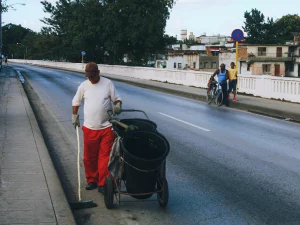
It’s the small, daily expenses that can quickly add up and derail your budget. Mindful spending is key.
Food and Drink Expenses
Food is a significant daily cost, but it’s also where you have a lot of control. Eating local street food is often the cheapest and most authentic culinary experience in many countries. Cooking your own meals in hostels with kitchen facilities can save a fortune, especially for breakfast and lunch.
Carrying a reusable water bottle and using a water filter or purification tablets can eliminate the cost of bottled water. Look for happy hour deals, skip expensive coffees, and consider limiting alcohol consumption to keep your budget in check.
Local Transportation Costs
Prioritize walking whenever possible – it’s free and a great way to explore a new city. For longer distances, utilize local public transportation like buses, trains, and subways, which are almost always cheaper than taxis or ride-sharing apps like Uber or Grab.
In some cities, renting a bicycle can be a cost-effective and enjoyable way to get around. Only opt for taxis or private transfers when absolutely necessary, such as late at night or when carrying heavy luggage.
Activities and Entertainment
While it’s tempting to do everything, you can’t afford every tour or attraction. Research free activities in each location, such as free walking tours, parks, public beaches, or free museum days. Many cities offer multi-attraction passes that can save money if you plan to visit several paid sights.
Budget for a few “splurge” activities that are truly important to you, whether it’s a cooking class, a scuba diving excursion, or a once-in-a-lifetime safari. Balancing free and paid activities will help keep your round the world trip cost manageable.
Essential Pre-Trip Expenses to Consider

Don’t forget the costs that come before you even leave home. These are critical for a safe and smooth journey.
Read Also : How to Travel the World on a Budget [apc_current_year]
Travel Insurance: A Non-Negotiable
Many travelers try to cut costs by skipping travel insurance, but this is a false economy. Travel insurance is absolutely essential for a round the world trip. It covers medical emergencies, trip cancellations, lost luggage, and other unforeseen circumstances that could cost you tens of thousands of dollars if you’re uninsured.
Research different policies carefully to ensure they cover the duration of your trip, your planned activities (e.g., adventure sports), and your destinations. It’s a small upfront cost that provides immense peace of mind.
Visas and Vaccinations
Depending on your nationality and the countries you plan to visit, you may need to apply for various visas in advance. Visa costs can range from being free upon arrival to hundreds of dollars for certain countries. Research visa requirements well in advance of your trip.
Similarly, consult your doctor about necessary vaccinations for your chosen destinations. Some vaccinations require multiple doses over several weeks or months, and their costs can add up. Don’t leave these vital preparations until the last minute.
Gear and Equipment
A good quality backpack, comfortable walking shoes, appropriate clothing layers, and any specialized gear (e.g., hiking equipment, electronics) are necessary investments. While you don’t need to buy everything new, ensure your gear is durable and suitable for the rigors of long-term travel.
Consider items like a portable power bank, universal adapter, and a quick-dry towel. These small investments can enhance your comfort and convenience on the road, ultimately improving your overall travel experience.
Sample Round the World Trip Cost Scenarios
To give you a more concrete idea, here are some hypothetical scenarios for a 6-12 month round the world trip, illustrating how your choices impact the overall expense.
The Budget Backpacker ($15,000 – $25,000 for 6-12 months)
This traveler focuses on extremely low-cost regions like Southeast Asia, India, and parts of South America. They primarily stay in hostel dorms, eat street food, cook frequently, and use local public transport. Flights are booked point-to-point on budget airlines with minimal checked luggage. This budget requires significant discipline and a willingness to forgo many creature comforts.
A typical itinerary might involve 3-4 months in Southeast Asia, 2 months in India/Nepal, and 3-4 months in South America. They embrace slow travel, spending longer in each location to reduce inter-country travel costs and find cheaper long-term accommodation deals.
The Mid-Range Explorer ($30,000 – $50,000 for 6-12 months)
This traveler seeks a balance between cost and comfort. They might include a mix of budget-friendly and moderately expensive regions (e.g., a few weeks in Western Europe, a month in Australia, alongside cheaper regions). Accommodation often includes private rooms in hostels, budget guesthouses, and occasional Airbnb stays.
Read Also : Budget Travel Planning for Beginners: Your Ultimate Guide
They enjoy a mix of street food and restaurant meals, take some organized tours, and might splurge on a few domestic flights for convenience. Flights could be a combination of a flexible RTW ticket and individual bookings for specific legs. This budget offers more flexibility and a slightly more comfortable experience.
The Comfort Traveler ($50,000+ for 6-12 months)
For those prioritizing comfort and convenience, the budget naturally increases. This traveler might incorporate more expensive destinations, stay in mid-range hotels or boutique accommodations, and frequently dine in restaurants. They might opt for more guided tours, private transfers, and fewer compromises on activities.
Flights might involve more direct routes, premium economy, or even business class for longer legs. This budget allows for a more relaxed pace, fewer logistical worries, and the ability to enjoy higher-end experiences throughout the journey.
Practical Tips to Reduce Your Round the World Trip Cost
Regardless of your budget, these tips can help you stretch your money further and make your dream trip more affordable.
Embrace Slow Travel
Spending more time in fewer places not only deepens your experience but also significantly reduces your round the world trip cost. Fewer inter-city or inter-country travel days mean fewer expensive flights or long-distance train tickets. Additionally, many accommodations offer discounts for longer stays (weekly or monthly rates).
Slow travel also allows you to settle into a routine, find local markets for groceries, and discover cheaper eateries away from tourist traps, all contributing to a lower daily expenditure.
Leverage Travel Rewards and Points
If you have good credit, consider signing up for travel rewards credit cards well in advance of your trip. The sign-up bonuses alone can often cover several international flights or numerous nights in hotels.
Strategically collecting points and miles can dramatically offset one of the largest components of your round the world trip cost. Just be sure to pay off your balances in full each month to avoid interest charges.
Work While You Travel
The rise of remote work has made it easier than ever to earn money on the road. If your job allows for it, becoming a digital nomad can provide a steady income stream. Alternatively, look into seasonal work, teaching English, or volunteering opportunities that offer accommodation and/or food in exchange for your time.
Even a few hours of work a week can significantly supplement your travel fund and extend the duration of your trip without increasing your initial savings target.
Read Also : How to Save Money on Travel: Your Ultimate Guide
Track Your Spending Religiously
One of the most effective ways to stay within budget is to know exactly where your money is going. Use a budget app (like TravelSpend or Mint), a spreadsheet, or even a small notebook to track every single expense. This allows you to identify areas where you might be overspending and adjust accordingly.
Review your budget regularly (daily or weekly) and make conscious decisions about your spending. This proactive approach prevents budget blowouts and helps ensure your funds last for your entire adventure.
Conclusion
Embarking on a round the world trip is an incredible endeavor that requires careful planning, especially when it comes to finances. While the round the world trip cost can seem daunting at first, breaking it down into manageable components and understanding the influencing factors makes it much less intimidating. From flights and accommodation to daily expenses, every choice you make impacts your overall budget.
Remember that your ideal trip cost is highly personal. Whether you aim for a budget-friendly backpacking adventure or a more comfortable journey, the key is to align your travel style with your financial resources. By utilizing smart budgeting strategies, being flexible, and making informed decisions, your dream of circling the globe is well within reach. Start saving, start planning, and prepare for the journey of a lifetime!
FAQ
A round the world trip can cost anywhere from $15,000 to over $50,000+ for 6-12 months, depending heavily on your travel style, chosen destinations, and duration. A budget backpacker focusing on cheap regions might spend $15,000-$25,000, while a mid-range traveler could expect to spend $30,000-$50,000, and a comfort traveler significantly more.
There's no definitive answer; it depends on your specific itinerary and flexibility. Round the World (RTW) tickets offer convenience and a fixed price but can be less flexible. Booking separate point-to-point flights can often be cheaper, especially if you're willing to use budget airlines, have flexible dates, and research deals extensively. For maximum budget efficiency, a hybrid approach often works best.
The cheapest regions for a round the world trip generally include Southeast Asia (e.g., Thailand, Vietnam, Cambodia, Indonesia), India, Nepal, and parts of Central and South America (e.g., Bolivia, Peru, Colombia). These regions offer very affordable accommodation, food, and transportation, allowing your budget to stretch much further.
To save on accommodation, consider staying in hostel dorms, budget guesthouses, or utilizing alternative options like Couchsurfing, house sitting, or work exchange programs (e.g., Workaway). Booking in advance, especially during peak season, and looking for weekly or monthly discounts for longer stays can also significantly reduce costs.
Yes, travel insurance is highly recommended and almost essential for a round the world trip. It provides crucial coverage for medical emergencies, trip cancellations, lost luggage, and other unforeseen events that could otherwise lead to massive financial burdens. Do not compromise on travel insurance for such a long and extensive journey.


Popular Posts


Embracing Spiritual Growth Through Travel and Exploration
Travel is more than just seeing new places; it's a profound journey into oneself. This article explores how embracing travel and exploration can significantly contribute to your spiritual growth, offering unique perspectives and transformative experiences.


One thought on “Round the World Trip Cost: Your Ultimate Budget Guide”