Exploring the Rich History and Cultural Heritage of Must-Visit Cities

Imagine a world where every cobblestone whispers tales, every tradition holds a deep secret, and architectural marvels stand as silent witnesses to history. This is the essence of our most ancient and vibrant cities. For those with a keen sense of adventure, there’s nothing quite like stepping into a place where history breathes through every archway and cultural heritage flourishes in daily life. These destinations offer far more than mere sightseeing; they forge a profound connection to humanity’s past and illuminate the rich tapestry of its diverse present.
Embarking on a journey through cities steeped in history and culture is an adventure that truly goes beyond the usual tourist trail. It’s an immersive experience that educates, inspires, and ultimately transforms you. From the sheer grandeur of imperial capitals to the spiritual serenity of ancient towns, each city holds a unique narrative just waiting to be uncovered. This article will be your guide through some of the world’s most compelling urban landscapes, shedding light on their iconic sites, enduring traditions, and the lasting impression they leave on every visitor.
Rome, Italy: The Eternal City’s Ancient Grandeur
Rome, affectionately dubbed the “Eternal City,” doesn’t just stand; it breathes millennia of human history and unparalleled cultural achievements. Its ancient streets whisper tales of emperors, gladiators, and artists, making it a cornerstone for anyone eager to delve into the rich history and cultural heritage of these essential cities. The sheer volume of historical sites and artistic masterpieces here is simply a feast for the senses, promising an endless journey of discovery.
The Colosseum & Roman Forum: Echoes of an Empire
To truly grasp Rome’s ancient pulse, one must plunge into its very core. The Colosseum, that colossal amphitheater, once buzzed with gladiatorial contests and public spectacles, standing as a stark symbol of the Roman Empire’s might and engineering prowess. Walking through its venerable arches, you can almost hear the roar of the crowds and feel the immense weight of history pressing down.

Right next door, the sprawling ruins of the Roman Forum beckon. This was once the bustling center of ancient Roman public life, a vibrant hub of temples, basilicas, and lively marketplaces. Wandering its pathways offers an unparalleled glimpse into the political, religious, and commercial heart of one of the greatest civilizations known to humankind – it’s like peeling back layers of time.
Vatican City: A Spiritual & Artistic Hub
Tucked away inside Rome’s embrace, Vatican City isn’t just the world’s tiniest independent state; it’s the very spiritual pulse of the Roman Catholic Church. Beyond its religious significance, it’s a treasure trove of extraordinary art and architecture. St. Peter’s Basilica, home to Michelangelo’s Pietà and Bernini’s awe-inspiring baldachin, stands as a marvel of Renaissance design, while the Vatican Museums house an astonishing collection, culminating in the breathtaking Sistine Chapel.
Its cultural clout, however, stretches far beyond matters of faith; it’s a testament to human artistic genius spanning centuries. Many find themselves utterly speechless by the sheer scale and beauty of the works housed within its walls, making it a cornerstone for truly understanding Rome’s profound legacy.

Trastevere: Authentic Roman Charm
If you’re craving a slice of old Rome, far from the imposing imperial monuments, the enchanting district of Trastevere is just the ticket. It offers a more intimate cultural experience, with its labyrinthine cobblestone streets, traditional trattorias, and artisan shops that evoke a bygone era. This neighborhood provides a wonderful contrast, beautifully showcasing the everyday life and enduring local traditions that have shaped Rome’s unique character.
As dusk settles, Trastevere truly comes alive, with bustling squares and lively street performers adding to its magic. Here, you can truly rub shoulders with the Roman way of life, savoring authentic cuisine and experiencing the warmth of local hospitality. It serves as a vibrant reminder that Rome’s cultural heritage isn’t solely etched in ancient stones, but thrives in its everyday customs and spirited community.
Kyoto, Japan: Imperial Traditions & Serenity
Read Also : Unveiling Stories: Iconic Artworks & Cultural Significance

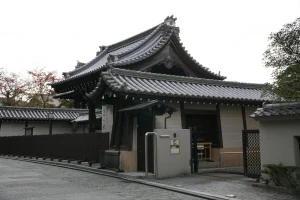
Kyoto, Japan’s former imperial capital, is a city where ancient traditions are meticulously preserved, even amidst the hustle and bustle of modern life. It offers a captivating journey into Japan’s very soul, making it a prime destination for those keen on uncovering the rich history and cultural heritage of truly essential cities. With its thousands of temples, serene gardens, and traditional wooden houses, Kyoto embodies the quintessential essence of classical Japan.
Gion District: Geisha Culture & Traditional Arts
The Gion district holds the title of Kyoto’s most famous geisha quarter, where the elegant world of geiko (Kyoto’s term for geisha) and maiko (apprentice geiko) continues to flourish. A stroll through its beautifully preserved streets, particularly along Hanamikoji-dori, offers a rare glimpse into a highly refined traditional culture. Here, you might just catch sight of a geiko, resplendent in an exquisite kimono, gracefully hurrying to an appointment.
Beyond these chance encounters, Gion is also home to traditional tea houses and theaters where ancient performing arts, such as Kabuki and Kyogen, are still performed with great reverence. This district is a living museum, offering an unparalleled insight into the aesthetic and social customs that have defined Japanese culture for centuries.

Temples & Gardens: Spiritual Sanctuaries
Kyoto boasts an incredible array of temples and Zen gardens, each providing a unique experience of tranquility and spiritual reflection. Iconic sites like the Kinkaku-ji (Golden Pavilion), shimmering majestically over its reflective pond, and the austere rock garden of Ryoan-ji are masterpieces of Japanese aesthetics and philosophy. These aren’t merely tourist attractions; they are active places of worship and meditation that invite contemplation.
The meticulous design of Kyoto’s gardens, often incorporating elements like moss, raked gravel, and carefully placed stones, is a profound expression of Japanese artistry and its deep connection to nature. Spending time in these peaceful sanctuaries allows visitors to truly appreciate the depth of Japan’s spiritual and cultural heritage, offering a moment of quiet introspection.
Traditional Crafts & Cuisine: A Taste of Kyoto
Kyoto’s cultural heritage extends beautifully to its exquisite traditional crafts and world-renowned cuisine. From delicate Kyoto Yuzen kimonos to intricate Kyo-yaki pottery and masterfully crafted woodworking, the city is a vibrant hub for master artisans. Visitors can explore workshops, pick up unique handcrafted souvenirs, and even participate in hands-on craft experiences, truly getting a feel for the local artistry.

The culinary scene in Kyoto is equally celebrated, with its refined Kyo-ryori (Kyoto cuisine) emphasizing seasonal ingredients and elegant presentation. Traditional tea ceremonies, an art form in themselves, also offer a deep dive into Japanese etiquette and philosophy. These sensory experiences are absolutely vital for understanding the comprehensive and intricate cultural fabric of Kyoto.
Athens, Greece: Birthplace of Western Civilization
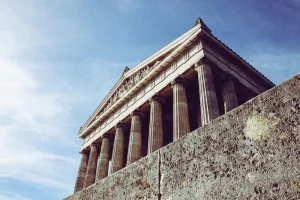
Athens, the capital of Greece, is a city utterly steeped in history, widely regarded as the birthplace of democracy, philosophy, and indeed, Western civilization itself. For those keen on exploring the profound history and cultural heritage of truly unmissable cities, Athens offers an unparalleled journey back to antiquity. Its ancient ruins stand proudly, narrating captivating tales of gods, heroes, and the very dawn of intellectual thought.
The Acropolis & Parthenon: Ancient Marvels
Dominating the Athenian skyline, the Acropolis is an ancient citadel that cradles some of the most famous architectural masterpieces in the entire world. The crowning glory, without a doubt, is the Parthenon, a magnificent temple dedicated to the goddess Athena. Its enduring beauty and structural ingenuity stand as a testament to the sheer brilliance of ancient Greek architects and sculptors, a true marvel to behold.
Read Also : Heartwarming Travel Stories: Connections Made Abroad
Exploring the Acropolis site, which includes the Erechtheion and the Propylaea, provides a profound sense of connection to the classical era. The panoramic views of the city from this vantage point are breathtaking, allowing visitors to ponder the vast expanse of history that unfolded beneath their feet, truly embodying the spirit of ancient Greece.
Ancient Agora: Heart of Public Life
Nestled just below the Acropolis lies the Ancient Agora, once the vibrant, beating heart of public life in classical Athens. This expansive archaeological site was where Socrates lectured, democracy was hotly debated, and citizens gathered for commerce, politics, and lively social interaction. Walking through the Agora, one can almost visualize the bustling activity of ancient Athenian society, a veritable hub of intellectual and civic engagement.
Key structures like the Temple of Hephaestus, one of the best-preserved ancient Greek temples, and the Stoa of Attalos, which now houses the Museum of the Ancient Agora, offer invaluable insights into daily life and governance. The Agora is absolutely crucial for understanding the foundational elements of Western thought and political systems that still resonate today.
Plaka District: Historic Charm & Modern Vibrancy
Tucked beneath the shadow of the Acropolis, the Plaka district is one of Athens’ oldest and most picturesque neighborhoods. Its labyrinthine streets are a delightful maze of neoclassical architecture, charming cafes, traditional tavernas, and quaint souvenir shops. Plaka beautifully blends historic charm with a lively contemporary atmosphere, making it an utterly delightful area to explore, a true gem.
Here, you can stumble upon small museums, Byzantine churches, and intriguing remnants of Ottoman rule, showcasing the many layers of history that have shaped Athens. The district’s vibrant energy, combined with its rich historical backdrop, offers a perfect opportunity to experience the city’s enduring cultural pulse after a day spent marveling at ancient ruins.
Istanbul, Turkey: Where East Meets West
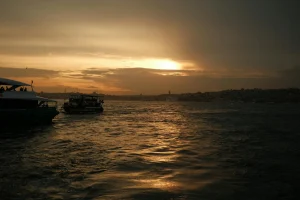
Istanbul, a city gracefully straddling two continents, stands as a magnificent testament to the intertwining of Eastern and Western cultures and histories. Its strategic location has made it a coveted prize for empires throughout history, resulting in a unique tapestry woven with Byzantine and Ottoman heritage. For anyone focused on exploring the rich history and cultural heritage of truly must-visit cities, Istanbul offers an unparalleled, multi-layered experience that will leave you spellbound.
Hagia Sophia & Blue Mosque: Architectural Wonders
The iconic Hagia Sophia is a marvel of architectural evolution, having served as a Byzantine cathedral, an Ottoman mosque, and then a museum (though recently reconverted to a mosque). Its massive dome and intricate mosaics tell a compelling story of religious and cultural shifts spanning centuries. Its sheer scale and breathtaking beauty leave visitors awestruck, representing a pinnacle of human ingenuity and artistic achievement.
Directly opposite stands the equally stunning Blue Mosque (Sultan Ahmed Mosque), famous for its cascading domes, six slender minarets, and the exquisite blue tiles that adorn its interior. These two magnificent structures, facing each other across a historic square, powerfully symbolize the rich religious and artistic dialogue that has defined Istanbul for millennia.
Topkapi Palace: Ottoman Grandeur
The Topkapi Palace served as the primary residence and administrative headquarters of the Ottoman sultans for nearly 400 years. This sprawling complex offers a fascinating glimpse into the opulent world of the Ottoman Empire, with its lavish courtyards, a treasury overflowing with dazzling jewels, and the intriguing Harem quarters. It’s a journey into a world of power and luxury.
Read Also : Culinary Adventures That Showcase the Rich Tapestry of Local Flavors
Exploring the palace grounds provides a deep understanding of Ottoman court life, intricate politics, and exquisite artistry. Each section reveals stories of power, intrigue, and the daily routines of one of the world’s most powerful dynasties, making it an indispensable part of Istanbul’s cultural exploration – a true window into a bygone era.
Grand Bazaar: A Shopping Journey Through Time
The Grand Bazaar is unequivocally one of the oldest and largest covered markets in the world, a bustling labyrinth of thousands of shops selling everything from fragrant spices and rich textiles to sparkling jewelry and intricate ceramics. It has been a vibrant center of commerce since the 15th century, and stepping inside feels uncannily like traveling back in time to a lively Silk Road trading post, a true sensory delight.
Beyond the sheer thrill of shopping, the Grand Bazaar is a cultural experience in itself. The vibrant atmosphere, the intoxicating aroma of exotic spices, and the rhythmic calls of vendors create a sensory overload that perfectly encapsulates the lively spirit of Istanbul. It’s a place where history and commerce beautifully intertwine, a living, breathing testament to the city’s enduring legacy.
Beijing, China: Imperial Grandeur & Modernity
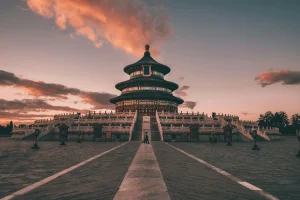
Beijing, the capital of the People’s Republic of China, is a city where ancient imperial grandeur seamlessly coexists with a rapidly modernizing landscape. It offers a profound opportunity for exploring the rich history and cultural heritage of truly iconic cities, showcasing centuries of Chinese civilization, from dynastic rule to revolutionary change. Beijing truly is a city of striking contrasts, where every corner seems to tell a captivating story.
Forbidden City & Tiananmen Square: Seats of Power
At the very heart of Beijing lies the Forbidden City, an immense imperial palace complex that served as the home of emperors and the ceremonial and political center of Chinese government for nearly 500 years. Its majestic halls, intricate courtyards, and vibrant colors stand as a testament to the power and artistry of imperial China. This UNESCO World Heritage site is an absolute must-see for its historical significance and architectural splendor.
Adjacent to the Forbidden City is Tiananmen Square, one of the largest public squares in the world. It holds immense symbolic importance in Chinese history, having been the site of numerous significant events that have shaped the nation. Together, these two landmarks represent the heart of China’s dynastic past and its modern political identity, a powerful juxtaposition.
Great Wall of China (Nearby): An Enduring Wonder
While not strictly within Beijing’s city limits, the easily accessible sections of the Great Wall of China are an essential extension of any historical tour of the capital. This monumental defensive structure, stretching thousands of kilometers, is one of the most iconic symbols of China’s ancient might and engineering genius. Visiting a section like Badaling or Mutianyu offers breathtaking views and a tangible connection to an epic, bygone era.
The Great Wall is not just a physical barrier; it represents centuries of human endeavor, immense sacrifice, and strategic brilliance. Walking upon its ancient stones provides a profound sense of awe and helps visitors grasp the sheer scale of China’s historical achievements and the formidable challenges it has overcome.
Hutongs: Traditional Alleys & Local Life
To experience a different side of Beijing’s cultural heritage, make sure to explore its traditional residential areas known as hutongs. These narrow alleyways, lined with traditional courtyard houses (siheyuan), offer a charming glimpse into the city’s older way of life, contrasting sharply with its towering modern skyscrapers. Many hutongs have been meticulously preserved, and some even offer homestays or delightful tours by rickshaw.
Read Also : Perfect Weekend Getaway Destinations for Quick Escapes and Relaxation
The hutongs are vibrant, close-knit communities where local traditions persist, and a strong sense of neighborhood thrives. They provide an authentic insight into the daily lives of ordinary Beijingers, offering a charming and intimate perspective on the city’s enduring cultural fabric – a true step back in time.
Varanasi, India: Spiritual Heart on the Ganges

Varanasi, nestled on the sacred banks of the River Ganges, holds the distinction of being one of the world’s oldest continuously inhabited cities and the undisputed spiritual capital of India. For those dedicated to exploring the rich history and profound cultural heritage of truly essential cities, Varanasi offers an unparalleled, deeply spiritual, and intensely sensory experience. It is a city where life and death intertwine, and ancient rituals are performed daily with unwavering devotion, a place that truly stirs the soul.
Ghats of Varanasi: Rituals & Life on the Ganges
The iconic Ghats of Varanasi are stone steps leading down to the Ganges River, where pilgrims perform religious ablutions, offer heartfelt prayers, and conduct solemn cremation ceremonies. Each ghat possesses its own unique significance and history, and witnessing the sunrise rituals from a boat on the Ganges is an absolutely profound experience. The Dashashwamedh Ghat is particularly famous for its evening Ganga Aarti ceremony, a mesmerizing spectacle of fire, chanting, and deep devotion.
The ghats are undeniably the spiritual and social heart of Varanasi, a place where life, death, and faith are openly embraced. They offer an unfiltered view into the profound spiritual practices and cultural beliefs that have sustained Indian civilization for millennia, making it a powerful destination for genuine cultural immersion.
Ancient Temples: Kashi Vishwanath & Beyond
Varanasi is home to thousands of temples, each contributing to its sacred aura. The most prominent is the Kashi Vishwanath Temple, dedicated to Lord Shiva, and one of the twelve Jyotirlingas (holiest Shiva temples). Its golden spire stands as a beacon for Hindu pilgrims from around the world. While non-Hindus cannot enter the inner sanctum, the exterior and surrounding labyrinthine lanes are filled with an electric spiritual energy that is palpable.
Beyond Vishwanath, countless smaller temples and shrines dot the city’s intricate alleys, each with its own captivating stories and revered deities. Exploring these ancient structures provides a deep insight into Hindu mythology, diverse architectural styles, and the enduring power of faith in Indian culture, a truly enlightening journey.
Sarnath (Nearby): Buddhist Pilgrimage Site
Just a short, contemplative drive from Varanasi lies Sarnath, a crucially important site for Buddhists worldwide. It is here that Siddhartha Gautama, the Buddha, delivered his very first sermon after attaining enlightenment. The evocative ruins of ancient stupas and monasteries, including the impressive Dhamek Stupa, mark this sacred ground. Sarnath offers a tranquil contrast to the bustling energy of Varanasi, providing a serene retreat.
Visiting Sarnath provides a powerful opportunity to reflect on the origins of Buddhism and its profound impact on global thought and culture. It adds another significant layer to Varanasi’s already rich spiritual tapestry, highlighting the diverse religious heritage that has flourished in the region for centuries.
Mexico City, Mexico: Aztec Roots & Colonial Splendor
Mexico City, one of the largest and most vibrant metropolises in the world, is a city built upon fascinating layers of history. From its ancient Aztec origins to its colonial past and modern dynamism, it offers an incredible journey for anyone interested in exploring the rich history and cultural heritage of truly indispensable cities. The city is a captivating blend of pre-Hispanic traditions, profound European influences, and a fierce contemporary Mexican identity.
Read Also : Celebrating Art & Culture in Diverse Destinations
Templo Mayor & Zócalo: Ancient & Colonial Core
At the very heart of Mexico City’s historic center lies the Templo Mayor, the main temple of the Aztec capital, Tenochtitlan. Its ruins, dramatically discovered beneath modern buildings, offer a powerful glimpse into the sophisticated civilization that once thrived here. The adjacent museum houses an extraordinary collection of Aztec artifacts, including the massive, awe-inspiring stone disk of Coyolxauhqui.
Just steps away is the Zócalo (Plaza de la Constitución), one of the world’s largest public squares, flanked by the magnificent Metropolitan Cathedral and the stately National Palace. This area dramatically showcases the clash and fascinating fusion of Aztec and Spanish cultures, embodying the historical layers that so profoundly define the city’s unique character.
Chapultepec Castle & National Museum of Anthropology
Perched majestically atop Chapultepec Hill, Chapultepec Castle has worn many hats: military academy, imperial residence, presidential home, and now the National Museum of History. Its opulent interiors and panoramic views of the city tell the compelling story of Mexico’s independence and revolutionary periods. The castle stands as a powerful symbol of national pride and a veritable treasure trove of Mexican history.
Nearby, the National Museum of Anthropology is arguably one of the finest museums in the world. Its vast collection of pre-Hispanic artifacts, including the iconic Aztec Sun Stone, provides an unparalleled overview of Mexico’s indigenous cultures. It is an absolutely essential stop for understanding the deep roots of Mexican identity and heritage, truly a journey through time.
Coyoacán: Frida Kahlo’s Legacy & Bohemian Charm
The charming, bohemian neighborhood of Coyoacán offers a delightful escape from the city’s bustling center. Its cobblestone streets, colonial mansions, and vibrant squares exude a unique artistic and intellectual ambiance. Coyoacán is most famously known as the cherished home of iconic artist Frida Kahlo, whose former residence, the Casa Azul (Blue House), is now a beloved and popular museum.
Exploring Coyoacán allows visitors to connect intimately with Mexico’s rich artistic and literary heritage, soak in its relaxed atmosphere, and enjoy its lively markets and inviting cafes. It’s a place where history feels intimately personal, offering a different, more intimate perspective on the city’s rich cultural tapestry – a true gem for the soul.
Conclusion
Diving deep into the history and cultural heritage of these indispensable cities
is an incredibly enriching endeavor that offers profound insights into the human story. From the ancient grandeur of Rome and Athens to the spiritual depths of Varanasi and the imperial majesty of Beijing, each city provides a unique lens through which to view the vast tapestry of civilization. These destinations are not just places to simply see; they are experiences to be felt, absorbed, and forever cherished.
The lessons learned from wandering through historic streets, marveling at ancient architecture, and engaging with vibrant local traditions stay with travelers long after their journey ends. They serve as powerful reminders of the incredible diversity of human achievement and the enduring power of culture to shape identity. By visiting these cities, we actively contribute to their preservation and ensure that their invaluable stories continue to inspire future generations, keeping their legacies alive and thriving.
So, pack your bags, open your mind, and embark on an unforgettable adventure to these incredible cities. Let their history captivate you, their culture enchant you, and their heritage leave an indelible mark on your soul. The world’s most historically and culturally significant cities eagerly await your discovery, promising a journey that is both deeply educational and profoundly personal.
Read Also : Embracing Spiritual Growth Through Travel and Exploration
FAQ
A city becomes "must-visit" for history and culture when it possesses a significant concentration of well-preserved historical sites, iconic cultural landmarks, vibrant traditions, and a tangible narrative of its past that has influenced a wider region or the world. These cities often have multiple UNESCO World Heritage sites and a living culture that continues to celebrate its heritage.
To plan such a trip, start by researching cities known for their rich history and cultural heritage. Prioritize destinations based on your specific interests (e.g., ancient empires, medieval towns, artistic movements). Create a detailed itinerary that includes key historical sites, museums, and opportunities for cultural immersion like local markets, traditional performances, or cooking classes. Consider hiring local guides for deeper insights.
While many historical sites, especially ancient ones, may present accessibility challenges due to uneven terrain, stairs, or lack of modern infrastructure, many cities are making efforts to improve accessibility. It's best to research specific sites and transportation options beforehand. Many major museums and newer cultural centers are typically more accessible. Always check the official websites of attractions for up-to-date accessibility information.
Common challenges include large crowds, especially during peak season, which can detract from the experience. Weather conditions (extreme heat or cold), uneven walking surfaces, and limited shade at outdoor sites can also be demanding. Additionally, understanding the historical context without a guide or prior research can sometimes make it difficult to fully appreciate the significance of ruins or artifacts.
Respectful engagement involves being mindful of local customs, dress codes, and social etiquette. Always ask for permission before taking photos of people, especially in religious or sensitive areas. Learn a few basic phrases in the local language, be patient, and show genuine interest in local traditions. Supporting local businesses and artists also contributes positively to the community and its cultural preservation.

You might also like

Popular Posts


Embracing Spiritual Growth Through Travel and Exploration
Travel is more than just seeing new places; it's a profound journey into oneself. This article explores how embracing travel and exploration can significantly contribute to your spiritual growth, offering unique perspectives and transformative experiences.



One thought on “Exploring the Rich History and Cultural Heritage of Must-Visit Cities”