Planning the Ideal Short Trip: Relaxation and Adventure
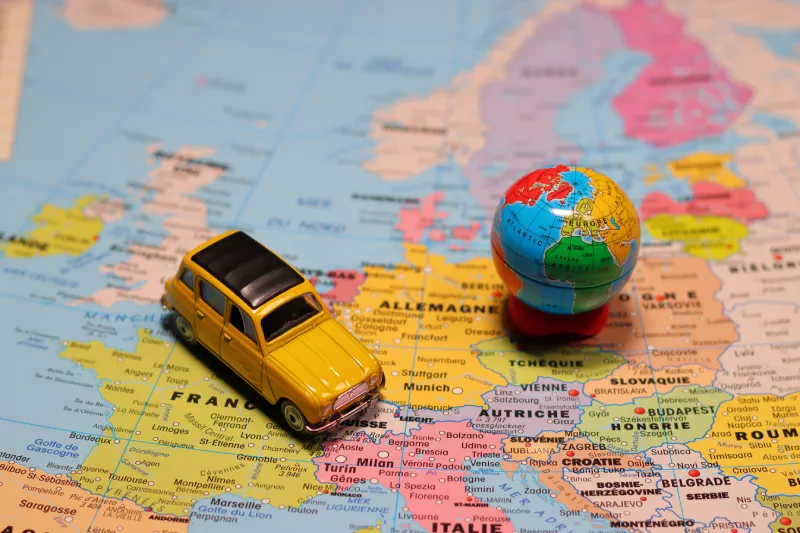
In the whirlwind of modern life, the dream of a long, drawn-out vacation often feels like a pipe dream. Yet, the real magic of a short trip lies in how accessible it is and its immediate power to rejuvenate. Whether you’re craving a few days of serene relaxation, a burst of thrilling adventure, or a perfect blend of both, a well-orchestrated short getaway can truly hit the spot and leave a lasting impression.
The secret to making every moment count on these precious days? Smart, strategic planning. It’s not just about snapping up flights and booking a place to stay; it’s about crafting an experience that truly recharges your batteries and satisfies that nagging wanderlust. This comprehensive guide will walk you through the systematic steps to plan the ideal short trip, ensuring you return home refreshed, inspired, and ready to tackle life with renewed vigor.
Defining Your Getaway Goals: Relaxation, Adventure, or Both?
Before you even start thumbing through travel brochures, it’s absolutely crucial to pin down what you truly want to get out of your short trip. Are you yearning for tranquil moments by the beach, or does an adrenaline-pumping hike through the mountains call your name? A crystal-clear vision here will act as your North Star, guiding all your planning decisions from the get-go.
Prioritizing Relaxation Elements
If chilling out is your primary goal, then focus on activities designed to help you take a load off. This could mean indulging in spa treatments, enjoying leisurely strolls, getting lost in a good book by the pool, or simply savoring some quiet time away from the daily grind. The name of the game here is minimizing stress and maximizing comfort.

Gravitate towards destinations renowned for their calming vibes, such as serene coastal towns, quiet countryside retreats, or wellness resorts. The less you have to “do,” the more you can simply “be,” which, let’s face it, is the essence of a truly relaxing escape. Never underestimate the power of a comfy chair, a captivating read, and a beautiful backdrop.
Embracing the Spirit of Adventure
For those whose hearts beat to the rhythm of adventure, your short trip should be packed with activities that excite and challenge you. This might mean hitting the trails for a hike, kayaking across a lake, exploring new cities on foot, trying out local extreme sports, or diving headfirst into vibrant cultural experiences.
Seek out destinations that offer a concentrated dose of your preferred adventurous pursuits. A city break could offer a smorgasbord of cultural exploration and buzzing nightlife, while a mountain retreat might be just the ticket for trekking and outdoor sports. Remember, even a short trip can pack a powerful punch of excitement if you play your cards right.

Finding the Perfect Balance
Many travelers find their sweet spot in a harmonious blend of relaxation and adventure. This approach allows you to both recharge your batteries and forge exciting memories. The trick is to schedule both types of activities without trying to cram too much into your itinerary.
A typical approach might involve adventurous mornings followed by relaxed afternoons, or vice-versa. For instance, a morning hike could lead into an afternoon at a spa or a quiet, delicious dinner. The goal is to avoid burning out while still getting the best of both worlds, making your short trip truly enriching and memorable.
Setting Realistic Expectations and Timeframes
A short trip, by its very nature, means the clock is ticking. Understanding these constraints is absolutely vital for planning effectively. Trying to squeeze too much in can lead to stress, which, let’s be honest, defeats the whole purpose of your getaway.
Read Also : How to Start Planning a Trip: Your Ultimate Guide

Determining Your Available Days
Most short trips typically range from 2 to 5 days. Be honest with yourself about the time you have, and don’t forget to factor in travel days. A 3-day weekend trip, for example, really only gives you one full day and two half-days for activities once you account for getting there and back.
Think about how much time you’re willing to spend in transit versus actually being at your destination. For very brief escapes, picking a closer spot can significantly cut down on travel time, leaving you more precious hours for relaxation or adventure at your chosen locale.
Prioritizing Key Experiences
Given the limited timeframe, you simply won’t be able to see or do absolutely everything. Identify 1-3 absolute must-do activities or sights that are central to your relaxation or adventure goals. Then, build your itinerary around these non-negotiables.
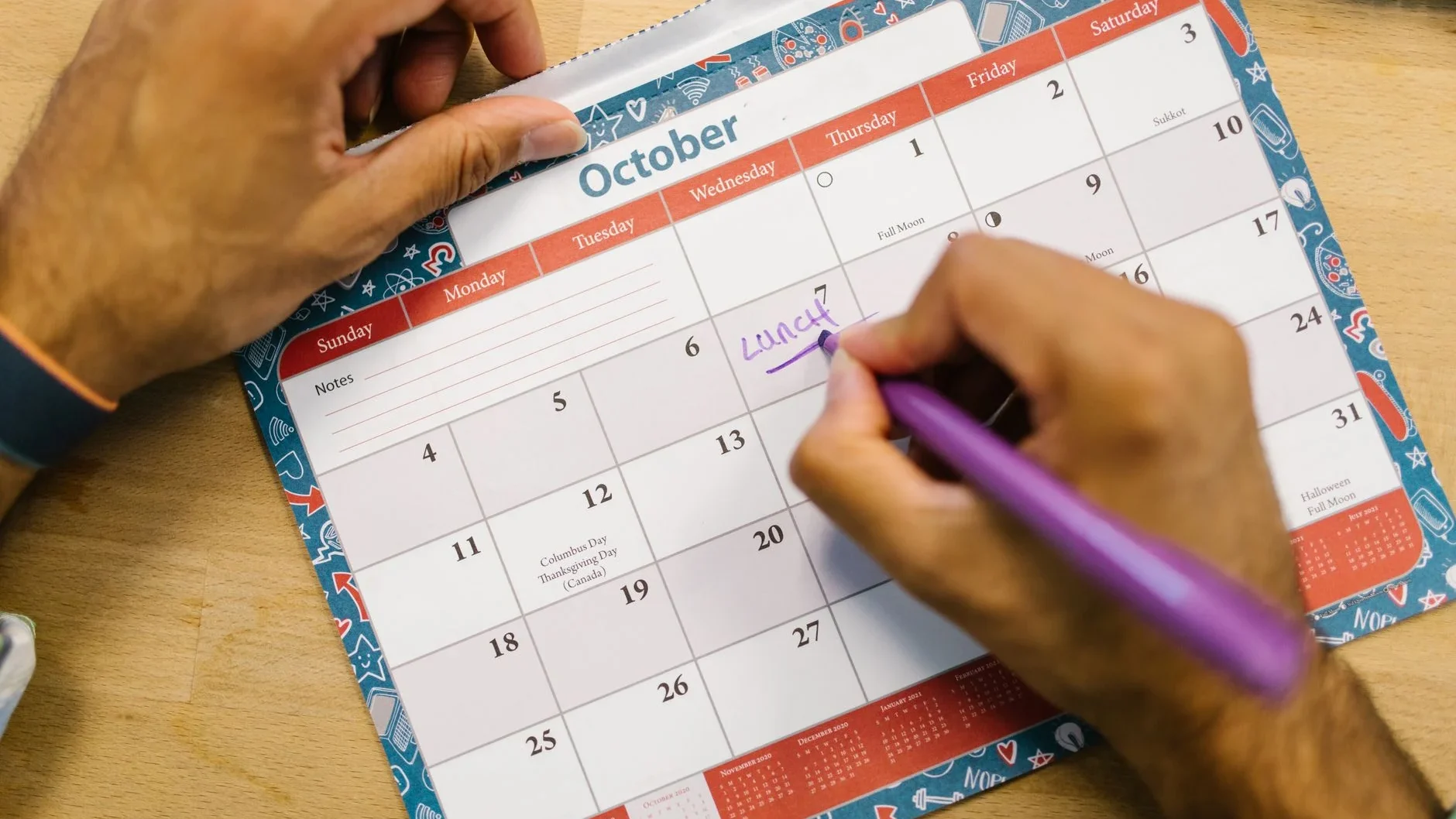
It’s far better to have a few deeply satisfying experiences than to rush through many, feeling constantly pressured. Ask yourself: “What is the one thing I absolutely want to achieve on this trip?” Let that be your anchor, your guiding star.
Choosing the Ideal Destination for Your Short Trip
The right destination is paramount for a winning short trip. It needs to align perfectly with your goals, budget, and the time you have to spare.
Researching Proximity and Accessibility
For a short trip, location, location, location is truly key. Destinations that are just a short flight, train ride, or drive away will save you valuable travel time, giving you more hours to soak up your getaway. Give some thought to the logistics of getting there and back, including airport transfers or parking.

Look into direct routes if you’re flying, or scenic drives if you’re hitting the road. The less time spent in transit, the more time you have for actual relaxation or adventure. Handy websites and apps can help you get an accurate estimate of travel times.
Matching Destination to Your Goals
Once you’ve got your goals squared away (relaxation, adventure, or both), start researching destinations that are tailor-made for those experiences. For pure relaxation, think spa towns, quiet beaches, or cozy lakeside cabins. For adventure, consider national parks, vibrant cities, or coastal areas known for water sports.
Don’t be afraid to think outside the box! Sometimes, a lesser-known gem can offer an even more authentic and less crowded experience than a popular tourist hotspot, especially for a short, focused trip. It’s often where the real magic happens.
Considering Off-Peak Travel
Traveling during the shoulder season or off-peak times can offer significant advantages for a short trip. You’ll often snag lower prices for flights and accommodation, encounter fewer crowds, and enjoy a more authentic local experience.
Read Also : Travel Packing List for Beginners: Your Ultimate Guide
Do check the weather patterns for your chosen destination during these times. While you might sacrifice picture-perfect weather, the trade-off in peace and affordability can be well worth it, especially if your planned activities aren’t heavily weather-dependent.
Crafting an Optimized Itinerary for Maximum Enjoyment
A well-structured itinerary is the backbone of any successful short trip. It helps you manage your time efficiently without ever making you feel like you’re rushing against the clock.
Balancing Activities and Downtime
Even on an adventure-packed trip, make sure to schedule in some downtime. This could be a leisurely coffee break, an hour with a good book, or simply time to wander aimlessly and smell the roses. For relaxation trips, ensure activities don’t start to feel like chores.
A good rule of thumb is to plan one major activity per half-day for adventure trips, and perhaps one major relaxing activity per day for relaxation-focused trips. Always leave a little wiggle room for spontaneity and those unexpected discoveries that often become the best memories.
Grouping Activities Geographically
Minimize travel time within your destination by clustering activities that are close to each other. If you’re exploring a city, plan to visit all the attractions in one neighborhood on the same day.
This strategic approach drastically cuts down on wasted commuting time and allows you to immerse yourself more deeply in each area. Use mapping apps to visualize your planned route and identify efficient clusters of activities – it’s a real game-changer.
Leaving Room for Spontaneity
While planning is crucial, don’t over-plan to the point where there’s no flexibility. Sometimes the best memories are forged from spontaneous decisions – a chance encounter, a local’s recommendation, or simply deciding to linger a little longer at a beautiful spot.
Consider blocking out “free time” in your itinerary. This allows you to follow your instincts, stumble upon hidden gems, or simply relax without a rigid schedule, truly enriching your experience on this ideal short trip.
Budgeting Smart for a Stress-Free Getaway
Getting your ducks in a row financially is a critical component of any trip, and even more so for a short one where every dollar counts towards maximizing your experience.
Estimating Core Costs
Start by estimating the big-ticket items: transportation (flights, train tickets, car rental), accommodation, and any major activities. Use comparison websites and book well in advance to snag better deals, especially for popular short trip destinations.
Read Also : Essential Travel Documents Checklist for Seamless Journeys
And don’t forget to factor in travel insurance, particularly if you’re undertaking adventurous activities. A clear understanding of these core costs will give you a solid foundation for your overall budget.
Allocating for Food, Entertainment, and Souvenirs
Beyond the core costs, set aside a daily budget for food, local transportation, entertainment, and any souvenirs you might want to pick up. Do a little research on average meal prices and attraction costs for your chosen destination.
Eating like a local at markets or smaller eateries can often be more authentic and budget-friendly than falling into tourist traps. Set a realistic daily spending limit and try your best to stick to it to avoid any financial headaches during your ideal short trip.
Building in an Emergency Fund
Always set aside a small emergency fund – consider it your rainy day fund. Unexpected expenses can crop up, from a missed flight connection to a minor medical issue. Having this buffer will give you immense peace of mind and prevent minor setbacks from sending your trip off the rails.
Even a modest amount, perhaps 10-15% of your total budget, can make a world of difference in handling unforeseen circumstances gracefully. This ensures your short trip remains stress-free and utterly enjoyable.
Packing Essentials for Your Short Trip
Packing like a pro is absolutely essential for a short trip. You want to have everything you need without being weighed down by unnecessary items – think light and right!
The Art of Minimalist Packing
For a short trip, less is definitely more. Aim for a carry-on bag to save precious time at the airport and steer clear of baggage fees. Choose versatile clothing items that can be mixed and matched, and consider outfits that seamlessly transition from day to evening.
Lay out all the clothes you *think* you’ll need, then cut that amount by at least a third. Focus on the absolute essentials and items that can serve multiple purposes. This minimalist approach will make your travel experience much smoother and more enjoyable.
Essential Documents and Valuables
Always double-check that you have your identification, tickets, booking confirmations, and any necessary visas. Keep digital copies on your phone and in a cloud service as a crucial backup, just in case.
Secure your valuables, and only bring what you truly need. Consider a travel wallet or money belt for important documents and cash. For your ideal short trip, peace of mind regarding your essentials is truly priceless.
Read Also : Your Ultimate Long Term Travel Planning Guide
Health and Comfort Items
Don’t forget any personal medications, a basic first-aid kit, sunscreen, and insect repellent if applicable. Small, travel-sized toiletries are perfect for short trips.
Pack comfortable walking shoes, come rain or shine, regardless of whether your trip is for relaxation or adventure. A good pair of shoes can truly make or break your experience, especially if you plan on doing a lot of exploring.
Leveraging Technology for a Smooth Travel Experience
In today’s interconnected world, technology can be your best friend when planning and executing a short trip.
Utilizing Travel Apps
From flight trackers and booking platforms to local navigation and translation apps, your smartphone can be a powerful travel tool – a veritable digital Swiss Army knife. Don’t forget to download offline maps for areas where internet access might be spotty.
Apps for pupublic transportion, restaurant recommendations, and activity bookings can save you time and seriously enhance your experience. Make sure your phone is fully charged before you head out, and consider bringing a portable power bank – it can be a lifesaver.
Staying Connected (or Disconnected)
Decide whether you need constant connectivity. A local SIM card or an international roaming plan can be incredibly useful for navigation and emergencies. However, also consider the benefits of a purposeful disconnection.
For a relaxation-focused trip, you might want to limit screen time to truly unwind and unplug. For an adventure trip, staying connected can be important for safety and sharing your experiences. The key is to find the balance that best suits your trip goals.
Embracing Flexibility and Spontaneity
While planning is undoubtedly key, the true joy of travel often springs from the unexpected. Allow plenty of room for your plans to evolve and take on a life of their own.
Adapting to Changes
Travel can be wonderfully unpredictable. Flights get delayed, the weather takes a turn, and attractions might be closed. Be prepared to roll with the punches and adapt your plans without letting it put a damper on your mood. Having a backup plan for key activities can often be a real blessing in disguise.
A flexible mindset ensures that minor hiccups don’t snowball into major frustrations. Embrace the unexpected; sometimes, these detours lead to the most memorable and unique experiences on your ideal short trip.
Read Also : The Ultimate Guide to Long Term Travel Planning
Discovering Hidden Gems
Some of the best discoveries are made when you venture off the beaten path and stray from the guidebook. Strike up conversations with locals, wander down an interesting side street that catches your eye, or try a restaurant that simply calls to you. These spontaneous moments often lead to the most authentic and unique experiences.
Don’t be afraid to put your phone down and truly observe the world around you. You might stumble upon a charming café, a breathtaking viewpoint, or a lively local festival that wasn’t in any of your initial plans, making your short trip even more special.
Ensuring Safety and Well-being
Your safety and health should always be your top priority, even on a brief getaway.
Researching Local Safety Information
Before you go, do your homework and research the local customs, safety advisories, and any areas to avoid in your destination. Make sure you know local emergency numbers and have a plan in case of an unforeseen emergency.
Being well-informed allows you to make smart choices and navigate your surroundings with confidence. This due diligence is a small effort for a significant return in peace of mind during your ideal short trip.
Staying Healthy on the Go
Maintain good hygiene, especially when venturing out to try new foods. Stay hydrated, particularly if you’re engaging in adventurous activities or traveling in hot climates. Get enough rest to fully enjoy each and every day.
Pack any necessary personal medications and a small first-aid kit. Listening to your body and taking breaks when needed will ensure you stay healthy and energized throughout your short getaway – nobody wants to be under the weather on vacation!
Making the Most of Your Return
The trip doesn’t truly end when you get home. Thoughtful post-trip actions can help you squeeze every last drop of benefit from your getaway.
Reflecting on Your Experiences
Take some dedicated time to pore over photos, jot down your experiences in a journal, or simply reflect on what you enjoyed most. This helps solidify those precious memories and reinforces the positive impact of your ideal short trip.
Consider what you learned, what surprised you, and how you felt. This reflection can also serve as valuable food for thought for future travel planning, helping you fine-tune your preferences for relaxation and adventure.
Read Also : Hidden Gems for Unforgettable Weekend Adventures 2026
Integrating Lessons Learned
Did you stumble upon a new hobby, discover a favorite new food, or gain a different perspective? Think about how you can integrate these new insights or joys into your daily life. This is how travel truly enriches you far beyond the immediate experience.
Perhaps you found a new appreciation for quiet mornings, or a renewed passion for hiking. Carrying these lessons forward can help sustain the feeling of rejuvenation long after your short trip has ended, keeping the good vibes going.
Kesimpulan
Planning the ideal short trip for ultimate relaxation and adventure doesn’t have to be a daunting task. By systematically defining your goals, picking the perfect destination, crafting a balanced itinerary, and preparing smartly, you can transform just a few days into a profoundly refreshing and exciting experience. The real secret sauce is to be intentional with your choices, ensuring every moment contributes to your desired outcome, whether that’s peaceful solitude or thrilling exploration.
Remember, flexibility and a positive mindset are just as important as any booking. Embrace the unexpected, prioritize what truly matters to you, and allow yourself to fully immerse in the journey. A well-executed short trip is a powerful reminder that significant rejuvenation and unforgettable adventures are well within reach, proving that you don’t need weeks on end to create lasting memories and recharge your spirit.
FAQ
For a short trip, booking flights and popular accommodations 2-4 months ahead of time can often secure better prices, especially if you're traveling during peak season or to a highly sought-after destination. For more spontaneous trips or off-peak travel, 2-4 weeks might be sufficient, but being flexible will be your best friend.
Focus on versatile clothing that can be mixed and matched – think one or two color palettes. Wear your heaviest shoes and jacket on the plane to save space. Utilize packing cubes to compress clothes, and only bring travel-sized toiletries. Your goal should be a single carry-on bag to save both time and baggage fees.
Absolutely! The trick is to balance them thoughtfully. You could plan adventurous activities in the mornings (e.g., hiking, city tours) and dedicate afternoons or evenings to pure relaxation (e.g., spa treatments, beach time, leisurely dinners). Just don't try to cram too much in; prioritize a few key experiences for each category to hit that sweet spot.
Set a daily spending limit and diligently track your expenses. Book accommodations with kitchenettes to save on some meals. Look for free attractions like local parks or walking tours. Utilize public transport instead of taxis. And always factor in an emergency buffer to avoid any unexpected financial stress – it's a real game-changer.
Embrace flexibility! Travel often comes with unexpected twists and turns. Have a backup plan for key activities if possible, but more importantly, maintain a positive, go-with-the-flow attitude. Sometimes, the detours or spontaneous changes lead to the most memorable and unique experiences. The ultimate goal is to relax and enjoy, not to stick rigidly to a schedule, come what may.


Popular Posts


Embracing Spiritual Growth Through Travel and Exploration
Travel is more than just seeing new places; it's a profound journey into oneself. This article explores how embracing travel and exploration can significantly contribute to your spiritual growth, offering unique perspectives and transformative experiences.


