First-Time International Travel Tips: Your Ultimate Guide

The world beckons, and you’re ready to answer its call! Preparing for your first international trip is an incredibly exciting milestone, brimming with dreams of new cultures, breathtaking landscapes, and unforgettable experiences. However, the thought of navigating unfamiliar territories, different languages, and complex logistics can also feel like a tall order, a little overwhelming.
Don’t let those unknowns deter you. This comprehensive guide is designed specifically for first-time international travelers, offering practical, step-by-step advice to help you prepare confidently and enjoy every moment of your journey. From securing your documents to staying safe and managing your finances, we’ve got you covered with essential international travel tips first time adventurers need to make their trip smooth sailing.
Planning Your Journey: The Essentials
Your international adventure kicks off long before you ever set foot on a plane. Thorough planning is your best friend, ensuring you avoid common pitfalls and maximize your enjoyment from the get-go.
Passport and Visa Requirements
Your passport isn’t just a document; it’s your golden ticket to the world. Ensure it’s valid for at least six months beyond your intended return date, as many countries strictly enforce this rule. If you don’t have one, apply well in advance, as processing times can vary significantly – don’t cut it close!

Beyond your passport, visas are often a critical requirement, and they can be a whole different ballgame. Research the specific visa regulations for your destination country (or countries) based on your nationality. Some countries offer visa-free entry, others require a visa on arrival, and many demand you obtain one in advance. Always check official government websites or embassy resources for the most accurate and up-to-date information – don’t take anything at face value.
Booking Flights and Accommodation
When it comes to flights, flexibility with your travel dates can often lead to better deals. Use flight comparison websites, but also check airline sites directly for hidden gems. Consider layover times – too short might mean missed connections, too long can be utterly exhausting. For accommodation, research options that fit your budget and travel style, whether it’s hotels, hostels, guesthouses, or vacation rentals. Read reviews carefully – a little legwork now saves a lot of headaches later!
It’s generally recommended to book your major flights and first few nights of accommodation well in advance, especially during peak travel seasons. Having these foundational elements secured will reduce stress and provide a stable base for your adventures, giving you valuable peace of mind.

Travel Insurance: A Non-Negotiable
Often overlooked by first-timers, travel insurance is, without a shadow of a doubt, one of the smartest investments you’ll make. It provides a safety net that’s worth its weight in gold for unexpected events such as medical emergencies, trip cancellations, lost luggage, or even personal liability.
Always dig into the policy details carefully to understand what is covered and what isn’t. Compare different providers to find a plan that suits your specific trip and needs – shop around! Don’t leave home without it; the peace of mind is priceless.
Financial Preparedness Abroad

Read Also : Your Ultimate Travel Planning Guide for Beginners

Keeping your finances in order while abroad is paramount for a trip free of unnecessary stress. Understanding local currency, budgeting, and savvy payment methods will save you a heap of headaches.
Budgeting for Your Trip
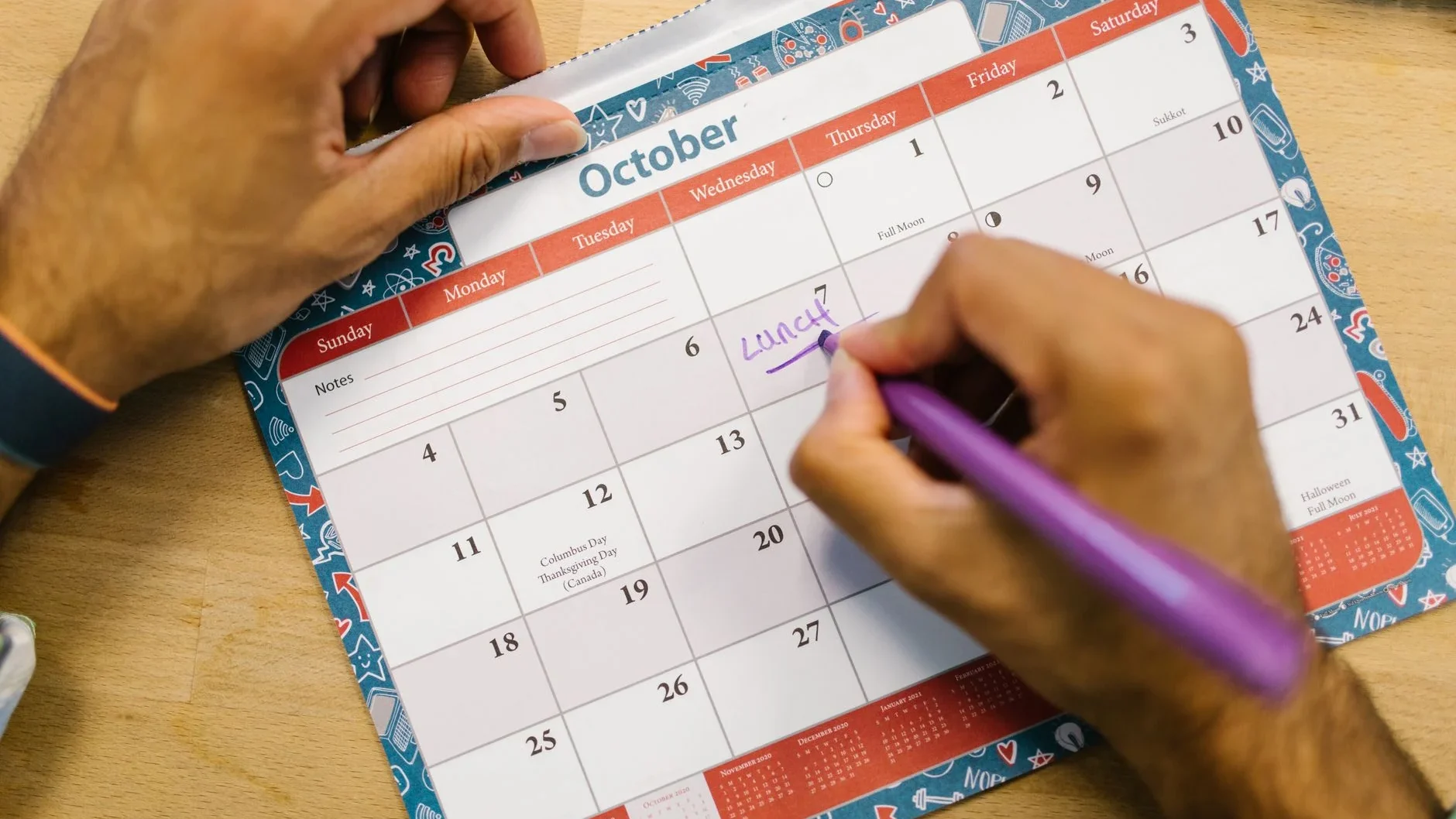
Before you pack your bags, iron out a realistic budget that covers flights, accommodation, food, activities, transportation, and a contingency fund for emergencies. Research the average cost of living in your destination to set accurate daily spending limits. And don’t forget to factor in exchange rates!
To keep a handle on your spending, a smart move is to break down your expenses into categories:
- Fixed Costs: Your big-ticket items like flights, pre-booked accommodation, and travel insurance.
- Daily Expenses: What you’ll spend day-to-day on food, local transport, and entrance fees.
- Shopping & Souvenirs: Allocate a specific amount if you plan to bring home treasures.
- Emergency Fund: Always squirrel away extra cash for those unexpected curveballs.
Currency Exchange and Payment Methods
Get acquainted with the local currency. While it’s wise to carry some local cash for small purchases, relying solely on cash isn’t always practical or safe – don’t put all your eggs in one basket. Credit and debit cards are widely accepted in many places, but always keep an eye out for foreign transaction fees.
Consider using a travel-friendly debit card with low or no international fees. Steer clear of exchanging large sums of money at airport kiosks, as their rates are often unfavorable, giving you a raw deal. Instead, use ATMs from reputable banks or exchange currency at a local bank or a trusted exchange office in your destination.
Notifying Your Bank
Before you depart, give your bank and credit card companies a heads-up about your travel dates and destinations. This prevents them from flagging your overseas transactions as suspicious and freezing your cards – avoiding a sticky situation. Provide them with a list of all the countries you’ll be visiting.

Also, inquire about their international transaction fees and daily withdrawal limits for ATMs. Arm yourself with this information to help plan your spending and avoid any nasty surprises.
Packing Smart for International Travel
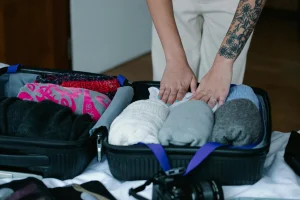
Packing like a pro is an art form, especially when you’re traveling internationally for the first time. The goal is to strike the perfect balance: bringing everything you need without overpacking.
Choosing the Right Luggage
Weigh your options: is a backpack or a suitcase more suitable for your trip? Backpacks are great for mobility and multi-destination adventures, while suitcases offer more protection and are easier to transport in airports. Always check your airline’s baggage allowance (weight and dimensions) to avoid being hit with unforeseen fees.
Read Also : Trip Planning Advice for Novices: Your Ultimate Guide
For daily jaunts, a small daypack is a godsend. Keep essentials like documents, medications, and a change of clothes in your carry-on, just in case your checked luggage decides to take a scenic detour.
Essentials for Your Carry-On
Your carry-on bag is your lifeline and should contain all your critical items. This includes your passport, visa documents, plane tickets, wallet, medications, a phone charger, a small toiletries kit (meeting TSA liquid rules), and a change of clothes. Having these items close at hand provides immense peace of mind and ensures you’re prepared for any travel hiccups.
Think about what would be a nightmare to replace immediately if your main luggage is lost. These are your absolute must-haves for your personal item or carry-on.
Smart Packing Strategies
To make the most of every inch and keep wrinkles at bay, roll your clothes instead of folding them. Use packing cubes to organize items and compress clothing. Lay out everything you think you need, then cut it in half – you’ll likely still have plenty! Focus on versatile clothing items that can be mixed and matched.
Don’t forget adaptors for electronics – a universal travel plug is a game-changer – and any specific items relevant to your destination, such as swimwear, hiking boots, or formal wear. Always pack a reusable water bottle to stay hydrated and do your bit to reduce plastic waste.
Health and Safety While Traveling
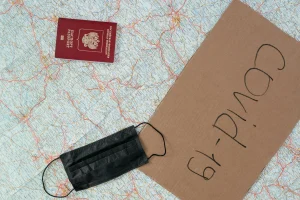
Your health and safety should always be top of mind. Taking proactive steps for your well-being will allow you to enjoy your trip without a care in the world.
Vaccinations and Medications
Consult your doctor or a travel clinic several months before your trip to get ahead of the game and discuss recommended vaccinations for your destination. Some jabs are a multi-step process, requiring multiple doses over time. Carry copies of your vaccination records, especially if required for entry – better safe than sorry!
If you take prescription medications, bring enough for your entire trip, plus a few extra days – don’t leave home without enough supply. Keep them in their original containers with prescription labels and a doctor’s note, especially for controlled substances. Always carry essential medications in your carry-on bag, keeping them close at hand.
Staying Safe and Aware
Do your homework on common scams and safety concerns in your destination. Keep your wits about you and be aware of your surroundings, especially in crowded areas. Avoid walking alone at night in unfamiliar neighborhoods. Keep valuables out of sight and consider using a money belt or an anti-theft bag to keep a low profile.
Read Also : Mastering Public Transport Abroad: Your Ultimate Guide
Always keep someone in the loop by sharing your itinerary with a trusted friend or family member back home. Learn a few basic phrases in the local language, especially “hello,” “please,” “thank you,” and “help” – a little goes a long way. Trust your instincts; if a situation feels unsafe, remove yourself from it.
Emergency Contacts and Copies of Documents
Have your emergency contacts at your fingertips, including your embassy or consulate, local emergency services, and your travel insurance provider. Store these digitally and as physical copies separate from your main wallet – keep them under lock and key, but easily accessible.
Make photocopies or take photos of your passport, visa, flight tickets, and insurance documents. Store these copies securely online (e.g., cloud storage) and keep physical copies separate from the originals. This will be a lifesaver if your originals are lost or stolen, making the replacement process significantly faster.
Navigating Culture and Communication

Diving headfirst into local customs and making an honest effort to communicate will undoubtedly elevate your international travel experience.
Understanding Local Customs and Etiquette
Before you touch down, do a little digging into the local customs, traditions, and etiquette of your destination. This includes greetings, dining manners, dress codes, tipping practices, and public behavior. Being aware of these nuances shows respect and helps you avoid unintentional offense – mind your manners!
For instance, pointing a finger might be seen as rude in one place, while in another, it’s customary to cover your shoulders and knees when visiting sacred sites. A little bit of homework goes a long way in showing cultural sensitivity; it’s the little things that count.
Basic Language Phrases
Even if English is widely understood in tourist hotspots, a sincere effort to pick up a few local phrases will go a long way and be greatly appreciated. Simple greetings like “hello,” “thank you,” “please,” “excuse me,” and “I’m sorry” can break the ice and create positive interactions.
Consider downloading an offline translation app or carrying a trusty phrasebook – they can be your best friend. Even if your pronunciation isn’t perfect, the effort itself is often enough to bridge communication gaps and earn a smile – don’t sweat the small stuff!
Respecting Local Traditions
Beyond just minding your Ps and Qs, true respect for local traditions calls for an open mind and a flexible spirit. This might involve trying unfamiliar foods, participating in local festivals, or simply observing daily life with curiosity rather than judgment – take it all in! Avoid making constant comparisons to your home country; leave comparisons at the door.
Read Also : Cultural Etiquette Tips for International Travel
Remember that you are a guest in someone else’s home, so act accordingly. Be mindful of noise levels, especially in residential areas, and always ask for permission before taking photos of people – a simple “may I?” can go a long way.
Staying Connected Overseas
Staying connected with your nearest and dearest, and having information at your fingertips, is a breeze these days, no matter how far afield you roam.
International Roaming vs. Local SIM Cards
While your home phone plan might offer international roaming, it often comes with a hefty price tag. For longer trips, a local SIM card is usually the way to go and often the most cost-effective option. You can usually purchase these at the airport or local phone shops upon arrival.
Make sure your phone is unlocked – that’s crucial if you’re planning on popping in a local SIM. Another increasingly popular option is an eSIM, which allows you to download a local data plan without needing a physical SIM card.
Wi-Fi Access and Safety
Free Wi-Fi is practically ubiquitous in hotels, cafes, and public spaces. While convenient, public Wi-Fi networks can be a bit of a wild west, less secure than you’d hope. Steer clear of accessing sensitive information like online banking while connected to unsecured public networks.
Consider using a Virtual Private Network (VPN) for an added layer of security when using public Wi-Fi – it can be your digital bodyguard. Download those offline maps and key apps before you even step out the door, as you won’t always have internet access – don’t leave it to chance!
Keeping Loved Ones Informed
Keep your loved ones in the loop by regularly checking in with family and friends back home. A simple text or email can put their minds at ease. Map out a communication plan before you leave, letting them know when and how you’ll be in touch. This is especially important for safety.
Give a trusted person a copy of your general itinerary and emergency contact information. In a pinch, they’ll know exactly what to do and who to contact.
Dealing with Unexpected Situations
Even the best-laid plans can sometimes go awry. Knowing how to react calmly and keep a cool head is a valuable skill for any traveler, a real feather in your cap.
Read Also : First Time Traveler Tips: Your Ultimate Guide to Adventure
Lost or Stolen Documents
Should your passport or other vital documents vanish into thin air, or worse, get stolen, don’t waste a second. Immediately report it to the local police and then contact your country’s embassy or consulate. They’ll walk you through the paces of obtaining an emergency travel document or a new passport.
This is where those diligent photocopies or digital copies of your documents really shine. Having them separate from the originals will be a real time-saver and significantly speed up the replacement process.
Medical Emergencies Abroad
If you find yourself in a medical bind, don’t hesitate to seek immediate local medical attention. Your travel insurance should cover emergency medical expenses, but you might need to pay upfront and claim reimbursement later. Keep your insurance policy details at your fingertips, readily accessible.
A handful of key medical phrases in the local tongue can also be a lifesaver. Always give your travel insurance provider a ring as soon as possible about any medical incidents.
Flight Delays or Cancellations
Flight woes are a fact of life and a common travel headache. Keep your cool and communicate clearly with airline staff. Know the lay of the land regarding your rights as a passenger, which vary by region and airline. Your travel insurance might also cover expenses incurred due to significant delays or cancellations.
Pack some creature comforts like snacks, a book, or entertainment on your phone. Patience is a virtue, and flexibility is your co-pilot when dealing with travel delays. Always confirm rebooking details before leaving the airport – don’t leave anything to chance.
Making the Most of Your Experience
Once the logistics are squared away, remember to drink in every precious moment of your maiden international adventure.
Embrace Spontaneity
While a solid plan is the bedrock, always leave a little wiggle room for spontaneity. Some of the most cherished travel memories are born from happy accidents, unexpected detours, chance encounters, or sudden changes in plans. Be open to new experiences and don’t be afraid to spread your wings and step outside your comfort zone.
Let yourself get lost down charming side streets, stumble upon local gems, or say ‘yes’ to an unexpected invitation to a local event. These off-the-cuff experiences often steal the show and become the highlights of your trip.
Keep a Travel Journal or Photo Log
Keeping tabs on your journey is a fantastic way to bottle up those memories. Whether it’s a written journal, a photo diary, or short video clips, capturing your experiences will allow you to revisit them at the drop of a hat for years to come.
Read Also : Travel Safety Tips for New Travelers: Your Ultimate Guide
Jot down your reflections, the flavors you savored, and the fascinating folks you crossed paths with. These personal reflections add another layer of richness, making your trip even more meaningful.
Be Present and Disconnect
In today’s always-on world, it’s all too easy to let your phone hijack your attention. Make a conscious effort to disconnect from digital distractions and truly soak up your surroundings. Observe, listen, and engage your senses with the local culture.
Stow your phone away during meals, conversations, and when visiting scenic spots. Being present is the ultimate way to truly experience and appreciate your international adventure. The real magic happens when you’re truly present.
Pre-Departure Checklist: Your Final Steps
As your adventure draws near, running through a final checklist will ensure you haven’t left any stone unturned or overlooked anything vital.
Confirm All Bookings
Dot your i’s and cross your t’s by double-checking all your flight, accommodation, and activity bookings. Confirm departure times, check-in details, and any special instructions. Keep physical and digital copies handy by printing out confirmations or saving digital versions on your phone and in cloud storage.
Make sure all names on tickets match your passport exactly. A small discrepancy can throw a major wrench in your plans at the airport.
Inform Family and Friends
Leave a detailed itinerary with a trusted soul back home, including flight numbers, accommodation details, and emergency contacts. Keep them in the loop by letting them know your communication plan and how often you’ll check in.
This provides a crucial safety net, ensuring someone knows your movements and whereabouts in case of an emergency.
Final Money Arrangements
Ensure your bank has been notified of your travel plans. Load any travel money cards, if using them. Have a bit of local cash on hand for those first few hours upon arrival. Tie up any loose ends by arranging for bills or mail to be handled while you’re away.
Give your credit and debit cards a quick test run to confirm they’re working and you know their PINs. Always have a Plan B for your finances with a backup payment method ready.
Read Also : First-Timer Tour Booking Tips: Your Ultimate Guide
Conclusion
Your maiden voyage abroad is a truly momentous occasion, a journey brimming with promises of personal growth, exciting discoveries, and memories you’ll treasure for a lifetime. While the sheer volume of preparation can feel like a tall order, by tackling each step systematically—from securing your documents and understanding finances to packing smart and prioritizing safety—you’re laying the groundwork for an incredible adventure.
Keep in mind that bumps in the road are part and parcel of travel, often turning into the most valuable learning experiences. Embrace them with an open mind and a flexible attitude – roll with the punches! The world is vast and full of wonders, and with these international travel tips for first-time explorers, you’re more than ready to hit the ground running and navigate it confidently and joyfully.
So, take a deep breath, put the finishing touches on your plans, and get ready to write a new chapter of your life, creating stories you’ll tell for years to come. Bon voyage, and enjoy every single moment of your global exploration – drink it all in!
FAQ
First and foremost, you'll need a passport that's valid for at least six months past your return date – don't cut it close! Beyond that, any required visas for your destination are a must, along with your flight tickets and booking confirmations. As a golden rule, always have your travel insurance policy details handy, plus separate copies of all these vital documents, just in case.
That's the million-dollar question, and it really boils down to where you're headed and your travel style. Your best bet is to craft a detailed budget, factoring in everything from your digs and meals to activities and local transport. It's smart to have a little local cash for those initial small purchases, but mostly lean on a travel-friendly debit/credit card. And here's a pro-tip: always keep a contingency fund tucked away for any curveballs life throws your way.
A resounding yes! Travel insurance isn't just recommended; it's practically your best friend when traveling internationally. It acts as a financial safety net, shielding you from unexpected hiccups such as medical emergencies, trip cancellations, lost luggage, or pesky travel delays. Trust us, the cost of an emergency overseas without it can be jaw-droppingly high.
First off, do your homework on common scams and safety concerns specific to your destination. Always keep your wits about you, especially in bustling spots. Keep your valuables close and out of plain sight – maybe even invest in a money belt. Share your itinerary with a trusted contact back home, and always, always listen to your gut; if a situation feels off, make a swift exit. And as a general rule, steer clear of walking solo in unfamiliar areas after dark.
To nip jet lag in the bud, try easing into your destination's time zone a few days before you even leave. Hydrate like a pro, go easy on the booze and coffee, and if your flight coincides with nighttime at your destination, try to catch some Z's. Once you land, get some natural light, and push through to the local bedtime, even if you're running on fumes. Your body will thank you later!


Popular Posts


Embracing Spiritual Growth Through Travel and Exploration
Travel is more than just seeing new places; it's a profound journey into oneself. This article explores how embracing travel and exploration can significantly contribute to your spiritual growth, offering unique perspectives and transformative experiences.


One thought on “First-Time International Travel Tips: Your Ultimate Guide”