Travel Safety Tips for New Travelers: Your Ultimate Guide

Setting off on your inaugural trip to a new country is nothing short of thrilling, brimming with the promise of fresh sights, unique sounds, and memories that will last a lifetime. The world truly is your oyster, but like any grand adventure, being prepared is half the battle – especially when it comes to staying safe. For first-time explorers, learning to sidestep potential pitfalls can make all the difference, turning a good trip into an absolutely unforgettable one.
This exhaustive guide is tailor-made to arm new travelers with crucial travel safety tips, ensuring you can enjoy every moment with complete peace of mind. We’ll take you through a step-by-step approach, covering everything from meticulous planning before you even leave home to savvy strategies on the ground and knowing how to handle curveballs. Let’s roll up our sleeves and ensure your first travel experience is as safe and enjoyable as humanly possible.
Before You Go: Pre-Trip Safety Essentials
A truly safe adventure starts long before you even set foot on a plane. A little foresight goes a long way, helping you sidestep common travel headaches and significantly boost your security.
Research Your Destination Thoroughly
Before you even think about booking, hit the books and really get to know your chosen destination. This means delving into local laws, cultural etiquette, and any prevalent safety concerns. For example, you might find countries with strict rules around alcohol or dress codes; ignoring these could land you in hot water.

Make it a point to consult official government travel advisories for your destination. These are your go-to source for the latest intel on political stability, crime statistics, and health risks. Having the lay of the land beforehand lets you plan like a pro and steer clear of dicey areas or sticky situations.
Secure Your Documents and Finances
Your passport and other ID aren’t just pieces of paper; they’re your golden tickets abroad. Make sure to run off several copies of your passport, visa (if needed), flight tickets, and hotel bookings. Stash digital versions on a cloud service or ping them to your email, and leave physical copies with a trusted soul back home. Always keep one physical copy tucked away separately from your originals.
Before you skip town, give your bank and credit card companies a heads-up about your travel itinerary. This little step can save you a world of hurt, preventing your cards from being frozen due to what they might see as unusual activity. It’s also wise to carry a variety of payment methods – think two different credit cards, a debit card, and a bit of local cash – and scatter them in separate spots. That way, if one goes missing or gets swiped, you won’t be left high and dry. This is, hands down, one of the most crucial travel safety tips for new travelers.
Get Travel Insurance
Travel insurance isn’t some fancy extra; it’s an absolute must-have for new travelers. A solid policy can cover everything from medical emergencies and trip cancellations to lost luggage and even personal liability. Picture this: you sprain an ankle in a foreign land and suddenly face sky-high medical bills – travel insurance can truly be a lifesaver.
Don’t just sign on the dotted line; take the time to pore over the policy details. You need to understand precisely what’s covered and, just as importantly, what isn’t. Make sure it includes emergency medical evacuation, as this can cost an arm and a leg without coverage. And whatever you do, don’t assume your regular health insurance will have your back internationally.
Share Your Itinerary
Always keep a trusted family member or friend in the loop about your travel plans. This means sharing flight specifics, accommodation addresses, and even your planned activities. Agree on a check-in schedule, perhaps every 24 or 48 hours. This way, someone always knows your whereabouts and can raise the alarm if they don’t hear from you.
Read Also : Your Essential Travel Emergency Plan Checklist

You might also consider registering your trip with your country’s embassy or consulate abroad. This little formality allows them to get in touch with you should an emergency strike in the country, be it a natural disaster or political turmoil.
Packing Smart for Safety
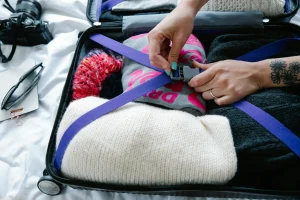
What you pack, and how you go about packing it, plays a surprisingly big role in your travel safety. Smart packing can actually make you less of a target, deterring would-be thieves.
Choose the Right Luggage
Go for sturdy, practical luggage with reliable security features. Hard-shell suitcases, for instance, offer more protection against slashing than their soft-sided counterparts. Look for bags with tamper-proof zippers or built-in locks. A good quality padlock for your backpack or suitcase is a small investment that offers a huge peace of mind. For new travelers, shelling out for dependable luggage is a no-brainer.
On the flip side, avoid luggage that screams “tourist” or looks excessively pricey. Blending in is often your best bet for staying safe. A nondescript bag is far less likely to catch unwanted attention than a flashy designer one.
Pack Light and Strategically
Overpacking can turn you into an easy mark. Lugging around multiple heavy bags makes you less nimble and more vulnerable, especially in bustling crowds or when wrestling with public transport. Stick to the essentials and only bring what you genuinely need. This also slashes your risk of losing valuable items.

If possible, spread your valuables across different bags. For example, keep some cash in your wallet, a bit more in a money belt, and a backup credit card in a separate, secure pouch. This way, if one item falls prey to theft, you won’t be completely out of luck.
Personal Safety Items
A compact, personal first-aid kit with basic medications (think painkillers, band-aids, antiseptic wipes) is worth its weight in gold. Especially if you’re flying solo, consider carrying a personal alarm or whistle. A portable power bank for your phone is also non-negotiable for staying connected, particularly when emergencies crop up.
While some travelers might toy with the idea of carrying self-defense items, you absolutely must be clued in on local laws regarding such gear. In many countries, carrying pepper spray or knives is a big no-no and could land you in serious hot water. Do your homework carefully before you pack.
On the Ground: Staying Safe in Your Destination

Read Also : Beautiful Places for Solo Travel: Discover Your Next Adventure
Once you arrive, keeping your wits about you and making smart choices are paramount to both your safety and enjoyment.
Be Aware of Your Surroundings
This is, perhaps, the golden rule among all travel safety tips for new travelers. Always keep an eagle eye on the people and environment around you. Resist the urge to walk with headphones on or constantly gaze at your phone; doing so makes you an easy target for pickpockets and distracts you from potential dangers. Trust your gut feeling; if a situation or a person rubs you the wrong way, get out of there pronto.
Observe the locals. How do they walk, interact, or use public transport? Mimicking their behavior can help you blend in and look less like a vulnerable tourist. On that note, steer clear of flashing expensive jewelry, cameras, or wads of cash.
Protect Your Valuables
A money belt worn discreetly under your clothes is an excellent way to keep your cash, passports, and credit cards safe and sound. When you’re out and about, only carry what you need for the day and leave the rest locked away in your hotel safe. For backpacks, anti-theft designs with lockable zippers and slash-proof material are a smart bet.
When dining out, keep your bag on your lap or nestled between your feet with the strap looped around your leg, rather than hanging it on the back of your chair where it’s ripe for the picking. Be extra cautious when using ATMs; opt for well-lit, busy locations, and always shield the keypad when punching in your PIN.
Navigating Transportation Safely
When hailing taxis, stick to official, metered cabs or reputable ride-sharing apps. Give unmarked taxis a wide berth, especially at airports or train stations, as they might charge exorbitant fares or take you for a ride with unnecessary detours. Always confirm your destination and the approximate fare before the journey begins.
If you’re using public transport, try to travel during daylight hours and avoid deserted stations or carriages late at night. Keep your belongings close to you and be mindful of pickpockets in crowded areas. Always know your route or have a reliable navigation app at your fingertips to ensure you’re heading in the right direction.
Communication and Connectivity
Staying connected isn’t just about sharing your amazing experiences; it’s a critical safety tool.
Stay Connected
Consider grabbing a local SIM card upon arrival; it’s often cheaper than international roaming and provides dependable data for maps and staying in touch. Alternatively, double-check that your phone plan includes international roaming at a sensible cost. Always keep your phone charged, especially when you’re off exploring new territory.
Read Also : Solo Travel Tips for Beginners: Your Ultimate Guide
Make it a habit to check in regularly with family or friends back home, even if it’s just a quick text message. This keeps them updated on your whereabouts and well-being, adding another crucial layer of security for new travelers.
Emergency Contacts
Save local emergency numbers (police, ambulance, fire) in your phone, and for good measure, jot them down on a physical card in your wallet. Also, have the contact information for your country’s embassy or consulate readily available. These are invaluable resources when you’re facing an emergency abroad.
It’s also a smart move to have a list of important medical information, such as allergies or ongoing conditions, translated into the local language, especially if you have chronic health issues.
Handling Money and Avoiding Scams
Financial security is a big fish for new travelers. Being smart with your money can help you avoid theft and exploitation.
Smart Money Management
Don’t carry all your eggs in one basket – or rather, all your cash in one wallet. Instead, use a mix of credit cards, debit cards, and a small amount of local currency. When you do carry cash, keep it stashed in different places – a bit in your wallet for daily bits and bobs, and the bulk in a money belt or secure pouch.
Be discreet when you’re handling money. Don’t flash large bills in public. When using an ATM, pick machines in well-lit, secure locations, like inside banks, and be wary of anyone standing too close or trying to distract you. Always give the machine a quick once-over for card skimmers before sliding in your card.
Recognizing Common Scams
Scammers often prey on new travelers who aren’t yet clued in on local customs. Keep your guard up for common tricks: the “friendly local” who insists on steering you to a “special” shop, the “free gift” that swiftly turns into a demand for payment, or someone claiming to be a plainclothes police officer asking to see your wallet. Always be polite but firm in turning down unwanted offers or requests.
If someone claiming to be police approaches you, demand to see official identification and offer to accompany them to a police station. Never, ever hand over your wallet or passport on the street. Do your homework on common scams specific to your destination before you go; this is one of the most proactive travel safety tips for new travelers you can take.
Health and Well-being on Your Trip

Read Also : First-Time International Travel Tips: Your Ultimate Guide
Your physical health is just as important as your personal security. Taking preventative steps can keep you feeling tip-top throughout your journey.
Vaccinations and Medical Preparations
Before jetting off, have a chat with your doctor about any recommended vaccinations for your destination. Make sure you have enough of any prescription medications to last the trip, and carry them in their original packaging with a doctor’s note, especially if you’re crossing international borders. If you have severe allergies, wearing a medical alert bracelet is a smart move.
Familiarize yourself with the local healthcare system in case of an emergency. Know where the nearest reputable hospital or clinic is located. Your travel insurance provider can often give you a leg up with this information.
Food and Water Safety
Be a stickler about what you eat and drink. Always go for bottled water (and double-check that the seal is unbroken) or purified water. Steer clear of ice cubes in drinks unless you’re absolutely certain they were made with safe water. When it comes to food, the old adage “cook it, boil it, peel it, or forget it” is a golden rule. Eat at bustling restaurants where food turnover is high, which usually signals freshness.
Wash your hands frequently, especially before eating, or use an alcohol-based hand sanitizer. Food poisoning can quickly throw a wrench in your plans and leave you feeling vulnerable, so make hygiene a top priority.
Solo Travel Safety Tips for New Travelers
Solo travel offers incredible freedom, but it also calls for extra vigilance, particularly for those just starting out.
Inform Someone of Your Plans
If you’re flying solo, it’s even more critical to have a trusted person back home who knows your itinerary inside out and with whom you check in regularly. Consider sharing your live location with them via an app like WhatsApp or Google Maps, especially when you’re moving between cities or embarking on adventurous activities. This is a paramount travel safety tip for new travelers venturing out alone.
Inform your accommodation staff of your expected return time if you’re heading out for an extended period, particularly for hikes or remote excursions. This adds an extra layer of awareness for your well-being.
Choose Solo-Friendly Accommodations
When picking a place to stay, hunt for spots with glowing reviews regarding safety and security. Hostels often have a convivial atmosphere, making it easier to strike up conversations with other travelers and feel less isolated. Many hostels even offer female-only dorms, which can provide an added sense of security for women traveling alone.
Always ensure your room door has a sturdy lock. Carrying a portable door lock for extra security, especially in budget accommodations, is also a savvy move. Make sure to read reviews specifically mentioning solo traveler experiences.
Read Also : First-Timer Tour Booking Tips: Your Ultimate Guide
Trust Your Instincts
As a solo traveler, your gut feeling is your most reliable safety compass. If a situation or person feels off or unsafe, remove yourself from it immediately. Don’t worry about being overly polite if your safety is on the line. It’s perfectly fine to decline an invitation, walk away from a conversation, or change your plans if you feel uneasy.
Avoid walking alone in poorly lit or deserted areas, especially after dark. If you get the feeling you’re being followed, duck into a busy shop or restaurant, or approach a group of people and ask for help.
What to Do in an Emergency
Despite taking every precaution, emergencies can still catch you off guard. Knowing how to react calmly and effectively is absolutely crucial.
Contact Local Authorities
If you fall victim to a crime, such as theft or assault, get in touch with the local police right away. Even if you don’t speak the language, most major cities will have an English-speaking officer or a translation service on hand. Make sure to get a police report, as this will be essential for insurance claims and potentially for replacing lost documents.
Keep a list of local emergency numbers (police, ambulance, fire department) handy, and familiarize yourself with how to dial them. In many countries, “112” serves as a universal emergency number.
Reach Out to Your Embassy/Consulate
Your country’s embassy or consulate can offer significant assistance in a pinch. They can help with replacing a lost or stolen passport, provide a list of local doctors or lawyers, assist if you find yourself arrested, or even help contact family back home in dire situations. They cannot, however, foot your bills or magically get you out of legal trouble.
Registering your trip with your embassy before you leave makes it a lot easier for them to locate and assist you during a crisis. This is a critical step for new travelers, especially when facing an emergency.
Inform Travel Insurance Provider
As soon as an incident occurs, get on the horn with your travel insurance provider. They’ll walk you through the claims process and tell you exactly what documentation you need to gather (e.g., police reports, medical bills, receipts for emergency purchases). Dragging your feet on notification can sometimes jeopardize your claim.
Hold onto all receipts for any emergency expenses, such as replacement items or medical treatment, as these will be vital for reimbursement.
Conclusion
Embarking on a new travel adventure is a truly enriching experience, and by putting your safety first, you can ensure it’s also a stress-free and memorable one. These travel safety tips for new travelers are designed to empower you with the knowledge and tools needed to navigate the world with confidence. From meticulous pre-trip planning, like researching your destination and securing travel insurance, to smart on-the-ground strategies such as staying aware of your surroundings and protecting your valuables, every step helps pave the way for a safer journey.
Read Also : Beginner Traveler Mindset: Essential Advice for Your First Trip
Remember, safety isn’t about letting fear get the better of you; it’s about preparation and common sense. By taking proactive measures, understanding common risks, and knowing how to react when emergencies crop up, you significantly reduce the likelihood of encountering problems. Trust your instincts, embrace local customs respectfully, and always keep a line of communication open with someone you trust back home.
Your first trip should be an exciting chapter in your life, not a source of anxiety. With these practical tips, you’re well-equipped to explore new horizons securely. So pack smart, stay vigilant, and get ready to create incredible memories with the confidence that you’re prepared for anything the journey may bring.
FAQ
Yes, travel insurance is highly recommended for all travelers, especially those just starting out. It provides crucial financial protection against unforeseen events such as medical emergencies, trip cancellations, lost luggage, and travel delays. Without it, you could face significant out-of-pocket expenses that could severely impact your finances and well-being abroad.
Protecting your valuables involves several strategies: use a money belt for passports and large sums of cash, keep daily spending money separate, use anti-theft bags with lockable zippers, and utilize hotel safes for items you don't need daily. Avoid flashing expensive items in public and always be aware of your surroundings, especially in crowded areas.
The safest approach is to diversify your funds. Carry a small amount of local currency for small purchases, use credit/debit cards for larger transactions, and keep a backup card separate from your primary wallet. Inform your bank of your travel plans, use ATMs in secure, well-lit locations, and always shield your PIN.
Absolutely. Always share your detailed itinerary, including flight numbers, accommodation details, and planned activities, with a trusted family member or friend. Establish a regular check-in schedule. This ensures someone knows your whereabouts and can act if they don't hear from you, providing a critical safety net for new travelers.
Common scams include fake "plainclothes police" asking to see your wallet, overly friendly strangers offering "free" gifts that turn into demands for payment, inflated taxi fares, and false promises of "exclusive" tours or deals. Always be skeptical of unsolicited offers, politely decline, and walk away if a situation feels uncomfortable or suspicious.


Popular Posts


Embracing Spiritual Growth Through Travel and Exploration
Travel is more than just seeing new places; it's a profound journey into oneself. This article explores how embracing travel and exploration can significantly contribute to your spiritual growth, offering unique perspectives and transformative experiences.


