Plan Your Dream Trip to Beautiful Places: A Guide
The world is full of breathtaking landscapes, vibrant cultures, and hidden gems just waiting to be explored. Whether you envision pristine beaches, majestic mountains, bustling cities, or ancient ruins, the desire to visit beautiful places is universal. However, transforming that dream into a reality often feels overwhelming.
Planning a trip to beautiful places requires a systematic approach to ensure every detail is covered, from budgeting to packing. This comprehensive guide will break down the entire process into manageable steps, providing you with the knowledge and confidence to embark on your next unforgettable adventure. Get ready to discover how thoughtful preparation can lead to the journey of a lifetime.
Destination Discovery: Finding Your Beautiful Place
Defining Your Travel Desires
Before you can plan a trip to beautiful places, you need to understand what “beautiful” means to you. Do you crave the tranquility of a remote beach, the thrill of a mountain hike, the historical depth of an ancient city, or the vibrant energy of a metropolis? Your personal preferences will heavily influence your choice of destination.
Also Read:

Consider your travel style as well. Are you an adventurous backpacker, a luxury resort seeker, a cultural explorer, or someone who simply wants to relax and unwind? Reflecting on these aspects will help narrow down the vast possibilities and pinpoint the perfect setting for your dream getaway.
Researching Potential Destinations
Once you have a general idea, dive into research. Utilize travel blogs, social media platforms like Instagram and Pinterest, travel documentaries, and guidebooks to gather inspiration. Look at photos, read reviews, and watch videos to get a real feel for potential locations. Pay attention to the climate, peak tourist seasons, and any major local events that might impact your experience or budget.
This phase is all about gathering information. Don’t commit to anything yet, but start collecting ideas that resonate with your vision of a beautiful place. Think about what activities you’d like to do there and what kind of experiences you hope to have.

Narrowing Down Your Choices
With a list of potential destinations, it’s time to compare and contrast. Evaluate each option based on your interests, estimated budget, and the best time of year to visit. Consider factors like visa requirements, flight accessibility, and the overall cost of living in each location. Prioritize destinations that align most closely with your travel goals and practical constraints.
Creating a shortlist of 2-3 top contenders is a great strategy. This allows for deeper investigation into each, making the final decision less daunting. Remember, the goal is to choose a beautiful place that truly excites you and fits within your realistic parameters.
Budgeting for Your Beautiful Getaway

Read Also : How to Create a Travel Itinerary: Your Ultimate Guide

Estimating Core Expenses
A realistic budget is the backbone of any successful trip. When you plan a trip to beautiful places, the major costs typically include flights, accommodation, and transportation within your destination. Start by researching average prices for these categories for your chosen location and travel dates.
Use flight comparison websites and accommodation booking platforms to get a clear picture. Factor in whether you’ll be flying economy or business, staying in hostels or luxury hotels, and if you’ll need rental cars or rely on public transport. Being upfront about these costs will prevent financial surprises later.
Accounting for Daily Spending
Beyond the core expenses, you’ll need to budget for your daily activities. This includes food and drinks, entrance fees to attractions, local transportation (taxis, buses, trains), souvenirs, and any specific tours or experiences you plan to book. Research average meal costs and activity prices in your destination to set a realistic daily spending limit.
It’s often helpful to categorize these expenses to get a clearer overview. For instance, separate food budget from entertainment budget. This level of detail helps you track your spending more effectively while on your trip and ensures you don’t run out of funds prematurely.
Creating a Contingency Fund
No matter how meticulously you plan a trip to beautiful places, unexpected expenses can arise. It’s crucial to allocate a contingency fund, typically 10-15% of your total budget, for emergencies or unforeseen costs. This could cover anything from a missed flight, an unexpected medical need, or simply a spontaneous splurge on an experience you hadn’t planned.
Having this buffer provides immense peace of mind and prevents minor mishaps from derailing your entire trip. Think of it as an insurance policy for your budget, allowing you to handle surprises gracefully without undue stress.

Mastering Travel Logistics: Flights & Accommodation

Booking Flights Strategically
Flights are often one of the most significant expenses, so booking them smartly can save you a lot. Use flight comparison sites like Skyscanner, Google Flights, or Kayak to compare prices across different airlines and dates. Flexibility with your travel dates, even by a day or two, can often lead to substantial savings, with weekdays generally being cheaper than weekends.
Consider booking well in advance, especially for popular destinations or peak seasons, to secure better deals. Setting price alerts can also notify you when fares drop, allowing you to snag a bargain. Remember to check baggage allowances and any hidden fees before confirming your purchase.
Securing the Perfect Stay
Your accommodation choice significantly impacts your travel experience. Research various options such as hotels, Airbnb, hostels, guesthouses, or even unique stays like treehouses or villas. Read reviews carefully on multiple platforms to get an unbiased perspective on cleanliness, service, and location.
Read Also : Craft Your Perfect Travel Itinerary: A Step-by-Step Guide
Prioritize booking accommodation with flexible cancellation policies, especially if your travel plans are still subject to change. This provides a safety net should you need to adjust your itinerary. Consider the proximity to attractions, public transport, and dining options when making your choice.
Arranging Local Transportation
Once you arrive, how will you get around? Plan your local transportation in advance. Options might include renting a car, using public transport (buses, trains, subways), or relying on taxis and ride-sharing services. For rental cars, check if an international driving permit is required and familiarize yourself with local driving rules.
Understanding the local transport system can save you time and money. Research ticket prices, route maps, and operating hours. Sometimes, a travel pass for public transport can be a cost-effective solution for exploring a city’s beautiful places efficiently.
Crafting an Engaging Itinerary
Balancing Structure and Spontaneity
An itinerary provides a roadmap for your trip, but it shouldn’t be overly rigid. Outline your must-see attractions, key activities, and desired experiences for each day. This ensures you hit all your high-priority items and make the most of your time in beautiful places.
However, leave room for spontaneity. Some of the best travel memories come from unplanned detours, local recommendations, or simply taking time to soak in the atmosphere. A good itinerary offers direction without stifling the joy of discovery.
Grouping Activities Geographically
To maximize your time and minimize travel fatigue, group activities and attractions that are geographically close to each other. Instead of crisscrossing a city multiple times, plan your days to explore specific neighborhoods or regions. This systematic approach reduces travel time between sites, giving you more opportunity to enjoy each location.
For example, if you’re visiting a city with a historic district and a museum district, dedicate separate days or half-days to each. This efficient planning allows for a more relaxed pace and a deeper appreciation of the beautiful places you’re visiting.
Allocating Realistic Timeframes
A common mistake in trip planning is overscheduling. Be realistic about how much you can comfortably do in a day. Factor in travel time between locations, queues at popular attractions, and time for meals and breaks. It’s better to experience a few places thoroughly than to rush through many.
Consider the energy levels required for different activities. A day of intensive sightseeing might be followed by a more relaxed day. Remember, the goal is to enjoy your trip, not to tick off a checklist. Give yourself ample time to truly appreciate the beauty around you.
Read Also : How to Start Planning a Trip: Your Ultimate Guide
Packing Smart for Your Adventure

Checking Weather and Activities
One of the first steps in smart packing is to thoroughly check the weather forecast for your destination during your travel dates. This will dictate the type of clothing you need. Also, consider your planned activities: will you be hiking, swimming, attending formal events, or simply strolling through beautiful places? Your wardrobe should reflect these needs.
Layering is often a wise strategy, allowing you to adapt to changing temperatures throughout the day. Don’t forget specific gear like hiking boots, swimwear, or a rain jacket if the forecast suggests it.
Creating a Comprehensive Packing List
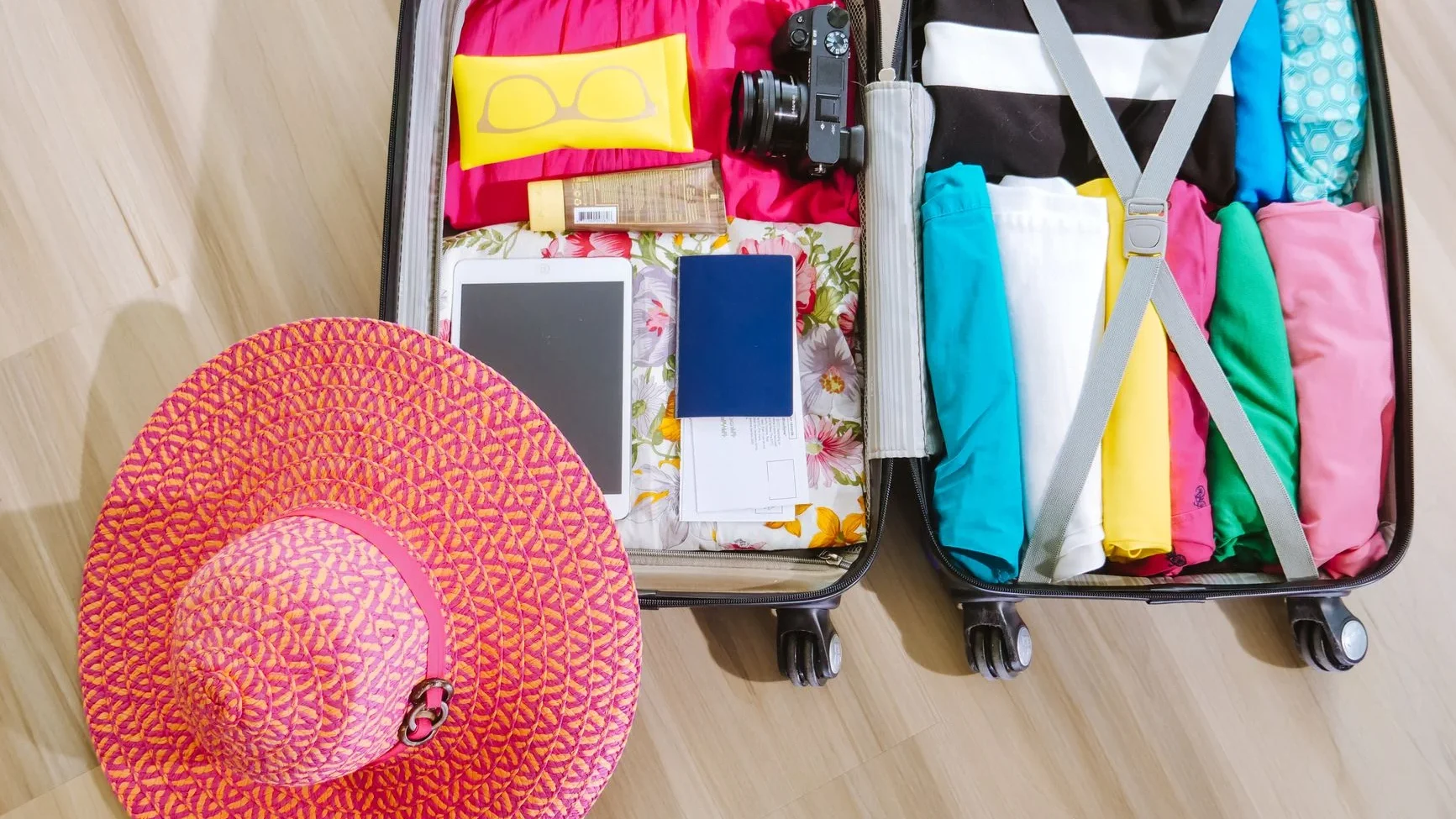
Start a packing list well in advance and add items as you think of them. Categorize your list into essentials (passport, tickets, money), clothing, toiletries, electronics, and any specific gear. This systematic approach ensures you don’t forget crucial items.
Include items like travel adapters, portable chargers, any necessary medications (with prescriptions if traveling internationally), sunglasses, and a small first-aid kit. Having a detailed list makes the actual packing process much smoother and less stressful.
The Art of Light Packing
Packing light can significantly enhance your travel experience. Less luggage means easier navigation through airports and train stations, lower baggage fees, and more freedom to move around your destination. Consider carry-on only if possible.
Roll your clothes to save space and minimize wrinkles. Choose versatile clothing items that can be mixed and matched, and opt for quick-drying fabrics. Remember, less luggage means more freedom to immerse yourself fully in the beautiful places you’re exploring, rather than being burdened by heavy bags.
Essential Preparations: Insurance & Documents
Understanding Travel Insurance
Travel insurance is not an optional extra; it’s a crucial component of responsible travel, especially when you plan a trip to beautiful places. Research different policies to find one that covers your specific needs, including medical emergencies, trip cancellations or interruptions, lost luggage, and personal liability.
Read the fine print to understand what is and isn’t covered. While you hope not to use it, having travel insurance provides invaluable peace of mind, knowing you’re protected against unforeseen circumstances that could otherwise be financially devastating.
Read Also : First Trip? Should You Use a Travel Agent?
Securing Your Documents
Your passport and any required visas are your most important travel documents. Ensure your passport is valid for at least six months beyond your intended return date, as many countries require this. Apply for visas well in advance, as processing times can vary.
Make several copies of your passport, visa, flight tickets, accommodation reservations, and travel insurance policy. Keep one set of physical copies separate from the originals, store digital copies on your phone and in a cloud service, and leave a set with a trusted person at home. This preparation is vital for a smooth journey.
Health and Safety Considerations
Before traveling, check for any required vaccinations or health advisories for your destination. Consult your doctor about any necessary precautions, especially if you have pre-existing medical conditions. Pack any prescription medications in your carry-on luggage, along with a copy of the prescription.
Research local safety tips, common scams, and emergency contact numbers. Knowing how to reach local authorities or your embassy in an emergency is essential. Being prepared for health and safety aspects allows you to enjoy the beautiful places with greater confidence.
Maximizing Your Experience: Local Immersion
Embracing Local Cuisine
Food is an incredible gateway to understanding a culture. When you plan a trip to beautiful places, make an effort to explore the local culinary scene. Seek out local restaurants, street food vendors, and bustling markets. Don’t be afraid to try new dishes and flavors.
Ask locals for recommendations – they often know the best hidden gems. Engaging with local cuisine is not just about eating; it’s about experiencing traditions, ingredients, and the social aspects of a community. Food is a huge part of cultural immersion and creates lasting memories.
Engaging with Local Culture
Beyond food, actively engage with the local culture. Learn a few basic phrases in the local language; even a simple “hello” or “thank you” can go a long way in building rapport. Attend local festivals, art exhibitions, or traditional performances if they coincide with your visit.
Visit historical sites, museums, and religious buildings to gain insight into the region’s heritage and beliefs. Interacting with locals, observing their daily lives, and participating in cultural activities will enrich your understanding and appreciation of the beautiful place you’re visiting.
Sustainable and Responsible Travel
As you enjoy the beautiful places of the world, it’s important to travel responsibly. Respect local customs, traditions, and religious sites. Dress appropriately, especially in places of worship, and ask for permission before taking photos of people.
Read Also : How to Pick a Travel Destination: Your Ultimate Guide
Minimize your environmental impact by reducing waste, conserving water and energy, and choosing eco-friendly tour operators. Support local businesses and artisans to ensure your tourism dollars benefit the community directly. Responsible travel helps preserve these beautiful places for future generations.
Pre-Trip Checklist & Last-Minute Details
Confirming All Bookings
In the final days before your departure, take the time to double-check all your bookings. Confirm flight times, accommodation reservations, tour bookings, and any transportation arrangements. Have all confirmation numbers, booking references, and contact details easily accessible, both in physical and digital formats.
A quick verification can prevent last-minute stress or unexpected issues. This step is particularly important when you plan a trip to beautiful places that involve multiple connections or complex logistics.
Informing Banks and Family
Before leaving, notify your bank and credit card companies of your travel dates and destinations. This helps prevent your cards from being flagged for suspicious activity and potentially frozen while you’re abroad. Keep a note of your bank’s international contact number in case you need to report a lost or stolen card.
Additionally, leave a copy of your itinerary, contact information, and important document details with a trusted friend or family member at home. This ensures someone knows your whereabouts and can assist in an emergency.
Digital Preparations
Prepare your digital devices for your trip. Download offline maps of your destination (e.g., Google Maps, Maps.me) so you can navigate without an internet connection. Install essential travel apps, such as language translators, currency converters, and local public transport apps.
Ensure your phone is unlocked if you plan to purchase a local SIM card for cheaper data and calls. Load up your devices with entertainment for long journeys, and don’t forget all necessary chargers and power banks. These small digital preparations can make a big difference in convenience.
Embracing Flexibility and Enjoying the Journey
Expecting the Unexpected
While meticulous planning is essential when you plan a trip to beautiful places, it’s equally important to embrace flexibility. Travel rarely goes 100% according to plan. There might be flight delays, unexpected closures, or changes in weather. Being prepared for minor disruptions means you can handle them with grace and resilience.
Read Also : Ultimate Travel Checklist for a Stress-Free Trip [apc_current_year]
Instead of getting frustrated, view these unexpected moments as part of the adventure. Sometimes, the most memorable experiences arise from having to adapt and find alternative solutions. A flexible mindset ensures that small bumps in the road don’t spoil your overall enjoyment.
Staying Open to New Experiences
While your itinerary is a guide, remain open to new experiences that might present themselves. A local might recommend a hidden gem not in any guidebook, or you might stumble upon an interesting festival. Don’t be afraid to step off the beaten path and explore beyond your planned activities.
These unplanned detours often lead to the most authentic and enriching encounters. Allowing for spontaneity ensures that your journey remains fresh and full of delightful surprises, making your trip to beautiful places truly unique.
Documenting Your Memories
Finally, take the time to document your memories. Whether through photographs, videos, a travel journal, or even sending postcards, capturing your experiences allows you to relive them long after you’ve returned home. These mementos serve as precious reminders of the beautiful places you’ve visited and the adventures you’ve had.
Most importantly, remember to be present and savor every moment. The joy of travel comes not just from the destination, but from the journey itself. Relish the sights, sounds, tastes, and feelings, and let the beauty of the world inspire you.
Conclusion
Planning a trip to beautiful places is an exciting endeavor that, with the right approach, can be both stress-free and incredibly rewarding. By systematically moving through destination selection, meticulous budgeting, strategic booking, and thoughtful itinerary creation, you lay a solid foundation for an unforgettable adventure. Essential preparations like securing travel insurance and important documents further ensure your peace of mind.
Beyond the logistics, remember to embrace local immersion, travel responsibly, and allow for flexibility. The true magic of exploring new places often lies in the unexpected encounters and the willingness to step outside your comfort zone. Each step, from the initial dream to the final checklist, contributes to a richer, more meaningful travel experience.
So, take this guide, ignite your wanderlust, and start planning your next escape. The world’s most beautiful places are calling, and with careful preparation, you’re ready to answer. Happy travels!
FAQ
For international trips or travel during peak season, planning 3-6 months in advance is generally ideal. This allows you to secure better deals on flights and accommodation, process visas, and thoroughly research your destination. For shorter domestic trips or off-peak travel, 1-2 months might be sufficient.
To save money, consider traveling during the off-peak season, booking flights and accommodation well in advance, and being flexible with your travel dates. Look for budget-friendly accommodation like hostels or guesthouses, utilize public transportation, and consider cooking some of your meals instead of always eating out. Setting a daily budget and sticking to it is also crucial.
Absolutely. Travel insurance is highly recommended. It provides crucial protection against unforeseen circumstances such as medical emergencies, trip cancellations, lost or delayed luggage, and other travel-related mishaps. While it's an upfront cost, it can save you from significant financial loss and stress should something go wrong.
To discover less-touristy gems, delve into niche travel blogs, online forums, and local tourism websites. Ask locals for recommendations once you arrive, as they often know the best hidden spots. Exploring areas slightly off the main tourist routes on maps can also reveal charming, less crowded beautiful places.
The most important documents include your passport (and visa if required), flight and accommodation confirmations, travel insurance policy details, and your driver's license (if planning to rent a car). It's wise to have both physical and digital copies of all these documents, stored separately from the originals.


Popular Posts


Embracing Spiritual Growth Through Travel and Exploration
Travel is more than just seeing new places; it's a profound journey into oneself. This article explores how embracing travel and exploration can significantly contribute to your spiritual growth, offering unique perspectives and transformative experiences.