How to Pick a Travel Destination: Your Ultimate Guide

The world is a vast tapestry, woven with countless incredible destinations, each promising unique experiences and memories just waiting to be made. While this endless array of choices is undeniably exciting, it can also leave many travelers scratching their heads, feeling utterly overwhelmed by the sheer number of options. Staring at maps or scrolling through an incessant stream of travel blogs can quickly become a daunting task.
If you’ve ever found yourself pondering, “how to pick a travel destination?”, rest assured, you’re in good company. The secret to a truly successful and enjoyable trip often lies in choosing the perfect spot – one that hits all the right notes with your desires, fits snugly within your budget, and aligns seamlessly with your personal travel style. This comprehensive guide aims to be your trusty compass, leading you through a systematic process, complete with concrete examples and actionable advice, to help you whittle down your choices and confidently chart the course for your next great adventure.
From delving deep into your personal preferences to meticulously weighing the logistical nuts and bolts, we’ll leave no stone unturned. Our goal is to ensure your chosen destination not only meets but exceeds expectations, setting the stage for an absolutely unforgettable journey. So, let’s roll up our sleeves and embark on this journey of discovery together!
Understanding Your Travel Style and Preferences
Before you even dream of pulling out a map, the very first and most crucial step in figuring out how to pick a travel destination is to take a good, hard look inward. Your ideal trip is a deeply personal affair, shaped by your past adventures, your current mood, and, most importantly, what you truly hope to gain from the experience. Dedicating a little time to self-reflection here can dramatically simplify the entire selection process, making it feel less like a chore and more like an exciting prelude.
Also Read:

Reflecting on Past Experiences
Cast your mind back to your previous escapades, both the good, the bad, and the downright ugly. What aspects truly made your heart sing? Was it the vibrant pulse of a bustling city, the tranquil embrace of a sandy beach, the rigorous challenge of a mountain trek, or perhaps the profound immersion into an unfamiliar culture? On the flip side, what experiences left you feeling underwhelmed, frustrated, or simply out of your depth?
For instance, if you discovered that being herded through museums at breakneck speed drove you absolutely bonkers, but you found pure bliss in long, meandering walks through pristine nature, that’s a huge clue! Take a moment to jot down your most cherished travel memories and pinpoint the specific elements that made them so utterly special. This exercise is a goldmine for uncovering recurring themes and preferences that should act as your North Star in your current quest.
Identifying Your Travel Persona
Are you a thrill-seeker with an insatiable appetite for adventure, an armchair historian yearning to walk among ancient ruins, a dedicated foodie on a relentless culinary quest, or simply someone who yearns to unwind by the sparkling sea? Pinpointing your core travel persona is like finding a master key; it helps you filter potential destinations with far greater precision. Remember, there’s no “right” or “wrong” persona, just a beautiful spectrum of different desires.

Consider these popular traveler archetypes:
- The Adventurer: Always on the lookout for a rush – think hiking epic trails, conquering extreme sports, or venturing far off the beaten path.
- The Culture Seeker: Finds joy in museums, historical landmarks, local traditions, art galleries, and truly immersive cultural exchanges.
- The Relaxer: Dreams of sun-drenched beaches, luxurious spas, serene resorts, a blissful absence of itineraries, and pure rejuvenation.
- The Foodie: Travels with their taste buds, seeking out unique culinary experiences, hands-on cooking classes, bustling local markets, and unforgettable dining.
- The Urban Explorer: Thrives amidst the energy of big cities, reveling in vibrant nightlife, retail therapy, striking modern architecture, and a smorgasbord of entertainment.
Knowing which category (or delightful combination) best describes you will significantly narrow down the world of possibilities.
What Do You Want to Get Out of This Trip?
Every journey, whether we consciously realize it or not, serves a purpose. Do you desperately need to hit the reset button, escaping the daily grind and recharging your batteries? Are you hoping to pick up a new skill or master a language? Perhaps you’re looking to reconnect with loved ones or push your physical limits? The “why” behind your trip is every bit as important as the “where.”
Read Also : Craft Your Perfect Travel Itinerary: A Step-by-Step Guide

If profound relaxation is what you’re after, a bustling metropolis might not be your cup of tea. Conversely, if adventure calls your name, a quiet beach resort could leave you feeling restless and unfulfilled. Be brutally honest with yourself about your current needs and deepest desires. This crystal-clear understanding is absolutely fundamental to successfully figuring out how to pick a travel destination that genuinely hits the mark.
Defining Your Budget and Timeframe

Once you’ve taken a good measure of your internal compass, the next practical step in learning how to pick a travel destination involves drawing some realistic lines in the sand, both financially and temporally. These two factors, more often than not, act as the biggest gatekeepers, dictating where you can realistically go and for how long you can comfortably stay.
Also Read:

Setting a Realistic Budget
Your travel budget isn’t merely about the price tag on your flight; it’s a comprehensive pot that needs to cover accommodation, sustenance, activities, local transportation, souvenirs, and, crucially, a buffer for those inevitable unforeseen expenses. Be upfront and honest with yourself about how much you can comfortably spend without putting a dent in your savings or causing financial stress. Are you aiming for a shoestring adventure, a comfortable mid-range escape, or a lavish luxury experience?
Always factor in the cost of living at potential destinations. For example, a week exploring the wonders of Southeast Asia might cost you roughly the same as just a few days in a pricier Western European city. Do your homework and research the average daily expenses for your preferred travel style across various regions. This quick reality check will swiftly rule out destinations that are simply beyond your financial reach or, conversely, highlight those that offer incredible value for money.
Determining Your Available Time
How many precious days or weeks do you have to dedicate to your adventure? A long weekend might be perfect for a quick regional getaway, while a fortnight opens up a world of international possibilities. Trying to cram too much into too little time is a surefire recipe for burnout rather than blissful relaxation.
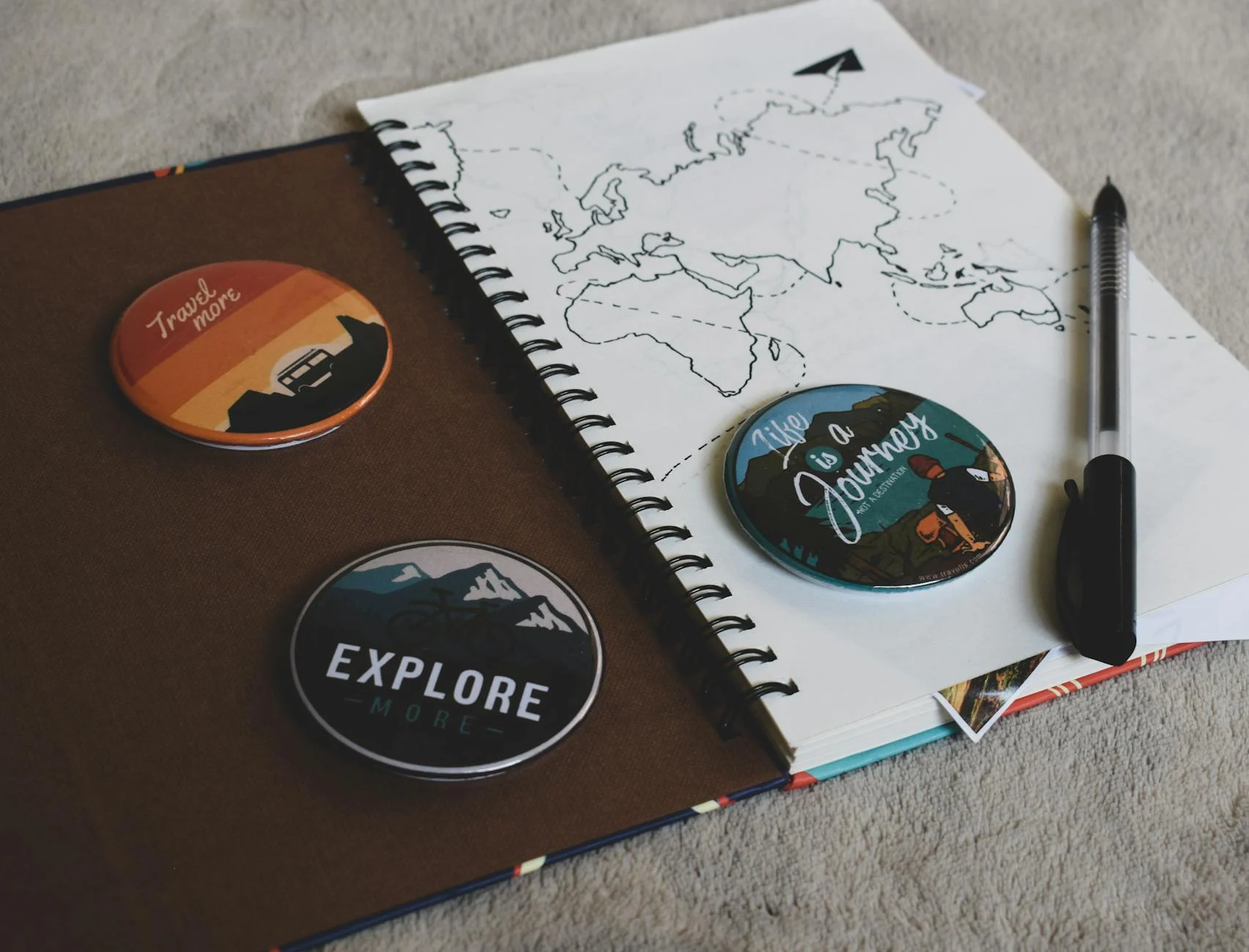
Consider this: a trip to Japan, for instance, might truly demand at least 10-14 days to properly soak it all in without feeling perpetually rushed, whereas a jaunt to a nearby national park could be perfectly accomplished in 3-4 days. Align your available time with the realistic travel duration and the necessary exploration time for any given destination. And whatever you do, don’t underestimate the travel days themselves!
Understanding Peak vs. Off-Peak Seasons
The specific time of year you choose to travel can dramatically influence both the cost of your trip and the overall experience. Peak season often translates to steeper prices for flights and accommodation, larger crowds jostling for space, and sometimes even extreme weather conditions (think scorching European summers). Conversely, venturing out during the off-peak or shoulder season can unlock better deals, fewer tourists, and often more pleasant weather.
However, an off-peak visit might also mean certain attractions are closed or operating on reduced hours. It’s wise to research the seasonal variations for any destinations on your radar. If your travel dates are flexible, you can leverage this knowledge to save a pretty penny and significantly enhance your experience. For example, exploring Rome in October instead of the sweltering July can mean cooler temperatures and blissfully shorter queues.
Considering Your Travel Companions

Read Also : How to Create a Travel Itinerary: Your Ultimate Guide
The folks you choose to share your journey with (or the liberating decision to fly solo) will profoundly influence how to pick a travel destination. Different dynamics call for different types of destinations and planning strategies. Ensuring everyone’s needs and desires are given due consideration is absolutely paramount for a harmonious and memorable trip.
Solo Travel Considerations
Venturing out on your own offers an unparalleled sense of freedom and flexibility. You’re the captain of your own ship, able to go wherever your heart desires, whenever the mood strikes, without a single need for compromise. When selecting a destination for solo travel, key factors to weigh include safety, ease of navigation, and opportunities to connect with other travelers, should that be something you crave.
Many solo adventurers naturally gravitate towards places with robust public transport, a lively hostel scene, or cultures renowned for their warm hospitality. For example, countries like Iceland, New Zealand, or numerous European cities often earn high marks for their safety and solo-friendly vibes. Prioritize destinations where you feel completely comfortable and secure exploring on your own terms.
Traveling with a Partner or Family
When you’re sharing the adventure with a partner or your family, compromise isn’t just a good idea – it’s the golden rule. It’s vital to sit down and discuss everyone’s preferences, aiming to unearth a destination that truly offers something for all. If one person lives for museums and another dreams of sandy beaches, seek out a locale that strikes a beautiful balance, much like Barcelona, with its breathtaking Gaudi architecture and inviting city beaches.
For families, think about age-appropriate activities, accommodations that welcome little ones (or demanding teenagers!), and overall ease of travel. While Disney World might be the ultimate dream for young children, teenagers might lean towards a more thrill-seeking safari or the buzzing energy of a vibrant Asian city. Create a shared list of priorities and non-negotiables to find that sweet spot of common ground.
Group Travel Dynamics
Traveling with a larger group can be an absolute blast, creating unforgettable shared memories, but it also brings a few more logistical hurdles to the table. When deciding how to pick a travel destination for a group, it’s crucial to establish a clear leader or, perhaps, adopt a democratic process for decision-making. Destinations boasting diverse attractions and solid infrastructure often prove to be the best fit for group dynamics.
Consider pooling resources to rent a spacious villa or apartment; it can be a savvy way to save on accommodation costs while also providing a central hub for everyone to gather. Places like Mexico’s Riviera Maya or various Greek islands offer a smorgasbord of options for group excursions, relaxation, and lively nightlife. Early, open communication and clear expectations regarding budget and activities are the bedrock of a truly successful group trip.
Brainstorming Potential Destinations

With a solid grasp of your personal preferences, budget constraints, available time, and travel companions firmly in mind, it’s high time to let your imagination run wild and start brainstorming. This phase is all about casting a wide net, gathering a plethora of ideas before you begin the delicate process of refinement. At this stage, try not to censor yourself too much; just let those creative juices flow freely!
Sources of Inspiration
So, where do you typically unearth your travel ideas? Inspiration can spring from the most unexpected corners. Flip through glossy travel magazines, get lost in the stunning visuals on Instagram or Pinterest, cozy up with a captivating travel documentary, or dive headfirst into engaging travel blogs. Don’t forget to tap into your personal network; chat with friends, family, and colleagues about their most beloved trips and their top-notch recommendations.
Read Also : Plan Your Dream Trip to Beautiful Places: A Guide
Even the silver screen or the pages of a compelling novel can spark an idea for a destination you’d never even considered. For instance, witnessing the breathtaking landscapes in “Lord of the Rings” might just ignite a burning desire for a trip to New Zealand. Keep an open mind and diligently collect every single idea that pops into your head, no matter how outlandish it might seem at first glance.
Creating a Wishlist
Once you’ve amassed a treasure trove of inspiring ideas, it’s time to compile them into a physical or digital wishlist. Don’t be shy about it; aim for a robust list of 10-20 places that truly pique your interest. For each destination, jot down a concise note explaining precisely why it calls to you.
This evolving wishlist serves as your raw material, a vibrant palette of possibilities. The goal here isn’t to commit to anything just yet, but rather to fully grasp the sheer breadth of options at your fingertips. If it helps, categorize your destinations – perhaps “beach escape,” “city break,” “rugged adventure,” or “cultural deep dive.” This organizational step will make the subsequent initial filtering process a breeze.
Initial Filtering Based on Broad Criteria
Now, it’s time to gently apply your previously defined criteria – your budget, available time, preferred travel style, and the dynamics of your travel companions – to your burgeoning wishlist. This is where you begin to prune the branches, ever so carefully. For example, if you’re working with a shoestring budget and only have a week to spare, you can probably, with a clear conscience, strike off a multi-country tour of South America right away.
Ask yourself these pointed questions for each contender:
- Does this destination genuinely fit within my budget?
- Is it realistically achievable within my available timeframe?
- Does it truly align with my travel style and what I’m hoping to get out of this trip?
- Will my travel companions find joy and satisfaction in this place?
This initial filter should help you slim down your extensive wishlist to a much more manageable shortlist of 3-5 strong contenders, making the next step of figuring out how to pick a travel destination significantly simpler.
Researching and Vetting Your Choices

With a refined shortlist now in hand, it’s time to roll up your sleeves and dig a little deeper. This thorough research phase is absolutely critical for truly grasping the realities of each potential destination and ensuring it genuinely lives up to your expectations. This is the juncture where you transition from mere inspiration to well-informed decision-making about how to pick a travel destination.
Diving Deep into Specific Destinations
For every destination that’s made it onto your shortlist, conduct comprehensive online research. Leave no stone unturned as you investigate:
- Main attractions and activities: Is there a sufficient array of things to do that genuinely pique your interest?
- Typical weather patterns: Do these align favorably with your planned travel dates?
- Local cuisine: Is it appealing to your palate? Are there suitable options for any dietary restrictions?
- Estimated costs: Get down to the nitty-gritty with more specific figures for flights, accommodation, and daily expenses.
- Transportation: How straightforward is it to get from point A to point B within the destination?
Immerse yourself in detailed travel guides, watch insightful vlogs, and scour online forums to piece together a comprehensive picture. Try to vividly imagine yourself there, giving careful thought to whether the reality you’re uncovering truly aligns with the dreams you hold.
Read Also : First Trip? Should You Use a Travel Agent?
Checking Visa Requirements and Entry Rules
This is a pivotal practical step that, astonishingly, many travelers overlook until it’s almost too late. Some countries mandate visas that can take weeks, or even months, to process. Others might have very specific entry rules pertaining to vaccinations, limits on currency, or even particular dress codes. Ignoring these details can throw a major wrench in your plans.
Always consult the official government travel advisories for both your home country and your intended destination. For example, a U.S. citizen planning a trip to Vietnam will need a visa, whereas a journey to Canada typically does not. Confirm all entry requirements meticulously and well in advance of your anticipated departure date to avoid any last-minute headaches.
Reading Reviews and Traveler Experiences
While official travel guides are undeniably helpful, the candid personal accounts from fellow travelers can offer truly invaluable insights. Seek out recent reviews on popular platforms like TripAdvisor, Google Reviews, or dedicated travel forums. Pay close attention to both the glowing praise and any constructive criticisms.
These firsthand reviews can often reveal practical tips, uncover hidden gems, or flag potential pitfalls that official sources might gloss over. For instance, you might learn that a much-hyped attraction is perpetually swarming with crowds during certain hours, or that a particular neighborhood is best avoided after sundown. Look for recurring patterns in the reviews and honestly consider if the common experiences described align with what you’re genuinely seeking.
Evaluating Practicalities and Logistics

Once you’ve thoroughly researched your top contenders, it’s time to layer on a final, crucial assessment of practicalities. This step ensures that your chosen destination is not only appealing to the eye but also entirely feasible and safe for your journey. It’s a make-or-break part of truly understanding how to pick a travel destination that minimizes stress and maximizes enjoyment.
Accessibility and Transportation
How straightforward is it to reach and navigate your chosen destination? Consider the duration of flights, the number and length of layovers, and, of course, the cost of airfare. Once you’ve arrived, what are the predominant modes of transport available – public buses, efficient train networks, taxis, ride-sharing services, or the freedom of a rental car?
If you’re traveling with young children, extensive long-haul flights or destinations with patchy infrastructure might prove to be quite a challenge. Conversely, if you crave independence, a place boasting reliable public transport or readily available car rentals would be your ideal match. Always factor in the total travel time and the potential for jet lag when meticulously planning your itinerary.
Health and Safety Concerns
Your well-being should always sit at the very top of your priority list. Diligently research the current health and safety landscape of your potential destinations. Make sure to check for:
- Travel advisories: Are there any official warnings issued by your government concerning specific regions or situations?
- Required vaccinations: Are there any mandatory or highly recommended immunizations you’ll need?
- Common illnesses: Are there prevalent diseases like malaria or dengue fever, and, crucially, what steps can you take to protect yourself?
- Local crime rates: Are there particular areas best to steer clear of, or specific precautions you should adopt?
And here’s a golden rule: always, always purchase comprehensive travel insurance. Being thoroughly informed about potential risks empowers you to take all necessary precautions and travel with genuine peace of mind.
Read Also : Printable Travel Planning Worksheets for Beginners
Local Culture and Language Barriers
While not a deal-breaker for many, gaining an understanding of the local culture and any potential language barriers can either significantly enhance or subtly detract from your overall experience. Are you comfortable navigating a country where English isn’t widely spoken? Are you willing to put in the effort to learn a few basic, polite phrases?
It’s also wise to research local customs and etiquette to steer clear of any unintentional faux pas. For example, in some cultures, public displays of affection are frowned upon, while in others, a bit of friendly haggling over prices is not only expected but almost a ritual. Embracing and respecting the local culture can open doors to richer interactions, but do be keenly aware of how different it might be from your own.
Making the Final Decision
You’ve put in the hard yards of introspection, meticulous research, and careful evaluation. Now, the moment of truth has arrived: it’s time to make that final choice. This step can still feel a tad daunting, but by steadfastly following a systematic approach, you can confidently pinpoint a travel destination that feels utterly perfect for you. This is, after all, the exciting culmination of learning how to pick a travel destination.
Pros and Cons Analysis
For your top 2-3 shortlisted destinations, take a moment to construct a simple yet effective pros and cons list. Be as specific and brutally honest as possible.
- Destination A:
- Pros: Incredible food scene, breathtaking beaches, wonderfully affordable.
- Cons: Quite a long flight, potential language barrier, likely to encounter peak season crowds.
- Destination B:
- Pros: Rich tapestry of history, incredibly easy to get around, ideal weather for our travel dates.
- Cons: A bit on the pricier side, less focused on pure relaxation, potentially too chilly for certain activities.
This visual comparison can often illuminate the path forward, making the choice much clearer and highlighting which destination truly aligns best with your overarching priorities.
Trusting Your Gut Feeling
After all the logical analysis, spreadsheets, and careful consideration, sometimes the wisest decision stems from your intuition. Which destination genuinely excites you the most? Which one stirs a true sense of anticipation and pure joy within you? Never underestimate the quiet power of your gut feeling.
If two destinations appear equally splendid on paper, but one consistently brings a bigger smile to your face and a flutter to your heart, that’s often the clear winner. Your emotional connection to a place can be a remarkably strong indicator of a deeply fulfilling travel experience.
Booking Essentials
Once you’ve finally made your definitive decision, don’t dilly-dally! Prices for flights and accommodation can swing wildly and rapidly. So, as soon as you’re utterly confident in your choice, go ahead and book your main components – your flights and your primary accommodation. This crucial step locks in your trip, making it feel real, and gives you something tangible and exciting to look forward to.
Consider booking directly with airlines or through highly reputable travel sites. Always, always read the cancellation policies with a fine-tooth comb. Having your initial bookings confirmed makes the entire trip feel concrete and provides a solid foundation for all your subsequent planning.
Embracing Flexibility and Openness
Even after meticulously mapping out how to pick a travel destination, it’s vital to remember that travel is, by its very nature, wonderfully unpredictable. Cultivating a spirit of flexibility and maintaining an open mind will not only smooth over any bumps in the road but also significantly enhance your overall experience, regardless of where your journey takes you.
Read Also : Your Ultimate Travel Planning Guide for Beginners
The Joy of Spontaneity
While a well-thought-out plan is undeniably essential, deliberately leaving a little wiggle room for spontaneity can often lead to some of the most cherished travel memories. Avoid the temptation to over-schedule every single moment. Allow yourself the freedom to simply wander, to stumble upon unexpected hidden gems, or to graciously accept an impromptu invitation from a friendly local or a fellow traveler.
Sometimes, the most memorable moments are those delightful surprises that were never even on the itinerary. Be open to gently tweaking your plans if a truly golden opportunity unexpectedly presents itself.
Preparing for the Unexpected
Let’s face it: travel rarely goes off without a single hitch. Flights get delayed, luggage occasionally goes astray, the weather takes an unexpected turn, or you might simply feel under the weather. Instead of allowing these minor setbacks to cast a shadow over your entire trip, prepare for them both mentally and practically.
Always have a contingency plan tucked away and a small emergency fund at your disposal. Pack a compact first-aid kit. Keep digital copies of all your important documents readily accessible. A calm, prepared mindset is your best ally, helping you navigate challenges with grace and transforming potential frustrations into mere minor bumps in the road.
Learning from Every Journey
Every single trip, whether it’s to a bustling urban jungle or a remote, serene wilderness, unfurls a wealth of opportunities for personal growth and profound learning. Pay close attention to what truly brings you joy, what challenges you in new ways, and what fresh perspectives you gain. This continuous process of self-discovery will undoubtedly make future decisions on how to pick a travel destination even more intuitive and straightforward.
Take time to reflect on your experiences long after you’ve returned home. Did the destination live up to your expectations? What might you do differently on your next adventure? Each journey you undertake refines your understanding of yourself as a traveler, ensuring every subsequent adventure is more perfectly tailored and deeply fulfilling.
Practical Tips for Picking Your Destination
To tie everything together and provide you with some truly actionable advice, here are a few practical tips to keep firmly in mind when you’re figuring out how to pick a travel destination for your next grand adventure.
Start Early and Be Patient
The most enriching travel experiences often blossom from careful and considered planning. Grant yourself ample time to delve into research, compare various options, and make well-informed decisions without feeling unduly rushed. Getting a head start several months in advance can also open doors to significantly better deals on flights and accommodation, particularly for highly sought-after destinations or during peak travel seasons.
Resist the urge to rush the crucial process of truly understanding what you desire from your trip. Patience exercised during the planning phase is a direct investment in greater enjoyment once your actual journey begins.
Don’t Overthink It
While thorough research is undoubtedly important, there comes a point where an excess of information can lead to what’s known as analysis paralysis. Remember, there’s no singular “perfect” destination etched in stone, and every place on Earth comes with its own unique set of pros and cons. At some juncture, you simply need to take the plunge, make a decision, and wholeheartedly commit.
Read Also : Trip Planning Advice for Novices: Your Ultimate Guide
Keep in mind that even if a trip doesn’t turn out to be absolutely flawless, it will still undoubtedly offer a bounty of new experiences and indelible memories. Trust your diligent research and, crucially, trust your gut feeling, then move forward with an eager and open heart.
Consider a “Test Trip”
If you find yourself on the fence about a completely new mode of travel or a particularly distant destination, it might be a brilliant idea to consider a shorter, less financially demanding “test trip” first. For instance, if you’re toying with the idea of backpacking through the vibrant landscapes of Southeast Asia, why not try a shorter, similar adventure in a nearby region to gauge your comfort level with that particular travel style?
This can be an excellent, low-stakes way to explore new preferences without making a monumental commitment. Even a brief domestic trip can serve as a fantastic warm-up for a much grander international adventure.
Conclusion
Choosing your next travel destination doesn’t have to be a source of stress or an arduous ordeal. By embracing a structured, step-by-step approach that beautifully intertwines self-reflection, astute practical considerations, and thorough research, you can confidently answer the question of how to pick a travel destination that truly resonates with your soul.
Begin by delving into your unique personal travel style, setting a realistic budget, and considering the dynamics of your travel companions. Cast a wide net during brainstorming, then skillfully narrow down your choices by diving deep into research, meticulously checking logistics, and carefully evaluating practicalities. Finally, summon the courage to trust your well-considered decision, book your adventure, and prepare to wholeheartedly embrace the journey with an open mind and a wonderfully flexible spirit.
Every single trip is a golden opportunity to learn, to grow, and to forge lasting memories that will be treasured for a lifetime. Armed with these systematic steps, you are now exceptionally well-equipped to select a destination that promises an enriching, unforgettable experience, truly setting the stage for your next magnificent journey.
FAQ
When you're pinching pennies, zero in on destinations renowned for their remarkably low cost of living. Think vibrant Southeast Asian countries like Vietnam or Thailand, charming pockets of Eastern Europe such as Albania or Bulgaria, or the rich cultural tapestry of Central America in places like Nicaragua or Guatemala. Consider traveling during the off-season to snag better deals, opt for cozy hostels or guesthouses over pricey hotels, cook some of your own meals to save on dining out, and make extensive use of public transportation. Don't forget to research free activities and keep a keen eye out for flight deals using flexible travel dates.
Open and honest communication is absolutely paramount here. Sit down together and create a joint list of priorities and non-negotiables for both of you. Seek out destinations that boast a diverse array of activities, allowing each person the freedom to pursue their individual interests at times, while also ensuring plenty of shared experiences. For instance, a city like Rome offers a treasure trove of historical sites for one partner and incredible culinary adventures and shopping opportunities for the other, all while enjoying shared walks and delightful dining experiences together.
Both approaches have their distinct merits. Solo travel offers unparalleled freedom and fosters immense personal growth, though it does demand a greater degree of self-reliance. Group travel, on the other hand, can provide a comforting sense of security and a wealth of shared experiences, but it invariably requires more compromise. For a maiden international voyage, if you're feeling a bit apprehensive, a small, organized group tour or embarking on the journey with a trusted friend can significantly ease the transition. However, if you're confident and yearning for deep personal exploration, solo travel can prove to be an incredibly rewarding and transformative experience.
For international trips, particularly to popular destinations or during peak tourist seasons, beginning your planning 6-12 months in advance is generally considered ideal. This generous lead time allows you to secure more favorable flight and accommodation deals, obtain any necessary visas without a last-minute rush, and thoroughly research all your options. For domestic or shorter getaways, 2-3 months might suffice. The more intricate the trip or the larger the group involved, the earlier you should definitely kick off your planning.
The most common pitfall often lies in selecting a destination based solely on external influences – perhaps a viral social media trend or someone else's glowing recommendation – without first taking into account their own unique personal travel style, budget constraints, and what they genuinely hope to gain from the trip. This oversight can frequently lead to significant disappointment or a stark mismatch between expectations and the actual reality of the experience. Always, always begin with a good dose of self-reflection before even casting your gaze upon potential destinations.


Popular Posts


Embracing Spiritual Growth Through Travel and Exploration
Travel is more than just seeing new places; it's a profound journey into oneself. This article explores how embracing travel and exploration can significantly contribute to your spiritual growth, offering unique perspectives and transformative experiences.