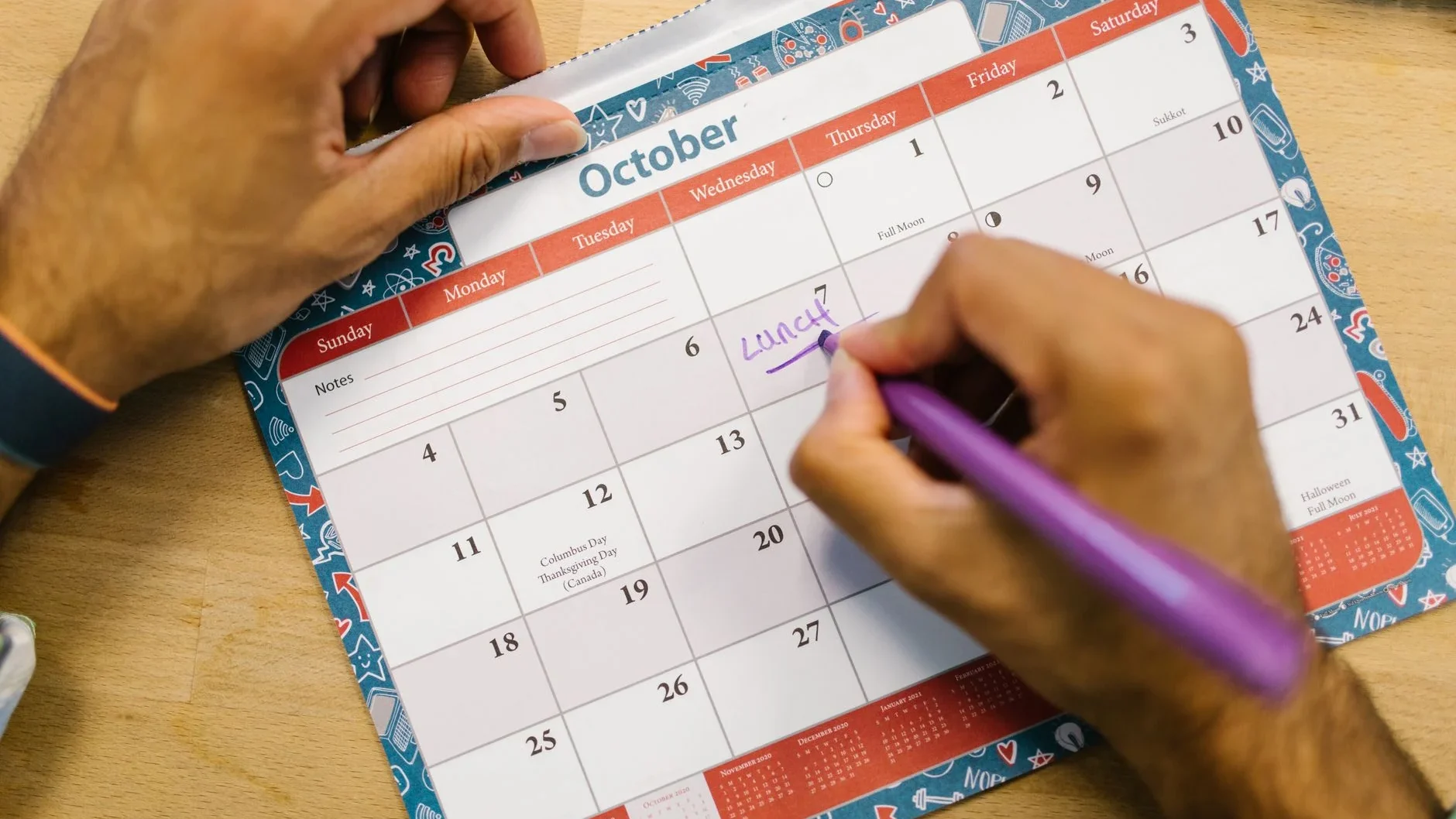
First-Time Travelers’ Pre-Trip Checklist | Your Ultimate Guide
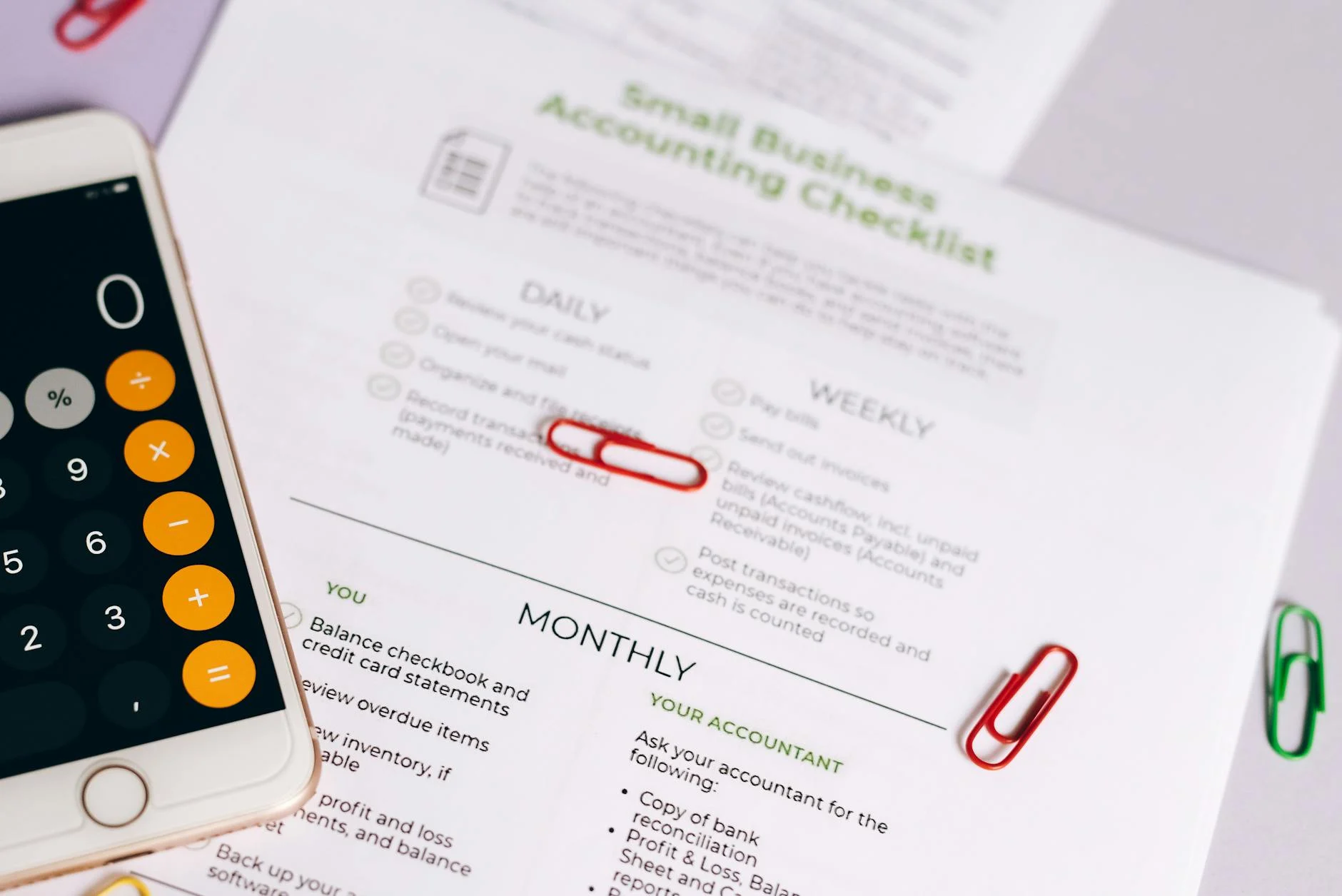
Setting off on your very first adventure to an unfamiliar place is truly exhilarating, brimming with the promise of fresh experiences, captivating sights, and intriguing sounds. Yet, that initial thrill can sometimes be overshadowed by a whisper of apprehension, particularly when you’re grappling with where on earth to even begin your preparations.
That’s precisely where a comprehensive pre-trip checklist for first-time travelers truly shines, becoming your steadfast companion. It’s more than just a simple list; think of it as your personal roadmap to a stress-free adventure, meticulously crafted to ensure you don’t let any crucial detail slip through the cracks. From nailing down essential documents to mastering smart packing, this guide will hold your hand through every single step, turning those butterflies of worry into a confident, eager anticipation.
Whether you’re dreaming of a quick domestic escape or gearing up for an ambitious international expedition, a methodical approach to pre-trip planning is an absolute game-changer. So, let’s roll up our sleeves and dive into the ultimate checklist, tailor-made to help first-time travelers navigate their preparations with both ease and confidence, truly setting the stage for an unforgettable experience.
The Ultimate Pre-Trip Checklist for First-Time Travelers
Understanding Your Destination
Before you even think about tossing a single item into your suitcase, the very first port of call on any first-time traveler’s pre-trip checklist should be an in-depth dive into your chosen destination. This foundational knowledge, truly, will be the bedrock influencing nearly every other decision you make, from what makes it into your luggage to how you plan your budget.

Roll up your sleeves and immerse yourself in understanding the local culture, common customs, and social etiquette. Always double-check the weather patterns for your specific travel dates; this is key to ensuring you pack just the right threads. Get a feel for the local currency and typical price ranges for everything from a bite to eat to getting around and enjoying activities. Having these details down pat upfront will not only significantly enhance your overall travel experience but also help you steer clear of those common tourist traps.
Budgeting for Your Adventure
Getting your finances in order is a cornerstone of any successful trip, particularly for those venturing out for the first time. Begin by tallying up all potential costs: think flights, a roof over your head, getting from A to B, meals, fun activities, and those little mementos. Breaking this down into daily expenses often makes the whole picture clearer.
Beyond the bare necessities, always, *always* set aside a little extra cash for those inevitable rainy days or unforeseen expenses. As a good rule of thumb, aim to have at least 10-15% of your total budget tucked away as a dedicated emergency fund. This meticulous budgeting will empower you to truly enjoy your trip without constant financial worry nipping at your heels, ensuring you have ample resources for your entire journey.

Travel Insurance: A Non-Negotiable
For first-time travelers, let’s be crystal clear: travel insurance isn’t just an option; it’s an absolute must-have. While we all cross our fingers for smooth sailing, the truth is, unforeseen circumstances like medical emergencies, lost luggage, flight cancellations, or trip interruptions can, and sometimes do, rear their heads. Travel insurance steps in as your crucial safety net, safeguarding both your financial investment and, perhaps more importantly, your peace of mind.
When you’re sifting through policies, keep an eagle eye out for comprehensive coverage that ticks all the boxes: medical emergencies, emergency evacuation, trip cancellation/interruption, and baggage loss. Make sure to pore over the fine print, understanding precisely what’s covered and what isn’t, and definitely consider policies that throw in 24/7 assistance services. It’s a small upfront cost that can truly save your bacon from significant financial burdens down the road.
Essential Documents & Digital Preparations

Read Also : International Travel Checklist: Your Ultimate Guide

Passport, Visa, and IDs
Think of your passport as your golden ticket, your absolute gateway to the world of international travel. Be absolutely certain it’s valid for at least six months *beyond* your planned return date; many countries are sticklers for this rule. For international jaunts, get ahead of the game by researching visa requirements for your destination country well in advance, as securing a visa can sometimes be a marathon, not a sprint, taking weeks or even months.
On top of that, always carry a secondary form of identification, perhaps your driver’s license or national ID card, just to be safe. It’s also a shrewd move to make several copies of your passport and visa – both physical printouts and digital versions securely stashed in the cloud or on your phone – as a backup in case the originals go missing or are stolen. Crucially, keep these copies completely separate from your actual, original documents.
Booking Confirmations & Itinerary
Keep all your booking confirmations — for flights, hotels, rental cars, and any tours you’ve lined up — organized and within easy reach. A dedicated travel folder, whether you prefer good old-fashioned paper or a digital one, is an absolute lifesaver. Sketch out a detailed itinerary outlining your daily plans, making sure to jot down addresses, contact numbers, and all those fiddly confirmation codes.
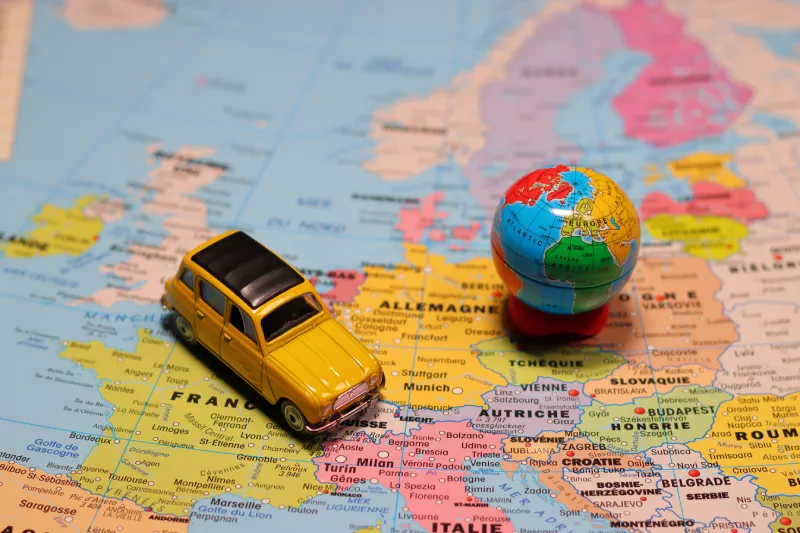
Share a copy of this itinerary with a trusted family member or friend back home; it’s a no-brainer for peace of mind. This way, they’ll always have a handle on your whereabouts, which can be incredibly helpful should an emergency arise. With all your information neatly consolidated, you’ll find your travel experience streamlined and your stress levels significantly dialled down.
Digital Backup & Communication
In today’s hyper-connected world, having digital backups of your crucial documents is every bit as important as having physical copies. Lean on cloud storage services like Google Drive or Dropbox to safely tuck away scanned copies of your passport, visa, insurance policy, and other essential papers. Just make sure these digital files are password-protected; better safe than sorry!
Give some thought to your communication strategy while you’re abroad. Look into international roaming options with your current provider, or, better yet, consider grabbing a local SIM card upon arrival – they often offer much more bang for your buck on data and call rates. Downloading offline maps (like Google Maps) for your destination can also prove to be an absolute lifesaver when you’re caught without internet access.
Packing Smart: The First-Timer’s Edition

The Art of Minimalist Packing
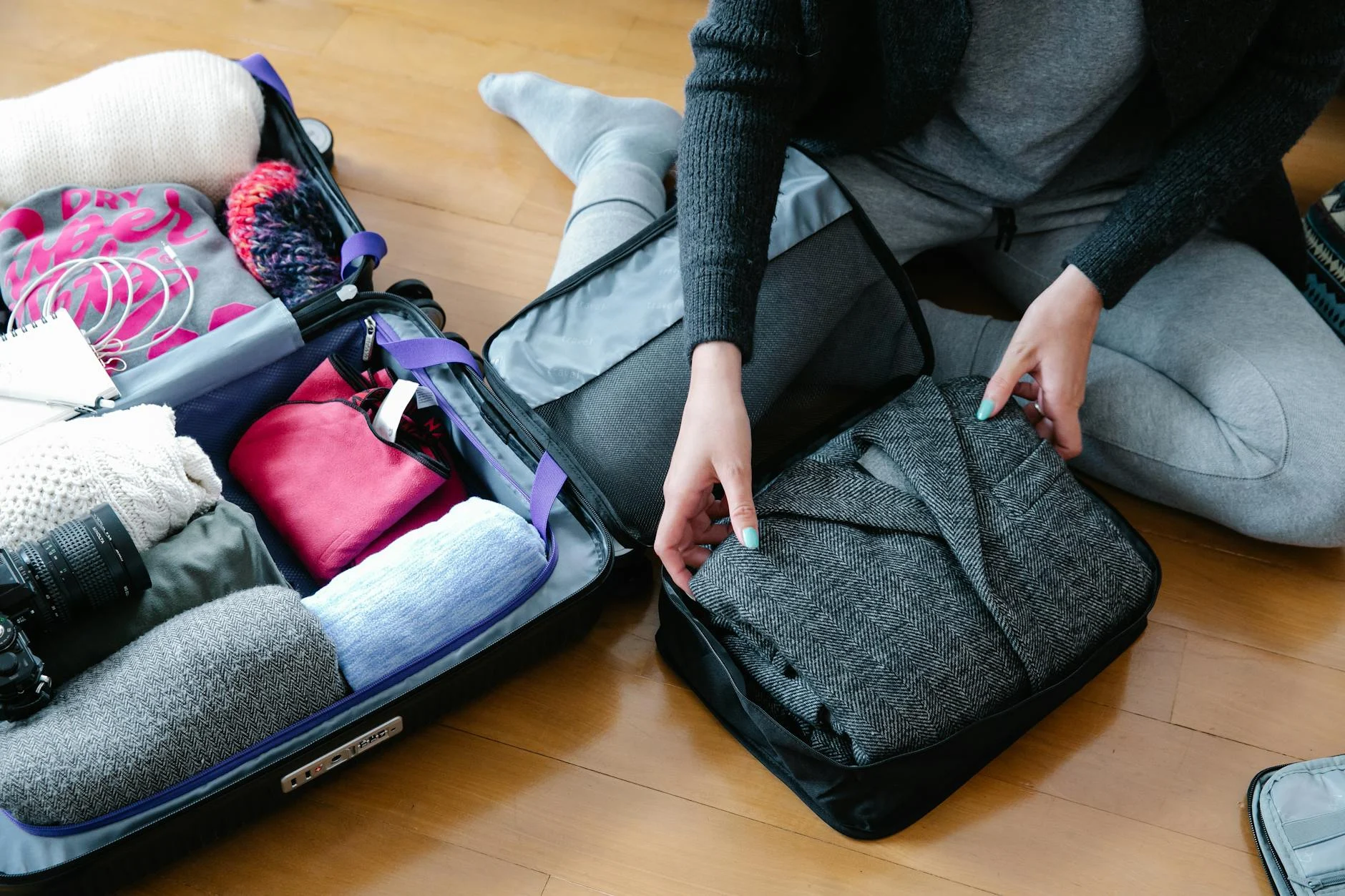
One of the biggest hurdles first-time travelers often face is the dreaded overpacking. The golden rule for smart packing boils down to two things: minimalism and versatility. Begin by picking the perfect luggage for *you* – perhaps a lightweight, sturdy suitcase or a comfortable backpack, entirely dependent on your personal travel style. Craft a packing list and then, for goodness sake, stick to it like glue!
Zero in on versatile clothing items that can be mixed and matched with ease, are perfect for layering, and, of course, are spot-on for the climate and activities you’ll be doing at your destination. A neat trick: roll your clothes tightly to save precious space and keep those pesky wrinkles at bay. Remember, you can almost always pick up forgotten essentials once you’ve arrived, so really prioritize those truly important, can’t-live-without items.
Health & Hygiene Essentials
Your health and comfort should always be at the top of your list. Stash any prescription medications you need in their original containers, and don’t forget a copy of your prescription to go with them. Throw in a basic first-aid kit, complete with essentials like pain relievers, band-aids, antiseptic wipes, and any personal over-the-counter medications you typically rely on (think allergy meds or something for an upset stomach).
Read Also : How to Start Planning a Trip: Your Ultimate Guide
And definitely don’t forget travel-sized toiletries – they’re a dream for saving space and easily meeting those pesky airline liquid restrictions. Hand sanitizer, wet wipes, and a small, quick-drying towel can also be incredibly handy, especially when you’re on the move or in places where facilities might be a bit sparse. Putting these items high on your pre-trip checklist means you’re well-equipped to tackle any minor health hiccups that come your way.
Gadgets & Chargers
In our perpetually connected world, gadgets have become almost as indispensable as the clothes on your back. Your smartphone will likely be your go-to for photos, navigation, and staying in touch, so make sure it’s fully juiced up and well-protected. A trusty portable power bank is an absolute godsend for keeping your devices alive and kicking throughout long travel days or exciting excursions.
If you’re heading across borders, a universal travel adapter is a non-negotiable item for keeping all your electronics powered up. Toss in a small e-reader for some much-needed entertainment on those long flights or during moments of downtime. And for goodness sake, remember to pack all the specific charging cables for *each* device – trust us, you’ll thank yourself later for avoiding that particular brand of frustration.
Financial Readiness for Your Journey

Notifying Your Bank
Before you even think about jetting off, give your bank and credit card companies a heads-up about your travel dates and where you’re headed. This crucial step is your safeguard against them flagging unusual foreign transactions as fraud and, potentially, freezing your cards, which would leave you high and dry without access to your hard-earned funds. Be sure to give them the specific dates and countries you’ll be hitting.
While you’re at it, ask about any foreign transaction fees lurking around your cards. Some savvy cards offer no foreign transaction fees whatsoever, which can truly save you a pretty penny over the course of your trip. Having this intel beforehand helps you make a well-informed decision about which cards to rely on.
Cash vs. Card Strategy
For first-time travelers, striking a good balance when it comes to carrying money is usually your best bet. While credit and debit cards offer convenience and are widely accepted, it’s always a smart move to have some local currency tucked away for small purchases, tips, or in those charming spots where cards aren’t an option. Swap a small amount of cash before you head off, or simply hit an ATM upon arrival at the airport.
Leaning too heavily on cash can be a bit dicey due to the risk of loss or theft, while relying solely on cards might leave you in a bind in certain destinations. The trick is to spread your funds across different accounts and payment methods – that way, you’re never caught short.
Emergency Funds & Access
Above and beyond your main budget, having readily accessible emergency funds is absolutely paramount. This might mean a separate credit card with a healthy limit that you only use in a pinch, or a small stash of cash cleverly hidden in a secure spot. Also, look into services like Wise (formerly TransferWise) or Revolut; they can be a godsend for easy international money transfers if a friend or family member needs to send you a lifeline.
Make sure at least one trusted person back home has the lowdown on how to access your emergency funds or can swiftly transfer money to you if a crisis rears its ugly head. This kind of foresight provides a vital safety net, empowering you to navigate unexpected situations without breaking a sweat over finances.
Read Also : Best Time to Visit Beautiful Places: Your Ultimate Guide
Health & Safety Protocols

Vaccinations & Health Advice
Make an appointment with your doctor or a specialized travel clinic at least 4-6 weeks before your trip to chat about any recommended vaccinations or preventative medications for your destination. This step is especially critical if you’re venturing to certain international regions. Talk through any pre-existing medical conditions and how best to manage them while you’re on the road.
Pick their brain for advice on common travel ailments like traveler’s diarrhea or jet lag, and how to keep them from getting the better of you. Double-check that you have enough of any necessary prescription medications to see you through your entire trip, plus a few extra days, just in case you run into unexpected delays.
Personal Safety Tips
Staying safe and sound should always be at the very top of any traveler’s agenda. Always keep your wits about you, especially in bustling tourist areas where pickpocketing can be as common as sunshine. Resist the urge to flash expensive jewelry or high-tech gadgets, and keep your valuables secure and out of plain sight – a money belt or a snug cross-body bag can be your best friend here.
Do your homework on safe neighborhoods when booking accommodation, and make it a point to avoid walking alone at night in unfamiliar territory. Trust your gut; if a situation feels off, don’t hesitate to remove yourself from it. Sharing your itinerary with someone back home also throws in an extra layer of safety, giving you that little bit more peace of mind.
Emergency Contacts
Before you hit the road, pull together a list of all your essential emergency contacts. This list should cover the local emergency numbers for your destination (police, ambulance, fire), the contact details for your country’s embassy or consulate in that region, and, of course, your personal emergency contacts back home. Keep this vital list both physically on your person and digitally accessible. It’s a smart move to program these numbers right into your phone, too. When an emergency strikes, having this information at your fingertips can save precious minutes and provide crucial assistance when you need it most.
Before You Leave Home: The Final Checks

Home Security
Your home’s security should definitely be high on your radar before you step out the door. Make sure all your doors and windows are locked up tight. Think about putting lights on timers to create the illusion that someone’s still holding down the fort. If you’ve got an alarm system, double-check that it’s armed and ready.
Either put a hold on mail and newspaper deliveries, or, even better, ask a trusted neighbor to swing by and pick them up. Let a close friend or family member know your travel dates so they can keep a watchful eye on your property. These simple, proactive steps can be a real deterrent to potential intruders and give you much-needed peace of mind while you’re off gallivanting.
Pet & Plant Care
If you have furry (or scaly, or feathered) friends, sort out their care arrangements well in advance. This might mean booking them into a reputable boarding facility, hiring a pet sitter, or simply asking a kind friend or family member to step in and look after them. Make sure their caregivers have all the necessary instructions, their food supply, and emergency contact information clearly laid out.
Read Also : First-Time International Travel Tips: Your Ultimate Guide
As for your green companions, consider investing in self-watering systems or, again, arrange for someone to pop over and give them a drink while you’re away. A wilting plant can be a dead giveaway that a home is sitting empty. Getting these responsibilities squared away ensures a smooth return home and keeps your mind well and truly at ease throughout your travels.
Last-Minute Digital Tasks
Right before you finally head out the door, spare a few precious moments for some last-minute digital checks. Grab any necessary offline maps for your destination, especially if you’ll be relying on public transport routes or walking around a lot. Double-check that all your essential gadgets – phone, power bank, e-reader – are fully juiced up and ready to roll.
Make absolutely sure you’ve downloaded any entertainment (movies, music, podcasts) for your journey, especially for those long flights or bus rides where internet access might be few and far between. Give your phone a quick spring clean, clearing out unnecessary files to make ample room for all the new photos and videos you’re about to capture.
Embracing the Journey: Mindset Matters
Flexibility and Openness
Even with the most painstakingly detailed pre-trip checklist for first-time travelers, let’s face it: things can, and often do, go sideways. Flights hit snags, reservations get jumbled, or the weather decides to throw a wrench in your plans. The real secret to truly enjoying your trip, despite these little hiccups, lies in cultivating a mindset of flexibility and openness.
Embrace the unexpected with open arms; sometimes, those unplanned detours lead to the most memorable experiences of all. Don’t let minor bumps in the road overshadow the sheer joy of discovery. A positive attitude, believe it or not, can transform a potential setback into an interesting story to tell for years to come.
Enjoying the Moment
It’s all too easy to get caught up in documenting every single moment for the ‘gram, but make a conscious effort to put down your phone and truly immerse yourself in the experience unfolding before you. Strike up conversations with locals, savor every bite of new cuisine, and simply take a moment to soak in your surroundings. The most profound travel memories, more often than not, spring from these unscripted, truly present moments.
Give yourself permission to be fully present and drink in the culture, the atmosphere, and the unique beauty of your destination. Your maiden voyage isn’t just a journey of discovering a new place; it’s also a journey of discovering a new side of yourself. Savor every single step of the grand adventure.
Conclusion
Embarking on your first big journey is a truly significant milestone, and armed with a well-structured pre-trip checklist for first-time travelers, you can effortlessly transform any lingering apprehension into pure, unadulterated excitement. By systematically tackling everything from essential documents and getting your finances shipshape to smart packing and health considerations, you’re laying down the perfect groundwork for a truly unforgettable and blissfully stress-free adventure.
Remember, while preparation is absolutely key, so is maintaining a flexible and open mindset – going with the flow, so to speak. While this comprehensive guide aims to cover all your bases, the single most important tip we can give you is to truly savor every single moment of your exploration. Trust in the planning you’ve done, embrace the thrilling unknown, and let yourself be fully present in the kaleidoscope of new experiences awaiting you.
Armed to the teeth with this ultimate checklist, you’re not just ready to travel; you’re ready to thrive and make the most of every second. So, cross off those last few items, take a deep, reassuring breath, and get ready to forge memories that will truly last a lifetime. Happy travels, indeed!
Read Also : Essential Travel Documents Checklist for Seamless Journeys
FAQ
Ideally, for international adventures, you should kick off your pre-trip checklist at least 3-6 months in advance, especially if you're playing the long game with a new passport application or visa requirements. For domestic jaunts, a solid 1-2 months should give you plenty of wiggle room to handle bookings and get everything shipshape.
While a good many items are undeniably critical, your passport and comprehensive travel insurance are, without a shadow of a doubt, the absolute rock stars of the checklist. Without a valid passport, international travel simply isn't going to happen, and travel insurance offers that essential safety net against whatever curveballs life might throw your way.
It's a smart bet to swap a small amount of local currency before you head off, or just grab some cash from an ATM right when you land at the airport. This way, you'll have ready cash for immediate needs like getting from the airport or those little impulse buys. For larger sums, leaning on credit/debit cards with minimal foreign transaction fees and utilizing ATMs generally proves more convenient and usually nets you better exchange rates.
To give overpacking the boot, start by crafting a detailed packing list, tailored specifically to your itinerary and your destination's climate. Lay out *everything* you *think* you'll need, then take a cold, hard look at each item and challenge yourself to halve it. Zero in on versatile, multi-purpose clothing that plays well together, and always keep in mind that you can easily do a load of laundry or pick up forgotten essentials once you're there.
First things first: don't hit the panic button! Most forgotten items can easily be picked up once you're at your destination. For truly critical items, though, like medication or documents, reach out to your airline, travel insurance provider, or embassy immediately for urgent guidance. Always, always keep digital copies of important documents on hand; they can be a real lifesaver in a pinch.

You might also like
Popular Posts


Embracing Spiritual Growth Through Travel and Exploration
Travel is more than just seeing new places; it's a profound journey into oneself. This article explores how embracing travel and exploration can significantly contribute to your spiritual growth, offering unique perspectives and transformative experiences.