Best Time to Visit Beautiful Places: Your Ultimate Guide
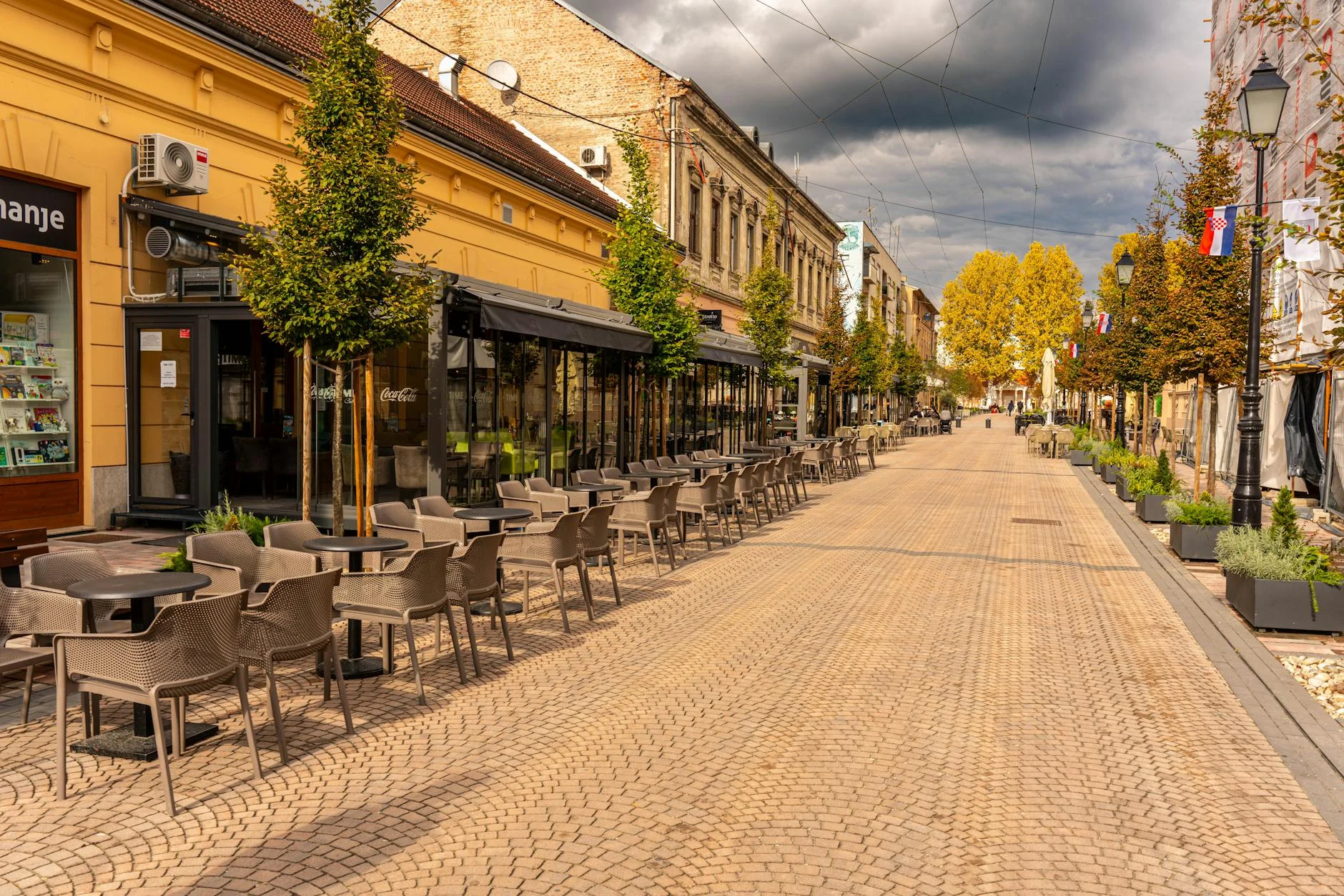
Imagine standing before a breathtaking landscape, the weather perfect, the crowds minimal, and every moment feeling like a dream. This isn’t just luck; it’s the result of careful planning, specifically knowing the best time to visit beautiful places. Whether you’re dreaming of pristine beaches, majestic mountains, vibrant cities, or serene historical sites, timing is everything.
The perfect travel window can significantly enhance your experience, ensuring pleasant weather, access to unique events, and avoiding peak season price hikes or overwhelming crowds. From dodging monsoon rains in Southeast Asia to catching the cherry blossoms in Japan, understanding seasonal nuances is crucial for an unforgettable adventure.
This comprehensive guide will walk you through the factors to consider when planning your next trip, providing systematic steps and concrete examples to help you pinpoint the ideal moment to explore the world’s most beautiful destinations. Let’s dive into how you can optimize your travel schedule for maximum enjoyment and discovery.
Understanding Seasonal Variations for Travel


The Four Seasons: A Global Perspective
The concept of four distinct seasons (spring, summer, autumn, winter) is common in temperate regions, but it varies drastically across the globe. In the Northern Hemisphere, summer typically runs from June to August, while in the Southern Hemisphere, it’s December to February. This fundamental difference means that when it’s winter in New York, it’s summer in Sydney.
Understanding this global shift is the first step in determining the best time to visit beautiful places. For instance, if you’re seeking a winter wonderland experience, you’d target destinations in their respective winter months, whereas a beach holiday would naturally align with local summer or dry seasons.
Tropical vs. Temperate Climates
Beyond the four-season model, many parts of the world experience tropical climates, characterized by wet and dry seasons rather than distinct temperature shifts. Regions like Southeast Asia, parts of Africa, and Central America often have a monsoon or rainy season and a subsequent dry season. The dry season is generally considered the best time to visit beautiful places in these regions, offering sunshine and lower humidity.

Conversely, temperate zones, like much of Europe and North America, have more pronounced seasonal changes. Here, spring and autumn often present the most agreeable weather for sightseeing, with milder temperatures and fewer extremes than summer or winter.
Impact on Activities and Attractions
The season directly dictates available activities and the accessibility of attractions. For example, skiing is only possible in winter, while certain hiking trails in mountainous regions might be closed due to snow or unsafe conditions during colder months. Wildlife viewing, such as whale watching or bird migrations, also adheres to specific seasonal windows.
Moreover, the operating hours and availability of certain attractions can change with the seasons. Coastal resorts might close during the off-season, and some historical sites might have reduced hours. Always check the specific destination’s offerings based on your intended travel dates to avoid disappointment.
Read Also : Beautiful Places to Visit in 2025: Your Ultimate Travel Guide
Deciphering Weather Patterns and Climate Zones

Average Temperatures and Precipitation
When planning your trip, it’s crucial to look beyond just the season and delve into specific weather data. Researching the average temperatures and precipitation levels for your chosen destination during your intended travel month can provide invaluable insights. Websites like AccuWeather or Weather Underground offer historical data that can help you anticipate conditions.
For example, while July might be summer in Rome, average temperatures can soar above 30°C (86°F), making intense sightseeing uncomfortable. Conversely, a destination’s “rainy season” might only mean short, heavy showers followed by sunshine, rather than continuous downpours, making travel still viable and often more affordable.

Humidity and Comfort Levels
Temperature isn’t the only factor affecting comfort; humidity plays a significant role. High humidity can make even moderate temperatures feel oppressive, leading to discomfort and fatigue, especially during outdoor activities. This is particularly relevant in tropical destinations where the dry season typically offers lower humidity levels, making it the best time to visit beautiful places for comfort.
Consider how humidity might impact your planned activities. If you intend to do a lot of walking or strenuous outdoor exploration, a period with lower humidity will generally be more enjoyable. Always check the average humidity alongside temperature forecasts.
Natural Disasters and Extreme Weather
A critical, often overlooked, aspect of timing your trip is awareness of natural disaster seasons. Regions prone to hurricanes (e.g., the Caribbean, Gulf Coast) have specific hurricane seasons, typically from June to November. Similarly, monsoons can bring severe flooding to parts of Asia, and wildfire risks increase in certain dry regions during summer months.

While travel insurance can mitigate financial losses, avoiding these periods altogether is often the safest and most enjoyable approach. Always consult official government travel advisories and local meteorological services for warnings and forecasts before and during your trip.
Navigating Peak Season: Crowds, Costs, and Compromises

Identifying Peak Travel Times
Peak travel times are generally dictated by school holidays, major public holidays, and popular seasonal events. For instance, summer in Europe (June-August) is a peak season due to school breaks, while Christmas and New Year’s are universally busy. These periods see a significant surge in demand, impacting every aspect of your travel.
Recognizing these peak times is crucial, especially if your goal is to find the best time to visit beautiful places without the accompanying chaos. Popular events like the Olympics, World Cup, or major music festivals also create localized peak seasons that dramatically increase crowds and prices.
Read Also : First-Time Travelers' Pre-Trip Checklist | Your Ultimate Guide
The Drawbacks of Peak Season
While peak season offers vibrant atmospheres and guaranteed open attractions, it comes with several drawbacks. The most significant are higher prices for flights, accommodation, and even some local services. You can expect significantly longer queues at popular attractions, crowded public transport, and difficulty securing reservations at desired restaurants.
The sheer volume of tourists can also detract from the authentic experience, making it harder to connect with local culture and enjoy the tranquility of a beautiful place. Personal space can be a luxury, and photography without strangers in the frame becomes a challenge.
When Peak Season is Unavoidable
Sometimes, traveling during peak season is unavoidable, perhaps due to work schedules, family commitments, or the desire to attend a specific, time-bound event. In such cases, strategic planning becomes even more vital. Book flights and accommodation as far in advance as possible to secure better rates and availability.
To mitigate crowds, try visiting popular attractions right at opening time or just before closing. Consider purchasing “skip-the-line” passes where available. Exploring less-known neighborhoods or taking day trips to smaller towns can also offer a respite from the main tourist hubs, allowing you to still enjoy your trip during a busy period.
The Sweet Spot: Embracing Shoulder Seasons
Defining Shoulder Season
The shoulder season refers to the periods immediately before or after the peak travel season. In many temperate destinations, this typically means spring (April-May) and autumn (September-October). For tropical regions, it might be the transition months between the dry and wet seasons, where the chances of rain are lower but the peak tourist rush hasn’t fully begun or has already subsided.
These periods are often considered the best time to visit beautiful places by savvy travelers because they offer a balanced experience. You get to enjoy pleasant weather without the extreme heat or cold, and many attractions are still fully operational.
Benefits of Traveling During Shoulder Season
Traveling during the shoulder season comes with a multitude of advantages. Firstly, you’ll encounter fewer crowds at popular sites, allowing for a more relaxed and immersive experience. This means shorter queues, easier access to restaurants, and more photo opportunities without throngs of people.
Secondly, prices for flights and accommodation are typically lower than in peak season, offering significant savings. You might also find better deals on car rentals and tours. Lastly, the weather is often ideal—not too hot, not too cold—making it perfect for exploring cities, hiking, or simply enjoying outdoor cafes without discomfort.
Finding the Best Shoulder Season Deals
To maximize your shoulder season experience, flexibility with your travel dates is key. Even shifting your trip by a week can sometimes yield substantial savings and a noticeable drop in tourist numbers. Use flight and hotel price tracking tools that can alert you to the best deals within your desired shoulder window.
Read Also : Do I Need a Visa for International Travel? Guide 2024
Booking a few months in advance is still advisable to lock in good rates, especially for popular destinations. Additionally, be open to exploring destinations that might have slightly extended shoulder seasons, offering even more opportunities for value and tranquility. This strategic approach helps you find the best time to visit beautiful places while staying within budget.
Leveraging Local Festivals and Unique Events

Cultural Immersion Opportunities
Traveling during local festivals or unique events offers an unparalleled opportunity for cultural immersion. Imagine experiencing the vibrant colors of Holi in India, the festive spirit of Oktoberfest in Munich, or the breathtaking spectacle of the Cherry Blossom Festival in Japan. These events provide a deep dive into the local traditions, food, music, and community spirit that you simply can’t find at other times of the year.
For many, the chance to witness or participate in such celebrations defines the best time to visit beautiful places, transforming a simple trip into a truly memorable cultural adventure. It’s a chance to see a destination come alive in a way that regular tourism can’t offer.
Planning Around Major Events
If your travel goal is to attend a specific major event, meticulous planning is essential. These events often create localized peak seasons, meaning accommodation and flights can sell out months, sometimes even a year, in advance. Prices will also be significantly higher, and crowds will be dense.
Start your research early: identify the exact dates, booking windows for tickets, and accommodation options. Be prepared to book far in advance and budget accordingly. While challenging, the reward of experiencing a world-renowned festival firsthand can be well worth the extra effort and expense.
Discovering Hidden Local Gems
Beyond the globally famous festivals, many destinations host smaller, more intimate local events that can offer an even more authentic experience without the overwhelming crowds. These might include regional food festivals, local craft fairs, or traditional harvest celebrations that are less publicized but deeply cherished by the community.
To find these hidden gems, consult local tourism board websites, ask residents or tour guides for recommendations, or simply wander off the beaten path. Attending such events can provide a unique and personal insight into the local culture, making your trip truly special and often more affordable.
Matching Your Travel Style to the Season
Adventure Seekers and Outdoor Activities
For adventure seekers, the best time to visit beautiful places is intrinsically linked to the specific outdoor activities they plan to pursue. Hikers and trekkers will seek mild, dry weather, avoiding extreme heat, heavy rain, or snow that can make trails impassable or dangerous. Skiers, naturally, require winter conditions with ample snow.
Read Also : How to Start Planning a Trip: Your Ultimate Guide
Wildlife enthusiasts also need to time their visits with migration patterns, breeding seasons, or feeding times to maximize their chances of sightings. Whether it’s gorilla trekking in Rwanda or spotting puffins in Iceland, research the optimal season for your desired encounter.
Relaxation and Beach Getaways
Those dreaming of a relaxing beach getaway will prioritize sunshine, warm temperatures, and calm seas. For coastal destinations, the dry season is almost always preferred to avoid rain and potential tropical storms. It’s also wise to research water temperatures if swimming is a priority, as even in warm climates, ocean waters can be surprisingly cool during certain months.
Additionally, consider the presence of marine life. Jellyfish seasons or periods of increased seaweed can impact the beach experience. A little research ensures your idyllic beach holiday doesn’t turn into a disappointment.
Cultural Exploration and City Breaks
For cultural explorers and those planning city breaks, comfortable walking weather is usually the top priority. Spring and autumn often provide the ideal conditions for strolling through historical sites, exploring museums, and enjoying outdoor cafes without being hampered by oppressive heat, freezing temperatures, or heavy rain.
While many city attractions are indoors, extreme weather can still impact your overall enjoyment and ability to move between sites. Avoiding peak summer heat in cities like Rome or Athens, or the harsh winters of Moscow or Chicago, can significantly enhance your experience.
Case Studies: Best Time to Visit Beautiful Places Globally
Europe: Paris, Rome, Santorini
For European icons like Paris, Rome, and Santorini, the shoulder seasons (April-May and September-October) are often the best time to visit beautiful places. During these months, the weather is pleasantly mild, perfect for sightseeing and enjoying outdoor cafes, and the crowds are significantly smaller than in the peak summer months. You’ll find better deals on accommodation and flights.
Summer (June-August) offers long daylight hours and a lively atmosphere but brings intense heat, massive crowds, and higher prices. Winter (November-March) can be cold and some attractions might have reduced hours, but cities like Paris can be magical with Christmas markets and fewer tourists.
Asia: Japan, Thailand, India
Japan is spectacular during spring (late March-April) for the iconic cherry blossoms, or autumn (October-November) for vibrant fall foliage. Both offer pleasant weather but are popular, so book well in advance. Summer is hot and humid, while winter can be cold with snow in northern regions.
For Thailand, the dry season (November-February) is ideal, offering cool, dry weather perfect for beaches and exploration. The hot season (March-May) can be sweltering, and the rainy season (June-October) brings heavy downpours, though often brief. India is best visited post-monsoon, from October to March, when the weather is cooler and drier, perfect for exploring historical sites and enjoying festivals.
Read Also : Plan Your Dream Trip to Beautiful Places: A Guide
Americas: New York, Machu Picchu, Caribbean
New York City shines in spring (April-May) and autumn (September-October) with comfortable temperatures and beautiful park scenery. Summer can be hot and humid, while winter is cold with potential snow, though the holiday season is enchanting. To visit Machu Picchu, the dry season (May-October) is optimal for hiking and clear views, though it’s also the busiest time.
For a Caribbean getaway, the period from mid-December to May is the best time to visit beautiful places, offering sunny skies and low humidity, outside of hurricane season. Avoid June to November, which is hurricane season, though travel during the fringes of this period can offer significant discounts.
Strategic Booking for Optimal Timing and Value
Flights: When to Book for Best Prices
Securing affordable flights is a critical component of finding the best time to visit beautiful places economically. While there’s no single magic formula, general advice suggests booking international flights 2-8 months in advance, with the sweet spot often around 3-5 months out. For domestic flights, 1-3 months typically works well.
Prices tend to fluctuate, so use flight comparison websites like Google Flights, Skyscanner, or Kayak, and set up price alerts. Tuesdays and Wednesdays are often cited as the best days to book, and flying mid-week can also be cheaper than weekend travel. Flexibility with your exact dates, even by a day or two, can yield significant savings.
Accommodation: Securing Your Stay
Just like flights, booking your accommodation well in advance, especially for popular destinations during peak or shoulder seasons, is paramount. This not only helps you secure better rates but also ensures you get your preferred type of lodging, whether it’s a boutique hotel, a family-friendly resort, or a charming Airbnb.
Consider booking options with flexible cancellation policies, which allow you to adjust your plans if unforeseen circumstances arise. Researching accommodation reviews and locations thoroughly will also help you make an informed decision that aligns with your travel style and budget, ensuring a comfortable base for exploring.
Activities and Tours: Pre-booking Essentials
For popular attractions, guided tours, or unique experiences, pre-booking is often essential, especially if you’re traveling during a busy period. Many iconic sites, like the Eiffel Tower or the Colosseum, have limited entry slots that can sell out weeks or even months in advance. Pre-booking also often allows you to skip long queues, saving valuable time.
Research which activities require advance reservations. For instance, popular cooking classes, specific wildlife safaris, or evening shows might have limited availability. Having your key activities booked ensures you don’t miss out on essential experiences and helps to structure your itinerary effectively.
Flexibility and Contingency Planning
Read Also : How to Save Money on Travel: Your Ultimate Guide
The Importance of Travel Insurance
No matter how meticulously you plan, unforeseen circumstances can always arise. This is where travel insurance becomes invaluable. It can protect your investment against flight cancellations, lost luggage, medical emergencies, or the need to cut your trip short due to personal reasons or unexpected weather events.
When selecting travel insurance, read the policy carefully to understand what is covered, especially concerning natural disasters or pandemic-related disruptions. While it’s an added cost, the peace of mind and financial protection it offers are well worth it, allowing you to fully enjoy the best time to visit beautiful places without undue worry.
Packing for Variable Weather
Even during the “best” season, weather can be unpredictable. A sudden downpour, an unexpected cold snap, or even just a drastic temperature difference between day and night can catch you off guard. Therefore, packing strategically for variable weather is a smart move.
Always include layers, such as a light jacket or cardigan, even if the forecast predicts warmth. A compact umbrella or a lightweight waterproof jacket is a wise addition for most destinations. Comfortable, closed-toe shoes are essential for exploring, regardless of the season. Checking the extended forecast closer to your departure date can help fine-tune your packing list.
Having a “Plan B”
While you might have a perfect itinerary in mind, it’s always wise to have a “Plan B” for unexpected disruptions. If an outdoor activity is rained out, know which museums, galleries, or indoor attractions you can visit instead. If a specific restaurant is fully booked, have a few alternative dining options ready.
This flexibility ensures that minor setbacks don’t derail your entire trip. Researching alternative transportation, nearby attractions, or backup activities in advance allows you to adapt quickly and continue to make the most of your travel experience, regardless of unexpected changes.
Conclusion
Determining the best time to visit beautiful places is a multifaceted decision that goes far beyond simply picking a month. It involves a thoughtful consideration of weather patterns, crowd levels, pricing, local events, and your personal travel preferences. By systematically evaluating these factors, you can transform a good trip into an extraordinary one, ensuring every moment is cherished.
Remember that the “best time” is ultimately subjective; what suits an adventure seeker might not suit a relaxation enthusiast. However, armed with knowledge about seasonal variations, shoulder seasons, and strategic booking, you gain the power to tailor your journey precisely to your desires, avoiding common pitfalls and maximizing your enjoyment.
So, as you plan your next escape, take the time to research, compare, and strategize. Embrace the art of timing, and you’ll unlock unparalleled experiences, creating memories that last a lifetime in the world’s most beautiful destinations.
Read Also : First-Timer Tour Booking Tips: Your Ultimate Guide
FAQ
There isn't one universal "best time." It depends entirely on the specific destination, your personal interests, and what you prioritize (e.g., perfect weather, avoiding crowds, lower costs). Generally, shoulder seasons (spring and autumn) often offer a good balance of pleasant weather, fewer crowds, and more reasonable prices for many locations worldwide.
For popular destinations during peak or shoulder seasons, booking flights and accommodation 3-6 months in advance is highly recommended to secure better rates and availability. For major festivals or unique events, even earlier (6-12 months) might be necessary to guarantee your spot and access the best prices.
To minimize encountering crowds, even during popular travel periods, consider these strategies:
Generally, yes. Off-season travel typically comes with significantly lower prices for flights, accommodation, and sometimes even activities. However, be mindful that some attractions might have reduced hours or be closed, and weather conditions might be less ideal for certain activities. Always weigh the cost savings against potential compromises in experience.
Excellent resources include:

Popular Posts


Embracing Spiritual Growth Through Travel and Exploration
Travel is more than just seeing new places; it's a profound journey into oneself. This article explores how embracing travel and exploration can significantly contribute to your spiritual growth, offering unique perspectives and transformative experiences.