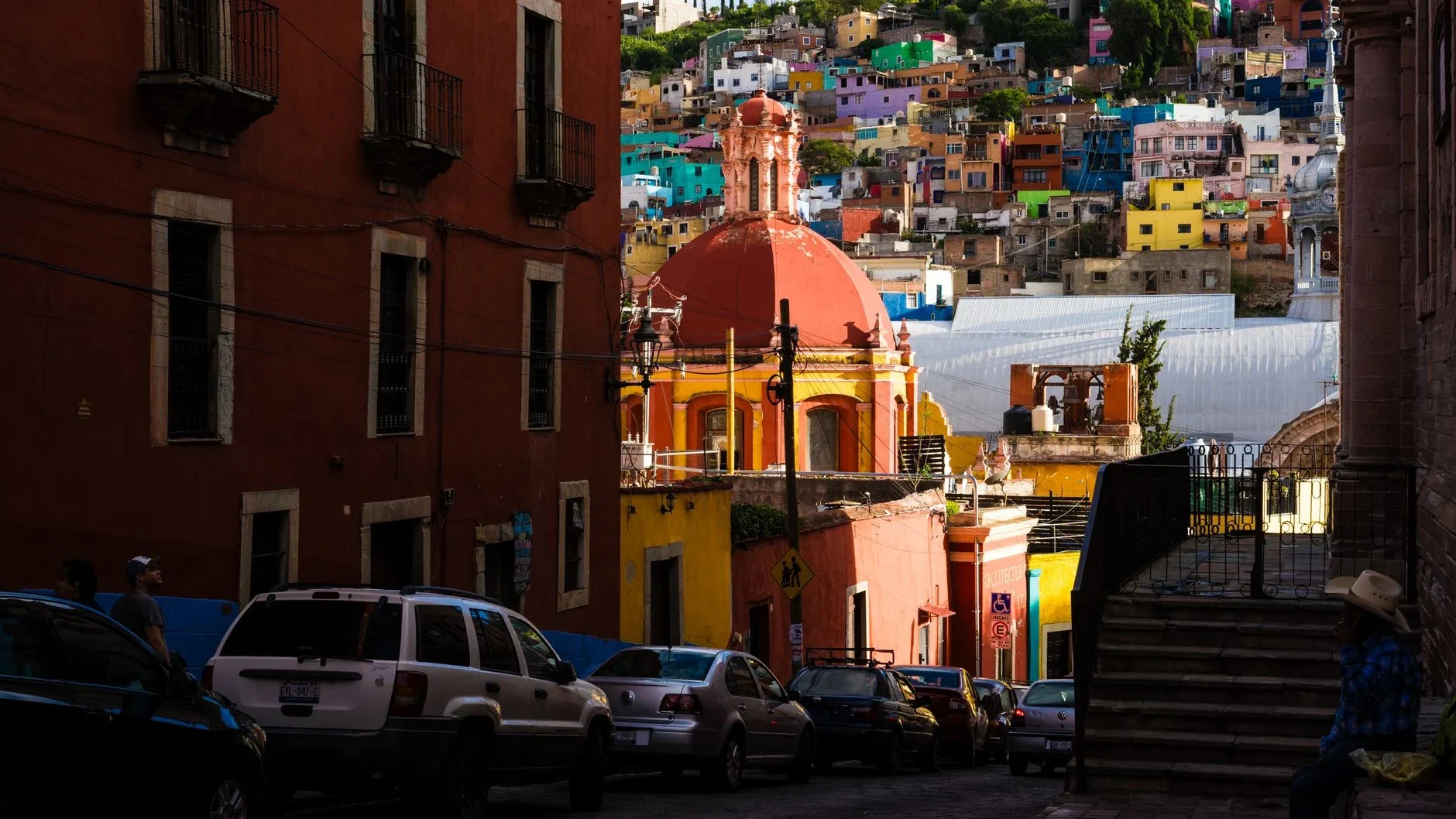
The Influence of Local Art and Culture on Travel Experiences

Travel is often seen as an escape, a chance to see new places and try new things. Yet, for many, the most profound journeys are those that connect them deeply with the heart and soul of a destination. This connection is most vividly forged through the vibrant tapestry of local art and culture.
The influence of local art and culture on travel experiences is immense, transforming a simple visit into an immersive adventure. It moves beyond mere sightseeing, inviting travelers to understand the stories, traditions, and spirit of a community. From ancient crafts to contemporary performances, these elements enrich every moment of a trip, leaving lasting impressions and fostering a deeper appreciation for the world’s diverse heritage.

The Essence of Cultural Immersion

Beyond Sightseeing: A Deeper Connection

True travel goes beyond checking off landmarks from a list. It involves stepping into the daily life of a place, understanding its rhythms, and feeling its pulse. Engaging with local art and culture allows travelers to move past the surface and delve into the authentic essence of a destination. It’s about experiencing, not just observing.
For instance, attending a traditional ceremony or participating in a local festival offers a firsthand glimpse into a community’s values and beliefs. These experiences create a unique bond, making the traveler feel less like an outsider and more like a temporary resident, fostering a sense of belonging and mutual respect.
Read Also : Cultural Etiquette Tips for International Travel
Understanding Local Identity Through Art
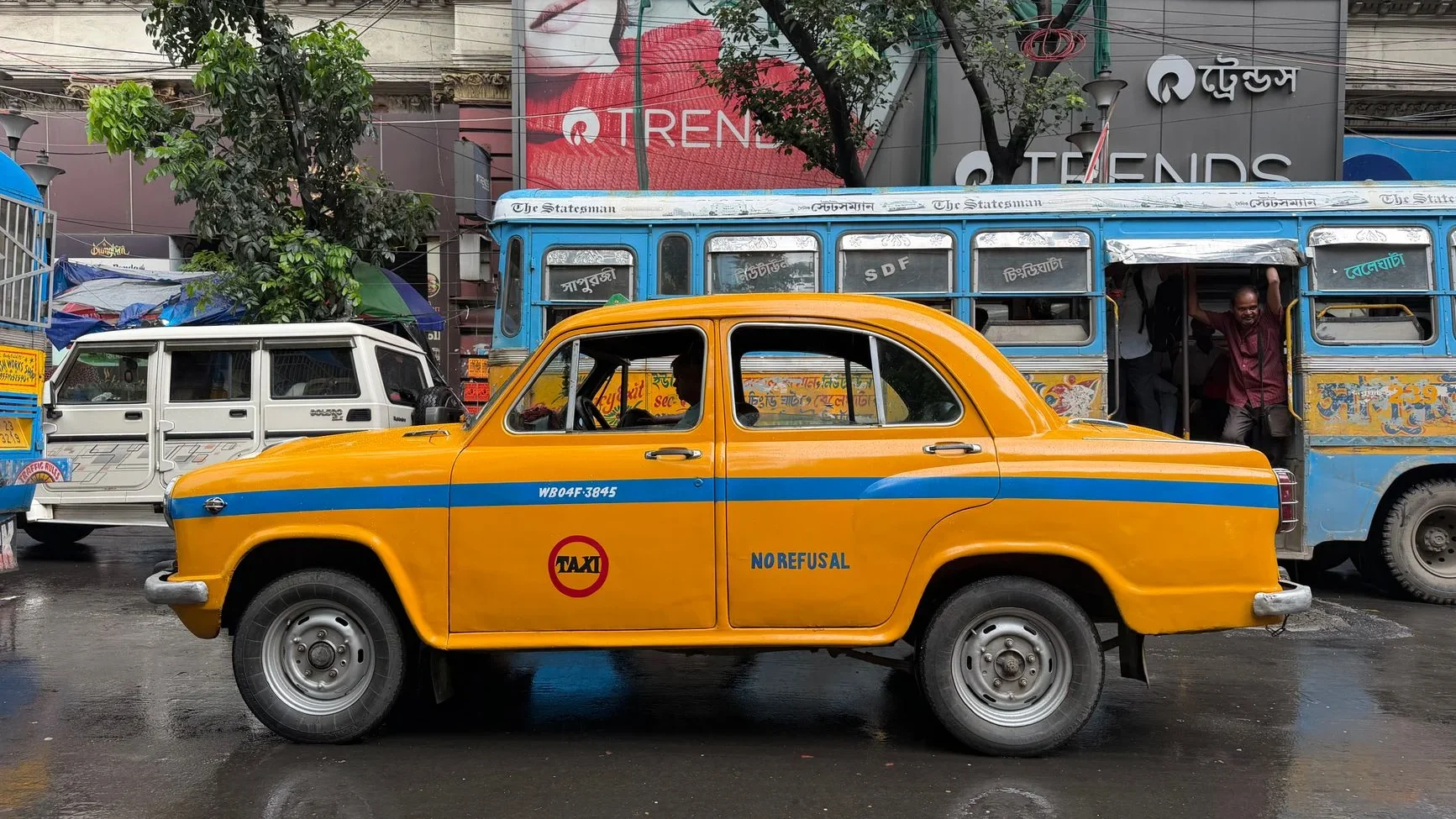
Art, in all its forms, is a powerful mirror reflecting a community’s identity, history, and aspirations. Whether it’s the intricate patterns of a textile, the poignant lyrics of a folk song, or the bold strokes of a mural, local art communicates narratives that words alone cannot fully capture. It tells stories of triumph, struggle, joy, and sorrow.
By exploring local art, travelers gain insights into what makes a place unique. They learn about historical events, social structures, and the creative spirit that defines a region. This understanding enriches the travel experience, adding layers of meaning to every sight and sound.

The Role of Tradition in Travel
Traditions are the living heritage of a culture, passed down through generations. They encompass rituals, customs, and practices that shape daily life and special occasions. When travelers engage with these traditions, they are participating in a continuous narrative that stretches back centuries.
Consider the tradition of a communal meal or a specific artisan technique. By participating in a cooking class focused on traditional recipes or visiting a workshop where age-old crafts are still practiced, travelers not only learn new skills but also connect with the historical continuity of a place. This interaction provides a tangible link to the past, making the travel experience more profound and memorable.
Read Also : Cheapest Countries to Visit in [apc_current_year] - Budget Guide
Visual Arts: A Window to the Soul of a Place
Street Art and Murals: Public Galleries
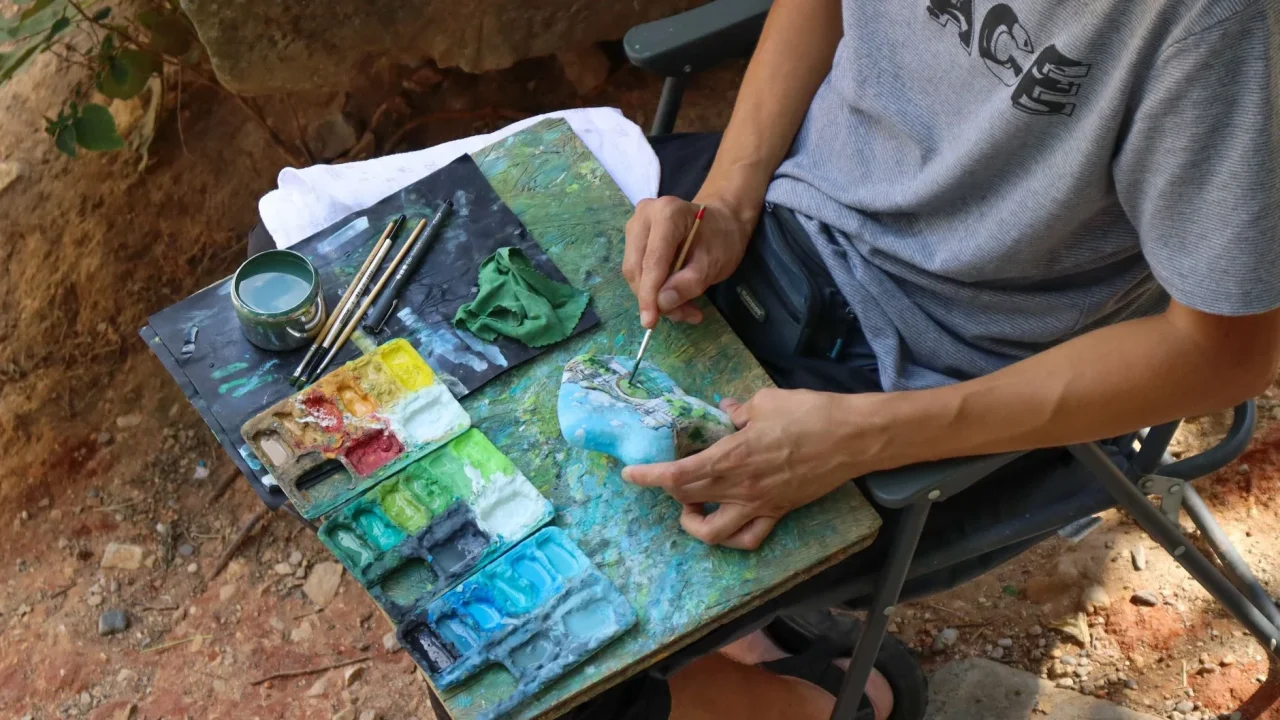
In many cities around the world, streets have become dynamic canvases, showcasing vibrant street art and elaborate murals. These public art forms often reflect current social issues, historical events, or local folklore, acting as informal galleries accessible to everyone. They offer an immediate, unfiltered look into the contemporary pulse of a community.
Wandering through neighborhoods adorned with such art allows travelers to discover hidden stories and local perspectives that might not be found in guidebooks. It’s a spontaneous and often powerful way to experience the creative spirit and political consciousness of a destination.
Galleries and Museums: Curated Narratives
Beyond the streets, formal galleries and museums provide carefully curated collections that delve deep into a region’s artistic heritage. These institutions house masterpieces, historical artifacts, and contemporary works that illustrate the evolution of local art. They offer structured narratives, explaining the significance and context behind various art forms.
Read Also : How to Travel the World on a Budget [apc_current_year]
Visiting these spaces is crucial for understanding the historical trajectory and stylistic developments of local art. It allows travelers to appreciate the craftsmanship, symbolism, and cultural importance of pieces, often with expert commentary or audio guides that enhance the learning experience.
Handicrafts and Artisanal Creations: Tangible Memories
Local handicrafts, from intricate pottery to hand-woven textiles and carved wooden figures, are more than just souvenirs; they are embodiments of cultural identity and skill. Each piece tells a story of the artisan, their community, and the materials used. They represent traditional techniques passed down through generations.
Purchasing these artisanal creations directly from local makers not only provides travelers with unique, meaningful mementos but also supports local economies and helps preserve traditional crafts. These items serve as tangible reminders of the cultural richness encountered during the journey, carrying the spirit of the place home.
Performing Arts: The Rhythms and Stories of a Destination

Read Also : Solo Travel Destinations for Beginners [apc_current_year]
Traditional Music and Dance: Live Expressions
Music and dance are universal languages that transcend barriers, offering direct access to the emotional core of a culture. Traditional performances, whether it’s the rhythmic drumming of Africa, the graceful ballet of Southeast Asia, or the soulful folk songs of Europe, are live expressions of heritage, beliefs, and community spirit. They often depict historical events, mythological tales, or everyday life.
Attending a live performance is an immersive sensory experience that deeply impacts travel. The energy, the costumes, the movements, and the sounds combine to create an unforgettable spectacle that reveals the vibrant heart of a culture. It’s an opportunity to witness stories unfold through movement and melody.
Theater and Storytelling: Echoes of History
Theater and storytelling traditions are vital components of local culture, preserving oral histories, legends, and moral lessons. From elaborate classical plays to intimate puppet shows or spontaneous storytelling circles, these art forms connect audiences with the collective memory of a people. They often explore themes relevant to the local context, offering profound insights.
Engaging with local theater or storytelling allows travelers to hear the voices of a culture, understand its humor, its tragedies, and its heroes. These experiences provide a deeper understanding of the local psyche and the narratives that have shaped its identity over centuries.
Read Also : Engaging Locals: Discover True Urban Life
Festivals and Celebrations: Community in Motion
Festivals are perhaps the most vibrant and accessible displays of local art and culture. They are periods of heightened artistic expression, communal gathering, and celebration, often tied to religious, historical, or seasonal events. During festivals, entire communities come alive with music, dance, parades, special foods, and traditional attire.
Participating in a local festival offers a unique opportunity to witness the full spectrum of a culture’s artistic and social traditions in action. It’s an overwhelming yet exhilarating experience that showcases the unity and creative spirit of a community, creating truly unforgettable travel memories.
Culinary Arts: A Taste of Local Heritage
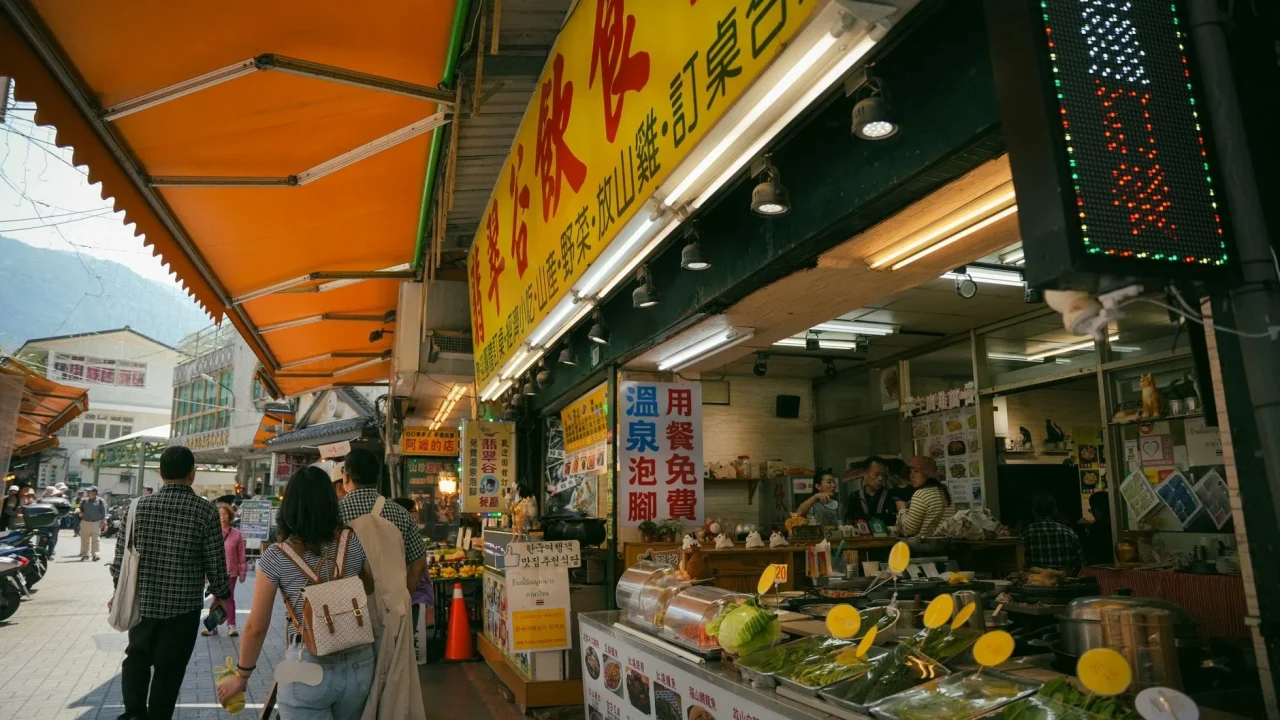
Food as Cultural Expression
Food is much more than sustenance; it is a powerful form of cultural expression. Every dish tells a story of local ingredients, historical influences, and culinary traditions passed down through generations. The way food is prepared, served, and eaten reflects a community’s values, social customs, and connection to its land.
Read Also : How to Start Planning a Trip: Your Ultimate Guide
Exploring local cuisine allows travelers to taste the history and geography of a place. From street food vendors to fine dining establishments, each meal offers a sensory journey into the heart of a culture, revealing its unique flavors and culinary philosophy.
Cooking Classes and Market Visits: Hands-On Learning
To truly understand a culture’s culinary arts, hands-on engagement is invaluable. Participating in a local cooking class provides an interactive way to learn about traditional ingredients, cooking techniques, and the cultural significance of various dishes. It’s a practical skill that connects travelers directly with local practices.
Coupled with visits to local markets, where travelers can see and select fresh, seasonal produce and regional specialties, these experiences offer a comprehensive insight into the food ecosystem of a destination. They foster a deeper appreciation for the effort and artistry involved in local cuisine.
Dining Etiquette and Shared Meals: Social Bonds
The act of eating is often a communal and social experience, governed by specific etiquette and traditions. Understanding local dining customs, such as how to properly use chopsticks, the significance of sharing dishes, or the appropriate toasts, enhances the dining experience and shows respect for the local culture.
Read Also : Discover Instagrammable Beautiful Places Worldwide
Sharing a meal with locals, whether in a family home or a community setting, is one of the most intimate ways to experience culture. These shared moments foster genuine connections, allowing for conversations and exchanges that go beyond tourist interactions, creating lasting social bonds and memories.
Architectural Marvels: Structures Telling Tales
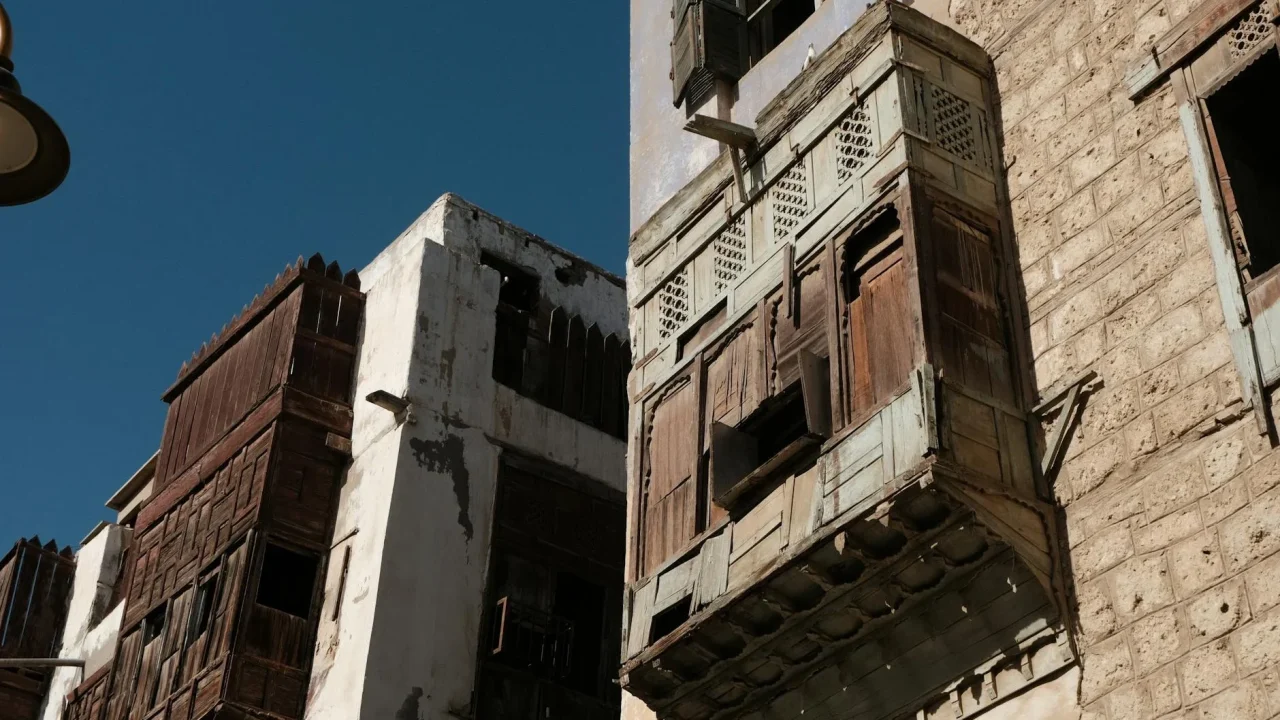
Historical Buildings: Echoes of the Past
Architecture stands as a monumental form of art, with historical buildings serving as tangible echoes of a bygone era. From ancient temples and majestic castles to colonial mansions and traditional village homes, each structure reflects the technological capabilities, aesthetic preferences, and societal values of its time. They tell stories of power, faith, and daily life.
Exploring these architectural marvels allows travelers to walk through history, appreciating the craftsmanship and design principles that shaped a civilization. These buildings are not just static structures; they are living testaments to the cultural evolution and artistic prowess of a region.
Modern Interpretations: Blending Old and New
Read Also : Your Ultimate Travel Planning Guide for Beginners
Contemporary architecture often draws inspiration from local traditions, blending historical elements with modern design. This fusion creates unique urban landscapes that reflect a culture’s ongoing dialogue between its past and its future. Modern buildings can reinterpret traditional motifs, materials, or spatial arrangements in innovative ways.
Observing how modern architects incorporate local sensibilities into their designs offers insights into a culture’s adaptability and its commitment to preserving identity while embracing progress. It showcases the dynamic nature of local art and culture, continuously evolving yet rooted in heritage.
Sacred Spaces: Spiritual and Cultural Hubs
Temples, mosques, churches, and other sacred spaces are often the pinnacle of local architectural and artistic expression. These buildings are not only places of worship but also cultural hubs, adorned with intricate carvings, vibrant frescoes, and symbolic designs that convey deep spiritual and philosophical meanings. They are centers of community life and artistic patronage.
Visiting these sacred sites, with respect and awareness of their significance, provides a profound understanding of the spiritual dimensions of a culture. The art and architecture within these spaces offer a powerful visual narrative of faith, history, and the collective devotion of a people, enriching the travel experience with a sense of awe and contemplation.
Language and Literature: Unlocking Deeper Meanings
Read Also : Trip Planning Advice for Novices: Your Ultimate Guide
Basic Phrases: Bridging Communication Gaps
Language is the ultimate expression of culture. Learning even a few basic phrases in the local language—such as “hello,” “thank you,” or “please”—can significantly enhance travel experiences. These small gestures demonstrate respect and a willingness to engage, often opening doors to warmer interactions with locals. It shows an effort to connect beyond mere transaction.
Such efforts can lead to more authentic encounters, from receiving genuine smiles to being offered help or advice that might not be extended to those who make no attempt to communicate. It bridges the initial gap and fosters a sense of camaraderie.
Local Stories and Legends: Oral Traditions
Every culture possesses a rich tapestry of stories, legends, and myths that have been passed down orally through generations. These narratives often explain natural phenomena, impart moral lessons, celebrate heroes, or recount historical events. They are foundational to a culture’s identity and worldview.
Seeking out opportunities to hear these local stories, perhaps from an elder, a local guide, or at a cultural center, offers a captivating way to understand the collective imagination and values of a people. These tales provide context for local customs and beliefs, making the cultural landscape more vivid and meaningful.
Read Also : First Time Traveler Tips: Your Ultimate Guide to Adventure
Literary Works: Insights into the Local Psyche
For those who enjoy reading, delving into the literature of a destination before or during a trip can provide unparalleled insights into its local art and culture. Novels, poetry, and historical accounts written by local authors offer perspectives, emotions, and descriptions that only an insider can truly provide. They explore the nuances of daily life, social structures, and individual experiences.
Reading local literature enriches the travel experience by giving a deeper understanding of the local psyche, historical context, and societal dynamics. It allows travelers to connect with the intellectual and emotional landscape of a place, making their physical journey resonate on a more profound level.
Ethical Engagement: Respecting Local Culture
Supporting Local Artists and Artisans
A crucial aspect of experiencing local art and culture ethically is to actively support the creators. When purchasing art or handicrafts, prioritize buying directly from local artists, cooperatives, or fair-trade shops rather than mass-produced items from anonymous sources. This ensures that the financial benefits flow back into the community and directly support the livelihoods of those who keep traditions alive.
Supporting local artists not only helps sustain cultural heritage but also encourages the continuation of traditional skills and innovative artistic expressions. It’s a direct way to contribute positively to the local economy and culture.
Mindful Interaction with Communities
Engaging with local communities requires mindfulness and respect. This includes being aware of local customs, dress codes, and social etiquette. Asking for permission before taking photographs of people, especially in indigenous communities, is essential. Being open to learning and adapting to local ways, rather than expecting locals to conform to your norms, fosters positive interactions.
Mindful interaction means approaching cultural exchanges with humility and curiosity. It’s about being a respectful guest, listening more than speaking, and valuing the unique perspectives and lifestyles of the people you encounter.
Preserving Cultural Heritage
Travelers have a role in preserving the cultural heritage they come to experience. This involves respecting historical sites, natural environments, and cultural artifacts. Avoid touching ancient structures, taking souvenirs from historical sites, or contributing to activities that exploit local culture or wildlife.
Educate yourself on responsible tourism practices and choose tour operators and accommodations that demonstrate a commitment to cultural preservation and community benefit. Your choices as a traveler can have a significant impact on the long-term sustainability of local art and culture.
Practical Steps to Embrace Local Art and Culture
Research Before You Go
Preparation is key to unlocking the full potential of local art and culture. Before your trip, research the destination’s history, major artistic movements, traditional crafts, and upcoming cultural events or festivals. Look for local artists, musicians, and cultural centers that you might want to visit. Many destinations have official tourism websites or cultural institutes that provide this information.
This preliminary research allows you to create an itinerary that incorporates meaningful cultural experiences, ensuring you don’t miss out on unique opportunities and arrive with a foundational understanding of what to expect.
Seek Out Local Guides and Experiences
While guidebooks offer general information, local guides provide invaluable insights and personal connections. Hiring a local guide, especially one specializing in art or cultural tours, can lead you to hidden gems, introduce you to local artisans, and offer authentic interpretations of cultural practices. They can share personal stories and local perspectives that enrich your understanding.
Similarly, look for experiences offered by locals, such as homestays, cooking classes in private homes, or workshops led by traditional craftspeople. These interactions often provide the deepest and most memorable cultural immersion.
Be Open and Observant
Perhaps the most important step is to cultivate an open mind and a keen sense of observation. Be willing to step outside your comfort zone, try new things, and engage with experiences that may be unfamiliar. Pay attention to the details—the colors, sounds, smells, and textures that define a place. Observe how locals interact with each other and their environment.
Allow yourself to be present in the moment and absorb the atmosphere. Sometimes, the most profound cultural insights come from simply sitting in a local cafe, watching street life unfold, or striking up a conversation with a shopkeeper. Embrace the unexpected and let the destination reveal itself to you.
The Lasting Impact on Travel Experiences
Transformative Journeys and Personal Growth
The influence of local art and culture on travel experiences extends far beyond the duration of the trip. Engaging deeply with a destination’s cultural fabric can be a transformative journey, fostering personal growth and broadening one’s worldview. It challenges preconceptions, encourages empathy, and cultivates a greater understanding of global diversity. Travelers return home not just with souvenirs, but with new perspectives and a richer appreciation for humanity’s varied expressions.
These experiences often lead to a profound sense of connection with the world, encouraging a more conscious and respectful approach to future travels. The memories forged through cultural immersion are often the most cherished and impactful, shaping one’s character long after the journey ends.
Creating Authentic Memories
In an age of increasingly homogenized travel experiences, the pursuit of local art and culture offers a pathway to truly authentic memories. These are not just fleeting moments captured on a camera, but deeply felt experiences that resonate with the soul. From the taste of a traditional dish prepared by a local family to the rhythm of a folk dance performed in a village square, these moments are unique and irreplaceable.
Authentic memories are built on genuine interaction and immersion, providing a sense of having truly connected with a place and its people. They are the stories you tell for years to come, the feelings that linger, and the insights that continue to inspire.
Becoming a Cultural Ambassador
When travelers genuinely engage with local art and culture, they often become informal cultural ambassadors upon their return. They share their experiences, stories, and newfound knowledge with friends, family, and wider communities. This sharing helps to dispel stereotypes, promote cross-cultural understanding, and inspire others to explore the world with similar curiosity and respect.
By appreciating and advocating for the preservation of diverse cultures, these travelers contribute to a global network of cultural exchange. Their journey transcends personal enjoyment, becoming a catalyst for greater appreciation and protection of the world’s rich artistic and cultural heritage.
Conclusion
The influence of local art and culture on travel experiences is undeniable and profound. It transforms ordinary trips into extraordinary journeys, offering rich layers of meaning, connection, and personal growth. By actively seeking out and engaging with a destination’s visual arts, performing arts, culinary traditions, architecture, and language, travelers move beyond superficial sightseeing to achieve genuine cultural immersion.
These deeper interactions not only create authentic, lasting memories but also foster a greater understanding and appreciation for the world’s diverse heritage. Ethical engagement, support for local artisans, and mindful interaction ensure that these cultural treasures are preserved for future generations, making every journey a contribution to global understanding.
Ultimately, embracing local art and culture allows travelers to connect with the very soul of a place, returning home enriched, enlightened, and with a renewed sense of wonder for the human experience. It is the key to truly meaningful and transformative travel.
FAQ
The main benefit is achieving a deeper, more authentic connection with a destination. It transforms travel from mere sightseeing into an immersive experience, fostering personal growth, broadening perspectives, and creating more meaningful and memorable moments than traditional tourism alone.
You can find authentic experiences by researching before you go, seeking out local guides, visiting community cultural centers, attending local festivals, exploring markets, and looking for workshops or classes led by local artisans. Websites like Airbnb Experiences or local tourism boards often list such opportunities.
Not necessarily. While some experiences like private tours or specialized workshops might have a cost, many cultural experiences are free or very affordable. Walking through street art districts, attending public festivals, visiting local markets, or simply observing daily life are often free and provide rich cultural insights.
To ensure respect, research local customs and etiquette beforehand, dress appropriately, ask for permission before taking photos of people, support local businesses and artisans directly, and be open-minded and polite in your interactions. Always approach cultural differences with humility and a willingness to learn.
Absolutely. For many travelers, the allure of unique local art forms, vibrant cultural festivals, or distinctive culinary traditions becomes a primary motivator for choosing a destination. Engaging with these elements can transform a trip from a generic vacation into a culturally focused adventure, significantly influencing where and how you choose to explore the world.


Popular Posts


Embracing Spiritual Growth Through Travel and Exploration
Travel is more than just seeing new places; it's a profound journey into oneself. This article explores how embracing travel and exploration can significantly contribute to your spiritual growth, offering unique perspectives and transformative experiences.