Solo Travel Destinations for Beginners 2026
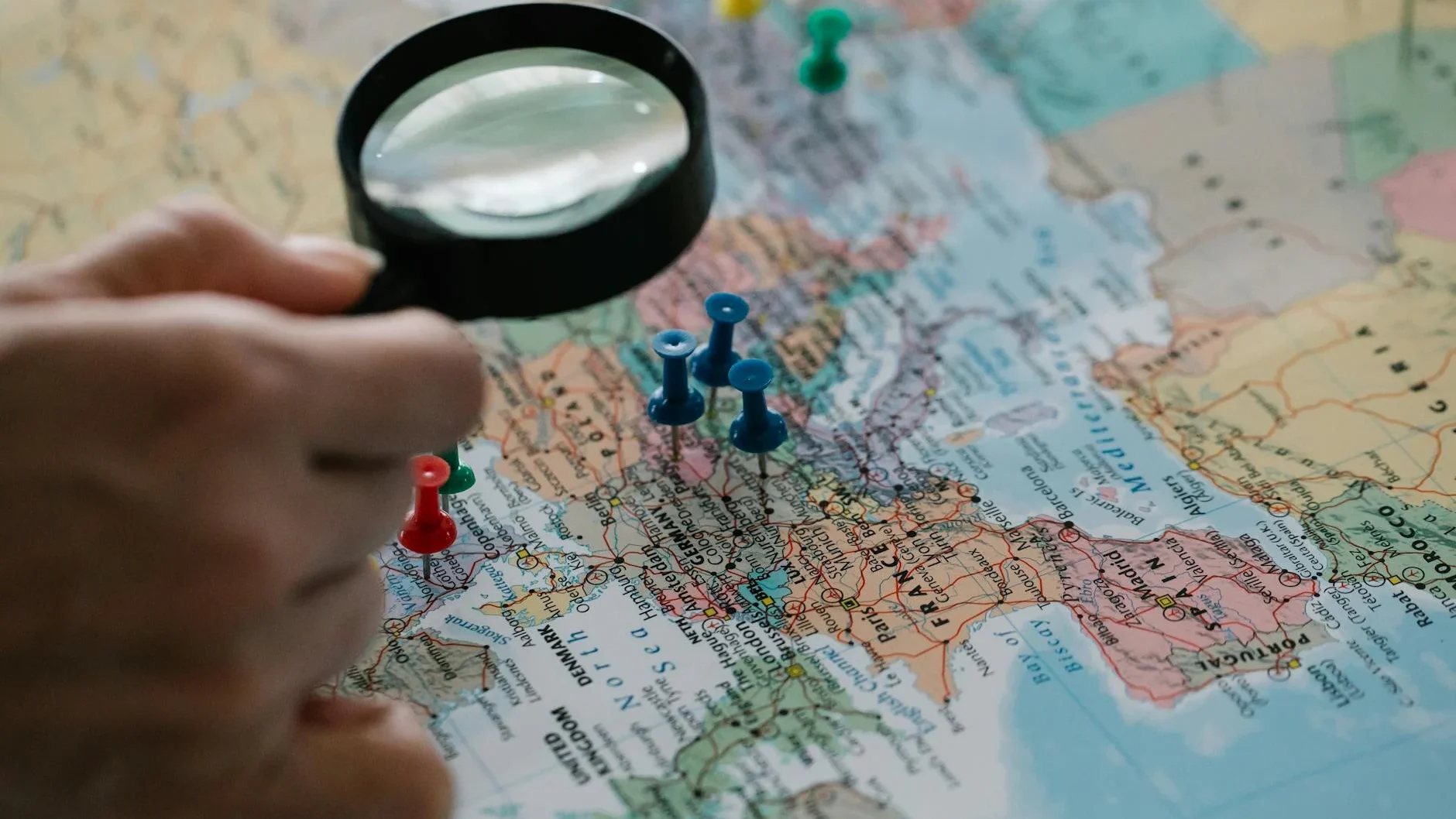
Embarking on a solo travel adventure can be one of the most rewarding experiences of your life. It offers unparalleled freedom, the chance for deep self-discovery, and the opportunity to truly immerse yourself in new cultures without compromise. However, for many, the idea of traveling alone for the first time can feel daunting, sparking questions about safety, logistics, and where to even begin.
This comprehensive guide is designed specifically for aspiring solo travelers, helping you navigate the world of independent exploration. We’ll uncover some of the best solo travel destinations for beginners, focusing on places known for their safety, welcoming atmosphere, and ease of navigation. Get ready to swap your worries for wonder as we explore ideal locations to kickstart your solo journey in 2026.
Why Choose Solo Travel?
The decision to travel solo is often driven by a desire for personal growth and an escape from the routines of daily life. It’s an opportunity to step outside your comfort zone and see the world through your own eyes, at your own pace. Many solo travelers report a profound sense of accomplishment and increased confidence after their journeys.
Freedom and Flexibility
One of the most appealing aspects of solo travel is the absolute freedom it offers. You set your own itinerary, choose your dining spots, and decide how long to linger at a particular attraction. There’s no need to compromise or accommodate anyone else’s preferences, allowing you to tailor every moment of your trip to your personal desires.
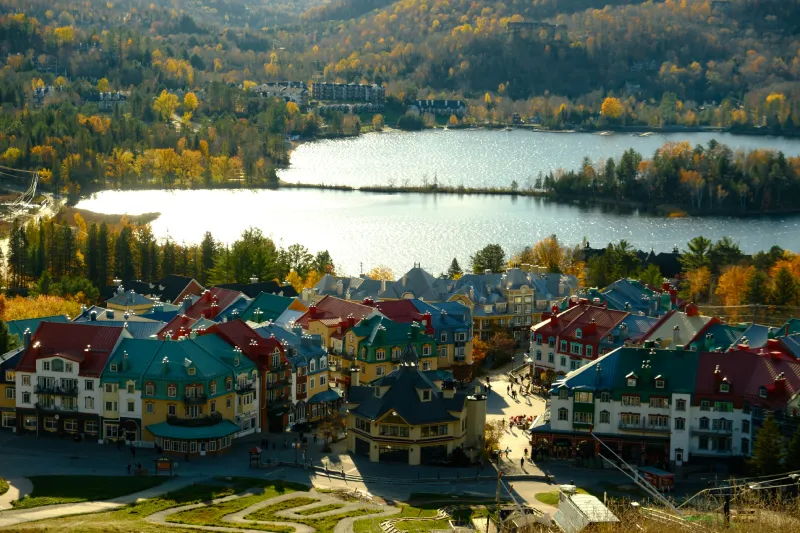
This flexibility extends to spontaneous decisions as well. Want to spend an extra day exploring a charming village? Or perhaps detour to a hidden beach you just heard about? Solo travel makes these spur-of-the-moment changes not only possible but often the highlight of the trip, leading to unexpected adventures and discoveries.
Personal Growth and Self-Discovery
Traveling alone pushes you to rely on yourself, fostering independence and problem-solving skills. You’ll learn to navigate unfamiliar places, communicate with people from different backgrounds, and overcome challenges on your own. This process often leads to significant personal growth, helping you understand your strengths and limitations.
Beyond practical skills, solo travel provides ample time for introspection. Without the constant chatter of companions, you have the space to reflect, process thoughts, and truly connect with yourself. Many return from solo trips with a clearer sense of purpose, renewed perspective, and a deeper understanding of who they are.
Meeting New People
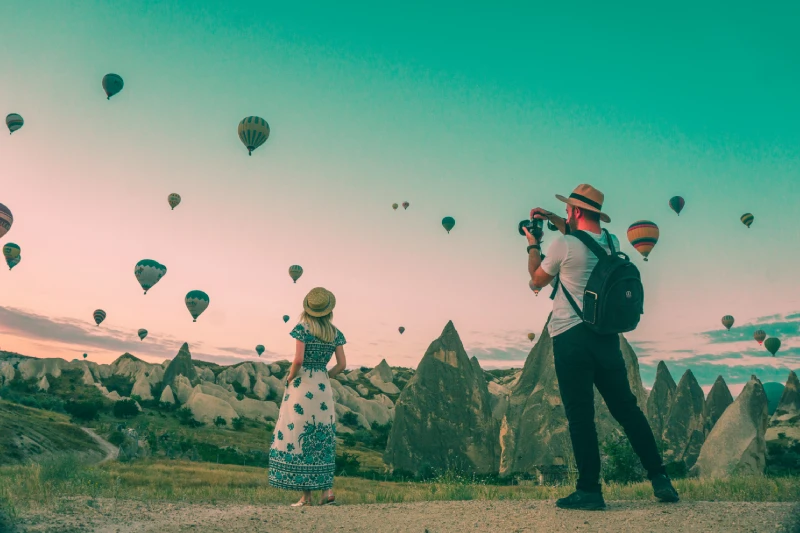
Paradoxically, traveling alone can make you more approachable and open to meeting new people. When you’re not preoccupied with companions, you’re more likely to strike up conversations with locals, fellow travelers, and even other solo adventurers. This can lead to enriching cultural exchanges and lasting friendships.
Hostels, group tours, and local workshops are excellent venues for connecting with others. You’ll find a strong sense of camaraderie among solo travelers, often sharing tips, stories, and even parts of their journeys together. These interactions can significantly enhance your travel experience, adding layers of connection and shared joy.
Key Considerations for Beginner Solo Travelers
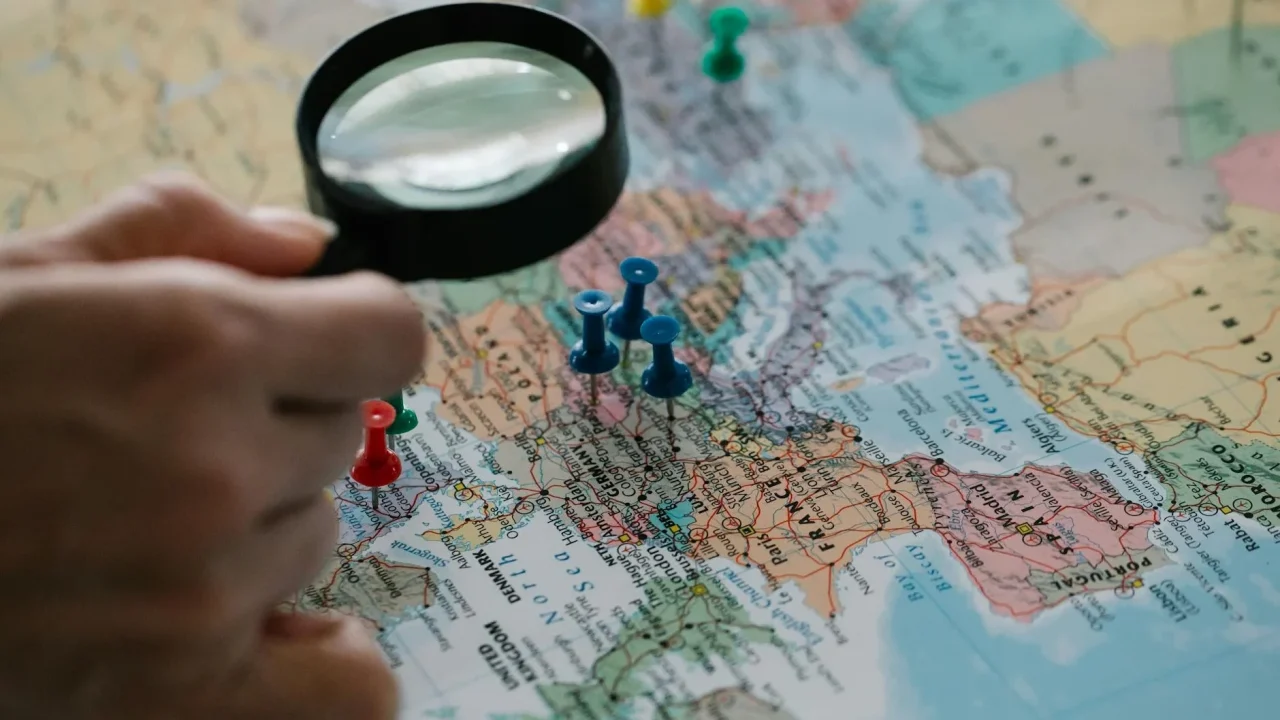
Before packing your bags, it’s essential to consider what makes a destination suitable for a first-time solo traveler. Factors like safety, ease of getting around, and overall cost play a crucial role in ensuring a positive experience. A well-chosen destination can make all the difference in building your confidence.
Read Also : Solo Travel Tips for Beginners: Your Ultimate Guide
Safety and Security
For beginners, choosing a destination with a low crime rate and a reputation for being welcoming to tourists is paramount. Researching local customs and common scams can also help you feel more secure. Look for countries with stable political environments and reliable emergency services.
Online forums and travel blogs often provide up-to-date information on safety concerns in specific regions. Always trust your gut feeling; if a situation feels unsafe, it’s best to remove yourself from it. Being aware of your surroundings and taking sensible precautions are key to a secure solo trip.
Ease of Navigation
Destinations with well-developed public transportation systems, clear signage (especially in English), and accessible tourist information centers are ideal for solo beginners. The less time you spend figuring out logistics, the more time you have to enjoy your adventure.
Cities where walking or biking is common, and where ride-sharing apps are readily available, can also simplify getting around. Having reliable internet access for maps and translation apps is another big plus. The goal is to minimize stress and maximize exploration.
Budget-Friendliness
Solo travel can sometimes be more expensive than group travel, as you bear all costs yourself. Choosing destinations where your money stretches further can significantly reduce financial stress. This allows you to enjoy more experiences without constantly worrying about your budget.
Countries known for affordable accommodation, food, and activities are excellent choices. Consider the cost of flights, visas, and daily expenses when planning your trip. Being mindful of your spending habits and seeking out local markets or free attractions can also help keep costs down.
Southeast Asia: A Welcoming Start
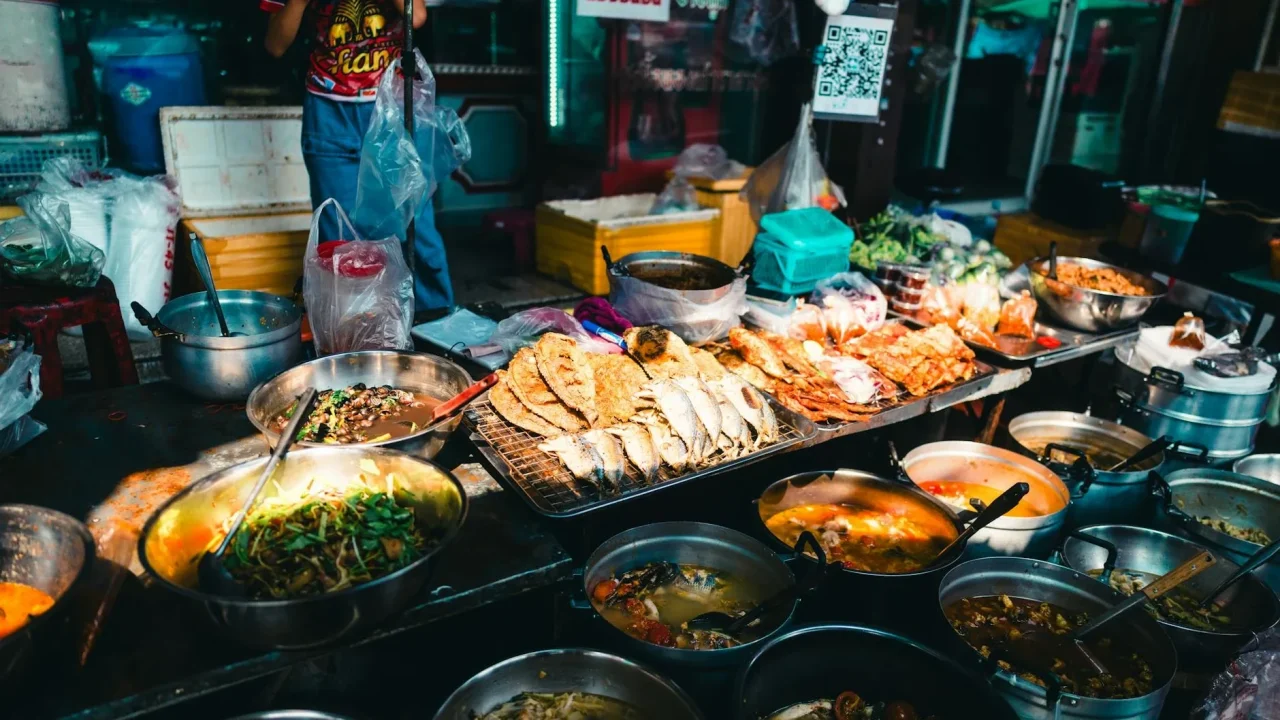
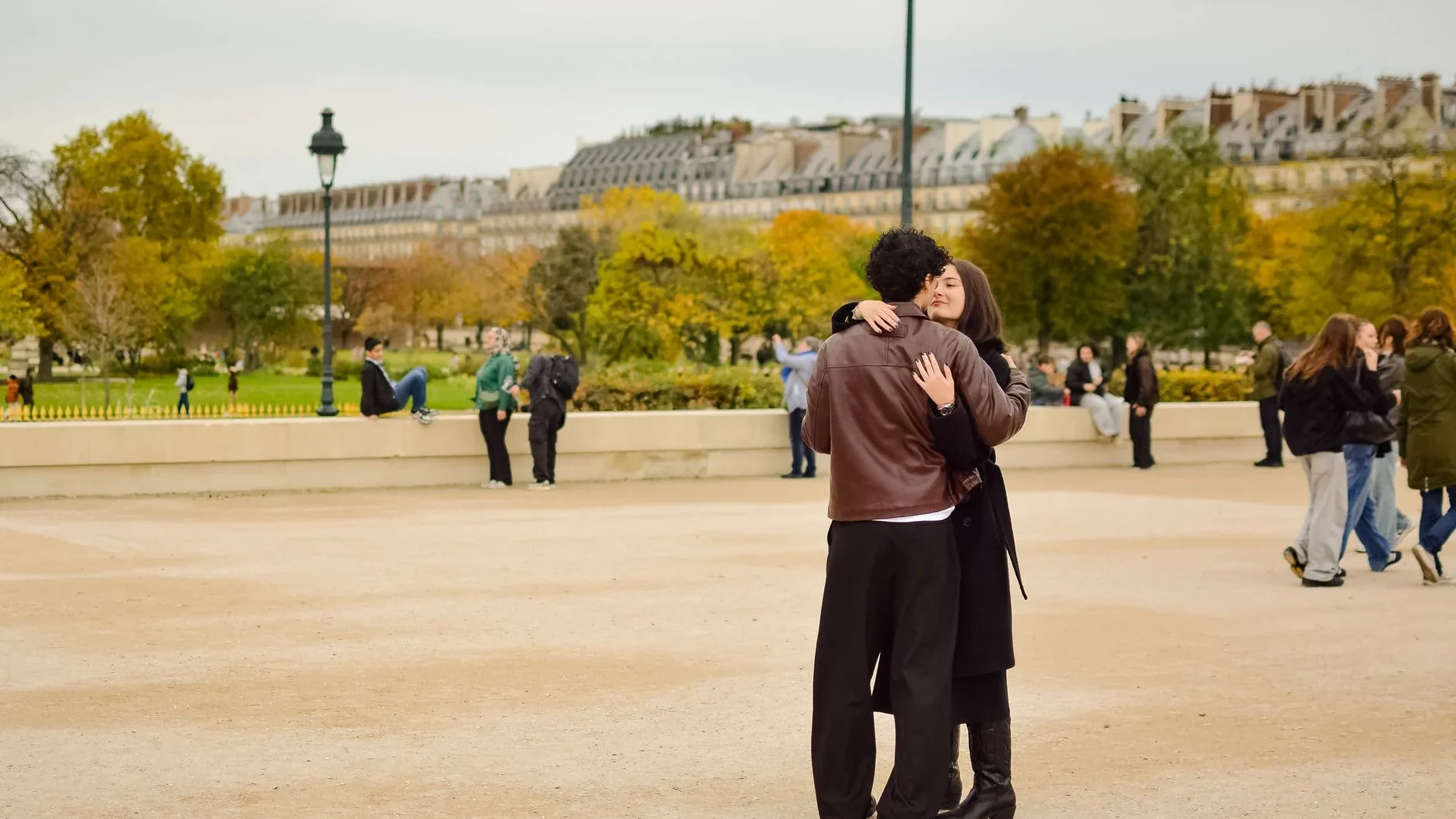
Southeast Asia is consistently ranked among the best regions for solo travelers, especially beginners. It offers an incredible mix of vibrant cultures, stunning landscapes, delicious food, and incredibly friendly locals, all at a relatively affordable price point. The well-established backpacker trail makes it easy to meet other travelers.
Thailand: The Land of Smiles
Thailand is almost synonymous with solo travel for a reason. Its infrastructure for tourism is highly developed, making it incredibly easy to navigate. From the bustling streets of Bangkok to the serene temples of Chiang Mai and the idyllic beaches of the south, there’s something for everyone.
The Thai people are renowned for their hospitality, often earning the country its nickname, “The Land of Smiles.” English is widely spoken in tourist areas, and the food is both delicious and incredibly cheap. It’s a fantastic place to build confidence and meet a diverse range of fellow adventurers.
Vietnam: Rich History and Cuisine
Vietnam offers a captivating journey through history, from the ancient streets of Hoi An to the vibrant energy of Ho Chi Minh City. The country’s stunning natural beauty, including Ha Long Bay and the Mekong Delta, provides endless opportunities for exploration.
Read Also : Safest Countries for Solo Female Travelers [apc_current_year]
Vietnamese cuisine is a highlight, with street food being a delicious and budget-friendly way to experience local culture. The country is safe, and its people are generally very welcoming. Traveling from north to south (or vice-versa) is a popular route, making transportation straightforward and allowing you to see a lot.
Bali, Indonesia: Spiritual Retreat
Bali, often called the “Island of the Gods,” is a spiritual and artistic haven perfect for those seeking a more relaxed solo experience. It’s famous for its lush rice paddies, volcanic mountains, vibrant arts scene, and beautiful beaches. The island has a strong wellness culture, with many yoga retreats and healthy cafes.
While still bustling, Bali offers a gentler pace than some other Southeast Asian destinations. It’s very popular with solo female travelers, known for its friendly locals and sense of community. Accommodation options range from budget-friendly guesthouses to luxurious villas, catering to all types of travelers.
Europe’s Charms for the Solo Explorer
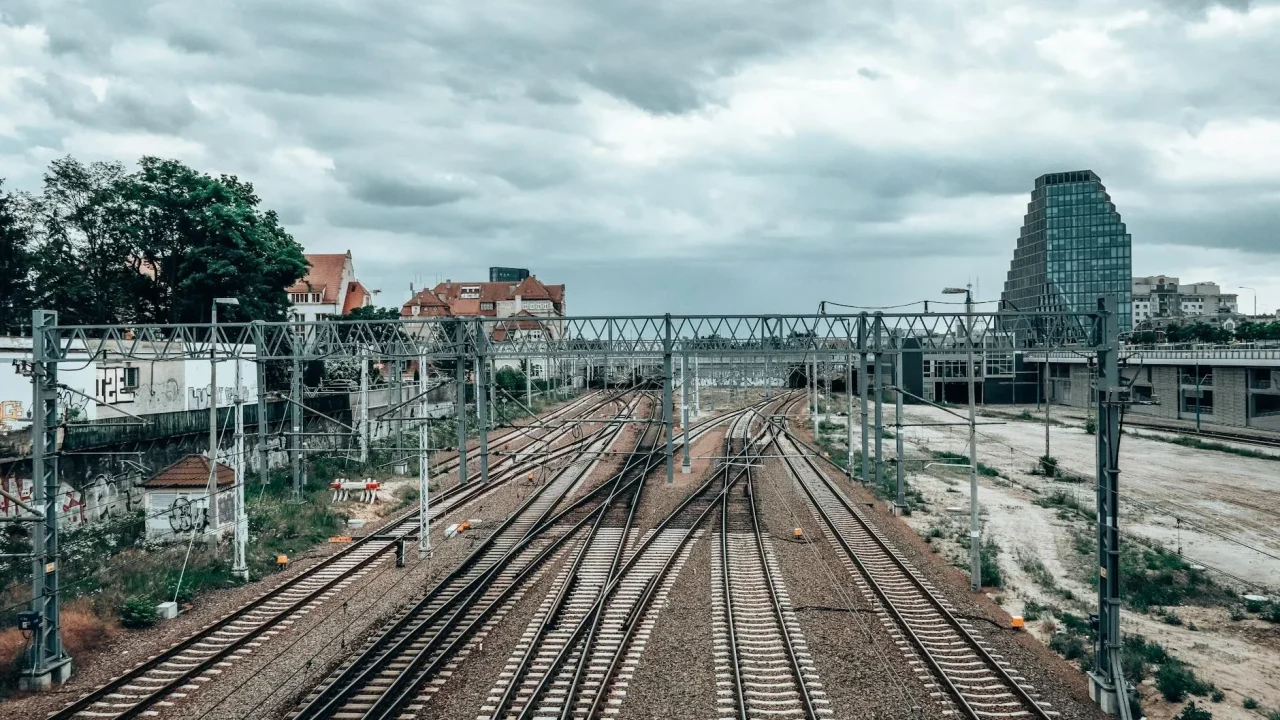
Europe, with its compact geography and efficient transportation networks, is another prime region for solo travel. Its diverse cultures, rich history, and stunning architecture provide an endless array of experiences. Many European cities are incredibly walkable and safe, making them ideal for exploring alone.
Portugal: Affordable and Charming
Portugal stands out as one of Western Europe’s most affordable and welcoming countries. Its capital, Lisbon, is famous for its hilly streets, historic trams, and vibrant Fado music. The country boasts stunning coastlines, delicious seafood, and a relaxed atmosphere.
The Portuguese are generally very friendly, and English is commonly understood in tourist areas. Public transport is excellent, making it easy to travel between cities like Porto, Lisbon, and the Algarve. Its combination of safety, culture, and value makes it a top choice for solo beginners.
Ireland: Green Isles and Friendly Faces
Ireland is renowned for its breathtaking green landscapes, ancient castles, and the legendary warmth of its people. It’s a fantastic destination for solo travelers seeking a blend of history, nature, and lively pub culture. The ease of communication, with English as the primary language, is a significant advantage.
Exploring the Wild Atlantic Way, visiting the Cliffs of Moher, or enjoying a pint in a traditional Dublin pub are all easily done alone. The Irish are known for their hospitality and storytelling, making it easy to strike up conversations and feel at home. Ireland offers a safe and memorable solo adventure.
Iceland: Nature’s Wonderland
While perhaps a bit pricier, Iceland is consistently ranked as one of the safest countries in the world, making it an excellent choice for solo travelers focused on nature. Its otherworldly landscapes, including glaciers, volcanoes, hot springs, and the Northern Lights, offer unique and unforgettable experiences.
Many tours cater to solo travelers, making it easy to explore the Golden Circle or venture further afield. The capital, Reykjavik, is small, walkable, and vibrant. If you’re comfortable with a higher budget and crave stunning natural beauty and extreme safety, Iceland is an incredible option.
Read Also : Beautiful Places for Solo Travel: Discover Your Next Adventure
Oceania: Laid-Back and Friendly
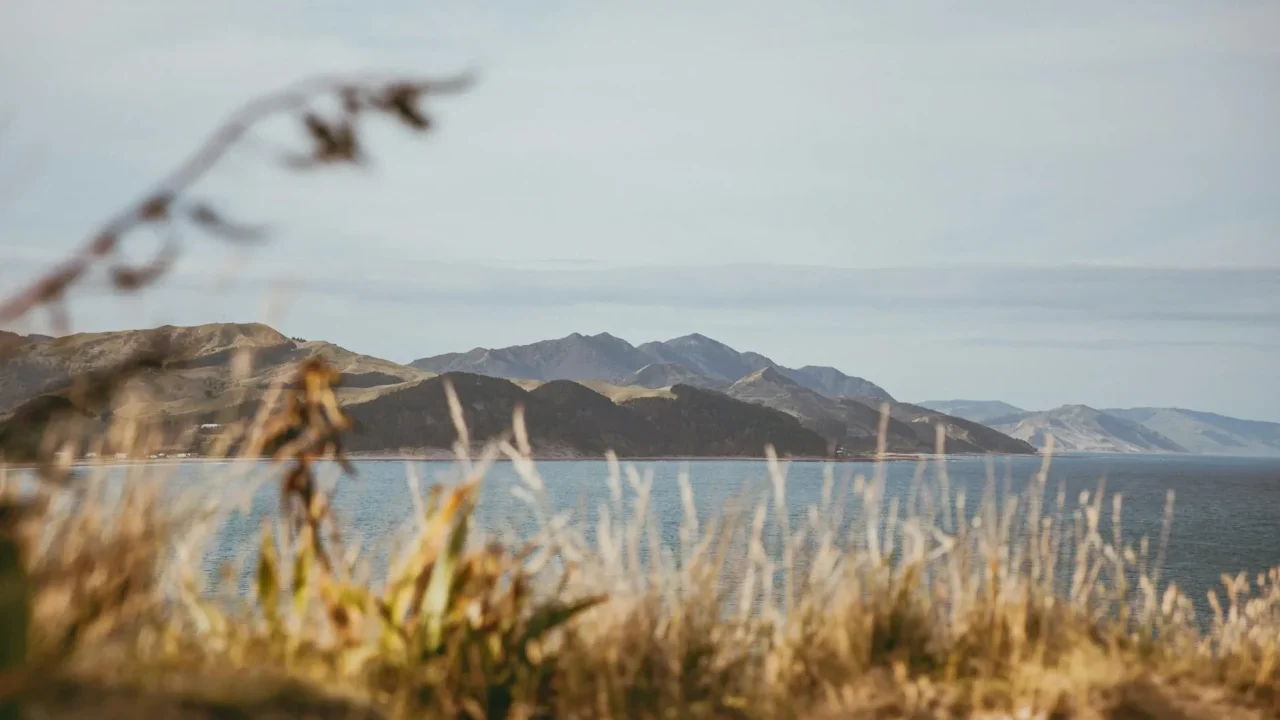
For those seeking adventure with a laid-back vibe, Australia and New Zealand in Oceania offer spectacular scenery, outdoor activities, and incredibly friendly locals. Both countries have excellent infrastructure and are very safe, albeit often requiring a longer travel time to reach.
New Zealand: Adventure Paradise
New Zealand is a dream destination for outdoor enthusiasts and solo adventurers. From the stunning fjords of Milford Sound to the volcanic landscapes of Rotorua and the vibrant city life of Auckland, there’s an endless array of activities. It’s known for its adventure sports, hiking trails, and beautiful national parks.
The country is incredibly safe and easy to navigate, with a strong tourism infrastructure. Many solo travelers opt for campervan rentals to explore the diverse landscapes at their own pace. The friendly “Kiwi” culture ensures a warm welcome, making it easy to connect with locals and other travelers.
Australia: Beaches and Cities
Australia offers a vast and diverse landscape, from the iconic beaches of Sydney and the Great Barrier Reef to the rugged outback. Its major cities like Sydney, Melbourne, and Brisbane are modern, safe, and offer a plethora of cultural and culinary experiences. English is the official language, making communication straightforward.
While distances between attractions can be significant, internal flights and well-established bus networks connect key destinations. Many backpackers travel along the East Coast, making it easy to meet fellow solo travelers in hostels and on tours. Australia promises a vibrant and secure solo journey.
North America: Diverse and Accessible
North America provides a wealth of options for solo travelers, from bustling metropolises to serene natural parks. Its vastness means diverse experiences, and for many, it offers the convenience of shorter travel times and familiar cultural norms.
Canada: Vast Landscapes and Welcoming Cities
Canada is celebrated for its stunning natural beauty, including the Rocky Mountains, vast forests, and picturesque coastlines. Its cities, such as Vancouver, Toronto, and Montreal, are consistently ranked among the safest and most livable in the world, offering a blend of culture, history, and modern amenities.
The Canadian people are known for their politeness and welcoming nature. English and French are official languages, making navigation relatively easy. Whether you’re seeking urban exploration or an outdoor adventure, Canada provides a safe and friendly environment for solo travel.
USA: Iconic Cities and National Parks
The United States offers an incredible variety of landscapes and cultures across its diverse states. Major cities like New York, San Francisco, and Chicago are excellent for solo exploration, with world-class museums, dining, and entertainment. The extensive network of national parks provides breathtaking natural escapes.
While the sheer size of the USA can be daunting, focusing on a specific region or city for your first solo trip makes it manageable. Public transportation varies by city, but ride-sharing apps are widely available. English is dominant, and the country offers countless opportunities for unique solo adventures.
Read Also : Your Ultimate Travel Planning Guide for Beginners
Planning Your First Solo Trip: Step-by-Step
Once you’ve chosen your ideal solo travel destination, the next step is meticulous planning. A well-organized trip can reduce anxiety and ensure a smoother, more enjoyable experience. Don’t underestimate the power of preparation, especially for your first time venturing out alone.
Research and Itinerary Planning
Start by researching your chosen destination thoroughly. Look into local customs, visa requirements, currency, and typical weather patterns. Create a flexible itinerary that includes key attractions but also leaves room for spontaneity. Don’t overschedule yourself; allow time to simply wander and absorb the atmosphere.
Utilize resources like travel blogs, guidebooks, and online forums to gather insights from other solo travelers. Pay attention to recommendations for accommodation, transportation, and activities suitable for individuals. Having a rough plan provides structure without stifling the spirit of adventure.
Budgeting and Saving
Determine your realistic budget by considering flights, accommodation, food, activities, and emergency funds. Solo travel can sometimes incur single supplements, so factor that in. Start saving early and track your expenses to stay within your limits. Look for ways to save money, such as cooking some meals or choosing free attractions.
Having a financial buffer for unexpected expenses is crucial. Consider travel insurance, which can protect you against medical emergencies, trip cancellations, or lost luggage. Being financially prepared will give you peace of mind throughout your journey.
Packing Essentials
Packing light is often recommended for solo travelers, as you’ll be responsible for carrying all your luggage. Create a packing list well in advance, focusing on versatile clothing items, essential toiletries, and any necessary medications. Don’t forget travel adapters, a portable charger, and comfortable walking shoes.
Consider bringing a small first-aid kit, a reusable water bottle, and a reliable backpack. For added security, a money belt or secure cross-body bag is advisable. The goal is to pack smart, ensuring you have everything you need without being burdened by excessive weight.
Accommodation Choices
For solo beginners, hostels are often an excellent choice. They are budget-friendly, offer a social atmosphere, and often organize activities that make it easy to meet other travelers. Look for hostels with good reviews, particularly regarding safety and cleanliness.
Alternatively, guesthouses, boutique hotels, or Airbnb rentals can provide more privacy and comfort. When booking, prioritize locations that are central, well-lit, and close to public transport. Reading recent reviews about safety and solo traveler experiences is always a good practice.
Safety Tips for Solo Travelers
While many destinations are safe for solo travelers, it’s always wise to take precautions. Being prepared and aware can prevent potential issues and ensure your trip remains enjoyable and worry-free. These tips are not meant to scare you, but rather empower you to travel confidently.
Read Also : Trip Planning Advice for Novices: Your Ultimate Guide
Share Your Itinerary
Always share your travel itinerary, including flight details and accommodation bookings, with a trusted family member or friend back home. Check in with them periodically, especially when moving between locations. This provides an extra layer of security and ensures someone knows your whereabouts.
Consider using travel safety apps that can share your location with chosen contacts or have emergency features. In case of an unforeseen event, having someone aware of your plans can be incredibly helpful for your safety and peace of mind.
Stay Aware of Your Surroundings
Be mindful of what’s happening around you, especially in crowded areas or unfamiliar neighborhoods. Avoid walking alone at night in poorly lit or deserted areas. Try to blend in with locals and avoid displaying expensive valuables that might attract unwanted attention.
Limit alcohol consumption, as being intoxicated can make you more vulnerable. Pay attention to local news or advisories about areas to avoid. A heightened sense of awareness is one of your best defenses when traveling solo.
Trust Your Gut
Your intuition is a powerful tool. If a person, situation, or place feels off, trust that feeling and remove yourself from it. Don’t feel obligated to be polite if you sense danger or discomfort. It’s always better to be safe than sorry, even if it means changing your plans.
This applies to interactions with strangers, navigating unfamiliar streets, or choosing transportation. If something doesn’t feel right, it probably isn’t. Prioritize your personal safety above all else.
Secure Your Valuables
Keep your passport, money, and credit cards in a secure, hidden place, such as a money belt or a discreet pouch. Avoid carrying all your cash and cards in one place; divide them among different bags or pockets. Make copies of important documents and store them digitally and physically separate from the originals.
When staying in accommodation, utilize safes or lock your luggage. Be cautious when using ATMs, and always cover your PIN. Taking these steps can significantly reduce the risk of theft and ensure you have backup resources if something goes missing.
Making Friends on the Road
One common concern for solo travelers is loneliness. However, solo travel often presents more opportunities to connect with others than you might expect. Being alone can make you more open and approachable, fostering meaningful interactions and sometimes even lifelong friendships.
Stay in Hostels
Hostels are social hubs for travelers, particularly solo adventurers. They offer dormitory rooms, which are budget-friendly, but also private rooms for those who prefer more solitude. Many hostels have common areas, bars, and kitchens where it’s easy to strike up conversations.
Read Also : First Time Traveler Tips: Your Ultimate Guide to Adventure
Look for hostels that organize social events like pub crawls, cooking classes, or walking tours. These activities are excellent icebreakers and provide structured opportunities to meet fellow travelers with similar interests. Don’t be shy; a simple “Hi, where are you from?” can be the start of a great connection.
Join Group Tours
Even if you’re traveling solo, joining day tours or multi-day excursions can be a fantastic way to meet people. Whether it’s a cooking class, a hiking tour, or a city walking tour, these activities bring together like-minded individuals who are all there to explore and learn. The shared experience naturally fosters conversation.
Many tour companies cater to solo travelers, and you’ll often find a mix of people from different backgrounds. These tours also provide the added benefit of local expertise and hassle-free logistics, allowing you to relax and enjoy the company.
Use Social Apps
In the digital age, various apps can help solo travelers connect. Apps like Meetup, Couchsurfing (for events, not just accommodation), or even specific travel groups on Facebook can help you find local events, fellow travelers, or even meet up with locals for coffee or a meal.
Be cautious and use your best judgment when meeting people through apps, always choosing public places for initial meetings. These tools can be incredibly useful for finding companions for a day trip, a meal, or just a friendly chat, enriching your solo travel experience.
Conclusion
Embarking on your first solo travel adventure is a journey of self-discovery, personal growth, and unparalleled freedom. While the idea might seem daunting at first, choosing one of the many welcoming and safe solo travel destinations for beginners can transform your apprehension into excitement. From the vibrant markets of Southeast Asia to the historic streets of Europe and the natural wonders of Oceania, the world is ready to embrace you.
Remember that careful planning, a focus on safety, and an open mind are your best companions. Research your destination, manage your budget, and be prepared to step outside your comfort zone. Embrace the opportunity to meet new people, try new things, and navigate challenges independently. Each step you take will build your confidence and create memories that last a lifetime.
So, take that leap of faith. The joy of solo travel lies not just in the places you visit, but in the person you become along the way. With this guide, you’re well-equipped to choose your ideal starting point and embark on an unforgettable journey of a lifetime in 2026. Happy travels!
FAQ
Yes, solo travel can be very safe for women, especially when choosing destinations known for their safety and female-friendly atmosphere. Many countries in Europe (e.g., Iceland, Portugal, Ireland) and Southeast Asia (e.g., Thailand, Bali) are popular and safe choices for solo female travelers. Key tips include researching local customs, sharing your itinerary, trusting your intuition, and avoiding walking alone at night in unfamiliar areas.
The cost of a solo trip varies significantly based on the destination, duration, travel style, and your personal spending habits. Generally, Southeast Asia and parts of Eastern Europe tend to be more budget-friendly, while Western Europe, North America, and Oceania can be more expensive. Budgeting for flights, accommodation (hostels vs. hotels), food, activities, transportation, and an emergency fund is crucial. Many solo travelers find ways to save by cooking their own meals, using public transport, and opting for free attractions.
There are many excellent ways to meet people while traveling solo! Staying in hostels with common areas and social events is a top recommendation. Joining group tours (walking tours, cooking classes, adventure excursions) provides shared experiences that naturally lead to conversations. Engaging with locals in cafes or markets, taking a class (like a language or art class), or even using social apps (with caution) can also help you connect with others and make new friends on the road.
For your first solo trip, focus on packing light and smart. Essential items include versatile clothing layers, comfortable walking shoes, a universal travel adapter, a portable power bank, essential toiletries, and any necessary medications. Don't forget copies of important documents (passport, visa), a small first-aid kit, and a reusable water bottle. A secure backpack or cross-body bag is also highly recommended for keeping valuables safe and accessible.
Handling emergencies alone requires preparation. Always have travel insurance, which covers medical emergencies, trip cancellations, and lost luggage. Keep important emergency numbers (local police, embassy, insurance) readily available. Share your itinerary with a trusted contact back home and check in regularly. In case of a medical issue, locate the nearest hospital or clinic. For other emergencies, seek assistance from your accommodation staff, local authorities, or your country's embassy.


Popular Posts


Embracing Spiritual Growth Through Travel and Exploration
Travel is more than just seeing new places; it's a profound journey into oneself. This article explores how embracing travel and exploration can significantly contribute to your spiritual growth, offering unique perspectives and transformative experiences.


