Historic Cities: Unlocking Their Compelling Stories

For centuries, humanity has been drawn to cities that stand as testaments to time, their very foundations steeped in history. These are not merely places with old buildings; they are vibrant narratives, each alleyway and square a page in an ongoing story. From the grandeur of ancient empires to the quiet resilience of everyday life, historic cities offer an unparalleled window into the human experience across generations.
Unlocking the secrets of these captivating urban centers requires more than just visiting landmarks; it demands a deeper engagement with their past, an understanding of the forces that shaped them, and an appreciation for the stories they silently tell. This journey is about listening to the echoes of history, deciphering architectural codes, and connecting with the cultural soul that still beats within their ancient walls.
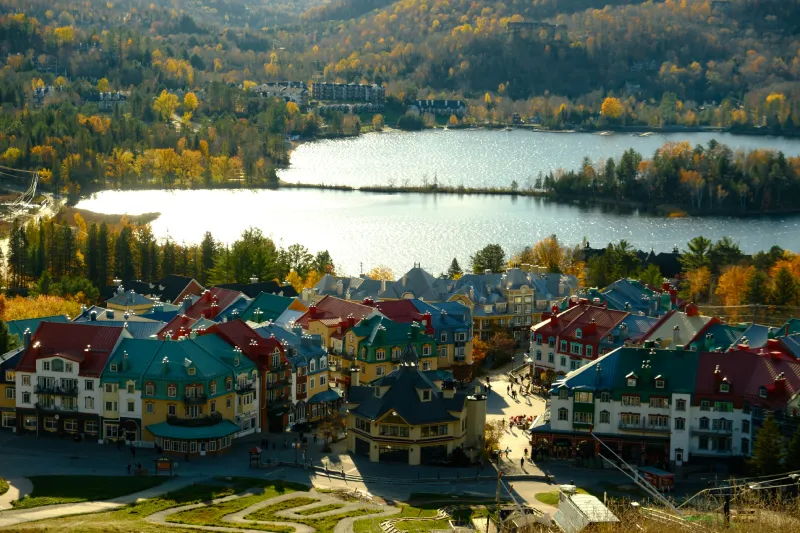
Join us as we embark on an exploration of how to truly immerse yourself in the compelling stories that historic cities proudly preserve, offering insights and practical approaches to transform a simple visit into an unforgettable historical adventure.
The Allure of Ancient Streets and Structures


Walking Through Time: The Sensory Experience
Stepping onto the cobblestone streets of a historic city is an immediate immersion into a different era. The very ground beneath your feet has been trodden by countless generations, each step connecting you to a lineage of inhabitants. It’s a sensory experience: the scent of old stone, the echo of footsteps in narrow passages, the way light filters through centuries-old archways. This atmospheric quality is the first layer in unlocking the secrets of historic cities.
Read Also : Exploring City Art: Museums and Galleries Guide
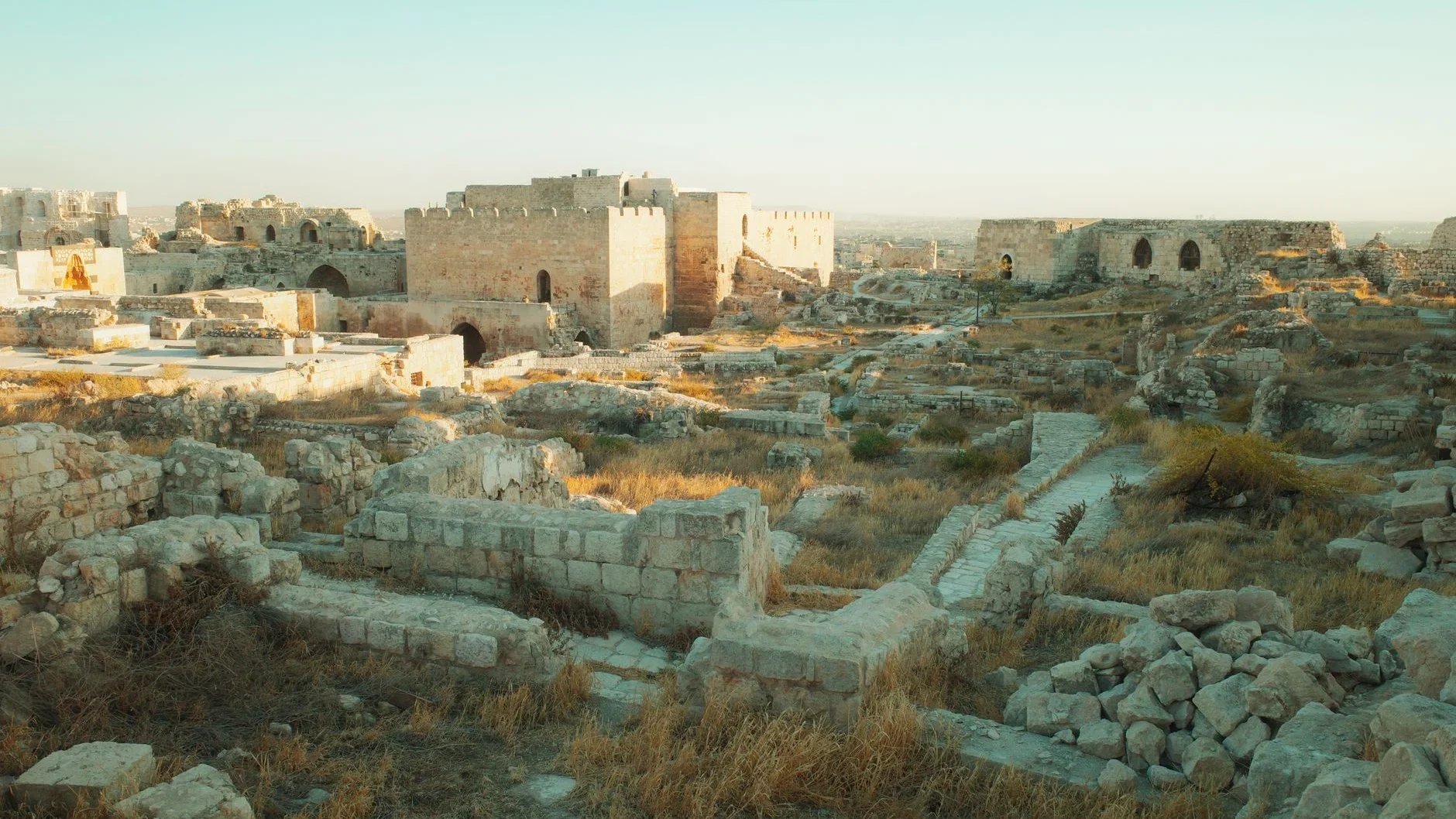
To truly appreciate this, take time to wander without a strict itinerary. Allow yourself to get lost in the labyrinthine lanes, observing the details often overlooked in guidebooks. Notice the wear on doorsteps, the intricate carvings on facades, or the subtle variations in building materials that speak to different periods of construction. These small observations begin to paint a richer picture of the city’s evolution.

The Language of Architecture and Urban Planning
Every building, every plaza, every city wall tells a story through its design. Architectural styles evolve, reflecting technological advancements, cultural influences, and political shifts. Romanesque arches give way to Gothic spires, which in turn yield to Renaissance symmetry or Baroque exuberance. Understanding these architectural languages is key to deciphering a city’s historical layers.

Beyond individual buildings, the overall urban plan itself can reveal much. Was the city built on a grid by Roman engineers, or did it grow organically around a medieval castle? The placement of markets, cathedrals, and defensive structures provides clues about the priorities and power structures of its founders. For example, the central piazza in many Italian cities highlights their communal and civic life, while the fortified old towns of Europe speak of defense and territorial control.
Decoding Architectural Narratives in Historic Cities

Read Also : Hidden Gems for Unforgettable Weekend Adventures 2026
From Foundations to Finials: A Timeline in Stone
One of the most compelling aspects of historic cities is their ability to display multiple layers of history simultaneously. A single building might incorporate elements from different centuries, like a Roman foundation supporting a medieval wall, topped with a Renaissance facade. Learning to identify these distinct architectural periods allows you to read a building like a book, tracing its journey through time.
Consider the city of Rome, where ancient ruins stand alongside Baroque churches and modern structures. By paying attention to the materials, construction techniques, and decorative motifs, you can discern which parts belong to the Imperial era, the early Christian period, or later transformations. This layered approach is vital for unlocking the secrets of historic cities and understanding their complex heritage.
Symbolism and Purpose: Beyond the Aesthetic
Architecture in historic cities is rarely just about aesthetics; it often carries deep symbolic meaning and serves specific societal purposes. Cathedrals, for instance, were not only places of worship but also symbols of civic pride and religious devotion, their height and grandeur reaching towards the divine. Castles represented power and protection, their formidable walls a clear statement of authority.
Even seemingly mundane structures like bridges or market halls can reveal stories about trade, communication, and community life. The gargoyles on a Gothic cathedral might serve a practical purpose of water drainage, but their grotesque forms also held symbolic meaning, warding off evil spirits or depicting moral tales for an illiterate populace. Recognizing these dual functions enriches the narrative woven into the city’s fabric.
Read Also : Key Travel Industry Developments for Every Traveler
Echoes of Empires and Dynasties

Rise and Fall: Tracing Political Power
Many historic cities were once centers of vast empires or powerful dynasties, and their urban landscapes bear indelible marks of these bygone eras. From the forum of ancient Rome to the Forbidden City of Beijing, the monumental structures left behind speak volumes about the political power, wealth, and ambitions of those who ruled. These sites are crucial for unlocking the secrets of historic cities.
Understanding the rise and fall of these powers helps contextualize the ruins and relics we see today. For example, the defensive walls of many European cities tell tales of sieges and conquests, while the grand avenues and public squares in former imperial capitals reflect an era of centralized authority and civic grandeur. Each architectural choice, from the material used to the scale of construction, was often a deliberate statement of power.
Cultural Exchange and Influence
Historic cities were often melting pots of cultures, serving as hubs for trade, migration, and intellectual exchange. This dynamic interaction left a rich tapestry of influences on their architecture, art, and daily life. Think of Istanbul, a city where Roman, Byzantine, and Ottoman influences blend seamlessly, creating a unique cultural synthesis.
Read Also : Luxury Vacation Ideas: Unforgettable Escapes for [apc_current_year]
By observing the fusion of different styles—a mosque built on the foundations of a Byzantine church, or a market square bustling with goods from distant lands—we can trace the paths of ancient trade routes and the movement of peoples and ideas. These cultural layers are what make historic cities so endlessly fascinating, offering a glimpse into a interconnected past.
The Human Stories Behind the Stones
Lives of the Common Folk: Beyond Royalty
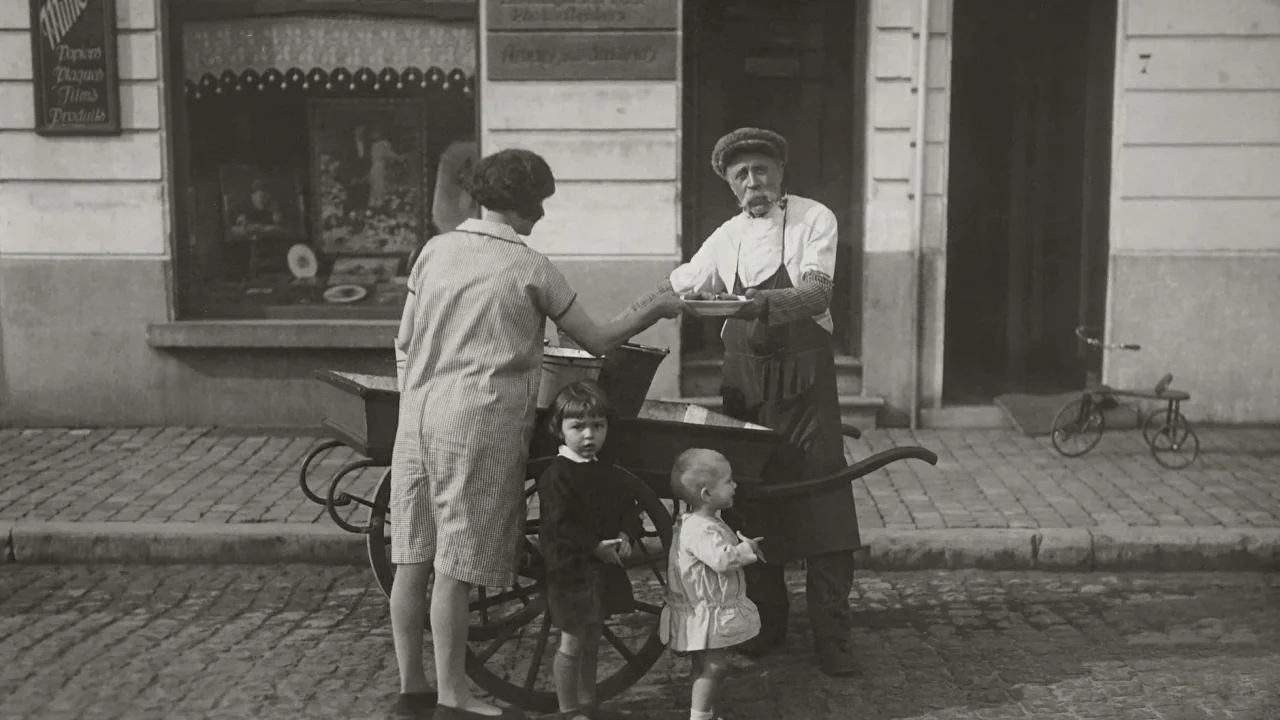
While grand monuments often celebrate rulers and significant events, the true heartbeat of any historic city lies in the stories of its ordinary inhabitants. How did common people live? What were their daily struggles and joys? Exploring residential areas, old marketplaces, and smaller, less-frequented museums can reveal these intimate narratives.
Consider visiting a restored artisan’s workshop, a preserved medieval home, or a local museum dedicated to everyday life. These places offer a tangible connection to the past, allowing us to imagine the sounds, smells, and routines of those who walked these streets centuries ago. This focus on the common folk adds a profound depth to the process of unlocking the secrets of historic cities.
Legends, Lore, and Local Traditions
Read Also : Perfect Romantic Getaways for Couples | [apc_current_year] Guide
Beyond documented history, historic cities are rich in legends, folklore, and enduring local traditions. These stories, passed down through generations, often encapsulate the spirit of a place and its people. They might explain the origin of a strange street name, recount a heroic deed, or even warn of mischievous spirits.
Engaging with local residents, visiting traditional festivals, or exploring smaller, community-run museums can provide access to these captivating tales. These narratives, whether factual or mythical, add a vibrant, human dimension to the cold stone and historical dates, making the city’s past feel more alive and relatable.
Preserving the Past: Challenges and Triumphs

Battling Time and Modernity: Conservation Efforts
Preserving historic cities is a monumental task, fraught with challenges. Decay from environmental factors, the pressures of modern development, and the sheer passage of time constantly threaten these invaluable heritage sites. Conservationists employ a range of techniques, from meticulous restoration of individual buildings to comprehensive urban planning that balances old and new.
Many cities face the dilemma of accommodating growing populations and modern infrastructure while protecting their historic core. Understanding these ongoing efforts, the triumphs of successful restorations, and the ongoing battles against deterioration provides valuable insight into the resilience of these urban treasures. This awareness deepens our appreciation for the struggle to keep historic cities telling compelling stories.
Read Also : Top Honeymoon Destinations for an Unforgettable Trip
The Role of UNESCO and Local Communities
International organizations like UNESCO play a crucial role in identifying, protecting, and promoting World Heritage Sites, many of which are historic cities or parts thereof. Their designation brings global recognition and often resources for preservation. However, equally vital is the role of local communities.
Local residents, historians, and volunteer groups often lead grassroots efforts to protect their heritage, advocating for thoughtful development and participating in restoration projects. Their intimate knowledge and passion are indispensable in ensuring that the unique character and stories of their cities endure for future generations. Supporting local initiatives and respecting local customs are key aspects of responsible historical tourism.
Experiencing History: Practical Exploration Strategies
Beyond the Tourist Trail: Deeper Dives
To truly unlock the secrets of historic cities, it’s essential to venture beyond the well-trodden tourist paths. While iconic landmarks are important, the most profound insights often come from exploring lesser-known neighborhoods, quiet courtyards, and local markets. These areas reveal the everyday life and authentic character that form the backdrop of history.
Read Also : Ultimate Guide to Luxury Resorts & Exclusive Getaways
Consider taking a specialized walking tour focused on a particular historical period, a specific craft, or even ghost stories. Renting a bicycle, using public transport, or simply walking aimlessly can lead to unexpected discoveries. Engage with local shopkeepers, artists, and residents; they often hold a wealth of unwritten knowledge and personal anecdotes that bring the city to life.
Utilizing Technology and Local Expertise
Modern technology can significantly enhance the experience of exploring historic cities. Augmented reality apps can overlay historical images onto current views, helping you visualize how a street or building once looked. Digital maps with historical overlays can guide you through ancient routes and forgotten districts. Podcasts and audio guides offer expert commentary as you explore, providing context and deeper understanding.
However, technology should complement, not replace, local expertise. Hiring a local guide, especially one with a passion for history, can provide invaluable insights that no app can replicate. They can share personal stories, point out hidden details, and offer perspectives that connect the past to the present, truly helping you in unlocking the secrets of historic cities.
Iconic Historic Cities and Their Tales
Rome: The Eternal City’s Layers of Empire
Rome is perhaps the quintessential historic city, a place where layers of empire are visible at every turn. From the colossal grandeur of the Colosseum and the Roman Forum, which speak of gladiatorial contests and political intrigue, to the intricate beauty of the Pantheon, an architectural marvel, Rome invites you to trace the rise and fall of one of history’s greatest civilizations.
Read Also : Explore Visa Free Countries: Your Ultimate Guide
Yet, Rome’s story doesn’t end with the fall of its empire. The city evolved, becoming the heart of Christianity with the Vatican, and later flourishing during the Renaissance and Baroque periods. Exploring Rome means understanding how these different eras built upon, repurposed, and sometimes even buried the past, creating a unique urban palimpsest.
Kyoto: Echoes of Imperial Japan
Kyoto, Japan’s ancient capital, offers a profoundly different yet equally compelling historical narrative. Unlike many European cities defined by stone, Kyoto’s history is often expressed through its wooden temples, serene gardens, and traditional machiya houses. It’s a city where the elegance of imperial court life, the discipline of samurai, and the tranquility of Zen Buddhism have left an indelible mark.
A visit to Kyoto involves understanding the delicate balance between nature and architecture, the meticulous craftsmanship, and the spiritual significance embedded in its landscapes. From the golden pavilion of Kinkaku-ji to the bamboo groves of Arashiyama, Kyoto’s stories are told through its profound aesthetic and enduring cultural practices, providing a unique lens for unlocking the secrets of historic cities.
Conclusion
Historic cities are much more than mere collections of old buildings; they are dynamic repositories of human history, culture, and endurance. Each cobblestone, every archway, and the very layout of their streets whisper compelling stories of empires, everyday lives, artistic triumphs, and enduring traditions. To truly experience these places is to engage in a profound dialogue with the past, allowing their narratives to unfold before your eyes.
Read Also : Smart Travel Saving Tips for Your Next Adventure
By adopting a mindful approach to exploration—decoding architectural clues, seeking out human stories beyond the grand monuments, appreciating conservation efforts, and venturing off the beaten path—we can unlock a deeper understanding of these urban treasures. This journey transforms a simple visit into an immersive historical adventure, connecting us to the countless generations who have shaped these remarkable places.
Ultimately, unlocking the secrets of historic cities that tell compelling stories enriches our present and deepens our appreciation for the intricate tapestry of human civilization. These cities remind us that while time moves forward, the echoes of the past continue to resonate, offering endless lessons and endless beauty for those willing to listen.
FAQ
The best way to start is by getting a general overview, perhaps with a hop-on-hop-off bus tour or a panoramic view from a high point, to understand the city's layout. Then, choose a specific historical district or a period that interests you and explore it on foot. Don't be afraid to wander off the main streets to discover hidden gems.
To find human stories, look beyond major landmarks. Visit local museums (especially those focusing on daily life or specific trades), explore old residential areas, frequent local markets, and if possible, engage with older residents. Look for plaques or small memorials that commemorate local figures or events, and read up on the city's folklore and legends.
Not necessarily. While some popular historic cities can be pricey, many others offer affordable travel experiences. Budgeting can be done by choosing off-peak seasons, staying in hostels or guesthouses, utilizing public transport, and enjoying free attractions like parks, public squares, and walking tours. Many small historic towns offer rich experiences without the high costs of major capitals.
Historic cities face numerous challenges, including urban development pressures, environmental degradation, over-tourism, and the ongoing costs of maintenance and preservation. Balancing the need for modernization with the imperative to protect heritage is a constant struggle, requiring careful planning and community involvement.
Being a responsible tourist means respecting local customs and traditions, minimizing your environmental impact, supporting local businesses, and being mindful of the cultural sensitivity of historical sites. Stick to designated paths, avoid touching or climbing on ancient structures, and contribute to the local economy by purchasing goods and services from local vendors.


Popular Posts


Embracing Spiritual Growth Through Travel and Exploration
Travel is more than just seeing new places; it's a profound journey into oneself. This article explores how embracing travel and exploration can significantly contribute to your spiritual growth, offering unique perspectives and transformative experiences.


