Indigenous Culture Spiritual Travel: A Transformative Journey

In our increasingly fast-paced world, awash with digital connections, many individuals find themselves yearning for deeper meaning and truly authentic experiences. This yearning often steers them towards a unique and potent form of exploration: indigenous culture spiritual travel. Far from being just another holiday, this profound journey beckons travelers to step off the beaten path and fully immerse themselves in the rich, ancient wisdom passed down by indigenous communities across the globe.
Indigenous culture spiritual travel is, at its heart, about forging genuine connections, embracing diverse worldviews, and taking part in practices that have sustained communities for countless millennia. It’s a golden opportunity to learn directly from revered elders, experience sacred lands firsthand, and engage in ceremonies that promise profound personal and spiritual insights. This guide will delve into what makes these journeys so remarkably transformative and how you can embark on one with the utmost respect and meaning.
Understanding Indigenous Culture Spiritual Travel
What Defines Indigenous Spiritual Travel?
Indigenous culture spiritual travel truly stands apart from conventional tourism, placing its focus squarely on the spiritual and cultural legacy of native peoples. It’s marked by a deep-seated respect for indigenous traditions, the land itself, and their intricate knowledge systems. The guiding principle here is to learn, participate, and contribute in ways that genuinely benefit and honor the host community, rather than simply observing from a safe distance.
Unlike a typical sightseeing excursion, this kind of journey often unfolds through a structured program designed to foster genuine interaction, meaningful learning, and deep personal reflection. It champions a reciprocal relationship, where travelers gain invaluable insights while simultaneously helping to preserve indigenous cultures and their cherished way of life.
Beyond Tourism: A Sacred Exchange
For a great many indigenous communities, their culture and spirituality are woven inextricably into the fabric of their land and ancestral practices. When you engage in indigenous culture spiritual travel, you are quite literally and figuratively stepping into a sacred space. This isn’t merely a transaction; it’s a profound exchange—an opportunity to share, to learn, and to grow together.
The emphasis often falls on concepts like manaakitanga (Māori for hospitality and care) or ubuntu (Zulu for humanity towards others), and similar principles found across various cultures, all underscoring mutual respect and connection. Travelers are frequently invited to participate in daily life, pick up traditional crafts, or join in spiritual ceremonies, thereby cultivating a much deeper appreciation for the intricate tapestry of indigenous existence.
The Growing Appeal of Authentic Journeys
There’s a palpable global hunger for authentic, truly meaningful travel experiences, and indigenous culture spiritual travel fits this trend like a glove. People are increasingly looking for avenues to escape the superficial and connect with something real, something ancient, and something profoundly moving. The chance to learn about sustainable living, holistic healing, and spiritual practices from those who have kept these traditions alive for generations is proving incredibly enticing.
This unique type of travel offers a powerful antidote to modern disconnection, paving the way for inner peace, expanded consciousness, and a renewed sense of purpose. It allows individuals to witness firsthand the remarkable resilience and deep wisdom of indigenous cultures, even in the face of contemporary challenges.
The Profound Benefits of Indigenous Culture Spiritual Travel

Deepening Spiritual Connection
One of the strongest magnets for indigenous culture spiritual travel is the unparalleled opportunity to deepen one’s spiritual connection. Many indigenous traditions offer truly unique perspectives on the interconnectedness of all life, the potent power of nature, and the vital importance of ceremony. By participating in these time-honored practices, travelers can unlock new insights into their own spirituality and their place in the grand scheme of the world.
Read Also : Essential Items for Spiritual Travel: A Complete Guide
Whether it’s a sunrise ceremony shared with a Native American elder, a sweat lodge experience, or a guided meditation nestled deep within an ancient forest, these moments can be incredibly powerful, often leading to a greater sense of peace, clarity, and a profound alignment with one’s inner self and the natural world.
Fostering Cultural Understanding and Respect
Engaging directly with indigenous communities is a surefire way to break down stereotypes and build vital bridges of understanding. Indigenous culture spiritual travel provides a robust platform for direct dialogue, allowing travelers to grasp history, challenges, and triumphs straight from community members themselves. This invaluable firsthand experience cultivates deep empathy and a heartfelt respect for diverse ways of life.
Such immersive experiences help travelers truly understand the critical importance of cultural preservation and the ongoing struggles faced by many indigenous peoples. It nurtures a global consciousness that cherishes diversity and champions the rights and recognition of native communities worldwide.
Personal Growth and Self-Discovery
Stepping bravely out of your comfort zone and into an entirely different cultural context can be an incredible catalyst for immense personal growth. Indigenous culture spiritual travel often involves challenging long-held preconceived notions, adapting to novel environments, and engaging in deep introspection. These experiences frequently lead to significant self-discovery and a re-evaluation of personal values, truly helping you get a handle on who you are.
The lessons learned—be they about resilience, the power of community, or living in harmony with nature—often stick with travelers long after their journey concludes, subtly influencing their daily lives and decision-making. It’s an investment in oneself that yields profound, lasting returns, well worth every penny.
Key Elements of an Authentic Indigenous Spiritual Journey
Engaging with Local Communities
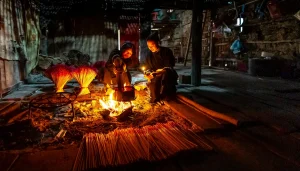
Authentic indigenous culture spiritual travel places a premium on genuine engagement. This means going beyond mere observation; it involves active interaction, heartfelt conversation, and often, shared meals and activities. Seek out programs that emphasize direct interaction with community members, creating space for a true exchange of stories and perspectives.
Such engagement fosters a deep sense of mutual respect and understanding, evolving beyond a typical tourist-host dynamic into something more akin to a guest-family relationship. This is where the most meaningful learning and connection truly take root and flourish.
Participating in Sacred Rituals and Ceremonies
Many indigenous spiritual journeys offer precious opportunities to participate in sacred rituals and ceremonies. These might include smudging ceremonies, intimate storytelling circles, traditional dances, or healing practices. Crucially, participation should always be offered with profound respect and never, ever demanded.
It is paramount to approach these moments with an open heart and a genuine willingness to learn, always following the guidance of elders and spiritual leaders. These are not performances, but deeply meaningful acts that connect participants to ancient traditions and the very spiritual essence of the land.
Read Also : Explore Hidden Travel Destinations in Asia [apc_current_year]
Exploring Ancestral Lands and Sacred Sites
The land itself holds immense spiritual significance for indigenous peoples, a truth that runs deep. Journeys frequently include visits to ancestral lands, sacred mountains, life-giving rivers, or ancient forests, where travelers can experience the profound connection between culture, spirituality, and nature. These sites are often places of immense power and breathtaking beauty.
Understanding the stories and significance of these places, guided by indigenous knowledge keepers, offers a unique perspective on environmental stewardship and the spiritual dimensions of the natural world. It helps underscore, in no uncertain terms, why protecting these lands is so vitally important.
Learning from Indigenous Elders and Guides
The wisdom of indigenous elders and guides forms the bedrock of any truly meaningful indigenous culture spiritual travel experience. These individuals are the living keepers of ancient knowledge, time-honored traditions, and profound spiritual practices. Learning directly from them provides unparalleled insights that simply cannot be gleaned from books or museums.
Their guidance ensures that all interactions are culturally appropriate and that travelers gain a deeper, more nuanced understanding of the indigenous worldview. Indeed, their stories, their teachings, and their very presence are often the most memorable and impactful aspects of the entire journey.
Preparing for Your Indigenous Culture Spiritual Travel

Researching and Choosing Reputable Operators
Selecting the right tour operator is absolutely paramount for an ethical and authentic indigenous culture spiritual travel experience. Seek out organizations that are either indigenous-owned, or partner directly and transparently with indigenous communities, ensuring that the benefits flow straight back to where they belong.
Verify their unwavering commitment to responsible tourism, cultural sensitivity, and environmental sustainability. Don’t be shy; read reviews, ask detailed questions about their community partnerships, and make sure they prioritize the well-being and autonomy of the indigenous people they work alongside.
Understanding Cultural Protocols and Etiquette
Before you even set foot on your journey, make it a point to learn about the specific cultural protocols and etiquette of the indigenous community you’ll be visiting. This might involve appropriate dress, customary greetings, gestures, or rules regarding photography. Showing deep respect for these customs is not just polite, it’s absolutely vital.
Being prepared demonstrates your commitment to being a respectful guest and significantly enhances your ability to connect genuinely. A little bit of homework can go a long way in preventing misunderstandings and fostering a more positive and enriching experience for everyone involved in your indigenous culture spiritual travel.
Mental and Emotional Preparedness
Indigenous culture spiritual travel can be deeply transformative, no doubt about it, but it can also present its fair share of challenges. Be ready for experiences that might push you out of your comfort zone, evoke strong emotions you didn’t expect, or even challenge your existing beliefs. An open mind and a resilient spirit are not just helpful; they’re absolutely essential.
Read Also : inspiring Travel Tales That Will Ignite Your Wanderlust
Engage in self-reflection before and during your trip, allowing yourself ample time to fully absorb and process the new perspectives and feelings that inevitably arise. This journey, after all, isn’t just about visiting a place; it’s very much about an inner expedition as well.
Popular Destinations for Indigenous Culture Spiritual Travel
Australia: Aboriginal Dreamtime Journeys
Australia unfolds a wealth of profound opportunities for indigenous culture spiritual travel, particularly through its ancient Aboriginal traditions. Travelers can explore sacred sites like the magnificent Uluru, delve into the timeless Dreamtime stories, participate in enlightening bush tucker tours, and engage directly with Aboriginal elders who share their deep-seated connection to the land and its spiritual significance.
Experiences often encompass hands-on art workshops, mesmerizing traditional dance performances, and illuminating discussions on the enduring wisdom of the world’s oldest living culture. These journeys offer a truly unique window into a rich and vibrant spiritual heritage.
North America: Native American Traditions
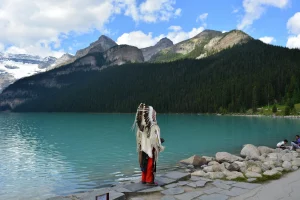
From the sweeping vastness of the plains to the sun-drenched desert Southwest, North America is home to countless Native American nations, each offering unique spiritual travel experiences. Visitors might find themselves participating in powerful sweat lodge ceremonies, learning about traditional healing practices, attending spirited powwows, and hearing creation stories passed down through generations.
Destinations such as the Navajo Nation, the Lakota territories, and various tribal lands in the Pacific Northwest provide ample opportunities to connect with diverse spiritual paths and learn about the profound reverence for nature that is inherent in these ancient cultures.
South America: Andean and Amazonian Wisdom
South America stands as a vibrant hub for indigenous culture spiritual travel, particularly within the majestic Andes and the lush Amazon rainforest. In countries like Peru and Bolivia, travelers can explore awe-inspiring ancient Inca sites, participate in heartfelt Pachamama (Mother Earth) ceremonies, and learn directly from Q’ero spiritual leaders.
In the Amazon, experiences often revolve around learning about medicinal plants from revered shamans, understanding sustainable forest practices, and connecting with communities that live in perfect harmony with the rainforest. These journeys are frequently focused on healing, reconnection, and a heightened ecological awareness.
New Zealand: Māori Haka and Manaakitanga
New Zealand extends an invitation to truly immersive indigenous culture spiritual travel experiences, deeply rooted in Māori culture. Visitors can witness the incredibly powerful haka, learn about intricate traditional carving and weaving, and engage in a pōwhiri (a traditional welcome ceremony) that will surely leave a lasting impression.
Opportunities to stay in a marae (Māori meeting ground) offer a deep understanding of Māori values, including manaakitanga (hospitality) and kaitiakitanga (guardianship of the land). These experiences are profoundly respectful and provide invaluable insights into a living, breathing, and vibrant culture.
Read Also : Transformative Travel Experiences That Nurture the Soul
Ethical Considerations and Responsible Travel

Supporting Indigenous Economies Directly
A truly crucial aspect of responsible indigenous culture spiritual travel is ensuring, without a shadow of a doubt, that financial benefits flow directly to the indigenous communities. Make it your mission to choose tour operators that are indigenous-owned or have robust, transparent revenue-sharing agreements in place.
Go the extra mile to purchase crafts and services directly from local artisans and guides. This direct support acts as a lifeline, helping to preserve cultural traditions, fostering economic independence, and allowing communities to flourish on their own terms, thereby making your journey a powerfully positive force.
Minimizing Environmental Impact
Indigenous cultures often possess an incredibly profound connection to and respect for the environment, a lesson we could all stand to learn. As a traveler, it’s absolutely imperative to mirror this respect by minimizing your environmental footprint. Adhere strictly to Leave No Trace principles, conserve precious resources, and be acutely mindful of any waste you produce.
Champion operators who prioritize ecological sustainability and take the time to educate travelers on local environmental issues. Your actions, no matter how small, contribute significantly to preserving the natural landscapes that are so vital to indigenous spiritual practices and their very livelihoods.
Respecting Privacy and Sacred Spaces
Always keep in mind that you are a guest in someone else’s home and, often, a sacred space. Respect all requests for privacy, especially when it comes to photography, and always, without exception, ask for explicit permission before taking pictures of individuals or sacred sites.
Be acutely mindful of your behavior and conversations, particularly in ceremonial settings. Approaching indigenous culture spiritual travel with humility and deep respect for local customs ensures that your presence is genuinely welcomed and that the integrity of sacred practices is maintained, come what may.
Integrating Your Experience Post-Travel
Reflecting on Your Journey
The impact of indigenous culture spiritual travel stretches far beyond the actual duration of the trip. Upon your return, take dedicated time to reflect deeply on your experiences, the invaluable lessons learned, and how they may have subtly, or even dramatically, shifted your perspective. Journaling, quiet meditation, or engaging in thoughtful discussions with fellow travelers can go a long way in solidifying these newfound insights.
Consider thoughtfully how the wisdom you gained can be woven into your daily life, fostering a deeper connection to nature, to your community, and to your own spiritual path. This period of reflection is absolutely vital for truly integrating such a transformative experience.
Sharing Your Knowledge Responsibly
While it’s perfectly natural to want to shout your incredible experiences from the rooftops, do so with a keen sense of responsibility. Be incredibly mindful of not appropriating or misrepresenting indigenous traditions. Instead, share your personal journey and the lessons you learned, rather than attempting to teach or interpret complex cultural practices you may not fully grasp.
Read Also : Unique & Beautiful Travel Experiences | Unforgettable Journeys
Focus your efforts on raising awareness about the profound importance of indigenous cultures, advocating for their rights, and encouraging others to engage in respectful, ethical travel. Use your experience to become a staunch ally, not an overnight expert.
Continuing Support for Indigenous Causes
Your journey doesn’t have to hit a brick wall the moment you return home. Seek out meaningful ways to continue supporting indigenous communities and causes. This could involve donating to indigenous-led organizations, purchasing fair-trade products directly from indigenous artisans, or advocating for policies that actively protect indigenous land rights and cultural heritage.
Maintaining this vital connection helps to ensure that the positive ripple effect of your indigenous culture spiritual travel continues long after your footprint has faded from their sacred lands.
Conclusion
Embarking on indigenous culture spiritual travel is nothing short of an extraordinary opportunity for profound personal growth, deep cultural understanding, and spiritual deepening. It is a journey that transcends typical tourism, inviting you wholeheartedly into a world brimming with ancient wisdom, sacred traditions, and genuine human connection. By making the conscious choice to travel responsibly and respectfully, you not only enrich your own life beyond measure but also contribute meaningfully to the preservation and thriving of indigenous cultures across the globe.
These experiences offer a vital antidote to the pervasive disconnection of modern life, imparting invaluable lessons in sustainability, the strength of community, and the art of living in harmony with the natural world. The insights gleaned from connecting with indigenous elders and participating in their ceremonies have the power to reshape your worldview entirely and inspire a far more conscious way of living.
As you begin to plan your next adventure, take a moment to truly consider the transformative power of indigenous culture spiritual travel. It’s an investment in a journey that promises not just sights to behold, but profound insights to gain—a clear path to understanding, respect, and a deeper connection to the very essence of humanity and our precious planet.
FAQ
Indigenous culture spiritual travel is a specialized form of tourism focused on deep immersion into the spiritual and cultural heritage of indigenous communities. It involves learning directly from elders, participating in traditional ceremonies, and visiting sacred sites, all with a strong emphasis on respect, ethical engagement, and mutual benefit for everyone involved.
To ensure your indigenous culture spiritual travel is both responsible and ethical, make it a point to choose indigenous-owned or rigorously vetted tour operators. Prioritize direct financial support to communities, diligently respect cultural protocols, actively minimize your environmental impact, and always, without fail, seek permission before photographing people or any sacred spaces.
Packing essentials for indigenous culture spiritual travel typically include comfortable, modest clothing suitable for various weather conditions, sturdy walking shoes, a reusable water bottle, your personal toiletries, any necessary medications, and, perhaps most importantly, an open mind. Always check directly with your specific tour operator for a detailed and tailored packing list.
While incredibly rewarding, indigenous culture spiritual travel may not be everyone's cup of tea. It often calls for an open mind, a genuine willingness to step well out of your comfort zone, and an unwavering commitment to respectful engagement. Participants should be prepared for potentially rustic accommodations, navigating different cultural norms, and experiencing emotionally profound moments.
Look for operators that clearly articulate their unwavering commitment to indigenous rights and cultural preservation. Seek out those that are either indigenous-owned or have transparent partnerships, ensuring that profits directly benefit the communities they work with. Research reviews thoroughly, don't hesitate to ask for references, and prioritize organizations certified by reputable responsible tourism bodies or those highly recommended by indigenous advocacy groups.
Tagged with:
cultural immersionindigenous travelresponsible tourismspiritual journeytransformative travel

Popular Posts


Embracing Spiritual Growth Through Travel and Exploration
Travel is more than just seeing new places; it's a profound journey into oneself. This article explores how embracing travel and exploration can significantly contribute to your spiritual growth, offering unique perspectives and transformative experiences.


