Family Travel Around the Globe: Ultimate Guide for Adventures

Imagine waking up to the sound of Parisian street musicians one week, then exploring ancient temples in Thailand the next, all with your loved ones by your side. Family travel around the globe is more than just a vacation; it’s an immersive educational experience that broadens horizons, fosters resilience, and creates an unbreakable bond.
While the idea of embarking on such an epic journey might seem daunting, with careful planning and the right mindset, it’s entirely achievable. This comprehensive guide is designed to equip you with all the knowledge and practical tips you need to transform your dream of family travel around the globe into a spectacular reality, ensuring every step is memorable and enjoyable for all ages.
Planning Your Ultimate Family Travel Around the Globe
Defining Your Family’s Travel Style
Before you even look at a map, sit down with your family and discuss what kind of travel truly excites everyone. Are you thrill-seekers craving adventure sports, culture vultures eager to explore museums, or nature lovers dreaming of national parks? Understanding your collective preferences is the first crucial step in planning successful family travel around the globe.
Consider the age of your children and their interests. A toddler might thrive in destinations with playgrounds and easy walks, while teenagers might prefer cities with vibrant street art or opportunities for unique experiences like surfing lessons. Tailoring your itinerary to suit everyone’s pace and passions will make the journey much more rewarding.
Researching Destinations and Logistics
Once you have a general idea of your family’s travel style, dive into researching specific destinations. Look for places that offer a blend of activities for both adults and children. Websites like Lonely Planet Kids, National Geographic Kids, and family travel blogs are excellent resources for inspiration and practical advice.
Pay close attention to logistical details such as travel times between locations, local transportation options, and the general safety of the region. It’s also wise to check typical weather patterns for your chosen travel dates to avoid extreme conditions that could dampen your family’s enthusiasm.
Booking Flights and Accommodations Strategically
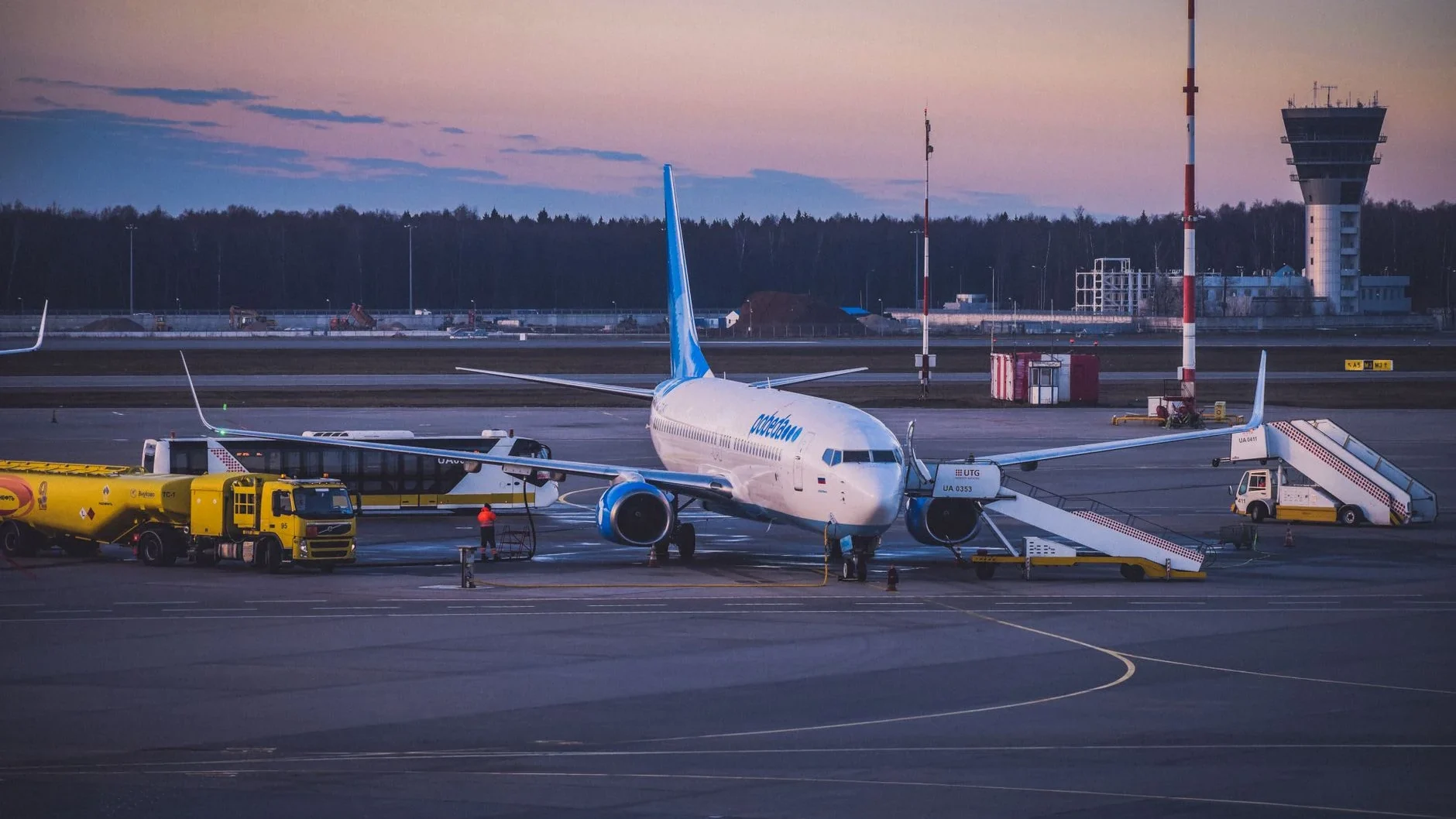
When booking flights for family travel around the globe, consider direct routes if possible to minimize layovers, especially with younger children. Look for airlines that offer family-friendly services, such as bassinets for infants or in-flight entertainment for older kids. Booking flights well in advance can often secure better prices.
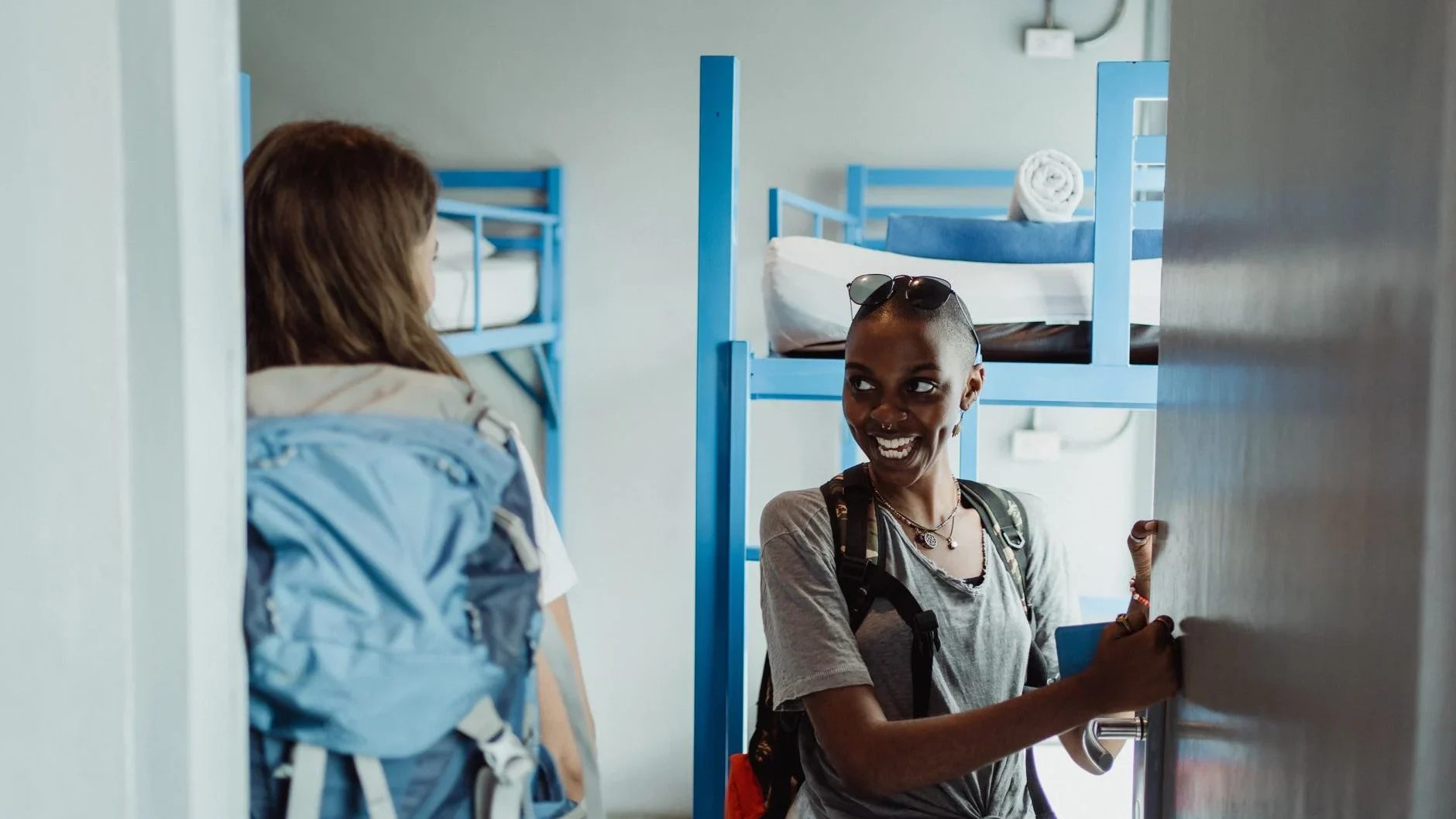
For accommodations, think beyond traditional hotels. Apartment rentals via platforms like Airbnb or VRBO can offer more space, separate bedrooms, and kitchen facilities, which are invaluable for families. This allows for home-cooked meals, saving money, and providing a comfortable ‘home base’ after a day of exploring.
Visa Requirements and Passport Renewals
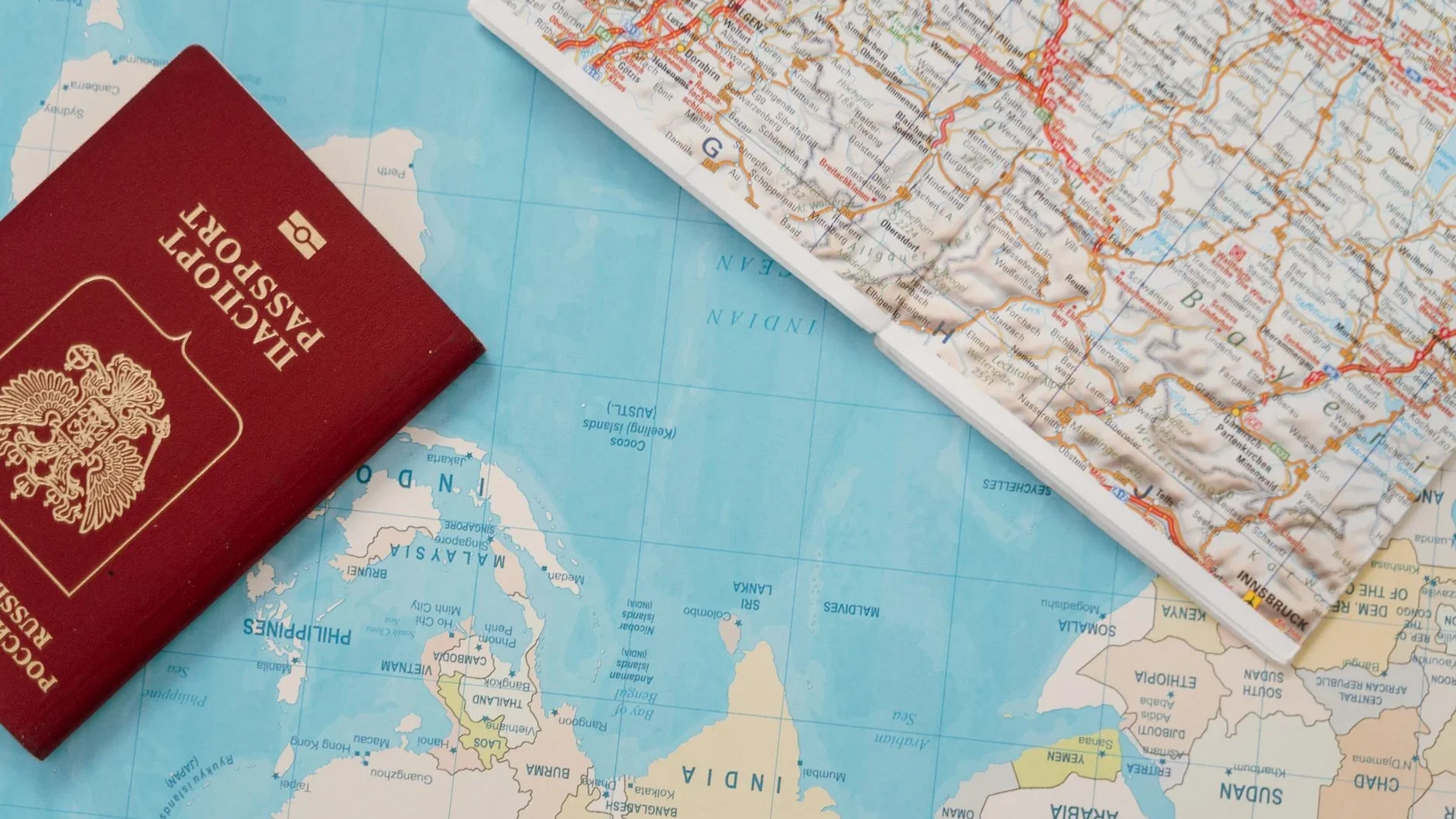
One of the most critical aspects of international travel is ensuring all family members have valid passports and the necessary visas. Passports typically need to be valid for at least six months beyond your intended return date. Check this well in advance, as renewals can take time.
Research visa requirements for every country on your itinerary. Some countries offer visa-on-arrival, while others require pre-application, sometimes several months in advance. Websites of the respective country’s embassy or consulate in your home country are the most reliable sources for this information. Keep digital and physical copies of all essential documents.
Read Also : Smart Travel Saving Tips for Your Next Adventure

Budgeting for Your Global Family Adventure

Setting a Realistic Travel Budget
Embarking on family travel around the globe requires a clear financial plan. Start by creating a detailed budget that covers flights, accommodations, food, activities, transportation, and a contingency fund. Be realistic about your spending habits and prioritize what’s most important to your family.
A good strategy is to track all your expenses for a month or two before your trip to understand where your money goes. This can help you identify areas where you can cut back and save specifically for your global adventure. Don’t forget to factor in exchange rates and potential international transaction fees for credit cards.
Finding Affordable Flights and Stays
Saving on flights is often the biggest challenge. Be flexible with your travel dates if possible, as flying mid-week or during the off-season can significantly reduce costs. Use flight comparison websites like Skyscanner, Google Flights, or Kayak, and consider setting up price alerts.
For accommodations, look into hostels with private family rooms, guesthouses, or even house-sitting opportunities. Many destinations offer free or low-cost activities like parks, museums on free days, or public markets, which can help keep daily expenses down.
Saving Money on Food and Activities
Food can be a major expense, especially when dining out for every meal. Opt for accommodations with kitchenettes to prepare some of your own meals, particularly breakfast and snacks. Explore local markets for fresh, affordable produce and try street food from reputable vendors for authentic, budget-friendly meals.
Seek out free activities such as hiking, visiting public beaches, exploring local parks, or attending free festivals. Many cities offer free walking tours that provide a great introduction to the area without breaking the bank. Prioritize a few ‘splurge’ activities that are truly special to your family, and balance them with free or low-cost alternatives.
Travel Insurance: A Must-Have Investment
While it might seem like an added expense, travel insurance is non-negotiable for family travel around the globe. It provides crucial protection against unforeseen circumstances such as medical emergencies, trip cancellations, lost luggage, or travel delays. The peace of mind it offers is priceless.
Research different policies carefully to ensure they cover all family members and relevant activities. Look for comprehensive plans that include medical evacuation and emergency assistance. Never underestimate the importance of being prepared for the unexpected, especially when traveling with children.
Choosing Kid-Friendly Destinations Worldwide
Read Also : Smart Travel Hacks: Journey Smarter, Save More
Destinations for Young Children (0-5 Years)
When traveling with toddlers or preschoolers, prioritize destinations with short travel times, predictable routines, and plenty of open spaces for play. Countries like New Zealand offer stunning natural beauty and family-friendly infrastructure, while Scandinavian countries are known for their child-centric design and safety.
Consider places with dedicated children’s attractions, gentle beaches, and easily accessible amenities like changing facilities and high chairs. Theme parks, aquariums, and zoos in places like Orlando, Florida, or Singapore can also be excellent choices for this age group, offering direct entertainment.
Destinations for School-Aged Kids (6-12 Years)
For school-aged children, destinations that blend education with adventure are ideal. Italy, with its ancient history and delicious food, provides a captivating learning experience. Japan offers a fascinating culture, futuristic cities, and beautiful temples, appealing to curious minds.
Destinations rich in wildlife, like Costa Rica for its rainforests and animals, or South Africa for safaris (with age restrictions and safety in mind), can create unforgettable memories. Engage them in planning by letting them research aspects of the trip that interest them, fostering excitement and ownership.
Destinations for Teenagers (13+ Years)
Teenagers often seek independence and unique experiences. Consider destinations that offer adventure sports, vibrant city life, or opportunities for cultural immersion. Thailand, with its bustling markets, beautiful islands, and delicious cuisine, can be a hit.
European cities like London, Paris, or Berlin offer rich history, art, and modern attractions. Backpacking through parts of Southeast Asia or Central America, with careful planning and supervision, can also be an incredible adventure that empowers teenagers and broadens their perspectives on family travel around the globe.
Packing Smart for Family Travel Around the Globe

The Art of Minimalist Packing
When undertaking family travel around the globe, less is definitely more. Overpacking leads to heavy bags, extra fees, and unnecessary stress. Adopt a minimalist approach by packing versatile clothing items that can be mixed and matched. Focus on quick-drying fabrics and layers.
Involve everyone in the packing process. Encourage older children to pack their own bags, ensuring they understand the weight limits and the importance of only bringing essentials. Remember, you can almost always buy forgotten items at your destination, so don’t fret over every single possibility.
Essential Documents and First Aid
Beyond passports and visas, carry physical and digital copies of all important documents: flight and accommodation bookings, travel insurance details, birth certificates, and emergency contact information. Store these securely and separately.
Read Also : Budget Travel Planning for Beginners: Your Ultimate Guide
A well-stocked first-aid kit is crucial. Include pain relievers, antiseptic wipes, bandages, allergy medication, any prescription medications (with doctor’s notes), and insect repellent. For families, also pack child-specific medications like fever reducers and oral rehydration salts. Prevention is always better than cure.
Entertainment and Comfort Items for Kids
Long travel days can be challenging for children. Pack a dedicated ‘entertainment bag’ with lightweight toys, coloring books, stickers, small puzzles, and age-appropriate books. Tablets loaded with movies, games, and educational apps can be a lifesaver, especially with headphones.
Don’t forget comfort items like a favorite small blanket or a beloved stuffed animal. These familiar objects can provide a sense of security in new environments. A travel pillow and eye mask can also make napping on planes or trains much easier for everyone.
Ensuring Safety and Health Abroad

Health Vaccinations and Medical Preparations
Before your trip, consult with your family doctor or a travel clinic about recommended vaccinations for your chosen destinations. Some vaccinations require multiple doses over several weeks, so plan this well in advance. Discuss any specific health concerns related to your family members.
Carry a list of any allergies or medical conditions for each family member, ideally translated into the local language of your destination. Know the international emergency number (often 112 or 911) and research local hospital information in advance.
General Safety Tips for Families
Safety is paramount when embarking on family travel around the globe. Teach children essential safety rules like staying close to parents, never talking to strangers, and knowing how to find help. Establish a ‘meeting point’ in crowded places in case you get separated.
Be aware of your surroundings, especially in unfamiliar areas. Avoid displaying expensive jewelry or electronics. Use reputable transportation services and be cautious about walking alone at night. Always trust your instincts; if a situation feels unsafe, remove yourselves from it.
Food and Water Safety
One of the most common travel ailments is digestive upset. Be mindful of what you and your children eat and drink. Stick to bottled water or water that has been boiled and filtered. Avoid ice cubes in drinks unless you’re sure they’re made from purified water.
When eating out, choose busy restaurants with high turnover, as this often indicates fresh food. Opt for cooked foods rather than raw salads or unpeeled fruits in regions where water quality is questionable. Encourage frequent handwashing, especially before meals.
Read Also : Family Travel Planning Tips for Beginners
Making Travel Days Enjoyable for Everyone

Managing Jet Lag and Time Changes
Jet lag can significantly impact the first few days of family travel around the globe. To minimize its effects, try to adjust your family’s sleep schedule a few days before departure. Once you arrive, expose yourselves to natural light during the day and try to stick to the local time zone for meals and sleep.
Stay hydrated and avoid excessive caffeine or alcohol. For children, maintaining a sense of routine, even a modified one, can help them adjust faster. Don’t overschedule your first few days; allow for downtime and rest.
Keeping Kids Engaged During Transit
Long flights, train rides, or car journeys demand creative solutions to keep children entertained. Beyond tablets and books, engage them with travel games like ‘I Spy,’ storytelling, or drawing activities. Pack small, new toys to surprise them with during particularly long stretches.
Regular breaks are essential. If driving, plan stops at playgrounds or scenic viewpoints. On flights, encourage short walks up and down the aisle (when permitted). Snacks are also a powerful tool; pack a variety of healthy and appealing options to stave off hunger and boredom.
Flexibility and Patience are Key
Perhaps the most important tip for enjoyable family travel around the globe is to embrace flexibility and cultivate patience. Things will go wrong; flights will be delayed, children will have meltdowns, and plans will change. How you react to these challenges will define the experience.
Remember that the journey itself is part of the adventure. Be prepared to slow down, adjust your itinerary, and find humor in unexpected situations. A relaxed attitude from parents often translates to happier children and a more pleasant overall travel experience.
Embracing Local Cultures and Experiences
Learning Basic Phrases and Customs
One of the richest aspects of family travel around the globe is the opportunity to immerse yourselves in different cultures. Before arriving, learn a few basic phrases in the local language – ‘hello,’ ‘please,’ ‘thank you,’ and ‘excuse me.’ This gesture is always appreciated by locals.
Research local customs and etiquette. Understanding appropriate dress codes for religious sites, tipping practices, or greetings can prevent misunderstandings and show respect. Involve your children in learning these phrases and customs; it makes them active participants in cultural exchange.
Trying Local Cuisine (Safely)
Food is a fantastic gateway to culture. Encourage your family to try local dishes, even if they seem unfamiliar. Start with smaller portions or shared plates. Visiting local markets can be an adventure in itself, allowing you to see and taste fresh, regional ingredients.
Read Also : Travel Budgeting Guide: Plan Your Dream Trip Affordably
For picky eaters, balance new experiences with familiar options. For example, if trying spicy Thai food, ensure there’s also plain rice or a milder dish available. This approach allows for exploration without causing mealtime stress.
Engaging with Local Communities
Seek out opportunities to interact with local people. This could be through guided tours led by local residents, staying in guesthouses, or visiting community projects. These interactions often provide the most profound insights into a destination and create memorable connections.
Consider responsible tourism initiatives that support local economies. For example, buying souvenirs directly from artisans or dining at small, family-run restaurants. This not only enriches your experience but also contributes positively to the communities you visit.
Managing Technology and Connectivity on the Go
Staying Connected: SIM Cards and Wi-Fi
Staying connected can be crucial for navigation, emergencies, and keeping in touch with family back home. Upon arrival in a new country, consider purchasing a local SIM card. These are often inexpensive and provide reliable data and local calls, which can be far cheaper than international roaming.
Alternatively, rely on Wi-Fi. Many hotels, cafes, and public spaces offer free Wi-Fi. A portable Wi-Fi hotspot can also be a good investment for families, providing a secure connection for multiple devices. Remember to use a VPN for added security when using public Wi-Fi networks.
Digital Detox vs. Essential Device Use
While devices offer entertainment and utility, it’s important to strike a balance during family travel around the globe. Designate ‘screen-free’ times, such as during meals or while exploring a new attraction, to encourage genuine interaction and observation.
However, embrace the utility of technology. Use translation apps, offline maps, travel planning apps, and educational games. The key is mindful use, ensuring that devices enhance, rather than detract from, the travel experience. Talk to your children about responsible device usage while traveling.
Power Banks and Adapters
With multiple devices (phones, tablets, cameras), power becomes a critical consideration. Pack universal travel adapters suitable for all your destinations and several portable power banks. This ensures your devices stay charged, especially during long travel days or when power outlets are scarce.
Ensure all devices are fully charged before leaving your accommodation each day. Consider a multi-port USB charger to charge several devices simultaneously from a single outlet, minimizing the number of adapters you need to carry.
Creating Lasting Memories: Documenting Your Journey
Photography and Videography Tips
Capturing your family travel around the globe visually is a wonderful way to preserve memories. Don’t just take snapshots; try to tell a story through your photos. Focus on candid moments, local details, and the expressions on your children’s faces as they discover new things.
Read Also : Find Cheap Flights: Your Ultimate Guide for [apc_current_year]
Teach older children how to use a camera or their phone to take pictures. Give them a ‘photo challenge’ for the day, like finding interesting doors or capturing funny animal expressions. This engages them and provides unique perspectives. Consider a small, durable camera for kids to use themselves.
Travel Journals and Scrapbooks
Encourage each family member to keep a travel journal. This could be a simple notebook where they jot down thoughts, draw pictures, or collect small mementos like ticket stubs or pressed leaves. It’s a fantastic way to reflect on experiences and practice writing skills.
Upon returning home, collaborate on a family scrapbook or photo album. This project provides an opportunity to relive the adventure, share stories, and create a tangible keepsake that everyone contributed to. It reinforces the shared experience and keeps the memories alive.
Souvenirs with Stories
Instead of buying generic souvenirs, seek out items that have a story or are handmade by local artisans. These meaningful objects will serve as better reminders of your journey. Encourage children to choose one special item from each destination that resonates with them.
Consider collecting small, lightweight items that fit a theme, such as a postcard from each city, a small flag, or a local craft. These collections can become a beautiful display that chronicles your family’s global adventures.
Overcoming Challenges on Family Travel Around the Globe
Dealing with Unexpected Delays and Changes
Delays are almost inevitable during extensive family travel around the globe. Flights get cancelled, trains run late, and attractions close unexpectedly. The key is to remain calm and have a backup plan. Always have snacks, water, and entertainment on hand for these situations.
Download offline maps and have important contact numbers readily available. If a significant delay occurs, don’t hesitate to ask airline or train staff about compensation, rebooking options, or meal vouchers. A positive attitude can turn a frustrating delay into an unexpected adventure.
Managing Sibling Rivalry and Boredom
Even the most harmonious families can experience friction during intense travel. Proactively address potential sibling rivalry by giving each child individual attention, assigning them specific roles (e.g., navigator, snack manager), and providing quiet time when needed.
Boredom can lead to arguments. Vary your activities, alternating between active exploration and relaxed downtime. Involve children in decision-making, giving them choices about what to do next. Acknowledge their feelings and offer solutions rather than dismissing their complaints.
Homesickness and Culture Shock
Homesickness can affect anyone, especially children, during long-term family travel around the globe. Acknowledge and validate their feelings. Maintain some familiar routines, allow for video calls with friends and family back home, and bring comforting items.
Read Also : Your Ultimate Guide to Unforgettable City Breaks
Culture shock is also common. It’s the feeling of disorientation when encountering a new way of life. Prepare your family for cultural differences beforehand. Discuss what to expect, and encourage an open mind. Take things slowly and allow time for adjustment, focusing on the positive aspects of discovery.
Conclusion
Embarking on family travel around the globe is an extraordinary undertaking, but one that promises unparalleled rewards. From meticulous planning and smart budgeting to embracing cultural nuances and overcoming inevitable challenges, every step contributes to a tapestry of shared experiences that will enrich your family for a lifetime.
This journey isn’t just about seeing famous landmarks; it’s about learning, growing, and strengthening bonds as you navigate the world together. The lessons learned, the perspectives gained, and the memories created will become the bedrock of your family’s history, shaping who you are long after you’ve returned home.
So, take a deep breath, start planning, and dare to dream big. With the systematic approach and practical tips outlined in this guide, your ultimate global family adventure is well within reach. Go forth and explore, creating an unforgettable legacy of discovery and connection with your loved ones.
FAQ
The ideal duration for family travel around the globe varies greatly depending on your budget, time constraints, and travel goals. Some families embark on trips lasting several months to a year, while others prefer shorter, focused trips of 2-4 weeks to a specific region. For a truly immersive global experience, planning for at least 3-6 months allows for deeper exploration without constant rushing between destinations.
Many destinations cater wonderfully to families. For younger children, places like New Zealand (nature), Denmark (Legoland, museums), and Singapore (gardens, zoos) are excellent. For school-aged kids, consider Italy (history, food), Japan (culture, technology), or Costa Rica (wildlife, adventure). Teenagers might enjoy Thailand (beaches, culture), urban centers like London or Paris, or even adventurous trips to Patagonia. The 'best' destination always depends on your family's specific interests and the children's ages.
Saving money on global family travel involves several strategies. Prioritize flexible travel dates to find cheaper flights, opt for apartment rentals with kitchens to cook meals, and utilize public transport. Seek out free or low-cost activities like parks, free walking tours, and local markets. Packing light avoids baggage fees, and investing in travel insurance can prevent significant financial losses from unforeseen events. Creating a detailed budget and sticking to it is also crucial.
Absolutely. Travel insurance is highly recommended, if not essential, for family travel around the globe. It provides a safety net for medical emergencies, trip cancellations or interruptions, lost luggage, and other unforeseen events that can be incredibly costly when traveling internationally. Ensure your policy covers all family members, your specific destinations, and any planned activities, giving you peace of mind throughout your adventure.
For long-term family travel around the globe, many families opt for homeschooling, unschooling, or online schooling programs. Research different curricula and methods that suit your children's learning styles and your travel pace. The world itself becomes a classroom, offering unique opportunities for hands-on learning in history, geography, and culture. Communicate with your children's school beforehand if they will be returning, and consider keeping a travel journal or portfolio of their learning experiences.

Popular Posts


Embracing Spiritual Growth Through Travel and Exploration
Travel is more than just seeing new places; it's a profound journey into oneself. This article explores how embracing travel and exploration can significantly contribute to your spiritual growth, offering unique perspectives and transformative experiences.