Culinary Traditions: Celebrating Unique Destination Flavors
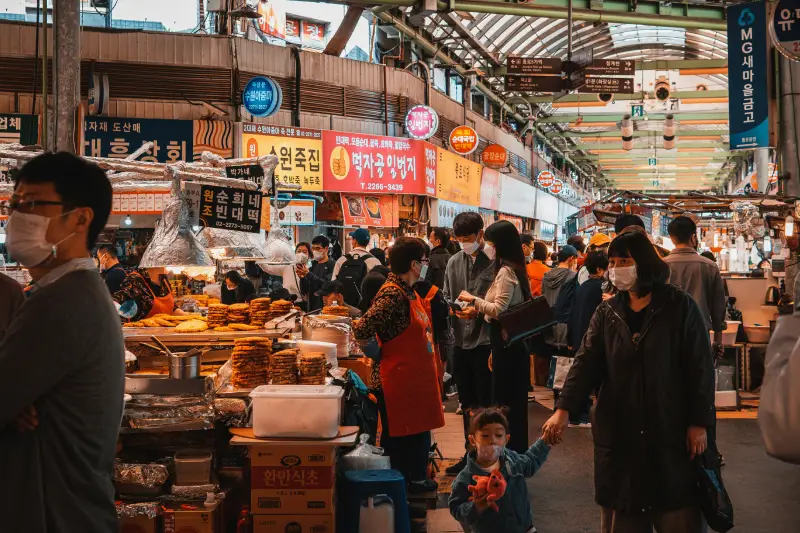
While our minds often conjure images of breathtaking sights, captivating sounds, and intriguing encounters when we think of travel, there’s another, equally profound dimension that often flies under the radar: the food we taste. From the vibrant buzz of street markets to the quiet intimacy of family kitchens, a destination’s culinary landscape offers an unparalleled glimpse into its history, values, and very soul. It’s in the intoxicating aroma of spices, the satisfying texture of freshly baked bread, or the shared laughter over a communal meal that we truly forge a connection with a place.
Celebrating the unique culinary traditions that set each destination apart is much more than just eating; it’s an immersive cultural deep dive. Food, after all, tells vivid tales of migration, innovation, resourcefulness, and celebration. It mirrors the climate, the land, and the skilled hands that cultivate and prepare it. Grasping these traditions enriches our travels immensely, transforming a simple trip into a memorable voyage of discovery that truly feeds the soul.
Join us as we embark on a gastronomic adventure, exploring how the distinctive flavors and cooking methods across the globe not only create unforgettable memories but also deepen our appreciation for the world’s rich and diverse heritage.
The Heart of a Culture: Food as Identity
Beyond Sustenance: Food as a Cultural Mirror
Food, you see, is far more than mere sustenance; it’s a profound declaration of identity, a window into a culture’s very soul. The ingredients chosen, the cooking techniques employed, and the cherished rituals surrounding a meal all reflect a community’s storied history, deeply held beliefs, and intricate social structures. Just think of Japan’s delicate sushi, embodying precision and a profound respect for ingredients, or Italy’s hearty pasta, symbolizing family, comfort, and unwavering regional pride.

Every dish has a fascinating backstory, often lovingly passed down through generations, making it a living, breathing piece of cultural heritage. Delving into these culinary narratives allows travelers to connect with a destination on a much deeper, more personal level, truly understanding the essence of its people through the very flavors on their palate.
Regional Variations: A Tapestry of Flavors
Even within the confines of a single country, culinary traditions can vary dramatically from one region to the next. These striking variations are often shaped by local agriculture, pivotal historical events, and even the subtle influences of neighboring cultures. Take Indian cuisine, for instance, which showcases a vast spectrum of flavors, ranging from the rich, creamy curries of the North to the fiery, coconut-infused dishes that are a staple in the South.
Such incredible diversity underscores how local resources and cultural exchanges weave together to shape unique gastronomic identities. Embracing these regional differences is absolutely key to truly celebrating the unique culinary traditions that set each destination apart, offering an endless array of new tastes and utterly delightful experiences.

Street Food Sensations: A Taste of Local Life
The Bustle and Flavor of Street Markets
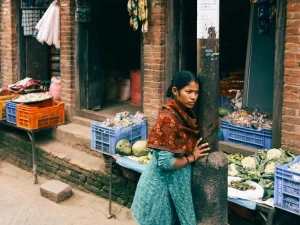
Street food often serves as the most authentic and vibrant expression of a destination’s culinary soul. From Bangkok’s bustling night markets to Mexico City’s ubiquitous taco stands, these informal eateries offer a quick, affordable, and incredibly flavorful glimpse into the heartbeat of local life. The sheer immediacy of street food, prepared right before your very eyes, only adds to its irresistible charm and widespread appeal.
It’s in these lively settings that you can truly witness the artistry of local cooks and soak in the daily rhythm of a city. The sensory overload—the sizzling woks, the heady aroma of spices, the lively chatter of vendors—creates an unforgettable atmosphere that is, in essence, an integral part of the food itself.
Read Also : Unveiling Stories: Iconic Artworks & Cultural Significance

Signature Street Dishes to Seek Out
Each culture proudly boasts its own iconic street foods that are an absolute must-try for any visitor. In Vietnam, it’s the aromatic pho or the crispy, savory banh mi. In Morocco, you might stumble upon savory tagines or delectable sweet pastries. These dishes are often deeply ingrained in the local lifestyle, serving as quick breakfasts, hearty lunches, or even comforting late-night snacks.
Discovering these signature street dishes is an essential part of celebrating the unique culinary traditions that make each destination special. They offer an accessible entry point into the local food scene, often revealing layers of complex flavors in deceptively simple, humble preparations.
Regional Delicacies: Beyond the Tourist Trail


Hidden Gems of Local Cuisine
While popular dishes often grab the headlines, many destinations harbor lesser-known regional delicacies that offer an even deeper dive into local culture. These might be seasonal dishes, specialties unique to a particular village, or foods intrinsically tied to specific family traditions. Seeking these out often means venturing off the beaten path, far from the well-trodden tourist areas.
Engaging with locals—don’t be shy about asking for recommendations from shopkeepers, taxi drivers, or guesthouse owners—is truly the best way to unearth these culinary treasures. Their insights can lead you to truly authentic experiences that are often far more rewarding than any guidebook recommendation could ever be.
The Art of Traditional Preparation
Many regional delicacies are defined not just by their ingredients, but by the intricate, time-honored methods of their preparation. These methods often involve slow cooking, meticulous fermentation, or specific artisanal techniques passed down through countless generations. Consider, for instance, the painstaking process of making Neapolitan pizza, which adheres to strict guidelines for dough and toppings, or the slow-smoked perfection of authentic American barbecue.
Understanding and appreciating these traditional preparations adds another rich layer to the culinary experience. It shines a light on the dedication and skill involved in creating dishes that are truly unique to their origin, further celebrating the unique culinary traditions that set each destination apart.
The Role of Festivals in Culinary Preservation

Food as the Centerpiece of Celebrations
Many cultural festivals around the world revolve explicitly around food, serving as vibrant platforms for both celebrating and preserving culinary traditions. These events are not merely about eating; they are profound expressions of community, heritage, and the shared joy derived from specific dishes. From Oktoberfest’s hearty German sausages and overflowing steins of beer to the Diwali festival’s elaborate sweets in India, food stands squarely at the heart of the festivities.
These festivals often feature traditional recipes that might only be prepared once a year, making them absolutely crucial for keeping ancient cooking methods and flavors alive and kicking. They offer a rare, golden opportunity to witness and participate in the full, glorious scope of a destination’s food culture.
Read Also : Culinary Adventures That Showcase the Rich Tapestry of Local Flavors
Seasonal Feasts and Harvest Traditions
Many food festivals are intrinsically tied to agricultural cycles, celebrating bountiful harvests or the peak of seasonal ingredients. The Grape Harvest Festival in various wine regions, the ethereal Cherry Blossom festivals in Japan, or the delightful Garlic Festivals found across Europe and North America all brilliantly highlight the deep-seated connection between food, nature, and cultural practice. These events powerfully underscore the importance of local produce and sustainable practices.
Attending these seasonal feasts is an unparalleled way of celebrating the unique culinary traditions that make each destination special. It provides invaluable insights into local farming practices, the natural rhythm of the seasons, and the collective gratitude for nature’s generous bounty.
From Farm to Table: Sourcing Local Ingredients
The Importance of Terroir and Local Produce
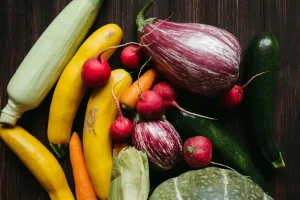
The concept of terroir, originally associated with wine, applies with equal weight to all culinary traditions. It refers to the complete natural environment in which a particular food is produced, encompassing factors such as soil composition, topography, and climate. These elements profoundly influence the nuanced flavor and distinctive character of ingredients, making a tomato grown in Italy taste distinctly different from one grown, say, in California.
Local ingredients are, without a shadow of a doubt, the cornerstone of authentic regional cuisine. Their freshness, distinct flavor profiles, and seasonal availability are precisely what give dishes their true sense of place. Seeking out dishes made with hyper-local ingredients is a direct and delicious path to experiencing a destination’s genuine flavors.
Farmers’ Markets and Local Growers
Visiting local farmers’ markets is an excellent way to connect directly with the source of a destination’s culinary identity. These bustling markets offer a direct link to the growers and producers, allowing you to see, smell, and taste the raw ingredients that form the very foundation of local dishes. It’s also a wonderful opportunity to interact with locals and pick up tips on seasonal specialties.
Supporting local growers not only ensures the freshness of your food but also contributes significantly to the sustainability of the region’s agricultural traditions. Engaging with these markets is a fantastic way of celebrating the unique culinary traditions that make each destination special, fostering a deeper understanding of the entire food chain, from seed to plate.
Sweet Endings: Desserts and Their Cultural Significance

Beyond the Main Course: A Sweet Reflection of Culture
Desserts, often overlooked in the eager pursuit of main courses, hold significant cultural weight. They are frequently associated with joyous celebrations, warm hospitality, and pure comfort, offering a sweet reflection of a destination’s cherished traditions. From the intricate, delicate pastries of France to the rich, spiced puddings of the Middle East, each dessert, in its own right, tells a compelling story.
The ingredients used, the meticulous preparation methods, and even the customary way desserts are served can reveal a great deal about a society’s values and history. For example, the balanced sweetness in many Asian desserts often serves to complement savory elements, reflecting a philosophical pursuit of harmony.
Read Also : Indulging in Lavish Retreats That Offer Pampering and Relaxation
Iconic Desserts and Their Origin Stories
Many destinations proudly boast iconic desserts with truly fascinating origin stories. Consider the beloved tiramisu from Italy, a layered coffee-flavored dessert whose very name means “pick me up,” or the ubiquitous baklava from Turkey/Greece, a rich, sweet pastry made of layers of filo filled with chopped nuts and generously sweetened with syrup or honey, often strongly associated with the grandeur of the Ottoman Empire.
Exploring these iconic desserts is a delightful way of celebrating the unique culinary traditions that make each destination special. Each bite offers a taste of history, a touch of local artistry, and a sweet memory to cherish long after your journey has come to an end.
Beverages That Tell a Story
Traditional Drinks and Their Rituals
Beyond the realm of food, traditional beverages also play a crucial role in defining a destination’s culinary identity and deeply ingrained cultural practices. Whether it’s the ceremonial tea of Japan, the communal coffee rituals of Ethiopia, or the diverse, nuanced wines of Europe, drinks are often intricately intertwined with social customs, expressions of hospitality, and the fabric of daily life.
These beverages are not just simple thirst quenchers; they are often prepared and consumed with specific rituals that powerfully highlight their cultural significance. Participating in these rituals offers a unique and invaluable insight into local customs and the subtle dynamics of social interaction.
Local Brews, Wines, and Spirits
Many regions are justly renowned for their distinctive alcoholic beverages, ranging from expertly crafted beers and regional wines to unique, potent spirits. These drinks often reflect the local agriculture, prevailing climate, and deep historical influences. For instance, Scotch whisky is profoundly rooted in Scotland’s rugged landscape and time-honored distilling traditions, just as tequila is inextricably synonymous with specific regions of Mexico.
Tasting these local brews, wines, and spirits provides yet another sensory layer to your culinary exploration. It’s a flavorful way of celebrating the unique culinary traditions that set each destination apart, offering a genuine taste of the land and its people.
How to Experience Local Cuisine Authentically
Embrace Local Markets and Small Eateries
For a truly authentic culinary experience, make it a point to venture beyond the main tourist strips. Explore vibrant local markets where vendors proudly sell fresh produce, aromatic spices, and tempting prepared foods. These are often the absolute best places to sample genuine local flavors at surprisingly affordable prices. Keep an eye out for small, family-run eateries or bustling street food stalls frequented by locals – that’s usually a dead giveaway for authenticity.
Don’t be afraid to ask for recommendations or try dishes that look utterly unfamiliar. More often than not, the best discoveries are made when you step out of your comfort zone and put your trust in the local palate.
Take a Cooking Class or Food Tour
To truly get to grips with the nuances of a destination’s cuisine, seriously consider taking a cooking class. This hands-on experience allows you to learn traditional techniques firsthand, gain an understanding of ingredient sourcing, and even prepare the dishes yourself. Many classes wisely include a market visit, further enriching the entire experience.
Alternatively, a well-guided food tour can provide a curated journey through a city’s culinary landscape, introducing you to hidden gems, local specialties, and the captivating stories behind the food. These experiences are invaluable for celebrating the unique culinary traditions that make each destination special, offering both priceless knowledge and delicious, lasting memories.
Read Also : Celebrating Art & Culture in Diverse Destinations
Preserving Culinary Heritage for Future Generations
The Threat of Globalization on Local Food Traditions
In an increasingly globalized world, many unique culinary traditions face the very real threat of homogenization. The relentless spread of fast food chains, the standardization of ingredients, and a lamentable loss of traditional farming practices can sadly erode the distinctiveness of local cuisines. This makes the conscious effort to preserve these traditions even more critical, now more than ever.
Travelers can play a vital role by actively seeking out and supporting local producers, traditional restaurants, and initiatives that aim to safeguard culinary heritage. Your choices as a consumer can genuinely help ensure these unique flavors endure for generations to come.
Initiatives for Culinary Preservation
Across the globe, various commendable initiatives are working tirelessly to preserve and promote unique culinary traditions. These include grassroots slow food movements, prestigious UNESCO recognition of gastronomic heritage (such as the Mediterranean diet or the French gastronomic meal), and local community projects that meticulously document recipes and teach traditional cooking methods. These efforts often involve educating younger generations about their culinary roots, keeping the flame alive.
Supporting these initiatives is absolutely crucial for celebrating the unique culinary traditions that make each destination special. By recognizing and valuing the distinctiveness of local food, we all contribute to a richer, more diverse global culinary landscape for future travelers and generations yet unborn.
Conclusion
Celebrating the unique culinary traditions that make each destination special
is, without a doubt, an integral part of responsible and truly enriching travel. Food offers a direct, delicious, and deeply personal pathway to understanding the very heart and soul of a culture. From the vibrant, almost intoxicating energy of street food markets to the quiet dignity of traditional family recipes, every single bite tells a story, reflects a history, and embodies the inimitable spirit of a place.
By actively seeking out authentic local experiences—whether through engaging cooking classes, bustling farmers’ markets, or simply by daring to try a regional delicacy—travelers can foster a deeper, more profound appreciation for global diversity. These culinary adventures not only create unforgettable memories but also play a crucial role in contributing to the preservation of precious gastronomic heritage for generations to come. So, on your next journey, throw caution to the wind, let your taste buds lead the way, and savor the incredible, boundless world of uniqunique culinary traditions
FAQ
A1: Culinary traditions are absolutely pivotal because they serve as a vibrant reflection of a destination's deep history, unique geography, available resources, and cherished cultural values. They are, more often than not, lovingly passed down through generations, beautifully embodying unique flavors, time-honored techniques, and distinctive social customs that are truly specific to a particular place, thereby making them an indispensable core part of its identity and heritage.
A2: To unearth those truly unique local foods, try diving into bustling local markets, don't hesitate to ask residents for their top recommendations (especially street vendors or quaint, family-run restaurants), consider taking an expertly guided food tour, or even roll up your sleeves and enroll in a hands-on cooking class. Above all, don't be afraid to venture well off the beaten path and bravely try dishes that might initially seem unfamiliar – that's where the real magic happens!
A3: Traditional cuisine typically encompasses dishes and cooking methods that have been practiced for generations, often passed down through family lines, placing a strong emphasis on authenticity and historical accuracy. Modern cuisine, on the other hand, while frequently rooted in tradition, boldly incorporates contemporary techniques, embraces global influences, and utilizes innovative presentations to craft entirely new and exciting culinary experiences.
A4: Absolutely, and then some! Many ancient food traditions were, in fact, inherently sustainable, intuitively focusing on seasonal, local ingredients, meticulously minimizing waste, and ingeniously utilizing every single part of an animal or plant. Modern sustainable gastronomy admirably aims to revive and adapt these timeless principles, actively promoting ethical sourcing, fostering biodiversity, and championing eco-friendly practices within today's complex food systems.
A5: Food, at its very core, connects people by offering a universal medium for sharing, joyous celebration, and profound understanding. Shared meals possess an uncanny ability to break down barriers, spark lively conversation, and forge an undeniable sense of community. Experiencing another culture's food firsthand offers invaluable insight into their values, history, and unique way of life, thereby building empathy and fostering a deeper appreciation across our wonderfully diverse backgrounds.

Popular Posts


Embracing Spiritual Growth Through Travel and Exploration
Travel is more than just seeing new places; it's a profound journey into oneself. This article explores how embracing travel and exploration can significantly contribute to your spiritual growth, offering unique perspectives and transformative experiences.