Engaging Locals: Discover True Urban Life

When you visit a new city, it’s easy to get caught up in the well-trodden paths of famous landmarks and popular tourist spots. While these offer a glimpse into a city’s grandeur, they often miss the vibrant pulse of daily life that truly defines a place. To move beyond the superficial and genuinely connect with the spirit of a city, the most effective approach is to engage directly with its residents.
Engaging with locals to discover the true essence of urban life is not just about finding the best coffee shop or a hidden alleyway; it’s about understanding the rhythm, the stories, and the unique character that only those who live there can share. It transforms a simple trip into a profound cultural immersion, offering perspectives and experiences that no guidebook could ever provide.
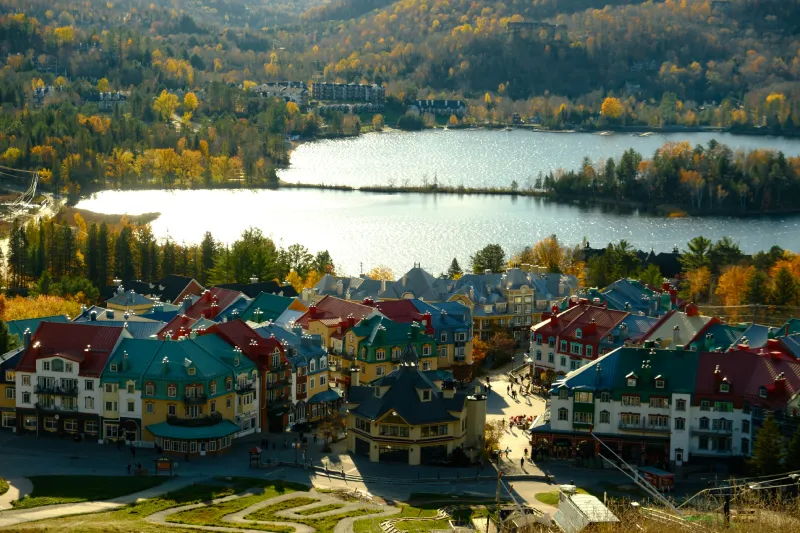
This article will guide you through practical steps, helpful tips, and thoughtful considerations to foster genuine connections with locals, ensuring your next urban adventure is rich with authentic discoveries and unforgettable interactions.
Why Local Interaction Transforms Your Trip
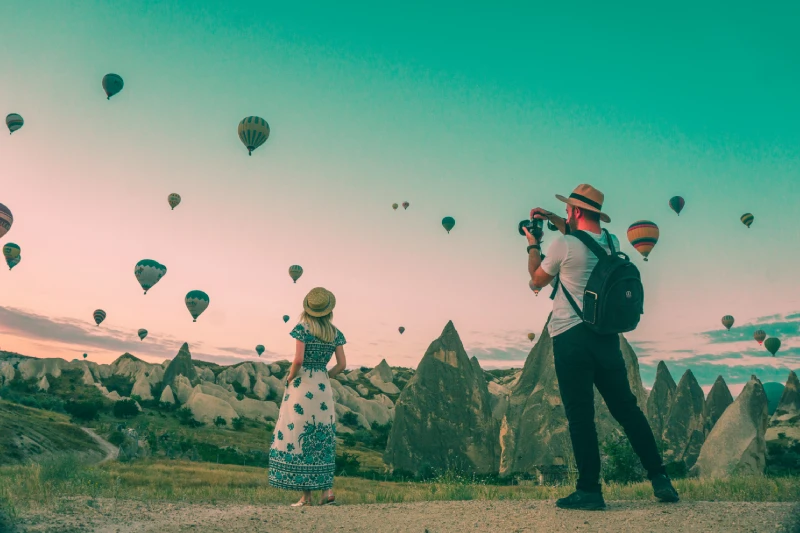
Many travelers seek to experience a city “like a local,” but few actively pursue the interactions necessary to achieve this. The typical tourist itinerary, while convenient, often creates a bubble, insulating visitors from the very culture they wish to explore. Breaking out of this bubble is the first step towards a more profound travel experience.
Read Also : The Influence of Local Art and Culture on Travel Experiences
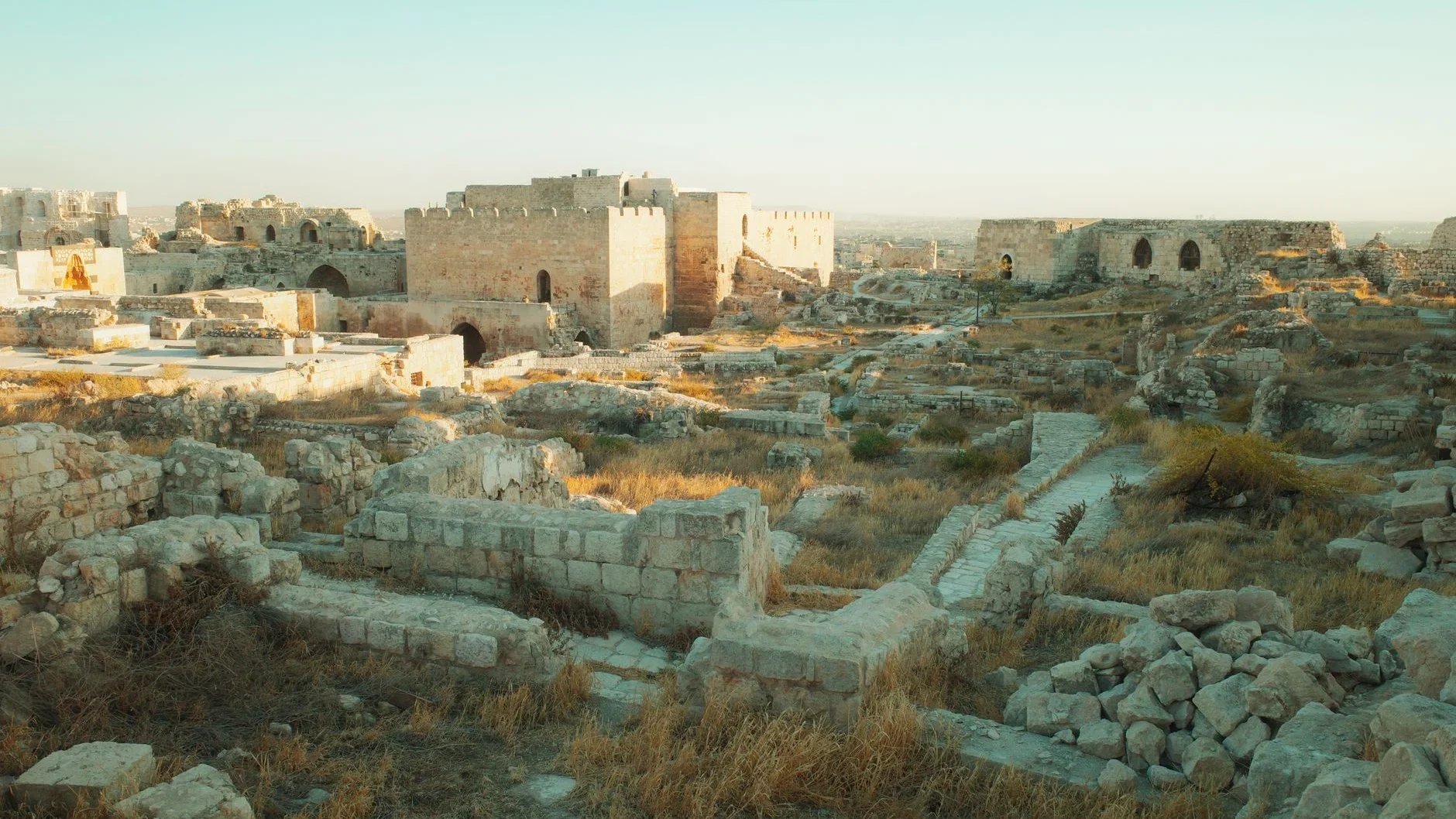
By consciously choosing to engage with locals, you unlock a different dimension of travel. You move from being a passive observer to an active participant, allowing for a deeper appreciation of the city’s unique identity.
Beyond Tourist Traps and Guidebooks
Guidebooks are invaluable for historical facts and popular attractions, but they rarely capture the current, evolving pulse of a city. They often highlight what’s already well-known, leading travelers to crowded, sometimes overpriced, destinations designed purely for visitors. The true charm of a city often lies off the beaten path, in places known only to residents.
Locals can point you to authentic eateries, quiet parks, independent shops, and vibrant community events that are entirely overlooked by mainstream tourism. These are the places where the city’s genuine character shines through, offering experiences that feel less commercial and more personal.
Gaining Authentic Perspectives
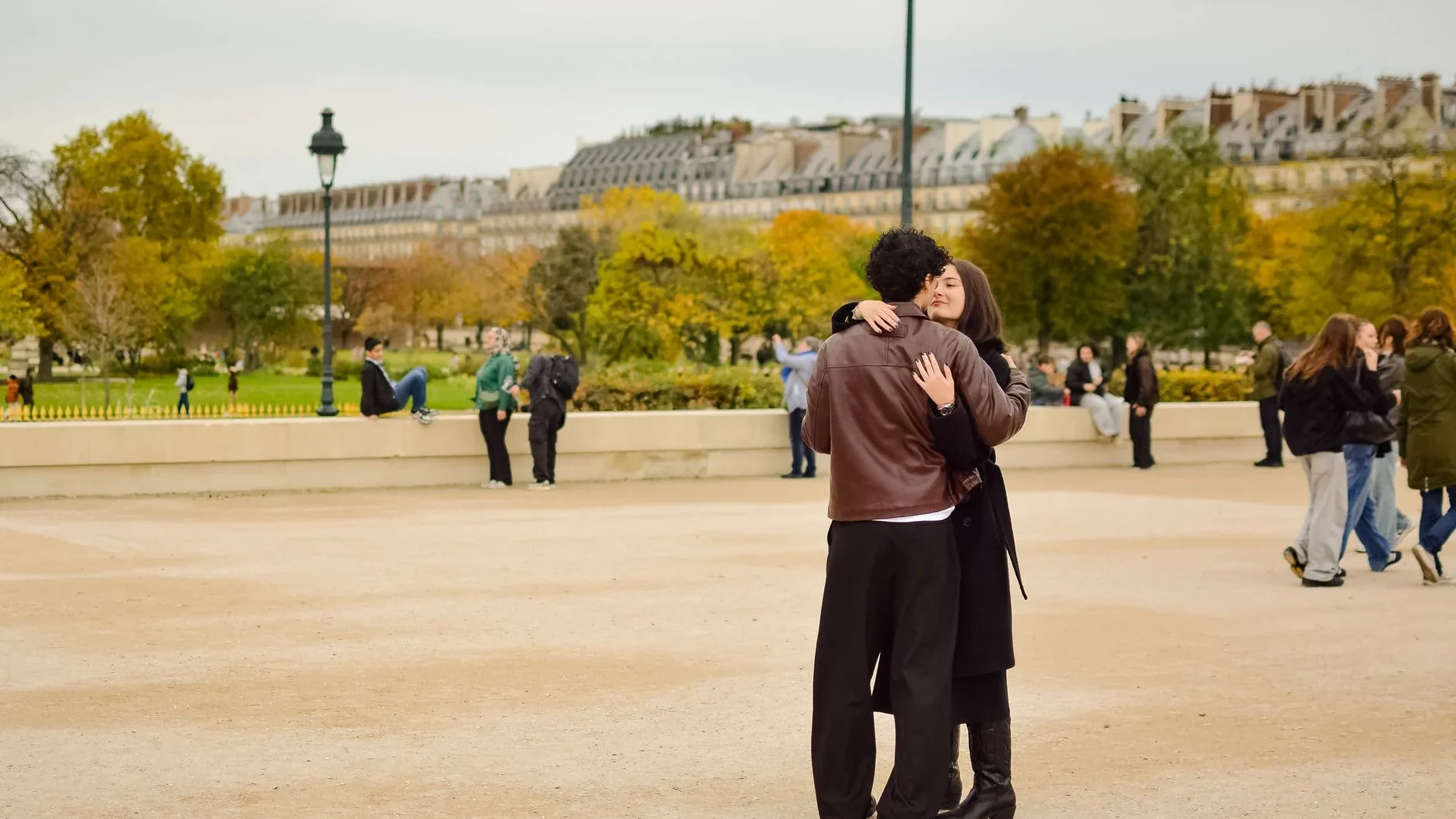
Every city has its own narrative, shaped by its history, its people, and its daily routines. Tourists often see the polished facade, but locals live the reality. By striking up conversations, you gain insights into their daily challenges, their joys, their traditions, and their dreams. This human connection adds a rich layer of understanding to your observations.
Read Also : Hidden Gems for Unforgettable Weekend Adventures 2026
Hearing a local’s perspective on their city’s history, current events, or even just their favorite neighborhood spot can completely alter your perception. It humanizes the landscape and allows you to see the city through a different, more nuanced lens, moving beyond mere sightseeing to true cultural understanding.
Creating Lasting Memories and Connections
While a stunning photo of a landmark is memorable, a genuine interaction with a local often leaves a far more profound and lasting impression. These are the stories you’ll recount years later – the friendly shopkeeper who shared a local secret, the helpful stranger who guided you through a bustling market, or the engaging conversation over a cup of coffee.
Such interactions don’t just create memories; they can forge unexpected friendships and connections that transcend geographical boundaries. These moments of human connection are the true treasures of travel, enriching your life long after your journey concludes.
Overcoming Initial Hesitation

For many, the idea of approaching strangers in an unfamiliar city can be daunting. Concerns about language barriers, cultural differences, or simply the fear of rejection can prevent travelers from initiating contact. However, these hesitations are often more imagined than real, and with a few simple strategies, they can be easily overcome.
Read Also : Key Travel Industry Developments for Every Traveler
Remember that most people are inherently friendly and often happy to share insights about their hometown. A little courage and an open mind can go a long way in fostering meaningful interactions.
Breaking the Ice with Confidence
Starting a conversation doesn’t require grand gestures. Simple, polite inquiries are often the best icebreakers. Ask for directions, inquire about a local dish, or compliment something you genuinely appreciate about their city. A warm smile and an open demeanor are universally understood signals of friendliness.
Practice a few common phrases in the local language, even if it’s just “hello,” “please,” and “thank you.” This shows respect and effort, often prompting a positive response. Look for opportunities in low-pressure environments, like cafes, markets, or public transport, where casual conversation is more natural.
Language Barriers as Opportunities
Don’t let a language barrier deter you. While fluent communication is ideal, much can be conveyed through gestures, simple words, and a willingness to understand. Many locals in tourist-heavy areas will have some basic English, or at least patience for a traveler’s attempts.
Read Also : Luxury Vacation Ideas: Unforgettable Escapes for [apc_current_year]
Consider using translation apps on your phone as a helpful tool, but don’t rely solely on them. The effort of trying to communicate, even imperfectly, often creates a bond. It can lead to humorous misunderstandings that become part of your travel stories and often result in greater patience and helpfulness from locals.
Respecting Cultural Norms and Etiquette
Before traveling, take a moment to research basic cultural etiquette of your destination. Understanding simple customs, such as greetings, appropriate dress, tipping practices, or gestures to avoid, can prevent unintentional offense and foster positive interactions. What’s polite in one culture might be rude in another.
Observe how locals interact with each other and try to mirror their behavior. For example, some cultures value direct eye contact, while others find it disrespectful. Being mindful and respectful of local traditions shows that you value their culture, making them more receptive to your attempts at connection.
Practical Ways to Connect with Locals
Read Also : Perfect Romantic Getaways for Couples | [apc_current_year] Guide
Once you’ve overcome initial hesitations, the next step is to actively seek out opportunities for interaction. This involves adjusting your travel habits and intentionally placing yourself in environments where casual encounters are more likely to occur. It’s about being present and open to what unfolds.
Think beyond the typical tourist itinerary and embrace experiences that allow for genuine integration into the daily life of the city. These moments are often the most rewarding.
Dining Beyond the Main Streets
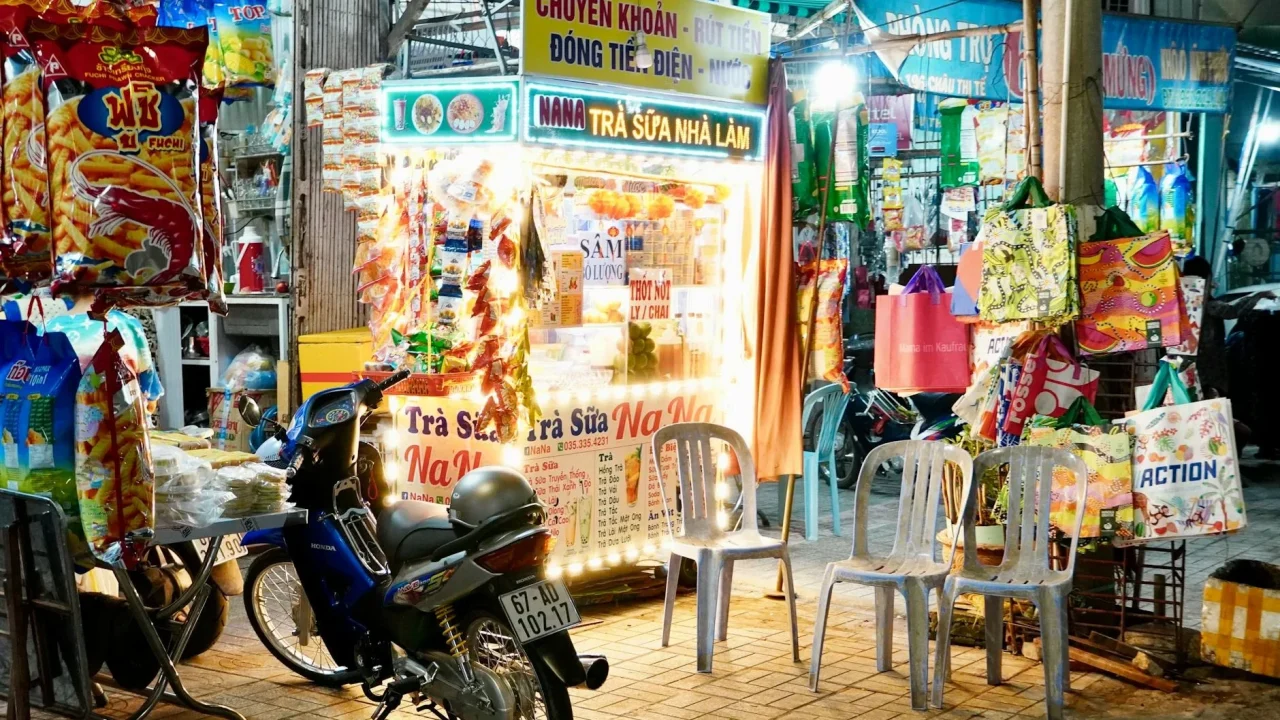
Avoid chain restaurants and tourist-trap eateries. Instead, venture into local neighborhoods and look for small, independent cafes, family-run restaurants, or bustling street food stalls. These places are often frequented by locals, offer authentic cuisine, and provide a more intimate setting for interaction.
Ask a server or a fellow diner for their recommendation on a local specialty or a nearby attraction. Engage in conversation about the food or the area. Eating where locals eat is one of the quickest ways to experience the true flavor of a city and its people.
Participating in Local Events and Activities
Read Also : Top Honeymoon Destinations for an Unforgettable Trip
Check local listings for community events, festivals, markets, or workshops. Participating in a cooking class, a language exchange meetup, a local sports game, or a volunteer activity immediately puts you in a shared context with residents. These activities provide a natural basis for conversation and camaraderie.
Even attending a local concert or art exhibition can provide opportunities. Observe, appreciate, and if appropriate, strike up a conversation with someone standing nearby about the event. Shared interests are powerful bridges.
Utilizing Local Services and Transportation
Opt for public transportation over taxis when possible. Buses and trains are melting pots of local life, offering glimpses into daily commutes and opportunities for casual chats. Similarly, patronize local businesses – bakeries, bookstores, barbershops, or small convenience stores – rather than large chains.
Engage with the people providing these services. Ask a barista about their favorite blend, a shopkeeper about their craft, or a bus driver about the best route to a local park. These small interactions accumulate, building a richer picture of urban life.
Where to Find Local Hotspots
Read Also : Ultimate Guide to Luxury Resorts & Exclusive Getaways

Identifying places where locals gather naturally is key to fostering interaction. These aren’t necessarily the places highlighted in travel brochures, but rather the everyday hubs where community life unfolds. Seeking out these spots will increase your chances of meaningful encounters.
Being present in these environments, even if just observing initially, helps you absorb the local atmosphere and rhythm, making it easier to eventually engage.
Markets and Public Squares
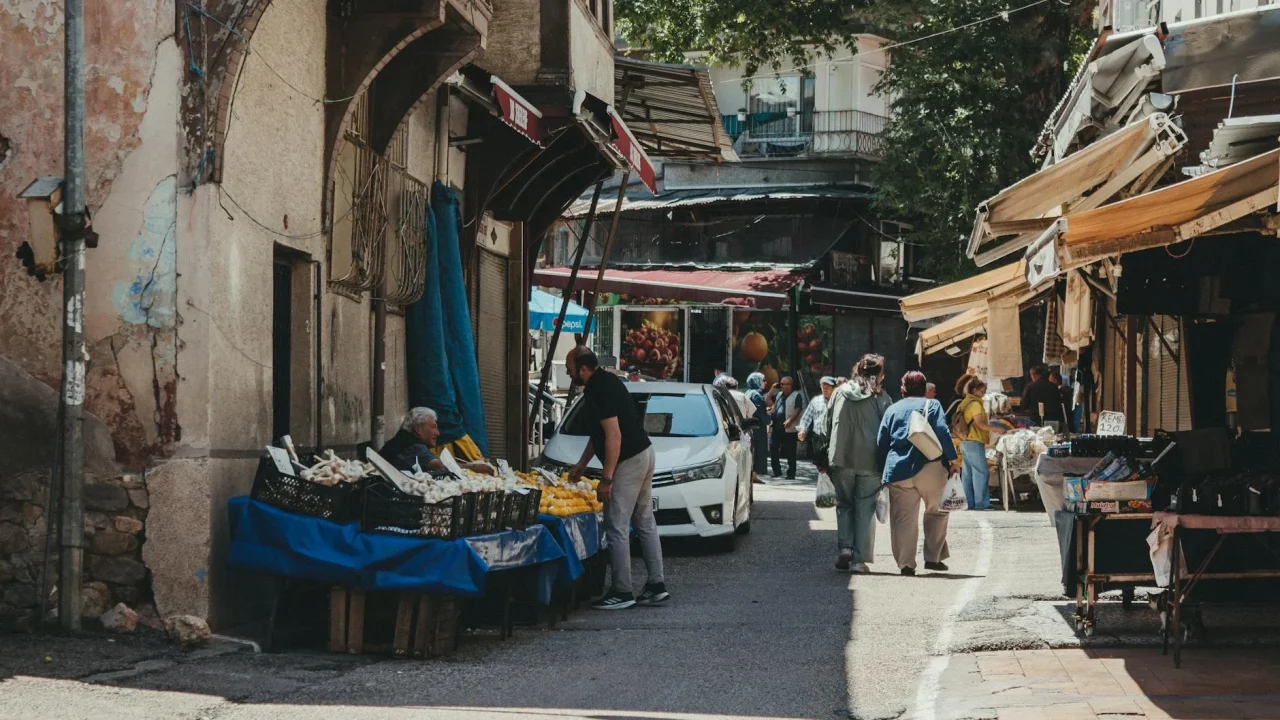
Local markets, whether for food, crafts, or flea market finds, are vibrant centers of community activity. They are places where people come to socialize, shop, and exchange news. The atmosphere is often lively and informal, making it easier to strike up conversations with vendors or fellow shoppers.
Public squares and plazas also serve as important gathering places, especially in the evenings or on weekends. People relax, children play, and friends meet. Find a bench, observe, and be open to spontaneous interactions.
Read Also : Explore Visa Free Countries: Your Ultimate Guide
Neighborhood Cafes and Bars
Beyond the main tourist arteries, explore residential neighborhoods for local cafes and bars. These are often community staples, where regulars gather for their daily coffee, a quick lunch, or an evening drink. The staff often knows their patrons well, creating a welcoming and familiar atmosphere.
Sit at the bar or a communal table, if available. Ask the bartender or barista for recommendations, or simply observe the interactions around you. A friendly nod or smile can often be enough to open the door to a brief chat.
Parks and Recreational Areas
Urban parks are green oases where city dwellers go to relax, exercise, and socialize. Whether it’s a morning jog, an afternoon picnic, or an evening stroll, parks offer a relaxed setting for unforced interactions. Dog parks, in particular, are excellent places to meet locals, as pet owners often bond over their animals.
Look for community sports fields, outdoor chess tables, or local playgrounds. These active spaces naturally invite interaction and shared experiences, providing easy entry points for conversation.
Read Also : Smart Travel Saving Tips for Your Next Adventure
Asking the Right Questions

Once you’ve initiated contact, the quality of your questions can greatly influence the depth of the interaction. Moving beyond superficial inquiries allows for more engaging conversations and reveals richer insights into the city and its culture. Thoughtful questions show genuine interest and respect.
Remember to listen actively to the responses, allowing the conversation to flow naturally rather than sticking to a rigid script.
Probing for Hidden Gems and Local Favorites
Instead of asking “What’s good here?”, try “What’s your absolute favorite hidden gem in this neighborhood?” or “If you had one afternoon to truly experience the best of this city, where would you go?” These questions encourage locals to share their personal preferences and secret spots, leading to unique recommendations.
You might also ask about specific types of experiences: “Where can I find the best live music that locals go to?” or “Is there a particular viewpoint or park that you find most peaceful?” This helps tailor recommendations to your interests while still getting an authentic local perspective.
Read Also : Travel Budgeting Guide: Plan Your Dream Trip Affordably
Understanding Daily Life and Routines
To truly grasp the essence of urban life, inquire about the daily routines and challenges of residents. Questions like “What’s a typical workday like for you in this city?” or “How has this neighborhood changed over the years?” can provide fascinating sociological insights.
You could also ask about local traditions: “Are there any specific festivals or holidays that are particularly important here?” or “What’s a common weekend activity for families in this area?” These questions go beyond tourism and delve into the fabric of the community.
Learning Local Customs and Expressions
Showing an interest in the local language and customs is a great way to build rapport. Ask “Could you teach me a useful local phrase?” or “What’s a common custom that visitors often misunderstand?” This demonstrates humility and a desire to learn, which is often appreciated.
Inquire about local etiquette: “Is there anything specific I should know about dining manners here?” or “What’s the best way to greet someone respectfully?” Such questions not only provide valuable information but also convey your respect for their culture.
Safety and Etiquette When Engaging
While engaging with locals is highly rewarding, it’s crucial to approach these interactions with a mindful awareness of personal safety and cultural sensitivity. Being a respectful and responsible traveler ensures positive experiences for both you and the people you meet.
Trust your instincts, be polite, and always remember that you are a guest in someone else’s home city.
Prioritizing Personal Safety
Always prioritize your safety. While most people are friendly and helpful, it’s wise to be cautious when approaching strangers. Meet in public places, avoid sharing too much personal information, and be wary of anyone who seems overly insistent or makes you feel uncomfortable. If a situation feels off, politely excuse yourself.
Inform someone of your plans if you’re venturing far off the beaten path with new acquaintances. It’s also a good idea to have a local emergency number and address of your accommodation readily available.
Being a Respectful Guest
Remember that you are a visitor in someone else’s community. Be polite, patient, and humble. Avoid making comparisons that might seem critical of their city or culture, and be open to different ways of doing things. Listen more than you speak, and show genuine interest in their perspectives.
Always ask for permission before taking photos of people, especially children, or in sensitive areas. A simple gesture or a polite “May I?” goes a long way in showing respect.
Offering Something in Return or Showing Gratitude
While you shouldn’t expect anything in return for your politeness, it’s good practice to offer a small token of appreciation if someone goes out of their way to help you. This could be buying them a coffee, offering to share a meal, or simply expressing heartfelt thanks.
If you’ve received a valuable recommendation, follow up on it and, if you see the person again, share your positive experience. A genuine thank you and a story of how their advice enhanced your trip can be incredibly rewarding for them, reinforcing positive interactions for future travelers.
The Ripple Effect of Local Engagement
The benefits of engaging with locals extend far beyond your personal travel experience. These interactions contribute positively to the local community and foster a broader understanding between cultures. Your conscious efforts to connect can have a small but significant ripple effect.
By choosing to travel with an open heart and mind, you become an ambassador for cultural exchange and responsible tourism, leaving a positive mark wherever you go.
Supporting Local Economies Directly
When you seek out local markets, independent shops, and family-run restaurants suggested by residents, you are directly funneling your tourist dollars into the local economy. This supports small businesses, creates jobs, and helps maintain the unique character of neighborhoods, preventing them from being overtaken by generic chains.
This contrasts sharply with spending solely at large international hotels or major tourist attractions, where much of the revenue might leave the local community. Your choices as a traveler can make a tangible difference in the livelihoods of residents.
Fostering Cultural Exchange and Understanding
Every genuine conversation is an act of cultural exchange. You learn about their world, and they learn about yours. This mutual understanding helps break down stereotypes, build empathy, and highlight our shared humanity despite our differences. It contributes to a more peaceful and interconnected world, one interaction at a time.
These personal stories and shared moments are far more impactful than any news report or documentary in shaping a true appreciation for other cultures. You become a bridge between worlds, even if only for a brief moment.
Personal Growth and Empathy
Stepping outside your comfort zone to engage with strangers in a foreign land is a powerful catalyst for personal growth. It builds confidence, adaptability, and resilience. More importantly, it cultivates empathy by exposing you to different ways of life, challenges, and perspectives.
You return home not just with souvenirs, but with a broadened worldview and a deeper appreciation for the diversity of human experience. This expanded perspective enriches your life long after the trip concludes, making you a more understanding and compassionate individual.
Documenting Your Authentic Encounters
The unique experiences gained from engaging with locals are often the most precious takeaways from a trip. While photos capture sights, it’s the stories and feelings from these interactions that truly resonate. Documenting these moments helps preserve their richness and allows you to relive them long after you’ve returned home.
Consider creative ways to record these authentic encounters, ensuring they remain vibrant memories.
Capturing Stories, Not Just Sights
Instead of just photographing landmarks, try to capture the essence of your interactions. This could mean a photo of the local artisan you spoke with (with permission, of course), a snapshot of the cafe where you had a memorable conversation, or even a picture of a menu item that sparked a discussion.
The goal is to associate visual cues with the stories and feelings behind them. These images serve as prompts for the narratives you’ll share with friends and family, making your travel tales far more engaging.
Journaling Your Interactions and Insights
Keep a travel journal dedicated to your local encounters. Note down the names of people you met, snippets of conversations, interesting facts they shared, and the emotions you felt during these interactions. Describe the atmosphere of the places they recommended and how these experiences differed from typical tourist activities.
This practice helps solidify your memories and provides a personal record of your journey into the true essence of urban life. It’s a treasure trove of authentic experiences that photos alone cannot convey.
Sharing Responsibly and Respectfully
When sharing your experiences with others, whether on social media or in person, do so respectfully. Be mindful of privacy, especially if you’ve taken photos of individuals. Always remember the context of your interactions and avoid sensationalizing or misrepresenting local cultures.
Focus on sharing the positive aspects of cultural exchange and the insights you gained. Your responsible sharing can inspire others to travel more meaningfully and engage with locals in a respectful way, continuing the positive ripple effect.
Conclusion
Engaging with locals to discover the true essence of urban life is arguably the most rewarding aspect of travel. It transforms a superficial visit into a profound journey of discovery, offering insights, connections, and memories that no amount of sightseeing can replicate. By stepping out of your comfort zone and embracing the human element of travel, you unlock a city’s genuine character and contribute to a richer, more interconnected world.
Remember that every interaction, no matter how brief, holds the potential for a unique learning experience. From a simple “hello” at a market stall to a deep conversation in a neighborhood cafe, these moments weave together to create a vibrant tapestry of understanding. Be open, be respectful, and be curious, and the cities you visit will reveal their true selves to you.
So, on your next urban adventure, challenge yourself to look beyond the guidebooks. Seek out the smiles, listen to the stories, and let the people of the city guide you to its authentic heart. The true essence of urban life awaits those willing to engage.
FAQ
Generally, yes, but it's important to use common sense and prioritize your safety. Start with casual interactions in public, well-lit places like cafes, markets, or parks. Trust your instincts; if a situation feels uncomfortable, politely disengage. Avoid sharing excessive personal information and always meet in public settings.
Don't let a language barrier deter you. Many locals, especially in tourist areas, might know some basic English. A friendly smile, gestures, and a willingness to try a few words in their language (e.g., "hello," "thank you") can go a long way. Translation apps can also be helpful, but the effort to communicate often creates a bond.
Ask locals! Once you've made a connection, inquire about their favorite neighborhood spots, hidden gems, or places they go for authentic food or entertainment. You can also look for busy establishments that don't have English menus or signs, or observe where locals congregate in parks and public squares.
It's generally not expected to offer money for simple help like directions or recommendations. However, a small gesture of gratitude, such as buying them a coffee, offering to share a meal, or a small gift from your home country, can be a thoughtful way to show appreciation if someone goes significantly out of their way for you. Always gauge the situation and be respectful of local customs regarding gifts.
Always be polite, patient, and humble. Listen more than you speak, and show genuine interest in their culture and perspectives. Avoid making negative comparisons to your home country. Always ask for permission before taking photos of individuals. Be mindful of personal space and local customs, and be prepared to respectfully disengage if someone seems uninterested or busy.


Popular Posts


Embracing Spiritual Growth Through Travel and Exploration
Travel is more than just seeing new places; it's a profound journey into oneself. This article explores how embracing travel and exploration can significantly contribute to your spiritual growth, offering unique perspectives and transformative experiences.


One thought on “Engaging Locals: Discover True Urban Life”