Underrated European Destinations: Hidden Gems
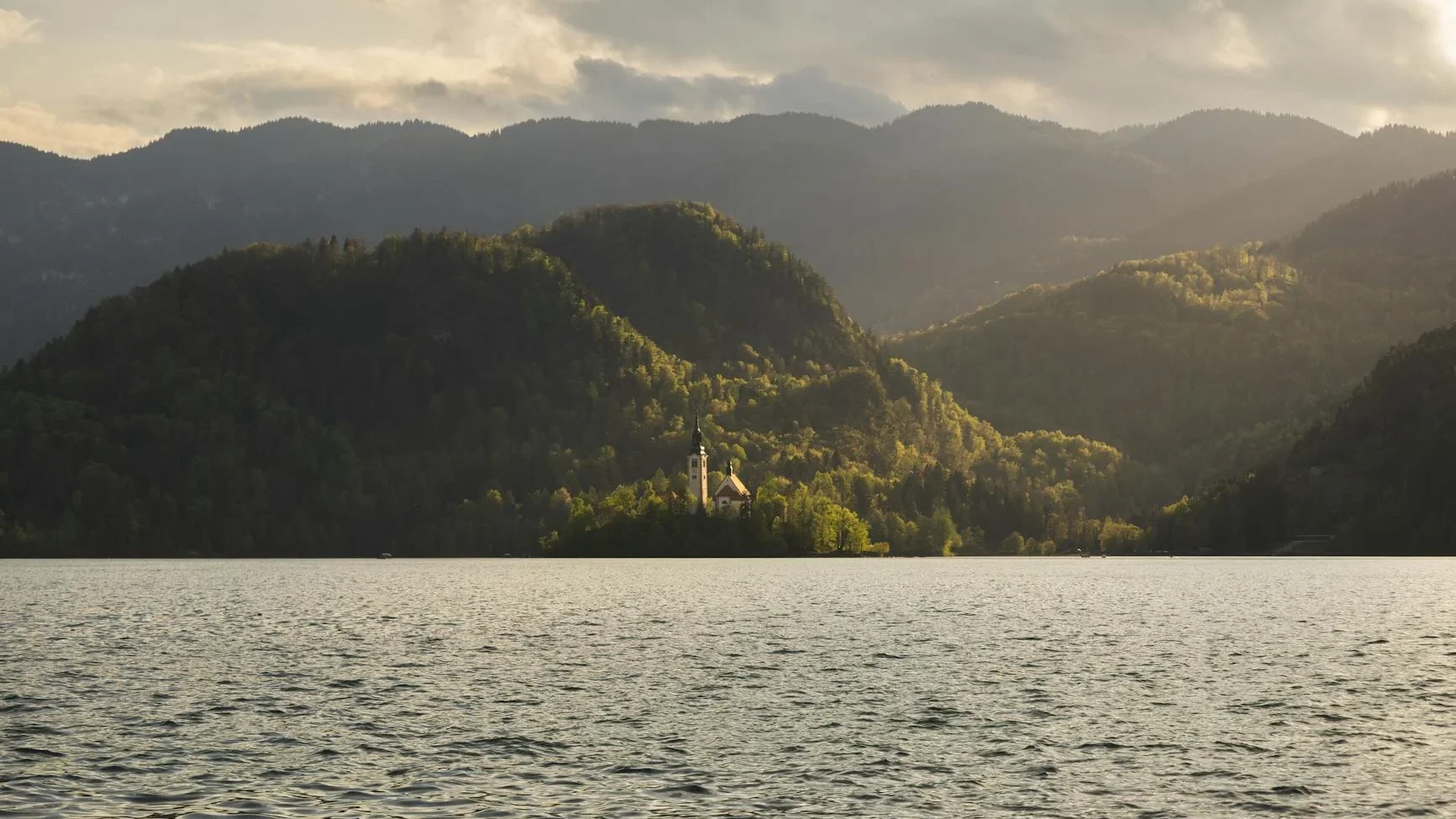
Europe consistently ranks as a top travel destination, drawing millions with its iconic landmarks, rich history, and diverse cultures. However, the allure of places like Paris, Rome, and Barcelona often comes with massive crowds, long queues, and inflated prices. For the seasoned traveler or those seeking a more authentic and intimate experience, a different path beckons: the exploration of Europe’s truly underrated travel destinations.
Imagine wandering through ancient streets without jostling for space, discovering pristine natural landscapes untouched by mass tourism, and savoring local cuisine in quiet, charming tavernas. These hidden gems offer not just a break from the crowds but a deeper connection to the local way of life, often at a fraction of the cost. If you’re ready to venture beyond the well-trodden paths and uncover Europe’s best-kept secrets, you’ve come to the right place.
Why Choose Underrated European Destinations?
Avoid the Crowds and Tourist Traps
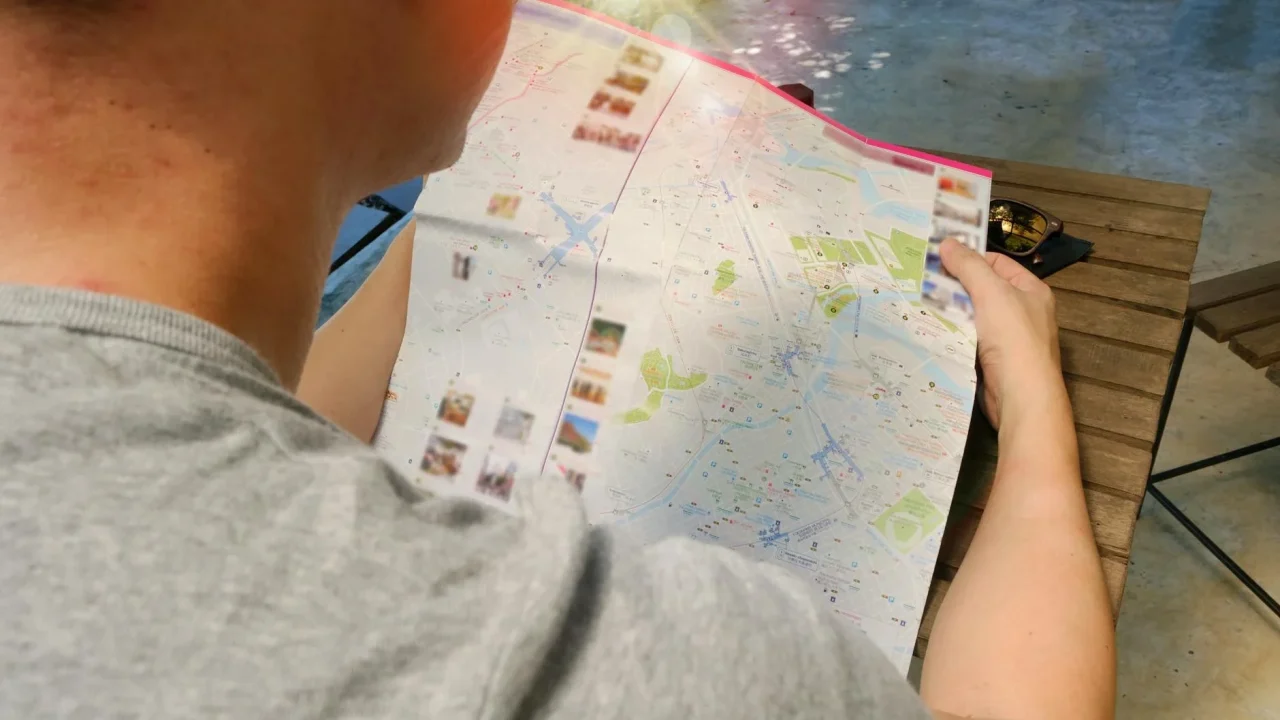
One of the most compelling reasons to explore less-known destinations is the promise of peace and authenticity. Popular European cities, while magnificent, can be overwhelming during peak season, turning what should be a relaxing vacation into a frustrating exercise in crowd management. Underrated spots offer a refreshing alternative, allowing you to experience sights and culture without the constant crush of tourists.
This means shorter lines, more space to appreciate historical sites, and a more serene environment for photography and reflection. You’ll find yourself interacting more genuinely with locals, rather than being just another face in a sea of visitors, leading to a richer and more memorable journey.
Authentic Cultural Immersion
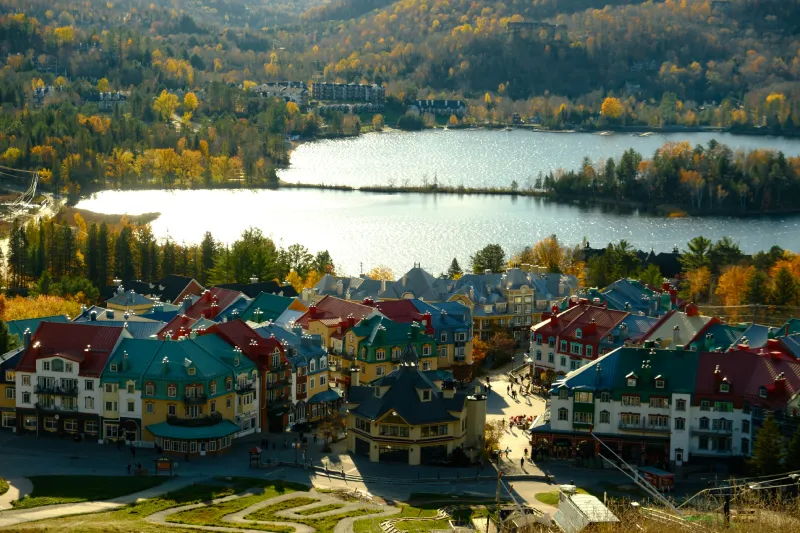
When you step away from the mainstream, you often find yourself immersed in a culture that hasn’t been diluted or commercialized for tourism. In these underrated travel destinations in Europe, traditions are more vibrant, local life unfolds naturally, and the true spirit of the place shines through. From traditional festivals to local markets, you’ll witness everyday life as it truly is.
Engaging with local communities, trying authentic dishes prepared with regional ingredients, and discovering local artistry provides a deeper understanding and appreciation for the destination. This kind of travel fosters a sense of discovery and connection that is often lost in heavily touristed areas, making your European adventure truly unique.
Budget-Friendly Adventures
Another significant advantage of choosing underrated destinations is the potential for considerable savings. Prices for accommodation, food, transportation, and activities tend to be significantly lower in less-visited regions compared to their famous counterparts. This allows you to extend your trip, indulge in more experiences, or simply save money without compromising on quality.
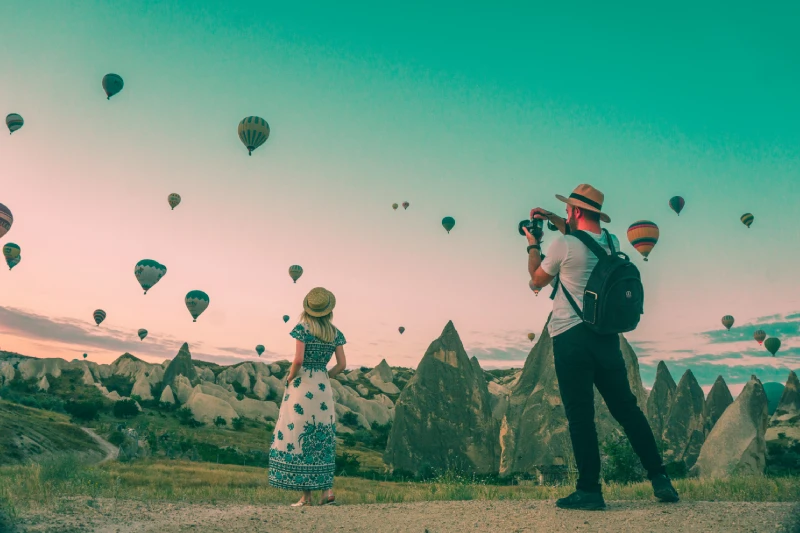
For example, a meal that would cost a premium in Paris might be a fraction of the price and twice as authentic in a small town in Albania or Bosnia. This affordability makes exploring Europe more accessible, proving that an incredible European adventure doesn’t have to break the bank, especially when you seek out these fantastic underrated travel destinations in Europe.
Slovenia: A Green Gem in Central Europe
Ljubljana: The Charming Capital
Slovenia’s capital, Ljubljana, is a picturesque city often overlooked in favor of bigger European capitals. Its pedestrian-friendly city center is a delight, with the emerald-green Ljubljanica River flowing through, flanked by charming cafes and Baroque architecture. The Ljubljana Castle, perched atop a hill, offers panoramic views of the city and surrounding Alps.
The city’s atmosphere is relaxed and welcoming, with a strong emphasis on sustainability and green spaces. Explore its vibrant markets, cross the Triple Bridge and Dragon Bridge, and enjoy the city’s lively cultural scene. Ljubljana perfectly embodies the charm and accessibility of underrated travel destinations in Europe.
Read Also : Discover Europe's Most Beautiful Places | Travel Guide
Lake Bled and Triglav National Park
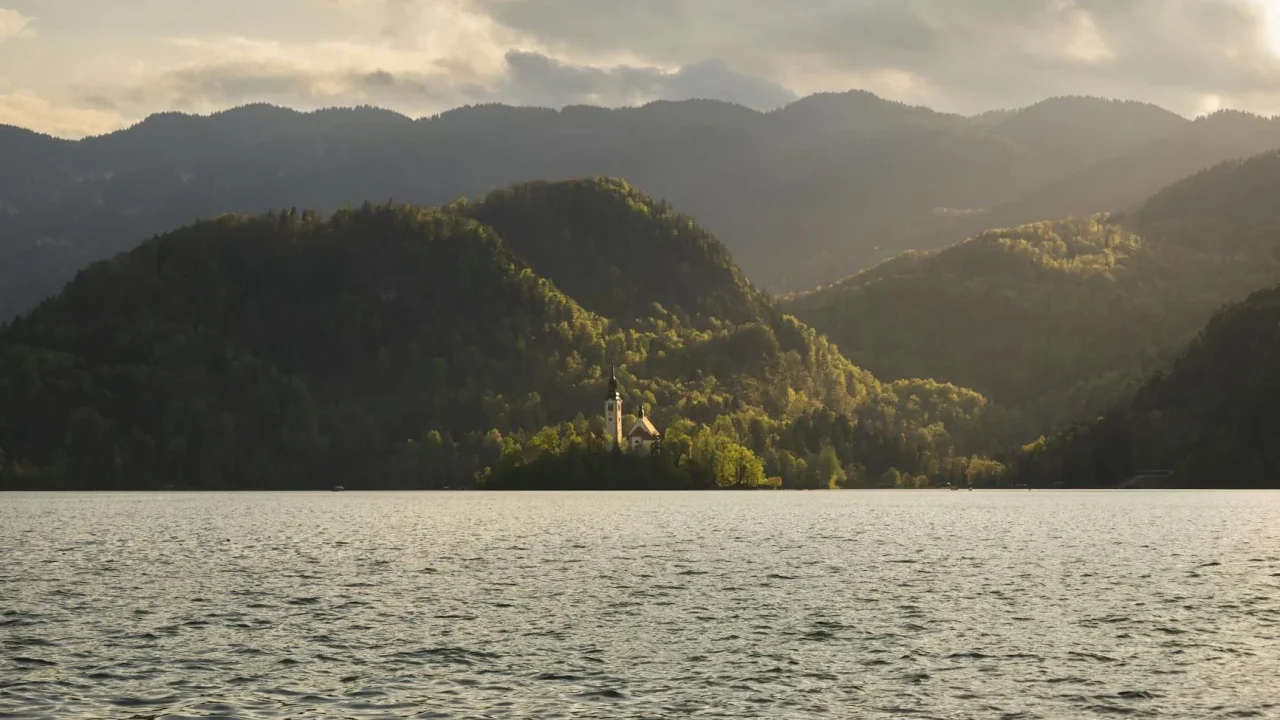
Perhaps Slovenia’s most iconic image, Lake Bled, is a fairytale destination with its island church and medieval castle overlooking the serene blue waters. While gaining popularity, it still retains its magical allure, especially outside of peak summer months. Take a traditional Pletna boat to the island, ring the church bell for good luck, or hike to viewpoints for breathtaking vistas.
Beyond Bled, Triglav National Park offers a wilderness paradise for hikers, climbers, and nature lovers. With soaring peaks, pristine rivers like the Soča, and stunning waterfalls, it’s a haven for outdoor enthusiasts. The park’s diverse landscapes provide endless opportunities for adventure, making it a cornerstone of Slovenia’s appeal.
Piran: Adriatic Coastal Beauty
On Slovenia’s short stretch of Adriatic coastline lies Piran, a stunning Venetian-Gothic town that feels straight out of a postcard. Its narrow streets, bustling Tartini Square, and ancient city walls exude old-world charm. Piran offers a tranquil coastal escape, perfect for enjoying fresh seafood and watching sunsets over the sea.

The town’s rich history is evident in its architecture, and its relaxed pace invites visitors to simply wander and soak in the atmosphere. Compared to the crowded Italian or Croatian coasts, Piran offers a more intimate and authentic Adriatic experience, solidifying Slovenia’s place among the top underrated travel destinations in Europe.
Albania: Europe’s Last Frontier
Tirana: A City Reborn
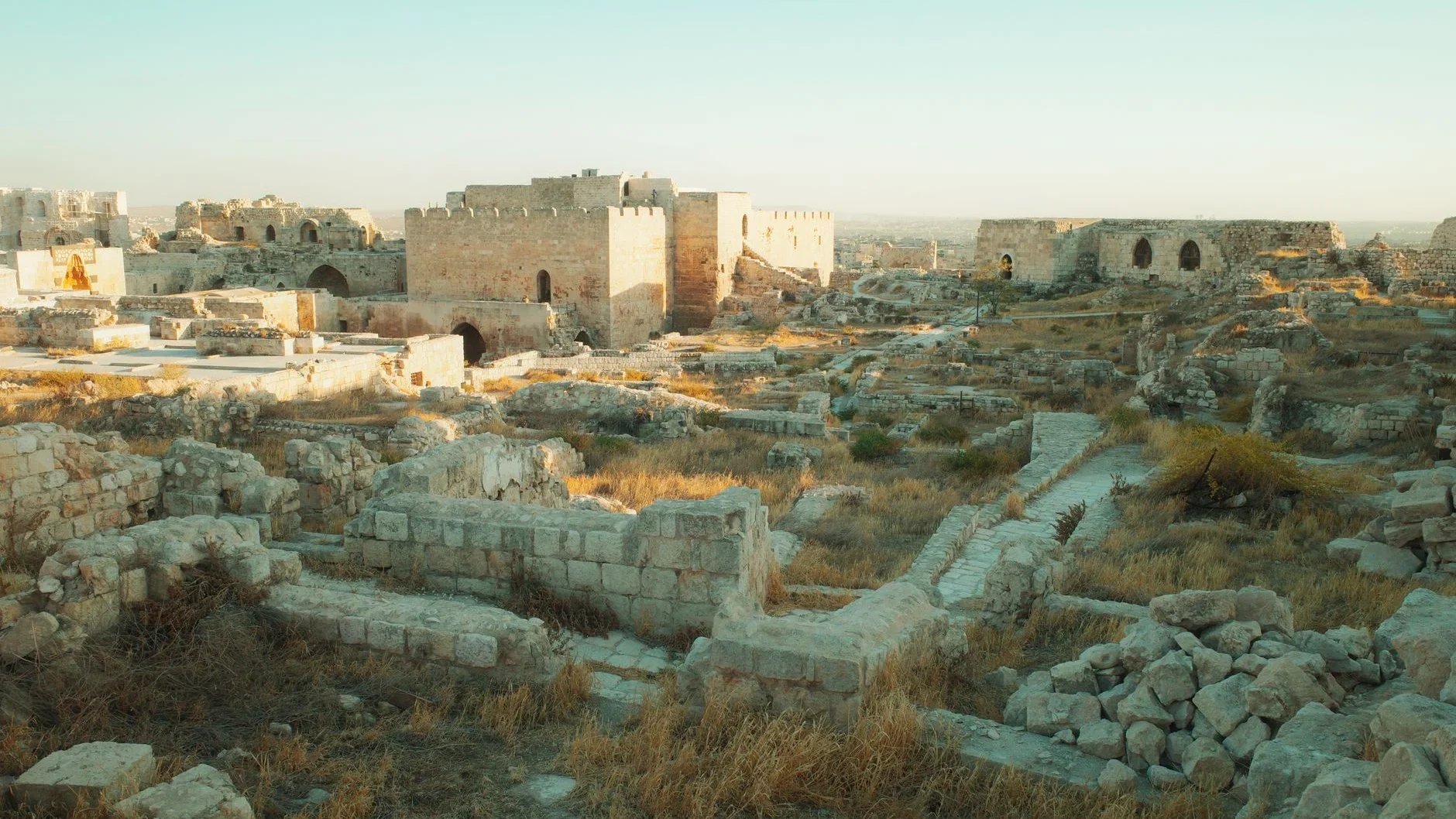
Albania’s capital, Tirana, is a vibrant and energetic city that has undergone a remarkable transformation in recent decades. Once a drab communist city, it now bursts with colorful buildings, bustling cafes, and a lively nightlife. Skanderbeg Square is the heart of the city, surrounded by historical landmarks and modern art installations.
Explore the Blloku district, once reserved for the communist elite, now a trendy area with bars and restaurants. Tirana offers a fascinating glimpse into Albania’s past and its hopeful future, making it an intriguing starting point for exploring one of Europe’s most unique and underrated travel destinations.
Albanian Riviera: Pristine Beaches
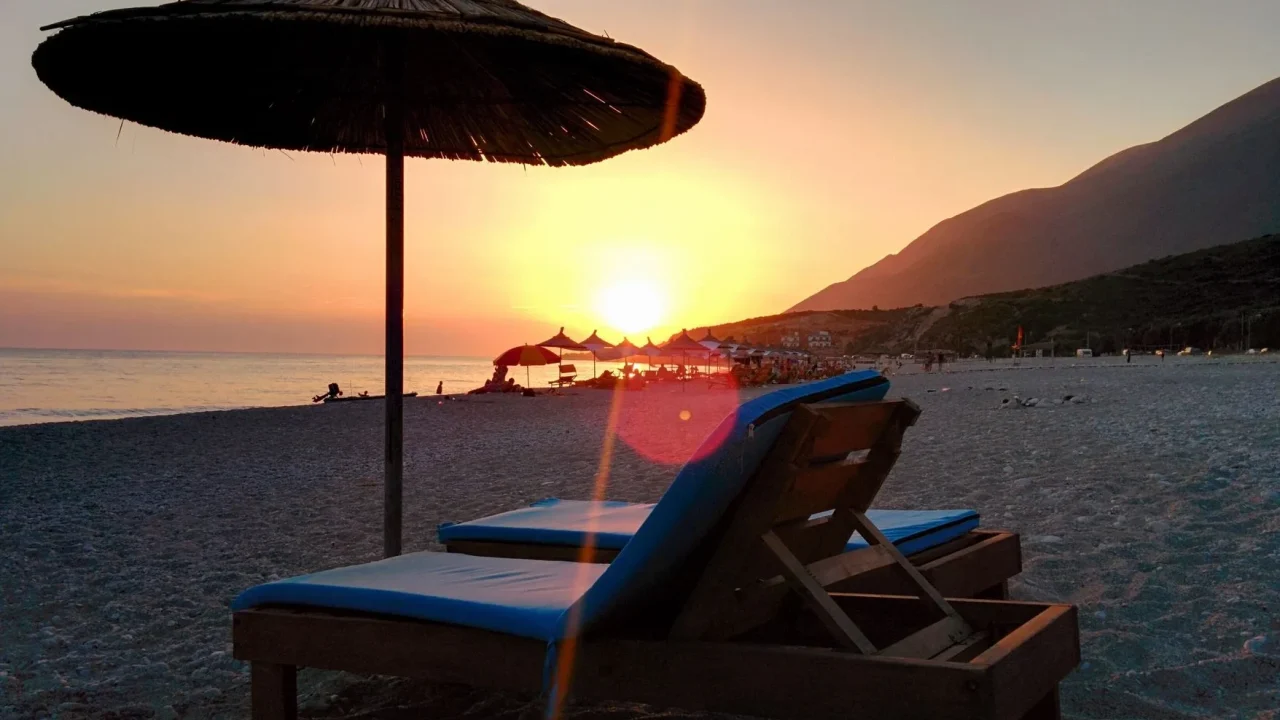
Stretching along the Ionian Sea, the Albanian Riviera boasts some of Europe’s most beautiful and untouched beaches. Think crystal-clear turquoise waters, dramatic cliffs, and charming coastal villages like Dhermi, Himara, and Saranda. These beaches offer a more serene alternative to the crowded shores of Greece or Italy.
From secluded coves accessible only by boat to lively beaches with beach bars, there’s a spot for every preference. The Riviera is also home to ancient castles and archaeological sites, blending relaxation with history, providing an unforgettable experience at an affordable price.
Gjirokastër and Berat: UNESCO Heritage Cities
Albania is home to two remarkable UNESCO World Heritage cities: Gjirokastër and Berat. Gjirokastër, the “Stone City,” is famous for its unique Ottoman-era architecture, with stone houses resembling small fortresses clinging to a hillside. Its imposing castle offers sweeping views and houses a fascinating museum.
Berat, known as the “City of a Thousand Windows,” is equally captivating with its white Ottoman houses stacked on a hill overlooking the Osumi River. Both cities offer a deep dive into Albania’s rich history and architectural heritage, providing cultural experiences that are hard to find elsewhere in Europe.
Read Also : Hidden Gems for Unforgettable Weekend Adventures 2026
Montenegro: Majestic Mountains Meet the Adriatic
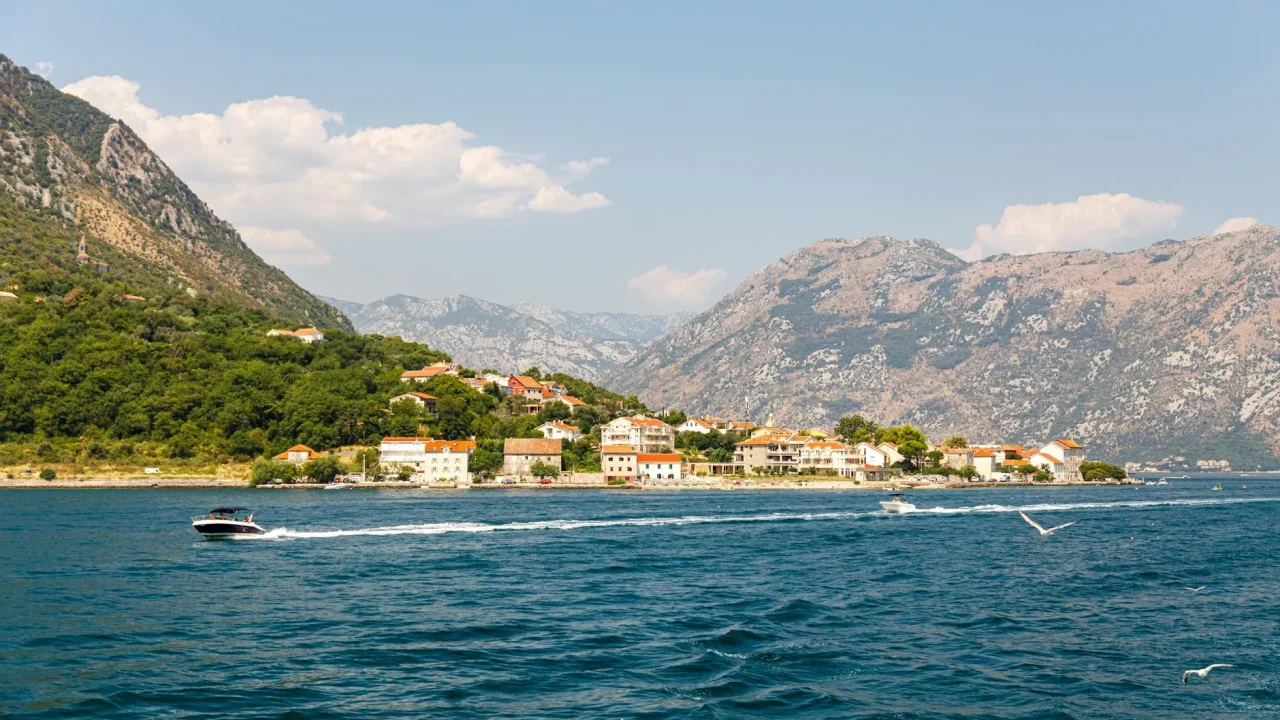
Kotor Bay: Fjords of the South
Often referred to as Europe’s southernmost fjord, the Bay of Kotor is a breathtaking natural wonder. The deep blue waters are surrounded by towering limestone cliffs, with charming medieval towns nestled along its shores. Kotor Old Town, a UNESCO World Heritage site, is a labyrinth of narrow streets, ancient churches, and bustling squares, all enclosed within impressive fortifications.
Climbing the city walls to St. John’s Fortress offers unparalleled views of the bay. Boat trips to the artificial island of Our Lady of the Rocks and the charming town of Perast are also highly recommended. The Bay of Kotor provides a stunning blend of natural beauty and historical richness, making it a highlight among underrated travel destinations in Europe.
Durmitor National Park: Wild Beauty
Venturing inland, Durmitor National Park is a paradise for adventurers and nature lovers. This UNESCO site boasts dramatic glacial lakes, deep canyons (including the Tara River Canyon, Europe’s deepest), and towering peaks. It’s a prime spot for hiking, rafting, canyoning, and skiing in winter.
The Black Lake, surrounded by dense pine forests, is a particularly beautiful spot for a leisurely walk or a refreshing swim. Durmitor offers a stark contrast to the coastal areas, showcasing Montenegro’s incredible natural diversity and providing an escape into unspoiled wilderness.
Budva: Ancient Town, Modern Vibes
For those seeking a mix of history and vibrant nightlife, Budva offers an intriguing blend. Its charming Old Town, fortified by medieval walls, is home to ancient churches and picturesque squares. Just outside the walls, Budva transforms into a lively resort town with beautiful beaches and a bustling promenade.
While more developed than other Montenegrin towns, Budva still provides a glimpse into the country’s coastal charm, especially if you explore its quieter corners or visit outside the peak summer months. It’s a great base for exploring other parts of the Montenegrin coast, balancing historical exploration with modern amenities.
Malta: A Mediterranean Time Capsule
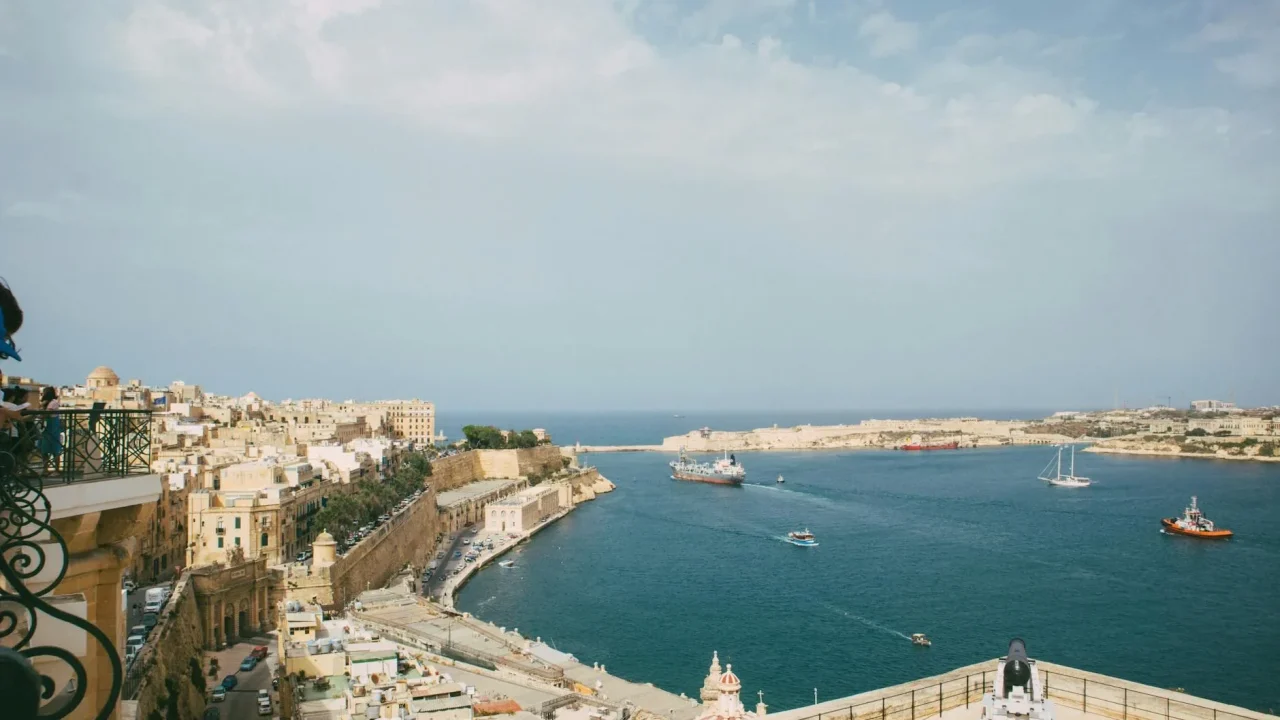
Valletta: A Fortress City
Malta’s capital, Valletta, is a UNESCO World Heritage site and a true architectural marvel. Built by the Knights of St. John in the 16th century, it’s a fortified city boasting grand Baroque buildings, narrow streets, and stunning harborside views. Its compact size makes it incredibly walkable, allowing you to discover its hidden gems on foot.
Don’t miss St. John’s Co-Cathedral, with its opulent interior and Caravaggio masterpieces, or the Upper Barrakka Gardens for panoramic vistas. Valletta’s rich history and unique character make it an exceptional example of underrated travel destinations in Europe, offering a deep dive into Mediterranean heritage.
Gozo and Comino: Island Escapes
Beyond the main island of Malta, the smaller islands of Gozo and Comino offer tranquil escapes. Gozo is greener and more rural, known for its serene landscapes, charming villages, and impressive Ggantija Temples, among the oldest freestanding structures in the world. It’s perfect for hiking, diving, and experiencing a slower pace of life.
Comino is famous for the Blue Lagoon, a stunning natural swimming pool with incredibly clear turquoise waters. While popular for day trips, its beauty is undeniable and offers a refreshing dip. These sister islands provide diverse experiences, from rugged coastlines to idyllic beaches, complementing Malta’s historical appeal.
Read Also : Perfect Romantic Getaways for Couples | [apc_current_year] Guide
Prehistoric Temples and Diving
Malta is home to some of the world’s oldest freestanding structures, the Megalithic Temples, predating Stonehenge and the Egyptian pyramids. Sites like Hagar Qim and Mnajdra offer a fascinating glimpse into prehistoric civilizations and are testament to Malta’s ancient past. These archaeological wonders are truly unique and often less crowded than other European historical sites.
Furthermore, Malta is a renowned diving destination, with crystal-clear waters, diverse marine life, and numerous wreck dives. From submerged statues to ancient shipwrecks, the underwater world around Malta is as captivating as its surface. This unique combination of ancient history and aquatic adventure makes Malta truly stand out.
Bosnia and Herzegovina: Where East Meets West
Sarajevo: A City of Resilience
Sarajevo, the capital of Bosnia and Herzegovina, is a city with a poignant history and an incredible spirit of resilience. Known as the “Jerusalem of Europe,” it’s a place where mosques, synagogues, Catholic churches, and Orthodox churches stand side-by-side, showcasing centuries of cultural coexistence. The Baščaršija (Old Bazaar) is the heart of the city, brimming with artisan shops, traditional cafes, and cevapi restaurants.
Explore the Latin Bridge, site of Archduke Franz Ferdinand’s assassination, and delve into the city’s recent past at the Tunnel of Hope Museum. Sarajevo offers a powerful and deeply moving travel experience, making it one of the most significant underrated travel destinations in Europe for historical reflection.
Mostar: Iconic Old Bridge
Mostar is famous for its iconic Stari Most (Old Bridge), a magnificent Ottoman-era bridge that arches gracefully over the Neretva River. Rebuilt after its destruction during the Bosnian War, it symbolizes the city’s enduring spirit and its multicultural heritage. Watching local divers leap from the bridge into the icy river below is a traditional spectacle.
The Old Town surrounding the bridge is a charming maze of cobblestone streets, artisan shops, and riverside cafes. Mostar’s beauty and historical significance make it a must-visit, offering a vivid picture of Balkan culture and resilience.
Nature and Waterfalls: Kravica and Pliva
Beyond its cities, Bosnia and Herzegovina boasts stunning natural landscapes. The Kravica Waterfalls, a series of cascades on the Trebižat River, are a natural wonder often compared to a smaller version of Plitvice Lakes. It’s a perfect spot for swimming and picnicking during warmer months.
Further north, near Jajce, the Pliva Lakes and the Pliva Waterfall offer another picturesque natural escape. Jajce is also home to a historic fortress and ancient watermills. These natural attractions provide a refreshing contrast to the historical cities, showcasing the country’s diverse beauty.
Northern Portugal (Beyond Lisbon/Porto): Douro Valley & Minho
Guimarães: Birthplace of Portugal
While Lisbon and Porto steal the spotlight, Northern Portugal offers a wealth of charm and history. Guimarães, often referred to as the “birthplace of the Portuguese nation,” is a UNESCO World Heritage site with a remarkably well-preserved medieval center. Its imposing castle and the Palace of the Dukes of Braganza are testaments to its historical importance.
Wandering through its narrow streets and picturesque squares feels like stepping back in time. Guimarães offers a deep dive into Portugal’s origins, making it an excellent stop for history buffs exploring underrated travel destinations in Europe.
Read Also : Top Honeymoon Destinations for an Unforgettable Trip
Braga: Religious Heart
Just a short distance from Guimarães lies Braga, one of Portugal’s oldest cities and its religious capital. It’s home to a magnificent cathedral, numerous churches, and the iconic Bom Jesus do Monte sanctuary, famous for its elaborate Baroque staircase. The city combines ancient religious traditions with a youthful, vibrant atmosphere, thanks to its university population.
Braga’s elegant squares, beautiful gardens, and lively cafe scene make it a delightful city to explore. Its rich history and spiritual significance offer a different facet of Portuguese culture compared to the coastal metropolises.
Douro Valley: Wine and Scenery
The Douro Valley, a UNESCO World Heritage site, is one of the world’s oldest demarcated wine regions and a landscape of breathtaking beauty. Terraced vineyards cling to steep hillsides, creating a stunning patchwork that stretches along the Douro River. A river cruise or a scenic drive through the region is an unforgettable experience.
Visit traditional ‘quintas’ (wine estates) to learn about port wine production and enjoy tastings. The Douro Valley offers a serene and picturesque escape, perfect for those who appreciate fine wine, stunning scenery, and a more relaxed pace of travel.
The Azores, Portugal: Atlantic’s Volcanic Paradise
São Miguel: The Green Island
Far out in the Atlantic, the Azores archipelago is a Portuguese autonomous region offering a unique blend of volcanic landscapes, lush greenery, and vibrant marine life. São Miguel, the largest island, is known as “The Green Island” due to its abundant vegetation and stunning crater lakes. Sete Cidades and Lagoa do Fogo are iconic twin lakes offering breathtaking views.
The island is also famous for its hot springs, tea plantations, and pineapple greenhouses. São Miguel provides an adventurous yet tranquil escape, showcasing a different, wilder side of Portugal that many travelers miss.
Faial and Pico: Whales and Wine
The islands of Faial and Pico offer distinct charms. Faial is famous for its vibrant marina in Horta, a traditional stop for transatlantic sailors, and the Capelinhos volcano, a stark and dramatic landscape formed by a volcanic eruption in the 1950s. It’s a hub for whale and dolphin watching, with diverse marine species.
Pico, dominated by Portugal’s highest peak, Mount Pico (a dormant volcano), is a UNESCO World Heritage site known for its unique basalt stone vineyards. The island’s dramatic landscape and excellent wines make it a fascinating destination for hikers and oenophiles alike, highlighting the Azores as truly underrated travel destinations in Europe.
Adventure Tourism Haven
The Azores are a paradise for adventure tourism. From hiking dormant volcanoes and exploring lava tubes to canyoning down waterfalls and cycling through lush valleys, the opportunities for outdoor activities are endless. The islands’ volcanic origin has created a dramatic and diverse landscape perfect for exploration.
Beyond land activities, the deep Atlantic waters surrounding the Azores are ideal for whale and dolphin watching, diving, and snorkeling. The remote beauty and abundance of nature make the Azores an unforgettable destination for those seeking an active and immersive experience.
Read Also : Smart Travel Saving Tips for Your Next Adventure
Transylvania, Romania: Beyond Dracula’s Castle
Brașov: Medieval Charm
While often associated with myths, Transylvania in Romania offers far more than just Dracula lore. Brașov is a beautiful medieval city nestled at the foot of the Carpathian Mountains. Its charming Old Town features the Black Church, one of the largest Gothic churches in Eastern Europe, and Rope Street, one of the narrowest streets in Europe.
The city’s central square, Piața Sfatului, is surrounded by colorful Baroque buildings and bustling cafes. Brașov serves as an excellent base for exploring the surrounding region, combining historical intrigue with stunning natural beauty.
Sighișoara: UNESCO Citadel
Sighișoara is a perfectly preserved medieval citadel, a UNESCO World Heritage site, and reputedly the birthplace of Vlad the Impaler (the inspiration for Dracula). Its colorful houses, cobblestone streets, and the iconic Clock Tower create a fairytale atmosphere. Walking through Sighișoara feels like stepping directly into the Middle Ages.
The town’s fortifications, medieval churches, and vibrant local life make it a truly unique destination. Sighișoara is a highlight for anyone interested in medieval history and an essential stop when exploring underrated travel destinations in Europe.
Carpathian Mountains: Wildlife and Scenery
The Carpathian Mountains that surround Transylvania offer spectacular natural scenery and abundant wildlife. This region is home to Europe’s largest population of brown bears, as well as wolves and lynx. Opportunities for hiking, trekking, and wildlife spotting are plentiful.
Scenic drives like the Transfăgărășan Road (often called one of the world’s best driving roads) provide breathtaking views. The untouched forests, serene lakes, and traditional villages in the Carpathians offer a raw and authentic natural experience, complementing the region’s historical towns.
Tips for Exploring Underrated European Destinations
Travel Off-Season
To truly enjoy the tranquility and lower prices of underrated destinations, consider traveling during the shoulder seasons (spring or autumn) or even in winter, depending on the location. Not only will you encounter fewer tourists, but you’ll also experience more authentic local life and often more favorable weather for exploration than in the scorching summer months.
Off-season travel also often means better deals on flights and accommodation, making your budget go further. This strategy maximizes the benefits of choosing underrated travel destinations in Europe, enhancing your overall experience significantly.
Embrace Local Transport
Relying on local buses, trains, and even shared taxis (like Albania’s furgons) is an excellent way to save money and gain a more authentic insight into the local culture. Public transport often takes you through picturesque landscapes that you might miss when driving or flying.
It’s also a fantastic opportunity to interact with locals and observe daily life. While it might take a little longer, the experience of traveling like a local adds a rich layer to your adventure and deepens your connection to the place.
Read Also : Smart Travel Hacks: Journey Smarter, Save More
Learn Basic Phrases
Making an effort to learn a few basic phrases in the local language (hello, thank you, please, excuse me, how much?) can significantly enhance your travel experience. Locals often appreciate the effort, even if your pronunciation isn’t perfect, and it can open doors to warmer interactions and unexpected kindness.
Beyond politeness, knowing a few key phrases can be incredibly helpful for navigating, ordering food, or asking for directions, especially in regions where English might not be widely spoken. It’s a small effort that yields big rewards in terms of cultural immersion and positive interactions.
Conclusion
Europe is a continent of endless wonders, and while its most famous cities hold undeniable charm, venturing off the beaten path to explore its underrated travel destinations offers an unparalleled experience. From the emerald lakes of Slovenia and the ancient fortresses of Albania to the dramatic coastlines of Montenegro and the volcanic landscapes of the Azores, these hidden gems promise authenticity, tranquility, and affordability.
By choosing to explore these less-crowded locales, you’re not just saving money; you’re investing in a deeper, more meaningful connection with the places you visit. You’ll encounter cultures unmarred by mass tourism, savor genuine local cuisine, and create memories that truly stand apart from the typical tourist trail. The reward is a richer understanding of Europe’s incredible diversity and a sense of discovery that only true exploration can provide.
So, pack your bags, open your mind, and prepare to be enchanted by the unexpected beauty and charm of Europe’s best-kept secrets. These underrated travel destinations are waiting to offer you an adventure unlike any other, proving that the greatest treasures are often found where you least expect them.
FAQ
Visiting underrated travel destinations offers several benefits, including fewer crowds, more authentic cultural experiences, and often significantly lower costs for accommodation, food, and activities. You get a chance to see a different side of Europe away from the typical tourist rush.
Generally, yes. Most underrated destinations in Europe are just as safe, if not safer, than their more popular counterparts, especially if you exercise common sense travel precautions. Always research specific destinations beforehand and be aware of local customs and advice.
To find hidden gems, look beyond major guidebooks and popular travel blogs. Explore smaller regions or countries, read local travel forums, consult specific interest groups (e.g., hiking or historical sites), and consider destinations that are less accessible by direct flights, often requiring a bit more planning but offering greater rewards.
While English is widely spoken in tourist areas across Europe, learning a few basic phrases in the local language can greatly enhance your experience in underrated destinations. Locals appreciate the effort, and it can facilitate smoother interactions, especially in smaller towns or rural areas where English might be less common.
Some underrated destinations might require a bit more planning or involve local transportation like buses or regional trains, which can be part of the adventure. While they might not always have direct international flights, the journey itself often reveals beautiful landscapes and offers a deeper immersion into the local culture.

3 thoughts on “Underrated European Destinations: Hidden Gems”
Leave a Reply

Popular Posts


Embracing Spiritual Growth Through Travel and Exploration
Travel is more than just seeing new places; it's a profound journey into oneself. This article explores how embracing travel and exploration can significantly contribute to your spiritual growth, offering unique perspectives and transformative experiences.


Pretty! This has been a really wonderful post. Many thanks for providing these details.
Great post — quick tip: your pages felt a little slow on mobile, and a speed tune-up usually lifts both rankings and conversions.