Explore Visa-Free Countries: Your Ultimate Travel Guide

The allure of international travel often comes with the daunting task of obtaining a visa. This process can be time-consuming, expensive, and sometimes unpredictable, making many travelers hesitant to explore beyond their borders. However, for a significant portion of the world’s population, a wealth of incredible destinations are accessible without the need for a pre-arranged visa.
Imagine packing your bags and heading to a new country with just your passport, a plane ticket, and a sense of adventure. This dream is a reality for millions, thanks to bilateral agreements and international relations that allow for visa-free entry. Understanding which visa-free countries for travelers are available to you can unlock a world of spontaneous trips and unforgettable experiences.
This comprehensive guide will demystify visa-free travel, explaining what it means, its benefits, and how to effectively plan your journeys to these welcoming nations. We’ll cover everything from essential documents to common misconceptions, ensuring you’re well-prepared for your next hassle-free international escapade in 2026.
Understanding Visa-Free Travel

What “Visa-Free” Truly Means
When a country is designated as “visa-free” for a particular nationality, it means that citizens of that country can enter the destination country without applying for a visa in advance. This exemption typically applies for tourism purposes and for a specified duration, often ranging from 30 to 90 days. It significantly streamlines the entry process, eliminating the need for applications, interviews, and waiting periods.

It’s crucial to understand that “visa-free” does not mean “rule-free.” Travelers are still subject to the immigration laws of the destination country. This includes presenting a valid passport, proving sufficient funds for their stay, and demonstrating an intent to depart before their permitted duration expires. Always check the specific entry requirements for your nationality and destination.
Types of Visa Exemptions
While “visa-free” is the most common term, there are variations in how countries grant entry without a traditional visa. One common alternative is visa-on-arrival, where travelers obtain a visa directly at the port of entry, often for a fee. This is different from visa-free, as an official visa is still issued, albeit without prior application.
Another type is an Electronic Travel Authorization (ETA) or Electronic Visa Waiver (EVW). Countries like Canada (eTA) and the United States (ESTA) require eligible visa-exempt travelers to apply online for pre-screening before departure. While not a full visa, it’s a mandatory step that must be completed in advance. Always confirm the exact entry mechanism for your chosen destination.

The Role of Your Passport
Your passport is the key determinant of which visa-free countries for travelers you can access. The strength of a passport is often measured by the number of destinations its holder can enter without a visa. This strength is a direct result of diplomatic relations, economic ties, and reciprocal agreements between nations.
Different passports grant different levels of access. For example, a passport from a European Union country often allows visa-free entry into many countries worldwide due to extensive agreements. Conversely, passports from other regions might have fewer visa-free options. Regularly checking the visa requirements based on your specific passport is a fundamental step in travel planning.
Benefits of Exploring Visa-Free Countries

Reduced Planning Stress
One of the most significant advantages of visiting visa-free countries for travelers is the dramatic reduction in planning stress. The traditional visa application process can be complex, requiring numerous documents, embassy visits, and adherence to strict deadlines. Eliminating this step frees up considerable time and mental energy.
Read Also : Explore Visa Free Countries: Your Ultimate Guide

Instead of worrying about visa interviews or document collection, you can focus on the exciting aspects of your trip: planning your itinerary, booking excursions, and researching local attractions. This ease of planning makes spontaneous getaways and last-minute trips far more feasible and enjoyable, encouraging more frequent international travel.
Cost Savings on Visa Fees
Visa fees can add a substantial cost to your travel budget. Depending on the destination and your nationality, a single visa can range from tens to hundreds of dollars. For families or groups, these costs can quickly accumulate, making certain destinations prohibitively expensive.
By opting for visa-free destinations, you completely bypass these additional expenses. The money saved on visa fees can then be reallocated to other parts of your trip, such as better accommodation, more memorable experiences, or even extending your stay. This financial benefit makes international travel more accessible and budget-friendly for many.

Spontaneity and Flexibility
Visa-free travel champions spontaneity and flexibility. Without the need for lengthy visa processing times, you can often decide on a destination just weeks or even days before departure. This is perfect for seizing last-minute flight deals, responding to sudden travel opportunities, or simply satisfying a sudden urge to explore.
This flexibility also extends to your itinerary. If you find a new interest or want to extend your stay within the permitted duration, the absence of visa restrictions makes these adjustments simpler. It allows for a more relaxed and adaptable travel style, empowering you to truly immerse yourself in your journey without being constrained by rigid visa conditions.
Key Factors Influencing Visa-Free Access
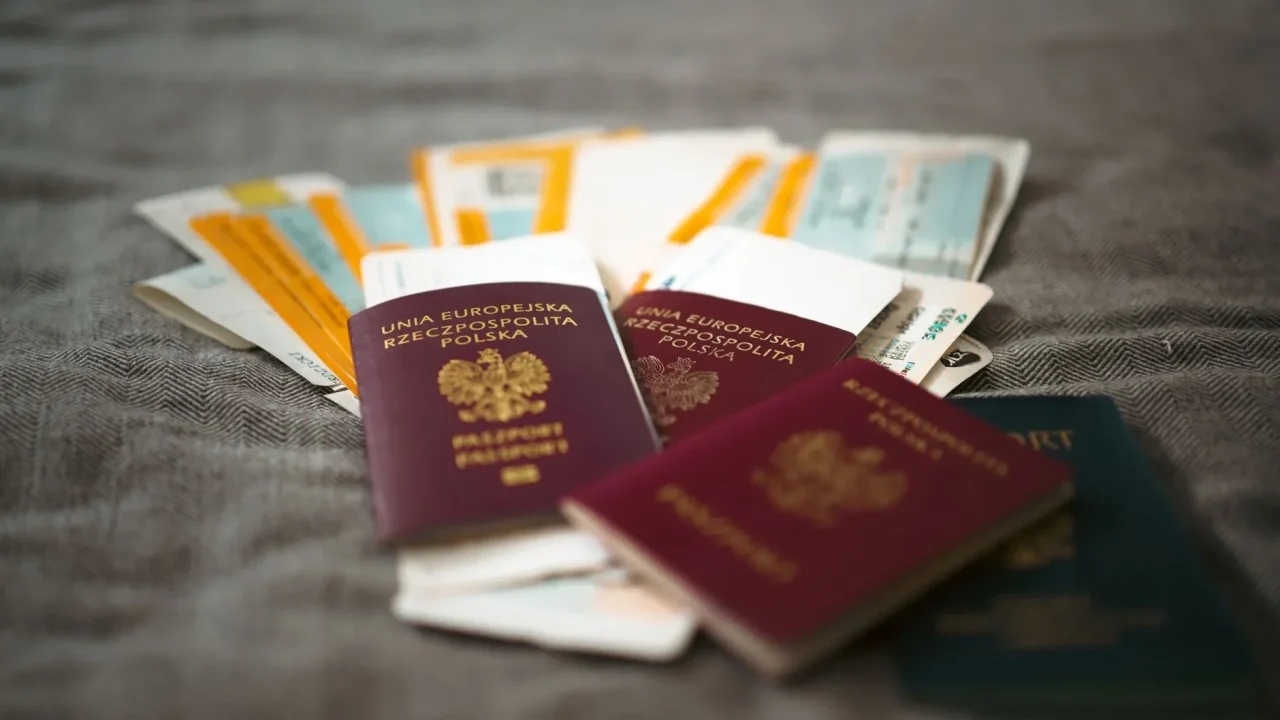
Your Nationality and Passport Strength
The most critical factor determining your visa-free access is your nationality, which dictates the strength of your passport. Passport strength is a dynamic ranking based on the number of countries its holder can enter without a prior visa. This ranking constantly shifts due to evolving diplomatic relations, political changes, and new travel agreements.

For instance, citizens of certain countries may enjoy visa-free access to a vast number of nations, while others may have more limited options. It’s essential to consult official government websites or reputable visa databases like the IATA Travel Centre or the Henley Passport Index for the most up-to-date information specific to your passport.
Reciprocal Agreements Between Nations
Visa-free travel is primarily a result of reciprocal agreements between two or more countries. These agreements are often part of broader diplomatic relations, trade treaties, or regional blocs. For example, the Schengen Area in Europe allows for visa-free movement between its member states for citizens of many countries, thanks to a multilateral agreement.
Such agreements are based on mutual benefit and trust, facilitating tourism, business, and cultural exchange. They reflect the willingness of nations to open their borders to each other’s citizens under specific conditions, fostering international cooperation and understanding.
Travel Purpose and Duration Limits
Even for visa-free countries for travelers, there are almost always restrictions on the purpose and duration of your stay. Visa-free entry is typically granted for tourism, short business trips, or visiting family and friends. It generally does not permit employment, long-term study, or permanent residency.
Read Also : Do I Need a Visa for International Travel? Guide 2024
The maximum duration of stay varies significantly by country, commonly ranging from 30, 60, or 90 days within a 180-day period. Overstaying this limit, even by a single day, can lead to severe penalties, including fines, deportation, and bans from re-entering the country or even the entire region for several years. Always be aware of your entry and exit dates.
Popular Regions for Visa-Free Destinations

Europe’s Schengen Area
For many travelers, particularly those from countries like the United States, Canada, Australia, and certain Latin American nations, the Schengen Area in Europe represents a vast region of visa-free travel. Comprising 27 European countries, including France, Germany, Italy, Spain, and Greece, it allows visitors to travel freely between these nations for up to 90 days within any 180-day period without internal border checks.
This seamless travel experience makes exploring multiple European cultures and landscapes incredibly convenient. While an ETIAS authorization will become mandatory for many visa-exempt visitors, it still simplifies entry compared to individual country visas.
Southeast Asia’s Welcoming Nations
Southeast Asia is another highly popular region offering numerous visa-free countries for travelers. Nations like Thailand, Vietnam, Malaysia, Singapore, Indonesia, and the Philippines frequently offer visa exemptions for citizens of many Western and Asian countries. The typical duration for visa-free stays in this region often ranges from 14 to 30 days, though some can extend to 90.
This accessibility makes Southeast Asia an ideal destination for backpackers, cultural explorers, and beach lovers alike. The ease of hopping between countries allows for diverse itineraries, from bustling cityscapes to serene island getaways, all within a relatively short travel window.
Latin America’s Diverse Offerings
Latin America boasts a rich tapestry of cultures, landscapes, and historical sites, with many countries offering visa-free entry to a wide array of nationalities. Destinations like Mexico, Costa Rica, Colombia, Peru, Chile, and Argentina are frequently accessible without a visa for tourists from North America and Europe, typically for stays of up to 90 days.
Whether you dream of exploring ancient ruins, hiking through rainforests, or dancing to vibrant rhythms, Latin America presents fantastic opportunities for hassle-free travel. The diversity of experiences, combined with straightforward entry requirements, makes it a compelling choice for adventurous travelers.
Planning Your Trip to Visa-Free Countries

Researching Specific Country Requirements
Even when a country is listed as “visa-free” for your nationality, thorough research is paramount. Entry requirements can change frequently due to political developments, health crises, or security concerns. Always consult the official government website of your destination country and your own country’s foreign affairs department for the most current information.
Pay close attention to passport validity requirements (often 6 months beyond your intended departure date), proof of onward travel, sufficient funds, and any health declarations or vaccination requirements. What applies to one visa-free country may not apply to another, so never assume uniformity.
Booking Flights and Accommodation
Once you’ve confirmed your visa-free status and understood the requirements, you can confidently proceed with booking your flights and accommodation. Many immigration officials at your destination may ask to see proof of both your return ticket and where you plan to stay. Having these confirmed bookings readily available can expedite your entry process.
Read Also : International Travel: Master Your Customs Declaration
Consider booking flexible options if your plans are still somewhat fluid, especially if you’re exploring multiple visa-free countries for travelers in a single trip. Using reputable booking platforms and checking reviews for accommodations can help ensure a smooth and pleasant journey.
Travel Insurance and Safety Considerations
While visa-free travel reduces administrative hurdles, it doesn’t eliminate the need for practical travel precautions. Comprehensive travel insurance is highly recommended for any international trip, covering medical emergencies, trip cancellations, lost luggage, and other unforeseen events. This provides peace of mind and financial protection.
Additionally, research the safety and security situation of your destination. Be aware of local laws, customs, and any areas to avoid. Register your trip with your country’s embassy or consulate abroad if possible, so they can contact you in case of an emergency. A well-prepared traveler is a safe traveler.
Essential Documents for Visa-Free Entry
Valid Passport and Return Tickets
The most fundamental document for entering any visa-free country for travelers is your valid passport. Ensure it has sufficient validity, typically at least six months beyond your intended departure date from the destination country. Many countries will deny entry if your passport expires too soon, regardless of your visa-free status.
Secondly, almost all countries require proof of onward or return travel. This means having a confirmed flight or train ticket showing your departure from the country before your permitted visa-free stay expires. This is a critical piece of evidence that you intend to abide by their immigration rules and not overstay.
Proof of Funds and Accommodation
Immigration officials want assurance that you can support yourself financially during your stay and won’t become a burden on their state. You may be asked to show proof of sufficient funds, which can include bank statements, credit cards, or cash. The specific amount required varies by country and duration of stay.
Similarly, having confirmed accommodation bookings (hotel reservations, hostel bookings, or an invitation letter from a host) demonstrates that you have a place to stay and a clear travel plan. While not always strictly checked, having these documents prepared can prevent unnecessary delays or questioning at the border.
Other Supporting Documents
Depending on the country and your specific situation, you might need other supporting documents. These could include a travel itinerary, a letter of invitation if visiting family or friends, or even specific health declarations (especially relevant in a post-pandemic world). For example, some countries might require proof of yellow fever vaccination.
Always keep copies of all your important documents, both physical and digital (e.g., stored in cloud storage or emailed to yourself). In the unfortunate event of loss or theft, having copies can significantly simplify the process of obtaining replacements and continuing your journey.
Common Misconceptions About Visa-Free Travel
“Visa-Free” Doesn’t Mean “No Rules”
Perhaps the biggest misconception about visa-free countries for travelers is that they operate without any rules or regulations. This is fundamentally incorrect. Visa-free status simply removes the requirement for a pre-approved visa application. All other immigration laws and border control procedures still apply.
Read Also : The Best Places to Visit in 2026 - Ultimate Guide
Travelers are still expected to adhere to the permitted duration of stay, not engage in unauthorized work, and respect local laws and customs. Failure to do so can result in fines, deportation, and potential bans from future entry, proving that “visa-free” is not synonymous with “unrestricted.”
The Difference Between Visa-Free and Visa-on-Arrival
Many people confuse visa-free entry with visa-on-arrival. While both allow entry without a pre-arranged visa, they are distinct processes. Visa-free means you simply present your passport and other required documents and are granted entry, usually without paying a fee for the entry itself.
Visa-on-arrival, conversely, means you must obtain a formal visa stamp or sticker at the airport or border crossing, typically by filling out an application form and paying a fee. While convenient, it’s still a visa, and the process can sometimes involve queues and administrative steps that visa-free entry avoids.
Overstaying Your Welcome
A common and dangerous misconception is underestimating the consequences of overstaying a visa-free period. Even if it’s just by a day or two, overstaying is a serious violation of immigration law. The penalties can be severe, ranging from hefty fines and immediate deportation to being banned from re-entering the country for several years, or even from the entire region (like the Schengen Area).
Always keep track of your entry date and the maximum permitted stay. Set reminders, use travel apps, or mark your calendar to ensure you depart well within the legal timeframe. It’s always better to leave a few days early than to risk the repercussions of overstaying.
Maximizing Your Visa-Free Travel Experience
Embracing Local Culture
With the administrative hurdles removed, you have more freedom to dive deep into the local culture of visa-free countries for travelers. Take the time to learn a few basic phrases in the local language, try authentic cuisine, visit local markets, and engage with residents. These immersive experiences are often the most rewarding aspects of travel.
Stepping outside of typical tourist zones can lead to incredible discoveries and a deeper understanding of your destination. Visa-free travel encourages a more relaxed pace, allowing for genuine connections and cultural appreciation without the pressure of a looming visa expiration date.
Budgeting Smartly
While visa-free travel saves on visa fees, smart budgeting remains crucial for a fulfilling trip. Research the average cost of living, transportation, and activities in your chosen destination. Create a daily budget and track your expenses to ensure you stay within your financial limits.
Look for affordable accommodation options, consider cooking some of your meals, and utilize public transportation. Many visa-free destinations offer excellent value for money, allowing you to stretch your budget further and experience more without breaking the bank.
Staying Informed During Your Trip
Even when enjoying your journey, it’s vital to stay informed about local news and any potential changes that could affect your travel. This includes monitoring weather forecasts, local events, and any advisories issued by your embassy. Having access to reliable internet and a local SIM card can be invaluable.
Read Also : Best Road Trips in the World: Ultimate Guide
Be aware of local customs and laws, especially regarding public behavior, dress codes, and photography. Respecting these norms ensures a smoother and more enjoyable experience for both you and the local community, contributing to positive international relations.
Future Trends in Visa-Free Travel
Digital Nomad Visas and Remote Work
The rise of remote work has spurred a new trend: digital nomad visas. While not strictly “visa-free,” these programs offer extended stays (often 6 months to a year or more) for remote workers, often with simplified application processes compared to traditional long-term visas. Countries like Portugal, Estonia, and Costa Rica have introduced such visas, recognizing the economic benefits of attracting remote professionals.
This trend blurs the lines between short-term tourism and longer stays, offering a new pathway for individuals to explore visa-free countries for travelers in a more extended capacity, blending work and travel seamlessly. Expect more nations to adopt similar programs in the coming years.
Evolving Global Travel Policies
Global travel policies are constantly evolving, influenced by geopolitical shifts, economic alliances, and public health concerns. We’ve seen how events like the global pandemic can rapidly alter entry requirements, even for visa-free travelers. Countries are increasingly implementing pre-screening measures, like the EU’s ETIAS or the UK’s ETA, for previously visa-exempt nationalities.
These systems aim to enhance security and border management while still facilitating tourism. Travelers should anticipate a future where even visa-free entry might involve a quick, online application and approval process before departure, adding a minor step to planning but maintaining overall ease of access.
The Impact of Technology on Border Control
Technology is playing an increasingly significant role in shaping the future of visa-free travel. Biometric passports, automated border gates, and advanced data analytics are streamlining the entry process, making it faster and more secure. Facial recognition and fingerprint scanning are becoming common features at international airports.
These technological advancements contribute to more efficient border control, potentially leading to smoother experiences for eligible visa-free travelers. As technology continues to evolve, we can expect even more innovative solutions that balance security needs with the desire for seamless international travel.
Conclusion
Exploring visa-free countries for travelers opens up a world of possibilities, making international adventures more accessible, spontaneous, and budget-friendly. By understanding what visa-free travel truly entails, verifying specific requirements for your passport, and preparing adequately, you can unlock incredible experiences without the traditional visa hassle. From the historic streets of Europe to the vibrant markets of Southeast Asia and the diverse landscapes of Latin America, many nations are eager to welcome you.
Remember that “visa-free” does not mean “rule-free.” Always respect the local laws, adhere to the permitted duration of stay, and carry all necessary documents like a valid passport and proof of onward travel. Staying informed about current regulations and exercising common travel sense will ensure your journey is smooth and enjoyable.
Embrace the freedom and flexibility that visa-free travel offers. It’s an invitation to explore new cultures, create lasting memories, and broaden your horizons with greater ease than ever before. Start researching your next destination today and embark on an unforgettable journey in 2026!
Read Also : Best Places to Visit in [apc_current_year]: Your Ultimate Travel Guide
FAQ
Visa-free means that citizens of a specific country can enter another country for tourism or short business trips without needing to apply for a visa in advance. You simply present your valid passport and other required documents at the port of entry.
Yes, absolutely. Your passport is your primary identification document for international travel and is always required, even for visa-free entry. Ensure it's valid for at least six months beyond your intended departure date.
Generally, no. Visa-free entry is almost exclusively for tourism, short business visits, or visiting family/friends. It typically does not permit engaging in employment, long-term study, or establishing residency. For these purposes, you would usually need to apply for a specific visa type.
Overstaying your visa-free period, even by a short time, is a serious violation of immigration law. Consequences can include significant fines, deportation, and being banned from re-entering the country (or even a whole region like Schengen) for several years. Always ensure you depart before your permitted stay expires.
While visa-free entry itself usually doesn't involve a fee, some countries that are "visa-exempt" might require an Electronic Travel Authorization (ETA) or similar online pre-screening, which often has a small administrative fee. Always check the specific entry requirements for your destination and nationality to confirm if any such fees apply.


Popular Posts


Embracing Spiritual Growth Through Travel and Exploration
Travel is more than just seeing new places; it's a profound journey into oneself. This article explores how embracing travel and exploration can significantly contribute to your spiritual growth, offering unique perspectives and transformative experiences.


