Discover Oceania’s Most Beautiful Places & Hidden Gems
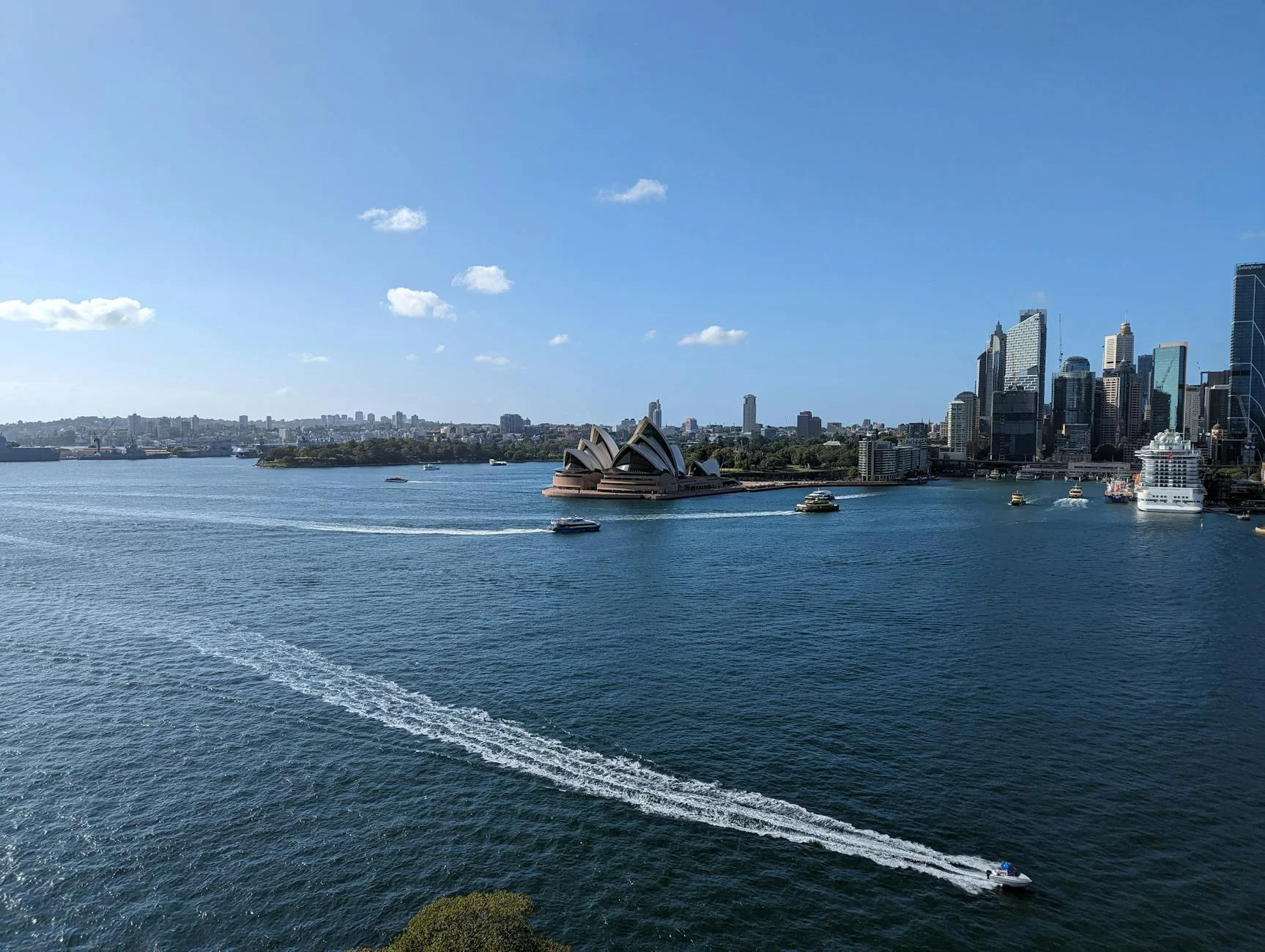
Oceania, a vast geographical region encompassing thousands of islands across the Pacific Ocean, is a treasure trove of natural wonders. From volcanic peaks and lush rainforests to pristine coral reefs and white sandy beaches, it’s a destination that consistently tops lists for its breathtaking beauty and unique charm. This continent of islands offers an incredible diversity of landscapes and cultures, making it a dream destination for adventurers, honeymooners, and anyone seeking an escape into paradise.
Exploring the beautiful places in Oceania means embarking on a journey through some of the planet’s most untouched and spectacular environments. Whether you dream of swimming with marine life in crystal-clear waters, hiking through dramatic fjords, or simply relaxing on a secluded beach, Oceania delivers. This article will guide you through some of the most stunning destinations this incredible region has to offer, providing insights into what makes each spot truly unforgettable.
New Zealand: Land of the Long White Cloud
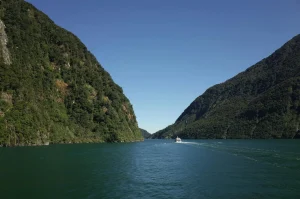
Fiordland National Park: Majestic Waterways
Located on the southwest coast of the South Island, Fiordland National Park is a UNESCO World Heritage site renowned for its dramatic landscapes. Carved by glaciers over thousands of years, the park is home to 14 fjords, with Milford Sound and Doubtful Sound being the most famous. Towering peaks, cascading waterfalls, and ancient rainforests create a truly awe-inspiring vista.
Cruising through these deep, dark waters is an experience like no other, offering glimpses of unique wildlife such as seals, dolphins, and penguins. The sheer scale and untouched wilderness of Fiordland make it one of the most beautiful places in Oceania, a testament to nature’s raw power and artistry. Hiking trails like the Milford Track also provide unparalleled opportunities to immerse oneself in this pristine environment.
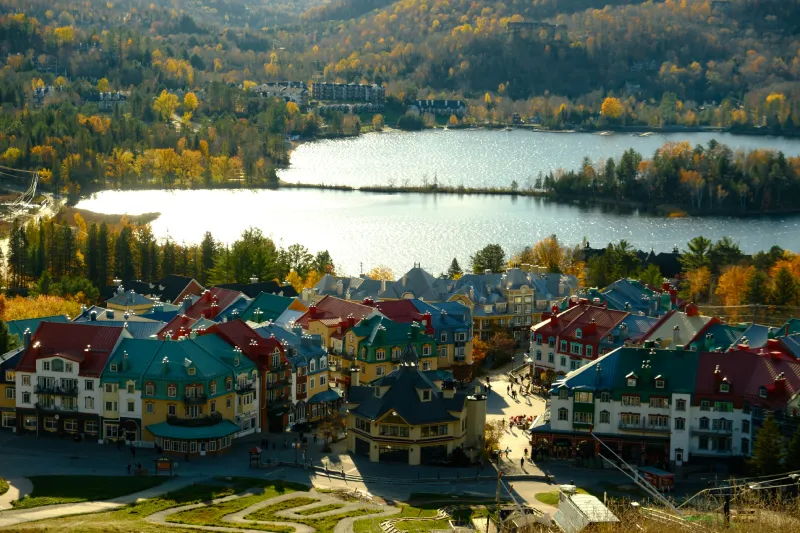
Queenstown: Adventure Capital with Stunning Scenery
Nestled beside the crystal-clear waters of Lake Wakatipu and surrounded by the majestic Southern Alps, Queenstown is celebrated globally as the adventure capital of the world. However, beyond its adrenaline-pumping activities, its natural beauty is simply unparalleled. The Remarkables mountain range provides a dramatic backdrop, changing hues with the seasons.
Visitors can enjoy scenic gondola rides, leisurely cruises on the lake, or explore vineyards set against stunning mountainous backdrops. The combination of vibrant town life and immediate access to incredible natural landscapes makes Queenstown a must-visit for anyone seeking both excitement and serene beauty in Oceania.
Rotorua: Geothermal Wonders and Maori Culture
Rotorua, located on the North Island, is famous for its geothermal activity and rich Maori culture. The landscape here is alive with bubbling mud pools, natural hot springs, and impressive geysers, creating a unique and often ethereal atmosphere. Wai-O-Tapu Thermal Wonderland and Te Puia are prime examples where you can witness these natural phenomena up close.
Beyond the geothermal sights, Rotorua offers beautiful lakes and redwood forests, perfect for walks and mountain biking. The strong presence of Maori culture, with traditional performances and Hangi feasts, adds another layer of depth to this already fascinating and beautiful destination.
Fiji: The Soft Coral Capital

Mamanuca Islands: Postcard-Perfect Beaches
The Mamanuca Islands are a volcanic archipelago in Fiji, famous for their stunning white sand beaches, turquoise waters, and vibrant coral reefs. These islands are the epitome of a tropical paradise, offering a range of resorts from luxurious to more budget-friendly options. They are easily accessible from Nadi International Airport, making them a popular choice for first-time visitors to Fiji.
Activities here include snorkeling, diving, surfing, and simply relaxing by the ocean. The clear, warm waters are perfect for exploring the abundant marine life, while the swaying palm trees provide idyllic spots for unwinding. The Mamanucas truly embody the dream of a Pacific island getaway and are among the most beautiful places in Oceania.
Read Also : Hidden Gems for Unforgettable Weekend Adventures 2026
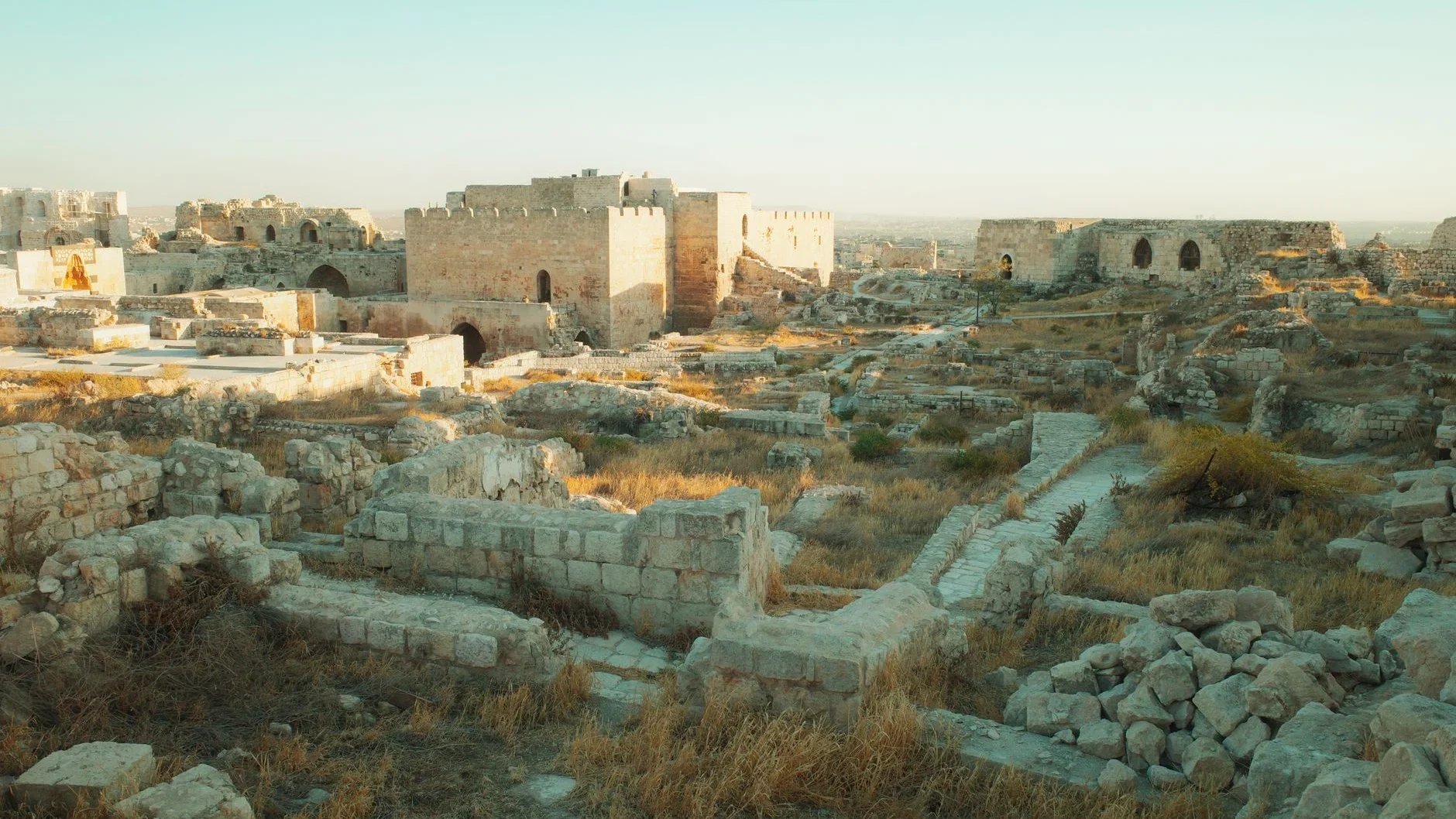
Yasawa Islands: Secluded Beauty and Traditional Villages
North of the Mamanucas, the Yasawa Islands offer a more rugged and secluded experience. This chain of 20 volcanic islands boasts dramatic peaks, pristine beaches, and incredibly clear lagoons. Visitors can experience authentic Fijian village life, participate in traditional kava ceremonies, and explore untouched natural landscapes.
The Yasawas are particularly renowned for their diving and snorkeling opportunities, with countless coral gardens teeming with colorful fish. The famous Sawa-I-Lau Caves, with their hidden pools, offer a unique adventure. For those seeking tranquility, cultural immersion, and breathtaking natural beauty, the Yasawas are an unparalleled choice in Oceania.
Bora Bora, French Polynesia: The Pearl of the Pacific
Mount Otemanu: Iconic Volcanic Silhouette
Dominating the skyline of Bora Bora, Mount Otemanu is the majestic remnant of an extinct volcano. Its dramatic, lush green slopes rise grandly from the center of the island, creating an iconic silhouette that is instantly recognizable. The mountain is surrounded by a vibrant turquoise lagoon, which itself is encircled by a barrier reef.

While the peak itself is not easily accessible for hiking, its presence is central to Bora Bora’s unparalleled visual appeal. Boat tours around the island offer the best views of this stunning natural landmark, showcasing its grandeur against the backdrop of the brilliant blue waters. It’s a truly photogenic marvel that defines the beauty of this French Polynesian gem.
Matira Beach: White Sands and Calm Waters
Matira Beach is Bora Bora’s most famous and arguably most beautiful public beach. With its soft, powdery white sand and incredibly calm, shallow turquoise waters, it’s the quintessential tropical paradise. The beach stretches for a mile, offering ample space for relaxation, swimming, and enjoying the stunning views of the lagoon and Mount Otemanu in the distance.
The gentle slope of the seafloor makes it ideal for families and casual swimmers, while the vibrant marine life just offshore invites snorkelers. Sunsets at Matira Beach are legendary, painting the sky with an array of colors that reflect on the tranquil waters, making it one of the most romantic and beautiful places in Oceania.
Australia: A Continent of Contrasts
Great Barrier Reef: Underwater Wonderland
The Great Barrier Reef, stretching over 2,300 kilometers along the coast of Queensland, is the world’s largest coral reef system and a UNESCO World Heritage site. It’s an unparalleled natural wonder, home to an astonishing diversity of marine life, including thousands of species of fish, corals, mollusks, and endangered animals like dugongs and green sea turtles.
Exploring the reef through snorkeling, diving, or glass-bottom boat tours offers an immersive experience into a vibrant underwater world. The sheer scale and ecological significance of the Great Barrier Reef make it one of the most extraordinary and beautiful places in Oceania, a true testament to the planet’s biodiversity.
Uluru (Ayers Rock): Sacred Monolith in the Desert
Uluru, also known as Ayers Rock, is a massive sandstone monolith in the heart of Australia’s Northern Territory. Sacred to the Anangu Aboriginal people, it is a place of immense spiritual significance and breathtaking natural beauty. Uluru changes color dramatically with the shifting light of the sun, glowing fiery red at sunrise and sunset.
Walking around its base reveals ancient rock art and unique geological formations. The surrounding Uluru-Kata Tjuta National Park offers other stunning desert landscapes, including the domes of Kata Tjuta (The Olgas). Visiting Uluru provides a profound connection to ancient culture and a deep appreciation for the unique beauty of the Australian outback.
Read Also : Key Travel Industry Developments for Every Traveler
Whitsunday Islands: Sailing Paradise
The Whitsunday Islands, off the coast of Queensland, are a cluster of 74 continental islands nestled within the Great Barrier Reef Marine Park. Known for their sparkling turquoise waters, secluded coves, and pristine white silica sand beaches, they are a world-renowned sailing and snorkeling destination.
Whitehaven Beach, consistently ranked among the world’s best beaches, is the jewel of the Whitsundays, famous for its pure white sand and swirling patterns of sand and sea at Hill Inlet. The islands offer incredible opportunities for diving, bushwalking, and simply soaking in the unparalleled natural beauty of this Australian gem.
Vanuatu: Untamed Beauty and Ancient Culture
Mount Yasur, Tanna Island: Accessible Active Volcano
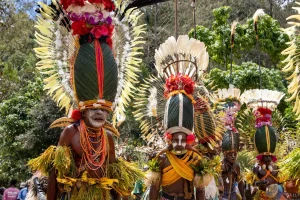
Mount Yasur on Tanna Island is one of the world’s most accessible active volcanoes, offering a truly unique and exhilarating experience. Visitors can stand at the rim of the crater and witness regular, spectacular eruptions of molten rock and ash, especially mesmerizing after dusk. The raw power of nature on display here is absolutely captivating.
The journey to the volcano itself is an adventure, often involving travel through local villages and lush landscapes, providing a glimpse into traditional Ni-Vanuatu life. This awe-inspiring natural phenomenon makes Tanna Island one of the most thrilling and beautiful places in Oceania.
Champagne Beach, Espiritu Santo: Pristine Coastal Haven
Champagne Beach, located on Espiritu Santo island, is widely regarded as one of the South Pacific’s most beautiful beaches. It gets its name from the effervescent sensation felt in the water at low tide, caused by gas escaping from volcanic rocks beneath the sand. Its crescent of powdery white sand, framed by lush tropical vegetation and fronted by crystal-clear turquoise waters, is simply stunning.
The tranquil waters are perfect for swimming and snorkeling, and the beach remains largely undeveloped, offering a serene escape. Its unspoiled beauty and unique natural phenomenon solidify its status as a top contender among Oceania’s most picturesque destinations.
Samoa: The Heart of Polynesia
To Sua Ocean Trench: Natural Swimming Hole
The To Sua Ocean Trench, located on Upolu island, is an absolute marvel of nature and one of Samoa’s most iconic attractions. This enormous, 30-meter-deep swimming hole is formed within a volcanic lava field, with a ladder descending into its clear, emerald-green waters. Surrounded by lush tropical gardens, it feels like a secret paradise.
Swimming in the trench, fed by an underground tunnel to the ocean, is an unforgettable experience. The surrounding area offers stunning coastal views and blowholes, making a visit to To Sua a highlight for any traveler to Samoa and a truly unique example of the beautiful places in Oceania.
Lalomanu Beach, Upolu: Quintessential Samoan Coastline
Lalomanu Beach, also on Upolu, embodies the quintessential image of a South Pacific paradise. It boasts a long stretch of pristine white sand, fringed by coconut palms, with calm, shallow turquoise waters that are perfect for swimming and snorkeling. Offshore, a vibrant coral reef teems with marine life, making it an excellent spot for underwater exploration.
The beach is lined with traditional Samoan fales (open-sided huts), offering a unique opportunity to stay right on the beachfront and experience local hospitality. The tranquil atmosphere and breathtaking scenery make Lalomanu Beach a perfect escape and a true gem of Samoa.
Read Also : Luxury Vacation Ideas: Unforgettable Escapes for [apc_current_year]
Cook Islands: Pristine Paradises
Aitutaki Lagoon: A Jewel of the Pacific
Aitutaki Lagoon is often hailed as one of the most beautiful lagoons in the world, a true highlight of the Cook Islands. Its brilliant turquoise waters, dotted with tiny uninhabited motus (islets), create a mesmerizing mosaic of blues and greens. The lagoon is home to an incredible array of marine life, making it a diver’s and snorkeler’s paradise.
Boat tours to explore the various motus, including One Foot Island (Tapuaetai) with its famous passport stamp, are a must-do. The unparalleled clarity of the water and the vibrant ecosystem beneath the surface make Aitutaki Lagoon an unforgettable destination and a prime example of the beautiful places in Oceania.
Rarotonga: Lush Interior and Coastal Charm
Rarotonga, the largest of the Cook Islands, offers a perfect blend of lush volcanic mountains, pristine beaches, and a vibrant local culture. The island is encircled by a protective coral reef, creating calm, shallow lagoons ideal for swimming and snorkeling. The interior is dominated by rugged peaks and dense rainforests, inviting hikers to explore its ancient trails.
The coastal road, approximately 32 kilometers long, makes it easy to explore the island’s many hidden coves and viewpoints. From the tranquil Muri Lagoon to the dramatic peaks of Te Manga, Rarotonga provides a diverse range of natural beauty, making it a truly captivating destination.
Palau: The Underwater Wonderland
Rock Islands Southern Lagoon: UNESCO Marine Park
The Rock Islands Southern Lagoon of Palau is a UNESCO World Heritage site, a stunning marine landscape comprising hundreds of mushroom-shaped limestone islands. These verdant islands rise dramatically from the turquoise waters, forming intricate channels, hidden coves, and an unparalleled ecosystem both above and below the surface.
This area is a diver’s dream, boasting an incredible diversity of marine life, including over 385 species of coral and a vast array of fish, sharks, and turtles. Kayaking through the serene channels and discovering secluded beaches within this natural labyrinth is an experience unlike any other in Oceania.
Jellyfish Lake: Unique Biological Phenomenon
Jellyfish Lake, or Ongeim’l Tketau, is one of Palau’s most famous and unique attractions. This marine lake is home to millions of golden jellyfish that have evolved to lose their stinging cells due to the absence of predators. Swimmers can safely snorkel among these mesmerizing creatures, an ethereal and unforgettable experience.
The lake is a prime example of evolutionary adaptation and a testament to the unique biodiversity found in Palau. Its isolated ecosystem and the gentle dance of the jellyfish make it a truly magical and one-of-a-kind natural wonder, solidifying Palau’s reputation as a destination for extraordinary natural beauty.
Conclusion
Oceania is a region of unparalleled natural beauty, a collection of island nations and vast landmasses that offer an incredible diversity of landscapes and experiences. From the dramatic fjords of New Zealand and the vibrant coral reefs of Fiji to the unique volcanic landscapes of Vanuatu and the serene lagoons of French Polynesia, the beautiful places in Oceania are truly endless.
Each destination presents its own unique charm, inviting travelers to explore pristine beaches, lush rainforests, active volcanoes, and an underwater world teeming with life. Whether you seek adventure, relaxation, or cultural immersion, Oceania promises an unforgettable journey into some of the planet’s most breathtaking and untouched environments.
Read Also : Perfect Romantic Getaways for Couples | [apc_current_year] Guide
Planning a trip to Oceania means preparing for an adventure that will awaken your senses and leave you with memories to last a lifetime. These islands are not just destinations; they are experiences, offering a profound connection to nature and a glimpse into vibrant indigenous cultures. Embrace the spirit of the Pacific and discover the magic that awaits.
FAQ
While beauty is subjective, many travelers consider New Zealand, Fiji, and French Polynesia (especially Bora Bora) among the most beautiful countries and territories in Oceania due to their diverse and iconic landscapes, from majestic mountains to idyllic tropical beaches.
Some must-see natural attractions include New Zealand's Fiordland National Park, Australia's Great Barrier Reef and Uluru, Fiji's Mamanuca and Yasawa Islands, Bora Bora's lagoon, Samoa's To Sua Ocean Trench, and Palau's Rock Islands Southern Lagoon and Jellyfish Lake.
Absolutely! Many destinations in Oceania, such as Fiji and parts of Australia and New Zealand, are very family-friendly, offering safe beaches, resorts with kids' clubs, and a wide range of activities suitable for all ages, from snorkeling to gentle hikes.
The best time to visit Oceania largely depends on the specific region. Generally, the dry season (May to October) is popular for tropical islands like Fiji and French Polynesia, offering sunny days and lower humidity. For New Zealand and southern Australia, summer (December to February) is ideal for outdoor activities, while spring and autumn offer pleasant weather and fewer crowds.
To experience local culture, consider visiting traditional villages in Fiji or Samoa, attending a Maori Hangi feast and cultural performance in New Zealand, participating in a kava ceremony, or exploring ancient sites like Uluru. Many islands also offer opportunities to learn about local crafts, music, and dance.

Popular Posts


Embracing Spiritual Growth Through Travel and Exploration
Travel is more than just seeing new places; it's a profound journey into oneself. This article explores how embracing travel and exploration can significantly contribute to your spiritual growth, offering unique perspectives and transformative experiences.


