Trip Planning Advice for Novices: Your Ultimate Guide

Embarking on your first big trip is an incredibly exciting prospect, but the sheer volume of tasks involved can often feel daunting. From choosing a destination to packing the right essentials, navigating the world of travel planning can be a challenge, especially for those new to it. Many aspiring travelers find themselves asking, “Where do I even begin?”
This comprehensive guide is specifically designed to provide clear, actionable trip planning advice for novices. We’ll break down the entire process into manageable steps, offering concrete examples and practical tips to help you organize your dream vacation without the stress. By following these systematic guidelines, you’ll gain the confidence and knowledge needed to plan an unforgettable adventure, ensuring a smooth and enjoyable experience from start to finish.
Understanding Your Travel Style & Goals
Defining Your Destination
The very first step in any journey is deciding where you want to go. This isn’t just about picking a random spot on a map; it’s about aligning your destination with your interests and the kind of experience you’re seeking. Do you dream of relaxing on a beach, exploring ancient ruins, hiking majestic mountains, or immersing yourself in a vibrant city culture?

Consider factors such as climate, local language, safety, and available activities. For a novice, starting with a destination that has a well-developed tourist infrastructure and is known for being traveler-friendly can significantly reduce stress. Researching popular destinations and reading travel blogs can provide inspiration and practical insights.
Solo, Couple, or Group Travel?
Who you travel with significantly impacts the planning process and the overall experience. Solo travel offers ultimate freedom and self-discovery but requires more personal responsibility. Traveling as a couple allows for shared experiences and decision-making, while group travel (with friends or family) often involves more coordination but can lead to shared costs and memorable moments.
Each travel dynamic has its own set of considerations, from accommodation choices to activity preferences. Discuss expectations and preferences with your travel companions early on to avoid disagreements later. If traveling solo, consider joining guided tours or staying in hostels to meet other travelers.
Setting Your Travel Pace
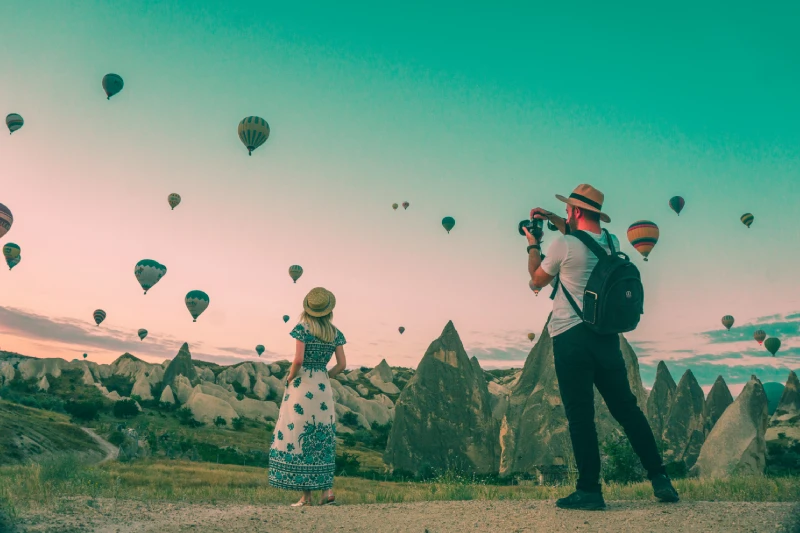
Are you a fast-paced adventurer who wants to see everything, or do you prefer a leisurely trip with plenty of downtime? Understanding your preferred travel pace is crucial for crafting a realistic and enjoyable itinerary. Trying to cram too much into a short period can lead to burnout and less appreciation for each stop.
For novices, it’s often advisable to start with a more relaxed pace. This allows for unexpected discoveries, deeper immersion in a destination, and a buffer for any unforeseen delays. Remember, travel is about the experience, not just checking off a list of sights.
Budgeting Like a Pro
Read Also : Your Ultimate Travel Planning Guide for Beginners

Estimating Core Expenses
A well-structured budget is the backbone of successful trip planning. Start by identifying your core expenses: flights, accommodation, transportation, food, and activities. Research average costs for each category in your chosen destination. Websites like Google Flights, Booking.com, and local tourism boards can provide good estimates.
Don’t forget to account for visa fees, travel insurance, and a contingency fund for emergencies. A good rule of thumb is to add 10-15% to your estimated budget for unexpected costs. Being realistic about your spending limits from the outset will prevent financial stress during your trip.
Saving Money on Flights and Accommodation
Flights and accommodation often represent the largest portion of a travel budget. To save money, be flexible with your travel dates; flying mid-week or during the off-season can significantly reduce costs. Use flight comparison websites and set price alerts to snag the best deals.
For accommodation, consider alternatives to traditional hotels, such as hostels, guesthouses, or Airbnb. Booking in advance, especially during peak season, can also lead to better rates. Always compare prices across multiple platforms before making a reservation.
Allocating Funds for Activities and Food
Once your core expenses are covered, allocate funds for daily activities and meals. Research free attractions or activities that align with your interests to maximize your budget. Look for local markets or street food vendors for authentic and affordable dining experiences.
Consider cooking some of your meals if your accommodation has kitchen facilities. Set a daily spending limit for food and entertainment to help you stay on track. Prioritize experiences that are most important to you, and be prepared to make trade-offs.

Researching Your Destination Thoroughly
Safety and Local Customs
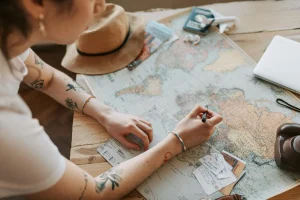
Before you even think about packing, a crucial piece of trip planning advice for novices is to thoroughly research the safety and local customs of your destination. Check government travel advisories for any warnings or specific safety recommendations. Familiarize yourself with common scams or areas to avoid.
Understanding local etiquette and cultural norms is equally important. A simple gesture or phrase in one country might be offensive in another. Learning a few basic phrases in the local language can also greatly enhance your experience and show respect for the culture.
Best Time to Visit
The “best time to visit” a destination often depends on what you want to do and your tolerance for crowds and specific weather conditions. High season usually means perfect weather but also higher prices and more tourists. Shoulder seasons (just before or after peak) often offer a good balance of pleasant weather and fewer crowds.
Read Also : First-Time International Travel Tips: Your Ultimate Guide
Low season might bring the cheapest prices, but it could also mean extreme weather, closed attractions, or limited services. Research the climate, local festivals, and major events to choose the time that best suits your preferences and budget.
Transportation Options
How will you get around once you arrive? Researching local transportation options is vital. This could include public transport (buses, trains, subways), ride-sharing services, taxis, or car rentals. Understand the costs, reliability, and safety of each option.
For longer distances within a country, look into domestic flights, long-distance trains, or intercity buses. Having a clear idea of your transportation plan will save time and stress upon arrival, making your trip smoother and more enjoyable.
Booking Essentials: Flights & Accommodation
Finding the Best Flight Deals
Finding affordable flights is often a top priority. Start your search early, typically 2-3 months in advance for international trips. Use flight comparison websites like Skyscanner, Google Flights, or Kayak, and be sure to check budget airlines directly.
Be flexible with your travel dates and consider flying into or out of smaller, alternative airports if available. Clearing your browser cookies or using incognito mode can sometimes help avoid dynamic pricing. Don’t forget to check baggage allowances and any hidden fees before booking.
Choosing the Right Accommodation
Your accommodation choice significantly impacts your comfort and budget. Consider your travel style: do you prefer luxury hotels, cozy guesthouses, social hostels, or a private apartment via Airbnb? Each option offers a different experience and price point.
Location is key. Staying in a central area might be more expensive but could save you money and time on transportation. Alternatively, staying slightly outside the main tourist hub can offer a more local experience and better value, provided there’s good public transport access.
Reading Reviews and Policies
Before finalizing any bookings, always read reviews from previous travelers. Websites like TripAdvisor, Booking.com, and Google Reviews offer valuable insights into cleanliness, service, location, and overall experience. Look for consistent themes in positive and negative feedback.
Equally important is understanding the cancellation policies and terms and conditions. Life happens, and having the flexibility to change or cancel without significant penalties can be a lifesaver. Ensure you understand what’s included in the price (e.g., breakfast, taxes, Wi-Fi) to avoid surprises.
Read Also : First Time Traveler Tips: Your Ultimate Guide to Adventure
Crafting Your Itinerary

Balancing Activities and Downtime
An itinerary is your roadmap, but it shouldn’t be a rigid schedule. For novices, balancing planned activities with ample downtime is crucial. Over-scheduling can lead to exhaustion and a feeling of rushing from one place to another, diminishing the joy of discovery.
Aim for 1-2 major activities per day, leaving room for spontaneous exploration, leisurely meals, or simply relaxing. This flexibility allows you to adapt to weather changes, unexpected closures, or simply a desire to linger longer in a particularly appealing spot.
Pre-booking Popular Attractions
For highly popular attractions, especially those with limited capacity or long queues, pre-booking tickets online is a smart move. This saves valuable time and guarantees entry, which is especially important during peak travel seasons. Examples include museums, theme parks, or specific tours.
Check the official websites of attractions for booking options and specific entry requirements. Some places offer skip-the-line passes, which can be worth the extra cost for a smoother experience. Keep digital or printed copies of your tickets readily accessible.
Flexibility is Key
While an itinerary provides structure, remember that it’s a guide, not a strict mandate. One of the best pieces of trip planning advice for novices is to embrace flexibility. Travel often involves unexpected detours, delays, or opportunities. Being open to changing your plans can lead to some of the most memorable experiences.
Don’t be afraid to deviate from your original plan if you discover a local festival, receive a recommendation from a local, or simply feel like spending more time in one place. The best trips often have a blend of careful planning and spontaneous adventure.
Health & Safety Preparations
Travel Insurance: A Must-Have
Never underestimate the importance of travel insurance. It’s a non-negotiable item, especially for first-time travelers. Travel insurance can cover a wide range of unforeseen circumstances, including medical emergencies, trip cancellations or interruptions, lost luggage, and personal liability.
Research different policies and choose one that best suits your needs and destination. Read the fine print carefully to understand what is covered and what exclusions apply. While it’s an added cost, the peace of mind and financial protection it offers are invaluable.
Read Also : Budget Travel Planning for Beginners: Your Ultimate Guide
Vaccinations and Medications
Before any international trip, consult your doctor or a travel clinic about necessary vaccinations. Some destinations require specific immunizations, while others recommend them for your safety. Plan this well in advance, as some vaccines require multiple doses over several weeks.
Pack any prescription medications in their original containers, along with a copy of your prescription. Include a basic first-aid kit with essentials like pain relievers, band-aids, antiseptic wipes, and any over-the-counter remedies you might need for common ailments like colds or upset stomachs.
Emergency Contacts and Documents
Prepare a list of emergency contacts, both at home and in your destination country. This should include family members, your travel insurance provider, and the local embassy or consulate. Keep this information easily accessible, both digitally and as a physical copy.
Make photocopies or digital scans of important documents like your passport, visa, flight tickets, and accommodation reservations. Store them separately from the originals. Consider leaving a copy with a trusted person at home. This ensures you have backups in case of loss or theft.
Packing Smart: The Art of Essentialism
Creating a Packing List
A detailed packing list is your best friend when preparing for a trip. Start by listing all the essentials: clothing (consider the climate and activities), toiletries, medications, documents, and electronics. Categorize items to ensure nothing is forgotten.
For novices, it’s often tempting to overpack. The goal is to pack smart and light, bringing only what you truly need. This makes navigating airports and public transport much easier and reduces the risk of lost luggage. Consider a capsule wardrobe that allows for mixing and matching outfits.
Rolling vs. Folding: Maximizing Space
When it comes to packing clothes, there are various techniques to maximize space and minimize wrinkles. The rolling method is popular for saving space and preventing creases. Lay clothes flat, then roll them tightly. Alternatively, some prefer folding items neatly and layering them.
Utilize packing cubes to organize your belongings and compress items. Wear your heaviest shoes and bulkiest clothing items on travel days to save space in your luggage. Remember to leave a little extra room for souvenirs!
Essential Travel Gadgets
Beyond the basics, certain travel gadgets can significantly enhance your trip. A universal travel adapter is crucial for charging electronics in different countries. A portable power bank ensures your phone stays charged on the go.
Read Also : Best Travel Planning Apps for Beginners: Your Guide
Other useful items include noise-canceling headphones for flights, a comfortable travel pillow, a reusable water bottle, and a compact camera if you’re serious about photography. Don’t forget chargers for all your devices and ensure they are compatible with your destination’s voltage.
On the Road: Tips for a Smooth Journey
Staying Connected Abroad
Keeping in touch with loved ones and accessing vital information is important while traveling. Research international roaming options with your current mobile provider, or consider purchasing a local SIM card upon arrival, which is often more cost-effective. Alternatively, portable Wi-Fi devices can be a good solution.
Make sure your phone is unlocked if you plan to use a local SIM. Download offline maps and translation apps before you leave, as Wi-Fi might not always be available. Inform your bank of your travel plans to avoid card freezes due to unusual activity.
Managing Your Money Safely
Diversify how you carry your money. Relying solely on one credit card or a large amount of cash is risky. Carry a combination of credit cards, debit cards, and a small amount of local currency. Inform your bank about your travel dates to prevent your cards from being blocked.
Use secure methods for carrying cash, such as a money belt or a hidden pouch. Be discreet when handling money in public. Always be aware of your surroundings, especially in crowded tourist areas, where pickpocketing can be common. Use ATMs in secure, well-lit locations.
Embracing the Unexpected
Despite all the meticulous planning, travel inevitably comes with unexpected twists and turns. A flight might be delayed, a reservation could be mixed up, or you might encounter a language barrier. The best trip planning advice for novices is to cultivate a mindset of flexibility and resilience.
Instead of letting minor setbacks ruin your trip, view them as part of the adventure. Embrace the unexpected, learn from challenges, and remember that some of the most memorable travel stories come from overcoming unforeseen circumstances. Enjoy the journey!
Conclusion
Planning your first trip, while initially daunting, can be an incredibly rewarding experience. By systematically approaching each stage—from defining your travel goals and budgeting wisely to thorough research and smart packing—you lay the groundwork for an unforgettable adventure. Remember that preparation is key, but so is maintaining a flexible mindset to truly embrace the journey.
Read Also : Family Travel Planning Tips for Beginners
This guide has provided comprehensive trip planning advice for novices, emphasizing clear steps and practical tips. From understanding your travel style and securing essential bookings to prioritizing health, safety, and smart packing, each piece of advice is designed to build your confidence and ensure a smooth, enjoyable trip. Don’t let the planning process overshadow the excitement of exploring a new destination.
Armed with these strategies, you’re now ready to transform your travel dreams into reality. Start small, be patient with yourself, and most importantly, savor every moment of your meticulously planned (yet flexible!) adventure. Happy travels!
FAQ
The most important thing for a novice traveler to plan first is to define their destination and travel goals. This foundational step influences all subsequent decisions, from budgeting and itinerary creation to packing essentials. Knowing where you want to go and what kind of experience you seek provides clarity and direction for the entire planning process.
The amount of money you should save varies greatly depending on your destination, travel style, and duration. A good starting point is to research average costs for flights, accommodation, food, and activities in your chosen location. Always add an extra 10-15% to your estimated budget for emergencies and unexpected expenses. For a moderate 7-10 day international trip, a budget of $1,500 - $3,000+ per person is a reasonable range, excluding flights, but this can be much lower or higher.
Yes, travel insurance is highly recommended and almost essential for first-time travelers. It provides crucial protection against unforeseen events such as medical emergencies, trip cancellations, lost luggage, or even personal liability. The peace of mind and financial security it offers far outweigh its cost, especially when you're navigating new environments.
For international flights, it's generally advisable to book 2-3 months in advance to get the best deals, though sometimes earlier (4-6 months) for peak seasons or popular destinations. For accommodation, booking 1-2 months ahead is usually sufficient, especially if you have specific preferences or are traveling during busy periods. Flexibility with your travel dates can often lead to better prices.
The top three items a novice traveler should never forget to pack are their passport/ID and essential travel documents (physical and digital copies), any necessary medications (with prescriptions), and a universal travel adapter and portable power bank for electronics. These ensure you can enter your destination, stay healthy, and keep your vital devices charged and connected.


Popular Posts


Embracing Spiritual Growth Through Travel and Exploration
Travel is more than just seeing new places; it's a profound journey into oneself. This article explores how embracing travel and exploration can significantly contribute to your spiritual growth, offering unique perspectives and transformative experiences.


