How to Plan a World Trip: Your Ultimate Step-by-Step Guide

The idea of a world trip often conjures images of boundless freedom, exotic landscapes, and unforgettable experiences. It’s a dream for many, but the journey from aspiration to actual departure can seem daunting. With so many destinations, logistical hurdles, and financial considerations, knowing where to begin your world trip planning can be the biggest challenge.
Fear not, intrepid traveler! This comprehensive guide is designed to demystify the process of how to plan a world trip, breaking it down into clear, actionable steps. Whether you envision a year-long backpacking adventure or a series of shorter, luxurious explorations, we’ll walk you through everything you need to know to make your global travel dreams a tangible reality.
From setting a budget and crafting an itinerary to navigating visas and packing smart, prepare to transform your “someday” into “today.” Let’s dive into the systematic approach to planning the adventure of a lifetime.
Define Your World Trip Vision and Goals
What Kind of Traveler Are You?
Before diving into the nitty-gritty, take a moment to reflect on your travel style and what you truly want from this experience. Are you a thrill-seeker aiming for extreme sports and remote wilderness, or do you prefer cultural immersion in bustling cities and historical sites? Understanding your preferences will significantly influence your route, budget, and overall satisfaction.

Consider what kind of pace suits you best. Some travelers thrive on constant movement, visiting a new city every few days, while others prefer slow travel, spending weeks or months in a single location to truly get under its skin. There’s no single “right” way to travel the world, only the way that’s right for you.
Duration and Destinations
One of the first practical steps in how to plan a world trip is deciding on its length. Will it be a three-month whirlwind, a six-month deep dive, or a year-long odyssey? Your chosen duration directly impacts your budget and the number of places you can realistically visit without feeling rushed. Be realistic about how much time you have available and how much you can comfortably afford.
Next, start brainstorming destinations. Don’t worry about the perfect order yet. Just list all the countries, cities, or regions that excite you. Think about places you’ve always dreamed of seeing, cultural experiences you want to have, or natural wonders you long to witness. This initial list will serve as the foundation for your itinerary.

Travel Style: Backpacking vs. Luxury
Your travel style will heavily dictate your budget and packing list. Are you planning to rough it in hostels, cook your own meals, and rely on public transport (backpacking style), or do you envision staying in boutique hotels, dining out frequently, and taking taxis or private transfers (luxury style)? Most world travelers find a comfortable middle ground, blending elements of both.
For example, a backpacker might aim for an average daily spend of $30-$50, while a mid-range traveler might target $70-$100, and a luxury traveler significantly more. Being clear about your desired level of comfort and expense from the outset is crucial for realistic budgeting and planning.
Set Your World Trip Budget

Read Also : Hidden Gems for Unforgettable Weekend Adventures 2026

Estimating Costs: Flights, Accommodation, Activities
Budgeting is arguably the most critical component of how to plan a world trip. Start by breaking down your potential expenses into major categories. These typically include international flights, internal transportation (trains, buses, domestic flights), accommodation, food, activities/excursions, visas, travel insurance, and a contingency fund. Research average costs for each category in your target destinations.
For flights, consider using flight aggregators like Google Flights, Skyscanner, or Kayak to get an idea of “round-the-world” ticket prices or multi-city itineraries. Accommodation costs can vary wildly, from $10/night in a hostel dorm to hundreds for a hotel. Factor in local transport, daily meals, and any specific tours or experiences you plan to do. Don’t forget an emergency fund, ideally 10-15% of your total budget, for unexpected situations.
Saving Strategies for Your Journey
Once you have a rough budget, the next step is figuring out how to save the necessary funds. This often involves making conscious sacrifices in your daily life. Create a dedicated savings account for your trip and set up automatic transfers. Cut down on unnecessary expenses like daily coffees, eating out, or impulse purchases.
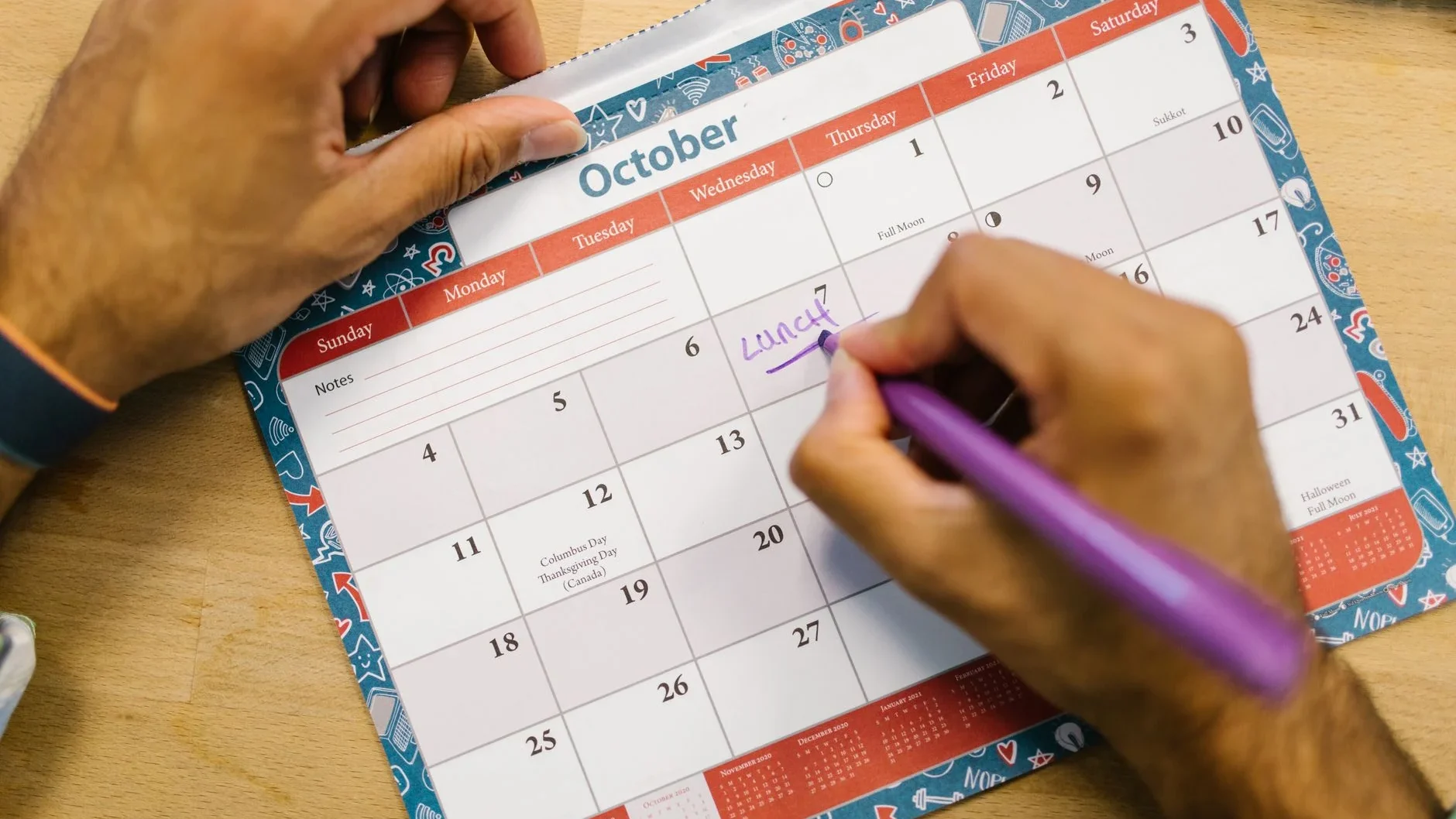
Consider ways to boost your income, such as taking on freelance work, selling unused items, or picking up extra shifts. Many aspiring world travelers have successfully saved significant amounts by temporarily moving back in with family or finding cheaper housing. The more aggressive you are with your saving, the sooner your world trip becomes a reality.
Managing Money While Traveling
While on the road, smart money management is key to making your budget last. Use budgeting apps to track your spending daily. Be mindful of ATM fees and exchange rates; research the best travel credit cards and debit cards that offer low or no foreign transaction fees. Always have a backup plan for accessing funds, like a secondary debit card or a small amount of emergency cash.
Consider ways to save money during your trip, such as cooking your own meals when possible, taking public transport, opting for free walking tours, and utilizing loyalty programs. Flexibility is your friend – if one country is proving too expensive, consider adjusting your itinerary to more budget-friendly destinations.

Crafting Your World Trip Itinerary

Choosing Your Route: East to West, West to East, or Zigzag?
Deciding on a route is one of the most exciting parts of how to plan a world trip. Many travelers opt for an “around the world” ticket, which typically involves traveling in one general direction (east to west or west to east) to minimize backtracking and save on airfare. This often means crossing both the Atlantic and Pacific oceans once.
However, a zigzag route, while potentially more expensive in flights, offers greater flexibility to visit specific regions during their optimal seasons. When planning, consider geographical proximity to reduce travel time and costs between destinations. Start with your must-see places and then connect the dots logically.
Balancing Must-Sees with Spontaneity
While a detailed itinerary provides structure, it’s vital to leave room for spontaneity. Some of the best travel memories come from unexpected detours, local recommendations, or simply lingering longer in a place you fall in love with. Don’t overschedule every single day.
Read Also : Best Road Trips in the World: Ultimate Guide
A good approach is to plan your major flights and perhaps your first few nights of accommodation in each new country, leaving the rest open. This allows you to adapt to local conditions, meet other travelers, and discover hidden gems not found in guidebooks. Flexibility is the ultimate luxury when traveling the world.
Seasonal Considerations and Major Events
When to visit certain regions is a critical factor. Traveling to Southeast Asia during monsoon season or Europe in the peak of summer without air conditioning can significantly impact your experience. Research the best time to visit each of your chosen destinations to avoid extreme weather, crowds, or closed attractions.
Also, check for major festivals, holidays, or events that might affect your trip. While some events can be incredible to experience, they can also lead to inflated prices and limited availability for accommodation and transport. Plan accordingly to either embrace or avoid these periods.
Passport, Visas, and Health Preparations

Passport Validity and Renewals
Your passport is your golden ticket to the world. Ensure it is valid for at least six months beyond your intended return date from your trip. Many countries require this minimum validity for entry, and some even require several blank pages for stamps and visas. If your passport is nearing expiration or running out of pages, apply for a renewal well in advance.
It’s also a good practice to make several photocopies of your passport’s main page, and keep digital copies stored securely online (e.g., in a cloud service or emailed to yourself). These can be invaluable if your passport is lost or stolen while abroad.
Navigating Visa Requirements
Visa requirements vary greatly depending on your nationality and the countries you plan to visit. This is one of the most complex aspects of how to plan a world trip and requires careful research. Start by checking the official government websites of each country you intend to enter to understand their specific visa policies. Some countries offer visa-free entry for certain nationalities, while others require pre-arranged visas or visas on arrival.
Consider countries that offer e-visas or have agreements with your home country for easier entry. For longer trips with many destinations, using a visa service can save time and hassle, though it comes at an additional cost. Always apply for visas with plenty of time before your travel dates, as processing times can be unpredictable.
Travel Insurance and Vaccinations
Do not underestimate the importance of comprehensive travel insurance. It’s an essential safety net that covers medical emergencies, trip cancellations, lost luggage, and other unforeseen events. Research different policies and choose one that offers adequate coverage for your destinations and planned activities, especially if you intend to do adventure sports.
Consult your doctor or a travel clinic at least 6-8 weeks before your departure to discuss necessary vaccinations and any prophylactic medications (e.g., malaria pills) for your chosen destinations. They can also advise on general health precautions and provide prescriptions for any essential medications you might need to carry.
Read Also : Your Ultimate Long Term Travel Planning Guide
Booking Flights and Accommodation

Finding Round-the-World Tickets
For a true world trip, a “round-the-world” (RTW) ticket can sometimes offer value. These tickets are typically offered by airline alliances (e.g., Star Alliance, Oneworld, SkyTeam) and allow you to fly across continents with pre-determined stops for a fixed price. They often come with rules regarding the number of stops, direction of travel, and maximum mileage.
Alternatively, many independent travelers prefer to book flights segment by segment using budget airlines and flight aggregators. This approach offers maximum flexibility but requires more vigilance in finding good deals. Tools like Skyscanner’s “everywhere” search or Google Flights’ multi-city option can be incredibly useful.
Strategies for Affordable Accommodation
Accommodation will be one of your biggest expenses. To keep costs down, consider a mix of options: hostels (private rooms or dorms), guesthouses, Airbnb, house-sitting, or even couch-surfing. Booking in advance, especially for popular destinations or peak seasons, can often secure better rates.
For longer stays, look for weekly or monthly discounts on platforms like Airbnb. Some travelers also utilize loyalty programs with hotel chains or credit card points to offset accommodation costs. Don’t be afraid to try local, independent establishments, which often offer a more authentic experience at a lower price.
Internal Travel and Transportation
Once you’ve landed in a new country, understanding local transportation is key. Research the most efficient and cost-effective ways to get around. This could involve long-distance buses, trains, domestic flights, or even ride-sharing services. In many regions, overnight buses or trains can save you the cost of a night’s accommodation.
Always compare prices and travel times. For example, a budget flight might seem cheaper, but factoring in airport transfers and check-in times, a train might be more convenient and sometimes even faster for shorter distances. Pre-booking tickets for popular routes can save money and ensure availability.
Packing Smart for a World Trip

The Essentials: What to Bring and What to Leave
When learning how to plan a world trip, mastering the art of packing light is paramount. Every item you bring must earn its place in your bag. Focus on versatile, quick-drying clothing that can be layered. Think about a capsule wardrobe that mixes and matches easily. Prioritize comfort over fashion, especially for shoes.
Key essentials often include: quick-dry clothing, comfortable walking shoes, a waterproof jacket, a universal adapter, a basic first-aid kit, and essential toiletries. Avoid overpacking by asking yourself: “Have I used this in the last six months?” and “Can I buy this easily if I really need it?”
Read Also : Discover Hidden Travel Destinations for Your Next Adventure
Choosing the Right Backpack or Luggage
Your choice of luggage can significantly impact your travel comfort. For most world trips, a sturdy backpack (40-65 liters) is preferred for its mobility, especially if you’ll be moving frequently or navigating uneven terrain. Look for one with good weight distribution, comfortable straps, and easy access to your belongings.
If you prefer wheels, choose a durable rolling duffel or suitcase that can withstand rough handling. Many travelers opt for a “carry-on only” approach to save time and money on checked baggage fees, though this requires extreme discipline in packing. Always check airline baggage restrictions before flying.
Tech Gear and Travel Gadgets
While the goal is often to disconnect, certain tech items are incredibly useful for a world trip. A smartphone is almost indispensable for navigation, communication, translation, and photography. Consider a portable power bank to keep your devices charged on the go.
Other useful gadgets might include: a lightweight laptop or tablet (for blogging/work), a digital camera (if your phone isn’t sufficient), noise-canceling headphones, and a Kindle or e-reader for entertainment. Remember to protect your devices with sturdy cases and consider travel insurance that covers electronics.
Handling Logistics and Safety
Financial Security and Emergency Funds
Protecting your finances is crucial. Inform your banks and credit card companies of your travel dates and destinations to prevent fraud alerts or card suspensions. Carry a combination of payment methods: two different debit/credit cards (from different banks if possible), and a small amount of local currency.
Keep your emergency fund separate from your main spending money. Consider using a money belt or secure neck wallet for passports and larger sums of cash. Never keep all your valuables in one place, and always have a backup plan in case your cards are lost or stolen.
Staying Connected: SIM Cards and Wi-Fi
Staying connected allows you to navigate, communicate with loved ones, and access information. Research local SIM card options upon arrival in each country. Many countries offer affordable prepaid data plans that are far cheaper than international roaming. Ensure your phone is unlocked before you leave.
Alternatively, consider an eSIM service like Airalo or Holafly, which allows you to download local data plans digitally, often before you even arrive. Make use of free Wi-Fi in hostels, cafes, and public areas, but always be cautious when using public networks for sensitive transactions.
Safety Tips and Emergency Contacts
Prioritize your safety at all times. Research common scams and safety concerns for each destination. Be aware of your surroundings, especially at night. Avoid displaying expensive items or large sums of cash. Trust your instincts; if a situation feels unsafe, remove yourself from it.
Keep a list of emergency contacts (local police, your country’s embassy/consulate, travel insurance provider) readily accessible. Share your itinerary with a trusted family member or friend back home, and check in with them regularly. Register your trip with your country’s foreign affairs department if they offer such a service.
Read Also : inspiring Travel Tales That Will Ignite Your Wanderlust
Preparing Your Home Life Before You Go
Managing Mail and Bills Remotely
Before you embark on your world trip, you’ll need to sort out your home affairs. For mail, consider setting up a mail forwarding service, asking a trusted friend or family member to collect it, or going paperless where possible. Ensure all your essential bills are set up for automatic payments or can be managed online.
Create a master document with all account details, passwords (use a secure password manager!), and contact information for your utilities, bank, and other service providers. Share this with your designated home contact in case they need to access something on your behalf.
Rentals, Sublets, or Storage Solutions
What will you do with your home? If you own, you might consider renting it out, finding a house-sitter, or leaving it vacant. If you rent, you’ll need to give notice, sublet, or break your lease. Each option has its own financial and logistical implications.
For your belongings, decide what to keep, sell, donate, or put into storage. A storage unit can be a convenient option for items you don’t want to part with. The less you have to worry about at home, the more you can focus on enjoying your world trip.
Notifying Banks and Service Providers
As mentioned earlier, inform your bank and credit card companies about your travel plans to avoid card freezes. Also, notify any other service providers you use, such as your mobile phone company (you might want to suspend your plan or switch to a cheaper one), internet provider, and insurance companies.
Ensure you have access to online banking and any necessary apps from abroad. Set up two-factor authentication for all critical accounts for enhanced security. This proactive communication prevents unnecessary headaches and interruptions while you’re on the road.
Conclusion
Planning a world trip is an undertaking that requires meticulous attention to detail, but it is an entirely achievable dream. By systematically approaching each stage – from defining your travel vision and setting a realistic budget to navigating visas and packing strategically – you can transform a daunting task into an exciting preparation process. Remember that flexibility and a positive attitude are just as important as any checklist.
The journey itself will be filled with unexpected twists and turns, moments of pure bliss, and perhaps a few challenges. But with a solid foundation laid through careful planning, you’ll be well-equipped to handle whatever comes your way. This guide on how to plan a world trip provides the blueprint; now it’s up to you to fill it with your unique adventures.
So, take a deep breath, start small, and begin ticking off these steps. The world is waiting for you, and with diligent preparation, your epic global adventure is within reach. Happy planning, and even happier travels!
FAQ
The cost of a world trip varies significantly based on duration, travel style (backpacking vs. luxury), and destinations. A rough estimate for a 6-12 month trip can range from $15,000 to $50,000+ per person. Budget travelers might manage on $20-$40 a day in cheaper regions, while mid-range travelers might spend $50-$100+, not including major flights.
Planning a comprehensive world trip can take anywhere from 6 months to 2 years, depending on your desired level of detail, the complexity of your itinerary, and how much savings you need to accumulate. It's advisable to start at least 6-12 months in advance to secure good deals on flights, apply for visas, and save enough money.
Effective saving strategies include creating a strict budget, cutting unnecessary expenses (e.g., daily coffees, eating out), increasing your income (freelance work, selling items), and setting up automatic transfers to a dedicated travel savings account. Many travelers temporarily move into cheaper accommodation or with family to boost their savings.
Not necessarily. While round-the-world (RTW) tickets offered by airline alliances can be convenient, many travelers opt to book individual flights as they go or use flight aggregators for multi-city itineraries. Booking flights separately often offers more flexibility and can sometimes be more cost-effective, especially if you're not strictly adhering to a single direction of travel.
Research visa requirements for each country based on your nationality well in advance. Some countries offer visa-free entry, while others require pre-arranged visas, e-visas, or visas on arrival. Keep all necessary documents (passport copies, passport photos, flight itineraries, accommodation bookings) organized. For complex itineraries, consider using a professional visa service.


Popular Posts


Embracing Spiritual Growth Through Travel and Exploration
Travel is more than just seeing new places; it's a profound journey into oneself. This article explores how embracing travel and exploration can significantly contribute to your spiritual growth, offering unique perspectives and transformative experiences.


One thought on “How to Plan a World Trip: Your Ultimate Step-by-Step Guide”