Road Trip Planning for Beginners: Your Ultimate Guide

There’s nothing quite like hitting the open road for the ultimate freedom and unforgettable experiences. The open road calls, beckoning with promises of adventure, spontaneous discoveries, and a fresh perspective on your chosen destination. But if you’re a newbie, mapping out a multi-day journey by car can feel like a tall order.
From plotting out your course to keeping tabs on your wallet, packing your bags, and ensuring your ride is ready to roll, there’s a fair bit to juggle. The silver lining? With a systematic approach and a little guidance, anyone can truly master the art of road trip planning. This comprehensive guide is your compass, specifically designed for those just getting their feet wet. We’ll lay out clear steps and practical tips, helping you orchestrate your first incredible road trip with both confidence and a healthy dose of excitement.
Whether your heart yearns for scenic coastal drives, rugged mountain adventures, or sprawling cross-country explorations, solid road trip planning for beginners is, without a doubt, the golden ticket to a smooth and utterly enjoyable journey. So, let’s roll up our sleeves and dive into how you can transform those road trip dreams into a fantastic reality.
Setting Your Road Trip Vision and Destination
Defining Your Ideal Trip
Before diving into the nitty-gritty details, take a moment to truly visualize your ideal road trip. What kind of experience are you truly craving? Are you picturing a leisurely cruise through picturesque countryside, an adrenaline-pumping trek through national parks, or a deep dive into the cultural tapestry of historical cities? Getting a handle on your preferences will undeniably set the stage for your destination and itinerary.

Next, think about how long you’ve got to play with. Is it a quick weekend getaway, a week-long expedition, or a more extended journey you’re after? The duration will be the compass for how far you can realistically cover and how many pit stops you can comfortably make. For first-timers, dipping your toes in with a shorter trip (say, 3-5 days) is a brilliant way to get comfortable with the rhythm of the road without biting off more than you can chew.
Choosing Your Destination and Route
With a clearer vision in mind, it’s time to hit the books – or rather, the internet – and start digging into potential destinations. Seek out spots that truly resonate with your interests and the kind of adventure you’re dreaming up. Digital stalwarts like Google Maps, Roadtrippers, and AAA TripTik are worth their weight in gold for scoping out routes and unearthing fascinating points of interest en route. Don’t shy away from venturing down less-traveled paths; often, the most memorable experiences are waiting for you off the beaten track.
As you zero in on your route, cast your mind to the kind of scenery you’re hoping to feast your eyes on. Are sweeping coastal vistas your jam, or do you crave the drama of mountain passes, the stark beauty of desert landscapes, or the tranquility of dense forests? Sketch out a preliminary route, pinpointing major cities, national parks, or attractions that are on your must-see list. While having a primary destination is key, it’s a savvy move to earmark several potential stops along the way. These can act as welcome breathers, breaking up those long stretches behind the wheel.

Considering the Time of Year
The time of year you choose to travel can truly make or break your road trip experience. From unpredictable weather conditions to fluctuating crowd levels and even road accessibility, everything can change with the season. For instance, a mountain road trip in the dead of winter could throw snow and ice your way, demanding specific vehicle prep and a good set of winter driving skills.
Summer, of course, brings warm weather and those lovely long daylight hours. But be warned: popular spots can be bursting at the seams, and accommodation prices might just hit the roof. Spring and autumn, on the other hand, often serve up pleasant temperatures, breathtaking foliage, and mercifully fewer tourists, making them prime time for many road trips. Always, always double-check the typical weather patterns for your chosen route and destination during your planned travel dates. Better safe than sorry!
Budgeting for Your Beginner Road Trip
Read Also : Best Road Trips in the World: Ultimate Guide

Estimating Fuel Costs
Fuel will likely be one of the biggest chunks of your road trip budget. To get a handle on it, first, figure out the approximate total mileage for your journey using a mapping tool. Then, dig up your vehicle’s average fuel efficiency (miles per gallon or kilometers per liter). Divide your total mileage by your car’s fuel efficiency to get the total fuel needed, then multiply that by the average fuel price in the regions you’ll be traveling through.
For example, if your trip spans 1,000 miles and your car gets 25 MPG, you’ll need around 40 gallons of fuel. If the going rate is $4 per gallon, your fuel cost would be $160. Always tack on a buffer of 10-15% for those unexpected detours or sudden price hikes. Handy apps like GasBuddy can be a real game-changer, helping you scout out the cheapest gas prices along your route and keeping a little extra cash in your pocket.
Accommodation and Food Expenses
These two categories can fluctuate wildly, depending entirely on your travel style. For a place to lay your head, decide if you’re roughing it by camping, cozying up in budget motels, or treating yourself to swankier hotels. Do a bit of homework on the average prices for your chosen type of lodging in the areas where you plan to stop. Booking ahead can often snag you better rates, especially if you’re hitting popular tourist areas.
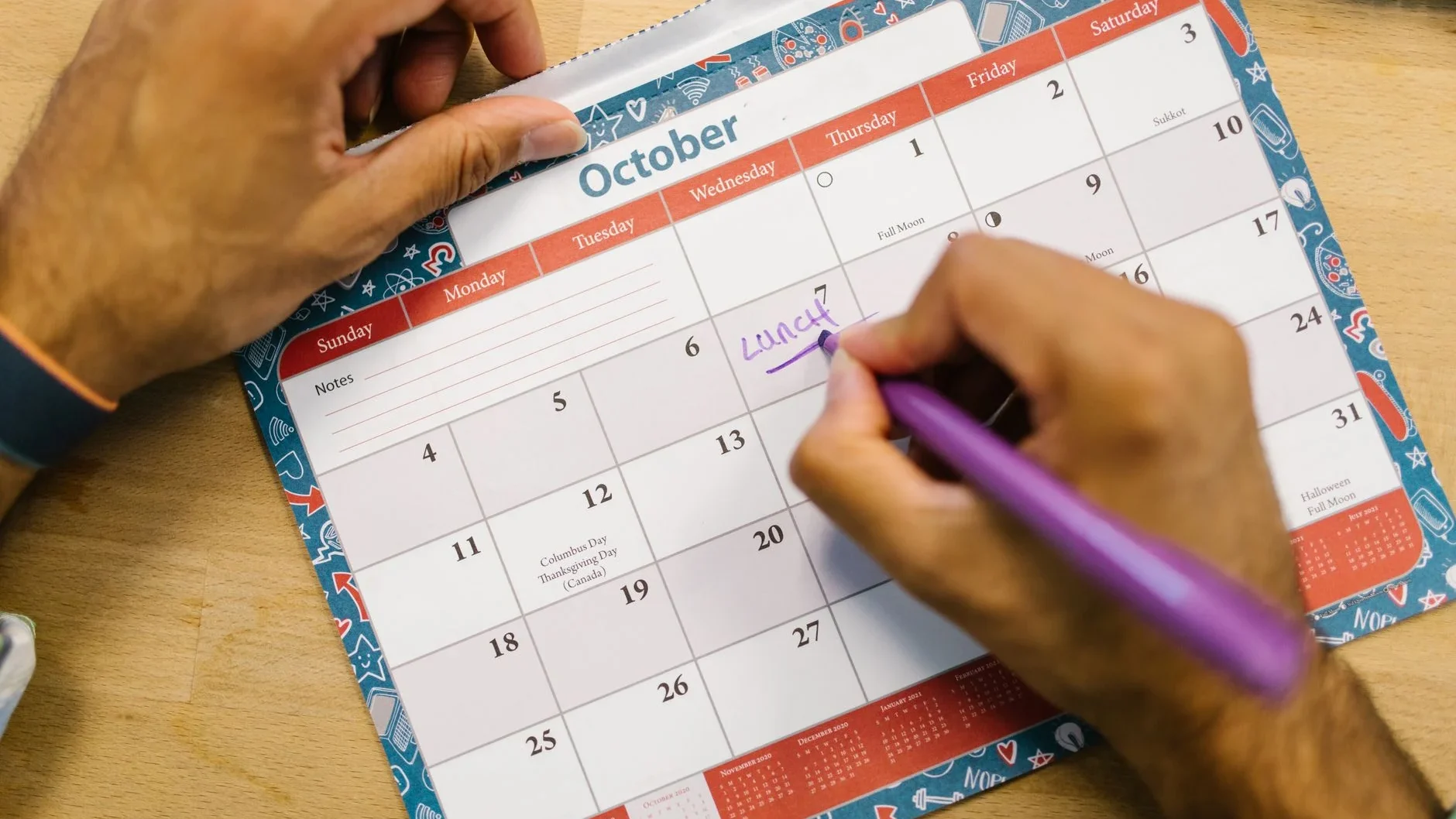
Food costs are another area where you can save a pretty penny by packing smart. Think snacks, drinks, and ingredients for some simple meals. Eating out for every single meal can quickly drain your budget. Plan to pack a cooler brimming with sandwiches, fruit, and beverages for your lunches, perhaps saving your splurge for one nice dinner out each day. Keep an eye out for grocery stores along your route to restock supplies. Being strategic with your food choices can significantly reduce expenses.
Allocating Funds for Activities and Emergencies
Beyond the bare necessities, remember to set aside some cash for activities and attractions. This could cover entrance fees for national parks, museums, concerts, or unique experiences like boat tours. Research these costs beforehand and fold them into your overall budget. It’s also a smart move to allocate a discretionary fund – a little “fun money” – for spontaneous purchases or unexpected opportunities.
Most importantly, carve out a separate emergency fund. This money should be strictly reserved for unforeseen circumstances like car repairs, medical emergencies, or an unplanned overnight stay. A good rule of thumb is to have at least 10-15% of your total budget earmarked for emergencies. Having an emergency fund provides invaluable peace of mind and ensures that minor setbacks don’t send your entire trip spiraling off course.

Vehicle Preparation and Maintenance Checks
Essential Car Check-up Before You Go
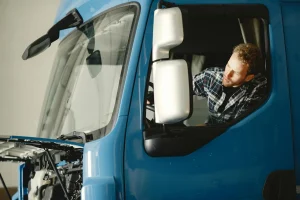
Your vehicle is the horse pulling your road trip wagon, so it absolutely needs to be in tip-top shape. Before you hit the road, make sure it’s ready for the long haul. Schedule a thorough check-up with a trusted mechanic a few weeks before you plan to depart. They should give your brakes, tires (including that all-important spare), fluid levels (oil, coolant, brake fluid, windshield wiper fluid), belts, hoses, and lights a good once-over.
Give your tires some extra love. Ensure they’re properly inflated to the manufacturer’s recommended pressure and have plenty of tread depth. Under-inflated tires are a recipe for reduced fuel efficiency and a higher risk of a blowout. A well-maintained vehicle drastically reduces the chances of roadside breakdowns, keeping your journey smooth.
Packing an Emergency Kit
Even with the most meticulous preparation, things can go sideways. A well-stocked emergency kit is non-negotiable for any road trip. Here’s a rundown of what should be tucked away:
Read Also : Hidden Gems for Unforgettable Weekend Adventures 2026
- Jumper cables: For when your battery decides to call it quits.
- First-aid kit: Bandages, antiseptic wipes, pain relievers, allergy medicine – the whole nine yards.
- Flashlight and extra batteries: Absolutely essential for nighttime repairs or emergencies.
- Basic tool kit: Screwdrivers, pliers, a wrench – just the essentials.
- Tire pressure gauge and tire repair kit: For those pesky minor punctures.
- Reflective triangles or flares: To flag down other drivers if you’re pulled over on the shoulder.
- Water and non-perishable snacks: Just in case you find yourself stranded for a bit.
- Blanket or emergency thermal blanket: For staying warm if the mercury drops.
- Phone charger and power bank: To keep your lifeline charged, come what may.
Take a moment to familiarize yourself with where these items are stashed and how to use them. Knowing you have these essentials at your fingertips can significantly dial down the stress if an issue crops up.
Understanding Car Insurance and Roadside Assistance
Before you leave home, take a good look at your car insurance policy. Confirm that your coverage is robust enough for the entire duration and distance of your trip. Double-check if your policy extends its protective umbrella to all the states or regions you plan to traverse. It’s also a smart practice to carry a physical copy of your insurance card and policy details with you.
Seriously consider signing up for a roadside assistance program like AAA or a similar service offered by your insurance provider or car manufacturer. These services can be a lifesaver if you’re faced with a flat tire, run out of gas, lock your keys in the car, or need a tow. The peace of mind that roadside assistance offers is well worth the investment, especially for beginner road trippers who are still finding their way.
Crafting Your Perfect Road Trip Itinerary
Balancing Driving Time with Sightseeing
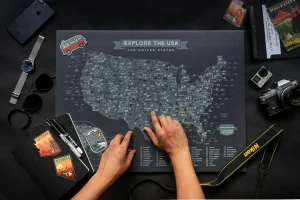
One of the biggest blunders beginners make is packing too much into their schedule. While it’s tempting to cram every single sight into your trip, this can quickly lead to burnout and a feeling of being rushed. Aim for a realistic amount of driving each day – typically no more than 6-8 hours – allowing ample time for breaks, stretching your legs, and truly soaking in the sights. Remember, the journey itself is just as important as the destination.
Plan for longer stops at places that truly pique your interest. For example, if you’re venturing into a national park, carve out a full day or two to explore its trails and attractions, rather than just whizzing through. Use mapping apps to get an estimate of driving times, but always pad that with extra time for traffic, gas stops, and those spontaneous photo ops that are bound to pop up.
Researching Points of Interest
Once you’ve got your route mapped out, dive deeper into researching points of interest along the way. Hunt for quirky roadside attractions, charming small towns, breathtaking scenic overlooks, inviting hiking trails, or local eateries that promise a taste of the region. Travel blogs, local tourism websites, and trusty guidebooks are excellent treasure maps for discovering these hidden gems.
Create a prioritized list: your “must-see” attractions and your “nice-to-see” options. This allows for fantastic flexibility. If you find yourself ahead of schedule, you can easily slot in a “nice-to-see” stop; if you’re running a bit behind, you can confidently prioritize your “must-sees.” Thorough research truly enriches the tapestry of your travel experience.
Building Flexibility into Your Plan
While a detailed itinerary is crucial for road trip planning for beginners, it’s equally important to build in a healthy dose of flexibility. The sheer beauty of a road trip lies in its spontaneity. You might stumble upon a fascinating detour, decide to linger for an extra night in a charming town, or encounter unexpected weather that sends your plans for a loop.
Try to avoid booking every single accommodation and activity in advance, especially for longer trips, unless you’re traveling during peak season or to a highly sought-after location. Leave some days open for spontaneous exploration – a little breathing room. This empowers you to adapt to new discoveries and truly savor the freedom of the open road without feeling shackled by a rigid schedule.
Read Also : Explore Visa Free Countries: Your Ultimate Guide
Packing Essentials for a Smooth Journey

Clothing and Personal Items
Pack clothing that’s versatile enough for various weather conditions, even if the forecast promises nothing but sunshine. Layers are your best friend, allowing you to easily adapt to temperature shifts throughout the day and into the evening. Don’t forget comfortable walking shoes – your feet will thank you – swimwear (if the occasion calls for it), and some reliable rain gear. For personal items, a quick checklist is a lifesaver:
- Toiletries (toothbrush, toothpaste, shampoo, soap – the usual suspects)
- Medications (prescription and over-the-counter essentials)
- Sunscreen and insect repellent (don’t leave home without them!)
- Hat and sunglasses (for those sunny stretches)
- Small towel (always handy)
Try to pack light to avoid cluttering up the car, but make sure you’ve got all your necessities covered. Rolling clothes can work wonders for saving space, and using packing cubes can help you organize your luggage like a pro.
Electronics and Entertainment
In today’s interconnected world, electronics are vital for navigation, staying in touch, and keeping boredom at bay. Ensure you have:
- Smartphone and charger: Your all-in-one for GPS, communication, and snapping memories.
- Portable power bank: To juice up your devices when you’re on the move and outlets are scarce.
- Car phone mount: For safe, hands-free navigation.
- Auxiliary cable or Bluetooth adapter: To keep the tunes and podcasts flowing.
- Headphones: For individual listening, especially if you have different tastes in music.
- Camera: To capture those breathtaking vistas (if your phone isn’t cutting it).
Also, think about offline entertainment. Download music, podcasts, audiobooks, or even a few movies before you set off, especially for areas where cell service might be spotty. And don’t underestimate the charm of a good old-fashioned book or a deck of cards for downtime or rest stops.
Snacks, Drinks, and Comfort Items
A well-stocked cooler is a true road trip game-changer. Fill it to the brim with water bottles, juices, sodas, and easy-to-grab snacks like fruit, granola bars, nuts, and sandwiches. This savvy move saves both money and precious time compared to constantly pulling over at convenience stores or fast-food joints. Bring a reusable water bottle too – perfect for refilling.
For maximum comfort, consider tossing in a small pillow and blanket, particularly for passengers who might want to catch some Z’s. A travel mug for your coffee or tea, hand sanitizer, and wet wipes are also incredibly useful additions. These small comforts can make long hours in the car much more pleasant and bearable.
Safety First: Tips for a Secure Road Trip

Driver Awareness and Fatigue Management
Driver fatigue is no joke; it’s a serious hazard that demands your attention. Plan your driving days to be perfectly manageable, and make it a point to take frequent breaks every 2-3 hours. Get out of the car, stretch those legs, walk around a bit, and grab a snack or a refreshing drink. If you’re lucky enough to be traveling with others, rotate drivers to share the responsibility. Steer clear of driving late at night if you’re not used to it, as visibility takes a hit and fatigue can creep in much more easily.
Stay sharp and keep distractions like texting or excessive phone use at bay. Your focus should be squarely on the road, the traffic, and your surroundings. If you feel drowsiness setting in, pull over to a safe rest stop for a quick power nap or hand the wheel over to another driver. Your safety and the safety of your passengers are paramount – no ifs, ands, or buts.
Read Also : Explore Top Tropical Destinations for Your Next Escape
Navigational Tools and Staying Connected
While smartphone GPS apps like Google Maps or Waze are absolutely brilliant, don’t put all your eggs in one basket. Cell service can be notoriously unreliable in remote areas. A smart move is to download offline maps of your entire route before you even depart. A traditional paper map or a dedicated GPS device can serve as a trusty backup. Always have a general lay of the land in your head, even if a device is guiding your way.
Ensure your phone is always charged, and seriously consider carrying a portable power bank. Inform a trusted friend or family member of your itinerary and check in with them periodically, especially if you’re traveling solo or through remote regions. This way, someone always knows your general whereabouts and expected arrival times, just in case.
Securing Your Belongings and Vehicle
When you make stops, particularly overnight, always aim to park in well-lit, secure areas. Never, ever leave valuables visible in your car; tuck them away in the trunk or out of sight. When you step away from your vehicle, do a double-check to ensure all windows are rolled up and doors are securely locked. For an added layer of security in unfamiliar areas, consider using a steering wheel lock.
If you’re staying in hotels or motels, make good use of the in-room safe for passports, cash, and other small valuables. For campers, always secure your tent and belongings, and maintain an awareness of your surroundings. Being vigilant about your vehicle and personal items can go a long way in preventing theft and providing invaluable peace of mind.
Accommodation and Food Strategies
Booking Ahead vs. Spontaneity
For beginner road trip planning, a smart blend of pre-booking and spontaneity often strikes the perfect balance. If you’re traveling during peak season, heading to popular destinations, or have specific accommodation needs, booking hotels or campsites in advance comes highly recommended. This guarantees you a place to stay and can sometimes even snag you better rates.
However, for more flexible travelers or those exploring less-trodden paths, leaving some nights open allows for those delightful spontaneous detours or extended stays in places you unexpectedly fall in love with. Always have a few backup options researched, just in case your first choice isn’t available. Apps like Booking.com, Airbnb, and Hipcamp are incredibly useful tools for finding and booking lodging on the fly.
Smart Snacking and Meal Planning
As we touched on with budgeting, smart food choices can be a real money- and time-saver. Pack a cooler with ice (or trusty ice packs) for any perishable items. Stock up on non-perishable snacks like granola bars, dried fruit, nuts, and crackers. When it comes to meals, here are a few ideas:
- Picnics: Pack sandwich fixings, salads, and fruit to savor at scenic rest stops or lovely parks.
- Simple cooking: If you’re kitted out with camping gear or staying at an Airbnb with a kitchen, plan for easy-to-whip-up meals like pasta, quesadillas, or grilled delights.
- Grocery store stops: Skip the fast food and instead grab healthy deli items or pre-made meals from a local supermarket.
Hydration is also absolutely key! Always keep plenty of water on hand, especially during long stretches of driving or in hot climates. Steer clear of sugary drinks that can lead to energy crashes – nobody wants that on a road trip.
Exploring Local Eateries
While packing your own grub is certainly economical, a vital part of the road trip experience is indulging in local cuisine. Do some digging for unique local restaurants, charming diners, or bustling food trucks in the towns you pass through. Don’t be shy about asking locals for recommendations – they often know the best hidden gems that aren’t plastered all over guidebooks. Trying regional specialties can easily become a highlight of your trip and a fantastic way to immerse yourself in local culture.
Make sure to set aside a portion of your food budget specifically for these culinary adventures. Whether it’s a famous pie shop, a finger-licking BBQ joint, or a fresh-off-the-boat seafood shack, these local flavors contribute immensely to the overall richness of your journey. Don’t be afraid to step off the beaten path for a truly authentic meal; your taste buds will thank you!
Read Also : The Best Places to Visit in 2026 - Ultimate Guide
Handling Unexpected Situations
What to Do in Case of a Breakdown
Despite all your meticulous preparations, breakdowns can happen – it’s just part of the game. If your car decides to quit, first and foremost, prioritize your safety. Pull over to the side of the road as far as you possibly can, switch on your hazard lights, and if it’s safe to do so, place reflective triangles or flares behind your vehicle. If you’re on a busy highway, it’s generally best to stay inside your car and wait for help to arrive.
Contact your roadside assistance provider immediately. Make sure you have your exact location ready (GPS coordinates can be incredibly helpful). If you don’t have roadside assistance, call a local tow truck or a trusted mechanic. If you find yourself in a remote area with no cell service, you might need to wait for another vehicle to pass by and ask for help, or walk to the nearest safe location if it’s within a reasonable distance. Always keep your phone charged and emergency numbers saved.
Dealing with Detours and Weather Changes
Road trips are inherently unpredictable, and that’s part of their charm. You might encounter sudden road closures, unexpected construction, or abrupt weather changes that force a detour. Stay calm and use your navigation tools (and those trusty backup paper maps) to scout out an alternative route. Sometimes, these detours can even lead to the most wonderful, unexpected discoveries!
Make it a habit to monitor weather forecasts for your route daily. If severe weather is predicted (think heavy snow, strong storms, or flash floods), seriously consider altering your plans, delaying your departure, or finding a safe place to wait it out. Prioritize safety over sticking to a rigid schedule; it’s always better to arrive late than to risk driving in dangerous conditions.
Managing Minor Medical Incidents
Even small cuts, scrapes, or nagging headaches can throw a wrench in your travel plans. This is precisely where your well-stocked first-aid kit proves its worth. For more serious but non-emergency issues, do a quick search for urgent care clinics or pharmacies along your route. Many pharmacies can even offer basic consultations for minor ailments.
In the unfortunate event of a serious medical emergency, dial emergency services immediately. Make sure you know the local emergency number for the region you are in (e.g., 911 in the US and Canada, 112 in Europe). Always carry your health insurance card and any relevant medical information (allergies, medications) with you. Being prepared for minor incidents allows you to continue your journey with minimal disruption and maximum peace of mind.
Enjoying the Journey: Mindset and Flexibility
Embracing the Unexpected
The true magic of a road trip often lies squarely in the unexpected. Some of the best memories are born from spontaneous stops, unplanned detours, or the satisfaction of solving minor challenges along the way. While careful road trip planning for beginners is absolutely essential, maintaining a flexible and open mindset is equally important. Don’t let minor setbacks or changes in plans throw a wet blanket over your grand adventure.
View unexpected events as integral chapters in the unique story of your trip. A flat tire might lead you to a charming local garage with character, or a road closure could introduce you to a scenic backroad you never knew existed. Embrace the adventure, even when it veers a little off your initial plan; that’s where the real fun often begins!
Documenting Your Adventures
Your road trip will be brimming with incredible moments and breathtaking scenery. Make sure to document your journey every step of the way! Snap photos and videos of the places you visit, the interesting people you meet, and all the funny or memorable moments that unfold. Consider keeping a travel journal to jot down your thoughts, observations, and experiences each day – it’s a wonderful keepsake.
These records will become cherished souvenirs, allowing you to relive your adventures long after you’ve returned home. You can proudly share your experiences with friends and family, and your documentation might even light a spark, inspiring others to embark on their own road trips. Digital photos are fantastic, but don’t underestimate the sheer joy of a physical scrapbook or photo album.
Read Also : Discover the Most Beautiful Places in the World
Traveling with Companions
If you’re hitting the road with friends or family, clear communication is the golden key to a harmonious journey. Hash out expectations, budget boundaries, and responsibilities before you even leave the driveway. Decide on driving shifts, settle on music preferences, and figure out how you’ll handle shared expenses. Be prepared to compromise and always respect each other’s needs and preferences – it goes a long way.
Assigning roles can also be incredibly helpful: one person navigates, another handles the tunes, someone else manages the snack supply. Regular check-ins and open dialogue can nip misunderstandings in the bud and ensure everyone has a positive experience. Remember, a road trip is a shared adventure, and mutual respect makes it all the more enjoyable.
Conclusion
Embarking on your first road trip is an exhilarating experience that promises freedom, discovery, and truly unforgettable memories. While the initial thought of extensive planning might seem daunting, by following these systematic steps for road trip planning for beginners, you can transform potential stress into confident anticipation. From meticulously budgeting and preparing your vehicle to crafting a flexible itinerary and packing smartly, every single detail contributes to a smoother, safer, and ultimately more enjoyable journey.
Remember that the essence of a road trip lies not just in reaching the destination, but in savoring every single moment of the journey itself. Embrace the unexpected detours, indulge in local flavors, and allow yourself the flexibility to explore spontaneous opportunities. With a well-maintained vehicle, a trusty emergency kit, and a spirit of adventure, you’re well-equipped to tackle whatever the open road brings your way.
So, take a deep breath, get the ball rolling on your planning, and get ready to create stories that will last a lifetime. Your ultimate road trip adventure awaits – hit the road with confidence and let the exploration begin!
FAQ
The cost of a road trip can vary wildly, depending on its duration, distance, your chosen type of accommodation, and your personal spending habits. For a moderate 5-7 day trip, a rough estimate could fall anywhere from $500 to $1500 for one person, covering fuel, budget-friendly accommodation, food, and some activities. This figure doesn't include vehicle maintenance or major emergencies. Always create a detailed budget and, crucially, add a 10-15% emergency fund.
The absolute must-haves include a well-maintained vehicle, a comprehensive emergency kit (jumper cables, a first-aid kit, flashlight), your car insurance and roadside assistance details, a charged smartphone loaded with offline maps, physical maps as a reliable backup, plenty of water, non-perishable snacks, and comfortable clothing. Don't forget your driver's license, vehicle registration, and proof of insurance – these are non-negotiable.
For beginners, it's highly recommended to cap your daily driving at 6-8 hours. This helps prevent driver fatigue and leaves ample time for breaks and sightseeing. If you're traveling with multiple drivers, you can stretch this a bit, but safety should always be your top priority. Make sure to pull over and take a break every 2-3 hours to stretch, refuel, and re-energize yourself.
For beginners, a hybrid approach often works best. It's smart to book accommodation in advance for popular destinations, during peak seasons, or for specific dates where you absolutely need a guaranteed place to stay. For other nights, allow for spontaneity; this offers wonderful flexibility for detours and unexpected discoveries. However, always have a backup plan or research potential last-minute options just in case your spontaneous choice isn't available.


Popular Posts


Embracing Spiritual Growth Through Travel and Exploration
Travel is more than just seeing new places; it's a profound journey into oneself. This article explores how embracing travel and exploration can significantly contribute to your spiritual growth, offering unique perspectives and transformative experiences.


