Cultural Etiquette Tips for International Travel

There’s nothing quite like jetting off to a new country; it’s an exhilarating adventure that throws open the doors to fresh sights, intriguing sounds, and brand-new perspectives. But to truly soak it all in, you need to go beyond the usual tourist traps and dive headfirst into the local culture, showing genuine respect for its age-old traditions. Overlooking these subtle cues can easily lead to awkward moments, misunderstandings, or even inadvertently offend your hosts, putting a real damper on your ability to connect with locals and truly appreciate where you are.
This guide is your trusty companion, packed with essential cultural etiquette tips for international travel, designed to help you navigate diverse social landscapes with both confidence and grace. Mastering these practices won’t just help you steer clear of common blunders; it’ll open doors to deeper connections, richer experiences, and ensure you leave a positive impression wherever your wanderlust takes you. Let’s pull back the curtain on the nuances that truly make or break your global adventures.
Understanding the Importance of Cultural Etiquette
Why Cultural Awareness Matters
Think of cultural awareness as the secret sauce for truly successful international travel. It’s about grasping that people from different walks of life perceive the world through their own unique lenses, shaped by their history, deeply held beliefs, and societal norms. A simple nod or a throwaway phrase that’s perfectly innocuous back home could land you in hot water, or worse, cause deep offense elsewhere.
Cultivating cultural awareness both before and during your trip allows you to anticipate potential differences and adjust your behavior accordingly. This isn’t just about being polite; it’s about showing genuine respect for your hosts. It transforms a run-of-the-mill vacation into a vibrant, enriching cultural exchange.

Avoiding Common Misunderstandings
Many a travel tale of woe stems from simply not knowing the local playbook. For example, pointing with your finger might be considered quite rude in some Asian countries, where using a full open hand is often preferred. Likewise, the concept of personal space is a real shapeshifter; what feels perfectly comfortable in one culture might be seen as overly intrusive or too distant in another.
By getting a handle on basic cultural etiquette tips for international travel, you can proactively sidestep these common pitfalls. This not only keeps awkward encounters at bay but also protects you from inadvertently causing offense, ensuring your interactions stay positive and respectful. A little legwork beforehand can work wonders in bridging those cultural divides.
Enhancing Your Travel Experience
But it’s not just about sidestepping awkward encounters; embracing cultural etiquette actively supercharges your travel experience. When locals sense that you’re making an honest effort to understand and respect their way of life, they often become far more welcoming, helpful, and open to sharing their culture with you.

This can pave the way for unique opportunities, like impromptu invitations to local gatherings, personalized recommendations that aren’t in any guidebook, or deeper, more meaningful conversations you wouldn’t otherwise stumble upon. Actions speak louder than words, and showing respect is your golden ticket to building rapport and unlocking those truly authentic, unforgettable moments during your international adventures.
Greetings and Introductions Across Cultures

Handshakes vs. Bows vs. Kisses
How you say hello is often your very first brush with a new culture – and it’s a big one. In many Western cultures, a firm handshake is standard fare. However, in Japan, a bow is the time-honored greeting, with the depth of the bow speaking volumes about the respect being shown. In parts of Europe and Latin America, air kisses on the cheek are quite common, varying in number and side depending on the specific region.
Read Also : The Influence of Local Art and Culture on Travel Experiences

The golden rule here? Observe, observe, observe. When in doubt, simply follow suit. A weak handshake might be seen as disrespectful in some places, while an overly enthusiastic greeting could come across as invasive in others. Being ready to pivot your greeting style based on your destination is just part of the game.
Addressing People Correctly
Formal titles and names can carry significant weight. In many cultures, addressing elders or those in positions of authority by their first name without an explicit invitation is considered impolite. Using titles like “Mr.,” “Ms.,” “Dr.,” or specific professional titles is often the preferred route until a more casual approach is explicitly suggested.
Doing a bit of homework on common naming conventions and honorifics for your destination is always a smart play. When unsure, err on the side of formality; it’s generally better to be overly respectful than to inadvertently cause offense.
Eye Contact Norms
The appropriate level of eye contact is a real cultural chameleon around the globe. In many Western societies, direct eye contact signals honesty and engagement. However, in some Asian, African, and Latin American cultures, prolonged direct eye contact, particularly with elders or superiors, can be seen as a sign of disrespect, a challenge, or even aggression.
Conversely, avoiding eye contact altogether might be interpreted as shyness or dishonesty in other regions. Keep an eagle eye on how locals interact and subtly adjust your gaze to fall in line with their norms; it’s a key ingredient in effective cultural etiquette tips for international travel.
Dining Etiquette Around the World

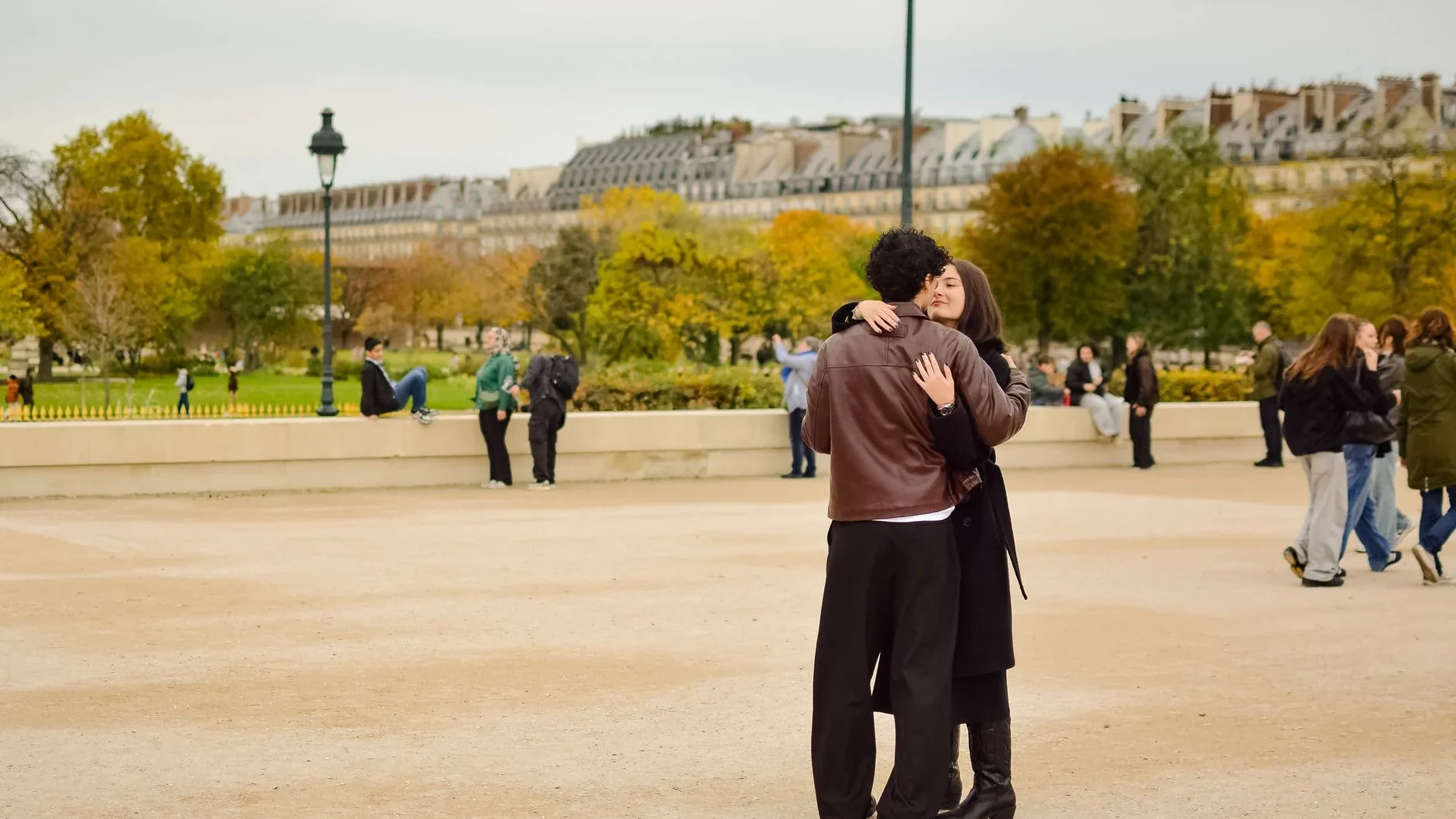
Table Manners and Utensil Usage
Sharing a meal sits at the heart of countless cultures, and believe it or not, table manners can be a minefield of complexity. In some countries, eating with your hands is customary, while in others, cutlery is an absolute must. For instance, in Thailand, knives are rarely seen at the table, and spoons often take center stage as the primary utensil. In China and Japan, mastering chopsticks is non-negotiable.
And it’s not just about what you eat with; things like slurping your soup (a sign of enjoyment in Japan, a definite no-no elsewhere) or clearing your plate entirely (polite in some spots, implying you weren’t fed enough in others) are crucial to remember. Always keep your eyes peeled on your hosts and fellow diners for those subtle cues.
Tipping Customs
Tipping is a real mixed bag around the world. In the States, it’s often a hefty chunk of a service worker’s pay, but in Japan, it can actually be seen as an insult. In many European countries, a service charge might already be tucked into the bill, making additional tipping optional or reserved only for truly exceptional service.
Before you even set foot out the door, dig into the specific tipping customs for restaurants, taxis, and other services in your destination. This little bit of foresight will save you from awkward fumbles and show that you respect local economic practices.
Read Also : First-Time International Travel Tips: Your Ultimate Guide
Toasts and Drinking Etiquette
When it comes to social drinking, you’ll often find a whole new set of rituals in play. In Russia, toasts are frequent and deeply woven into social gatherings. In Korea, it’s customary to pour drinks for others and to receive a drink with both hands. In Muslim-majority countries, alcohol consumption may be restricted or even prohibited altogether.
Be mindful of local laws and customs regarding alcohol. If you’re offered a drink you’d rather pass on, a polite ‘no thank you’ usually does the trick, but grasping the social context is always paramount.
Dietary Restrictions and Hospitality
When you’re lucky enough to be invited into someone’s home, it’s good form to let your hosts know about any dietary restrictions or allergies in advance. However, in a good many cultures, turning down food offered by a host can come across as downright rude, almost like you’re rejecting their very hospitality.
If you have strict dietary needs, it’s often best to grab a bite before attending social events or discreetly manage your intake. Always show genuine gratitude for the spread, even if you can only manage a nibble.
Dress Codes and Appearance

Modesty in Religious Sites
When you’re visiting sacred sites like temples, mosques, churches, or synagogues, modesty is pretty much a given. This usually means covering your shoulders and knees, and sometimes, for women, your head. You might also need to kick off your footwear before stepping inside.
It’s always a good idea to tuck a scarf or shawl into your bag when visiting regions with prominent religious sites; it’s a lifesaver for a quick cover-up. Respecting these dress codes is a fundamental aspect of cultural etiquette tips for international travel and shows deep reverence for sacred spaces.
Business and Casual Attire
That invisible line between casual and formal attire? It shifts from place to place. In some European cities, locals often dress a bit more formally for everyday outings than you might see in many parts of North America. In business settings, conservative attire is generally the norm globally, but specific expectations for suits, ties, or skirt lengths can certainly vary.
Take a leaf out of the locals’ book and aim to blend in rather than stick out like a sore thumb with overly casual or revealing threads, especially in more conservative societies. When in doubt, it’s usually safer to lean a little more formal than to be caught underdressed.
Footwear Customs
In many Asian, Middle Eastern, and even some European cultures, kicking off your shoes before stepping into someone’s home is a clear sign of respect and cleanliness. This custom also often extends to certain religious sites and traditional accommodations.
Read Also : International Travel: Master Your Customs Declaration
Always keep an eye out for signs or simply watch if others are kicking off their shoes. If you’re still in the dark, a polite query goes a long way. Wearing easily removable footwear can make this whole process a breeze.
Public Behavior and Gestures

Personal Space Boundaries
Personal space? That’s a highly sensitive cultural hot potato. In Latin American and Middle Eastern cultures, people often stand closer during conversations than in North America or Northern Europe. Conversely, in Japan, a greater distance is typically maintained.
Tune into how close people stand to you and try to mirror their distance. If someone steps back, they might be subtly signaling that you’re a bit too close for comfort. Respecting these unspoken boundaries is a crucial part of navigating social interactions.
Hand Gestures to Be Aware Of
Beware! Many seemingly harmless hand gestures can take on wildly different, or even offensive, meanings in other cultures. For example, the “OK” sign (thumb and forefinger forming a circle) is perfectly fine in the US but can be quite rude in Brazil or Germany. The “thumbs up” gesture, positive in many places, is considered rude in parts of the Middle East and West Africa.
Your safest bet is to keep unfamiliar hand gestures to a minimum and stick to universally understood expressions or plain old verbal communication to steer clear of any crossed wires.
Public Displays of Affection
Public displays of affection (PDA) are a real mixed bag, acceptability-wise, across the globe. In many Western countries, holding hands or a quick peck is common. However, in more conservative societies, particularly in parts of the Middle East, Asia, and certain religious communities, any form of PDA can be seen as highly inappropriate or even illegal.
When you’re traveling, it’s always wise to err on the side of caution and keep any public displays of affection to a bare minimum, especially in areas where cultural norms lean more conservative.
Voice Volume and Conversation Style
The appropriate volume for speaking in public or during conversations is another one that shifts from place to place. Mediterranean and Latin American cultures often engage in more animated conversations with louder voices and more expressive gestures, which might be perceived as aggressive by some. In contrast, East Asian cultures generally favor lower voice tones and more subdued conversational styles.
Match your voice to the local vibe. Speak softly in quiet places and be mindful of not dominating conversations with excessive volume or overly boisterous laughter.
Read Also : Your Essential Travel Emergency Plan Checklist
Gift-Giving and Receiving Etiquette

Appropriate Gifts
Giving a gift is a lovely gesture of goodwill, but picking the right one is key. In some cultures, specific items are considered bad luck or just plain inappropriate (e.g., clocks in China, white flowers in some European countries). Food items, local crafts from your home country, or small tokens of appreciation are often safe bets.
Steer clear of overly lavish gifts; they can sometimes put the recipient in an awkward spot, feeling obliged to reciprocate, which can be awkward. More often than not, thoughtfulness trumps a hefty price tag.
How to Give and Receive Gifts
The whole song and dance of giving and receiving gifts is often a ritual unto itself. In Japan, gifts are typically given and received with both hands as a sign of respect. In some cultures, it’s polite to initially decline a gift a few times before accepting it, just to show humility. The timing of opening a gift also varies; some prefer to unwrap it immediately, while others wait until later.
Observe your host’s actions and mimic them if you can. Always, always express genuine gratitude, no matter what’s inside the wrapping.
When to Refuse a Gift
There might be those rare instances when you find yourself needing to decline a gift, perhaps due to religious reasons or if the gift seems inappropriate or too valuable. In such cases, a polite and respectful refusal, coupled with a sincere explanation if possible, is crucial.
Try your best not to cause offense by gently explaining that your refusal isn’t a slight against the person or their generosity, but rather a personal or cultural necessity.
Photography and Privacy Concerns
Asking Permission Before Photographing
When it comes to snapping photos abroad, one of the cardinal rules of cultural etiquette for international travel is to always, always ask for permission before pointing your lens at people, particularly children. In many cultures, people may feel uncomfortable or even believe that their image is being “stolen.”
A simple gesture, a polite nod, or a phrase like “May I take your picture?” (in the local tongue, if you can manage it) can go an incredibly long way. If they decline, respect their wishes immediately and politely.
Respecting Sacred Sites
When photographing religious sites, be extra mindful. Some areas within temples, mosques, or churches may be off-limits for photography, or flash photography might be strictly prohibited. Always keep an eye out for signs indicating restrictions and stick to them like glue.
Read Also : Hidden Gems for Unforgettable Weekend Adventures 2026
Remember, these aren’t just photo ops; they’re sacred spaces of worship and reverence. Maintain a respectful demeanor and steer clear of disruptive behavior while taking photos.
Photography in Indigenous Communities
You’ll need to tread with extra care when visiting indigenous communities or remote villages. Some cultures have strong beliefs about photography, viewing it as disrespectful or even believing it captures part of their soul. Others may have economic reasons for charging a fee for photographs.
Always consult with your tour guide or local hosts about appropriate photography etiquette in such sensitive environments. Honoring their wishes is absolutely paramount.
Navigating Transportation and Shopping
Public Transport Etiquette
Hop on public transport, and you’ll often get a front-row seat to a whole host of unspoken cultural rules. In Japan, talking loudly on trains or making phone calls is definitely frowned upon. In some countries, giving up your seat for elders, pregnant women, or those with disabilities is a strict expectation.
Observe how locals behave on buses, trains, and subways. Maintain personal space, keep your belongings contained, and be mindful of noise levels to ensure a pleasant experience for everyone.
Haggling and Bargaining
In bustling markets across Asia, Africa, and the Middle East, haggling over prices isn’t just accepted; it’s often a cherished, even expected, part of the shopping dance. Not bargaining might even be seen as rude or as if you don’t quite grasp local customs.
However, haggling is usually reserved for markets and small shops, not large department stores or restaurants with fixed prices. Approach bargaining with a friendly attitude and a ready smile, and just as importantly, know when to walk away if you can’t see eye to eye on a price.
Queuing and Personal Space
The whole idea of queuing – or lining up, as we often say – is surprisingly varied. In some cultures, orderly lines are strictly observed, while in others, a more fluid, less structured approach to waiting is common. This can sometimes feel like “cutting in line” to those from cultures with strict queuing rules.
Pay close attention to the local rhythm. If there’s a clear line, jump in. If it’s more of a gentle free-for-all, try to politely assert your spot without being aggressive. Maintain appropriate personal space while waiting, if possible.
General Tips for Adapting to New Cultures
Research Before You Go
The absolute golden rule of all cultural etiquette tips for international travel? Do your homework, plain and simple. Before you even pack your bags, carve out some dedicated time to research the specific cultural norms, customs, and taboos of your chosen destination. Guidebooks, reputable travel blogs, and government travel advisories are all excellent resources.
Read Also : Cheapest Countries to Visit in [apc_current_year] - Budget Guide
Focus on areas like greetings, dining, dress codes, body language, and communication styles. This groundwork will give your confidence a real shot in the arm and drastically cut down on those awkward cultural missteps.
Observe and Imitate
Once you land, transform into a human sponge. Pay close attention to how locals interact with each other, how they order food, how they dress, and how they carry themselves in public spaces. Mirroring appropriate local behaviors is truly one of the most effective ways to both adapt and show genuine respect.
Don’t be afraid to ask polite questions if you’re unsure about a particular custom. Most locals truly appreciate a traveler’s genuine effort to understand their culture.
Learn Basic Phrases
Even just a handful of words in the local language can work wonders. Learning “hello,” “please,” “thank you,” “excuse me,” and “I’m sorry” demonstrates effort and respect, often eliciting warmer responses from locals. A simple “terima kasih” in Indonesia or “arigato” in Japan can open doors you never knew were there.
Language apps and small phrasebooks are invaluable tools for this. Locals are usually pretty forgiving when it comes to butchered pronunciations, as long as they can see you’re making an honest effort.
Be Patient and Forgiving
Let’s face it: despite your best intentions, you’re bound to make a cultural gaffe or two. It happens to the best of us, and it’s all part of the learning curve. When you do, be patient with yourself and with others. Most people understand that you’re a visitor and will appreciate your effort to adapt.
A heartfelt apology and a humble attitude can often smooth things over like magic. Remember, cultural immersion is more of a journey than a fixed destination, and every little misstep is actually a chance to learn and grow.
Conclusion
Getting a handle on cultural etiquette tips for international travel isn’t just about sidestepping offense; it’s about turbocharging your journey and forging genuine, heartwarming connections with the world around you. By carving out time to research, observe, and respectfully engage with local customs, you’re not just a tourist passing through; you’re becoming a thoughtful, engaged global citizen.
From understanding the nuances of greetings and dining to navigating public behavior and respecting sacred sites, each effort you make contributes to a more harmonious and memorable travel experience. These considerations allow you to truly appreciate the unique tapestry of human cultures that makes our world so wonderfully diverse.
So, dive headfirst into the adventure of cultural learning with an open mind and a humble heart. Your willingness to adapt and show respect won’t just unlock incredible experiences; it’ll leave a positive, indelible mark, setting the stage for even more meaningful international adventures down the road.
Read Also : Best Travel Apps for International Trips [apc_current_year]
FAQ
Hands down, the single most crucial piece of advice is to research your destination's specific customs before you even pack your bags. General advice is helpful, but individual countries and regions have unique norms regarding greetings, dress, dining, and social interactions. A little preparation can prevent a whole lot of misunderstandings.
If you realize you've made a cultural mistake, the best approach is to apologize sincerely and humbly. A simple, heartfelt "I'm sorry, I truly didn't know" (in the local language, if you can manage it) delivered with a respectful demeanor usually does the trick. Most locals understand that travelers are unfamiliar with their customs and genuinely appreciate the effort to correct the mistake.
No, you don't need to be fluent, but learning a few basic phrases – things like "hello," "please," "thank you," and "excuse me" – in the local language is a game-changer and highly recommended. It demonstrates respect and a willingness to engage, often leading to warmer interactions and a more positive perception from locals, which is a key part of nailing your cultural etiquette tips for international travel.
If you're unsure about a specific custom, observe how locals are behaving and try to imitate them. Alternatively, you can politely ask your tour guide, hotel staff, or a trusted local for clarification. It's always better to ask than to accidentally put your foot in it.
To dress respectfully in conservative countries, opt for clothing that covers your shoulders, chest, and knees. Loose-fitting long pants, skirts, or dresses are often excellent choices. Always carry a scarf or shawl, which can be easily used to cover your head or shoulders when entering religious sites. Opt for breathable fabrics to keep cool and comfortable while still hitting all the right notes with local dress codes.


Popular Posts


Embracing Spiritual Growth Through Travel and Exploration
Travel is more than just seeing new places; it's a profound journey into oneself. This article explores how embracing travel and exploration can significantly contribute to your spiritual growth, offering unique perspectives and transformative experiences.


One thought on “Cultural Etiquette Tips for International Travel”