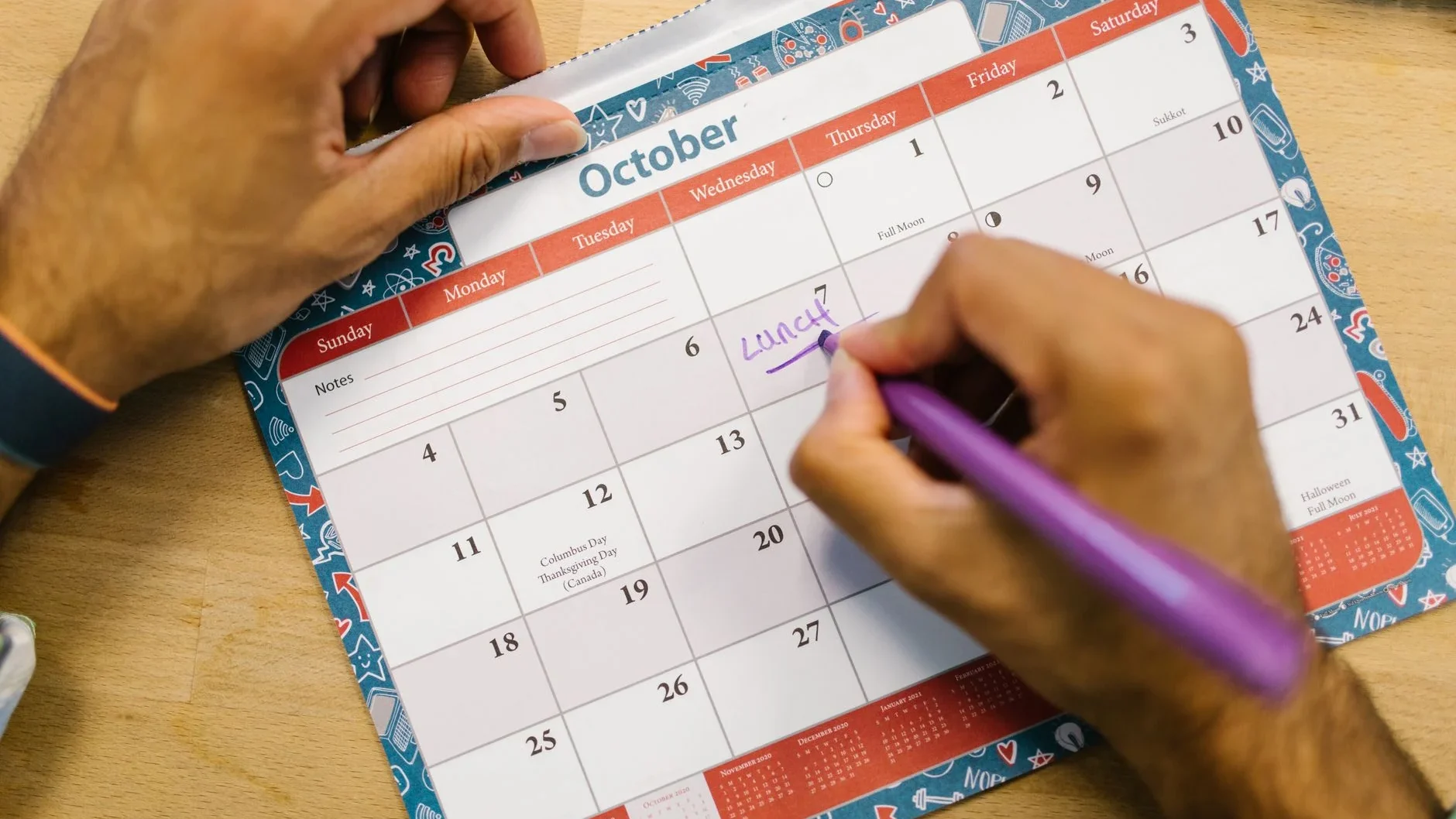
Craft Your Perfect Travel Itinerary: A Step-by-Step Guide

Embarking on a journey, whether for business or leisure, is an exciting prospect. However, without proper planning, even the most anticipated trips can quickly become stressful and disorganized. This is where a meticulously prepared travel itinerary becomes your best friend, acting as a detailed roadmap for your adventure.
A well-structured travel itinerary is more than just a list of places; it’s a comprehensive plan that outlines your activities, accommodations, transportation, and timings. It helps you maximize your time, manage your budget, and ensures you don’t miss out on key experiences. This guide will walk you through the systematic steps to create an effective and enjoyable travel itinerary, transforming your travel dreams into a seamless reality.
Understanding Your Travel Style and Goals

Before diving into specific bookings or destinations, it’s crucial to understand what kind of traveler you are and what you hope to achieve from your trip. This foundational step will guide all subsequent decisions, ensuring your travel itinerary aligns perfectly with your personal preferences.
Define Your Purpose
Every trip has an underlying purpose. Are you seeking relaxation on a beach, an adrenaline-filled adventure, cultural immersion, or perhaps a business trip with some sightseeing? Clearly defining your primary objective will help you narrow down suitable destinations and activities.
Also Read:

For example, if your goal is relaxation, your travel itinerary might focus on resort stays, spa treatments, and leisurely walks. If it’s adventure, you’ll prioritize hiking trails, water sports, or exploring rugged landscapes. Knowing your purpose helps you prioritize what truly matters for your specific journey.
Assess Your Budget
Your budget is perhaps the most significant factor influencing your travel itinerary. It dictates everything from your choice of destination and accommodation to dining experiences and activities. Be realistic about how much you are willing and able to spend.
Create a rough estimate for major expenses like flights, lodging, food, transportation, and activities. This initial budget assessment will help you make informed decisions and avoid overspending later. Consider if you’re looking for a luxury escape, a mid-range comfort trip, or a budget-friendly backpacking adventure.

Consider Your Companions
Are you traveling solo, with a partner, family, or a group of friends? The dynamics of your travel companions significantly impact your itinerary. A family trip with young children will require different considerations than a solo backpacking journey or a romantic getaway.
When traveling with others, open communication is key. Discuss everyone’s preferences, interests, and comfort levels to ensure the travel itinerary reflects a balance that satisfies most, if not all, members of your group. Flexibility often becomes more important when coordinating multiple people.
Choosing Your Destination Wisely
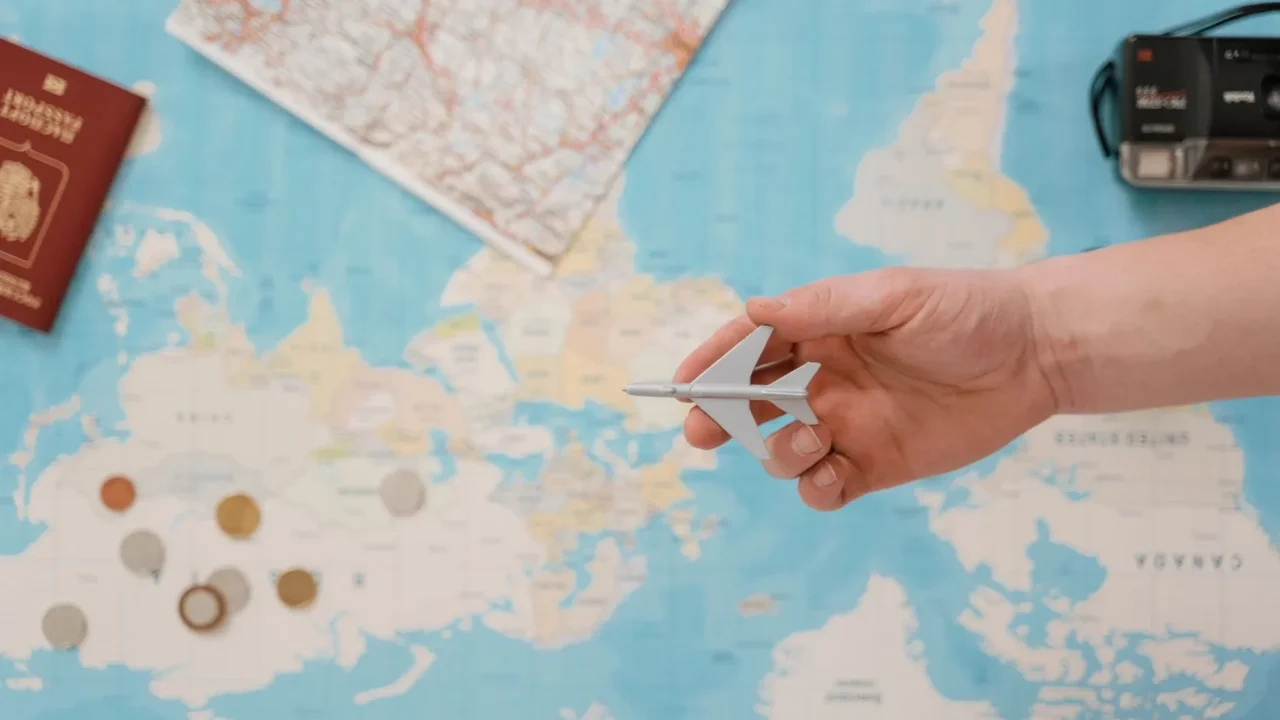
Once you have a clear idea of your travel style and goals, the next exciting step is selecting the perfect destination. This requires a bit of research and consideration of various practical aspects to ensure your chosen location meets your expectations.
Read Also : How to Create a Travel Itinerary: Your Ultimate Guide
Also Read:

Research Potential Locations
Start by brainstorming destinations that pique your interest and align with your defined purpose and budget. Use travel blogs, guidebooks, and online resources to gather information about potential locations. Look for places that offer the experiences you desire, whether it’s historical sites, natural wonders, or vibrant city life.
Consider factors like local attractions, cultural experiences, cuisine, and the overall atmosphere of the place. Read reviews and look at photos to get a realistic sense of what each destination has to offer. This initial research is vital for creating a compelling travel itinerary.
Factor in Seasonality and Events
The time of year you travel can drastically impact your experience. Research the weather patterns of your potential destinations during your planned travel dates. Are you comfortable with heat, rain, or snow? Avoid peak seasons if you prefer fewer crowds and potentially lower prices, or embrace them if you want to experience specific festivals or events.
For example, visiting Southeast Asia during monsoon season might mean heavy rain, while European cities in winter offer festive markets but colder temperatures. Check for local holidays, festivals, or major events that might affect accommodation availability, prices, or accessibility to attractions.
Check Visa and Entry Requirements
Before setting your heart on a destination, always verify the visa and entry requirements for your nationality. This is a critical step that can save you significant hassle and potential disappointment. Some countries require visas that can take weeks or even months to process.
Ensure your passport is valid for at least six months beyond your intended departure date from the destination, as many countries enforce this rule. Also, check for any health requirements, such as mandatory vaccinations, which might be necessary for entry or recommended for your safety.

Crafting the Core of Your Travel Itinerary

With your destination chosen and preliminary research complete, it’s time to start building the structural framework of your travel itinerary. This involves determining the length of your trip, identifying key attractions, and mapping out your movements.
Determine Trip Duration
How long will your trip be? This decision is often constrained by work, school, or budget. Once you have a fixed number of days, you can start allocating time to different activities and locations. Be realistic about what you can comfortably achieve within the given timeframe.
Trying to cram too much into a short trip can lead to burnout and less enjoyment. For instance, a three-day trip might focus on one city, while a two-week vacation could allow for exploring multiple regions or even countries. Prioritize quality over quantity when planning your travel itinerary.
Select Key Attractions and Activities
List all the must-see sights, must-do activities, and places you want to experience at your chosen destination. Don’t worry about the order yet; just get everything down. This list will form the backbone of your travel itinerary.
Read Also : How to Pick a Travel Destination: Your Ultimate Guide
Research opening hours, admission fees, and whether advance bookings are required for popular attractions. Consider mixing iconic landmarks with lesser-known local gems to get a more authentic experience. For example, in Paris, besides the Eiffel Tower, you might want to explore a local market or a charming neighborhood.
Map Out Logical Routes
Once you have your list of attractions, group them geographically. Use a map (digital or physical) to visualize their locations. Try to plan your days so that you visit attractions that are close to each other, minimizing travel time and maximizing sightseeing.
For instance, if you’re in New York City, you wouldn’t plan to visit the Statue of Liberty and then immediately head to the Bronx Zoo, only to return downtown. Instead, group Manhattan attractions together for one day, and Brooklyn attractions for another. A logical route makes your travel itinerary efficient and less tiring.
Booking Essentials: Flights, Accommodation, and Transport

With the core of your travel itinerary taking shape, it’s time to secure the fundamental components of your trip. Booking flights, accommodation, and local transportation well in advance can often lead to better deals and greater peace of mind.
Secure Flights and Accommodation
As soon as your travel dates and destination are firm, book your flights. Prices tend to fluctuate, and booking early often provides more options and potentially lower fares. Use flight comparison websites to find the best deals, and consider factors like layovers, baggage allowances, and airline reputation.
Similarly, book your accommodation. Whether it’s a hotel, hostel, Airbnb, or guesthouse, secure your lodging well in advance, especially if you’re traveling during peak season or to a popular event. Read reviews and check the location relative to your planned activities to ensure it fits your travel itinerary.
Plan Local Transportation
Once you arrive at your destination, how will you get around? Research the local transportation options. This could include public transport (buses, trains, subways), taxis, ride-sharing services, or rental cars. Factor in the cost and convenience of each option when building your travel itinerary.
For example, in many European cities, public transport is excellent and often the most efficient way to get around. In more rural areas, a rental car might be essential. Plan airport transfers in advance to ensure a smooth arrival and departure. Having a clear plan for getting from point A to point B prevents on-the-spot stress.
Consider Travel Insurance
While often overlooked, travel insurance is a crucial component of a well-prepared travel itinerary. It provides a safety net against unforeseen circumstances such as trip cancellations, medical emergencies, lost luggage, or unexpected delays. The peace of mind it offers is invaluable.
Research different insurance policies and choose one that covers your specific needs and the type of activities you’ll be undertaking. For example, if you plan on adventure sports, ensure your policy covers those. It’s a small investment that can save you a significant amount of money and stress in an emergency.
Read Also : First Trip? Should You Use a Travel Agent?
Building Your Daily Travel Itinerary

This is where your travel itinerary truly comes to life, as you start to structure each day of your trip. The goal is to create a realistic and enjoyable schedule that balances activities with downtime.
Allocate Time for Each Activity
Go through your list of attractions and activities and assign a specific time slot for each. Be realistic about how long each activity will take, including travel time between locations. It’s better to overestimate slightly than to underestimate and feel rushed.
For instance, visiting a large museum might take 3-4 hours, while a quick photo stop at a landmark might only be 30 minutes. Write down the planned start and end times for each item in your daily travel itinerary. This structured approach helps ensure you don’t overschedule your days.
Include Free Time and Flexibility
A common mistake in creating a travel itinerary is over-planning every single minute. Build in buffer time and allocate periods for spontaneous exploration or simply relaxing. This flexibility is essential for avoiding burnout and allows you to adjust to unexpected changes or discoveries.
Perhaps you stumble upon a charming cafe you want to try, or a local street market catches your eye. Having free time allows you to indulge in these unplanned moments that often become the most memorable parts of a trip. Don’t be afraid to leave some gaps in your schedule.
Factor in Meal Breaks and Rest
Eating and resting are vital for enjoying your trip. Don’t forget to include dedicated time slots for breakfast, lunch, and dinner in your travel itinerary. Research local restaurants or cafes you’d like to try, or simply note areas where you can easily find food.
Also, consider downtime. Long days of sightseeing can be exhausting. Plan for an afternoon break at your accommodation, a leisurely coffee stop, or an early evening to recharge. A well-rested traveler is a happy traveler, and incorporating rest ensures you can fully appreciate each day’s experiences.
Essential Packing and Preparation
A successful travel itinerary extends beyond just what you’ll do; it also covers what you’ll bring and how you’ll prepare before you leave. Thoughtful packing and document organization can prevent many common travel headaches.
Create a Comprehensive Packing List
Start a packing list well in advance of your trip. Consider the climate of your destination, the activities you’ve planned, and the duration of your stay. Include clothing, toiletries, medications, electronics, and any special gear you might need (e.g., hiking boots, swimwear).
A good tip is to lay out everything you think you’ll need and then try to cut it down by a third. Remember to pack versatile items that can be mixed and matched. Don’t forget essentials like adapters, chargers, and a small first-aid kit. A well-prepared packing list complements your travel itinerary by ensuring you have everything you need.
Read Also : Plan Your Dream Trip to Beautiful Places: A Guide
Organize Important Documents
Gather all your essential travel documents in one secure place. This includes your passport, visa (if applicable), flight tickets, hotel reservations, travel insurance details, and any activity booking confirmations. Make both physical and digital copies of everything.
Store digital copies on your phone, in a cloud service, and email them to yourself or a trusted family member. This way, if you lose your physical documents, you have backups. Keep physical copies separate from your main wallet or purse to minimize risk. This organization is a critical part of a robust travel itinerary.
Prepare for Local Customs and Language
Before you go, take a little time to research the local customs, etiquette, and a few basic phrases in the local language. Knowing how to say “hello,” “please,” and “thank you” can go a long way in showing respect and enhancing your interactions with locals.
Understanding cultural norms, such as appropriate dress codes for religious sites or tipping customs, can help you navigate your destination more smoothly and avoid unintentional offenses. This preparation adds depth to your travel itinerary, allowing for richer cultural experiences.
Digital Tools for Your Travel Itinerary
In the modern age, a plethora of digital tools can significantly simplify the process of creating and managing your travel itinerary. Leveraging these resources can make your planning more efficient and your trip more enjoyable.
Utilize Planning Apps and Websites
Numerous apps and websites are specifically designed to help you plan your travel itinerary. Tools like TripIt, Google Trips, or dedicated itinerary builders allow you to consolidate all your bookings, create daily schedules, and access maps offline. Many offer features for collaboration if you’re traveling with others.
These platforms often integrate with your email to automatically pull flight and hotel confirmations, streamlining the process of building your itinerary. They can also suggest nearby attractions, restaurants, and public transport options, making on-the-go adjustments simple.
Create Digital Copies of Documents
Beyond physical copies, having all your important documents stored digitally is a smart move. Use cloud storage services like Google Drive, Dropbox, or OneDrive to save scans or photos of your passport, visa, insurance, flight tickets, and hotel reservations. Ensure these are accessible offline.
Consider creating a dedicated folder on your smartphone or tablet for all travel-related documents. This provides quick access to information when you need it, without relying on an internet connection, which can be invaluable when you’re in a foreign country.
Share Your Itinerary with Others
It’s always a good idea to share your detailed travel itinerary with a trusted friend or family member who is not traveling with you. In case of an emergency, they will know your whereabouts and contact information. This adds an extra layer of safety and peace of mind.
Read Also : Your Ultimate Travel Planning Guide for Beginners
Many digital planning tools allow you to easily share your itinerary with specific individuals. Even a simple email with your flight details, accommodation addresses, and daily plans can be incredibly helpful. This ensures someone always knows your general location and expected movements.
Staying Safe and Healthy on Your Trip
While an exciting travel itinerary focuses on exploration and enjoyment, it’s equally important to prioritize your safety and health. Being prepared for potential challenges can prevent minor issues from becoming major problems.
Research Local Safety Tips
Before you depart, take time to research common safety concerns specific to your destination. This includes understanding areas to avoid, typical scams targeting tourists, and general advice on personal safety. Websites like government travel advisories are excellent resources.
For example, in some cities, pickpocketing is common in crowded tourist areas, while in others, it might be unsafe to walk alone at night. Being aware of these local nuances allows you to take proactive measures and adjust your behavior to stay safe, complementing your travel itinerary.
Pack a Basic First-Aid Kit
A compact first-aid kit is an indispensable item for any travel itinerary. Include essentials like pain relievers, antiseptic wipes, bandages, motion sickness medication, allergy tablets, and any prescription medications you require. Don’t rely on being able to find specific items easily in a foreign country.
This small kit can address minor cuts, headaches, or upset stomachs, preventing them from derailing your plans. If you have specific health conditions, ensure you carry a sufficient supply of your prescribed medications, along with a doctor’s note if necessary.
Know Emergency Contacts
Before you leave, make a list of important emergency contacts and store them both physically and digitally. This should include the local emergency services number (e.g., 911, 112), your embassy or consulate’s contact information, your travel insurance helpline, and a trusted contact back home.
Ensure these numbers are easily accessible, even if your phone battery dies. Knowing who to call in a crisis provides a vital safety net and allows you to react quickly and effectively to unexpected situations, aligning with a well-thought-out travel itinerary.
Conclusion
Creating a comprehensive travel itinerary is an art that blends meticulous planning with a healthy dose of flexibility. It’s the key to transforming a collection of ideas into a well-organized, enjoyable, and memorable adventure. By following a systematic approach, from defining your travel goals to utilizing digital tools and prioritizing safety, you empower yourself to explore the world with confidence and efficiency.
Remember, the goal of a travel itinerary is not to restrict you, but to liberate you from the stress of last-minute decisions and missed opportunities. It allows you to savor each moment, knowing that the logistics are handled. So, take the time to plan thoughtfully, and you’ll unlock a richer, more fulfilling travel experience.
Read Also : Trip Planning Advice for Novices: Your Ultimate Guide
Whether you’re embarking on a solo journey, a romantic escape, or a family vacation, a well-crafted travel itinerary is your ultimate guide. It ensures that every step of your trip, from the initial dream to the final farewell, is as smooth and delightful as possible. Happy travels!
FAQ
For major international trips or travel during peak season, it's advisable to start planning 3-6 months in advance. This allows you to secure better deals on flights and accommodation, process visas, and thoroughly research your destination. For shorter or domestic trips, 1-2 months might be sufficient, but earlier is always better for popular destinations.
A travel itinerary doesn't have to be rigid. You can create a flexible framework that outlines key destinations, major activities, and bookings, but leaves ample free time for spontaneity. Think of it as a guide rather than a strict schedule. Build in "free days" or "flex blocks" to allow for unplanned exploration or simply relaxing.
The most important elements are flight and accommodation details, daily activity plans (even if loosely structured), transportation between locations, and key booking confirmations. Also crucial are emergency contacts, copies of essential documents, and a realistic budget breakdown.
To make your travel itinerary budget-friendly, consider traveling during the off-peak season, using public transportation, cooking some of your meals, opting for budget accommodation (hostels, guesthouses), and looking for free activities like walking tours or parks. Booking flights and accommodation in advance often secures better prices.
It's best to do both. Keep a digital copy on your smartphone, tablet, and in a cloud service (accessible offline). Also, print a physical copy of your most crucial details, such as flight confirmations, hotel addresses, and emergency contacts. This ensures you have access to information even if your devices run out of battery or get lost.


Popular Posts


Embracing Spiritual Growth Through Travel and Exploration
Travel is more than just seeing new places; it's a profound journey into oneself. This article explores how embracing travel and exploration can significantly contribute to your spiritual growth, offering unique perspectives and transformative experiences.