How to Avoid Jet Lag for Beginners: Your Ultimate Guide

Embarking on an exciting international adventure often sparks joy, but it can also bring along an unwelcome travel companion: jet lag. This common foe can quickly throw a wrench in your plans, leaving you feeling utterly exhausted, disoriented, and completely out of sync with your new surroundings. For newcomers, the thought of tackling jet lag might seem like climbing a mountain, but with the right game plan, you can significantly lessen its bite.
Jet lag kicks in when you cross multiple time zones, throwing your body’s natural internal clock – what we call the circadian rhythm – into disarray. The symptoms can run the gamut, from sheer fatigue and sleepless nights to digestive woes and a short fuse, making it tough to truly soak up your destination from the get-go. Luckily, there are plenty of smart strategies to prepare for, manage, and ultimately avoid jet lag for beginners, ensuring you squeeze every drop of enjoyment out of your journey.
This comprehensive guide will walk you through a systematic, step-by-step approach and dish out practical tips to conquer jet lag, so you can land feeling refreshed and chomping at the bit to explore. From fine-tuning things before you even take off, to clever tactics while you’re airborne, and smart routines once you touch down, we’ll cover everything you need to make your next long-haul trip feel like a breeze.
Understanding Jet Lag: The Basics
What is Jet Lag?
Jet lag, known in medical circles as desynchronosis, is a temporary sleep disruption that hits when your body’s internal timekeeper loses step with the clock at your destination. Your circadian rhythm is a master conductor, orchestrating various bodily functions, including your sleep-wake cycles, hormone releases, and even when you feel hungry. When you zip across several time zones too quickly, your internal clock struggles to catch up with these new external cues, leading to a whole host of uncomfortable symptoms.

Common signs of jet lag include feeling utterly wiped out, struggling to fall or stay asleep at night, waking up at the crack of dawn, battling daytime drowsiness, feeling irritable, having trouble focusing, and experiencing digestive upsets like constipation or diarrhea. Getting a handle on these symptoms is your first port of call in learning how to avoid jet lag for beginners effectively.
Why Does it Happen?
At its heart, jet lag happens because your body’s internal clock and the local time at your destination are simply out of sync. Your brain, specifically a tiny but mighty area called the suprachiasmatic nucleus (SCN) – think of it as your body’s main timekeeper – relies heavily on cues like light and darkness to keep your circadian rhythm ticking along. When you change time zones in a flash, these external signals suddenly shift, but your SCN needs a little while to get with the program.
Picture this: you fly east from New York to London. While it’s 5 AM in London, your body might still be convinced it’s midnight. This internal mix-up throws off the production of crucial hormones like melatonin (which nudges you toward sleep) and cortisol (which wakes you up), leaving you sleepy when you should be wide awake, and vice-versa. The more time zones you traverse, the bigger the headache for your body, and the longer it takes to find its new rhythm.

Who is Most Affected?
While jet lag can throw anyone for a loop, some folks are simply more prone to it or experience a tougher time. Generally speaking, heading eastward tends to bring on a nastier bout of jet lag than flying westward. That’s because flying east shortens your day, which is a harder pill for your body to swallow than stretching it out.
Several factors can turn jet lag up to eleven:
- Number of time zones crossed: The more you cross, the harder the hit.
- Age: Older adults often find adjusting a tougher nut to crack than younger travelers.
- Direction of travel: The eastward journey is generally considered the more challenging one.
- Individual differences: Some people just have more stubborn internal clocks.
- Lack of sleep before travel: Starting your trip already running on fumes is a surefire way to make symptoms worse.
Pre-Flight Preparation: Setting the Stage

Read Also : Travel Health Precautions for Beginners: Stay Safe & Healthy

Gradually Adjust Your Sleep Schedule
One of the smartest plays in the book for beginners looking to avoid jet lag is to start tweaking your sleep schedule a few days before you even pack your bags. This gentle approach helps ease your body into the new time zone, rather than hitting it with an abrupt shock.
If you’re heading east (say, from the US to Europe), try to hit the hay 15-30 minutes earlier each night for three to four days before you fly. Do the same for your wake-up time. Conversely, if you’re flying west (like from Europe to the US), aim to go to bed 15-30 minutes later and wake up a bit later each day. Believe it or not, even these small nudges can make a world of difference in how quickly your body gets on board.
Optimize Your Flight Booking
The hour your flight touches down can play a huge role in how well you adjust. When you’re making your flight reservations, aim for an arrival time that lines up with the early evening at your destination. This sweet spot gives you ample time to get settled into your accommodation, grab a light bite, and then nod off at a sensible local hour.

Landing late in the evening or early in the morning can be a real headache. A late-night arrival might leave you too groggy to properly unpack before you need to sleep, while an early bird arrival could mean a whole day of pushing through exhaustion before you can finally rest your head. If you can swing it, try to build in an extra day or two for adjustment before any crucial meetings or activities are scheduled.
Pack Smart for Comfort
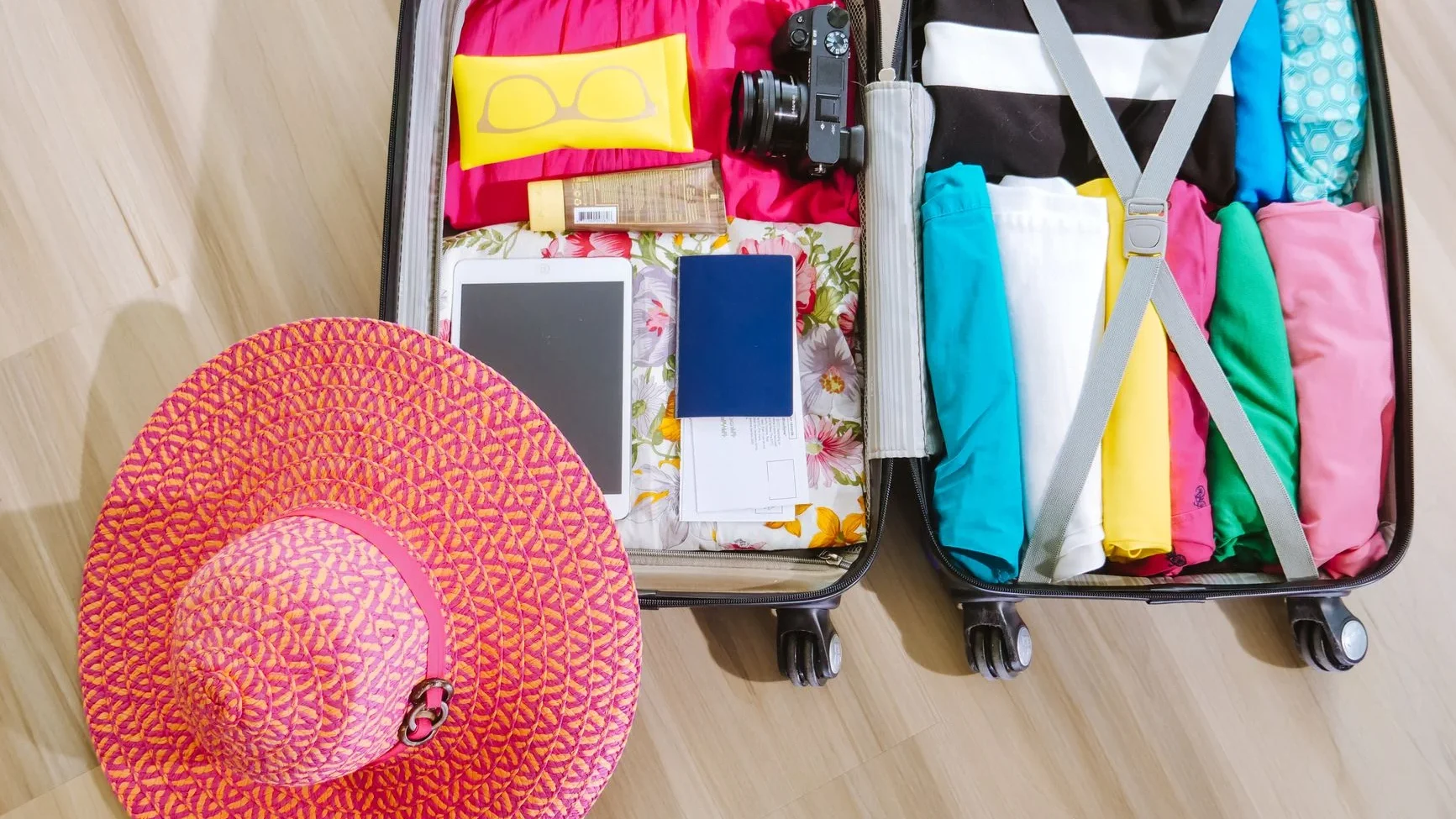
Comfort while you’re soaring through the skies is absolutely key to keeping jet lag at bay. Being able to truly relax and maybe even catch some Zs on the plane can change everything. So, make sure your carry-on is brimming with items designed to promote rest and well-being.
Your comfort arsenal should definitely include a good quality eye mask to block out any pesky light, earplugs or noise-canceling headphones to hush disturbances, and a supportive neck pillow to help you doze off upright. Slipping into loose, comfy clothing for your flight will also go a long way in helping you unwind and get some much-needed rest. These little additions are game-changers, making your flying experience smoother and helping you arrive feeling much more prepared.
During the Flight: Smart Strategies in the Air

Hydrate, Hydrate, Hydrate
Dehydration can be a real villain, making jet lag symptoms feel ten times worse and leaving you feeling even more fatigued and sluggish. The notoriously dry cabin air on airplanes is a prime culprit for dehydration, so it’s absolutely vital to be proactive and guzzle plenty of water throughout your flight.
Steer clear of alcohol and excessive caffeine. While that glass of wine might whisper sweet nothings about relaxation, alcohol is a known disruptor of sleep and will only dehydrate you further. Similarly, too much caffeine can throw a monkey wrench into your ability to sleep when you finally need to, or lead to an energy crash later on. Stick to good old water, herbal tea, or juice to keep your body properly hydrated and primed for adjustment.
Adjust Your Watch Immediately
The moment you step foot on the plane, or even before you push back from the gate, go ahead and set your watch to your destination’s local time. This simple, yet powerful, act helps you mentally shift gears and begin to align your internal clock with the new schedule. It’s a cornerstone strategy when figuring out how to avoid jet lag for beginners.
Read Also : Cheapest Countries to Visit in [apc_current_year] - Budget Guide
Once your watch is set, try your best to live by the new time zone. If it’s daytime where you’re headed, make an effort to stay awake and engage with activities like reading a good book or watching a movie. If it’s nighttime, try to drift off to sleep. This immediate mental commitment is incredibly effective in helping your body adapt more quickly.
Move Around and Stretch
Being cooped up in your seat for hours on end can leave you feeling stiff and worn out, not to mention upping your risk of deep vein thrombosis (DVT). To fight back against this, make a conscious effort to get up and stretch your legs during your flight.
Every hour or two, if it’s safe, stand up and take a short stroll around the cabin. If walking isn’t an option, you can still do simple stretches right in your seat: rotate your ankles, reach your arms overhead, and gently roll your neck. These movements not only boost circulation and banish muscle stiffness but also help you feel more alert and refreshed – a non-negotiable for tackling jet lag head-on.
Manage Sleep on Board
Strategic sleep during your flight is a make-or-break element for beginners wondering how to avoid jet lag. If you’re on an overnight flight and you’ll be landing at night in your destination, do your level best to catch some sleep on the plane. Break out your eye mask, earplugs, and neck pillow to craft your very own comfortable sleep sanctuary.
On the flip side, if you’re flying during the day and you’ll arrive in daylight hours at your destination, try to keep your eyes peeled. Dive into stimulating activities, binge-watch movies, get lost in a book, or even tackle some work. The main goal here is to get your body’s sleep-wake cycle as close as possible to your destination’s time, even before your feet hit the ground.
Upon Arrival: Adapting to the New Environment
Embrace Natural Light
Stepping into natural light is hands down one of the most potent weapons you have for resetting your circadian rhythm. As soon as you arrive, make a bee-line for the outdoors and soak up that sunlight, especially during the morning hours if you’ve flown eastward, or in the late afternoon if you’ve come from the west.
Sunlight acts as a powerful signal to your brain, telling it that it’s daytime. This helps to put the brakes on melatonin production and kick-start wakefulness. Give dark environments a wide berth and aim to spend as much time as possible outside during daylight hours. This simple act will dramatically speed up your body’s adjustment to the new time zone.
Strategic Napping (If Necessary)
While the general wisdom says to skip naps to help your body adjust to the new sleep schedule, sometimes a short power nap can be a lifesaver if you’re feeling utterly depleted. The trick, however, is to be incredibly strategic about it.
If you absolutely must nap, keep it brief—no more than 20-30 minutes. Set an alarm to ensure you don’t oversleep and throw your night off. Avoid napping too late in the afternoon, as this can make it a real struggle to fall asleep at your intended bedtime. The aim is simply to take the edge off your fatigue without sabotaging your night’s rest.
Read Also : How to Travel the World on a Budget [apc_current_year]
Eat According to Local Time
Just like light cues help fine-tune your circadian rhythm, so do your meal times. Try your best to eat your meals at the appropriate local hours, even if your stomach isn’t rumbling right away. This sends a clear message to your body that it’s a new day and helps get your digestive system back on track.
Be sure to avoid heavy meals close to your local bedtime, as these can make it hard to get a good night’s sleep. Instead, opt for lighter, easily digestible foods in the evening. Aligning your eating schedule is another practical stepping stone for beginners learning how to avoid jet lag.
Diet and Nutrition: Fueling Your Body Right

Choose Hydrating Foods
Beyond simply downing water, weaving hydrating foods into your diet can give your body’s adjustment process and overall well-being an extra boost. Foods packed with high water content are excellent allies in fighting the dehydration that often comes hand-in-hand with air travel and jet lag.
Load up on fresh fruits like watermelon, oranges, and berries, and crunchy vegetables such as cucumbers, celery, and leafy greens. These foods don’t just quench your thirst; they also deliver essential vitamins and minerals that can perk up your energy levels and help your body run like a well-oiled machine. On the flip side, give overly processed or sugary foods a wide berth, as they can lead to energy crashes and make feelings of fatigue even worse.
Mind Your Caffeine and Alcohol Intake
While a morning cup of joe might seem like just the ticket to push through daytime fatigue, and an alcoholic drink might promise relaxation, both caffeine and alcohol can seriously put the brakes on your recovery from jet lag. It’s truly vital to keep a close eye on how much you’re consuming.
If you find yourself needing caffeine to stay sharp during the day, deploy it strategically in the morning or early afternoon. However, make sure to cut off caffeine intake several hours before your new bedtime. Alcohol, especially when you’ve had one too many, can mess with your sleep cycles, leading to choppy and less restorative rest. It’s also a dehydrator. For the first few days, your best bet is to limit or completely ditch alcohol to help your body ease into its new rhythm more smoothly.
Sleep Hygiene: Making the Most of Your Rest

Create a Conducive Sleep Environment
Once you’ve landed at your destination, crafting the perfect sleep environment is absolutely paramount for snagging quality rest and kicking jet lag to the curb. Your bedroom should transform into a true sanctuary for sleep.
Ensure your room is as dark, quiet, and cool as humanly possible. Draw those blackout curtains if they’re available, or simply reach for your trusty eye mask. If street noise is playing havoc, pop in some earplugs or fire up a white noise app. Set the thermostat to a comfy, slightly cool temperature (usually hovering between 60-67°F or 15-19°C). These elements work together to tell your body it’s time to power down and pave the way for a deeper sleep.
Read Also : Solo Travel Destinations for Beginners [apc_current_year]
Establish a Bedtime Routine
Even when you’re in an unfamiliar place, setting up a consistent bedtime routine can be a powerful cue for your body that it’s time to hit the hay. This routine doesn’t need to be fancy, but sticking to it is the name of the game.
About an hour before you plan to drift off, start winding things down. Put away those bright screens (phones, tablets, laptops) as their blue light can interfere with your body’s melatonin production. Instead, try some calming activities like curling up with a good book, indulging in a warm bath or shower, or letting soothing music wash over you. This pre-sleep ritual helps your mind and body transition from being active to being at rest, making it significantly easier to fall asleep at the local bedtime.
Leveraging Technology and Aids
Jet Lag Apps
In this digital age, a slew of apps has emerged, designed specifically to help travelers outsmart jet lag. These handy tools often tap into algorithms based on solid scientific research, dishing out personalized advice on when to seek light, when to avoid it, and how to gently nudge your sleep schedule.
By simply plugging in your travel details (like departure, destination, and flight times), these apps can whip up a custom-made plan just for you, suggesting precise times for light exposure, meal times, and even when to reach for that coffee. While they’re certainly not a magic bullet, they can serve as an incredibly helpful guide, especially for those new to long-haul adventures and looking for systematic ways on how to avoid jet lag for beginners.
Melatonin Supplements (Use with Caution)
Melatonin is a hormone your body naturally churns out, playing a key role in regulating sleep. Taking a melatonin supplement can sometimes give your body a gentle nudge, signaling that it’s time to sleep, particularly when you’re flying eastward and need to shift your sleep cycle earlier.
If you’re thinking about trying melatonin, it’s absolutely essential to have a chat with your doctor first to figure out the right dosage and timing for you. Generally, a small dose (0.5mg to 3mg) taken about 30 minutes before your desired bedtime in the new time zone can be effective. Remember, it’s not a sleeping pill in the traditional sense, but rather a helper that assists your body’s internal clock in adjusting. Use it sparingly and only for the first few nights after you arrive.
Common Mistakes to Avoid
Ignoring Hydration
One of the easiest traps to fall into is simply not drinking enough water. Many travelers gravitate towards sugary drinks, coffee, or alcohol on the plane or right after landing, which only makes dehydration worse and cranks up those jet lag symptoms. Always remember, consistent water intake is your bedrock.
Excessive Napping
While a quick power nap can sometimes be a godsend, overdoing it is completely self-defeating. Long naps (anything over an hour) or napping too close to bedtime can make it incredibly tough to fall asleep at night, thus dragging out your jet lag. Stick to those short, strategic naps only if you absolutely can’t keep your eyes open.
Staying Indoors
Upon arrival, it’s incredibly tempting to just hunker down in your hotel room, especially when you’re feeling utterly drained. However, shying away from natural light is one of the biggest missteps you can make. Getting outside and soaking up daylight, particularly morning light, is crucial for getting your circadian rhythm back on track. Make a real effort to get out and about during the day.
Panicking About Sleep
Worrying yourself sick about not being able to sleep can actually create more anxiety, which, ironically, makes it even harder to drift off. While having a game plan is important, try to approach sleep with a relaxed frame of mind. If sleep doesn’t come immediately, simply get up, do something calming like reading in dim light, and then try again later. Trust that your body will eventually find its footing.
Read Also : The Influence of Local Art and Culture on Travel Experiences
Conclusion
Jet lag doesn’t have to be the inevitable fly in the ointment of international travel. By truly understanding its mechanics and adopting a systematic battle plan, even first-time long-haul travelers can significantly lessen its grip and enjoy their adventures to the very fullest. The secret sauce lies in being proactive with your preparation, employing smart strategies while you’re airborne, and making diligent adjustments once you’ve landed.
Always remember to gently shift your sleep schedule before you even leave home, make hydration and mindful eating your top priorities during your journey, and wholeheartedly embrace natural light the moment you arrive. Crafting a cozy sleep haven and exercising a little patience with your body’s adjustment process are also non-negotiables. Armed with these practical pearls of wisdom, you’ll be well on your way to mastering how to avoid jet lag for beginners, ensuring your adventures kick off on a high note, rather than a drowsy one.
Put these strategies into practice, and you’ll soon find yourself feeling more energized, sharper, and utterly ready to dive headfirst into the wonders of your new destination. Happy travels!
FAQ
Generally speaking, jet lag tends to be a tougher beast to conquer when you're flying east. This is because an eastward journey effectively shortens your day, demanding that you go to bed and wake up earlier than your body's internal clock is prepared for. Flying west, on the other hand, stretches out your day, which is often a little easier for the body to get used to, as delaying sleep typically causes less disruption than trying to force it earlier.
The duration of jet lag isn't set in stone; it really depends on how many time zones you've crossed and individual factors. A good rule of thumb suggests it takes roughly one day to recover for each time zone you've traversed. So, if you've flown across six time zones, it might take around six days for your body to fully recalibrate, though you'll often feel a significant improvement much sooner with proper management.
Absolutely, children and even babies are certainly not immune to jet lag, and sometimes their symptoms can be even more noticeable. This is largely due to their less flexible circadian rhythms and their inability to grasp what's happening. You might see increased fussiness, changes in appetite, and disrupted sleep patterns. For little ones, maintaining their routine as much as possible, gradually adjusting their feeding and sleeping times, and maximizing their exposure to natural light are all crucial steps to help them adapt.
For the most part, yes, it's generally best to try and tough it out until the local bedtime at your destination. This approach helps your body quickly fall in line with the new sleep-wake cycle. However, if you're truly feeling overwhelmingly tired and struggling to keep your eyes open, a very short power nap (we're talking 20-30 minutes, no more!) taken in the early afternoon can help take the edge off without significantly derailing your night's sleep. Just be sure to avoid long naps or dozing off too close to when you plan to go to bed.
When battling jet lag, focus your diet on light, hydrating, and easily digestible foods. Fresh fruits and vegetables are stellar choices, as they not only provide hydration but also essential nutrients. Make sure to steer clear of heavy, greasy, or highly processed foods, especially as bedtime approaches, as these can throw a wrench into your sleep and digestion. Also, keep a tight rein on alcohol and excessive caffeine, particularly in the evenings, to give your body's natural adjustment process all the support it needs.

Popular Posts


Embracing Spiritual Growth Through Travel and Exploration
Travel is more than just seeing new places; it's a profound journey into oneself. This article explores how embracing travel and exploration can significantly contribute to your spiritual growth, offering unique perspectives and transformative experiences.