Gaining Perspective Through Travel: A Deep Dive

For many, hitting the road is simply about getting away, a chance to unwind, or an opportunity to snap photos of famous landmarks. And while all that’s true, there’s a much richer vein to tap into: the profound power of gaining perspective through travel. It’s a game-changer for personal growth, nudging us out of our comfort zones and truly opening our eyes to the world’s incredible vastness and diversity.
In this piece, we’ll dive deep into how purposeful travel can truly turn your worldview on its head, challenge deeply held beliefs, and cultivate a richer sense of empathy. We’ll lay out concrete examples and systematic steps you can take to make your travel experiences count for memeaningful personal developmentinstead of merely checking off items from a bucket list.
Get ready to see how setting foot on foreign soil can be a potent recipe for broadening your horizons, enriching your spirit, and ultimately, giving you a far more nuanced and compassionate outlook on life.
Understanding What “Perspective” Truly Means
Beyond the Obvious: Defining Perspective
Perspective, when we talk about travel, isn’t just about seeing things; it’s about seeing things differently. It refers to our knack for understanding situations, issues, and life itself from various angles, not just our own. It’s about grasping the bigger picture, recognizing that there isn’t just one “right” way to live, think, or interact with the world. Gaining perspective through travel means developing a more flexible, all-encompassing mental framework – a real paradigm shift.

This isn’t merely a nod to differences; it’s about truly internalizing them and letting them reshape our internal maps of reality. It means being willing to unlearn some of what we once thought was universally true and replace it with a more globally informed understanding. It’s truly food for thought.
The Limitations of Our Daily Bubble
Our daily routines, familiar environments, and social circles, while undeniably comforting, often create a “bubble” that limits our exposure to alternative ways of living and thinking. We grow accustomed to certain norms, values, and problem-solving approaches that are pretty specific to our immediate surroundings. This can, quite naturally, lead to a narrow worldview, where anything outside our bubble might seem unusual, or even plain wrong.
Without intentionally stepping out and exposing ourselves to other cultures and lifestyles, it’s easy to assume our own way is the gold standard or simply the best. Travel serves as a powerful antidote to this insularity, forcibly popping our bubble and throwing us headfirst into a much wider spectrum of human experience.
Why a Broader View Matters
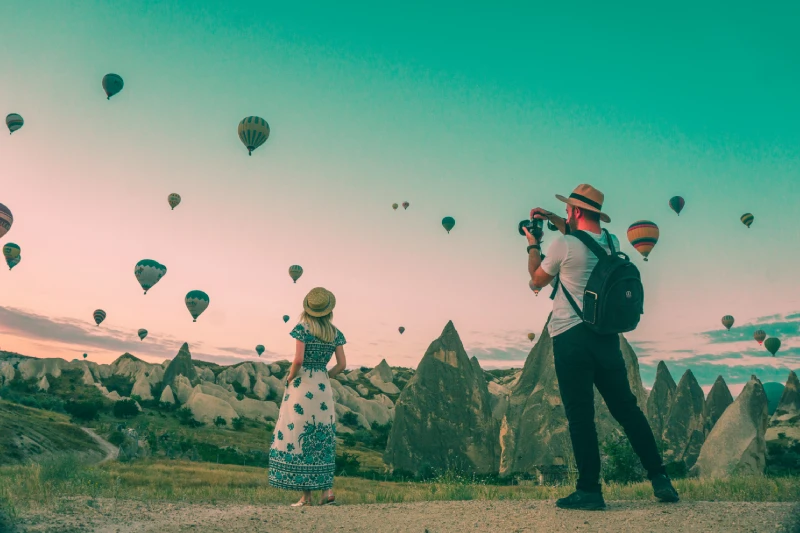
A broader perspective is absolutely crucial for personal development, fostering empathy, and becoming an effective global citizen. It allows us to tackle challenges with more creativity, understand diverse viewpoints when conflicts arise, and adapt far more readily to change. When we truly grasp that there are multiple valid ways to live, we become less judgmental and far more open-minded – a real boon in today’s world.
What’s more, a broader perspective cultivated by gaining perspective through travel significantly enhances our problem-solving skills and sparks innovation. By observing how others tackle similar issues with different resources or philosophies, we can bring fresh ideas back to our own communities and lives, leading to more robust and sustainable solutions. It’s a win-win.
The Power of Cultural Immersion
Engaging with Local Life
True cultural immersion goes way beyond merely observing; it means actively participating in the daily rhythm of a place. This could involve anything from haggling at local markets instead of hitting up supermarkets, hopping on public transport, or simply spending time in local parks and cafes. By doing so, you begin to pick up on the nuances of everyday life that often fly under the radar for tourists who stick to the well-trodden paths.
Read Also : Transformative Travel Experiences That Nurture the Soul

For instance, ditch the international chain restaurants and seek out small, family-run eateries. Strike up conversations with vendors, baristas, or fellow passengers, even if it’s just a few words. These small interactions build a rich mosaic of understanding that’s absolutely crucial for gaining perspective through travel.
Learning New Customs and Traditions
Every culture boasts its unique set of customs, etiquettes, and traditions that shape social interactions. From greeting rituals to dining habits, understanding and respecting these differences is paramount. For example, in some cultures, direct eye contact is a sign of respect, while in others, it can be seen as confrontational. In Japan, bowing is a common greeting, whereas in many Western countries, a firm handshake does the trick.
Actively learning about and attempting to follow these customs not only shows respect but also provides direct insight into the values and beliefs of the local people. This hands-on experience is far more impactful than just reading about traditions in a book, making it a powerful way to broaden your perspective and truly get under the skin of a place.
The Language Barrier and Its Lessons
Navigating a country where you don’t speak the language can feel daunting, to say the least, but it’s also a profound lesson in communication and humility. It forces you to rely on non-verbal cues, patience, and often, the sheer kindness of strangers. Even picking up a few basic phrases can open doors and demonstrate a willingness to connect, frequently leading to warmer, more genuine interactions.
The challenges posed by language barriers teach us that communication is multifaceted and that a lack of shared language certainly doesn’t equate to a lack of shared humanity. It shines a light on our common need for connection and problem-solving, fostering a deeper appreciation for diverse forms of expression. It’s a humbling experience that often turns out to be a blessing in disguise.
Sampling Local Cuisine
Food, as they say, is a universal language and a delicious window into a culture’s history, geography, and social fabric. Trying local dishes, especially those that might seem a bit unusual to your palate, is an absolutely essential part of cultural immersion. It’s not just about taste; it’s about understanding the ingredients, the preparation methods, and the social rituals that often surround meals.
For example, the communal dining experience in many Asian cultures or the slow, multi-course meals in Mediterranean countries offer fascinating insights into community bonds and leisure. Embracing these culinary adventures truly helps in gaining perspective through travel by showing how food both reflects and shapes a society. Bon appétit!
Challenging Your Assumptions and Beliefs
Confronting Stereotypes
Before traveling, many of us, often unknowingly, harbor preconceived notions or stereotypes about certain places or people. Travel directly confronts these stereotypes, replacing abstract ideas with raw, real-life experiences. You might just discover that a country often depicted as dangerous is, in fact, brimming with incredibly hospitable people, or that a culture you thought was homogenous is, in reality, incredibly diverse.
This direct confrontation is vital for breaking down mental barriers and realizing the sheer complexity and individuality of people and places. It teaches us the paramount importance of firsthand experience over secondhand information and media portrayals. It’s a real eye-opener.
Seeing Issues from Another Side
When you travel, you’ll often bump into vastly different societal structures, political systems, and economic realities. Witnessing these firsthand allows you to see global and local issues from perspectives that are worlds apart from your own. For instance, observing public healthcare systems in other countries can profoundly alter your views on healthcare policy back home.
Read Also : Explore Hidden Travel Destinations in Asia [apc_current_year]
This exposure encourages critical thinking and empathy, as you begin to unravel the complex factors that shape different societies. It’s an active process of gaining perspective through travel, where simple observation invariably leads to deeper questioning and a more profound understanding.
Adapting to Different Lifestyles
From varying working hours to distinct family structures, lifestyles vary dramatically across the globe. Adapting, even temporarily, to these different rhythms can be incredibly eye-opening. You might find yourself adjusting to later dinner times, completely different approaches to punctuality, or alternative definitions of personal space – it’s a whole different kettle of fish!
These adaptations brilliantly demonstrate the flexibility of human nature and expand your understanding of what truly constitutes a “normal” or “efficient” way of life. It highlights that comfort is often a product of familiarity, and true growth, more often than not, comes from embracing the unfamiliar.
Developing Empathy and Understanding
Walking in Someone Else’s Shoes
Travel often throws you into situations where you are the outsider, the one who doesn’t quite understand. This experience of being an “other” can be incredibly humbling and remarkably powerful for developing empathy. You gain a firsthand understanding of what it truly feels like to navigate a foreign environment, grapple with communication barriers, or simply be different from the majority.
This direct experience cultivates a profound sense of empathy, allowing you to better understand the challenges faced by immigrants, refugees, or minority groups in your own country. It’s a crucial component of gaining perspective through travel, fostering compassion and, in the long run, helping to reduce prejudice. It truly puts you in someone else’s shoes.
Connecting with Diverse Individuals
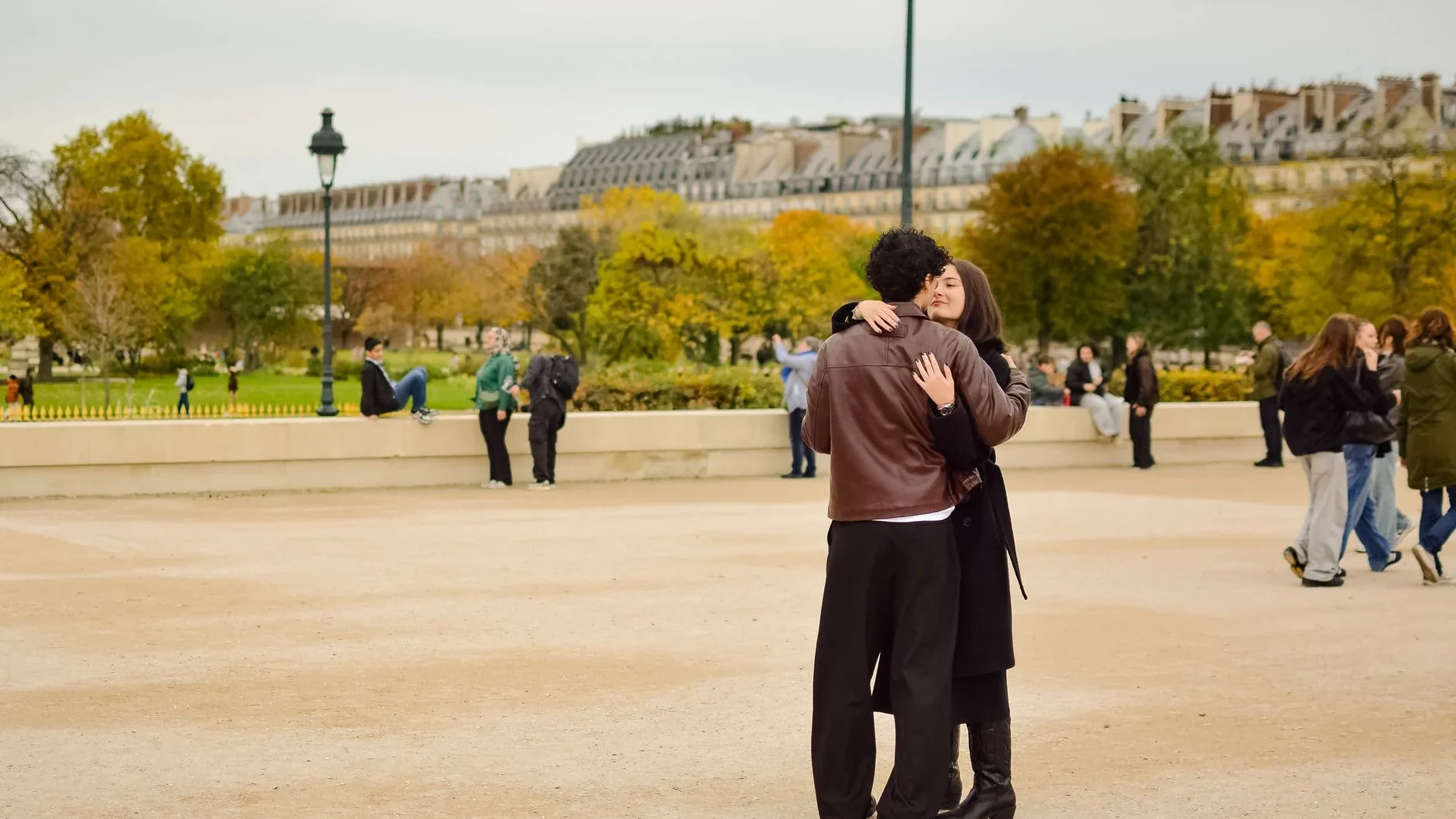
Beyond simply observing, actively seeking out opportunities to connect with people from different backgrounds is truly transformative. Whether through organized tours, homestays, or chance encounters, these personal connections humanize the “other.” Sharing stories, laughs, and even struggles with people from different walks of life forges bonds that effortlessly transcend cultural divides.
These interactions reveal a shared humanity despite superficial differences, breaking down barriers and fostering mutual understanding. It’s in these moments of genuine connection that the most profound shifts in perspective often occur, leaving an indelible mark.
Recognizing Universal Human Experiences
Despite the vast differences in customs and environments, travel often highlights the universal aspects of the human experience. Love, loss, joy, struggle, family bonds, and the pursuit of happiness are themes that resonate across all cultures. Witnessing these universalities play out in different settings can be incredibly unifying, a powerful reminder of what truly binds us.
Understanding these shared foundations helps us to see beyond superficial differences and recognize our common ground as humans. This realization is a cornerstone of gaining perspective through travel, promoting a beautiful sense of global community. We’re all in this together, after all.
Embracing Discomfort and Building Resilience
Navigating Unfamiliar Situations
Travel, especially independent travel, often throws you into unfamiliar situations. Getting hopelessly lost in a foreign city, dealing with unexpected delays, or trying to order food when you don’t speak a lick of the language are common occurrences. While initially stressful, these experiences are, in fact, powerful teachers.
Read Also : inspiring Travel Tales That Will Ignite Your Wanderlust
Each time you successfully navigate such a situation, you build confidence and sharpen your problem-solving skills. You learn to trust your instincts, adapt quickly, and realize that you are capable of handling far more than you ever thought possible, which is a key part of personal growth and truly coming into your own.
Overcoming Travel Challenges
From minor inconveniences like a missed bus to more significant issues like lost luggage or a sudden illness, travel inevitably presents its fair share of challenges. How you respond to these difficulties is a true testament to your resilience. Instead of letting them ruin your trip, these moments become golden opportunities to practice patience, resourcefulness, and adaptability.
Learning to calmly address and overcome these hurdles strengthens your mental fortitude considerably. It teaches you that setbacks are simply part of any journey, and the ability to bounce back is far more important than trying to avoid problems altogether. It’s all part of the adventure!
The Growth That Comes from Adversity
The discomfort and adversity encountered during travel are not just pesky obstacles; they are, in fact, catalysts for profound personal growth. When you are pushed outside your comfort zone, you discover hidden strengths and capabilities you never knew you had. You learn about your own limits and, more importantly, how to push past them.
This process of facing and conquering challenges is instrumental in gaining perspective through travel. It builds self-reliance, increases your tolerance for uncertainty, and ultimately makes you a more capable and confident individual, ready to face life’s challenges with a broader, more robust outlook. Every cloud truly has a silver lining.
Redefining “Normal” and Appreciating What You Have
Witnessing Different Standards of Living
Traveling to different parts of the world often exposes you to vastly different standards of living. You might encounter communities living with far fewer material possessions than you are accustomed to, yet still finding immense joy and contentment. Conversely, you might see levels of affluence that challenge your own economic assumptions, making you truly stop and think.
These observations can be incredibly sobering and thought-provoking. They force you to re-evaluate your own definition of “wealth” and “poverty,” and to see that happiness and well-being are not solely tied to material possessions. It’s a powerful lesson in what truly matters.
Shifting Priorities and Values
Exposure to diverse cultures often leads to a deep re-evaluation of your own priorities and values. You might observe societies that prioritize community over individualism, leisure over work, or spiritual well-being over material gain. These alternative frameworks can inspire you to question your own ingrained cultural values, shaking things up a bit.
For example, witnessing cultures with strong family bonds or a slower pace of life might make you rethink your own work-life balance or approach to relationships. This internal reflection is a powerful, often life-changing, outcome of gaining perspective through travel.
Gratitude for Home and Comforts
While travel certainly opens your eyes to new possibilities, it also often instills a deeper sense of gratitude for your own home, community, and the comforts you might typically take for granted. After experiencing basic living conditions or navigating complex situations, returning to familiar amenities and support systems can feel like a profound luxury – a true breath of fresh air.
Read Also : Unique & Beautiful Travel Experiences | Unforgettable Journeys
This renewed appreciation isn’t about diminishing the experiences abroad but rather about seeing your own life through a fresh lens, recognizing its value and unique advantages. It’s a full-circle journey of perspective, where you appreciate both the new and the familiar more deeply, truly counting your blessings.
Practical Steps for Gaining Perspective Through Travel
Travel Independently When Possible
While organized tours certainly have their place, independent travel offers unparalleled opportunities for immersion and self-discovery. When you’re solely responsible for your own itinerary, logistics, and problem-solving, you’re practically forced to interact more deeply with locals and adapt to unexpected situations. This hands-on approach maximizes your chances of truly gaining perspective through travel.
Try to steer clear of pre-booked packages that often shield you from local realities. Instead, book your own accommodation, navigate public transport like a local, and actively seek out local recommendations for food and activities. This autonomy fosters resilience and genuine cultural engagement – it’s like throwing yourself in at the deep end, in the best possible way!
Engage in Volunteer Work or Homestays
For truly deep immersion, consider volunteer work or a homestay program. Living with a local family or contributing to a community project provides an intimate look into daily life, challenges, and triumphs that no mere tourist experience can ever replicate. You become part of the very fabric of the place, rather than just an outside observer.
These experiences are often challenging but incredibly rewarding, offering profound insights and fostering deep connections that last a lifetime. They are, without a doubt, among the most effective methods for radically shifting your perspective and understanding global issues on a deeply personal level.
Keep a Travel Journal
A travel journal is an invaluable tool for processing your experiences and reflections – consider it your trusty travel companion. Don’t just list places visited; make sure to jot down your thoughts, feelings, observations, and any ‘aha!’ moments or insights you gain. How did a particular interaction make you feel? What truly surprised you? What ingrained assumptions were challenged?
Regularly reviewing your journal entries helps solidify the lessons learned and track your pepersonal growthhroughout your journey. It transforms fleeting moments into lasting wisdom, ensuring that the perspective you gain is consciously integrated and truly sticks with you.
Reflect Regularly on Your Experiences
The act of travel itself is just one part of the equation; reflection is truly where the magic happens and the learning sinks in. Take time each day, or at the end of each week, to consciously think about what you’ve seen, heard, and felt. Don’t be shy about discussing your experiences with travel companions or friends back home – fresh perspectives can be invaluable.
Ask yourself critical questions: How does this differ from my home? Why do people here do things this way? What can I truly learn from this? This active reflection ensures that you’re not just seeing new things, but actively processing them to gain deeper insights and lasting perspective. It’s about letting the experiences truly marinate.
Long-Term Impact on Personal Growth
Enhanced Problem-Solving Skills
The constant need to adapt, navigate unfamiliar situations, and overcome unexpected challenges while traveling truly hones your problem-solving abilities. You learn to think on your feet, be incredibly resourceful, and find creative solutions when faced with limited resources or information. This translates directly into vastly improved skills in both your professional and personal life.
Read Also : Advantages of World Travel: Explore, Grow, Transform
Whether it’s figuring out a complex public transport system or negotiating a fair price in a bustling market, these mini-challenges build a robust toolkit for tackling any problem with greater confidence and adaptability, a direct and invaluable benefit of gaining perspective through travel.
Greater Open-Mindedness
Perhaps the most significant long-term impact of travel is an enduring sense of open-mindedness. Once you’ve seen the world through multiple lenses, it becomes much harder to revert to a narrow, ethnocentric viewpoint. You become far more tolerant of ambiguity, more accepting of differences, and more willing to genuinely consider alternative ideas – a true hallmark of wisdom.
This open-mindedness extends far beyond travel, influencing your everyday interactions, decisions, and overall approach to life. It makes you a more flexible, understanding, and adaptable individual, perfectly capable of thriving in an increasingly interconnected world. It’s like shedding an old skin.
A More Globalized Worldview
Repeated experiences of gaining perspective through travel ultimately culminate in a truly globalized worldview. You begin to see yourself not just as a citizen of your country, but as a citizen of the world, plain and simple. This expanded identity comes with a greater understanding of global interdependencies, environmental challenges, and shared human responsibilities – a powerful sense of belonging.
This worldview fosters a deeper commitment to global issues and encourages actions that benefit humanity as a whole, not just your local community. It’s a profound shift that empowers you to contribute more meaningfully to a complex world, making your mark for the greater good.
Kesimpulan
Gaining perspective through travel is far more than just a recreational activity; it’s a profound journey of self-discovery and global understanding. By intentionally immersing ourselves in new cultures, challenging our long-held assumptions, and embracing a little discomfort, we unlock a powerful pathway to personal growth and a broader worldview. The lessons learned on the road, from navigating tricky language barriers to witnessing truly diverse lifestyles, fundamentally reshape our understanding of what it means to be human.
The systematic steps outlined here—things like independent travel, deep cultural immersion, keeping a journal, and regular reflection—are not just handy tips for better trips, but rather potent strategies for deeper personal transformation. These practices ensure that each journey contributes meaningfully to our empathy, resilience, and problem-solving skills, equipping us to navigate life with greater wisdom and compassion. It’s an investment in yourself that keeps on giving.
Ultimately, the perspective gained through travel stays with us long after we return home. It fosters an enduring open-mindedness, a profound gratitude for what we have, and a more globalized worldview that sees beyond mere borders and superficial differences. So, pack your bags not just for adventure, but for the invaluable, life-altering gift of a changed perspective. Happy travels!
FAQ
Gaining perspective certainly doesn't require luxury travel; in fact, sometimes the opposite is true! Consider backpacking, staying in hostels, relying on public transportation, savoring street food, and diving into free local activities. Volunteer programs or homestays can also be incredibly affordable ways to immerse yourself deeply in a culture and gain unique insights without breaking the bank on accommodation. It's about being resourceful!
While solo travel can certainly accelerate perspective-gaining by truly forcing you to rely on yourself and interact more with locals, it's not strictly necessary. Traveling with an open-minded companion who is also keen on cultural immersion and reflection can be equally rewarding. The key, whether you're alone or with others, is to actively seek out new experiences and genuinely engage with your surroundings.
Mental preparation involves cultivating an attitude of boundless curiosity, humility, and genuine open-mindedness. Do a little research on the local culture, history, and customs beforehand to get a sense of what to expect and, crucially, what to respect. Be prepared to step well outside your comfort zone, challenge your own biases, and embrace the unexpected with a smile. A willingness to be a learner, rather than just an observer, is absolutely crucial.
Not speaking the local language is often just part of the adventure and a fantastic way to build resilience! Make an effort to learn a few basic phrases (greetings, 'thank you,' 'please,' numbers) – locals almost always appreciate the effort. Rely on translation apps, non-verbal communication, and plenty of patience. The challenges of a language barrier frequently lead to unexpected and wonderfully meaningful interactions, fostering a deeper sense of empathy and resourcefulness. It's all part of the fun!
To ensure that the perspective you gain truly lasts a lifetime, active reflection is absolutely key. Keep a detailed travel journal, regularly review your experiences, and discuss them with others. Try to integrate new habits or ways of thinking into your daily life upon returning home. Continue to read, learn, and engage with global issues, and consider future travels that build upon your newfound understanding. The journey of gaining perspective, after all, is a beautiful, ongoing one.
Tagged with:
challenging assumptionscultural immersionpersonal developmenttravel perspectiveworld view
Popular Posts


Embracing Spiritual Growth Through Travel and Exploration
Travel is more than just seeing new places; it's a profound journey into oneself. This article explores how embracing travel and exploration can significantly contribute to your spiritual growth, offering unique perspectives and transformative experiences.


One thought on “Gaining Perspective Through Travel: A Deep Dive”