Free Travel Budget Template for Beginners | Plan Your Trip

Setting off on a new adventure is always a thrill, isn’t it? We dream of breathtaking landscapes, mouth-watering food, and experiences that will stick with us for a lifetime. Yet, all that excitement can quickly be overshadowed by a dark cloud of financial worry. Many budding travelers, especially those just starting out, often grapple with managing their money on the road, which can lead to overspending or, worse, having to cut a trip short.
Here’s the silver lining: with the right tools and a little bit of foresight, you absolutely can see the world without breaking the bank. This article will walk you through the nuts and bolts of travel budgeting and introduce you to the magic of a free travel budget template for beginners. We’ll show you the ropes – how to find it, put it to good use, and fine-tune it – all to make sure your next adventure is truly unforgettable, and your wallet doesn’t take a beating.
Why a Travel Budget is Absolutely Essential for Beginners
For anyone just dipping their toes into the world of travel planning, grasping why a budget is so important is the non-negotiable first step. It’s not about putting a damper on your fun; quite the opposite, it’s about making sure the good times roll without any nasty surprises.
Avoid Overspending
Without a clear budget laid out, it’s a piece of cake to blow through more cash than you ever intended. Impulse purchases, those pesky unexpected costs, and simply losing track of where your money’s gone can quickly drain your savings account dry. Think of a budget as your financial roadmap, keeping your spending ship steady and on course.
Also Read:

By ring-fencing specific amounts for different categories, you’re setting up boundaries that help you make mindful choices about every penny. This proactive approach wards off that dreaded post-vacation financial headache and ensures you return home with a suitcase full of happy memories, not a mountain of debt.
Gain Financial Control
A travel budget truly puts the reins in your hands. It gives you a crystal-clear snapshot of your financial situation, empowering you to make savvy decisions throughout your entire journey. Knowing exactly how much wiggle room you have for accommodation, delicious meals, or exciting activities means you can confidently put your money where your heart is.
This control isn’t just about holding the purse strings, mind you. It also helps you spot areas where you can stretch your dollars further, perhaps by trying a local eatery off the beaten path or hopping on public transport. Ultimately, it grants you the freedom to soak up every moment of your trip without that nagging feeling about your bank balance.

Reduce Travel Stress
Let’s face it, money worries can be a major headache, particularly when you’re a long way from home. A well-planned budget, especially one crafted with a free travel budget template for beginners, takes a huge load off your mind. You’ll feel like a weight has been lifted, knowing you have a solid financial plan in place.
Picture this: you’re completely immersed in the local culture or standing awestruck before a stunning landmark, without that little voice in your head whispering about your bank account. That’s the invaluable peace of mind a good travel budget provides, allowing you to truly drink in every single moment of your adventure.
Understanding the Core Components of a Travel Budget

Read Also : First Trip? Should You Use a Travel Agent?

To whip up an effective budget, you’ll need to dissect your potential costs into manageable categories. This systematic approach ensures no stone is left unturned.
Transportation Costs
This category is all about how you’ll get from point A to point B, both to your destination and once you’re exploring there. It’s often the elephant in the room when it comes to expenses and can really eat into your budget.
- Flights/Train/Bus: This covers the main journey. A pro tip: booking well in advance and being flexible with your travel dates can often land you some sweet deals.
- Local Transport: Think taxis, ride-shares, public buses, trains, subways, or even renting a car. Don’t forget to factor in those daily commutes or trips between sights.
Remember to also keep an eye out for sneaky baggage fees if you’re flying, or fuel costs if you’re hitting the open road. Doing your homework on local transport options beforehand can genuinely save you a pretty penny.

Accommodation Expenses
Where you lay your head each night can truly make or break your budget. Options run the gamut, from five-star luxury to budget-friendly bunks.
- Hotels/Hostels: The nightly rates for your preferred type of stay.
- Airbnb/Vacation Rentals: Costs for a private room or having an entire place to yourself.
- Camping: Site fees if you’re roughing it with your own tent or RV.
Give some thought to the location – sometimes, staying just a stone’s throw outside the city center can lead to significant savings, especially if public transport links are a dream. And always, always pore over reviews and sniff out any hidden fees before you commit to a booking.
Food and Drink
Eating is part and parcel of the travel experience, a daily necessity that can, however, run away with your money surprisingly fast.
- Restaurant Meals: Set aside funds for dining out, and don’t forget to factor in tips.
- Groceries: If your digs come with kitchen facilities, hitting the local supermarket for groceries can save you a bundle.
- Snacks/Drinks: Those daily coffees, bottled waters, and quick bites can add up, so budget for them!
A savvy strategy is to strike a balance between restaurant hopping and whipping up some of your own meals. Plus, exploring local markets for fresh produce is often a two-for-one deal: a cultural immersion and a win for your wallet.
Activities and Sightseeing
Now, this is where you budget for the stuff that makes your trip sing – think museum entries, guided tours, exciting excursions, and lively entertainment.
- Attraction Tickets: The cost of getting into popular landmarks, museums, or national parks.
- Tours/Excursions: Guided walks, thrilling day trips, or special adventures like snorkeling or hiking.
- Entertainment: Tickets for concerts, shows, or other leisure activities that catch your eye.
Keep an eye out for free walking tours (a tip for the guide is always appreciated!), discounted city passes, or specific free entry days to museums. Put your top must-dos at the forefront and dig around for ways to save a buck on those bucket-list experiences.
Miscellaneous and Emergency Funds
These are the unsung heroes of any realistic budget – often overlooked, but absolutely vital.
Read Also : Printable Travel Planning Worksheets for Beginners
- Travel Insurance: An absolute no-brainer for ultimate peace of mind.
- Visa Fees: If Uncle Sam (or the equivalent) requires them for your chosen destination.
- Souvenirs/Shopping: Set aside a little something for gifts or personal mementos to remember your journey.
- Emergency Fund: A critical cushion for those curveballs life throws, like medical emergencies, lost luggage, or flight delays.
Always, and we mean *always*, squirrel away a portion of your budget as an emergency fund – typically 10-15% of your total estimated costs. This acts as your financial safety net, allowing you to handle unforeseen circumstances without sending your whole trip spiraling.
Finding Your Free Travel Budget Template for Beginners

You don’t need to be an Excel wizard to get started here. Plenty of resources out there offer fantastic, plug-and-play templates.
Online Spreadsheet Templates
The simplest route to snagging a free travel budget template for beginners is through online spreadsheet applications. Google Sheets and Microsoft Excel, for instance, both boast top-notch, flexible options.
Just type “free travel budget template Google Sheets” or “free travel budget template Excel” into your search bar, and you’ll uncover a treasure trove of downloadable templates. These usually come pre-loaded with categories, making it a snap to slot in your estimated costs and get tracking right away. They’re a breeze to use and accessible from virtually any device, which is a huge bonus.
Mobile Budgeting Apps
For those who prefer keeping tabs on their cash while on the move, several mobile apps come packed with travel budgeting features, some of which are free or offer solid basic versions.
Apps like Mint, YNAB (You Need A Budget – often with a generous free trial), or specialized travel budgeting apps can help you track expenses in real-time, often even syncing directly with your bank accounts. While they might not be a ‘template’ in the old-school sense, they provide a structured, on-the-go way to manage your travel funds straight from your smartphone, which is a real godsend for beginners.
DIY Simple Templates
If you’re more of a no-frills kind of person, you can easily whip up your own simple template using a basic spreadsheet or even just good old pen and paper. This route offers the ultimate freedom to tailor it exactly to your needs.
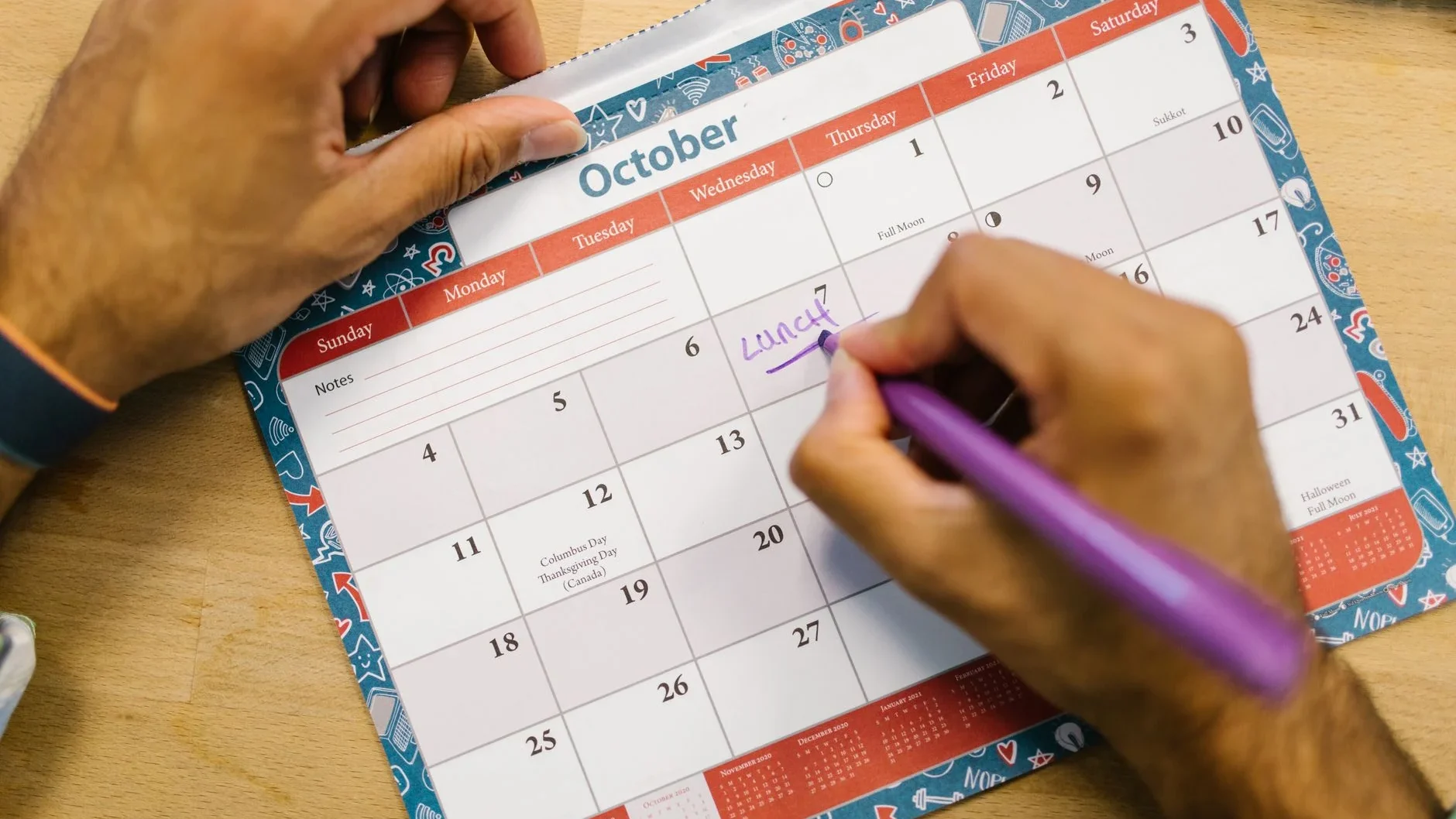
Begin by jotting down the core categories we’ve talked about (transport, accommodation, food, activities, miscellaneous). Then, simply add columns for “Estimated Cost,” “Actual Cost,” and “Difference.” This straightforward method, though basic, is a cracker of a starting point for any beginner eager to get a handle on their spending habits without getting bogged down in fancy software.
Step-by-Step: How to Use Your Free Travel Budget Template Effectively

Read Also : Budget Travel Planning for Beginners: Your Ultimate Guide
Having a template is half the battle; consistently putting it to good use is the other half. Here’s a tried-and-true, systematic approach to make it work for you.
Estimate Major Expenses First
Before you even dream of booking a single thing, get a ballpark figure for your biggest expenses. This means zeroing in on flights, accommodation, and any potentially major tours.
Hop onto online travel sites to gather quotes for flights and hotels based on your desired dates and destination. Slot these initial estimates right into your free travel budget template for beginners. This gives you a solid foundation of your trip’s overall cost and helps you decide if any tweaks are needed before putting any money down.
Track Every Single Expenditure
Here’s the golden rule: consistency is key. From that morning coffee to an admission ticket for a landmark, every single expense needs to be jotted down.
Make it a habit to log your spending daily, or even immediately after a purchase. This prevents you from forgetting those seemingly small transactions that can quickly snowball. Use the “Actual Cost” column in your template to meticulously record every penny spent, giving you an honest-to-goodness picture of your financial outlay.
Adjust and Re-evaluate Regularly
Think of your budget as a living, breathing document, not something set in stone. Life happens, and your budget should roll with the punches.
Take time each week, or even every few days during your trip, to review your actual spending against your estimates. If you find you’re over budget in one area (say, you’ve been eating out a bit too much), look for ways to cut back in another (perhaps by opting for more free activities). This flexibility is paramount for keeping things on an even keel and avoiding any nasty financial curveballs.
Categorize Your Spending
Assigning each expense to its correct category (e.g., “Food,” “Transport,” “Activities”) is absolutely crucial for getting the full picture and making sense of your spending.
This practice helps you pinpoint exactly where your hard-earned cash is flowing and where you might be able to save more efficiently next time. Your free travel budget template for beginners will likely have these categories pre-defined, making this step a piece of cake and incredibly insightful for future trip planning.
Smart Strategies to Save Money on Your Trip

Read Also : How to Save Money on Travel: Your Ultimate Guide
Beyond just keeping track, actively employing smart strategies can really make a dent in your travel costs.
Booking Flights and Accommodation Wisely
These are often the biggest ticket items, so booking smart here can truly pay dividends in savings.
- Book in Advance: As a general rule of thumb, snagging flights and popular accommodations several months ahead of time will often nab you better prices.
- Be Flexible: If your travel dates aren’t set in stone, make use of “flexible date” search options to unearth the cheapest days to fly or stay. Mid-week travel, for instance, is often easier on the wallet.
- Consider Off-Season: Venturing out during the shoulder season (that sweet spot just before or after peak madness) or the true off-season can slash costs dramatically on both flights and hotels.
- Compare Prices: Become a detective! Use flight comparison websites (like Skyscanner or Google Flights) and accommodation aggregators (such as Booking.com or Agoda) to sniff out the best deals.
A little insider tip: always clear your browser cookies or switch to incognito mode when hunting for flights and hotels, as prices can mysteriously creep up based on your search history. And keep an eye out for package deals if they genuinely give you more bang for your buck.
Eating Like a Local
Food is a huge part of the travel experience, but it certainly doesn’t have to cost an arm and a leg.
- Street Food & Markets: Dive headfirst into local street food vendors and bustling fresh produce markets for genuinely delicious and inexpensive meals.
- Cook Your Own Meals: If your accommodation comes with kitchen facilities, grabbing groceries and whipping up some of your own meals can save you a pretty penny.
- Set Menus/Lunch Deals: Many restaurants offer fantastic “lunch specials” or “set menus” that are often far more affordable than their dinner counterparts.
- Water Bottle: Always carry a reusable water bottle and top it up whenever you can to steer clear of constantly buying bottled water.
Don’t be shy – ask locals for their recommendations on good, affordable eateries. They’re often in the know about the secret spots tourists often walk right past, offering both an authentic taste of the local culture and a win for your wallet.
Free or Low-Cost Activities
It’s a pleasant surprise how many truly memorable experiences won’t break the bank.
- Walking Tours: Loads of cities offer free walking tours (though remember, a tip for your guide is always good form!).
- Parks & Nature: Get out and explore local parks, scenic hiking trails, beautiful beaches, and other natural attractions.
- Free Museums/Galleries: Do a quick search for museums that offer free admission or have specific free entry days.
- Window Shopping & People-Watching: Sometimes, simply drinking in the buzz of a bustling square or market is an activity in itself – and it’s absolutely free!
Prioritize experiences over expensive attractions. Sometimes the most treasured memories often spring from simple, unplanned moments rather than costly excursions. Make sure to utilize your free travel budget template for beginners to strategically allocate funds for those paid activities that truly call to you.
Transportation Hacks
Getting around efficiently and affordably is a total game-changer for a beginner’s travel budget.
- Public Transport: Embrace buses, trains, and subways. They are, hands down, the most wallet-friendly way to navigate cities. See if multi-day passes make sense if you plan on using them frequently.
- Walk: If distances are manageable, walking is not only free but also a fantastic way to stumble upon hidden gems and truly experience a city up close and personal.
- Bicycle Rentals: In many cities, bicycle sharing programs or rental shops offer an affordable and fun way to explore on two wheels.
- Carpooling/Ride-Sharing: For longer hauls, consider carpooling services or ride-shares, but always do your due diligence on their safety and reliability first.
Make it a point to research transportation options before you even set foot in your destination. Knowing the local public transport system like the back of your hand can save you from getting fleeced by expensive taxi fares and give you a more authentic slice of local life.
Dealing with Unexpected Expenses and Emergencies

Read Also : Avoid Common Travel Planning Mistakes for Beginners
Even with the best-laid plans and an ironclad free travel budget template for beginners, life throws curveballs. Being prepared for the unexpected is half the battle.
The Importance of an Emergency Fund
As we’ve touched on, a dedicated emergency fund is your financial lifeline. It’s money squirrelled away specifically for those ‘what if’ scenarios, not for an extra round of souvenirs.
This fund should be ready to cover potential medical emergencies, sudden changes in travel plans (like a cancelled flight demanding an extra night’s stay), or the replacement of lost items. This buffer keeps you from dipping into your essential travel funds or, worse, running up debt. It’s an absolute must for responsible travel budgeting.
Travel Insurance Considerations
While an emergency fund covers immediate cash needs, travel insurance steps in to protect you from bigger financial headaches.
Travel insurance can be a lifesaver, covering everything from medical emergencies and trip cancellations to lost or stolen luggage, and a whole lot more. Do your homework on different policies and pick one that truly aligns with your trip duration, destination, and planned activities. For beginners, it offers priceless peace of mind, knowing that you’re shielded against major financial blows if things go sideways.
Contingency Planning
Beyond just the money side of things, it’s smart to think ahead about what you’d do in various emergency scenarios. This proactive thinking can save you a world of stress down the line.
Keep copies of important documents (like your passport, visa, and insurance details) both physically and digitally. Share your itinerary with a reliable friend or family member back home. And make sure you know the location of your country’s embassy or consulate. Having a basic plan for different contingencies allows you to react calmly and efficiently if something goes wrong, helping your trip stay as smooth as silk.
Post-Trip Review: Learning from Your Travel Budget
Your journey doesn’t truly end the moment you step back home. A post-trip review is a goldmine of a step for all your future adventures.
Analyze Your Spending Habits
Once you’re back in the swing of things, carve out some time to compare your “Estimated Cost” with your “Actual Cost” in your free travel budget template for beginners. Go through each category with a fine-tooth comb.
Where did you overspend? Where did you manage to save a buck? This analysis provides cold, hard data on your real-world spending habits. Perhaps you consistently underestimated food costs, or maybe you stumbled upon a steal of a deal on accommodation. Understanding these patterns is the first step toward becoming an even more budget-savvy travel pro.
Read Also : Craft Your Perfect Travel Itinerary: A Step-by-Step Guide
Identify Areas for Improvement
Based on your analysis, zero in on specific areas where you can sharpen your game for your next trip.
Maybe you need to allocate a bit more to activities, or perhaps you realized you could have saved a bundle on transport by mapping out public transit routes more efficiently. This reflective process turns your past trip into a powerful learning experience, honing your budgeting prowess for the future. Don’t view overspending in a category as a failure; instead, see it as golden nuggets of feedback.
Prepare for Your Next Adventure
The insights gained from your post-trip review are the bedrock for your next budget. You now have a far more realistic understanding of various costs and your own unique spending tendencies.
Make sure to save your completed free travel budget template for beginners as a handy reference. The next time you’re mapping out a trip, you’ll start with a treasure trove of personal data, making the budgeting process even easier and spot-on accurate. Each trip effectively becomes a springboard to more confident, savvy, and budget-friendly travel experiences.
Conclusion
Embarking on a travel adventure, especially when you’re just starting out, can be a truly enriching experience. While the financial aspect might seem a bit daunting, it absolutely doesn’t have to be. By utilizing a free travel budget template for beginners and implementing smart planning strategies, you gain the control and confidence needed to turn your travel dreams into a stress-free reality.
Always remember that a budget is your secret weapon to empower you, not a straitjacket to restrict your enjoyment. It provides crystal-clear clarity, helps you prioritize what truly matters, and makes sure you’re ready for whatever the road throws your way. From estimating those major costs to diligently tracking every expense and reviewing your spending post-trip, each step contributes to a smoother, more enjoyable journey, come what may.
So, don’t let budget worries put the brakes on your wanderlust. Grab a free template today, start planning, and get ready to hit the open road with total peace of mind. Happy travels!
FAQ
For beginners, the best free travel budget templates often shine brightest on platforms such as Google Sheets or Microsoft Excel. They typically offer pre-built structures with categories for common travel expenses, making them a breeze to fill out and tweak to your heart's content. Many reputable travel blogs and personal finance websites also offer their own bespoke downloadable templates.
The amount of money you should budget for a trip can swing wildly based on your destination, how long you're going for, your travel style (think five-star vs. shoestring), and your planned activities. A solid starting point is to dive into some research on average costs for flights, accommodation, and daily expenses for your chosen location. And remember, always, always, tack on an extra 10-15% for a rainy-day emergency fund.
Absolutely, without a shadow of a doubt! Traveling on a tight budget is highly achievable with careful planning and making smart choices. This often means opting for hostels or cozy guesthouses, whipping up some of your own meals, making friends with public transport, sniffing out free activities, and venturing out during the off-peak season. A detailed free travel budget template for beginners is truly your secret weapon for making this happen.
Yes, yes, and absolutely yes! Including an emergency fund is not just highly recommended, it's non-negotiable for any travel budget, especially for beginners. This fund serves as your financial safety net for those unwelcome surprises like medical emergencies, lost luggage, flight delays, or unexpected twists in your itinerary. Aim for 10-15% of your total estimated budget – it's peace of mind in your pocket.
You should update your travel budget like clockwork! Before your trip, update it diligently as you book flights, accommodation, and activities. Once you're actually on the road, make it a habit to update it daily or every other day to track your actual spending against your estimates. This consistent tracking is your North Star, ensuring you stay on track and can tweak things as needed to keep your finances in tip-top shape.


Popular Posts


Embracing Spiritual Growth Through Travel and Exploration
Travel is more than just seeing new places; it's a profound journey into oneself. This article explores how embracing travel and exploration can significantly contribute to your spiritual growth, offering unique perspectives and transformative experiences.