Exploring City Art: Museums and Galleries Guide
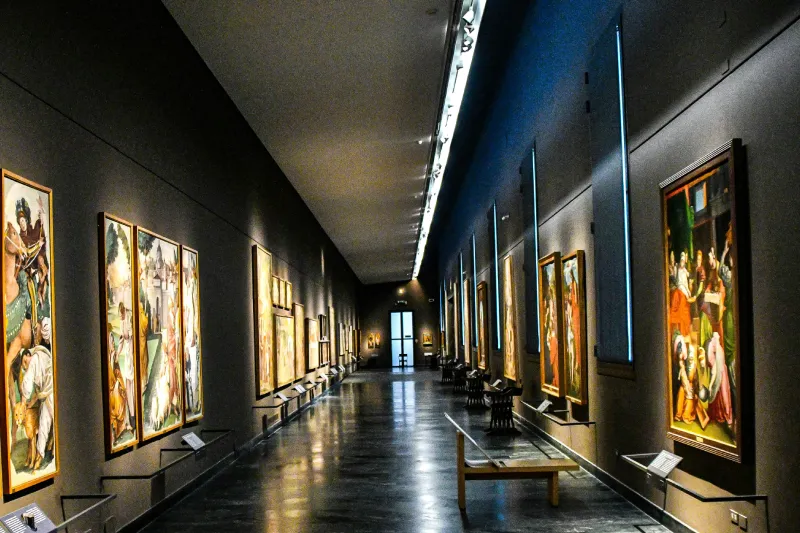
Cities are more than just concrete jungles; they are living canvases, each brushstroke telling a story of human ingenuity, passion, and struggle. From ancient civilizations to modern movements, the artistic heritage embedded within urban landscapes offers a profound connection to our collective past and present. To truly understand a city’s soul, one must look beyond its architectural marvels and delve into its cultural institutions.
At the heart of this exploration lie museums and galleries—sacred spaces dedicated to preserving, interpreting, and showcasing the vast spectrum of human creativity. These institutions are not merely buildings filled with artifacts; they are dynamic portals that transport visitors through time, across cultures, and into the minds of artists. They offer unique perspectives on historical events, societal values, and the evolution of aesthetic expression.
This article will guide you through the fascinating journey of exploring the artistic heritage of cities through museums and galleries. We will uncover their crucial roles, highlight iconic venues, provide tips for enriching your visits, and discuss the broader impact of art on urban identity. Prepare to unlock the cultural treasures that define some of the world’s most captivating cities.
The Role of Museums in Preserving Artistic Heritage

Custodians of History and Culture
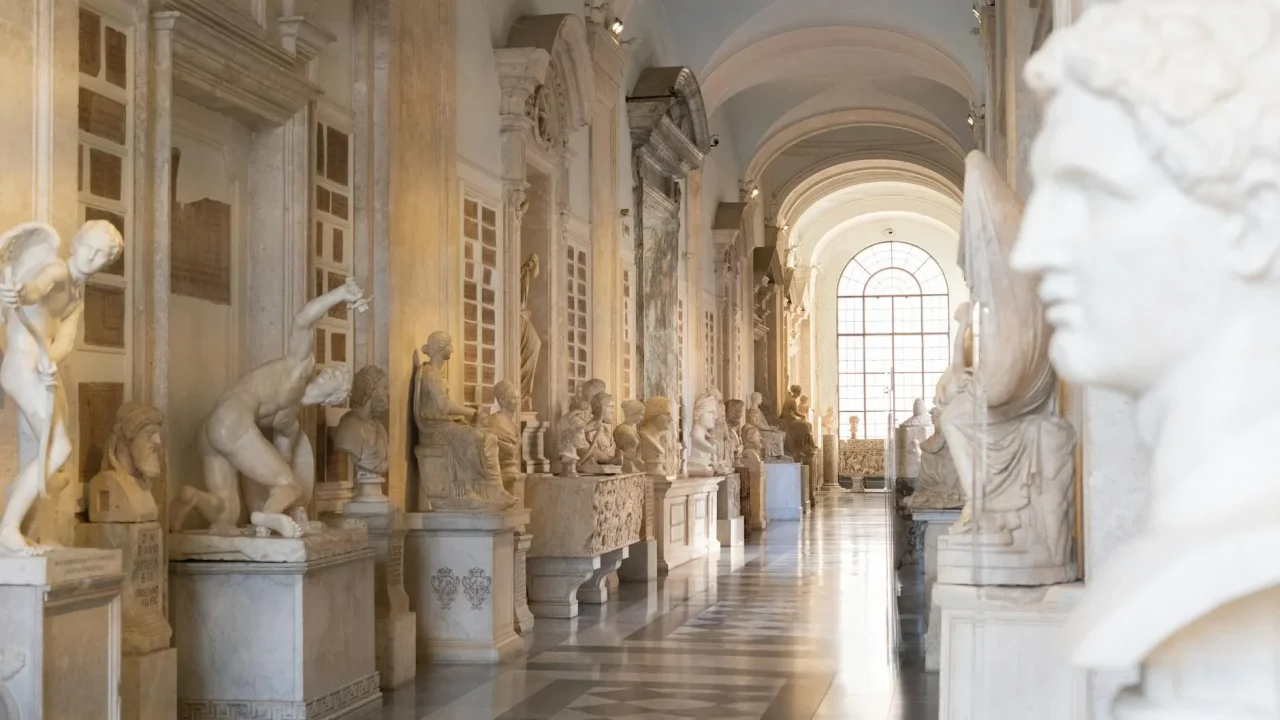
Museums stand as the primary custodians of a city’s artistic and historical legacy. They meticulously collect, conserve, and research artworks, ensuring that masterpieces and significant artifacts from various eras are protected for future generations. This preservation work is critical, as it safeguards tangible evidence of human achievement and cultural evolution.
Read Also : Explore Visa Free Countries: Your Ultimate Guide
Beyond mere storage, museums act as vital memory institutions, offering a continuous narrative of human experience. They house collections that span millennia, from prehistoric tools and classical sculptures to Renaissance paintings and modern installations. Each object tells a part of a larger story, contributing to a comprehensive understanding of a city’s unique journey and its place in global history.

Educational Hubs for All Ages
One of the most significant functions of museums is their role as educational hubs. They provide invaluable resources for learning, offering programs, workshops, and guided tours designed to engage visitors of all ages and backgrounds. From schoolchildren on field trips to seasoned art historians, everyone can find something to inspire and inform them within museum walls.
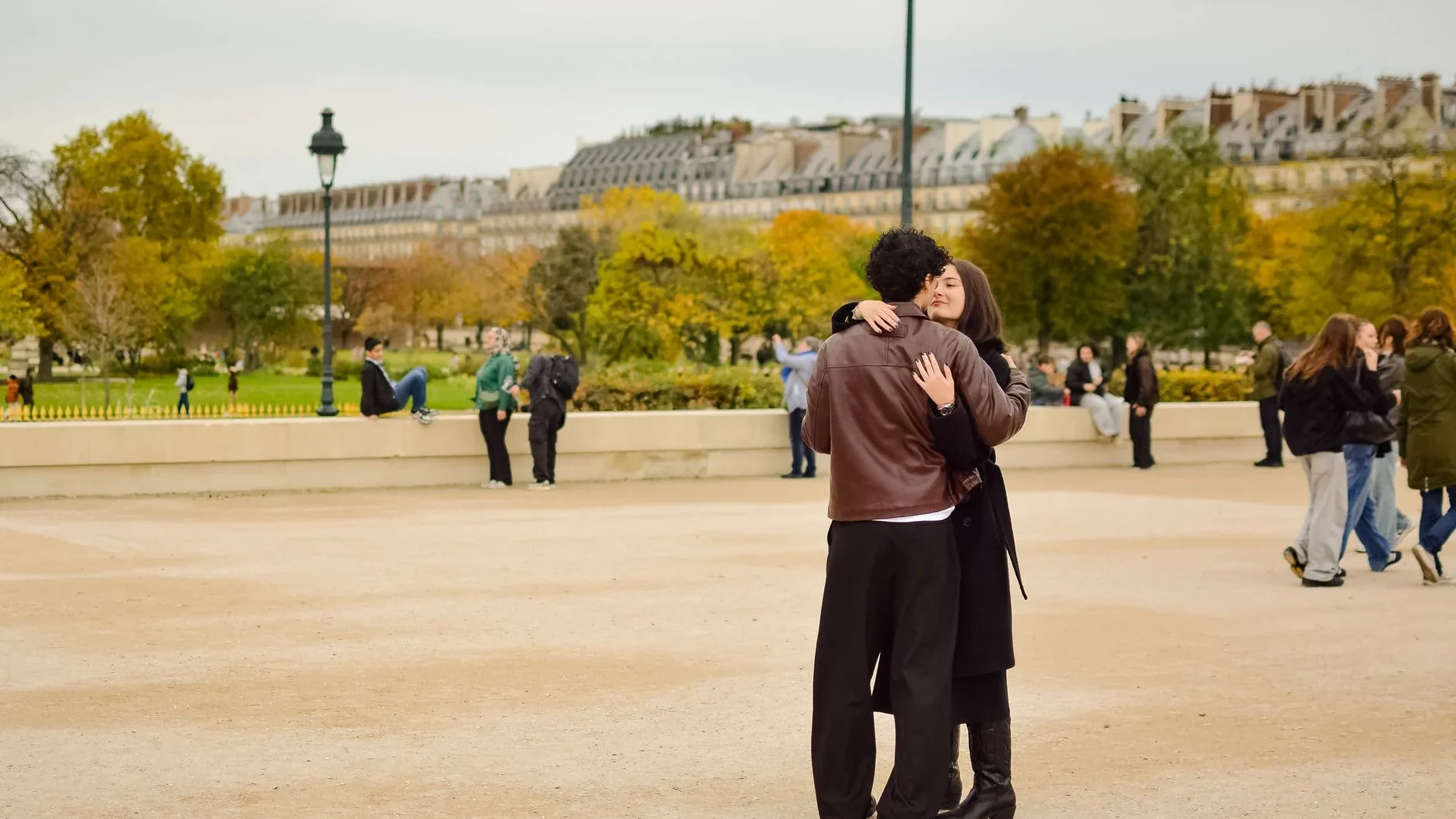
Museums make complex artistic concepts and historical contexts accessible through well-curated exhibitions and interpretive displays. They often employ interactive elements, digital resources, and expert docents to deepen understanding and foster a genuine appreciation for art. This educational outreach ensures that the artistic heritage is not just preserved, but actively understood and valued by the public.
Showcasing Diverse Artistic Movements
The breadth of artistic movements showcased in museums is truly astounding. From the intricate details of Baroque art to the bold statements of Cubism, and from the emotional intensity of Romanticism to the conceptual depth of contemporary pieces, museums offer a panoramic view of art history. They illustrate how different periods and cultures have expressed beauty, emotion, and societal commentary.
Read Also : The Best Places to Visit in 2026 - Ultimate Guide
By presenting art from various movements side-by-side, museums allow visitors to draw connections, identify influences, and appreciate the evolution of artistic thought. They highlight how artists respond to their environments, political climates, and technological advancements, making the study of art a dynamic exploration of human creativity and its societal reflections.
Galleries: Platforms for Contemporary Expression

Bridging Artists and Audiences
While museums often focus on established and historical works, art galleries typically serve as dynamic platforms for contemporary expression. They play a crucial role in bridging the gap between living artists and their potential audiences, offering spaces where new ideas, experimental techniques, and emerging talents can be showcased. Galleries are often the first public venues where an artist’s work is seen and discussed.
These spaces are integral to the vibrant ecosystem of the art world, providing a stage for artists to present their latest creations, challenge norms, and provoke thought. For art enthusiasts, galleries offer an exciting opportunity to witness the cutting edge of artistic innovation and discover the next generation of influential creators, directly engaging with the pulse of current artistic trends.
Read Also : Best Road Trips in the World: Ultimate Guide
Spotlighting Emerging Talent
A key function of many galleries is to spotlight emerging talent. They actively seek out and promote artists who are just beginning their careers, providing them with their first significant exhibitions and helping them gain recognition. This support is vital for artists who might otherwise struggle to find a platform for their work, fostering the growth and diversification of the art scene.
By investing in emerging artists, galleries contribute significantly to the ongoing development of a city’s artistic heritage. They are incubators for new ideas and styles, ensuring that the art world remains fresh, relevant, and responsive to contemporary issues. Visiting these galleries allows you to witness artistic history in the making and potentially discover a future master.
The Commercial Aspect of Art
Beyond exhibition, galleries also serve a significant commercial role within the art world. Many operate as businesses, facilitating the sale of artworks to collectors, institutions, and private buyers. This commercial aspect is essential for supporting artists financially, allowing them to continue their practice and contribute to the cultural landscape.
The buying and selling of art in galleries helps to establish market values, generate interest, and sustain the art economy. For collectors, galleries offer expert advice, provenance information, and a curated selection of works. Understanding this commercial dimension provides insight into how art is valued, circulated, and integrated into broader economic and cultural systems.
Read Also : Explore Visa-Free Countries: Your Ultimate Travel Guide
Iconic City Museums: A Global Overview
Europe’s Grand Art Institutions
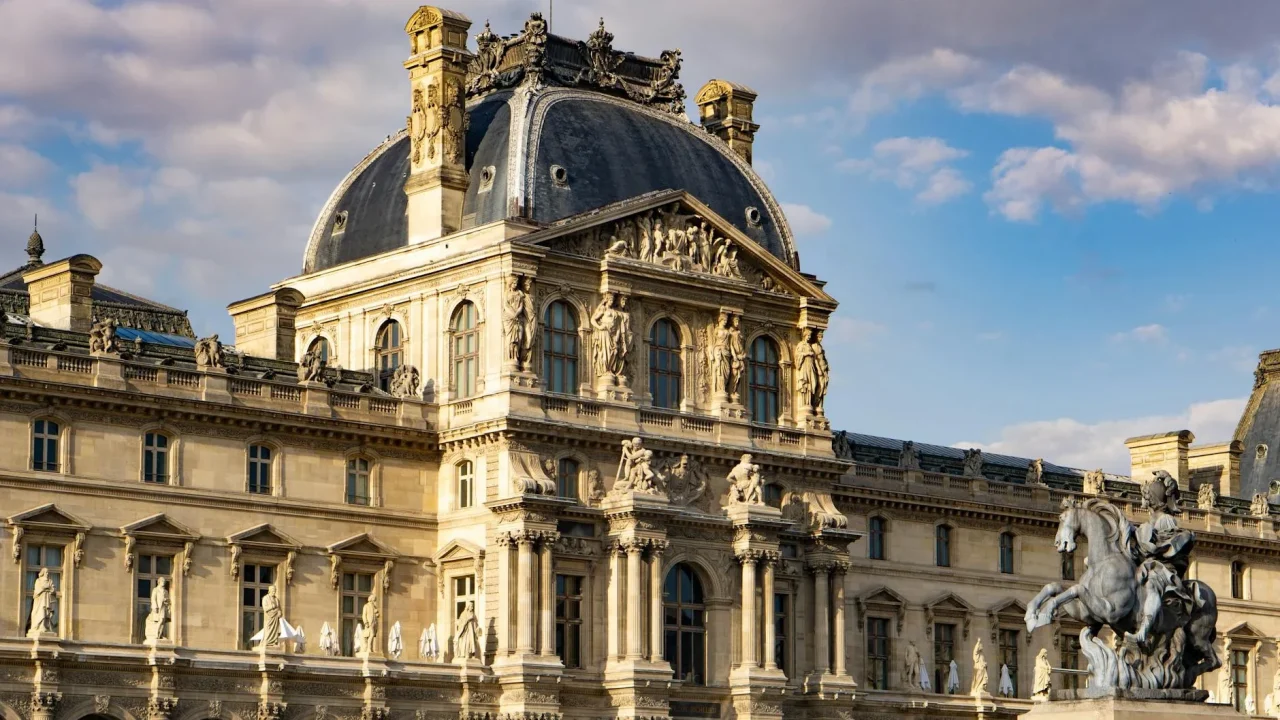
Europe is home to some of the world’s most iconic and historically significant art museums, each a treasure trove of human creativity. The Louvre Museum in Paris, France, for example, houses an unparalleled collection ranging from ancient Egyptian antiquities to masterpieces like the Mona Lisa. Its vast halls offer a journey through centuries of art and civilization.
Similarly, the Uffizi Gallery in Florence, Italy, is an essential pilgrimage for lovers of Renaissance art, featuring works by Botticelli, Michelangelo, and Leonardo da Vinci. Spain’s Prado Museum in Madrid boasts an incredible collection of Spanish masters, including Goya, Velázquez, and El Greco. These institutions not only preserve art but also embody the cultural spirit of their respective nations.
North America’s Diverse Collections
North American cities also offer a rich tapestry of artistic experiences through their diverse museums. The Metropolitan Museum of Art (The Met) in New York City is one of the largest and finest art museums in the world, with collections spanning global art from antiquity to the present. From Egyptian temples to European paintings and American decorative arts, its scope is immense.
Read Also : Best Places to Visit in [apc_current_year]: Your Ultimate Travel Guide
Further showcasing modern and contemporary art, the Museum of Modern Art (MoMA) in New York is another global powerhouse, featuring works by Picasso, Van Gogh, and Warhol. In Chicago, the Art Institute of Chicago is renowned for its Impressionist and Post-Impressionist holdings, along with significant collections of Asian art and American art. These institutions reflect the continent’s dynamic cultural landscape.
Asia and Beyond: Ancient to Modern Masterpieces
Beyond Europe and North America, cities across Asia, Oceania, and Africa also host magnificent institutions that are crucial for exploring artistic heritage. The Tokyo National Museum in Japan, for instance, is the largest art museum in Japan, focusing on Asian art, particularly Japanese art, from ancient times to the 19th century. Its extensive collection includes archaeological finds, Buddhist sculptures, and traditional textiles.
In Australia, the National Gallery of Australia in Canberra holds a comprehensive collection of Australian art, including Indigenous art, alongside significant international works. The National Museum of Korea in Seoul offers a deep dive into Korean history and art, from ancient artifacts to calligraphic masterpieces. These museums provide invaluable insights into the unique cultural narratives of their regions.
Decoding Art: Tips for Engaging with Collections

Planning Your Visit Strategically
Read Also : Historic Cities: Unlocking Their Compelling Stories
To truly appreciate the artistic heritage within museums and galleries, strategic planning is key. Begin by researching the institution’s collection online to identify specific artists, periods, or types of art that interest you most. Many large museums are impossible to see in one day, so prioritize your must-see items to avoid feeling overwhelmed.
Consider visiting during off-peak hours to enjoy a more relaxed experience, and check for special exhibitions or events that might align with your interests. Booking tickets in advance can save time and ensure entry, especially for popular attractions. A well-thought-out plan transforms a casual visit into a deeply enriching exploration.
Utilizing Audio Guides and Tours
Audio guides and guided tours are invaluable tools for enhancing your understanding and appreciation of artworks. Audio guides, often available for a small fee or via a museum’s app, provide detailed commentary on selected pieces, offering historical context, artistic techniques, and interpretations that you might otherwise miss. They allow for self-paced exploration with expert insights.
Guided tours, led by knowledgeable docents, offer a more interactive experience, allowing for questions and discussions. These tours often highlight key themes or connections between different works, providing a curated narrative that deepens your engagement with the collection. Don’t hesitate to leverage these resources to gain a richer perspective on the art you encounter.
Beyond the Masterpieces: Seeking Hidden Gems
Read Also : How to Start Planning a Trip: Your Ultimate Guide
While it’s tempting to rush to the most famous masterpieces, remember that many museums hold countless “hidden gems” that are equally compelling. Take time to wander through less crowded sections, explore smaller galleries, or pause before works that simply catch your eye, even if they aren’t prominently featured in guidebooks.
Often, these lesser-known pieces offer unexpected discoveries, reveal unique artistic voices, or provide fresh perspectives on familiar themes. Engaging with these works allows for a more personal and serendipitous encounter with art, enriching your overall experience of exploring the artistic heritage of cities through museums and galleries.
The Impact of Art on Urban Identity
Public Art and Street Galleries
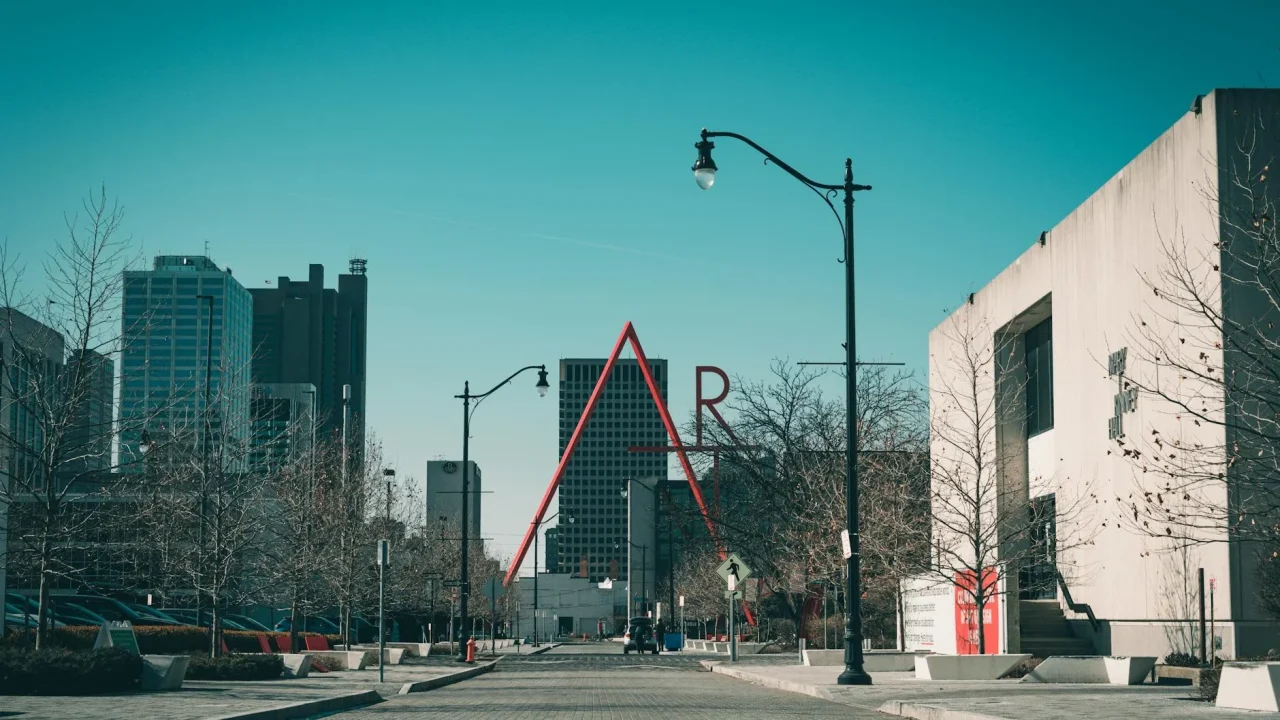
Beyond the confines of museums and galleries, public art plays a significant role in shaping a city’s identity and artistic heritage. Murals, sculptures, installations, and street art transform public spaces into open-air galleries, making art accessible to everyone. These works often reflect the social, political, and cultural narratives of the community, serving as visual landmarks and conversation starters.
Street art, in particular, has evolved from a subculture into a recognized art form, with cities like Berlin, Melbourne, and Bristol becoming famous for their vibrant streetscapes. These ephemeral yet impactful creations contribute to the dynamic character of urban environments, inviting residents and visitors alike to engage with art in their daily lives.
Read Also : Romantic Beautiful Destinations for Couples
Art Districts and Cultural Quarters
Many cities foster their artistic heritage by developing dedicated art districts or cultural quarters. Areas like Wynwood Walls in Miami, the Museum Quarter in Vienna, or Montmartre in Paris are hubs where galleries, artist studios, performance venues, and art-related businesses cluster together. These districts become magnets for creative energy, attracting artists, collectors, and art lovers.
These concentrated areas make it easier for visitors to immerse themselves in a city’s art scene, offering a synergistic experience where one can move seamlessly from one gallery to another, encounter artists at work, and participate in cultural events. They are vital for nurturing artistic communities and making art a central part of urban life.
Festivals and Temporary Exhibitions
Art festivals and temporary exhibitions are crucial for keeping a city’s artistic heritage vibrant and dynamic. Events like the Venice Biennale, Art Basel, or local art walks bring new energy and fresh perspectives to the art scene, showcasing both established and experimental works. These temporary installations and performances often engage with specific urban contexts, creating unique, site-specific experiences.
Such events draw international attention, fostering cultural exchange and boosting local economies. For residents, they offer opportunities to experience art in new and exciting ways, often outside traditional museum settings. By participating in these festivals, one can witness the living, breathing evolution of a city’s artistic identity.
Read Also : Affordable Beautiful Places to Visit: Your Budget Travel Guide
Challenges and Innovations in the Art World
Digitalization and Virtual Tours
The art world, like many sectors, faces challenges and embraces innovations, particularly in the digital age. One significant development is the digitalization of museum collections and the advent of virtual tours. Many institutions now offer high-resolution images of their artworks online, accompanied by detailed information, making their collections accessible to a global audience regardless of geographical limitations.
Virtual tours allow users to navigate museum spaces from their homes, explore exhibits, and even zoom in on intricate details of masterpieces. This innovation has democratized access to art, enabling individuals to engage with a city’s artistic heritage without needing to physically travel, thereby expanding the reach and impact of cultural institutions.
Conservation and Restoration Efforts
A perennial challenge for museums is the conservation and restoration of artworks. Preserving delicate artifacts and aging masterpieces requires specialized scientific knowledge, advanced techniques, and substantial resources. Conservators work tirelessly to protect art from decay, environmental damage, and the ravages of time, ensuring these treasures endure for future generations.
Read Also : Discover Europe's Most Beautiful Places | Travel Guide
Restoration projects, often complex and lengthy, aim to bring artworks back to their original splendor while respecting their historical integrity. These efforts are critical for maintaining the authenticity and aesthetic value of a city’s artistic heritage, allowing viewers to experience the works as closely as possible to their creators’ intentions.
Accessibility and Inclusivity Initiatives
Modern museums and galleries are increasingly focused on improving accessibility and inclusivity. This involves making physical spaces navigable for people with disabilities, offering multilingual resources, and developing programs that cater to diverse communities. The goal is to ensure that art is truly for everyone, breaking down barriers that might prevent individuals from engaging with cultural institutions.
Initiatives include sensory-friendly tours, workshops for different age groups, and collaborations with community organizations. By actively striving for greater inclusivity, museums and galleries reinforce their role as public spaces that serve the entire populace, enriching the lives of all citizens through art and culture.
Planning Your Artistic City Exploration
Researching Local Art Scenes
Before embarking on your artistic city exploration, thorough research into the local art scene is paramount. Beyond the major museums, look for smaller, independent galleries, artist-run spaces, and public art installations. Local tourism boards, art blogs, and community websites can provide valuable insights into current exhibitions, emerging artists, and unique cultural events.
Consider joining local art groups on social media or forums to get recommendations from residents. These often reveal hidden gems and less-traveled paths that offer a more authentic and intimate engagement with a city’s artistic pulse. A well-researched itinerary will ensure you capture the full spectrum of a city’s creative offerings.
Budgeting for Art Experiences
Exploring a city’s artistic heritage can involve various costs, so budgeting is an important step. While many public museums offer free admission or specific free days, private galleries and special exhibitions often have entry fees. Factor in transportation costs, guide fees, and potential expenses for souvenirs or art books.
Look for city passes that might include museum entries or discounts, and inquire about student or senior concessions if applicable. Prioritizing which institutions or events are most important to you can help manage expenses while maximizing your cultural experience. A thoughtful budget ensures that financial considerations don’t detract from your appreciation of art.
Connecting with Local Art Communities
To truly immerse yourself in a city’s artistic heritage, consider connecting with local art communities. Attending artist talks, opening receptions at galleries, or workshops can provide opportunities to meet local artists, curators, and fellow art enthusiasts. These interactions offer firsthand perspectives on the local art scene and its unique dynamics.
Many cities have vibrant art communities that welcome visitors. Engaging with them can lead to deeper insights, personalized recommendations, and a more profound connection to the city’s creative spirit. This human element often enriches the experience far beyond what any guidebook can offer, making your artistic journey truly memorable.
Conclusion
Exploring the artistic heritage of cities through museums and galleries is a profoundly enriching experience, offering a unique window into the human spirit. These institutions are more than just repositories of art; they are vibrant centers of learning, inspiration, and cultural exchange. From ancient masterpieces to cutting-edge contemporary works, they tell the story of human creativity across centuries and continents.
By engaging with these cultural treasures, we not only appreciate the beauty and skill of artists but also gain a deeper understanding of the societies that produced them. Whether you’re planning a trip to a renowned cultural capital or simply seeking to uncover the artistic gems in your own hometown, the journey through art promises discovery, reflection, and a broadened perspective.
Embrace the opportunity to wander through hallowed halls, gaze upon masterpieces, and discover emerging talents. Let the art guide you through the heart and soul of a city, revealing its history, values, and aspirations. The artistic heritage of our cities awaits your exploration, ready to inspire and transform.
FAQ
The best way to experience a city's artistic heritage is through a multi-faceted approach. Start by visiting its major museums and galleries to understand the historical context and iconic works. Then, explore smaller, independent galleries, public art installations, and local art districts to discover contemporary and emerging art. Engaging with local art communities or attending art festivals can also offer deeper insights.
Yes, many art museums and galleries are increasingly child-friendly. They often offer special programs, interactive exhibits, and family guides designed to engage younger audiences. Look for institutions with dedicated children's areas or workshops. Introducing children to art from a young age can foster creativity, critical thinking, and an appreciation for diverse cultures.
To find lesser-known art spots, try these methods:
- Consult local art blogs, community event listings, and alternative city guides.
- Ask locals for recommendations; gallery staff, café owners, or artists often have great tips.
- Explore specific art districts or neighborhoods known for their creative scene.
- Look for university art galleries or artist studios which often feature experimental work.
While often used interchangeably, there's a key distinction: a museum typically collects, preserves, researches, and exhibits artifacts and artworks for public education and historical record, often with a non-profit mission. A gallery, especially a commercial one, primarily exhibits and sells artworks, often focusing on contemporary pieces and living artists, acting as a bridge between artists and buyers.


Popular Posts


Embracing Spiritual Growth Through Travel and Exploration
Travel is more than just seeing new places; it's a profound journey into oneself. This article explores how embracing travel and exploration can significantly contribute to your spiritual growth, offering unique perspectives and transformative experiences.


2 thoughts on “Exploring City Art: Museums and Galleries Guide”