Explore Hidden Travel Destinations in Asia 2026
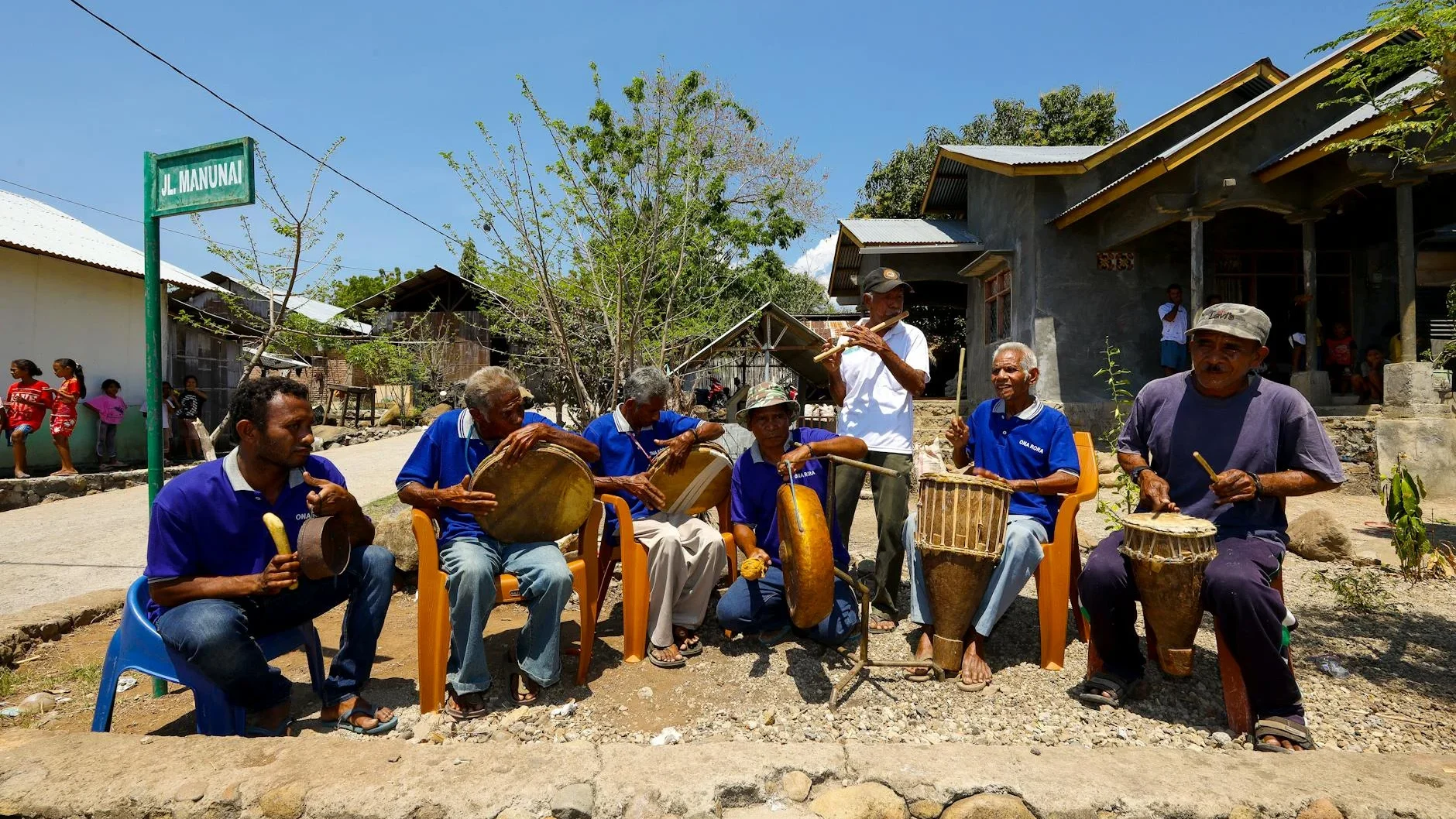
Asia, a continent of immense diversity, captivates travelers with its rich history, vibrant cultures, and stunning natural beauty. While popular spots like Bali, Tokyo, and Bangkok draw millions, a treasure trove of truly hidden travel destinations in Asia remains largely untouched, offering authentic experiences away from the bustling crowds.
For those seeking adventure, tranquility, or a deeper cultural connection, venturing beyond the mainstream offers unparalleled rewards. Imagine pristine beaches where your footprints are the only ones, ancient temples whispering forgotten stories, or remote villages welcoming you with genuine warmth. This article will guide you through some of Asia’s most captivating secret spots, providing practical insights to help you plan your next unforgettable journey.
Get ready to discover places that will redefine your perception of Asian travel, offering unique perspectives and memories that last a lifetime. Let’s embark on a journey to uncover these remarkable hidden gems.
Luang Prabang & Northern Laos: A Serene Escape
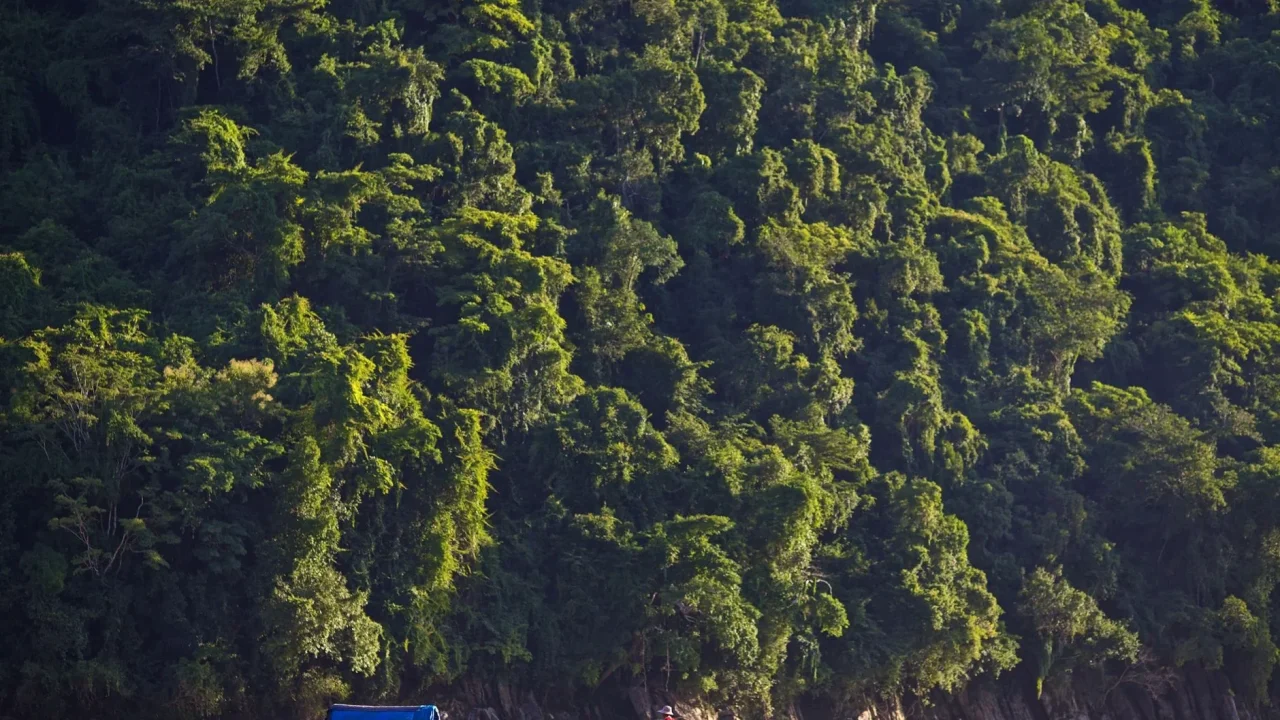
Luang Prabang, a UNESCO World Heritage site, is often considered a gateway to Laos, but its surrounding northern regions offer even deeper immersion into tranquil Laotian life. While the town itself is charming, the true hidden gems lie just beyond its immediate vicinity, accessible through river journeys or scenic drives.
This region is perfect for travelers seeking a slower pace, rich spiritual traditions, and breathtaking natural landscapes. It’s a place where time seems to slow down, allowing for genuine connection with the environment and its people.
Kuang Si Falls’ Secret Pools
Kuang Si Falls is a popular attraction near Luang Prabang, famous for its multi-tiered turquoise pools. However, most visitors stick to the main swimming areas. To find its hidden charm, venture further up the trails.
Beyond the well-trodden paths, you’ll discover smaller, secluded pools perfect for a private dip, surrounded by lush jungle. Early morning visits are key to experiencing the falls in quiet solitude, before the main crowds arrive. Look for unmarked trails that lead to these quieter spots, offering a more intimate connection with nature.
Nong Khiaw and Muang Ngoi Neua: Riverside Retreats
Further north from Luang Prabang, the riverside towns of Nong Khiaw and Muang Ngoi Neua offer a truly off-the-grid experience. Accessible by a scenic boat ride up the Nam Ou River, these villages are nestled amidst dramatic limestone karsts and rice paddies.
Here, you can enjoy trekking to remote villages, exploring caves, or simply relaxing in a hammock with stunning river views. Muang Ngoi Neua, in particular, has no roads, making it a peaceful haven for those who want to disconnect. The local guesthouses provide a simple, authentic stay, often powered by solar energy.
Pak Ou Caves and Mekong River Life
The Pak Ou Caves, filled with thousands of Buddha statues, are a significant spiritual site. While often visited, the journey there along the Mekong River offers a glimpse into authentic riverine life that few truly appreciate. Instead of a quick boat trip, consider a longer, slower journey, stopping at local villages along the way.
Read Also : Discover Beautiful Places in Asia to Visit | Travel Guide
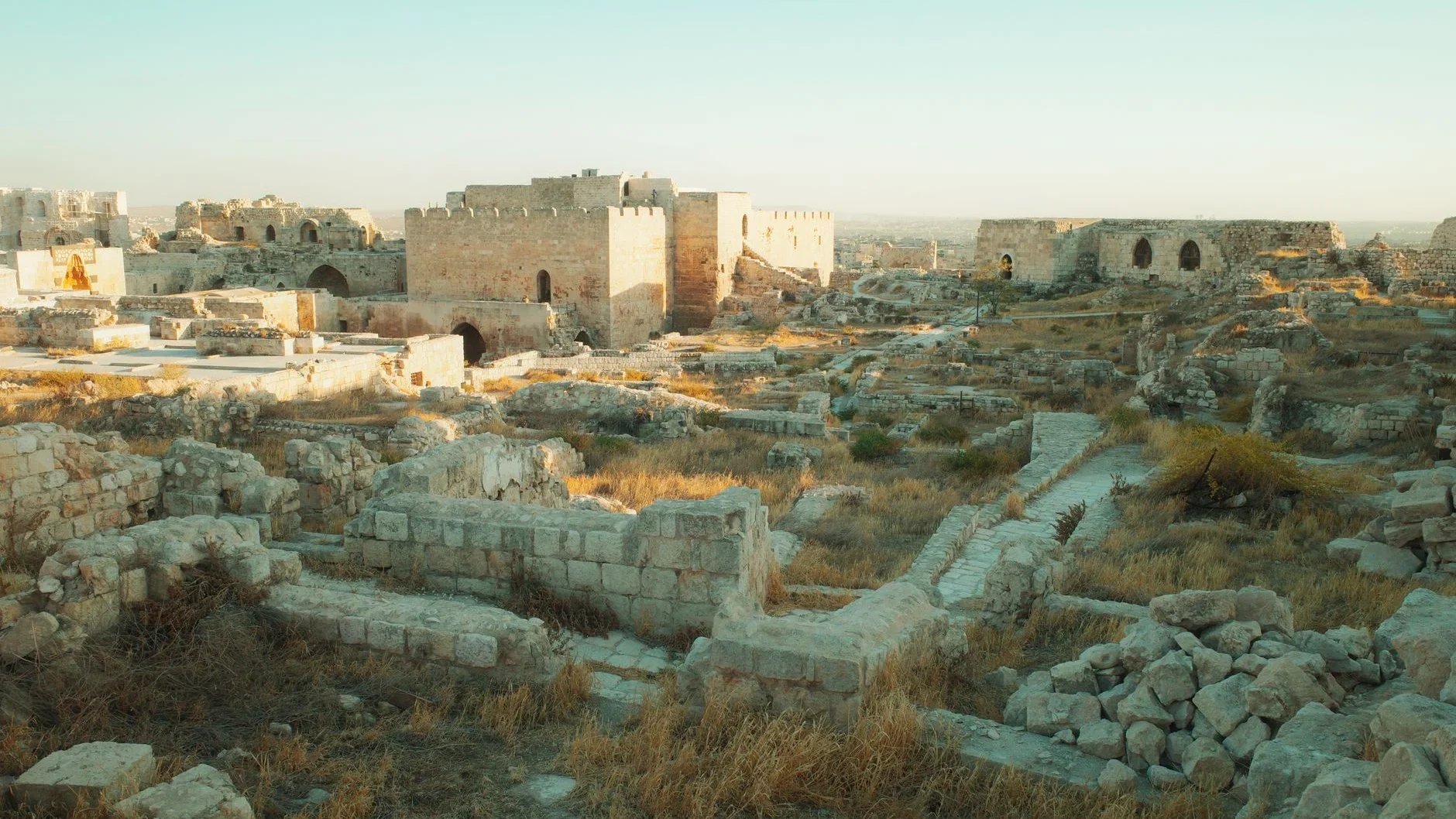
Observe fishermen, farmers, and children playing by the riverbanks, offering a window into the daily rhythm of Laos. These stops provide opportunities to engage with local communities and understand their way of life, making the journey as enriching as the destination itself.
Flores Island, Indonesia: Beyond Komodo
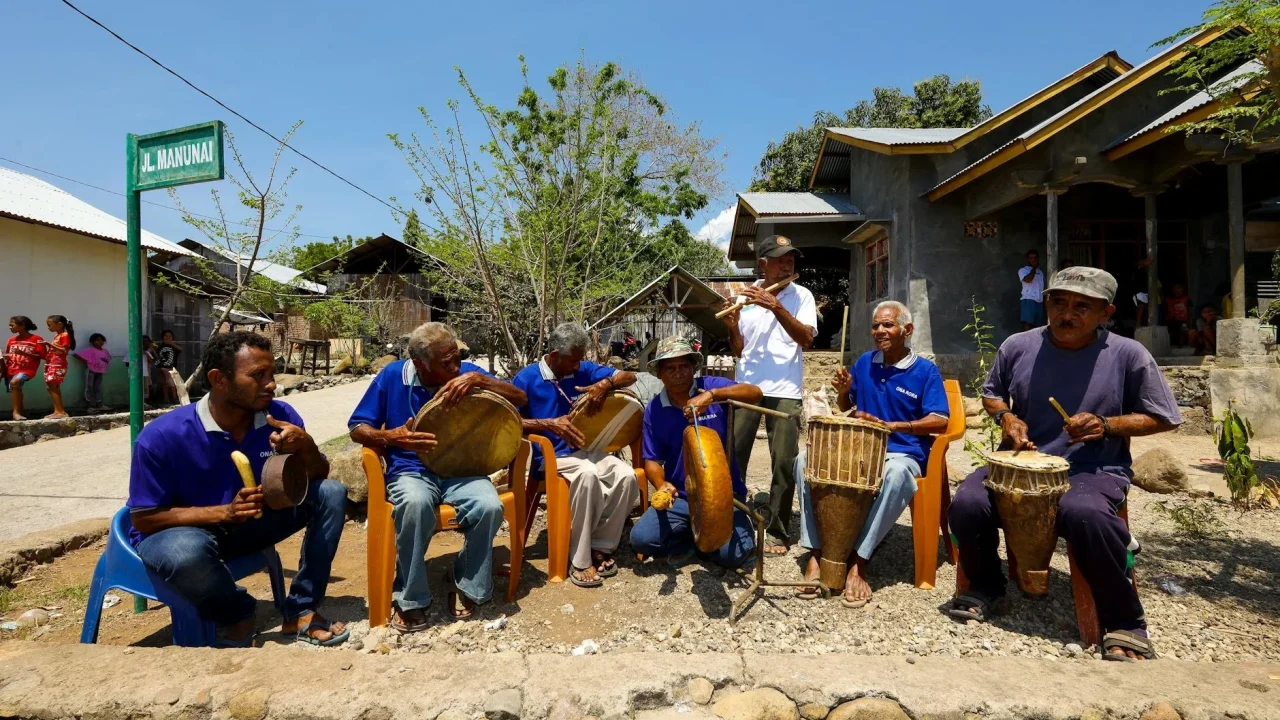
When people think of Indonesia, Bali often comes to mind. But for those seeking more rugged beauty and cultural depth, Flores Island stands out as one of the most compelling hidden travel destinations in Asia. While famous for its Komodo dragons, Flores offers so much more, from vibrant underwater worlds to ancient tribal villages and multi-colored volcanic lakes.
The island’s infrastructure is developing, but many parts remain wild and pristine, promising genuine adventure. It’s an ideal destination for travelers who appreciate nature, culture, and a bit of exploration.

Kelimutu’s Three-Colored Lakes
Mount Kelimutu is home to three stunning crater lakes that famously change color, often ranging from turquoise to green, red, or even black, due to volcanic gas activity. Witnessing these lakes at sunrise is a truly magical experience, offering panoramic views that are unlike anything else in the world.
While relatively known, many visitors rush the experience. Take your time to absorb the spiritual atmosphere and the breathtaking geological wonder. The drive to Kelimutu also passes through charming villages and lush coffee plantations, offering scenic stops.
Wae Rebo: A Traditional Manggaraian Village
Hidden deep within the mountains of central Flores, Wae Rebo is a traditional Manggaraian village renowned for its unique conical, communal houses called Mbaru Niang. Reaching Wae Rebo involves a challenging but rewarding trek through dense forest, culminating in a warm welcome from the villagers.

Staying overnight in one of the Mbaru Niang offers an unparalleled cultural immersion. You’ll share meals with the villagers, learn about their customs, and witness a way of life that has remained largely unchanged for centuries. It’s an experience that truly connects you with the heart of Flores.
Pink Beach and Lesser-Known Snorkeling Spots
While Komodo National Park attracts divers and dragon-seekers, many don’t venture beyond the main sites. The Pink Beach (Pantai Merah) on Komodo Island itself is a spectacular natural wonder, its sands tinted pink by microscopic organisms. It’s perfect for photography and snorkeling in crystal-clear waters.
Beyond the main Komodo and Rinca islands, numerous smaller, uninhabited islands and secluded bays offer incredible snorkeling and diving opportunities with vibrant coral reefs and abundant marine life. Hiring a local boat for a private tour allows you to discover these untouched underwater paradises.
The Ha Giang Loop, Vietnam: Mountainous Grandeur
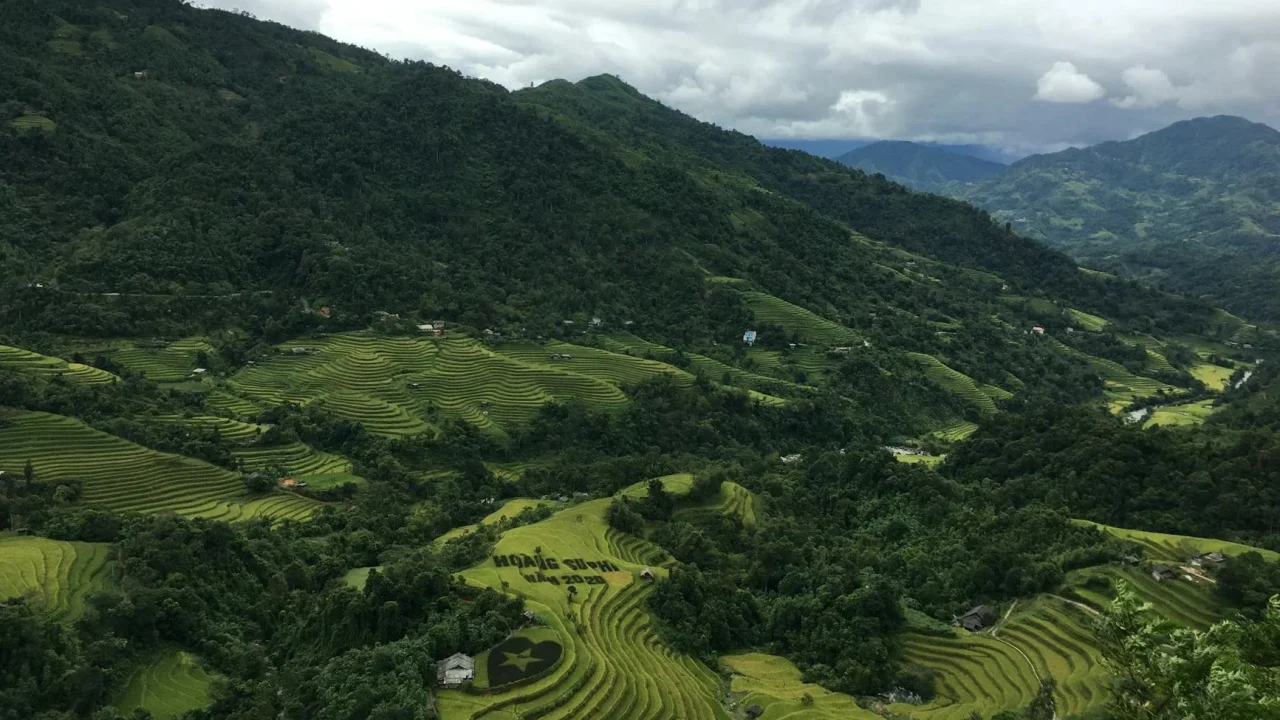
Vietnam is famous for its bustling cities and stunning coastlines, but the northern frontier, particularly the Ha Giang province, offers an entirely different kind of beauty. The Ha Giang Loop is a legendary motorcycle route through breathtaking karst landscapes, deep valleys, and remote ethnic minority villages, making it one of the most adventurous hidden travel destinations in Asia.
Read Also : inspiring Travel Tales That Will Ignite Your Wanderlust
This region provides a glimpse into a rugged, traditional Vietnam, far removed from the tourist crowds of Hanoi or Ha Long Bay. It’s a journey for the intrepid traveler seeking raw natural beauty and authentic cultural encounters.
Ma Pi Leng Pass: ‘King of Passes’
The Ma Pi Leng Pass is arguably the most spectacular section of the Ha Giang Loop, often referred to as the “King of Passes.” Carved into the side of towering mountains, the road offers dizzying views of the Nho Que River snaking through a deep canyon below.
Driving or riding along this pass is an exhilarating experience. Stop at various viewpoints to soak in the panoramic vistas, which are particularly stunning at sunrise or sunset. Consider a short trek down into the valley for a different perspective of this majestic landscape.
Dong Van Karst Plateau Geopark
The entire Ha Giang Loop traverses the Dong Van Karst Plateau Geopark, a UNESCO-recognized area of outstanding geological significance. This dramatic landscape is characterized by its unique limestone formations, ancient fossils, and terraced rice fields clinging to steep slopes.
Beyond the geological wonders, the Geopark is home to numerous ethnic minority groups, including the Hmong, Tay, and Dao people. Visiting local markets in towns like Dong Van or Meo Vac offers a vibrant insight into their daily lives and traditions, where you can find unique handicrafts and local produce.
Homestays in Remote Villages
One of the most rewarding aspects of the Ha Giang Loop is the opportunity to stay in homestays within ethnic minority villages. These experiences offer a genuine connection with local families, allowing you to learn about their customs, traditions, and cuisine firsthand.
Many homestays are simple but comfortable, providing a warm welcome and delicious home-cooked meals. It’s a chance to step away from modern comforts and truly immerse yourself in the local way of life, often sharing stories over a cup of rice wine.
Gokarna, India: Bohemian Beach Paradise
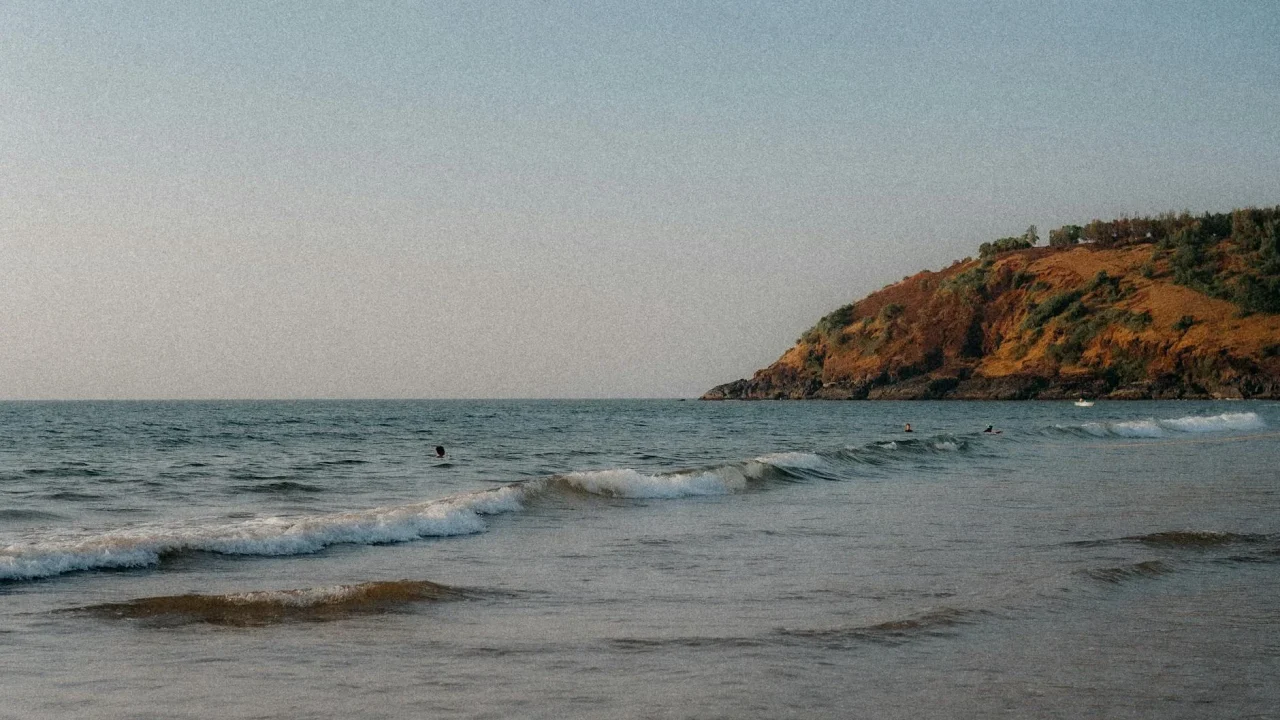
India is a land of sensory overload, from the bustling cities to the spiritual Ganges. While Goa has long been the go-to beach destination, its quieter neighbor, Gokarna, offers a more laid-back, spiritual, and truly hidden travel destination in Asia. This small temple town in Karnataka is a pilgrimage site that has also become a haven for backpackers and peace-seekers.
Gokarna provides a refreshing alternative to the party scene, with pristine beaches, lush greenery, and a relaxed, bohemian vibe. It’s a perfect spot for introspection, yoga, and enjoying the simple pleasures of coastal life.
Om Beach and Half Moon Beach
Gokarna is famous for its uniquely shaped Om Beach, which naturally forms the auspicious Om symbol. This beach is a popular spot for relaxing, swimming, and enjoying stunning sunsets. Beyond Om Beach, a short trek or boat ride will lead you to Half Moon Beach, an even more secluded cove.
Read Also : Unique & Beautiful Travel Experiences | Unforgettable Journeys
Half Moon Beach offers a tranquil escape, often with fewer crowds and a more intimate atmosphere. Both beaches provide opportunities for simple beach shacks serving fresh seafood and local delicacies. The trek between them offers scenic coastal views.
Paradise Beach: The Ultimate Seclusion
For the ultimate secluded experience, Paradise Beach is a must-visit. Accessible only by boat or a challenging trek through the jungle, this pristine stretch of white sand feels like a true escape from civilization. There are no permanent structures, only the occasional pop-up food stall during peak season.
Pack essentials, including water and snacks, and prepare to truly disconnect. The journey to Paradise Beach is part of its allure, rewarding you with untouched beauty and a sense of discovery. It’s an ideal spot for sunbathing, swimming, and enjoying pure tranquility.
Mahabaleshwar Temple and Local Culture
Gokarna is primarily a Hindu pilgrimage town, centered around the ancient Mahabaleshwar Temple dedicated to Lord Shiva. Exploring the temple and observing the daily rituals offers a fascinating insight into local spiritual life. The town itself has a charming, rustic appeal with narrow lanes and traditional houses.
Beyond the beaches, take time to wander through the town, visit local markets, and sample authentic South Indian cuisine. The blend of spiritual heritage and natural beauty makes Gokarna a unique and enriching experience.
Jeju Island’s Hidden Trails, South Korea: Volcanic Wonders
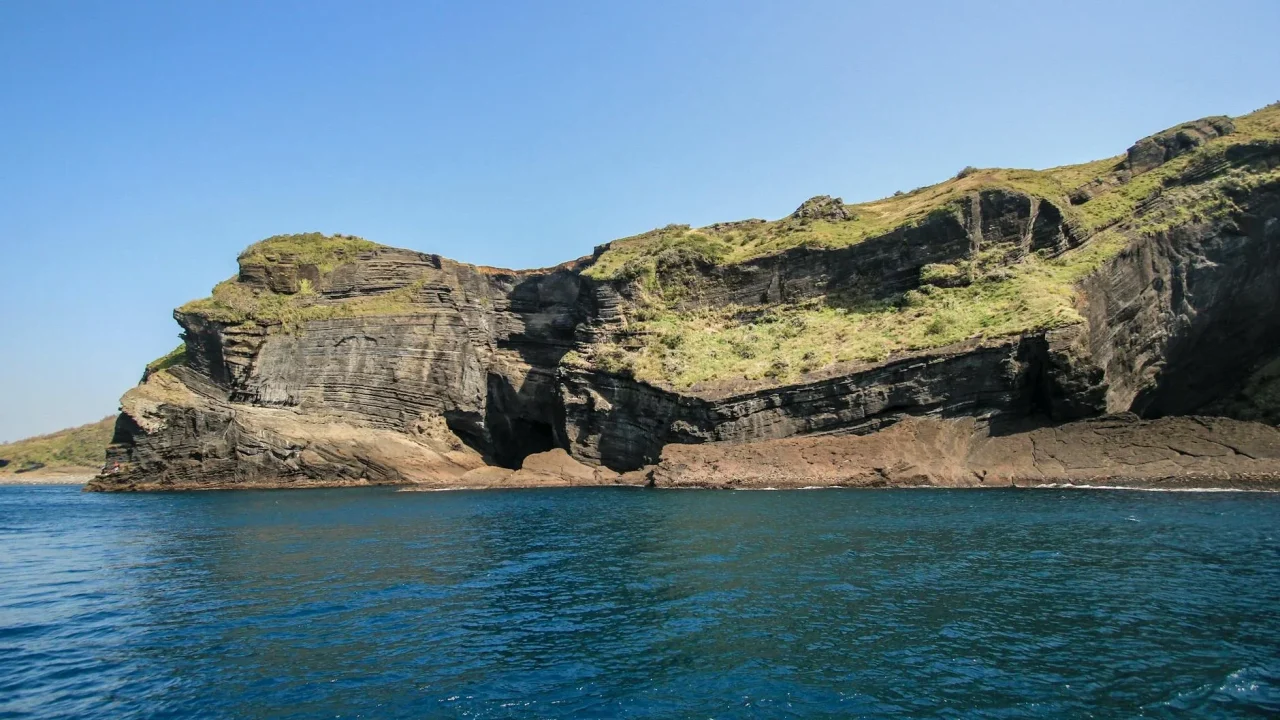
While Jeju Island is a popular domestic destination in South Korea, many visitors stick to the well-known attractions. However, for those willing to venture beyond the tourist buses, Jeju offers an abundance of truly hidden travel destinations in Asia, from secret beaches to ancient forests and unique volcanic formations.
Its designation as a UNESCO World Heritage site for its volcanic landscapes and lava tube system is well-deserved, but the island’s quieter corners reveal its true magic. Jeju is perfect for nature lovers and hikers seeking serene beauty.
Seongsan Ilchulbong’s Quieter Sides
Seongsan Ilchulbong, or “Sunrise Peak,” is an iconic volcanic crater and a UNESCO site. While popular for its sunrise views, many tourists only climb the main path to the rim. To find quieter spots, explore the coastal walking trails around its base.
These less-traveled paths offer different perspectives of the peak, the ocean, and the surrounding volcanic terrain. You might encounter local fishermen or find secluded coves perfect for peaceful contemplation, away from the main viewing platforms.
Gotjawal Forest: A Unique Ecosystem
Jeju’s Gotjawal Forest is a unique, rocky forest formed by volcanic eruptions, creating a diverse ecosystem where northern and southern limit plants coexist. Often referred to as the “lungs of Jeju,” it’s a vital natural reserve and offers tranquil walking trails.
Read Also : Hidden Gems for Unforgettable Weekend Adventures 2026
Unlike manicured parks, Gotjawal provides a wild, untouched feel. Explore trails like the Dongbaekdongsan Gotjawal or the Hwansang Forest Gotjawal Park for a serene walk amidst ancient trees, moss-covered rocks, and unique flora and fauna. It’s a perfect escape for nature enthusiasts.
Chagwido Island and Secluded Beaches
While Jeju has many beautiful beaches, some remain relatively unknown to international visitors. Chagwido Island, a small uninhabited island off the west coast, is a popular spot for fishing among locals but offers stunning geological formations and clear waters.
Seek out lesser-known beaches like Hamdeok Seoubong Beach (beyond its main crowded section) or take a drive along the coastal roads to discover hidden coves and black sand beaches. These spots offer peace and quiet, ideal for relaxing or enjoying the island’s natural beauty without the crowds.
Taiwan’s East Coast: Majestic Landscapes and Indigenous Culture
Taiwan is often celebrated for its vibrant cities like Taipei and its delicious street food. However, the island’s rugged east coast is a world apart, offering some of the most spectacular and hidden travel destinations in Asia. This region is characterized by dramatic cliffs, pristine beaches, and a rich indigenous heritage, often overlooked by those who stick to the west.
It’s a perfect destination for road trippers, hikers, and anyone interested in Taiwan’s natural beauty and diverse cultural tapestry. The slower pace of life here provides a refreshing contrast to the urban bustle.
Taroko Gorge’s Lesser-Known Trails
Taroko Gorge is Taiwan’s most famous natural wonder, with its marble-walled canyons and turquoise rivers. While popular, many visitors stick to the main viewpoints and easily accessible trails. For a more profound experience, seek out the park’s lesser-known hiking paths.
Trails like the Zhuilu Old Trail (requires a permit and is challenging) or parts of the Shakadang Trail (beyond the initial paved section) offer incredible views and a sense of solitude. These paths delve deeper into the gorge’s raw beauty, away from the tour groups, revealing hidden waterfalls and ancient forests.
Sanxiantai and the Dragon Bridge
Further south along the east coast in Taitung County, Sanxiantai is a captivating geological formation consisting of a small offshore island connected to the mainland by a distinctive arched pedestrian bridge resembling a dragon. While visually stunning, it’s often less crowded than major tourist sites.
Walk across the “Dragon Bridge” to explore the island’s unique rock formations and tide pools. The area is also known for its beautiful sunrises, offering a serene start to the day. It’s a fantastic spot for photography and enjoying the rugged coastline.
Indigenous Villages and Cultural Experiences
Taiwan’s east coast is home to several indigenous tribes, each with its unique culture, language, and traditions. Visiting indigenous villages, particularly in the Hualien and Taitung areas, offers a rich cultural immersion that is truly unique to Taiwan.
Read Also : Explore Top Tropical Destinations for Your Next Escape
Explore places like the Amis Folk Center or participate in cultural workshops to learn about traditional crafts, music, and dance. Many villages offer homestay opportunities, allowing you to connect directly with the local community and experience their way of life firsthand. These interactions provide a deeper understanding of Taiwan’s diverse heritage.
Koh Lanta’s Southern Beaches, Thailand: Peaceful Island Life
Thailand is synonymous with stunning islands, but many, like Phuket and Koh Phi Phi, have become overly commercialized. For those seeking the idyllic Thai island experience without the relentless crowds, Koh Lanta, particularly its southern reaches, remains one of the more serene hidden travel destinations in Asia.
This long, narrow island offers a blend of natural beauty, laid-back charm, and genuine Thai hospitality. It’s an ideal spot for families, couples, or solo travelers looking for relaxation and a slower pace of life.
Kantiang Bay and Nui Bay
While the northern beaches of Koh Lanta are more developed, heading south reveals pristine coves and quieter sands. Kantiang Bay is a picturesque crescent of white sand backed by lush hills, offering a perfect balance of amenities and tranquility. It’s often considered one of Thailand’s most beautiful beaches.
Even further south, Nui Bay is a smaller, more secluded beach, accessible via a short hike or scooter ride. With fewer resorts and beach bars, it provides a truly peaceful escape, perfect for sunbathing, swimming, and enjoying the natural surroundings.
Mu Koh Lanta National Park and Lighthouse
At the very southern tip of Koh Lanta lies Mu Koh Lanta National Park, encompassing rugged cliffs, pristine beaches, and dense rainforest. The park’s iconic lighthouse, perched on a cliff edge, offers spectacular panoramic views of the Andaman Sea and the surrounding islands.
Within the park, you can explore hiking trails through the jungle, spot monkeys, and relax on the secluded beaches. Snorkeling and diving trips often depart from here to nearby islands, offering chances to explore vibrant coral reefs away from the main tourist routes.
Traditional Fishing Villages and Local Markets
Beyond the beaches, Koh Lanta retains its authentic Thai charm in its traditional fishing villages, particularly on the eastern side of the island. Ban Koh Lanta, the old town, is a picturesque village with wooden stilt houses, local shops, and a relaxed atmosphere.
Wander through the old town, sample fresh seafood at riverside restaurants, and browse unique handicrafts. Visiting the local markets, especially the Sunday Walking Street, provides a glimpse into island life and an opportunity to taste authentic Thai street food and fresh produce.
Conclusion
Asia is a continent of endless discovery, and for those willing to look beyond the guidebooks, a world of unforgettable experiences awaits. From the serene mountains of Laos and Vietnam to the pristine beaches of India and Thailand, and the unique volcanic landscapes of Indonesia and South Korea, these hidden travel destinations in Asia offer a chance to connect with cultures and nature in a profoundly authentic way.
Read Also : Discover Hidden Travel Destinations for Your Next Adventure
Venturing off the beaten path requires a spirit of adventure and a willingness to embrace the unexpected. However, the rewards are immense: genuine interactions with locals, breathtaking sights devoid of crowds, and a deeper appreciation for the world’s diverse beauty. Remember to travel responsibly, respecting local customs and environments, to preserve these precious gems for future generations.
So, pack your bags, leave your expectations behind, and prepare to uncover the magic of Asia’s best-kept secrets. Your next extraordinary adventure is just waiting to be discovered.
FAQ
Visiting hidden travel destinations in Asia offers numerous benefits, including more authentic cultural experiences, fewer crowds, lower costs, and the opportunity to support local economies directly. You'll often find pristine natural environments and a deeper sense of discovery and adventure.
To find hidden gems, research beyond popular travel blogs and mainstream guides. Look for local travel forums, ask for recommendations from people who have lived in the region, and explore maps for smaller towns or natural parks away from major cities. Flexibility in your itinerary also helps.
Generally, it is safe, but it's crucial to research the specific destination's current conditions and local advisories. Always practice standard safety precautions: inform someone of your itinerary, be aware of your surroundings, and respect local customs. Having travel insurance is also highly recommended.
Pack light and versatile clothing, comfortable walking shoes, a basic first-aid kit, insect repellent, and any necessary prescription medications. A portable power bank, a water filter bottle, and a good map (downloaded offline) are also very useful. Be prepared for varying weather conditions.
To travel responsibly, support local businesses by staying in locally-owned guesthouses and eating at local restaurants. Minimize your environmental impact by reducing waste, conserving water, and respecting wildlife. Engage with local communities respectfully, learn a few basic phrases, and be mindful of cultural norms and traditions.

Popular Posts


Embracing Spiritual Growth Through Travel and Exploration
Travel is more than just seeing new places; it's a profound journey into oneself. This article explores how embracing travel and exploration can significantly contribute to your spiritual growth, offering unique perspectives and transformative experiences.


2 thoughts on “Explore Hidden Travel Destinations in Asia 2026”