Travel Budgeting Guide: Plan Your Dream Trip Affordably
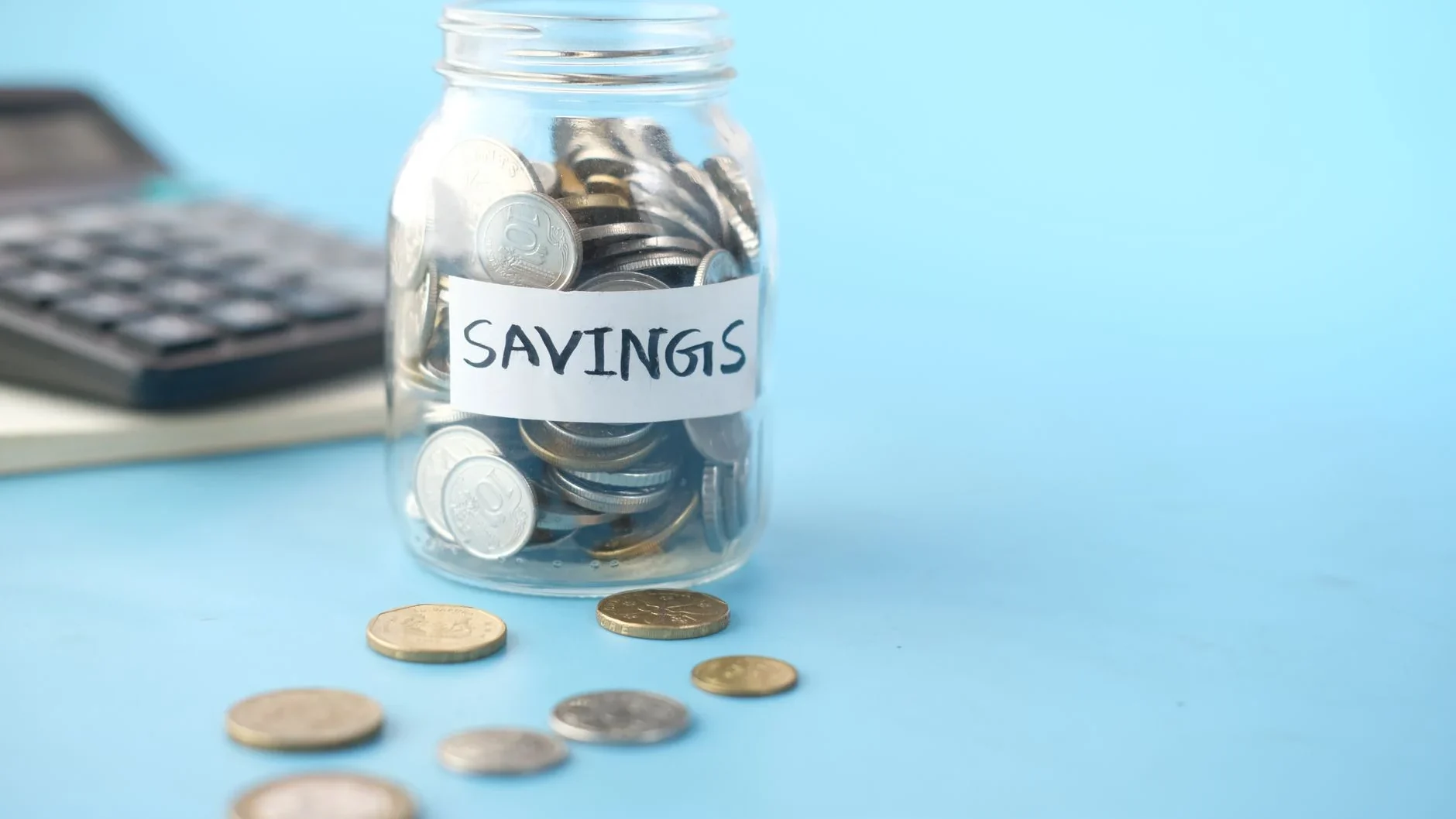
Embarking on a journey to explore new destinations is an exhilarating prospect, but the thought of managing finances while traveling can often feel daunting. Many aspiring adventurers postpone or even abandon their travel dreams due to perceived costs, fearing they might overspend or run out of money mid-trip. However, with careful planning and a strategic approach, anyone can achieve their travel aspirations without breaking the bank.
Effective travel budgeting is not about deprivation; it’s about smart choices that allow you to maximize your experiences while staying within your financial comfort zone. It empowers you to make informed decisions, prioritize what truly matters, and ultimately enjoy a stress-free vacation. This comprehensive guide will walk you through systematic steps, offering practical tips and concrete examples to help you master the art of budgeting for your next adventure in 2026.
Understanding Your Travel Style and Priorities

Before you even begin to allocate funds, it’s crucial to understand the kind of traveler you are and what you genuinely want from your trip. This foundational step dictates many of your subsequent budgeting decisions, from accommodation choices to daily activities.
Defining Your Destination and Duration
The first concrete step in any travel plan is deciding where you want to go and how long you plan to stay. A two-week backpacking trip through Southeast Asia will have a vastly different budget than a weekend city break in Paris or a month-long road trip across your home country. Researching the cost of living and typical tourist expenses in your chosen destination is paramount at this stage.

For example, if you’re considering a trip to Tokyo, you’d research average costs for transport (e.g., Japan Rail Pass), accommodation (e.g., capsule hotels vs. traditional hotels), and food (e.g., convenience store meals vs. high-end restaurants). A clear destination and duration provide the initial framework for your entire budget.
Identifying Must-Haves vs. Nice-to-Haves
Every traveler has different priorities. For some, a comfortable bed and private bathroom are non-negotiable, while others prefer hostels to save money. Some travelers prioritize unique culinary experiences, while others are content with budget-friendly street food. Take a moment to list what aspects of your trip are absolutely essential for your enjoyment versus what would be a pleasant bonus.
Consider this: Is experiencing a specific guided tour a must-have, or would exploring a city on foot be just as fulfilling? Is dining at a Michelin-star restaurant a priority, or would you rather spend that money on an extra day of travel? Differentiating between these helps you allocate your funds more effectively and avoid unnecessary expenses that don’t align with your core travel goals.

Assessing Your Current Financial Situation
Before you commit to a trip, take an honest look at your current savings, income, and fixed expenses. This assessment will help you determine how much you can realistically save and spend without jeopardizing your financial stability. Calculate how much disposable income you have each month that can be dedicated to your travel fund.
Create a simple spreadsheet or use a budgeting app to track your income and expenses for a few months. This practice reveals where your money is currently going and identifies potential areas where you can cut back to boost your travel savings. Understanding your financial baseline is the bedrock of a successful travel budgeting strategy.
Researching Potential Costs
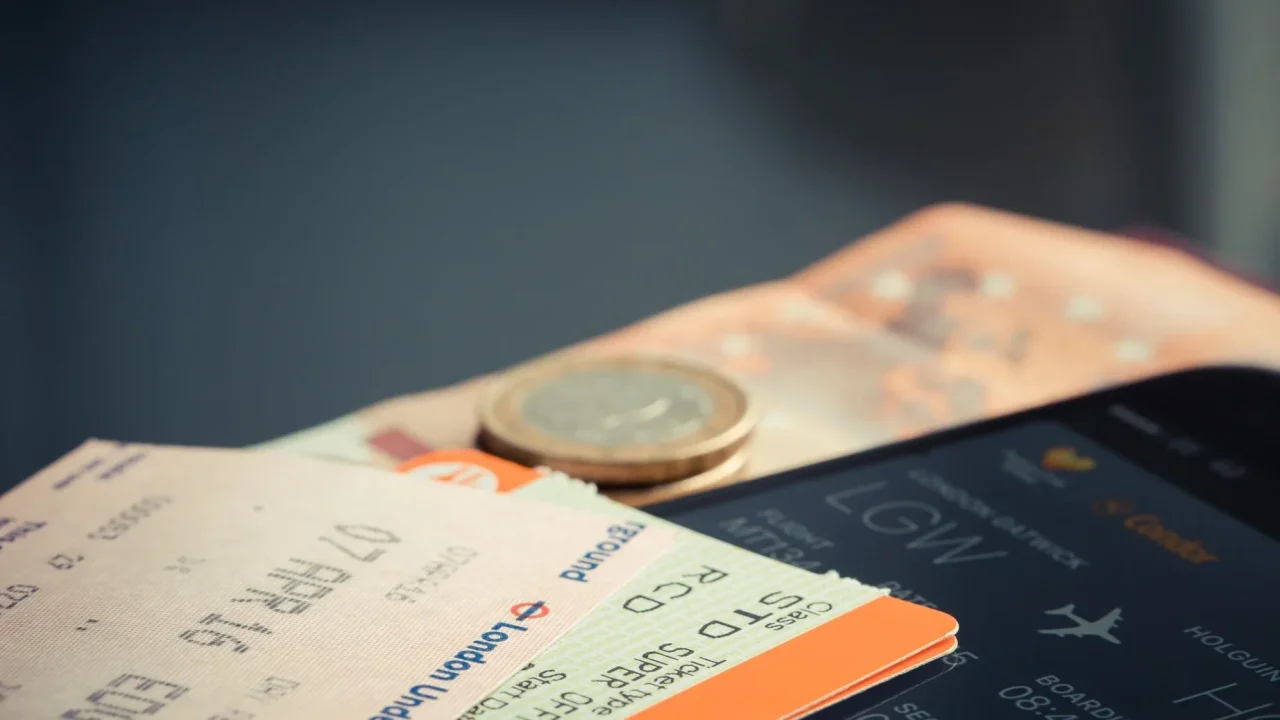
Once you have a clear idea of your travel style and destination, the next crucial step is to dive deep into researching the specific costs involved. This detailed investigation will transform abstract ideas into concrete numbers, forming the backbone of your budget.
Read Also : Savvy Money Management: Essential Travel Tips & Tricks

Transportation Expenses
This category encompasses everything from flights and trains to local buses and taxis. For international travel, flights are often the largest single expense. Start by using flight comparison websites (e.g., Skyscanner, Google Flights) to estimate airfare, considering different dates and airports. Don’t forget to factor in luggage fees, seat selection costs, and potential airport transfers.
If you’re planning a road trip, estimate fuel costs, potential tolls, and car rental fees if you don’t own a suitable vehicle. For city travel, research public transport passes (e.g., metro cards, bus passes) or ride-sharing costs. Always compare options to find the most cost-effective yet convenient mode of transport for your journey.
Accommodation Costs
Accommodation can vary wildly depending on your chosen destination and comfort level. Research average prices for hotels, hostels, Airbnb rentals, guesthouses, or even camping. Consider booking in advance, especially during peak seasons, as prices tend to rise closer to the travel date. Websites like Booking.com, Agoda, or Hostelworld are great resources.
Think about location: staying slightly outside the city center might offer cheaper rates but could increase your transport costs and travel time. Factor in amenities like breakfast included, which can save you money on daily meals. Remember, a clean, safe, and conveniently located place is often more important than a luxurious one for budget travelers.
Food and Drink Estimates
Eating is a significant part of any trip, and costs can accumulate quickly. Research average meal prices for different types of establishments in your destination. Will you mostly eat out at restaurants, rely on street food, or cook some of your meals?
A good rule of thumb is to budget for at least three meals a day, plus snacks and drinks. For example, in a city like Rome, a sit-down restaurant meal might cost €20-€40, while a slice of pizza and a drink could be €5-€10. Consider grocery shopping for breakfast and some lunches, packing snacks, and carrying a reusable water bottle to save money.

Activity and Entertainment Budgets
What do you plan to do once you arrive? This category includes entrance fees for museums, historical sites, national parks, tours, performances, and any other experiences. Prioritize which activities are most important to you and research their individual costs.
Look for city passes that bundle attractions at a discounted rate, or seek out free activities like walking tours, parks, or public art installations. Many cities offer free museum days or evenings. Always check official websites for current prices and potential student or senior discounts.
Miscellaneous and Emergency Funds
It’s easy to overlook smaller costs that add up, such as travel insurance, visa fees, international SIM cards, souvenirs, toiletries, and unexpected purchases. Always allocate a buffer for these miscellaneous items. Furthermore, a dedicated emergency fund is non-negotiable.
This fund should cover unforeseen circumstances like medical emergencies, lost luggage, flight cancellations, or needing to extend your stay. A common recommendation is to set aside 10-15% of your total estimated budget for emergencies. This ensures peace of mind and prevents financial stress if things don’t go exactly as planned.
Read Also : Beginner Travel Hacking Guide: Fly Free & Save Big
Setting Realistic Budget Goals
With your research complete, it’s time to consolidate all the information and set clear, achievable financial goals for your trip. This involves synthesizing your potential costs into a tangible budget that you can follow.
Calculating Your Total Trip Cost
Add up all your estimated expenses from the previous research phase: flights, accommodation, food, activities, transportation, and your emergency fund. This sum represents your total estimated trip cost. Be honest and thorough in this calculation. It’s always better to slightly overestimate than to underestimate and run short.
For instance, if your flight is $800, accommodation $700, food $500, activities $300, local transport $100, and you add a $240 emergency buffer (10% of $2400), your total trip cost would be $2640. Seeing this number gives you a concrete target to save towards.
Determining Your Daily Spending Limit
Once you have your total trip cost, subtract your fixed expenses (flights, pre-booked accommodation, major tours). The remaining amount is what you have left for daily variable expenses like food, local transport, minor activities, and incidentals. Divide this remaining sum by the number of days you’ll be traveling to get your average daily spending limit.
For example, if your total variable expenses are $1000 for a 10-day trip, your daily spending limit would be $100. This daily limit is a practical guide that helps you make conscious spending decisions on the go. It allows you to adjust your spending if you splurge one day, knowing you’ll need to be more frugal the next.
Allocating Funds for Different Categories
While a daily limit is helpful, it’s also beneficial to break down your budget into specific categories. Create a detailed spreadsheet or use a budgeting app to list categories such as: “Accommodation,” “Food,” “Activities,” “Local Transport,” “Shopping/Souvenirs,” and “Miscellaneous.” Assign a specific amount to each category based on your research and priorities.
This categorical breakdown helps you see where your money is going and allows for flexibility. If you find a great deal on a flight, you might reallocate some of those savings to an extra activity or a nicer meal. Conversely, if one category is over budget, you know exactly where to cut back. This systematic approach is key to effective travel budgeting.
Smart Saving Strategies Before You Go

Once you have your budget goals, the next step is to actively implement strategies to save the necessary funds. This phase is about discipline and making conscious choices in your daily life to contribute to your travel dream.
Creating a Dedicated Travel Savings Account
One of the most effective ways to save for travel is to open a separate, dedicated savings account. This physical separation prevents you from accidentally dipping into your travel fund for everyday expenses. Set up automatic transfers from your checking account to your travel savings account immediately after you get paid.
Even small, consistent contributions add up significantly over time. Seeing your travel fund grow in a separate account provides motivation and a clear visual representation of your progress towards your goal. This simple step can dramatically improve your saving success.
Read Also : Hidden Gems for Unforgettable Weekend Adventures 2026
Cutting Down on Daily Expenses
Review your regular monthly expenses and identify areas where you can temporarily cut back. This might involve reducing dining out, brewing coffee at home instead of buying it, canceling unused subscriptions, or finding cheaper alternatives for entertainment. Every dollar saved from daily expenses can be diverted to your travel fund.
For example, if you typically spend $150 a month on takeout coffee and lunch, reducing that by half can put an extra $75 into your travel budget each month. These small adjustments, often referred to as “micro-savings,” can accumulate into substantial amounts over several months leading up to your trip.
Exploring Side Hustles or Extra Income
If you need to boost your savings more quickly, consider taking on a temporary side hustle. This could involve freelancing, dog walking, babysitting, selling unused items online, or picking up extra shifts at work. Any additional income earned can go directly into your travel fund, accelerating your progress.
Think about skills you possess that could be monetized. For instance, if you’re good at writing, offer freelance content creation. If you have a knack for design, create logos or social media graphics. These extra efforts can significantly shorten the time it takes to reach your savings target.
Utilizing Travel Rewards and Credit Cards Wisely
If you have good credit, consider applying for a travel rewards credit card that offers a sign-up bonus in points or miles. Use it responsibly for your everyday expenses, paying off the full balance each month to avoid interest. These points can be redeemed for flights or hotel stays, significantly reducing your upfront costs.
Always research the terms and conditions carefully, including annual fees and redemption options. Never spend more than you can afford to pay back, as interest charges will quickly negate any benefits. Used strategically, travel rewards can be a powerful tool in your travel budgeting arsenal.
Booking Smart: Flights, Accommodation, and Activities

The booking phase is where your research and saving efforts come to fruition. Making smart choices here can lead to significant savings, freeing up more of your budget for experiences during your trip.
Finding Affordable Flights
Flights are often the biggest single expense, so finding a good deal is paramount. Be flexible with your travel dates if possible, as flying mid-week or during the off-season can lead to substantial savings. Use flight comparison sites and set up price alerts to be notified when fares drop. Consider flying into alternative airports that might be slightly further from your destination but offer cheaper routes.
For example, flying into a smaller airport near London, like Luton or Stansted, might be cheaper than Heathrow, even with the added cost of a train into the city. Also, consider budget airlines for shorter flights, but always factor in their additional fees for luggage, seat selection, and food.
Securing Budget-Friendly Accommodation
Book your accommodation well in advance, especially for popular destinations or peak travel times. Explore various options beyond traditional hotels, such as hostels (private rooms are often available), guesthouses, vacation rentals (Airbnb, Vrbo), or even house-sitting opportunities. Many platforms offer filters to sort by price, amenities, and location.
Read Also : Smart Travel Saving Tips for Your Next Adventure
Look for places that offer free cancellation, allowing you to rebook if you find a better deal. Consider loyalty programs if you frequently stay with a particular hotel chain. Staying in accommodation with kitchen access can also save a lot on food costs.
Pre-Booking Activities and Tours
While spontaneity is fun, pre-booking certain activities, especially popular ones, can save you money and guarantee your spot. Many attractions offer online discounts or combined tickets that are cheaper than buying individually at the gate. Research city passes or tourist cards that include multiple attractions and public transport.
For example, a Paris Pass or London Pass might seem expensive upfront, but if you plan to visit many included attractions, the savings can be significant. Always read reviews and compare prices from different tour operators before committing. This proactive approach ensures you get the best value for your money.
Managing Your Money While Traveling
Your travel budgeting efforts don’t stop once you’ve booked everything and arrived at your destination. Active management of your finances while on the go is crucial to avoid overspending and stay within your planned budget.
Tracking Expenses Religiously
This is perhaps the most critical step while traveling. Use a budgeting app (like Wallet, Mint, or even a simple spreadsheet on your phone) or a small notebook to record every single expense, no matter how small. Categorize your spending (food, transport, activities, souvenirs) to see exactly where your money is going.
Tracking helps you stay aware of your daily spending limit and allows you to adjust if you’re getting close to exceeding it. For instance, if you spent more on a fancy dinner one night, you know to opt for street food or a picnic the next day. This constant awareness is key to preventing budget blowouts.
Using Local Currency and Exchange Rates
Familiarize yourself with the local currency and its exchange rate against your home currency before you arrive. Use a reliable currency converter app to quickly check prices in your home currency. This helps you understand the true cost of items and avoid mental math errors that can lead to overspending.
For example, knowing that 1 USD equals approximately 150 JPY helps you quickly gauge that a 1500 JPY meal is roughly $10. Be wary of unfavorable exchange rates offered at airports or tourist traps; research better options before converting large sums.
Avoiding ATM and Foreign Transaction Fees
Banking fees can quickly erode your budget. Research your bank’s policies on international ATM withdrawals and foreign transaction fees. Many banks charge a percentage or a flat fee for using foreign ATMs, plus the local ATM might also charge a fee. Consider opening an account with a bank that offers fee-free international withdrawals, or use a travel-friendly credit card with no foreign transaction fees.
It’s often more economical to withdraw larger sums less frequently to minimize ATM fees. When paying with a credit card, always choose to be charged in the local currency, not your home currency, as the merchant’s exchange rate is almost always worse.
Read Also : Smart Travel Hacks: Journey Smarter, Save More
Embracing Free or Low-Cost Activities
Not every memorable experience has to cost a lot of money. Seek out free activities such as walking tours (tip the guide!), visiting public parks, exploring local markets, hiking, or simply people-watching in a vibrant square. Many museums offer free entry on certain days or hours.
Instead of expensive guided tours, consider self-guided walking tours using apps or maps. Pack a picnic instead of eating at a restaurant. These choices not only save money but often provide a more authentic and immersive travel experience, allowing you to connect with the local culture on a deeper level.
Dealing with Unexpected Expenses and Emergencies
Even the most meticulously planned budget can encounter unforeseen challenges. Being prepared for the unexpected is a crucial aspect of responsible travel budgeting, ensuring minor hiccups don’t derail your entire trip.
Building an Emergency Buffer
As mentioned earlier, having a dedicated emergency fund is paramount. This isn’t just a suggestion; it’s a safety net for situations like lost luggage, unexpected medical needs, flight delays, or even a sudden change in plans that requires additional accommodation. Aim for 10-15% of your total budget to be set aside specifically for emergencies.
For instance, if your two-week trip is budgeted at $3000, having an extra $300-$450 set aside means you won’t panic if your flight is canceled and you need an extra night in a hotel. This buffer provides peace of mind and prevents you from going into debt if something goes wrong.
Travel Insurance: A Non-Negotiable
While it’s an upfront cost, travel insurance is an investment that can save you thousands in an emergency. It covers a wide range of issues, including medical emergencies, trip cancellation or interruption, lost or stolen luggage, and evacuation. Never travel internationally without comprehensive travel insurance.
Research different policies and choose one that fits your travel style and destination. Ensure it covers any adventure activities you plan to undertake. Reading the fine print is essential to understand what is and isn’t covered, so you’re not caught off guard.
Having Backup Payment Methods
Relying on a single credit card or debit card while traveling is risky. What if it gets lost, stolen, or damaged? Always carry multiple payment methods. This could include a primary credit card, a backup debit card, and a small amount of local cash for immediate needs. Keep these separate to minimize risk.
For example, keep one card in your wallet, one in your luggage, and maybe a small emergency cash stash hidden securely. Inform your banks of your travel dates and destinations to prevent them from flagging your transactions as suspicious and freezing your cards. This simple precaution can save you immense stress if your primary payment method becomes unavailable.
Post-Trip Financial Review
The journey doesn’t truly end when you return home; a crucial final step in the travel budgeting cycle is to review your actual spending against your initial budget. This reflection offers invaluable insights for future adventures.
Read Also : Your Ultimate Guide to Unforgettable City Breaks
Analyzing Your Spending Habits
Take some time after your trip to compare your planned budget with your actual expenses. Look at each category: where did you overspend? Where did you save money? Did your estimates for food, accommodation, or activities align with reality? This detailed analysis helps you understand your personal spending patterns while traveling.
Perhaps you consistently underestimated your food budget, or maybe you found a cheaper way to get around than expected. Identifying these trends is not about regret, but about learning and refining your approach for subsequent trips. It’s a chance to see what worked well and what needs improvement.
Identifying Areas for Future Improvement
Based on your spending analysis, pinpoint specific areas where you can improve your budgeting for your next trip. For example, if you consistently went over budget on souvenirs, you might decide to set a stricter limit next time or focus on experiential gifts instead. If unexpected transport costs were high, you might research public transport options more thoroughly in advance.
This process is about continuous learning. Every trip provides new data points. By identifying areas for improvement, you can fine-tune your strategies, making your future travel experiences even more financially efficient and enjoyable.
Updating Your Travel Budgeting Template
Don’t let your newfound insights go to waste. Update your personal travel budgeting template or spreadsheet with the lessons learned. Adjust your default estimates for common categories based on your real-world experiences. Add new categories if you discovered overlooked expenses.
This updated template will serve as a more accurate and personalized starting point for your next travel plan, saving you time and effort. A continuously refined budgeting tool is one of the best assets a frequent traveler can possess, ensuring each journey is better planned than the last.
Conclusion
Mastering travel budgeting is an empowering skill that transforms the dream of exploration into a tangible reality. It’s not merely about cutting costs, but about making informed choices that align with your travel priorities, allowing you to maximize experiences while maintaining financial peace of mind. By systematically planning, diligently saving, and actively tracking your expenses, you gain control over your travel finances.
From defining your travel style and meticulously researching costs to implementing smart saving strategies and managing money on the go, each step contributes to a more organized and enjoyable journey. Don’t let the fear of overspending hold you back from discovering new cultures, breathtaking landscapes, and unforgettable moments. Embrace the process, learn from each adventure, and empower yourself to explore the world responsibly.
With the practical steps and tips outlined in this guide, you are well-equipped to create a robust travel budget that supports your wanderlust. Start planning today, save strategically, and embark on your next adventure with confidence, knowing you have a solid financial plan in place for 2026 and beyond.
FAQ
The most common mistake is underestimating miscellaneous expenses and failing to include an emergency fund. Travelers often meticulously plan for flights and accommodation but forget about smaller, daily costs like snacks, tips, souvenirs, or unforeseen circumstances like a minor medical issue or a delayed flight requiring an extra night's stay. Always budget an additional 10-15% for miscellaneous and emergency funds.
Ideally, you should start budgeting and saving as soon as you know your destination and approximate travel dates. For major international trips, 6-12 months in advance is recommended. For shorter, domestic trips, 3-6 months might suffice. The longer you have, the more time you have to save money and find better deals on flights and accommodation, reducing overall costs.
It's best to use a combination. Credit cards with no foreign transaction fees are excellent for larger purchases (hotels, major tours) and offer fraud protection. However, always choose to pay in the local currency. Cash is essential for smaller vendors, street food, tips, and places that don't accept cards. Always carry a small amount of local currency, but avoid carrying large sums of cash to minimize risk.
Use a mobile budgeting app (many are free) or a simple notebook and pen. Immediately after every purchase, no matter how small, record the amount and categorize it. This real-time tracking helps you stay aware of your spending against your daily budget. Review your spending at the end of each day to make adjustments for the following day if needed.
To save on food, consider cooking some meals if your accommodation has a kitchen. Buy groceries from local supermarkets. Opt for street food or local markets for authentic and often cheaper eats. Pack snacks from home. Carry a reusable water bottle and refill it instead of buying bottled water. Look for accommodation that includes breakfast in the price.


Popular Posts


Embracing Spiritual Growth Through Travel and Exploration
Travel is more than just seeing new places; it's a profound journey into oneself. This article explores how embracing travel and exploration can significantly contribute to your spiritual growth, offering unique perspectives and transformative experiences.


