Savvy Money Management: Essential Travel Tips & Tricks

Embarking on a journey to new destinations is undeniably exhilarating, brimming with the promise of adventure, cultural immersion, and memories that last a lifetime. Yet, beneath this exciting veneer lies a critical element that can truly make or break your travel experience: financial management. Without a solid plan, you could find yourself wrestling with unnecessary stress, missing out on incredible opportunities, or even having to cut your dream trip short – a real buzzkill, to say the least.
Effectively managing money while traveling isn’t just about pinching pennies; it’s about smart foresight, making well-informed choices, and adopting secure practices to ensure your funds stretch as far as your wanderlust takes you. Every financial decision, from the moment you first start daydreaming about your trip until you’re back home, plays a pivotal role. This comprehensive guide is designed to arm you with practical, actionable tips, helping you navigate your travel finances with both confidence and ease.
Whether you’re a seasoned globetrotter who’s been around the block a few times or meticulously planning your very first international foray, grasping how to manage your budget, pick your payment methods wisely, and safeguard your hard-earned cash is absolutely paramount. So, let’s dive headfirst into the essential strategies for successful money management on the road, ensuring your primary focus remains squarely on soaking up every single moment of your travels.
Pre-Trip Budgeting Essentials
The bedrock of successful money management on your travels is laid long before you even think about packing your bags. A well-crafted budget isn’t just a suggestion; it’s your personal roadmap to financial peace of mind throughout your adventure.

Setting a Realistic Daily Budget
One of the most potent tips for managing money while traveling is to establish a clear daily budget. This means sitting down and calculating your anticipated outgoings for accommodation, food, transportation, activities, and, crucially, a buffer for those inevitable unexpected costs. Do a little digging; research average costs in your chosen destination to paint a clearer picture.
For instance, if you’re hitting up Southeast Asia, your daily budget might be significantly lighter than if you’re exploring the charming streets of Western Europe. Consider your travel style: are you a no-frills backpacker, a mid-range explorer, or someone who enjoys a touch of luxury? Your answer will heavily dictate your daily spending limit. Be honest with yourself about what you can genuinely afford without feeling the pinch, and then, stick to it like glue.
Researching Costs at Your Destination
Before putting the final touches on your budget, dedicate some solid time to research. Dig into the typical price of meals, public transport fares, entrance fees for those must-see attractions, and even the cost of a simple coffee. Websites like Numbeo or niche travel blogs can offer a goldmine of insights into local pricing.

Having a firm grasp of these costs helps you allocate funds far more accurately, sidestepping any nasty sticker shock upon arrival. For example, if that iconic museum costs $30, make sure that’s accounted for in your activities budget. This detailed research is truly a cornerstone of effective money management while traveling.
Saving Up Before You Go
Here’s a no-brainer: the more you squirrel away beforehand, the less you’ll have to fret about money when you’re on the go. Set a concrete savings goal based on your budget and then map out a clear plan to reach it. This might mean cutting back on daily indulgences, taking on a side hustle, or simply automating transfers to a dedicated travel fund.
Consider opening a separate savings account exclusively for your travel kitty. Watching your travel savings grow can be a powerful shot in the arm, keeping you motivated. A healthy travel fund means you can truly relish your trip without the constant anxiety of running on fumes.
Read Also : Travel Budgeting Guide: Plan Your Dream Trip Affordably

Choosing the Right Payment Methods
How you carry and access your money is just as crucial as the amount you have. Picking the right payment methods can save you a pretty penny in fees and provide invaluable security.
Credit Cards vs. Debit Cards
Most savvy travelers lean on a mix of credit and debit cards. Credit cards are fantastic for heftier purchases like flights and hotels, often providing consumer protection to boot. However, keep a hawk’s eye out for foreign transaction fees; many travel-focused credit cards now waive these fees and offer enticing reward points.
Debit cards are your best friend for withdrawing local currency from ATMs, but again, be acutely aware of ATM fees from both your bank and the local machine, alongside any foreign transaction charges. It’s a smart move to have at least one of each, and ideally, cards from different financial institutions, just in case one goes missing or gets blocked. Better safe than sorry!
The Role of Cash and Local Currency
While cards offer immense convenience, make no mistake: cash remains king in many corners of the globe, particularly for small purchases, bustling local markets, or in areas where card readers are as rare as hen’s teeth. Always keep a modest amount of local currency on hand for immediate needs like a taxi fare or a delicious street food snack.
However, carrying a king’s ransom in cash is simply asking for trouble, making you vulnerable to loss or theft. A wise strategy is to withdraw enough cash to cover a few days’ expenses and then replenish it as needed from secure, reputable ATMs. Knowing when and where to use cash effectively is a vital piece of the puzzle for managing money while traveling.

Travel Money Cards and Prepaid Options
Travel money cards, often dubbed prepaid travel cards, allow you to load money onto them in various currencies before you even set foot out the door. This can be a game-changer, helping you lock in exchange rates and stick to your budget without breaking a sweat.
These cards often come with a leaner fee structure compared to traditional debit or credit cards for international transactions. They also add an extra layer of security, as they’re not directly linked to your primary bank account. If one goes astray or is pilfered, your main funds remain safely tucked away.
Smart Spending Strategies On The Road

Once you’re actually on your adventure, conscious spending becomes absolutely paramount. Every single decision you make, from where you lay your head to what you put on your plate, will have an impact on your budget.
Read Also : Beginner Travel Hacking Guide: Fly Free & Save Big
Tracking Your Expenses Diligently
To keep your budget from going off the rails, you absolutely need to know where your money is flowing. Whether you opt for a sleek budgeting app, a simple spreadsheet, or even a trusty small notebook, make it a habit to record every single expense. This practice helps you pinpoint spending patterns and make necessary adjustments if you find yourself overspending in certain categories.
For instance, if you notice you’re shelling out too much on restaurant meals, you might decide to whip up some of your own grub or opt for more budget-friendly street food. Consistent tracking is undeniably one of the most powerful managing money while traveling tips in your arsenal.
Finding Affordable Accommodation and Transport
Accommodation and transport often swallow the biggest chunk of your travel funds. Cast your net wide for hostels, cozy guesthouses, or Airbnb options that align with your budget. Booking ahead of time can often snag you sweeter deals, especially during peak travel seasons.
When it comes to getting around, lean heavily on public transportation like buses and trains, which are typically far kinder to your wallet than taxis or ride-sharing services. For shorter distances, consider hoofing it or hopping on a bike – it’s a fantastic way to save cash and truly immerse yourself in the local vibe.
Eating Like a Local and Saving on Food
Food is a glorious part of the travel experience, but it certainly doesn’t have to break the bank. Dive into local markets for fresh produce and delectable snacks, and don’t shy away from street food vendors, who often serve up incredibly delicious and inexpensive meals. Don’t be afraid to ask locals for their top recommendations for affordable eateries – they know all the hidden gems!
If your accommodation boasts a kitchen, cooking some of your own meals can lead to substantial savings. Give tourist traps with their inflated prices a wide berth, and instead seek out authentic, local dining experiences that offer much better value for your money.
Avoiding Common Financial Pitfalls
Travel, as wonderful as it is, comes with its own unique set of financial traps. Being keenly aware of them can save you a heap of money and a mountain of frustration.
Understanding Exchange Rates and Fees
Always keep your finger on the pulse of the current exchange rate and any fees tacked onto currency conversion. Banks, ATMs, and currency exchange booths all operate with varying rates and charges. Generally speaking, withdrawing local currency from an ATM connected to a major network (like Visa or Mastercard) often gives you a far better rate than exchanging cold hard cash at airports or hotels.
Steer clear of exchanging money at places that loudly proclaim “no commission” but then offer abysmal exchange rates – it’s often a wolf in sheep’s clothing. Grasping the true cost of each transaction is absolutely crucial when managing money while traveling internationally.
Read Also : Hidden Gems for Unforgettable Weekend Adventures 2026
Beware of ATM Skimmers and Scams
When you’re using ATMs, always opt for machines located in brightly lit, secure spots, ideally inside a bank. Before you even think about inserting your card, take a quick moment to inspect the card reader and keypad for any tell-tale signs of tampering, such as loose parts or unusual attachments. And always, always cover the keypad with your hand when punching in your PIN.
If an ATM gives you a funny feeling or your card gets jammed, cancel the transaction instantly and report it to the bank. Being vigilant is your best defense against sophisticated fraudsters trying to get their hands on your financial information.
Dynamic Currency Conversion (DCC) Traps
Dynamic Currency Conversion (DCC) is a service offered by some merchants and ATMs abroad that tempts you with the option to pay in your home currency instead of the local one. While it might seem like a convenience at first glance, you almost invariably get a far worse exchange rate than if you simply paid in the local currency.
When presented with the choice, always, and we mean *always*, opt to pay in the local currency. Your bank will then handle the conversion at a much more favorable rate. This seemingly small tip can save you a significant chunk of change over the course of your trip when managing money while traveling.
Securing Your Finances While Traveling
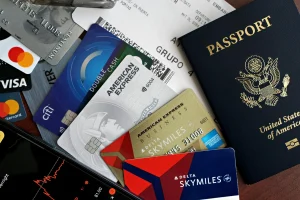
Protecting your money and sensitive financial information is paramount. Taking proactive security measures can genuinely prevent potential disasters and save you a world of trouble.
Notifying Your Bank of Travel Plans
Before you even think about jetting off, make sure to inform your bank and credit card companies about your travel dates and destinations. This simple but vital step prevents them from flagging your international transactions as suspicious and, worse, blocking your cards. A quick phone call or an online notification can save you from the nightmare of being stranded without access to your funds.
Failing to give your bank a heads-up is a common oversight that can lead to frustrating and utterly avoidable financial interruptions. This step is non-negotiable for smooth sailing when managing money while traveling.
Keeping Emergency Funds Separate
Always have an emergency fund that is entirely separate from your main spending money. This could take the form of a credit card specifically for emergencies, a small stash of cash cleverly hidden in a secure spot, or funds tucked away in a separate bank account that you can tap into if the chips are down. This fund is your safety net for unexpected curveballs like medical emergencies, lost luggage, or sudden flight cancellations.
Never, ever put all your eggs in one basket by keeping all your money, cards, and crucial documents in a single location. Diversifying where you store your funds adds a critical, much-needed layer of security.
Read Also : Key Travel Industry Developments for Every Traveler
Safeguarding Your Cards and Cash
Be discreet with your money. Resist the urge to flash large sums of cash or expensive items that might draw unwanted attention. Utilize a money belt or a secure, hidden pouch for passports, extra cash, and those vital backup cards. For daily use, only carry what you genuinely need in your wallet or purse.
Make photocopies or digital scans of your passport, visas, and credit cards, and store them securely online or in a separate physical location from the originals. Should anything go missing or be stolen, reporting it will be a much smoother, less panic-inducing process.
Leveraging Technology for Financial Management
Modern technology offers a powerful toolkit to help you manage your finances far more efficiently when you’re on the go.
Budgeting Apps and Expense Trackers
A plethora of apps are specifically designed to help globe-trotters track their expenses in real-time. Apps like Mint, YNAB, or even straightforward spreadsheet apps can prove to be an invaluable asset. They empower you to categorize your spending, set budgets, and see at a glance exactly where your money is flowing.
Many even boast multi-currency support, making the task of managing expenses across different countries a breeze. Harnessing these tools simplifies the entire process of managing money while traveling and keeps you accountable, ensuring you stay on track.
Mobile Banking for On-the-Go Access
Your bank’s mobile app is a powerhouse for managing your finances when you’re abroad. You can effortlessly check your account balances, transfer money between accounts, settle bills, and even instantly freeze a lost or stolen card directly from your phone. Just make sure you have reliable international roaming or consistent Wi-Fi access to utilize these services.
This immediate access allows you to closely monitor your spending and react swiftly to any suspicious activity, providing a huge dose of peace of mind.
Digital Wallets and Contactless Payments
Digital wallets, such as Apple Pay or Google Pay, offer a secure and incredibly convenient way to make payments. By digitizing your card information, you significantly reduce the risk of physical card theft or skimming. The good news is, countless stores and transit systems worldwide now readily accept contactless payments.
This method often eliminates the need to handle physical cash or cards, making transactions quicker and potentially more hygienic. Embrace these technologies; they’re a smart way to streamline your financial interactions on the road.
Read Also : Luxury Vacation Ideas: Unforgettable Escapes for [apc_current_year]
Post-Trip Financial Review
The financial management of your trip doesn’t simply hit a dead end the moment you walk back through your front door. A thorough post-trip review offers invaluable insights that will pay dividends for all your future adventures.
Reconciling Your Expenses
Take some dedicated time after your journey to reconcile all your expenses against your initial budget. Go through your bank and credit card statements with a fine-tooth comb, comparing them to your expense tracker. This crucial step helps you pinpoint any discrepancies or unexpected charges that might have crept in.
It’s also a golden opportunity to double-check that all foreign transactions were processed correctly and that you weren’t hit with any sneaky, hidden fees. This final check is an important, often overlooked, step in truly comprehensive money management while traveling.
Learning from Your Spending Habits
Take a moment to truly reflect on your spending habits during the trip. Did you manage to stick to your budget like glue? Where did you end up overspending, and where did you manage to save a bundle? What strategies worked like a charm, and what could be tweaked for next time? Hindsight is 20/20, after all.
This self-assessment is absolutely crucial for honing your budgeting prowess for future trips. For instance, if you found yourself consistently blowing your budget on dining out, you might make a mental note to plan for more self-catering on your next grand adventure.
Planning for Future Adventures
Armed with your newfound knowledge and hard-won insights, you’re now far better equipped to map out the budget for your next escapade. Leverage your past experiences to craft an even more realistic and effective financial blueprint. You might just unearth fresh ways to save or discover more efficient methods for managing your funds.
Every trip is a learning curve, and by diligently applying those lessons to your financial planning, every subsequent journey is bound to be smoother, more stress-free, and infinitely more enjoyable.
Managing Money While Traveling Tips: Key Takeaways
Mastering the art of managing money while traveling is a skill that genuinely elevates every adventure you undertake. It boils down to being proactive, staying informed, and exercising diligence in your financial practices, right from the initial planning stages through to your post-trip review. By setting a realistic budget, making smart choices about payment methods, and adopting savvy spending habits, you can dramatically cut down on financial stress and wholeheartedly immerse yourself in the sheer joy of exploration.
Always remember to put security front and center by notifying your bank, diversifying your funds, and keeping a watchful eye out for scams. Leveraging technology, such as intuitive budgeting apps and handy mobile banking, can also provide invaluable support. These systematic steps are your ticket to ensuring your travel experiences are not only unforgettable but also financially sound.
Ultimately, effective money management empowers you to travel more freely, with greater confidence, and for longer stretches. By putting these practical tips into action, you’re not merely saving money; you’re making a solid investment in a richer, more fulfilling travel experience. So, plan wisely, spend smartly, and savor every glorious moment of your journey!
Read Also : Perfect Romantic Getaways for Couples | [apc_current_year] Guide
FAQ
It's generally a good rule of thumb to carry only a small amount of local currency for immediate necessities like small purchases, street food, or tips. The precise amount will hinge on your destination and daily spending habits, but typically, enough for 1-2 days' worth of minor expenses is a sensible guideline. Rely more on your cards for larger transactions and withdraw cash from secure ATMs as and when you need it.
To keep ATM fees to an absolute minimum, consider using a debit card from a bank that offers no foreign transaction fees and, ideally, reimburses ATM fees (Charles Schwab in the US is a common example). Crucially, always decline Dynamic Currency Conversion (DCC) and opt to be charged in the local currency. Try to make fewer, larger withdrawals rather than many small ones to cut down on individual transaction fees.
While travel insurance typically covers things like lost luggage and medical emergencies, some policies might offer limited coverage for stolen cash or fraudulent credit card use, often with an excess or deductible. It's absolutely vital to read the fine print of your policy to fully grasp what financial protection it truly offers. For comprehensive financial security, your best bet is to focus more on preventive measures, such as diligently safeguarding your cards and cash, and always having emergency funds squirrelled away.
Generally speaking, it's far better to hold off until you arrive at your destination to exchange or withdraw money. Airport exchange kiosks are notorious for offering unfavorable rates. The most cost-effective approach is usually to withdraw local currency directly from an ATM once you've landed, as banks typically provide the most competitive exchange rates. If you absolutely must exchange physical cash, seek out reputable exchange bureaus away from the main tourist traps.


Popular Posts


Embracing Spiritual Growth Through Travel and Exploration
Travel is more than just seeing new places; it's a profound journey into oneself. This article explores how embracing travel and exploration can significantly contribute to your spiritual growth, offering unique perspectives and transformative experiences.


