Ultimate Travel Checklist for a Stress-Free Trip 2026

Embarking on a new adventure is exhilarating, but the preparation process can often feel daunting. From remembering essential documents to packing the right clothes, there’s a lot to keep track of. This is where a comprehensive travel checklist becomes your best friend, transforming potential stress into excitement.
A well-structured checklist ensures that you don’t overlook crucial items or tasks, whether you’re heading for a weekend getaway or an international expedition. It provides a systematic approach to pre-trip planning, allowing you to focus on the joy of your upcoming journey rather than worrying about what you might have forgotten.
This article will guide you through creating and utilizing an effective travel checklist, covering everything from vital documents and health precautions to packing essentials and home security. By following these steps, you’ll be well-prepared for a smooth, enjoyable, and truly stress-free trip.
Why a Travel Checklist is Essential

Benefits of Planning Ahead
Having a detailed travel checklist offers numerous advantages, primarily providing invaluable peace of mind. Knowing that you’ve systematically accounted for every necessary item and task allows you to relax and fully immerse yourself in the anticipation of your trip. It eliminates last-minute rushes and the nagging feeling that something important has been overlooked.

Beyond mental tranquility, a checklist helps you avoid costly mistakes, such as forgetting a passport or critical medication. It also promotes efficiency, ensuring you pack only what you need, thus potentially saving on baggage fees and making your luggage easier to manage.
Avoiding Common Travel Pitfalls
Many travel woes stem from inadequate preparation. Forgetting essential items like phone chargers, power adapters, or even basic toiletries can lead to inconvenience and unnecessary expenses abroad. A robust travel checklist acts as a preventative measure against these common pitfalls, ensuring you’re equipped for various scenarios.
It also helps in preventing more serious issues, such as missing flight details or failing to secure travel insurance. By ticking off each item, you systematically address potential problems before they arise, making your journey smoother and more enjoyable.
Also Read:

Tailoring Your Checklist
While a general travel checklist provides a solid foundation, the most effective one is always customized to your specific trip. Consider your destination’s climate, the duration of your stay, the type of activities planned, and any unique personal needs. For example, a beach vacation requires different items than a hiking trip or a business conference.
Start with a universal list of essentials, then add or remove items based on these factors. Don’t forget to include specific requirements for companions, children, or pets if they are traveling with you. This personalization ensures your checklist is truly relevant and comprehensive for your unique adventure.
Documents & IDs: Your Non-Negotiables
Passport & Visa Requirements
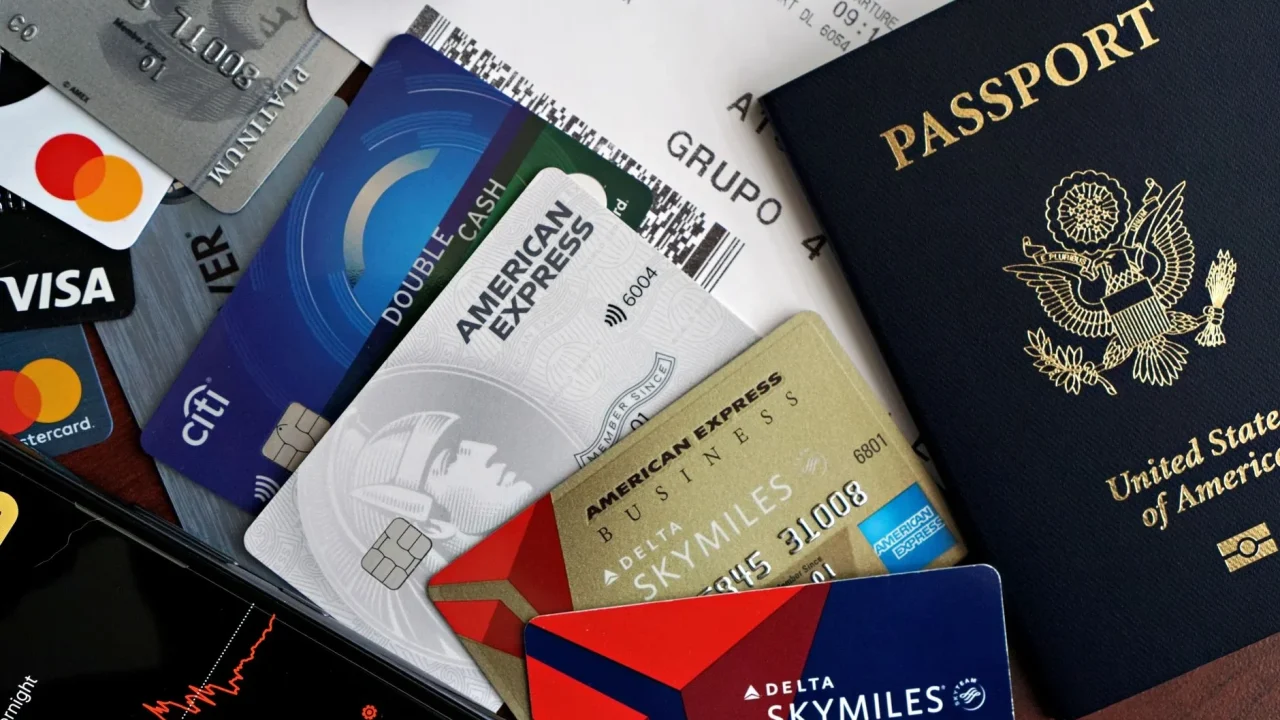
Your passport is arguably the single most important travel document for international trips. Ensure it is valid for at least six months beyond your planned return date, as many countries enforce this rule. Check if your destination requires a visa and apply well in advance, as processing times can vary significantly.
Read Also : Craft Your Perfect Travel Itinerary: A Step-by-Step Guide
It’s also wise to have physical and digital copies of your passport and visa. Store the physical copies separately from your original documents, and keep digital copies in a secure cloud storage or email them to yourself for easy access if the originals are lost or stolen.
Tickets & Reservations
Confirm all your flight tickets, hotel bookings, rental car reservations, and activity bookings. Print out physical copies of all confirmations, and save digital versions on your phone or in a dedicated travel folder on your email. Double-check dates, times, and addresses to avoid any confusion.
Consider creating a single itinerary document that consolidates all your booking details, contact numbers, and confirmation codes. This central reference point will be invaluable for quick look-ups during your journey.

Identification & Copies
Beyond your passport, carry other forms of identification such as your driver’s license or a national ID card. These can be useful for domestic travel or as secondary ID in various situations. Again, make copies of these documents and store them separately.
For international travel, consider registering your trip with your country’s embassy or consulate. This can provide assistance in emergencies and allows them to contact you if necessary.
Travel Insurance Details
Travel insurance is a critical safety net that can protect you from unforeseen circumstances, such as medical emergencies, trip cancellations, lost luggage, or travel delays. Ensure you have purchased a policy that covers your specific needs and destination.
Keep a copy of your insurance policy, including policy numbers and emergency contact information, both physically and digitally. Share these details with a trusted person back home, so they can assist you if you are unable to access them yourself.
Health & Safety First

Personal Medications & Prescriptions
If you take prescription medications, pack enough for your entire trip, plus a few extra days in case of unexpected delays. Keep them in their original containers with clear labels. It’s also advisable to carry a copy of your prescriptions and a letter from your doctor, especially if you’re traveling internationally or carrying controlled substances.
Always pack essential medications in your carry-on bag. This prevents issues if your checked luggage is delayed or lost and ensures you have immediate access to vital drugs.
Basic First Aid Kit
A compact first aid kit is a must-have for any trip. It should include essentials like band-aids, antiseptic wipes, pain relievers (e.g., ibuprofen, paracetamol), allergy medication, motion sickness pills, and any personal over-the-counter remedies you frequently use. Sunscreen and insect repellent are also crucial depending on your destination.
Read Also : Ultimate Travel Packing Checklist for Any Trip [apc_current_year]
This small investment can save you time and discomfort, allowing you to address minor injuries or ailments quickly without needing to search for a pharmacy in an unfamiliar location.
Vaccinations & Health Advisories
Before traveling internationally, research any required or recommended vaccinations for your destination. Consult your doctor or a travel clinic several weeks in advance, as some vaccines require multiple doses or time to become effective. Keep your vaccination records handy.
Stay informed about current health advisories and local health risks in your destination. This includes understanding food and water safety precautions, as well as any prevalent infectious diseases. Being prepared can significantly reduce your risk of falling ill while abroad.
Personal Items & Toiletries

Daily Hygiene Essentials
Pack your everyday hygiene items to maintain your routine and comfort while traveling. This typically includes a toothbrush, toothpaste, dental floss, shampoo, conditioner, body wash, and deodorant. Opt for travel-sized versions or reusable travel bottles to save space and comply with carry-on liquid restrictions.
Remember that many accommodations provide basic toiletries, but having your preferred brands ensures comfort and avoids potential skin irritations from unfamiliar products.
Skincare & Sun Protection
Your skincare routine shouldn’t stop when you travel. Pack your essential cleanser, moisturizer, and any serums or treatments you use regularly. For sunny destinations, a high SPF sunscreen is non-negotiable to protect your skin from harmful UV rays.
Consider after-sun lotion or aloe vera for soothing potential sunburns. Lip balm with SPF is also a good idea to protect your lips from sun and wind exposure.
Hair Care & Styling
Depending on your hair type and styling preferences, pack appropriate hair care products. This might include hairbrush or comb, styling products, and hair ties. If you use heat styling tools, check if they are dual voltage or if you’ll need a voltage converter in addition to a plug adapter.
For shorter trips, you might consider simplifying your hair routine to reduce the number of items you need to pack, focusing on multi-purpose products.
Clothing & Footwear Essentials
Weather-Appropriate Attire
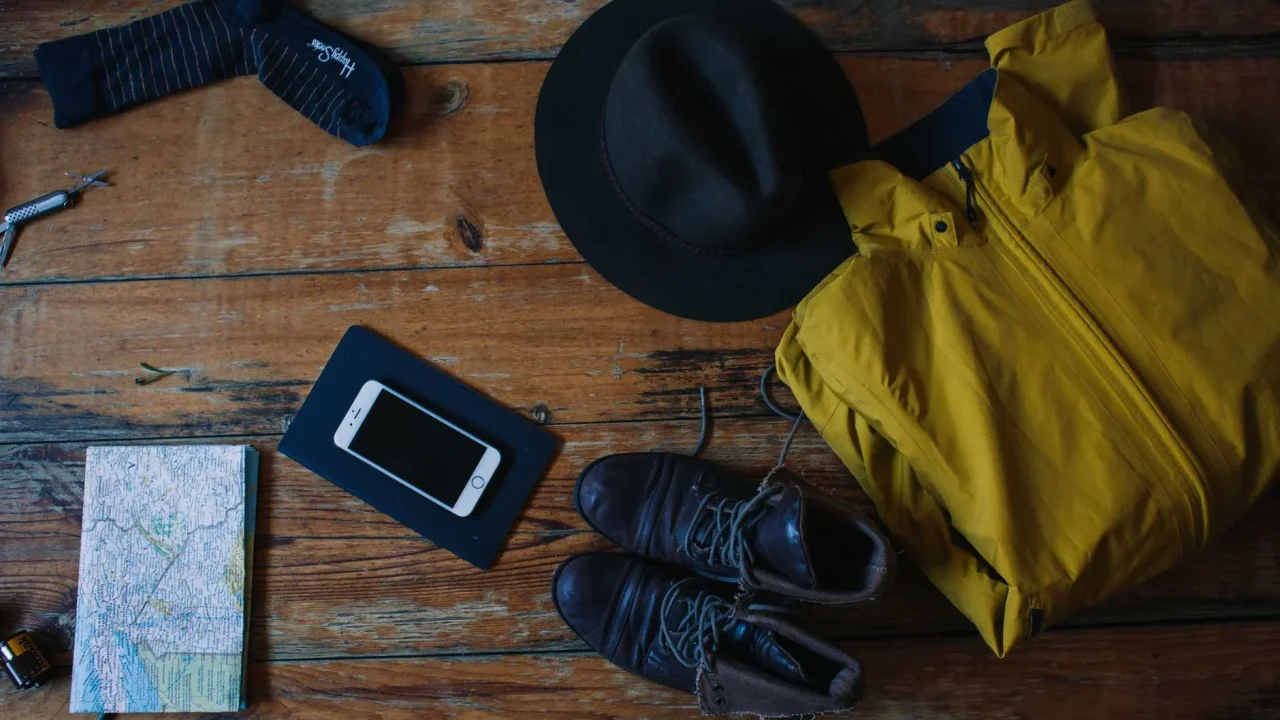
Research the weather forecast for your destination and pack accordingly. Layering is often the most effective strategy, allowing you to adapt to varying temperatures throughout the day. Include a mix of short-sleeved and long-sleeved tops, trousers, shorts, and skirts as appropriate.
Read Also : First Trip? Should You Use a Travel Agent?
Always pack at least one versatile outfit that can be dressed up or down. Consider quick-drying fabrics if you anticipate doing laundry on the go or engaging in water-based activities.
Comfortable Shoes
Footwear choice is paramount for travel comfort. Pack at least two pairs of comfortable walking shoes, broken in before your trip, to alternate and prevent blisters. Depending on your activities, you might also need hiking boots, sandals, or dress shoes.
Remember that your feet can swell during flights, so wear comfortable, easy-to-remove shoes for travel days. Avoid packing brand-new shoes that haven’t been worn previously.
Layering Options
Even in warm climates, evenings can get cool, or air-conditioned spaces can be chilly. Pack a light jacket, a cardigan, or a shawl that can be easily added or removed. For colder destinations, insulated jackets, thermal base layers, and warm accessories like hats and gloves are essential.
Denim jackets or lightweight waterproof jackets are versatile options that can serve multiple purposes and add style to your travel wardrobe.
Special Occasion Wear
If your trip includes specific events like a formal dinner, a wedding, or a business meeting, remember to pack appropriate attire. This might mean a suit, a dress, or smart casual wear. Consider fabrics that are wrinkle-resistant to minimize the need for ironing upon arrival.
Try to choose versatile pieces that can be mixed and matched with other items in your luggage to reduce the total number of garments you need to bring.
Electronics & Entertainment
Chargers & Adapters
Don’t leave home without chargers for all your electronic devices: phone, tablet, camera, e-reader, smartwatch, etc. If traveling internationally, a universal travel adapter is indispensable to ensure your plugs fit foreign outlets. Additionally, check if you’ll need a voltage converter for any specific appliances, though most modern electronics are dual voltage.
Consider bringing a portable power bank for on-the-go charging, especially during long travel days or when access to outlets is limited.
Phone, Camera & Devices
Your smartphone is likely your primary device for communication, navigation, and photography. Ensure it’s fully charged before you leave and consider downloading offline maps or essential apps. If you’re a photography enthusiast, pack your camera, extra batteries, and memory cards.
Read Also : Plan Your Dream Trip to Beautiful Places: A Guide
Remember to back up photos and important data before your trip. For international travel, look into international roaming plans, local SIM cards, or eSIM options to stay connected without incurring high charges.
Headphones & Books
Headphones are essential for enjoying music, podcasts, or movies during flights, train rides, or simply for some quiet time. Noise-canceling headphones can significantly enhance comfort during travel.
For entertainment, pack a good book, an e-reader, or download movies/shows onto your tablet. These provide a great way to pass the time during transit or relax in the evenings.
Money & Financial Preparedness
Local Currency & Credit Cards
It’s wise to carry a small amount of local currency for immediate expenses upon arrival, such as taxi fares or small purchases. Rely primarily on credit or debit cards that offer good exchange rates and minimal foreign transaction fees. Inform your bank and credit card companies of your travel dates and destinations to prevent them from flagging your transactions as fraudulent.
Carry at least two different payment methods (e.g., two different credit cards, or one credit and one debit card) and keep them in separate places in case one is lost or stolen.
Budgeting for Your Trip
Create a realistic budget for your trip, accounting for accommodation, transportation, food, activities, shopping, and an emergency fund. Tracking your expenses can help you stay within your budget and avoid overspending. Utilize budgeting apps or a simple spreadsheet to monitor your finances.
Anticipate potential unexpected costs and allocate a buffer amount. This foresight helps prevent financial stress and allows for flexibility during your travels.
Emergency Funds
Always have an emergency fund accessible, separate from your main spending money. This could be a hidden credit card, a small amount of cash in a secure location, or access to funds from a trusted family member. This fund is crucial for unforeseen circumstances like medical emergencies, missed flights, or lost items.
Knowing you have a backup plan provides significant peace of mind and allows you to handle unexpected situations without panic.
Home Security & Pre-Departure Tasks
Securing Your Home
Before you leave, ensure your home is secure. Lock all windows and doors, set any alarms, and consider using smart home devices to monitor your property remotely. Stop mail and newspaper deliveries or ask a trusted neighbor to collect them to avoid an overflowing mailbox, which can signal an empty house.
Read Also : Essential Travel Documents Checklist for Seamless Journeys
Inform a close friend or family member of your travel plans and leave them an emergency contact number. This person can also check on your home periodically.
Pet & Plant Care
If you have pets, arrange for their care well in advance. This could involve booking a pet sitter, boarding them at a kennel, or asking a friend to look after them. Provide clear instructions regarding their feeding, medication, and exercise routines.
For plants, water them thoroughly before you leave, or arrange for someone to water them if you’ll be gone for an extended period. Consider self-watering globes for smaller plants.
Utility Management
To save energy and prevent potential issues, unplug non-essential electronics and appliances. Turn down your thermostat or adjust it to an energy-saving vacation mode. If you’re leaving for a long time during winter, ensure your heating is set to a low temperature to prevent pipes from freezing.
Empty your refrigerator of perishable items that might spoil while you’re away. Take out all trash to avoid unpleasant odors upon your return.
Last-Minute Checks & On-the-Go Items
Snacks & Water
For travel days, especially long flights or road trips, pack some non-perishable snacks. This can include granola bars, nuts, dried fruit, or crackers. Having your own snacks can save you money and ensure you have options that suit your dietary preferences. Carry an empty reusable water bottle to fill up after security at the airport.
Staying hydrated is crucial for preventing fatigue and discomfort during travel, so make sure you have easy access to water throughout your journey.
Small Backpack Essentials
A small personal bag or backpack is invaluable for keeping essential items easily accessible during transit. This should contain your passport/ID, wallet, phone, chargers, medications, a light jacket, and any entertainment items. This ensures that even if your main luggage is separated, your most critical belongings are still with you.
Also, include a pen for filling out customs forms and a small notebook for jotting down notes or important information.
Final Document Review
Just before heading out the door, do one final check of all your essential documents. Confirm you have your passport, tickets, boarding passes, and wallet. It’s a quick but critical step to prevent a last-minute panic at the airport or train station.
Read Also : How to Create a Travel Itinerary: Your Ultimate Guide
Ensure all your travel documents are easily accessible, perhaps in a dedicated travel wallet or pouch, so you can retrieve them quickly when needed.
Conclusion
Creating and diligently following a comprehensive travel checklist is the ultimate secret to a truly stress-free and enjoyable adventure. It transforms the often-overwhelming task of trip preparation into a manageable and even exciting process, ensuring that no detail, big or small, is overlooked. From securing vital documents to packing the perfect outfit, a well-thought-out checklist empowers you to travel with confidence and peace of mind.
By systematically addressing each aspect of your journey—from health and safety to home security and financial readiness—you minimize the chances of encountering common travel mishaps. Remember to tailor your checklist to the unique demands of your destination and activities, making it a personalized roadmap for your specific travel dreams. Embrace the planning process as part of the adventure, and you’ll find yourself more relaxed and ready to savor every moment.
So, before your next escapade, take the time to craft your ultimate travel checklist. It’s an investment in a smoother, more organized, and ultimately more memorable experience. Happy travels!
FAQ
It's ideal to start your travel checklist at least 4-6 weeks before an international trip, or 2-3 weeks for domestic travel. This gives you ample time to check passport validity, apply for visas, book accommodations, arrange pet care, and purchase necessary items without feeling rushed. For vaccinations, you might need to start even earlier, up to several months in advance.
Regardless of your destination, some items are universally essential: your passport/ID, wallet (with cash and credit cards), phone and charger, any necessary medications, and comfortable walking shoes. For international travel, add a universal adapter and copies of all important documents.
Start with a generic checklist of essentials, then modify it based on your trip's specifics:
- Destination: Research climate, culture, and local customs.
- Duration: Adjust clothing and toiletry quantities.
- Activities: Pack specialized gear (e.g., hiking boots, swimwear, formal wear).
- Companions: Include items for children, pets, or specific group needs.
This ensures your list is highly relevant to your unique travel plans.
Both have benefits. A printed checklist allows for tactile satisfaction as you tick off items and doesn't rely on battery life. A digital checklist (on your phone, tablet, or a dedicated app) offers easy editing, cloud synchronization, and accessibility anywhere. Many travelers use a hybrid approach: a digital master list for planning and a printed version for final packing.
Don't panic! Most forgotten items can be replaced at your destination. For critical items like medication, contact your doctor or pharmacy for advice. For documents, having digital copies or notifying your embassy/consulate can help. For other items, local shops will likely have what you need. Remember, travel insurance can cover some losses, so check your policy.

Popular Posts


Embracing Spiritual Growth Through Travel and Exploration
Travel is more than just seeing new places; it's a profound journey into oneself. This article explores how embracing travel and exploration can significantly contribute to your spiritual growth, offering unique perspectives and transformative experiences.