Smart Travel Hacks: Journey Smarter, Save More
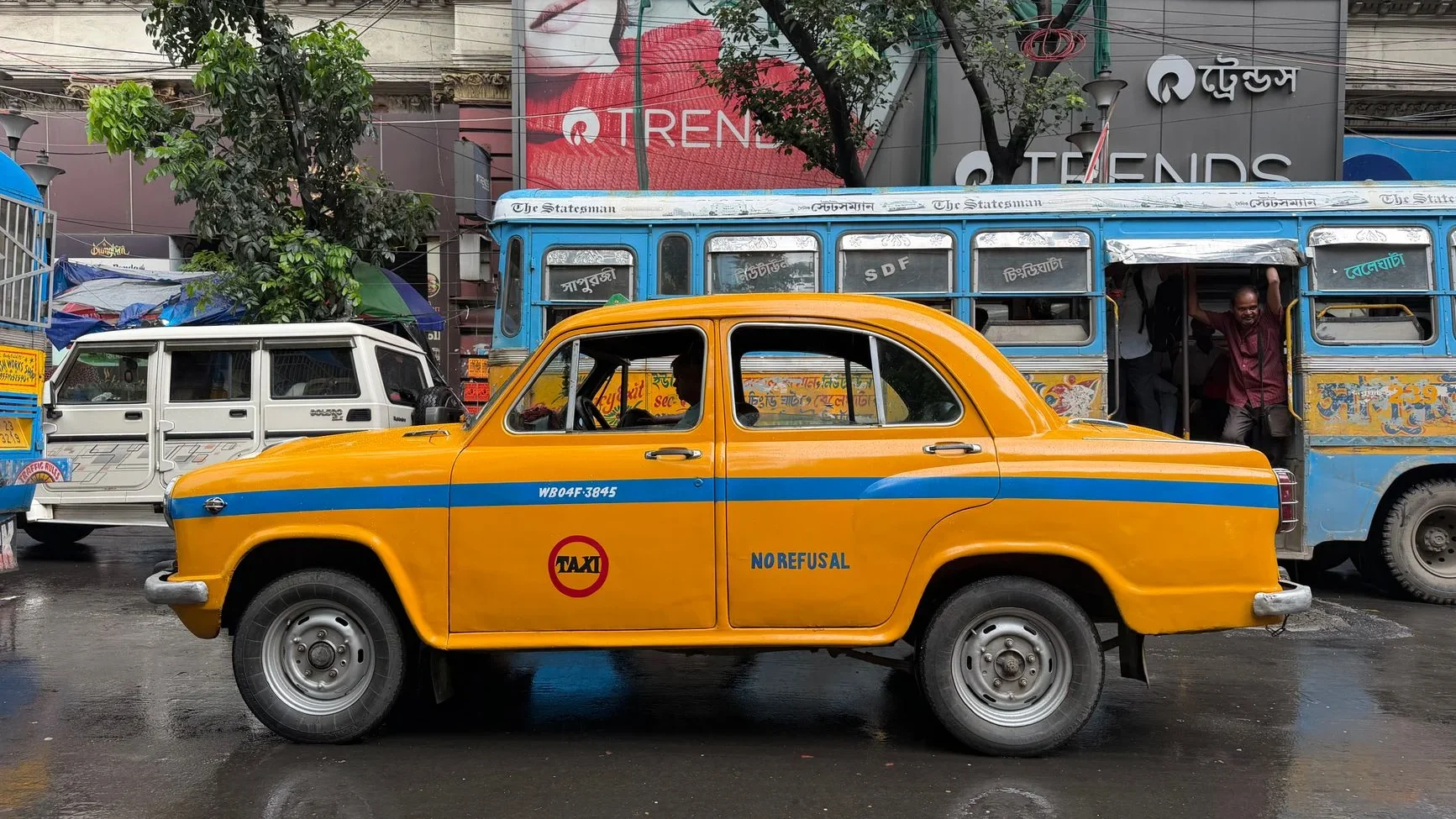
The allure of discovering new places, experiencing different cultures, and creating lasting memories is undeniable. However, the journey itself can sometimes be fraught with stress, unexpected expenses, and logistical headaches. From navigating crowded airports to understanding local customs, planning a trip often feels like a complex puzzle.
Fortunately, with the right knowledge and a few clever strategies, you can transform your travel experience from daunting to delightful. These invaluable travel hacks are designed to save you time, money, and unnecessary worry, allowing you to focus on the joy of exploration. Whether you’re a seasoned globetrotter or planning your first adventure, adopting these smart tips will undoubtedly enhance your next trip.
Mastering Your Packing Strategy

Efficient packing is the cornerstone of stress-free travel. A well-packed bag not only saves you from excess baggage fees but also ensures you have everything you need without overpacking. Mastering this skill can significantly lighten your load, both literally and figuratively.
Thinking strategically about what you bring and how you organize it can make all the difference, especially when dealing with limited space or specific airline restrictions. These travel hacks for packing will help you optimize every inch of your luggage.

The Art of Rolling vs. Folding
Deciding whether to roll or fold clothes is a perennial packing debate among travelers. While folding might seem intuitive, rolling your clothes tightly can actually save significant space and minimize wrinkles for certain fabrics.
For items like t-shirts, jeans, and casual trousers, rolling them into compact cylinders can free up valuable room in your suitcase. Delicate items or those prone to creasing, such as dress shirts or formal wear, might still benefit from careful folding or packing cubes to maintain their shape.
Essential Item Checklist
Before every trip, create a comprehensive checklist of essentials. This isn’t just about clothes; consider toiletries, medications, chargers, adapters, and important documents. A checklist prevents you from forgetting crucial items and helps you visualize your packing needs.

Consider categorizing your list by type (e.g., clothing, electronics, documents, personal care) to ensure thoroughness. For frequent travelers, a saved digital checklist can be a huge time-saver, allowing for quick adjustments based on the destination and trip duration.
Smart Carry-On Utilization
Your carry-on bag is a powerful tool for smart travel. Pack a change of clothes, essential toiletries, medications, and any valuable electronics in your carry-on. This ensures you’re prepared for unexpected delays or lost luggage.
Maximize your personal item as well. A small backpack or tote can hold snacks, a water bottle, a book, and a travel pillow, keeping them easily accessible during your journey. Utilizing your carry-on effectively is one of the most practical travel hacks for peace of mind.
Read Also : Hidden Gems for Unforgettable Weekend Adventures 2026

Finding the Best Deals on Flights and Accommodation

One of the biggest expenses in any trip is often the cost of flights and lodging. Savvy travelers employ a variety of strategies to snag the best prices, ensuring more of their budget can go towards experiences rather than just getting there and staying somewhere.
Learning how to navigate the complex world of online booking and price fluctuations can lead to significant savings. These travel hacks focus on smart booking techniques to stretch your travel budget further.
Incognito Browsing and VPNs
Many travel websites use cookies to track your searches, potentially showing you higher prices on subsequent visits. To combat this, always search for flights and hotels in an incognito or private browsing window.
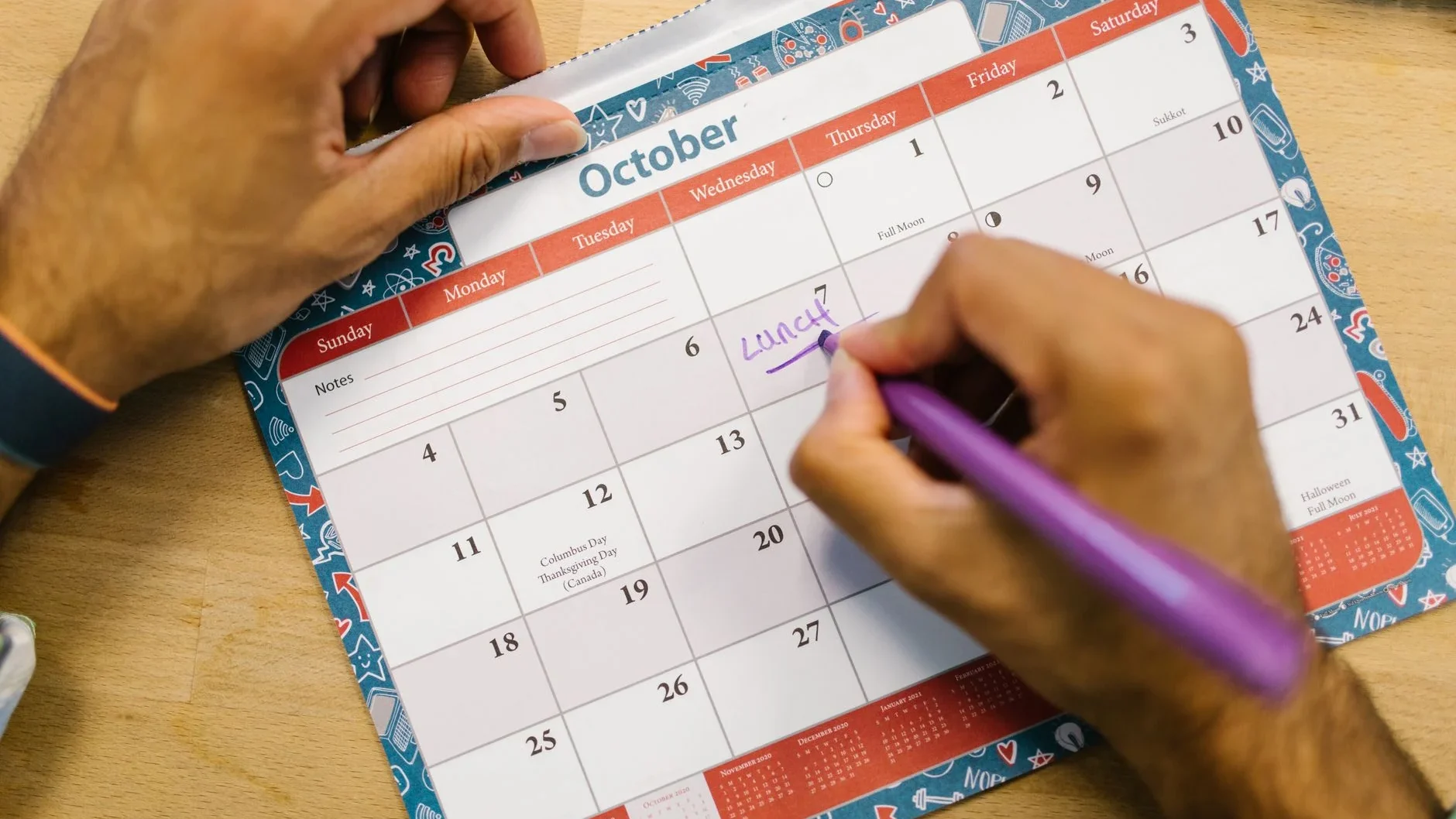
For an extra layer of privacy and potential savings, consider using a Virtual Private Network (VPN). Connecting through a VPN server in a different country can sometimes display different pricing based on regional market rates, offering a chance to find lower fares.
Alert Systems and Price Trackers
Don’t constantly monitor flight and hotel prices manually. Instead, sign up for price alerts from various travel search engines. Websites like Google Flights, Skyscanner, and Kayak offer tools that notify you when prices for your desired route or dates drop.
These alert systems are fantastic travel hacks because they do the hard work for you, sending notifications directly to your email or phone. This allows you to book quickly when a great deal appears, without the need for constant vigilance.

Booking in Advance vs. Last Minute
Generally, booking flights 2-3 months in advance for international travel and 1-2 months for domestic trips tends to yield the best prices. However, there are exceptions. Sometimes, airlines release last-minute deals for unsold seats, especially for less popular routes.
For accommodation, while early booking often secures better rates and availability, last-minute deals can sometimes be found on hotel booking apps or websites for rooms that need to be filled. Flexibility with your travel dates is key to taking advantage of these varying booking windows.
Staying Connected Abroad Without Breaking the Bank

In today’s digital age, staying connected while traveling is almost as important as having a passport. Whether it’s for navigation, communication, or sharing your adventures, access to the internet and phone services is crucial. However, roaming charges can quickly become exorbitant.
Fortunately, there are several smart travel hacks to ensure you remain connected without incurring massive bills. These strategies focus on cost-effective communication solutions for international travel.
Read Also : Smart Travel Saving Tips for Your Next Adventure
Local SIM Cards vs. eSIMs
Upon arrival in a new country, purchasing a local SIM card is often the most cost-effective way to get data and local calls. They are readily available at airports, convenience stores, and mobile provider shops.
For newer phones, an eSIM offers even greater convenience. You can purchase and activate an eSIM plan online before you even land, eliminating the need to swap physical SIM cards. This flexibility and ease of use make eSIMs one of the top travel hacks for digital nomads.
Offline Maps and Translation Apps
Don’t rely solely on an internet connection for navigation or language translation. Before you leave, download offline maps for your destination using apps like Google Maps or Maps.me. This allows you to navigate without data, saving both money and battery life.
Similarly, download offline language packs for translation apps such as Google Translate. This ensures you can communicate effectively with locals even when Wi-Fi isn’t available, proving incredibly useful in unexpected situations.
Free Wi-Fi Hotspots Safety
While free Wi-Fi at cafes, hotels, and airports is tempting, exercise caution. Public Wi-Fi networks are often unsecured, making your data vulnerable to hackers. Avoid conducting sensitive transactions like online banking or shopping while connected to public networks.
If you must use public Wi-Fi, consider using a VPN to encrypt your internet traffic, adding a layer of security. Alternatively, rely on your local SIM or eSIM data for any activities requiring personal information, as it provides a more secure connection.
Navigating Local Transport Like a Pro
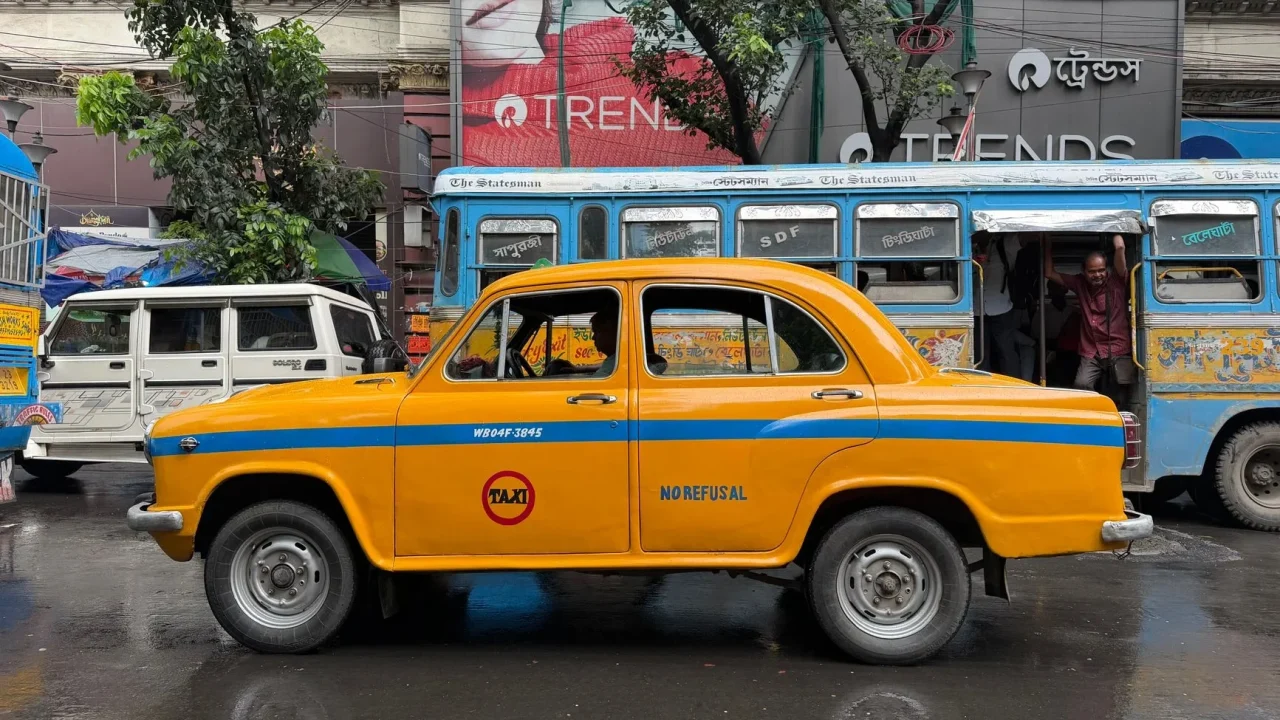
Once you’ve arrived at your destination, getting around efficiently and affordably is key to a smooth travel experience. Understanding the local transportation system can save you time, money, and the frustration of getting lost. These travel hacks focus on mastering local transit.
From bustling city subways to scenic bus routes, knowing your options and how to use them effectively will enhance your exploration of any new place.
Public Transport Apps
Many major cities around the world have excellent public transportation networks, and often, dedicated apps to help you navigate them. Download apps like Citymapper or Moovit for real-time schedules, route planning, and fare information for buses, trains, and subways.
These apps are indispensable travel hacks for urban exploration, providing step-by-step directions and helping you avoid confusion. They often integrate with local ticketing systems, making it easier to purchase fares directly from your phone.
Read Also : Find Cheap Flights: Your Ultimate Guide for [apc_current_year]
Ride-Sharing and Taxis
While public transport is often the most economical, sometimes a ride-sharing service or taxi is necessary for convenience, especially late at night or with heavy luggage. Research local ride-sharing apps (e.g., Uber, Grab, Bolt) before you arrive, as availability varies by country.
When using taxis, always ensure the meter is running or agree on a fare beforehand to avoid overcharging. Be wary of unofficial taxis and always prioritize licensed operators, especially when departing from airports or train stations.
Walking and Cycling
For shorter distances, walking is not only free but also an excellent way to immerse yourself in the local atmosphere and discover hidden gems. Many cities are also becoming increasingly bike-friendly, offering bike-sharing programs for tourists.
Exploring on foot or by bicycle allows for a different perspective than from a bus or train window. Always check the safety of walking paths and observe local traffic laws if cycling. This active approach is one of the most rewarding travel hacks for experiencing a destination up close.
Keeping Your Valuables Safe and Secure

The last thing any traveler wants is to have their valuables lost or stolen. Protecting your passport, money, and important documents is paramount to a worry-free trip. Employing smart security measures can significantly reduce risks.
These travel hacks provide practical advice on safeguarding your possessions, allowing you to explore with confidence and peace of mind.
Digital Copies of Documents
Before you leave, scan or take photos of your passport, visa, flight tickets, hotel reservations, and credit cards. Store these digital copies securely in a cloud service (like Google Drive or Dropbox) or email them to yourself and a trusted contact.
In case your physical documents are lost or stolen, having digital copies will greatly expedite the process of replacing them and proving your identity. This simple step is one of the most crucial travel hacks for emergency preparedness.
Anti-Theft Bags and Wallets
Invest in anti-theft bags, backpacks, or wallets that feature slash-resistant material, lockable zippers, and RFID-blocking technology. These specialized items are designed to deter pickpockets and protect your digital information.
While no bag is completely foolproof, these features add significant layers of security. Wear your backpack on your front in crowded areas, and keep your wallet in a front pocket, especially in busy tourist spots where opportunistic theft is more common.
Read Also : AI Tools for Travel Planning: Your Ultimate Guide
Discreet Money Storage
Avoid keeping all your cash and cards in one place. Distribute your money across different locations – a wallet, a money belt, a separate pouch in your luggage, and even a small amount hidden in your shoes. This strategy minimizes your loss if one item is compromised.
Only carry the amount of cash you expect to need for the day, leaving the rest securely stored at your accommodation or in a less accessible part of your bag. Using a money belt worn under your clothes is an excellent discreet option for carrying larger sums or important documents.
Eating Well and Affordably While Traveling
Food is an integral part of any travel experience, offering a delicious insight into local culture. However, eating out for every meal can quickly deplete your budget. Learning to balance culinary exploration with cost-saving measures is a key travel hack.
These strategies will help you savor authentic local flavors without overspending, ensuring your gastronomic journey is as delightful as it is economical.
Exploring Local Markets
One of the best ways to experience local cuisine and save money is by visiting local markets. Here, you can find fresh produce, regional delicacies, and ready-to-eat street food at a fraction of restaurant prices.
Markets offer a vibrant sensory experience and a chance to interact with locals. Grab ingredients for a picnic lunch or sample various street food stalls for an authentic and affordable meal. This is a fantastic way to immerse yourself in the local food scene.
Cooking Your Own Meals
If your accommodation includes a kitchen or kitchenette, take advantage of it! Buying groceries from local supermarkets and preparing some of your meals can lead to substantial savings, especially for breakfast and dinner.
This is particularly useful for longer trips or for travelers with specific dietary needs. Even just preparing your own coffee and packing snacks for the day can significantly cut down on daily expenses, making it one of the most effective budget travel hacks.
Budget-Friendly Restaurant Finds
When dining out, look for restaurants away from major tourist attractions, where prices tend to be inflated. Ask locals for recommendations – they often know the best spots for delicious and affordable food.
Consider eating your main meal at lunchtime, when many restaurants offer fixed-price menus (prix fixe or menu del día) that are often more affordable than dinner options. Also, look for eateries that specialize in local comfort food, which is typically both authentic and budget-friendly.
Read Also : Budget Travel Planning for Beginners: Your Ultimate Guide
Smart Money Management for Travelers
Managing your finances effectively while abroad is crucial for a smooth trip. Understanding currency exchange, avoiding fees, and having a financial backup plan are all essential travel hacks that can prevent headaches and save you money.
These tips will help you navigate international banking and spending with confidence, ensuring you get the most value from your money wherever you go.
Multi-Currency Cards
Consider using a multi-currency travel card or a credit card with no foreign transaction fees. These cards allow you to load money in various currencies or convert at favorable exchange rates, avoiding the high fees often charged by traditional banks.
Research options like Revolut, Wise (formerly TransferWise), or local bank travel cards before your trip. These cards are excellent travel hacks for minimizing hidden costs associated with international payments and ATM withdrawals.
Understanding Exchange Rates
Always be aware of the current exchange rate between your home currency and the local currency. Avoid exchanging money at airports or hotels, as they typically offer the worst rates. Instead, use ATMs from reputable banks, which usually provide better rates.
When using an ATM, always choose to be charged in the local currency, not your home currency. This avoids dynamic currency conversion (DCC), where the ATM’s bank sets its own, often unfavorable, exchange rate.
Emergency Fund Planning
Always have an emergency fund accessible, separate from your main spending money. This could be a separate savings account, a credit card with a high limit, or a small amount of hidden cash. This fund is for unexpected situations like missed flights, medical emergencies, or lost luggage.
Inform your bank of your travel plans to prevent your cards from being flagged for suspicious activity. Also, know your bank’s international contact number in case you need to report a lost or stolen card.
Maximizing Comfort on Long Journeys
Long flights, train rides, or bus trips can be exhausting, but with the right preparation, you can transform them into much more comfortable and even enjoyable experiences. These travel hacks focus on making extended travel periods more bearable.
From essential gear to mindful practices, prioritizing your comfort during transit is key to arriving at your destination refreshed and ready to explore.
Read Also : Advantages of World Travel: Explore, Grow, Transform
Essential In-Flight Comfort Items
Pack a few key items in your carry-on to enhance comfort on long journeys. A good neck pillow, eye mask, and noise-canceling headphones can make a huge difference in your ability to rest and relax.
Consider bringing a lightweight blanket or a large scarf, as cabin temperatures can vary. Hydration is also crucial; bring an empty reusable water bottle to fill up after security. These small additions are vital travel hacks for enduring long periods of travel.
Beating Jet Lag Strategies
Jet lag can significantly impact the first few days of your trip. To minimize its effects, try to adjust your sleep schedule to your destination’s time zone a few days before you depart. On the flight, set your watch to the destination time and try to sleep or stay awake accordingly.
Upon arrival, expose yourself to natural light, stay hydrated, and try to avoid long naps. A short power nap is fine, but sleeping too much during the day will make it harder to adjust to the local nighttime schedule.
Entertainment and Relaxation
Prepare a variety of entertainment options for your journey. Download movies, TV shows, podcasts, audiobooks, and e-books before you leave. Don’t rely solely on in-flight entertainment, which can be limited or malfunction.
Beyond digital entertainment, consider bringing a journal, a sketchbook, or a puzzle book. Engaging in non-screen activities can help you relax and prevent eye strain, making the journey feel shorter and more pleasant.
Handling Unexpected Travel Mishaps
Even the most meticulously planned trips can encounter unforeseen challenges, from minor inconveniences to major emergencies. Knowing how to react and having a contingency plan in place is a crucial travel hack that can turn potential disasters into manageable bumps in the road.
Being prepared for the unexpected ensures that minor setbacks don’t derail your entire travel experience and allows you to maintain a sense of control.
Travel Insurance Importance
Never travel without comprehensive travel insurance. This is perhaps the most important of all travel hacks. It covers a wide range of potential issues, including medical emergencies, trip cancellations, lost luggage, and personal liability.
Carefully read the policy details to understand what is covered and what isn’t. Keep your policy number and the emergency contact information for your insurance provider readily accessible, both physically and digitally.
Read Also : The Hidden Downsides of Long Term Travel
Emergency Contact Information
Create a list of important emergency contacts and keep it in multiple locations – in your wallet, phone, and a separate piece of paper in your luggage. Include family members, your travel insurance provider, your bank’s international lost/stolen card number, and the local embassy or consulate.
Also, consider setting an “In Case of Emergency” (ICE) contact on your phone’s lock screen, which can be accessed by first responders without unlocking your device.
Flexibility and Problem-Solving
When a mishap occurs, the best approach is to remain calm and flexible. Flights get delayed, luggage gets lost, and plans change. Instead of panicking, focus on finding solutions.
Communicate clearly with airline staff, hotel management, or local authorities. Be prepared to adapt your itinerary and explore alternative options. A positive attitude and a problem-solving mindset are invaluable traits for any traveler facing unexpected challenges.
Conclusion
Embarking on a journey, whether near or far, should be an enriching and enjoyable experience, not a source of stress. By incorporating these practical travel hacks into your planning and execution, you can significantly enhance every aspect of your adventure. From smart packing techniques that save space and fees to savvy financial management that stretches your budget, each tip contributes to a smoother, more rewarding trip.
Remember, the goal of these strategies is to empower you to travel smarter, allowing you to immerse yourself fully in the beauty and wonder of your destination. By minimizing common travel frustrations, you free up more energy and resources to create unforgettable memories and truly connect with the places you visit.
So, as you plan your next escape in 2026, arm yourself with these essential travel hacks. Embrace the journey with confidence, knowing that you’re well-prepared for whatever comes your way. Happy travels!
FAQ
For solo travelers, safety and efficiency are paramount. Essential hacks include sharing your itinerary with a trusted friend or family member, carrying a personal safety alarm, and using local SIMs or eSIMs for constant connectivity. Prioritize booking accommodations with good reviews for solo travelers and always trust your gut feeling about situations or people.
To find cheap flights, use incognito mode for searches, set up price alerts on flight comparison sites (like Google Flights or Skyscanner), and be flexible with your travel dates and even destinations. Consider flying during the off-peak season or on weekdays, and look into budget airlines, keeping an eye on their baggage policies.
To save space, roll your clothes tightly, use packing cubes to compress items, and wear your bulkiest items (like jackets or heavy shoes) on the plane. Utilize every bit of space, such as stuffing socks into shoes. Also, opt for travel-sized toiletries or solid toiletries to reduce liquid bulk.
It's generally best to use a combination of both. A credit card with no foreign transaction fees is ideal for larger purchases and emergencies, offering purchase protection. Cash is useful for small vendors, tips, or in areas where cards aren't widely accepted. Always carry some local currency, but avoid carrying excessive amounts of cash.
To avoid scams, research common scams in your destination beforehand. Be wary of overly friendly strangers offering unsolicited help, especially at tourist sites or transportation hubs. Never hand over your passport or wallet to anyone demanding it, and be cautious of "free" gifts or services that quickly turn into demands for payment. Trust your intuition – if something feels off, it probably is.


Popular Posts


Embracing Spiritual Growth Through Travel and Exploration
Travel is more than just seeing new places; it's a profound journey into oneself. This article explores how embracing travel and exploration can significantly contribute to your spiritual growth, offering unique perspectives and transformative experiences.


