Do I Need a Visa for International Travel? Guide 2024
Tags: travel visa, international travel, visa requirements, travel planning, passport, immigration
The allure of an international adventure often fills us with excitement, anticipation, and a fair bit of groundwork. From meticulously booking flights and accommodation to packing just the right outfits, there’s a whole lot on our minds. Yet, a crucial piece of the puzzle, one that often gets pushed to the back burner, is truly understanding visa requirements.
The question, “Do I need a visa for international travel?”, is rarely a simple ‘yes’ or ‘no’. In fact, the answer hinges on a nuanced mix of elements: your nationality, where you’re headed, the purpose of your visit, and the length of your stay. Failing to secure the correct visa can throw a real wrench in your plans, leading to everything from being denied boarding your flight to being turned away at your destination’s border. This comprehensive guide aims to cut through the red tape, helping you navigate the sometimes-confusing world of international travel with confidence.
Understanding Visa Basics: What is a Visa?
Definition and Purpose of a Visa
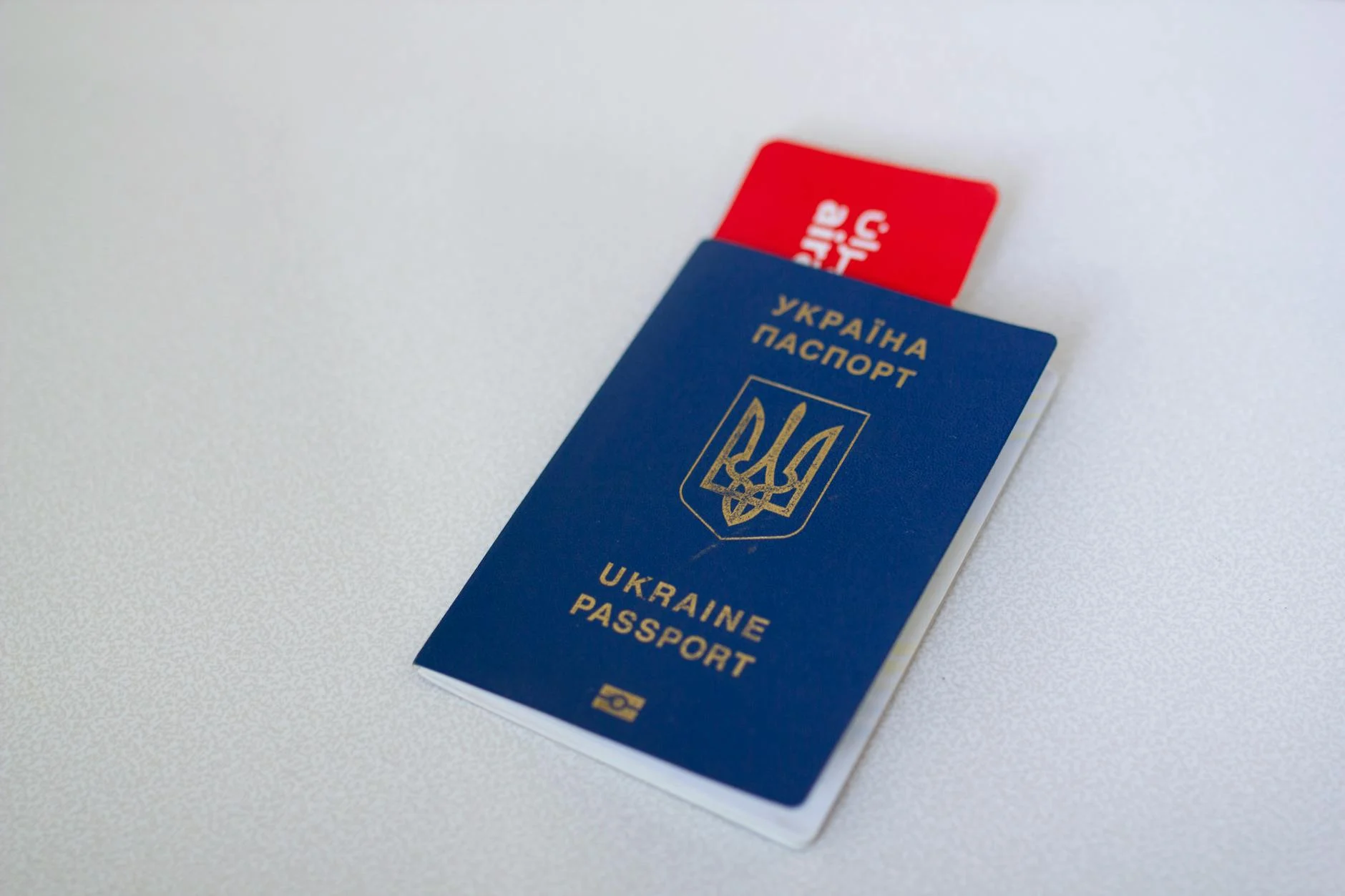
At its heart, a visa is an official stamp or endorsement placed in your passport by the government of a foreign country. Think of it as your green light, granting you permission to enter and stay in that country for a specific duration and for a particular reason. It’s essentially a pre-approval for your visit, signaling that you meet the entry requirements laid out by the destination nation. While your passport confirms who you are and where you’re from, a visa confirms your eligibility to set foot in a particular foreign territory.

The primary purpose of a visa is to allow countries to keep tabs on who comes and goes. This helps them safeguard national security, manage immigration flows, and regulate tourism and business activities. Without a valid visa, if one is required, you simply won’t be allowed past the immigration checkpoint – no matter how well-planned your flight tickets or hotel bookings are.
Types of Visas: Tourist, Business, Student, Transit, etc.
Visas come in all shapes and sizes, each specifically crafted for a distinct reason for travel. Grasping these different types is absolutely crucial when you find yourself asking, “Do I need a visa for international travel?”
- Tourist Visas: These are for those looking to travel for pleasure, soak in the sights, or visit friends and family. They typically come with a strict no-work policy.
- Business Visas: Designed for activities like attending conferences, crucial meetings, or sealing a deal. Like tourist visas, they generally don’t open the door to paid employment.
- Student Visas: For individuals keen on pursuing their education at an accredited institution in a foreign land.
- Work Visas: The golden ticket for those who’ve landed a job in the destination country. These often require sponsorship from a prospective employer.
- Transit Visas: Often a curveball for travelers, these are required by some countries even if you’re just passing through their airports to catch another flight, especially if you need to switch terminals or have a lengthy layover.
- Medical Visas: For individuals making a trip abroad specifically to seek medical treatment.
- Diplomatic/Official Visas: Reserved for government officials on official duty, carrying their country’s flag.
Every visa type comes with its own unique set of requirements, application procedures, and validity periods. Always make sure the visa you apply for truly aligns with the genuine purpose of your trip. Don’t try to fit a square peg in a round hole!

The Role of Your Passport and Nationality
Your passport isn’t just a travel document; it’s your most important international ID. It unequivocally identifies you as a citizen of a specific country, and your nationality is arguably the biggest factor in determining whether you’ll need a visa for international travel. Different countries enjoy varying diplomatic relations and agreements, which gives rise to a wide spectrum of visa policies.
For example, citizens of certain countries might sail through borders with visa-free access to numerous nations, while others might find themselves needing a visa for almost every international destination. The clout and recognition of your passport play a huge role in your freedom to roam. It’s not just about having a valid passport, but also ensuring it meets the destination country’s validity requirements – often needing at least six months of validity beyond your planned departure date.
Do I Need a Visa for International Travel? The Key Factors
Read Also : Visa Requirements for World Travel: Your Ultimate Guide

Your Nationality and Passport
As we’ve touched upon, your nationality is the bedrock of visa requirements. Countries frequently have reciprocal agreements allowing their citizens to visit each other’s territories without a visa for short stays. For instance, citizens of the European Union can move freely within the Schengen Area, and many nations extend visa-free entry to citizens of the United States, Canada, Australia, and New Zealand for tourist purposes.
To figure out if you need a visa, your very first step should always be to identify your passport country. This will serve as the jumping-off point for any visa requirement checker or official government website. Never take a friend’s word for it if they hold a different passport; what works for them might not work for you.
Your Destination Country
The country you’re dreaming of visiting is the other side of the coin. Each nation crafts its own immigration policies, which can be swayed by political relations, economic considerations, and security concerns. Some countries roll out the welcome mat with very open policies, eager to boost tourism and business, while others keep a tighter rein on who crosses their borders.

Even within the same geographical region, visa rules can swing wildly. For example, while many Southeast Asian countries offer visa-free entry to a broad range of nationalities, others might require almost everyone to secure a visa. Always double-check the specific requirements for your exact destination, rather than making assumptions based on the general region.
Purpose of Your Visit (Tourism, Work, Study)
The reason you’re hitting the road is a critical factor in determining if you need a visa, and if so, which kind. A short vacation typically falls under a tourist visa or visa-free entry, whereas planning to work, study, or reside in a foreign country almost always calls for a specialized visa type.
Trying to sneak into a country on a tourist visa with the hidden agenda of working or studying is a serious immigration breach and can lead to immediate deportation, hefty fines, and future travel bans. Be upfront and accurate about your intentions when you’re applying for a visa or stepping across a border.

Duration of Your Stay
Even if your nationality grants you visa-free entry, there’s almost always a time limit on how long you can stay. Common visa-free periods typically hover between 30 and 90 days. If your planned visit stretches beyond this limit, you’ll generally need to apply for a visa, even if you’d otherwise be exempt for shorter trips.
It’s absolutely vital to pinpoint your travel dates accurately and make sure your planned stay slots neatly within the permissible period. Overstaying a visa or a visa-free period can land you in hot water, resulting in penalties that could include fines, detention, or being barred from re-entering the country down the line.
How to Determine Your Visa Requirements: Step-by-Step Guide

Check Official Government Websites
Hands down, the most reliable and authoritative source for visa information is the official government website of your destination country’s embassy or consulate in your home country. These websites are the gold standard, offering up-to-the-minute details on visa types, requirements, application forms, fees, and processing times.
Read Also : Explore Visa-Free Countries: Your Ultimate Travel Guide
For instance, if you’re a UK citizen planning a trip to Japan, your go-to would be the website for the Embassy of Japan in the UK. Similarly, an American looking to visit Vietnam should consult the Vietnamese Embassy’s website in the USA. Be wary of third-party sites that claim to offer definitive visa information, as policies can change on a dime.
Utilize Reputable Visa Databases and Tools
While official sites are paramount, several reputable online tools and databases can give you a quick preliminary read on visa requirements based on your nationality and destination. Websites like IATA Travel Centre, VisaHQ, or Sherpa often provide comprehensive and regularly updated information. These tools are fantastic for a quick overview, but they should always be cross-referenced with official embassy websites for the final word.
These platforms truly shine for complex itineraries that involve multiple countries or transit stops, as they can flag potential transit visa requirements that might otherwise slip through the cracks. However, remember these are informational services, not official government pronouncements.
Consult Your Airline or Travel Agent
Airlines have a vested interest in making sure their passengers clear all entry requirements, as they’re often on the hook for flying back anyone denied entry. Because of this, your airline can be a valuable resource. When you book your flight, or even before, don’t hesitate to reach out to the airline directly to ask about visa necessities for your specific itinerary.
Likewise, seasoned travel agents often have their finger on the pulse of visa regulations. If you’re enlisting a travel agent to plan your adventure, be sure to ask them explicitly about visa requirements. They can often offer guidance or even lend a hand with the application process, though the ultimate responsibility for snagging the correct visa still rests squarely on your shoulders.
Common Scenarios: When You Likely Need a Visa

Longer Stays Beyond Visa-Free Limits
Even if your passport offers you the luxury of visa-free access for short tourist visits, planning an extended trip almost always means you’ll need a visa. Take this for example: many countries permit 90-day visa-free stays for tourism. If you’re eyeing a 4-month adventure, you’ll need to apply for an extended-stay visa – often a long-term tourist visa or a specific temporary residence permit – well before you pack your bags.
It’s crucial to differentiate between a short-term visa-free entry and the requirements for a longer haul. Overstaying your permitted duration, even by a single day, can lead to serious repercussions, including fines, detention, and future entry bans. It’s simply not worth the risk.
Specific Purposes Like Work or Study
Any activity that stretches beyond typical tourism or brief business meetings will generally call for a specialized visa. If your intention is to work, hit the books, volunteer long-term, or take up residence in a country, you’ll need to apply for the appropriate work, student, or residence visa. These visas typically come with more stringent requirements, often including proof of enrollment, employment contracts, evidence of financial stability, and sometimes even a medical check-up.
Trying to engage in these activities on a tourist visa is playing with fire; it’s illegal and can result in severe penalties, including immediate deportation. Always be transparent about your travel intentions and apply for the correct visa category – it’s the only way to go.
Read Also : International Travel: Master Your Customs Declaration
Countries with Strict Entry Policies
Some countries maintain very tight entry policies for almost all foreign nationals, regardless of their origin. These nations frequently require a visa for entry, even for short tourist visits. Reasons for such policies can range from national security concerns and complex political relations to a desire to meticulously control visitor numbers.
Examples of countries that often require visas from a broad spectrum of nationalities include China, Russia, and many nations across Africa and the Middle East. It’s absolutely imperative to research your destination inside out and acknowledge that some places simply have more rigorous entry procedures. Don’t leave it to chance.
Visa-Free Travel: The Privileges and Limitations
What “Visa-Free” Truly Means
“Visa-free” sounds like a golden ticket, and it largely is. It means that as a holder of a particular passport, you’re allowed to enter a specific country for a certain period (say, 30, 60, or 90 days) without the hassle of applying for a visa beforehand. This privilege is typically extended for tourism or brief business visits.
However, “visa-free” doesn’t mean “requirement-free” – that’s a common misconception. You’ll still need a valid passport, often with at least six months’ validity left on the clock, and you must strictly adhere to the permitted length of stay. Immigration officers at the port of entry still hold the trump card: they have the authority to deny you entry if they suspect you intend to overstay, work illegally, or pose a security risk. Be prepared to show proof of onward travel, sufficient funds, and accommodation bookings if asked.
Understanding E-Visas and ETAs (Electronic Travel Authorizations)
The landscape of international travel is constantly shifting, with many countries embracing electronic systems. An E-Visa is a visa issued electronically, meaning you apply and receive your visa online, without the need to visit an embassy or send off your physical passport. You typically just print a copy to present upon arrival.
An ETA (Electronic Travel Authorization), such as the ESTA for the USA, eTA for Canada, or the upcoming ETIAS for Europe, is a horse of a different color. ETAs aren’t full-blown visas but rather pre-travel authorizations for nationalities who are otherwise visa-exempt. They usually involve a quick online application and a modest fee, allowing the destination country to screen visitors before they even step foot on a plane. Think of it as a mandatory pre-screening for certain visa-free travelers.
When Visa-Free Still Requires Registration
Even when a country proudly offers visa-free entry, some nations still expect visitors to register their arrival or departure, often through an online portal or upon touching down. This is particularly common in certain corners of Asia and South America, where you might need to fill out an immigration card or an online form either before or upon landing.
Failing to complete these seemingly minor registration steps can still lead to frustrating delays or hiccups at immigration. Always check if there are any additional registration requirements for your visa-free destination, as these are often distinct from a full visa application and can easily be overlooked.
The Visa Application Process: What to Expect

Read Also : Visa-Free Countries for Beginners: Easy Travel Guide
Required Documents and Information
Once you’ve nailed down that you indeed need a visa for international travel, getting your documents in order is the first critical step. While requirements are a mixed bag depending on the country and visa type, common documents you’ll likely need include:
- A valid passport (often needing 6 months of validity beyond your trip).
- A fully completed visa application form.
- Recent passport-sized photographs that meet specific criteria.
- Proof of your travel itinerary (think flight bookings, hotel reservations).
- Proof of sufficient funds to see you through your stay (like bank statements, pay stubs).
- An invitation letter (if you’re visiting friends/family or for business purposes).
- Travel insurance coverage.
- Proof of onward or return travel.
- For work/student visas: acceptance letters from institutions or employment contracts.
It’s absolutely essential to gather all required documents precisely as specified by the embassy or consulate. Missing or incorrect documents are a primary culprit behind visa application delays or outright rejections – don’t let it happen to you!
Application Submission: Online vs. Embassy/Consulate
The method you use to submit your visa application largely depends on your destination country. Many nations now offer convenient online application portals for various visa types, especially for e-visas and ETAs. This allows you the flexibility to submit your application, upload documents, and pay fees from pretty much anywhere.
However, for more complex visas or for countries with stricter policies, you might still need to apply in person at an embassy or consulate, or through a designated visa application center. This often involves an interview, providing biometric data (fingerprints and photos), and handing over your physical passport for stamping. Always verify the specific submission method required for your chosen visa – don’t assume.
Processing Times and Fees
Visa processing times can vary wildly, ranging from a mere few minutes for some e-visas to several weeks or even months for complex work or student visas. Factors that throw a spanner in the works include the type of visa, the sheer volume of applications, and the efficiency of the consular office. It’s absolutely crucial to check the estimated processing time and apply well in advance of your travel date – better safe than sorry!
Visa application fees are also par for the course and are typically non-refundable, whether your visa is approved or denied. These fees differ widely and are usually settled during the application process. Be prepared for additional costs, such as courier services if your passport needs to be mailed back to you.
Tips for a Smooth Visa Application
Start Early and Be Organized
The golden rule for visa applications is to start early. Seriously, don’t leave it to the eleventh hour. Begin digging into requirements and gathering documents as soon as your travel plans are set in stone. This gives you plenty of breathing room to collect all the necessary paperwork, fill out forms accurately, and account for any unexpected processing delays.
Create a robust checklist of all required documents and information. Keep everything meticulously organized in a dedicated folder, both physically and digitally. This systematic approach will drastically cut down on stress and minimize the chance of making costly errors.
Accuracy is Paramount
Every single piece of information you jot down on your visa application must be spot-on and consistent with your supporting documents. Discrepancies, even minor ones, can raise red flags faster than you can say “passport” and often lead to delays or outright rejection. Double-check all dates, names, passport numbers, and addresses with a fine-tooth comb.
Ensure that the information on your application form mirrors your passport exactly. If you’ve made a blunder, it’s often wiser to correct it before submission or reach out to the embassy for guidance, rather than crossing your fingers and hoping it goes unnoticed.
Read Also : Best Time to Visit Beautiful Places: Your Ultimate Guide
Keep Copies of Everything
Before you hit submit on your application, make digital and physical copies of absolutely everything: your passport, the completed application form, all supporting documents, and any receipts for fees paid. These copies serve as a vital safety net in case documents get lost in transit or if you need to reference your application details down the line.
Having copies tucked away can also be invaluable if you run into any snags during your trip or need to prove that you applied correctly. It’s a simple step that can save you a world of hassle and give you peace of mind.
Common Mistakes to Avoid
Assuming Visa-Free Entry
One of the most frequent and costly blunders travelers make is assuming they don’t need a visa simply because a friend or a travel blog mentioned visa-free entry for a particular country. Visa policies are anything but static; they’re dynamic and can change without so much as a whisper. What’s more, visa-free status is always inextricably linked to a specific nationality and passport.
Never assume. Always verify the latest requirements for your specific passport and destination through official channels. A few minutes of diligent research can spare you from significant travel headaches and a potential trip-ender.
Ignoring Transit Visa Requirements
Many travelers fixate solely on the visa for their final destination, completely forgetting that some countries demand a transit visa even if you’re just passing through their airport and not officially entering the country. This is particularly true if you’re facing a long layover, need to collect and re-check luggage, or if your connecting flights are on different airlines, necessitating a trip through immigration.
Always make it a point to check if your layover country requires a transit visa. This crucial information is usually readily available on the embassy website or through reputable travel databases like the IATA Travel Centre. Don’t let this common oversight catch you off guard!
Last-Minute Applications
Applying for a visa at the eleventh hour is a recipe for stress and a potential disaster waiting to happen. Visa processing times are merely estimates, and delays can crop up due to public holidays, a surge in application volumes, or additional document requests. An expedited processing option, if even available, often comes with a hefty additional fee that will make your wallet weep.
Giving yourself ample time (think several weeks to months, depending on the visa type) ensures that you can handle any unforeseen circumstances and receive your visa well before your departure date, guaranteeing a much smoother start to your international travel. Don’t cut it close!
Special Considerations for International Travel
Passport Validity Rules (6-Month Rule)
Beyond simply possessing a valid passport, many countries strictly enforce a “6-month rule,” meaning your passport must remain valid for at least six months beyond your intended departure date from that country. Some even demand three months of validity. If your passport is nearing its expiry date, you might find yourself denied entry even if you’re holding a valid visa.
Check the passport validity requirements for your destination well in advance and, if your passport doesn’t cut the mustard, renew it pronto. This is a common oversight that can lead to significant travel disruptions and put a damper on your plans.
Read Also : First-Time Travelers' Pre-Trip Checklist | Your Ultimate Guide
Health and Travel Insurance Requirements
While not a strict visa requirement for every country under the sun, many nations now mandate proof of health and travel insurance as part of the visa application process or as a condition of entry. This holds particularly true for countries within the Schengen Area and for certain long-stay visas.
Even if not explicitly required, comprehensive travel insurance is heartily recommended for all international travel. It acts as a vital safety net for medical emergencies, trip cancellations, lost luggage, and other unforeseen events, offering invaluable peace of mind during your journey. It’s a small price to pay for security.
Entry Restrictions and Local Laws
Always keep your ear to the ground regarding any specific entry restrictions or local laws that might throw a curveball at your travel plans. This could encompass anything from vaccination requirements (e.g., a Yellow Fever certificate) and currency declaration limits to restrictions on certain goods or cultural norms that could influence your behavior abroad.
Government travel advisories (from your home country’s foreign affairs department) are an excellent source for this information, offering crucial insights into safety, security, health, and local laws. Being well-informed helps ensure a respectful, trouble-free visit, keeping you out of hot water.
Conclusion
The question, “Do I need a visa for international travel?”, is a fundamental one that every traveler must tackle head-on before embarking on a journey abroad. It’s a critical step that paves the way for a smooth, legal, and enjoyable experience, fending off last-minute stress, financial losses, or even the devastating blow of being denied entry. The intricate web of global immigration policies means that a little bit of legwork in research can go an incredibly long way in preparing for your trip.
By systematically cross-referencing your passport’s nationality with your destination’s requirements, clearly understanding the purpose and duration of your visit, and diligently utilizing official government resources, you can confidently pinpoint your visa needs. Remember to get an early start, be meticulously organized with your documents, and always prioritize accuracy in your application – leaving no stone unturned. Steering clear of common pitfalls like assuming visa-free entry or overlooking transit requirements will save you from a world of potential headaches.
Ultimately, a truly well-planned trip includes giving thorough attention to visa and entry regulations. With the right information and preparation firmly in hand, you can navigate the world of international travel seamlessly, allowing you to focus on the sheer excitement of exploration rather than the nagging worries of documentation. Safe travels, and may your adventures be boundless!
FAQ
That's a 'depends' answer, hinging on your nationality, the transit country's regulations, and whether you'll actually clear immigration – for instance, if you're switching airports or facing a lengthy layover. Beware: some nations demand a transit visa even if you're just cooling your heels within the airport's international transit zone (known as airside transit). Your best bet is always to verify the exact transit visa requirements for your nationality and travel plan directly with the embassy or consulate of the transit country.
We can't stress this enough: get your visa application in the moment your travel plans are set in stone, ideally 2-3 months before your intended travel date. The processing times are a real mixed bag; some e-visas might come through in a flash, within hours, but traditional ones can drag on for several weeks, or even months, particularly during busy travel seasons or for more convoluted visa categories. Cutting it close and leaving it to the last minute is a gamble that could easily lead to frustrating delays or, worse, your trip being a non-starter.
If you try to take off without the necessary visa, you'll almost certainly be turned away at the gate by the airline right at your departure point. Airlines bear the weight of responsibility for making sure every passenger has their ducks in a row when it comes to travel documents. And on the slim chance you do make it to your destination, you'll be met with a firm denial of entry by immigration officials and likely sent packing back to your home country, all on your dime. This isn't a minor hiccup; it's a serious blunder that can lead to future travel restrictions, putting a real damper on your globetrotting ambitions.
Absolutely. Even if you hail from a nation that generally enjoys the privilege of visa-free entry, remember that border officials always hold the trump card. They can put the kibosh on your entry if they catch a whiff of suspicion that you plan to overstay, work under the table, lack sufficient funds, or present any kind of security risk. So, always be ready to flash proof of your return ticket, where you'll be staying, and your financial wherewithal, and articulate your purpose of visit with crystal clarity.

You might also like

Popular Posts


Embracing Spiritual Growth Through Travel and Exploration
Travel is more than just seeing new places; it's a profound journey into oneself. This article explores how embracing travel and exploration can significantly contribute to your spiritual growth, offering unique perspectives and transformative experiences.






One thought on “Do I Need a Visa for International Travel? Guide 2024”