Modern Pilgrimage Journeys: A New Path to Discovery

For centuries, the very notion of a pilgrimage conjured images of arduous treks to sacred sites, undertaken purely for religious devotion or penance. However, the 21st century has brought about a profound shift in this ancient practice. Nowadays, modern pilgrimage journeys have broken free from strictly religious confines, embracing a much wider spectrum of motivations. These can range from a quest for personal growth and mental well-being to a deep dive into cultural exploration or even a rigorous physical challenge.
These contemporary odysseys tap into a universal human craving for deeper meaning and connection, especially in our increasingly fast-paced world. Whether it’s a solo hike through a sprawling national park, a quiet reflective retreat, or an immersive cultural expedition, a modern pilgrimage offers a golden opportunity to step off the hamster wheel of daily life and embark on a genuine path of self-discovery. This article will unpack the heart of these evolving journeys, shining a light on their varied forms, the powerful reasons behind them, and the lasting impact they have on those who answer their call.
The Evolution of Pilgrimage: From Ancient Roots to Modern Paths
Traditional vs. Contemporary Pilgrimages
For centuries, pilgrimages were almost exclusively religious undertakings, where devotees journeyed to sacred lands or shrines, often to seek blessings, fulfill vows, or atone for perceived sins. Iconic routes such as the Camino de Santiago or the Hajj to Mecca stand as shining examples of these deeply rooted traditions. Such journeys typically involved strict rituals and a crystal-clear spiritual objective.
In stark contrast, modern pilgrimage journeys often still carry a spiritual thread, but they’re not necessarily tethered to a specific faith. These expeditions are far more individualized, zeroing in on personal exploration, healing, or a thirst for knowledge. The journey itself frequently becomes the true destination, offering a precious space for introspection and profound transformation.

Defining Modern Pilgrimage
At its core, a modern pilgrimage can be defined as a purposeful journey, frequently involving a significant physical or mental hurdle, undertaken with the clear intention of fostering personal growth, gaining spiritual insight, or achieving a deeper understanding of oneself and the wider world. It’s a conscious decision to step outside one’s comfort zone and engage with the path in a truly meaningful way, setting it worlds apart from a run-of-the-mill vacation.
These journeys can vary wildly in duration and intensity, from a quiet weekend silent retreat to a month-long trek that tests one’s mettle. What truly binds them together is the deliberate intention driving the travel, making it far more than mere sightseeing; it’s about doing the inner work while engaging with the world around you.
Why Modern Pilgrimages Resonate
The magnetic pull of modern pilgrimage journeys lies in their uncanny ability to address the pressing needs of our times. In an era of digital overload and constant clamor, these journeys offer a much-needed digital detox, a chance for mindfulness, and a return to the calming embrace of nature. They provide a robust framework for individuals to process major life changes, conquer personal challenges, or simply reconnect with their inner selves, far removed from the daily grind.
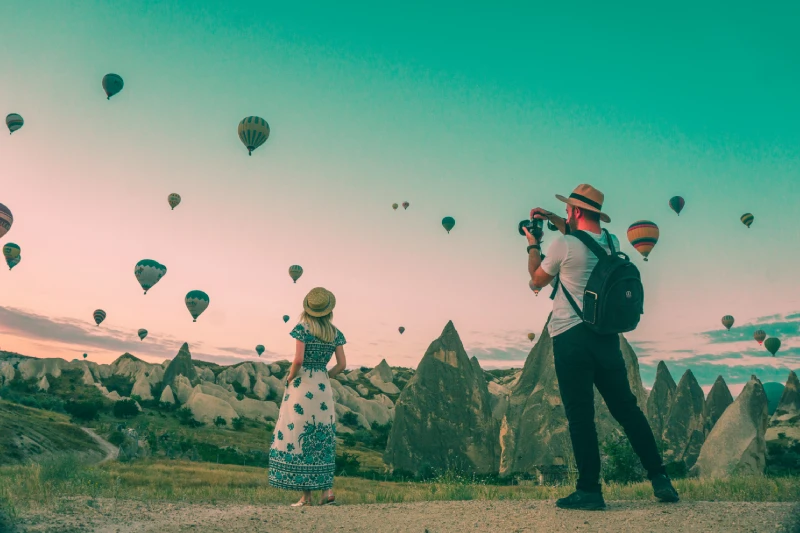
The universal human experience of seeking meaning, coupled with a surging interest in holistic well-being, has undoubtedly fueled the rise of these diverse and intensely personal quests. They offer a tangible, boots-on-the-ground way to pursue personal development and finally find that elusive clarity.
Diverse Motivations Behind Modern Pilgrimage Journeys

Spiritual & Religious Renewal
While not exclusively religious, many modern pilgrims still yearn for spiritual solace or a fresh wave of renewal. This might involve revisiting traditional holy sites with a fresh, contemporary perspective, or perhaps discovering spirituality embedded in nature, art, or community. The underlying goal is often to deepen one’s faith or explore profound spiritual questions outside the confines of conventional settings.
Read Also : Essential Items for Spiritual Travel: A Complete Guide
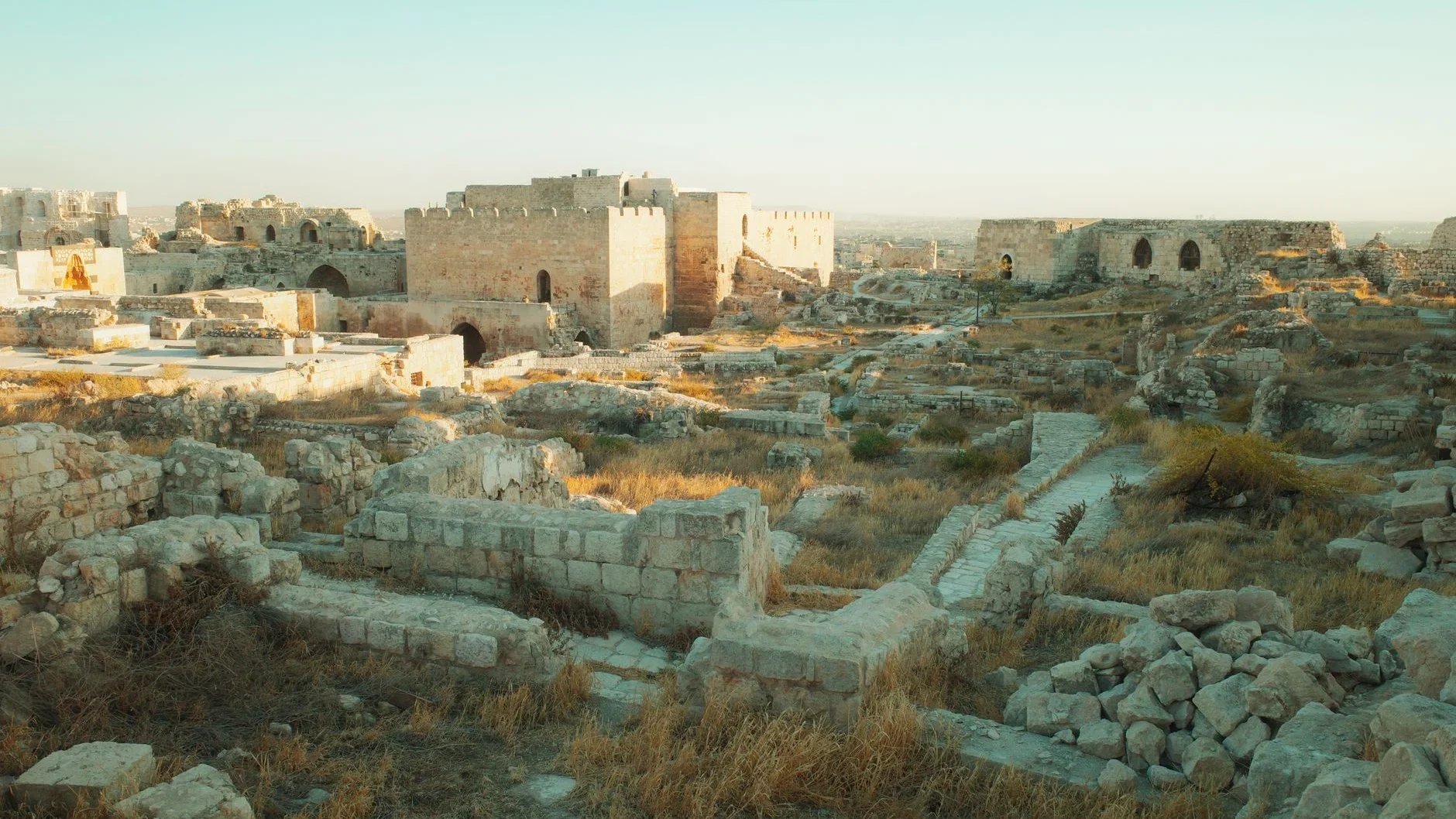
For some, it’s about forging a deeply personal connection to the divine or universal energy, unburdened by rigid dogma. These journeys can open up profound opportunities for introspection and a complete re-evaluation of one’s spiritual compass.
Personal Growth & Self-Discovery
A major driving force for undertaking modern pilgrimage journeys is the burning desire for personal growth. Grappling with physical challenges, navigating unfamiliar territories, and embracing solitude can cultivate resilience, foster self-reliance, and sharpen one’s sense of identity. Many pilgrims come away reporting newfound perspectives on their lives and a clear recalibration of their priorities.
This process of self-discovery often means confronting personal limitations head-on, learning to embrace discomfort, and trusting one’s gut instincts. It’s a powerful crucible for shedding old habits and cultivating fresh, empowering ways of being.

Cultural Immersion & Learning
Modern pilgrimages can also serve as a profound gateway to immersing oneself in different cultures and histories. Journeying through ancient lands, engaging heart-to-heart with local communities, and delving into diverse traditions offers an incredibly rich educational experience that far surpasses typical tourism. This particular brand of pilgrimage nurtures empathy and broadens one’s global perspective.
These journeys allow participants to witness firsthand how various cultures interpret spirituality, community, and the human experience, thereby enriching their understanding of the world in a truly tangible way.
Physical Challenge & Mental Resilience
For many, the sheer physical demands of a long walk or trek lie at the very heart of the pilgrimage experience. Pushing one’s physical boundaries can build immense mental resilience, iron discipline, and a deep, abiding appreciation for the body’s capabilities. The rhythmic cadence of walking, in particular, frequently ushers in a meditative state.

Conquering fatigue, battling unpredictable weather, and covering vast distances instills a powerful sense of accomplishment and imparts invaluable lessons about perseverance. This aspect holds a particular allure for those actively seeking a tangible test of their inner and outer strength.
Popular Destinations for Modern Pilgrimage Journeys

The Camino de Santiago (Still Relevant)
The Camino de Santiago, with its intricate network of ancient pilgrim routes threading across Europe to Santiago de Compostela in Spain, remains incredibly popular. While historically rooted in Catholicism, it now draws millions from all walks of life, seeking everything from spiritual enlightenment to a formidable personal challenge. It stands as a prime example of a traditional route wholeheartedly embraced by modern pilgrims.
The well-established infrastructure, the palpable sense of community, and the deep, rich history etched into the very path make it an enduring favorite for those embarking on modern pilgrimage journeys, year after year.
Read Also : Transformative Travel Experiences That Nurture the Soul
Nature Trails & Wilderness Retreats
Increasingly, people are turning to the raw beauty of nature for their modern pilgrimage. Long-distance hiking trails like the Appalachian Trail or the Pacific Crest Trail in the US, or even multi-day walks through national parks, offer profound solitude and an intimate connection with the natural world. Wilderness retreats, meanwhile, focus intently on disconnecting from technology and reconnecting with one’s inner core.
These nature-based pilgrimages champion environmental awareness, foster mindfulness, and celebrate the healing power of untouched landscapes, providing an utterly serene backdrop for deep introspection.
Cultural Routes & Heritage Sites
Journeys centered around deep cultural immersion, such as exploring ancient Silk Road routes, visiting historical temples scattered across Asia, or retracing the footsteps of influential historical figures, also fall squarely under the umbrella of modern pilgrimage. These routes offer a rich tapestry woven with history, art, and vibrant local customs.
The focus here is firmly on learning, understanding, and truly experiencing the enduring legacy of human civilization, often with an underlying quest for wisdom or a tangible connection to the past.
Wellness & Mindfulness Retreats
Many modern pilgrimage journeys are meticulously designed specifically with wellness and mindfulness in mind. These can take the form of rejuvenating yoga retreats in Bali, peaceful meditation camps nestled in the Himalayas, or silent retreats set in truly serene natural environments. The primary objective is to cultivate mental clarity, emotional equilibrium, and robust physical well-being.
These structured retreats frequently incorporate practices like meditation, yoga, healthy eating, and guided reflection, offering a systematic and holistic approach to personal rejuvenation.
Planning Your Modern Pilgrimage Journey: A Step-by-Step Guide

Define Your Purpose
Before you even think about hitting the road, it’s absolutely crucial to pin down why you’re going. Are you chasing spiritual clarity, aiming to conquer a personal challenge, or simply yearning for a much-needed digital detox? Clearly defining your purpose will serve as your North Star, helping you select the perfect type of pilgrimage and set realistic expectations for the experience that lies ahead.
Take ample time to truly reflect on what you hope to gain or unearth. This core intention will act as your unwavering compass throughout both the planning process and the journey itself.
Research & Route Selection
Once your purpose is crystal clear, dive into researching potential destinations and routes that beautifully align with your goals. Dig into the nitty-gritty logistical details like terrain, climate, available accommodation, and overall accessibility. Read blogs, devour documentaries, and consult trusty guidebooks to gather every last bit of information you can get your hands on.
Read Also : Hidden Gems for Unforgettable Weekend Adventures 2026
Always keep the length of time you have at your disposal and your current physical fitness level in mind when making your route selection. The good news is, there’s an option for every experience level under the sun, from gentle, leisurely strolls to truly challenging treks.
Preparation: Physical & Mental
Physical preparation is paramount, especially for walking or hiking pilgrimages. Start training several weeks or even months in advance, gradually building up your endurance. Just as important is mental preparation: practice mindfulness, set realistic expectations, and brace yourself for potential discomfort or unexpected hurdles along the way.
Mentally steeling yourself for solitude, unanticipated changes, and the emotional ebbs and flows of the journey will empower you to embrace the entire experience to the fullest, even when the going gets tough.
Packing Essentials
Packing light and smart is absolutely vital for most modern pilgrimage journeys. Focus on multi-purpose items and absolute essentials. This typically includes a pair of comfortable, broken-in walking shoes, weather-appropriate clothing (think layers!), a comprehensive first-aid kit, reliable navigation tools (a physical map, compass, or GPS device), and a trusty reusable water bottle. For many journeys, a journal and pen are considered indispensable for capturing reflections.
Always double-check the specific requirements for your chosen route, as some areas might demand specialized gear or specific permits. When in doubt, prioritize comfort and sheer functionality over any excess.
Embracing Technology on Your Modern Pilgrimage

Navigation Apps & Digital Guides
While the very essence of pilgrimage often revolves around disconnecting, technology, when used wisely, can be an invaluable ally. Navigation apps like AllTrails, Gaia GPS, or even a good old Google Maps can be a godsend for staying on track, particularly on less-marked routes. Digital guidebooks can also offer a treasure trove of historical context and practical information without adding bulk to your pack.
It’s all about wielding technology judiciously to boost safety and access information, rather than letting it distract you from the precious present moment. Always have a fallback, like a good old-fashioned paper map, just in case your battery decides to call it quits.
Connecting with Fellow Pilgrims Online
Online forums and social media groups dedicated to specific modern pilgrimage journeys offer a fantastic avenue to connect with seasoned pilgrims, pose burning questions, and even scout out potential companions. Swapping stories and advice both before, during, and after your journey can significantly enrich the overall experience and foster a beautiful sense of community that lasts a lifetime.
These platforms can also serve as a wellspring of encouragement and support, especially for solo travelers, providing a comforting network of like-minded individuals who truly get it.
Read Also : Key Travel Industry Developments for Every Traveler
Documenting Your Journey Digitally
For many, documenting their pilgrimage is an integral part of the experience. Smartphones make it a breeze to capture high-quality photos and videos, while blogging or journaling apps can help you immortalize thoughts and reflections in real-time. This digital record serves as a powerful, living reminder of the journey’s profound lessons and personal transformations.
However, it’s crucial to strike a delicate balance: document mindfully, ensuring that the act of capturing doesn’t inadvertently overshadow the profound experience of truly living in the moment itself.
The Transformative Power of Modern Pilgrimage

Inner Reflection & Clarity
One of the most profound takeaways from modern pilgrimage journeys is the unparalleled opportunity for deep inner reflection. Away from the clamor of daily distractions, the mind finds ample room to wander, process thoughts, and ultimately gain a crystal-clear perspective. Many pilgrims come away reporting genuine “aha!” moments or significant breakthroughs that ripple through their personal lives.
This sustained period of introspection frequently culminates in a greater understanding of oneself, one’s core values, and a clearer path forward, fostering a deep sense of peace and renewed purpose.
Building Community & Connection
Despite often being solitary endeavors, many modern pilgrimage journeys surprisingly foster a robust sense of community. Sharing trails, breaking bread, and swapping stories with fellow pilgrims, even complete strangers, forges unique and lasting bonds. These connections can be fleeting yet profoundly meaningful, serving as a powerful reminder of our shared humanity.
The mutual support and encouragement discovered among pilgrims often blossom into cherished memories, underscoring the sheer power of human connection forged through shared experiences.
Sustainable Travel Practices
Modern pilgrimage inherently champions a mindful approach to travel, which naturally extends to embracing sustainable practices. Pilgrims are actively encouraged to minimize their environmental footprint, show deep respect for local cultures, and responsibly support local economies. This ethos perfectly aligns with the transformative aspect of pilgrimage, promoting a more conscious and harmonious way of living.
By consciously choosing eco-friendly accommodations, drastically reducing waste, and engaging respectfully with host communities, pilgrims contribute positively to the places they visit, striving to leave them as they found them, or ideally, even better.
Solo vs. Group Modern Pilgrimage Journeys
Advantages of Solo Travel
Embarking on a modern pilgrimage journey entirely alone offers an unparalleled sense of freedom and boundless opportunities for deep introspection. You get to set your own pace, make every single decision independently, and have ample, undisturbed time for quiet reflection. Solo travel can significantly boost self-reliance and confidence, as you learn to navigate challenges solely on your own terms, coming into your own.
Read Also : Luxury Vacation Ideas: Unforgettable Escapes for [apc_current_year]
It’s the ideal choice for those yearning for profound self-discovery, allowing for an unfiltered, unadulterated experience where you are fully present with your thoughts and the world unfolding around you.
Benefits of Group Expeditions
Conversely, group pilgrimages offer the comforting embrace of companionship, shared experiences, and often a ready-made support system. Traveling with others can ease anxieties about navigation or safety, and the shared journey frequently blossoms into lasting friendships. Guided group tours also often provide deeper, richer insights into the history and cultural fabric of the route, thanks to expert guidance.
For those who thrive on social interaction or simply prefer a more structured experience, a group pilgrimage can deliver a wonderfully rich and rewarding adventure without the added pressures of solo planning.
Finding the Right Balance
Many modern pilgrims discover a sweet spot, a perfect balance between solo and group travel. This might involve setting out on a journey alone and then joining a group for specific sections, or vice versa. Some routes naturally lend themselves to meeting fellow travelers organically along the way, even if you begin solo, offering a delightful blend of independence and camaraderie.
Consider your personality, your comfort level with solitude, and the specific goals of your pilgrimage to pinpoint the best approach that resonates with you.
Ethical Considerations in Modern Pilgrimage
Respecting Local Cultures & Environments
As modern pilgrimage journeys continue to soar in popularity, it becomes increasingly paramount to travel with profound respect and acute awareness. Pilgrims should make a conscious, concerted effort to understand and wholeheartedly adhere to local customs, cherished traditions, and appropriate dress codes. This includes being mindful of noise levels in sacred spaces and always seeking permission before snapping photos of people.
Equally vital is showing unwavering respect for the natural environment by sticking to marked trails, packing out every last bit of trash, and scrupulously avoiding any actions that could harm the delicate flora or fauna.
Supporting Local Economies
A truly responsible pilgrim actively seeks to make a positive impact on the communities they visit. This means consciously choosing local guesthouses, savoring meals at family-run restaurants, and purchasing authentic goods directly from local artisans. Such thoughtful choices ensure that the economic benefits of tourism flow directly into the pockets of the people who live and work along the pilgrimage routes.
Steering clear of large chain establishments and opting for genuine local experiences helps to preserve the unique character and soul of the places you visit.
Minimizing Environmental Impact
Every journey inevitably leaves an environmental footprint, but modern pilgrims can make a genuine effort to minimize theirs. This involves adopting practices like carrying reusable water bottles and shopping bags, drastically cutting down on plastic use, choosing public transport or walking whenever feasible, and conscientiously conserving energy and water at accommodations. The overarching goal is to leave absolutely no trace behind.
Read Also : Perfect Romantic Getaways for Couples | [apc_current_year] Guide
By wholeheartedly embracing sustainable travel habits, pilgrims embody the mindful and respectful spirit of their journey, actively contributing to the preservation of our precious planet for generations to come.
Beyond the Journey: Integrating Lessons Learned
Post-Pilgrimage Reflection
The journey, in many ways, doesn’t actually end when you finally return home; in fact, it’s often just beginning. Taking dedicated time for post-pilgrimage reflection is absolutely crucial for truly integrating the profound lessons you’ve absorbed. This might involve journaling your thoughts, sharing your experiences with cherished loved ones, or simply spending quiet moments contemplating the subtle (or not-so-subtle) changes within you.
Allow yourself the space and grace to process the emotions and insights gained, recognizing that personal transformation is an ongoing, beautiful process, not a singular, fleeting event.
Maintaining the Pilgrim Mindset
One of the greatest challenges, yet also the greatest rewards, is carrying the “pilgrim mindset” back into the hustle and bustle of everyday life. This means consciously cultivating the mindfulness, resilience, gratitude, and openness to new experiences that so defined your journey. Ask yourself: How can I weave the lessons of simplicity, perseverance, or community into my daily routine?
The ultimate aim is to embed the very spirit of pilgrimage into your ongoing life, effectively making every single day a mini-pilgrimage of purpose and presence.
Sharing Your Experience
Sharing your modern pilgrimage journey with others can be a profoundly powerful way to solidify your own learning and, quite possibly, ignite inspiration in those around you. Whether through captivating storytelling, maintaining a blog, or simply engaging in heartfelt conversations, recounting your experiences helps you articulate your hard-won insights and connect with others on a much deeper, more meaningful level.
Your unique story might just be the catalyst for someone else to embark on their own transformative modern pilgrimage, thereby spreading the positive ripple effect of these incredibly meaningful journeys far and wide.
Conclusion
Modern pilgrimage journeys represent a vibrant, dynamic evolution of an ancient human quest, offering a kaleidoscope of paths to self-discovery, spiritual growth, and profound cultural immersion. Far from being shackled by rigid religious dogma, these journeys now cater to an expansive array of motivations, from seeking personal clarity amidst nature’s grandeur to embracing formidable physical challenges on time-honored routes.
Whether undertaken as a solo adventurer or as part of a group, and regardless of whether the destination is a sacred mountain peak or a serene, quiet retreat, the core essence remains steadfast: a purposeful quest for deeper meaning. By planning meticulously, embracing every challenge that comes your way, and reflecting deeply on the experience, participants can unlock profound personal transformation that reverberates far beyond the confines of the journey itself.
Ultimately, choosing to embark on a modern pilgrimage is a powerful investment in oneself, offering a potent antidote to the relentless complexities of contemporary life. It gently nudges us to slow down, look inward, and connect with the world around us in a more meaningful, sustainable, and conscious way, thereby fostering resilience, empathy, and a beautifully renewed sense of purpose.
Read Also : Top Honeymoon Destinations for an Unforgettable Trip
FAQ
A modern pilgrimage journey is essentially a purposeful trip, often involving a significant physical or mental challenge, undertaken with the clear intention of fostering personal growth, gaining spiritual insight (which isn't necessarily religious), experiencing cultural immersion, or simply achieving self-discovery. It stands apart from a typical vacation due to its deliberate focus on inner transformation and a meaningful engagement with the journey itself.
No, absolutely not! While traditional pilgrimages are often deeply religious, modern pilgrimage journeys embrace a vast spectrum of motivations, including personal growth, cultivating mindfulness, forging a deeper connection with nature, enriching cultural learning, and tackling physical challenges. Many individuals embark on these journeys for secular or broadly spiritual reasons, entirely unburdened by specific religious affiliations.
The duration of modern pilgrimage journeys can vary quite dramatically. They can range from just a few days for a local retreat or a short, invigorating trek, to several weeks or even months for epic long-distance trails like the Camino de Santiago or major wilderness expeditions. The length often hinges on the chosen route, the pilgrim's available time, and their specific personal goals for the journey.
Thorough preparation involves several key steps: first, clearly defining your purpose; second, diligently researching and selecting a suitable route; and third, engaging in both physical and mental training. Physical preparation might entail regular walking or hiking, gradually building up your stamina, while mental preparation involves practicing mindfulness and setting realistic expectations. And don't forget the golden rule: pack light and efficiently, focusing solely on the essentials!
Yes, absolutely! Many modern pilgrimage journeys are entirely feasible on a limited budget. Practical options include choosing routes with free or low-cost accommodation (like hostels, albergues, or camping), preparing your own meals to save on dining out, and opting for destinations closer to home to cut down on expensive travel costs. By prioritizing essential gear and exercising resourcefulness, these transformative experiences can be made accessible to a great many people.
Tagged with:
meaningful travelmindful tourismmodern pilgrimageself-discovery journeysspiritual travel

Popular Posts


Embracing Spiritual Growth Through Travel and Exploration
Travel is more than just seeing new places; it's a profound journey into oneself. This article explores how embracing travel and exploration can significantly contribute to your spiritual growth, offering unique perspectives and transformative experiences.


One thought on “Modern Pilgrimage Journeys: A New Path to Discovery”