Working While Travelling Abroad: Your Ultimate Guide
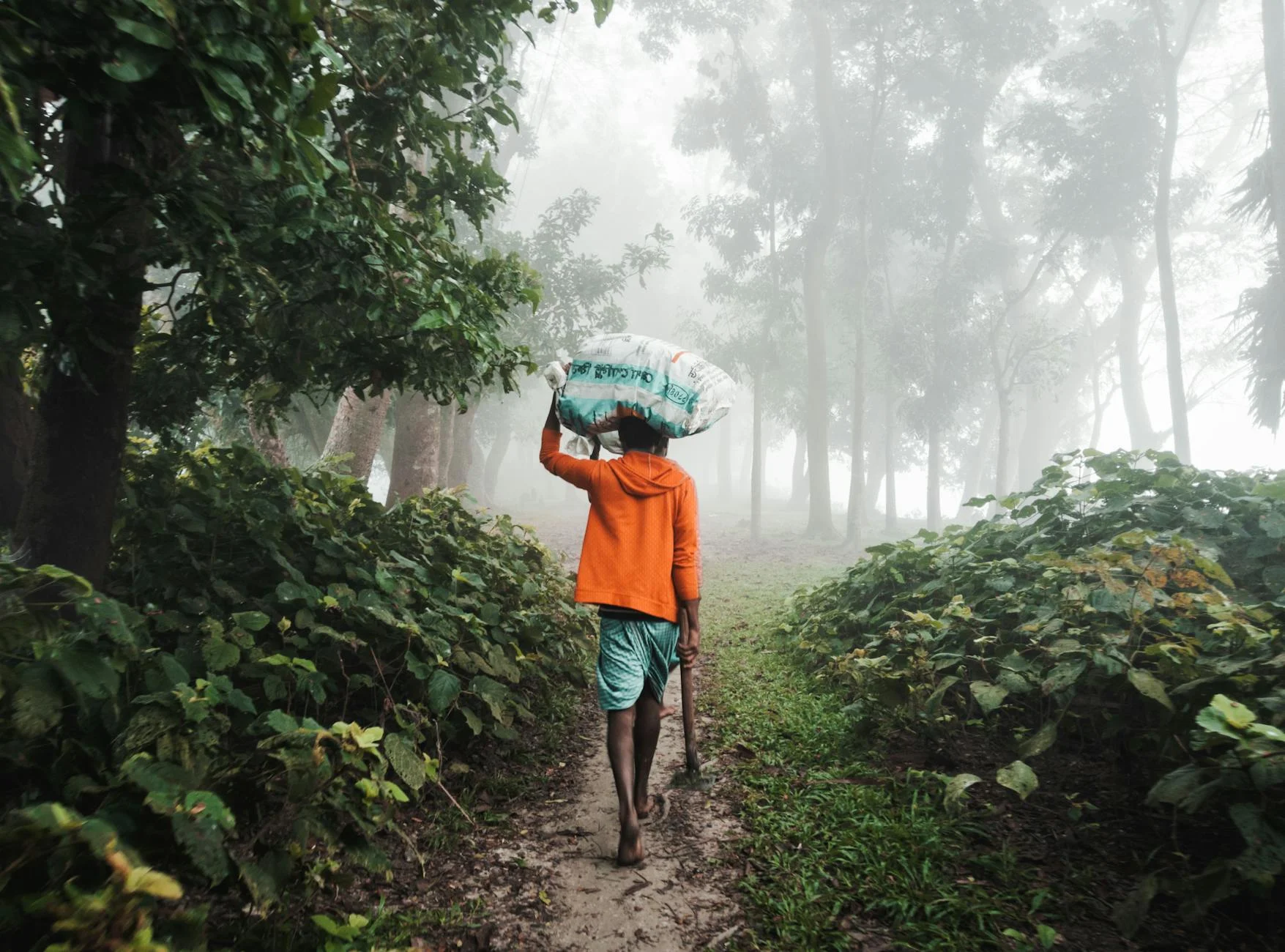
The allure of seeing the world while maintaining a career has never been stronger. Imagine waking up to the sound of waves in Bali, spending your morning working on a project, and your afternoon exploring ancient temples. This isn’t just a fantasy; it’s the reality for a growing number of individuals who have mastered the art of working while travelling abroad.
This comprehensive guide is designed to equip you with the knowledge and tools needed to embark on your own journey of location independence. We’ll delve into everything from legal requirements and job opportunities to financial management and maintaining productivity, ensuring your transition to a globe-trotting professional is as smooth and successful as possible. Get ready to turn your travel dreams into a sustainable lifestyle.
Understanding the “Working While Travelling Abroad” Lifestyle
Defining Digital Nomadism and Location Independence
The concept of digital nomadism has revolutionized how we perceive work and travel. It refers to individuals who leverage technology to perform their jobs remotely, allowing them to travel continuously or live in various locations without being tied to a single office. This lifestyle offers unparalleled freedom, enabling you to choose where and when you work, as long as you meet your professional commitments.
Location independence means your physical presence isn’t required for your job. This allows for seamless transitions between countries, cultures, and time zones, making working while travelling abroad not just possible, but highly efficient for many.

The Benefits of Combining Work and Travel
The advantages of merging your career with global exploration are numerous. Firstly, it offers significant personal growth, exposing you to diverse cultures, languages, and ways of life. This broadens your perspective and enhances your adaptability, skills highly valued in today’s globalized workforce.
Secondly, it provides financial freedom that traditional tourism often lacks. By earning an income while on the road, you can sustain longer trips, experience destinations more deeply, and avoid depleting your savings. It’s a sustainable way to satisfy your wanderlust without putting your career on hold.
Is This Lifestyle Right for You?
While the idea of working while travelling abroad is exciting, it’s not for everyone. It requires a significant degree of self-discipline, adaptability, and problem-solving skills. You’ll need to be comfortable with constant change, unpredictable situations, and managing your own schedule effectively.

Consider your current job, your personality, and your financial situation. Are you a self-starter? Can you work effectively without constant supervision? Do you thrive on new experiences, even when they come with challenges? An honest assessment of these factors will help determine if this adventurous path aligns with your aspirations and capabilities.
Legal Essentials: Visas and Permits for Global Workers

Researching Visa Requirements
One of the most critical steps before embarking on your work-travel journey is understanding the legal requirements of your destination countries. Many countries have strict rules regarding working on a tourist visa, which is generally not permitted. Failing to comply can lead to fines, deportation, and future travel restrictions.
Read Also : Best Digital Nomad Destinations for [apc_current_year]

Always research the specific visa types for each country you plan to visit, paying close attention to whether they allow for remote work or specific types of employment. Official government immigration websites are your most reliable sources of information.
Digital Nomad Visas: A Growing Trend
Recognizing the economic potential of remote workers, several countries have introduced specific digital nomad visas. These visas typically allow individuals to reside and work remotely within a country for an extended period, often ranging from six months to a year or more, provided their income comes from outside the host country.
Examples include countries like Portugal, Spain, Croatia, and Estonia. Eligibility criteria often involve demonstrating a minimum income, health insurance, and sometimes a clean criminal record. These visas simplify the process of working while travelling abroad legally and with peace of mind.

Tax Implications for International Workers
Navigating taxes as an international remote worker can be complex. You’ll need to understand your tax obligations in both your home country and any country where you establish tax residency. Factors like the duration of your stay in a particular country, your income source, and tax treaties between nations all play a role.
It’s highly advisable to consult with a tax professional specializing in international taxation. They can help you understand concepts like double taxation agreements, permanent establishment rules, and how to correctly report your income to avoid legal issues in any jurisdiction.
Finding Your Niche: Types of Jobs for Travelers

Remote-Friendly Professions
Many professions are inherently suited for remote work, making them ideal for individuals looking to combine their career with travel. These often include roles in technology, such as software development, web design, and IT support. Creative fields like graphic design, content writing, video editing, and digital marketing are also highly adaptable to a remote setup.
Other popular remote-friendly jobs include virtual assistants, online tutors, customer service representatives, and project managers. The key is to find a role where your tasks can be completed independently and communicated effectively online.
Location-Specific Opportunities
If your skills aren’t easily transferable to a fully remote setting, or if you prefer a more hands-on approach, there are still plenty of options for working while travelling abroad. Teaching English as a foreign language (TEFL) is a classic example, with high demand in many parts of the world.
Hospitality jobs (bartending, hostel work), seasonal agricultural work, ski resort jobs, and yacht crew positions also offer opportunities to earn money while experiencing a new country. These roles often come with accommodation, reducing your living costs significantly.
Read Also : Digital Nomad Travel Planning for Beginners | Your Guide
Leveraging Your Skills for Freelance Work
Freelancing offers maximum flexibility for travelers. Platforms like Upwork, Fiverr, and Freelancer.com connect you with clients seeking various services, from writing and translation to web development and social media management. This allows you to pick up projects as you travel, setting your own hours and rates.
Building a strong portfolio and consistently delivering high-quality work are crucial for success in freelancing. It also requires proactive self-marketing and excellent time management to juggle multiple clients while exploring new destinations.
Mastering Your Finances: Budgeting and Banking on the Go

Creating a Realistic Travel and Work Budget
A solid budget is the backbone of successful working while travelling abroad. Start by researching the cost of living in your target destinations, including accommodation, food, transportation, and activities. Factor in your expected income and create a detailed spending plan.
Key budgeting considerations:
- Fixed Costs: Monthly subscriptions, insurance, loan payments.
- Variable Costs: Daily food, entertainment, local transport.
- Emergency Fund: Crucial for unexpected expenses like medical emergencies or flight changes.
- Income Fluctuations: If freelancing, budget for leaner months.
Always aim to have at least 3-6 months of living expenses saved before you depart.
International Banking and Payment Solutions
Traditional banks can be expensive for international transactions. Modern solutions like Wise (formerly TransferWise) and Revolut offer multi-currency accounts, low-fee international transfers, and debit cards with excellent exchange rates, making them indispensable for global travelers.
Consider having a primary international bank account, a backup credit card with no foreign transaction fees, and some local currency for immediate needs upon arrival. Always inform your banks of your travel plans to avoid card freezes.
Managing Income and Expenses Across Borders
Tracking your finances meticulously is essential. Use budgeting apps (e.g., Mint, YNAB, TravelSpend) to monitor your spending and ensure you stay within your budget. Separate your business and personal finances to simplify tax reporting.
Understand the exchange rates and potential fees for every transaction. When receiving payments from international clients, opt for platforms that minimize fees and allow for direct transfers to your multi-currency accounts. This proactive approach ensures your money works for you, not against you.
Read Also : The Hidden Downsides of Long Term Travel
Staying Connected: Tech and Tools for Remote Work

Essential Gadgets for Digital Nomads
Your tech setup is your mobile office. A reliable laptop is paramount, preferably lightweight with good battery life. A smartphone with a strong camera is also essential for communication and capturing memories. Other useful gadgets include:
- Portable Monitor: Boosts productivity for many tasks.
- Power Bank: Keeps your devices charged on the go.
- Universal Travel Adapter: Ensures compatibility with various power outlets.
- Noise-Cancelling Headphones: Crucial for focus in busy environments.
Invest in quality gear and always have backups for critical items if possible.
Reliable Internet Access Strategies
Consistent internet access is non-negotiable for working while travelling abroad. Your primary strategy should be purchasing local SIM cards upon arrival in each country. These are often cheaper and offer better data packages than international roaming plans.
Other strategies include:
- Portable Wi-Fi Hotspot: A reliable personal device for internet access anywhere.
- Co-working Spaces: Offer stable internet, power, and a professional environment.
- Cafes and Libraries: Many offer free Wi-Fi, but ensure security for sensitive work.
- Accommodation with Strong Wi-Fi: Always check reviews for internet quality before booking.
Productivity and Communication Software
A suite of digital tools will keep you organized and connected. Communication platforms like Slack and Zoom are vital for team collaboration and client meetings. Project management tools such as Trello, Asana, or Monday.com help track tasks and deadlines.
Cloud storage services like Google Drive or Dropbox ensure your files are accessible from anywhere. For secure connections, a Virtual Private Network (VPN) is recommended, especially when using public Wi-Fi networks.
Productivity on the Road: Managing Your Workflow

Establishing a Routine Anywhere
While the freedom of travel is appealing, maintaining some form of routine is crucial for productivity. Try to establish consistent work hours, even if they shift to accommodate different time zones or activities. A morning ritual, like exercise or meditation, can help set a positive tone for your workday.
Having a predictable structure helps your brain switch into “work mode,” regardless of your geographical location. This consistency is key to successfully working while travelling abroad without sacrificing your output.
Read Also : Hidden Gems for Unforgettable Weekend Adventures 2026
Finding Suitable Work Environments
Your workspace significantly impacts your productivity. While working from your hostel bed might be tempting, it’s rarely effective long-term. Seek out dedicated work environments:
- Co-working Spaces: Offer stable internet, ergonomic chairs, and a professional atmosphere. They also provide opportunities to network.
- Cafes: Choose ones that aren’t too noisy and have reliable Wi-Fi and power outlets.
- Libraries: Often provide quiet spaces and good internet, ideal for focused work.
- Rented Apartments: Look for accommodations with a dedicated desk or a comfortable workspace.
Experiment to find what works best for you in each new location.
Overcoming Distractions and Maintaining Focus
New environments can be full of distractions. To maintain focus, utilize time management techniques like the Pomodoro Technique (25 minutes of focused work, 5-minute break). Set clear boundaries between work and leisure time.
Inform travel companions or housemates of your work schedule. Use website blockers or productivity apps to minimize digital distractions. Noise-cancelling headphones are an excellent investment for creating a personal bubble of quiet, no matter where you are.
Health and Safety: Prioritizing Well-being Abroad
Travel Insurance: A Non-Negotiable
Never travel without comprehensive travel insurance. This is arguably the single most important safety net for anyone working while travelling abroad. It should cover medical emergencies, trip cancellations, lost luggage, and personal liability.
Research different providers and policies carefully, ensuring they cater to your specific travel style (e.g., adventure sports coverage) and the duration of your trip. A good policy provides peace of mind, allowing you to focus on your work and explorations.
Staying Healthy While Traveling
Maintaining your health on the road is crucial. Prioritize a balanced diet, even when surrounded by tempting local cuisines. Stay hydrated, especially in warmer climates. Regular exercise, whether it’s walking, hiking, or finding a local gym, helps combat fatigue and stress.
Ensure you get adequate sleep, despite time zone changes and exciting new surroundings. Be aware of local health risks and necessary vaccinations. Always carry a basic first-aid kit and any essential personal medications.
Personal Safety and Security Tips
Your personal safety should always be a top priority. Research safe neighborhoods and avoid walking alone at night in unfamiliar areas. Keep valuables secure and out of sight, and consider using a money belt or secure travel wallet.
Familiarize yourself with local laws and customs to avoid misunderstandings. Keep copies of important documents (passport, visas) both physically and digitally. Share your itinerary with a trusted friend or family member, and know the emergency numbers for your current location.
Read Also : Key Travel Industry Developments for Every Traveler
Cultural Immersion and Work-Life Balance
Integrating into Local Culture
One of the greatest rewards of working while travelling abroad is the opportunity for deep cultural immersion. Make an effort to learn basic phrases in the local language, respect local customs, and try traditional foods. Engage with locals, even if it’s just a simple greeting or a conversation with a shopkeeper.
Participate in local events, festivals, or classes. This not only enriches your travel experience but also helps you feel more connected to your temporary home, preventing feelings of isolation.
Balancing Work Commitments with Exploration
The key to a fulfilling work-travel lifestyle is finding a sustainable balance. It’s easy to get caught up in either work or sightseeing, but neglecting one will lead to burnout or regret. Schedule your work hours effectively, but also intentionally block out time for exploration and relaxation.
Don’t try to see everything in one go. Instead, embrace a slower pace of travel that allows for both productive workdays and meaningful cultural experiences. Remember why you chose this lifestyle: for the freedom to combine both.
Building a Community Abroad
Loneliness can be a challenge when constantly moving. Actively seek out communities. Join local expat groups, attend meetups for digital nomads, or participate in co-working spaces. These environments offer opportunities to connect with like-minded individuals who understand the unique joys and challenges of this lifestyle.
Online communities and social media groups can also be valuable for finding local connections and advice. Building a support network, both online and offline, is vital for your mental well-being and overall enjoyment of the experience.
Common Challenges and How to Overcome Them
Dealing with Loneliness and Isolation
Despite the excitement, moments of loneliness or isolation are common, especially when constantly moving. To combat this, proactively schedule video calls with family and friends back home. Engage in social activities, join local clubs or classes, and make an effort to connect with other travelers or locals.
Remember that many others on this journey feel the same way. Reaching out and being open to new connections can make a significant difference. Don’t underestimate the power of a simple conversation.
Managing Time Zones and Client Expectations
Working across multiple time zones requires careful planning. Clearly communicate your working hours and availability to clients and colleagues. Use scheduling tools that automatically adjust for time differences to avoid missed meetings.
Be flexible and willing to adjust your schedule when necessary, but also set boundaries to protect your personal time. It might mean working early mornings or late evenings occasionally, but consistency in communication is paramount.
Read Also : Luxury Vacation Ideas: Unforgettable Escapes for [apc_current_year]
Unexpected Travel Hiccups
Travel is rarely without its challenges. Flights get delayed, luggage gets lost, and unexpected situations arise. The best way to overcome these is to cultivate a mindset of flexibility and problem-solving. Always have a contingency plan and an emergency fund.
Travel insurance will cover many financial losses, but a calm and adaptable attitude will help you navigate the emotional stress. Embrace these moments as part of the adventure and learning experience; they often make for the best stories later on.
Practical Tips for a Successful Work-Travel Journey
Start Small and Test the Waters
Don’t jump straight into a year-long global adventure. Start with a shorter trip, perhaps a month in a single country, to see how you adapt to working while travelling abroad. This allows you to test your remote work setup, budget, and personal resilience without a massive commitment.
A trial run can reveal unforeseen challenges and help you refine your approach before embarking on a longer, more ambitious journey. It’s a low-risk way to ensure this lifestyle truly suits you.
Be Flexible and Adaptable
The ability to adapt is perhaps the most crucial trait for a successful digital nomad. Things will go wrong. Plans will change. Internet will be unreliable sometimes. Embrace these challenges as part of the experience rather than letting them derail your journey.
A flexible mindset allows you to pivot quickly, find alternative solutions, and maintain a positive attitude, which is essential for both your work and your enjoyment of travel.
Prioritize Self-Care and Well-being
Burnout is a real risk when balancing work and constant travel. Make self-care a non-negotiable part of your routine. This includes adequate sleep, healthy eating, regular exercise, and taking breaks from both work and intense sightseeing.
Listen to your body and mind. If you feel overwhelmed, take a day off to relax, recharge, or simply enjoy a quiet moment. Your well-being is the foundation of a sustainable and enjoyable work-travel lifestyle.
Network with Other Digital Nomads
Connecting with other individuals who are also working while travelling abroad can provide invaluable support, advice, and friendship. Join online communities, attend local meetups, and engage in co-working spaces. You can learn from their experiences, share tips, and even find collaborators for projects.
These connections can become your extended family on the road, offering a sense of community and belonging no matter where you are in the world.
Read Also : Perfect Romantic Getaways for Couples | [apc_current_year] Guide
Conclusion
Working while travelling abroad
is more than just a trend; it’s a transformative lifestyle that offers unparalleled freedom, personal growth, and professional development. By carefully planning your legal status, securing remote-friendly work, mastering your finances, and prioritizing your well-being, you can successfully navigate the complexities of combining a fulfilling career with global exploration.
The journey of a digital nomad is filled with incredible experiences, from discovering hidden gems to building a global network. While challenges will undoubtedly arise, the systematic approach outlined in this guide, coupled with a flexible and adaptable mindset, will empower you to overcome them and thrive.
Embrace the adventure, stay disciplined in your work, and immerse yourself in every new culture you encounter. The world is your office, and the possibilities are limitless for those daring enough to combine their wanderlust with their professional aspirations.
FAQ
Yes, but it depends on the specific country and your visa status. Many countries now offer "digital nomad visas" specifically for remote workers. Working on a tourist visa is generally illegal. Always research and apply for the appropriate visa before you travel.
Ideal jobs are those that are location-independent and can be performed entirely online. Popular options include software development, web design, digital marketing, content writing, virtual assistant roles, online tutoring, graphic design, and customer service for remote companies.
Create a detailed budget based on the cost of living in your destinations. Use international banking solutions like Wise or Revolut for low-fee transactions and currency conversions. Track all income and expenses meticulously, and always maintain an emergency fund.
This varies greatly depending on your destination and lifestyle. It's recommended to have at least 3-6 months' worth of living expenses saved as an emergency fund, in addition to funds for your initial travel and setup costs. Research the cost of living in your first few destinations thoroughly.
Establish a consistent work routine, even if the hours shift. Seek out dedicated work environments like co-working spaces or quiet cafes. Utilize productivity tools, manage time zones effectively, and set clear boundaries between work and leisure. Prioritizing self-care, including adequate rest and healthy habits, is also crucial for sustained productivity.


Popular Posts


Embracing Spiritual Growth Through Travel and Exploration
Travel is more than just seeing new places; it's a profound journey into oneself. This article explores how embracing travel and exploration can significantly contribute to your spiritual growth, offering unique perspectives and transformative experiences.


One thought on “Working While Travelling Abroad: Your Ultimate Guide”