Travel Trends for 2026: The Future of Exploration

The world of travel is a dynamic tapestry, constantly reweaving itself with new threads of innovation, desire, and consciousness. As we look ahead to 2026, it’s clear that the way we explore our planet is undergoing a profound transformation. Travelers are no longer content with passive sightseeing; instead, they seek deeper connections, authentic experiences, and journeys that align with their personal values.
This article delves into the most compelling travel trends for 2026, offering a clear roadmap for what to expect and how to prepare for your next adventure. From the growing emphasis on sustainability to the power of personalized itineraries, we’ll unpack the shifts that are redefining exploration. Whether you’re a seasoned globetrotter or planning your first big trip, understanding these trends will help you navigate the future of travel with confidence and excitement.
The Evolution of Sustainable and Regenerative Travel
Eco-Conscious Choices and Impact Reduction
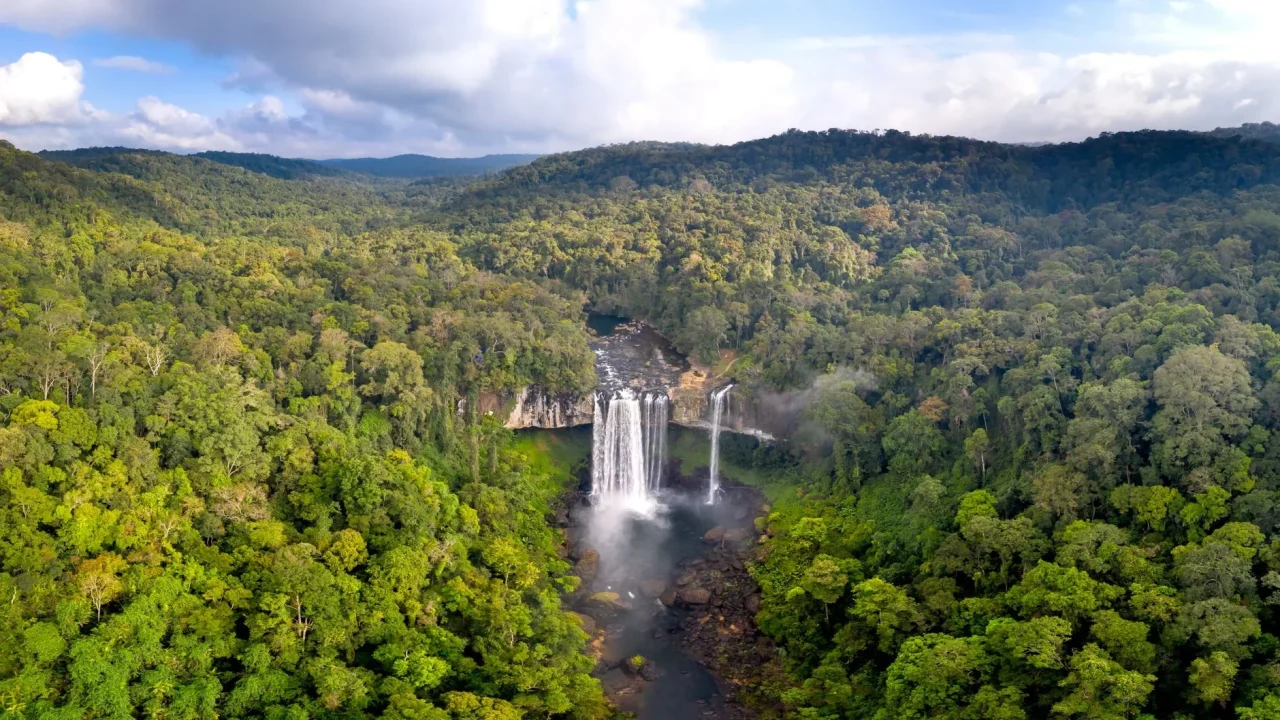
In 2026, the demand for sustainable travel options will move from a niche preference to a mainstream expectation. Travelers are increasingly aware of their environmental footprint and actively seek ways to minimize it. This trend goes beyond simply recycling; it involves choosing accommodations with strong eco-credentials, opting for public or low-emission transport, and supporting local businesses that practice ethical tourism.
Many tour operators and destinations are responding by implementing rigorous sustainability policies, offering transparent information about their environmental impact, and developing programs that allow travelers to contribute positively to the places they visit. The focus is on making choices that benefit both the planet and local communities, ensuring that future generations can enjoy the same beautiful destinations.

Regenerative Tourism: Giving Back to Destinations
Moving beyond mere sustainability, regenerative tourism is emerging as a powerful force. This approach encourages travelers to leave a destination better than they found it. This could involve participating in conservation projects, supporting local economies through direct purchases, or engaging in cultural exchange programs that foster mutual understanding and respect.
For example, a trip might include a day dedicated to planting trees in a deforested area, assisting with marine life protection, or helping restore historical sites. These experiences offer a profound sense of purpose and create lasting memories, transforming a vacation into a meaningful contribution. Travelers are seeking opportunities to be active participants in the preservation and enhancement of the places they visit.
Hyper-Personalized Journeys
Tailored Experiences for Every Traveler
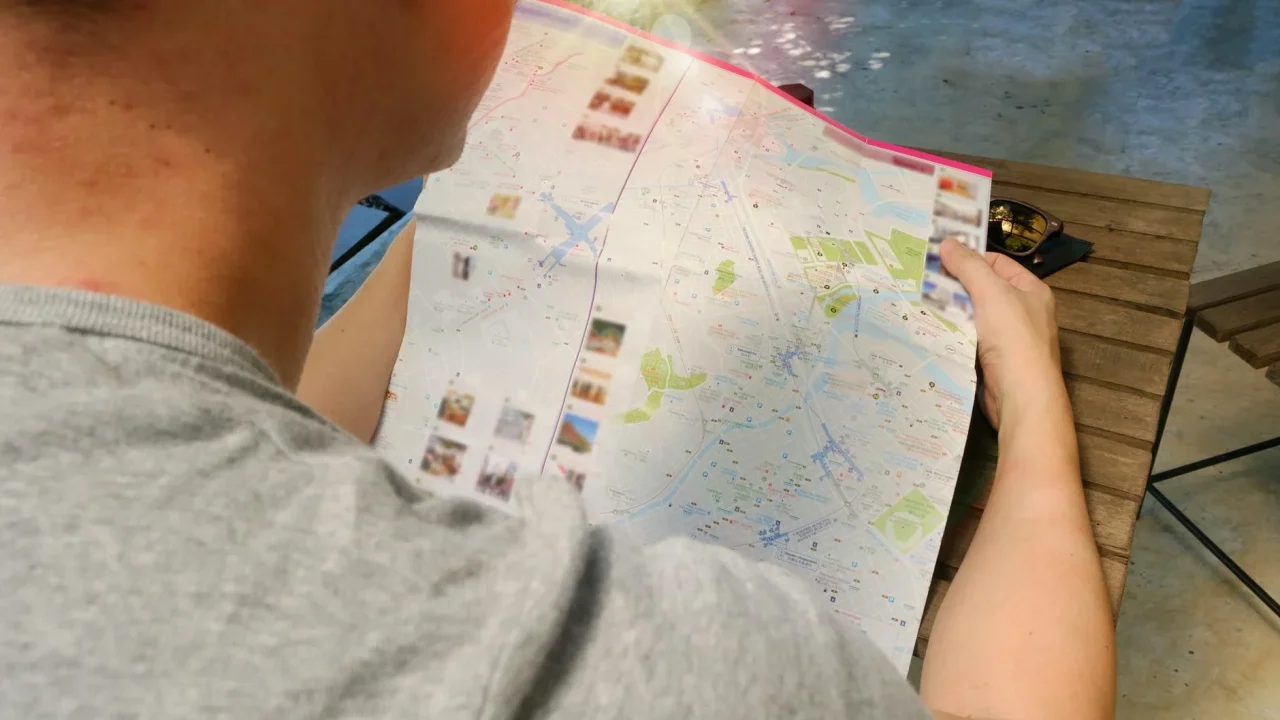
The era of one-size-fits-all travel is rapidly fading. By 2026, hyper-personalization will be a cornerstone of the travel industry. Utilizing advanced data analytics and artificial intelligence, travel providers will offer itineraries and experiences meticulously crafted to individual preferences, interests, and even moods. Imagine a trip where every recommendation, from dining to activities, feels as if it was designed just for you.

This level of personalization extends to accommodation styles, preferred activities (adventure, relaxation, culture), dietary requirements, and even the pace of travel. The goal is to create an utterly unique and seamless journey that resonates deeply with the traveler, moving beyond generic packages to truly bespoke adventures.
AI and Data-Driven Itinerary Creation
The backbone of hyper-personalization is sophisticated technology. AI-powered platforms will analyze past travel history, online searches, social media activity, and even real-time feedback to predict and suggest ideal travel components. This means that booking platforms might recommend a specific boutique hotel based on your aesthetic preferences or suggest a hidden local restaurant known for a cuisine you frequently enjoy.
These tools will also allow for dynamic adjustments during a trip. If weather conditions change, for instance, the AI could instantly suggest alternative indoor activities or re-route your itinerary to optimize your experience. This proactive and adaptive approach ensures that every aspect of your journey is optimized for enjoyment and convenience.
Read Also : Key Travel Industry Developments for Every Traveler

Technology Shaping Future Travel

Seamless Digital Integration and Smart Devices
Technology will continue to streamline every aspect of travel in 2026. From smart luggage that tracks itself to digital passports and seamless contactless payments, the friction points of travel are being systematically eliminated. Mobile apps will serve as central hubs for boarding passes, hotel keys, local guides, and communication tools, making physical documents largely obsolete.
Connectivity will be ubiquitous, with high-speed internet available even in remote locations, enabling travelers to stay connected, work remotely, and share their experiences in real-time. This digital integration enhances convenience and allows for greater flexibility in how and where people travel.
Virtual Reality (VR) and Augmented Reality (AR) Pre-Trip Exploration
Before even booking a trip, travelers in 2026 will increasingly use VR and AR to explore potential destinations. Imagine taking a virtual stroll through the streets of Rome, diving into the Great Barrier Reef, or experiencing a safari in Kenya—all from the comfort of your home. This allows for more informed decision-making and builds excitement for the actual journey.

During the trip, AR will enhance on-location experiences. Picture holding up your phone to a historical landmark and seeing an overlay of its past, or receiving real-time translations of menus and signs. These technologies bridge the gap between imagination and reality, offering richer, more immersive travel experiences.
Wellness and Transformative Escapes

Mindful Travel and Mental Well-being
The pursuit of mental and physical well-being will be a significant driver for travel in 2026. Travelers are looking for more than just relaxation; they seek journeys that contribute to their overall health and personal growth. This includes dedicated wellness retreats focusing on yoga, meditation, mindfulness, and digital detoxes, often set in serene natural environments.
Beyond structured retreats, mindful travel integrates practices like slow travel, where the emphasis is on savoring the journey and connecting deeply with the present moment, rather than rushing through a checklist of sights. Destinations offering quiet reflection, healthy cuisine, and opportunities for self-care will see increased popularity.

Spiritual Journeys and Self-Discovery
Many travelers will embark on journeys specifically designed for self-discovery and spiritual growth. These trips might involve visiting sacred sites, participating in cultural ceremonies, or engaging in activities that challenge personal boundaries and foster introspection. The aim is to return not just refreshed, but genuinely transformed, with new perspectives and a deeper understanding of oneself.
Examples include pilgrimage routes, silent retreats, or immersive cultural exchanges that encourage a departure from daily routines and a focus on inner exploration. These experiences offer a powerful antidote to the stresses of modern life, providing space for personal evolution and profound insights.
The Allure of Off-the-Beaten-Path Destinations

Escaping Overtourism to Emerging Hotspots
As popular destinations continue to grapple with overtourism, travelers in 2026 will increasingly seek out lesser-known gems and “second cities.” The desire to avoid crowds, experience authentic local culture, and discover unique landscapes will drive exploration to emerging hotspots. This not only offers a more intimate travel experience but also helps distribute tourism’s economic benefits more widely.
Governments and tourism boards in these emerging regions are actively developing sustainable infrastructure and marketing campaigns to attract mindful travelers, ensuring that growth is managed responsibly. This trend encourages a broader understanding of global geography and culture, moving beyond the well-worn tourist trails.
Read Also : Best Places to Visit in [apc_current_year]: Your Ultimate Travel Guide
Adventure and Exploration in Untamed Nature
For those craving true adventure, the call of untamed nature will be irresistible. Remote wilderness areas, national parks, and ecological reserves will attract travelers seeking challenging hikes, wildlife encounters, and serene solitude. Think trekking through untouched rainforests, exploring vast deserts, or kayaking through pristine fjords.
These types of trips often involve specialized guides and a strong emphasis on responsible tourism practices to protect fragile ecosystems. The focus is on immersive experiences that connect individuals deeply with the natural world, offering both physical challenge and profound tranquility.
Flexible and Dynamic Travel Planning
Adaptive Itineraries and Last-Minute Bookings
The pandemic highlighted the importance of flexibility, and this lesson will continue to shape travel in 2026. Travelers expect the ability to change plans, modify bookings, and even make spontaneous decisions without incurring prohibitive penalties. Travel providers are responding with more flexible cancellation policies, adaptable booking options, and dynamic pricing models.
This flexibility empowers travelers to respond to changing circumstances, whether it’s a new opportunity for adventure or an unexpected personal need. It also encourages a more spontaneous approach to travel, allowing for last-minute getaways and agile itinerary adjustments based on real-time information or personal whim.
Subscription Models and Travel Memberships
New business models, such as travel subscription services and exclusive membership clubs, are gaining traction. These models offer benefits like discounted flights, special hotel rates, unique experiences, or even unlimited travel within certain parameters, often for a recurring fee. This appeals to frequent travelers looking for value and convenience.
These memberships can also provide access to personalized concierge services, expert travel advice, and exclusive community events, fostering a sense of belonging among like-minded explorers. The predictability of a subscription cost can also help budget-conscious travelers plan their adventures more effectively.
Community-Focused and Immersive Experiences
Authentic Cultural Immersion
Travelers in 2026 are increasingly seeking to move beyond superficial interactions and truly immerse themselves in local cultures. This means opting for experiences that provide genuine connection with residents, local traditions, and everyday life. Think homestays, cooking classes with local families, or participating in community events rather than just observing them.
The goal is to gain a deeper understanding of a destination’s people, history, and customs, fostering cross-cultural dialogue and mutual respect. These authentic encounters create richer, more memorable travel stories and a sense of shared humanity.
Voluntourism and Skill-Based Travel
Combining travel with a purpose, voluntourism and skill-based travel will continue to grow in popularity. This involves dedicating part of a trip to volunteering for a cause, such as teaching English, assisting in wildlife conservation, or helping build infrastructure in developing communities. It’s a way to contribute meaningfully while exploring a new part of the world.
Similarly, skill-based travel allows individuals to share their professional expertise with communities in need, offering a unique form of cultural exchange and personal fulfillment. These experiences provide not only a unique perspective on a destination but also the satisfaction of making a tangible difference.
Read Also : Hidden Gems for Unforgettable Weekend Adventures 2026
Solo Adventures and Group Connections
The Rise of Solo Travel
Solo travel continues its ascent, with more individuals choosing to explore the world independently. This trend is driven by a desire for self-discovery, the freedom to set one’s own itinerary, and the opportunity to step outside comfort zones. Destinations and tour operators are increasingly catering to solo travelers with specific packages, safe accommodations, and social activities designed for single explorers.
The confidence gained from navigating new environments alone, coupled with the flexibility to change plans on a whim, makes solo travel an empowering and appealing option for many in 2026. It’s an ideal way to foster independence and build resilience.
Curated Group Experiences for Niche Interests
While solo travel thrives, there’s also a strong demand for curated group experiences centered around niche interests. These aren’t your typical bus tours but rather small, specialized groups focused on activities like photography expeditions, culinary tours, birdwatching trips, or historical explorations. Participants share a common passion, leading to deeper connections and shared learning.
These groups offer the camaraderie and safety of traveling with others, combined with expert guidance and access to unique experiences that might be difficult to arrange independently. It’s a perfect blend of social connection and specialized interest, fostering strong bonds among like-minded individuals.
Conclusion
The future of travel in 2026 is bright, dynamic, and deeply personal. We are moving towards an era where every journey is an opportunity for growth, connection, and positive impact. From the conscious choices of sustainable travel to the hyper-personalized itineraries crafted by AI, the landscape is being reshaped to offer richer, more meaningful experiences for everyone.
Embracing these travel trends for 2026 means looking beyond the traditional vacation. It encourages us to be more mindful of our footprint, more open to authentic cultural exchanges, and more adventurous in seeking out unique destinations. Whether you’re planning a regenerative retreat, a tech-enhanced adventure, or a soul-searching solo trip, the possibilities for exploration are truly limitless.
Prepare to embark on journeys that not only take you to new places but also transform you in the process. The world is waiting, ready to be explored in innovative and impactful ways. Happy travels!
FAQ
Regenerative tourism is a travel approach focused on leaving a destination better than you found it. This goes beyond sustainability by actively contributing to the environment, local communities, and cultural preservation, rather than just minimizing negative impact.
Technology will make travel more seamless and personalized. Expect more widespread use of digital passports, contactless payments, AI-driven itinerary suggestions, and mobile apps that serve as all-in-one travel companions. VR and AR will also enhance pre-trip planning and on-location experiences.
Yes, "second cities" and off-the-beaten-path destinations are a significant trend. Travelers are increasingly seeking to avoid overtourism in popular spots, opting for less crowded, more authentic experiences in emerging destinations or smaller, culturally rich cities.
While some specialized or highly personalized experiences might come at a premium, many trends like sustainable choices and seeking out "second cities" can also offer value. The industry is also seeing the rise of flexible booking options and subscription models, which can help manage costs and provide benefits for frequent travelers.
Any traveler seeking a highly tailored and unique experience will benefit from hyper-personalization. It's particularly appealing to those with specific interests, dietary needs, or preferences for pace and style of travel, ensuring their trip aligns perfectly with their individual desires.


Popular Posts


Embracing Spiritual Growth Through Travel and Exploration
Travel is more than just seeing new places; it's a profound journey into oneself. This article explores how embracing travel and exploration can significantly contribute to your spiritual growth, offering unique perspectives and transformative experiences.


