Unveiling Stories: Iconic Artworks & Cultural Significance

Art, from time immemorial, has served as a powerful mirror reflecting human civilization, effortlessly bridging language barriers and connecting generations across the ages. From ancient cave paintings to modern masterpieces, artworks act as potent conduits for stories, emotions, and societal values. Far from being mere static images, they are vibrant narratives just waiting to be unearthed, with every brushstroke, chisel mark, or photographic frame holding layers upon layers of meaning.
Unearthing the compelling tales woven into iconic artworks and grasping their cultural significance is an incredibly enriching journey that allows us to delve into the minds of artists, the historical contexts they inhabited, and the messages they sought to convey. This deep dive goes far beyond simply appreciating their beauty, offering profound insights into human history, philosophy, and the ever-shifting sands of our world. When we truly get a handle on their context and narratives, we unlock a far deeper, more meaningful connection to these timeless creations, letting them speak to us directly.
The Power of Visual Storytelling Through Art
Art as a Historical Document
Iconic artworks frequently double as invaluable historical documents, freezing moments, grand events, and the prevailing sentiments of their eras in time. They can vividly portray everything from raging wars and political upheavals to the humdrum of daily life, deep-seated religious beliefs, and even groundbreaking scientific advancements, thus providing a visual record that beautifully complements written history. For instance, ancient Roman mosaics spill the beans on gladiatorial combat and epic mythological sagas, while Renaissance paintings lay bare religious doctrines and the burgeoning humanism of their age.
To grasp art in this light means seeing it not just as a pretty object, but as a crucial primary source of information, a real window into the past. Historians and cultural scholars frequently pore over artworks, hoping to glean precious insights into past societies, their core values, and their material culture – what made them tick. The smallest details tucked away within a painting can spill the beans on fashion trends, architectural styles, or even the intricate social hierarchies of centuries past, making art an incredibly potent tool for historical detective work.
Emotional Resonance and Universal Themes
Beyond simply presenting historical facts, art holds an extraordinary knack for stirring up strong emotions and delving into universal human themes that hit home for everyone. Love, loss, joy, fear, hope, and despair are all subjects that frequently take center stage in iconic artworks, allowing viewers from all walks of life and across different eras to connect with them on a profoundly personal plane. It’s often this very emotional resonance that truly makes an artwork iconic and gives it staying power through the ages.
The magic of art lies squarely in its uncanny ability to communicate complex feelings and intricate ideas without uttering a single word. A sculptor’s raw rendition of grief or a painter’s vibrant portrayal of triumph can effortlessly bypass intellectual barriers, cutting straight to the heart of the matter. This universal appeal guarantees that truly great art remains as relevant as ever, constantly inspiring us and challenging us to take a good, hard look at our own experiences and the grander human condition.
Decoding Symbolism and Iconography

The Language of Symbols in Art
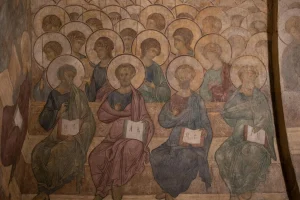
Many iconic artworks are absolutely bursting at the seams with symbolism, where everyday objects, specific colors, gestures, or figures stand in for abstract ideas or hint at hidden meanings. Getting a handle on these symbols is absolutely crucial for truly grasping the artwork’s full message and its profound cultural significance – it’s like cracking a secret code. For instance, a lily might whisper of purity, a skull might scream mortality, and certain animals could embody specific virtues or vices, giving us a real sense of what the artist was getting at. These symbols often have their roots deep in religious texts, ancient mythology, local folklore, or the societal conventions that held sway at the time.
Artists often spoke through a visual “language” that was second nature to their contemporary audiences, a common tongue, if you will. However, as cultures shift and evolve, some symbols might well lose their immediate punch, making careful research and a bit of detective work absolutely essential for proper interpretation. Cracking the code of symbolism allows us to step right into a conversation with the artist, peeling back layers of meaning that might otherwise have been hidden away, out of sight.
Iconography and Narrative Structures
Iconography, in a nutshell, is the dedicated study of identifying, describing, and interpreting the rich content nestled within images. It involves dissecting the subjects portrayed, noting their specific attributes, and figuring out the story they’re trying to tell. In religious art, for instance, specific saints are often dead giveaways by their unique attributes—think Saint Catherine with her wheel, or Saint Peter clutching his keys. This systematic approach is a real boon, helping us get to grips with the stories unfolding within the artwork.
Read Also : Culinary Traditions: Celebrating Unique Destination Flavors

Narrative structures in art can run the gamut, from capturing a single, dramatic flash-in-the-pan moment to sprawling, complex sequences of events spread across one frame or multiple panels. Getting a firm grip on these structures, which are often heavily influenced by literary or mythological sources, is absolutely key to truly appreciating the full breadth of an artwork’s intended message – it’s the whole ball of wax. Iconography truly provides the scaffolding for interpreting these visual stories, essentially laying out the red carpet for understanding the artwork’s cultural significance.
The Artist’s Vision and Historical Context

The Artist’s Intent and Personal Background
An artist’s personal backstory, their deeply held beliefs, life experiences, and core intentions invariably shape their creations down to the very last detail. Delving into an artist’s life—their schooling, social standing, political leanings, and even their emotional state at the time—can shed crucial light on why they picked a particular subject, style, or medium. It’s like getting inside their head. For instance, Frida Kahlo’s heart-wrenching personal experiences and her vibrant Mexican heritage are inextricably woven into the fabric of her powerful, often haunting, self-portraits.

While a viewer’s interpretation always holds water, having a sense of the artist’s original intent can offer a very valuable jumping-off point for truly understanding an artwork. It helps us get a real feel for the choices they made and the messages they aimed to send, even if new layers of meaning bubble to the surface over the years. Taking a deep dive into the artist’s vision is a bedrock step in unearthing the captivating stories behind iconic artworks.
Societal and Political Influences
Let’s face it, no artwork ever truly exists in a vacuum. It’s always a creature of its time, molded by the prevailing societal norms, the political winds blowing, economic realities, and the big philosophical movements of the day. The French Revolution, for instance, left an indelible mark on Neoclassical art, putting a heavy emphasis on themes of heroism and civic duty. Fast forward a bit, and the rise of industrialism later sparked the fires of Realism and Impressionism.
To truly get a handle on the cultural significance of an artwork, one absolutely must take into account the historical backdrop against which it was created. This means rolling up your sleeves and researching the major events, the intellectual currents, and the social structures that defined that particular period. Art often acts as a true barometer of its society, holding up a mirror to its triumphs, its struggles, and its deepest aspirations.

Case Study 1: Leonardo da Vinci’s Mona Lisa

The Enigmatic Smile and Identity
Leonardo da Vinci’s Mona Lisa, brought to life between 1503 and 1519, is hands down the world’s most celebrated painting – a true titan. At its heart, the painting’s primary tale revolves around the identity of the woman who sat for it, widely believed to be Lisa Gherardini, the wife of Florentine merchant Francesco del Giocondo. However, it’s that enigmatic smile of hers that has kept viewers spellbound for centuries, seeming to shift and play tricks on the eye depending on your angle of perception – a brilliant testament to Leonardo’s masterful command of sfumato.
The sheer mystery swirling around her expression has sparked countless theories and interpretations, adding immeasurably to the painting’s legendary status. This subtle, almost ghost-like shift in emotion draws viewers into a uniquely personal interaction, cementing the Mona Lisa’s place as a timeless emblem of beauty, mystery, and sheer artistic genius. Her smile isn’t just a fleeting facial expression; it’s a cunning narrative device that pulls the viewer in directly, hook, line, and sinker.
Technique and Cultural Impact
Leonardo’s groundbreaking techniques, especially his sfumato—that soft, hazy, almost smoke-like transition between colors and tones—endow the Mona Lisa with its otherworldly, ethereal quality. This particular technique allowed him to conjure a sense of depth and realism that was, quite frankly, unheard of before, making the figure seem as alive and breathing as you or I. The painting’s rather modest size completely belies its monumental impact on the annals of art history, setting groundbreaking new standards for portraiture and psychological depth.
Read Also : Heartwarming Travel Stories: Connections Made Abroad
The cultural footprint of the Mona Lisa stretches far, far beyond its undeniable artistic merit. Its daring theft in 1911 and subsequent recovery truly sealed its global fame, catapulting it into the stratosphere as a bona fide pop culture icon. It has been reproduced, parodied, and referenced more times than you can shake a stick at, becoming a universal symbol of art itself, a household name. The Mona Lisa perfectly encapsulates our enduring fascination with human expression and the sheer power of a single image to capture the world’s imagination, lock, stock, and barrel.
Case Study 2: Vincent van Gogh’s The Starry Night

A Glimpse into the Artist’s Soul
Vincent van Gogh’s The Starry Night, brought to life in 1889, throws open a poignant window into the artist’s tumultuous emotional state during his time institutionalized at Saint-Paul-de-Mausole asylum in Saint-Rémy-de-Provence. The swirling cypress, those luminous, almost throbbing stars, and the vibrant moon aren’t just mere observations of the night sky; they are raw, powerful expressions of his inner turmoil and profound spiritual yearning. It truly reflects his singular way of seeing the world, where nature itself became a vivid mirror for his very soul.
The thick impasto and those incredibly energetic brushstrokes practically hum with a sense of movement and intense emotion, making the sky feel utterly alive with a palpable spiritual energy. This artwork stands as a powerful testament to Van Gogh’s unique post-impressionistic style, where color and form are wielded like tools to express deeply subjective feelings rather than just mirroring objective reality. The Starry Night is, without a shadow of a doubt, a direct window into Van Gogh’s deeply personal and often agonizing journey through life.
Symbolism and Enduring Appeal
The elements nestled within The Starry Night are absolutely steeped in symbolism, a veritable treasure trove of hidden meanings. The towering cypress tree, traditionally linked with both death and eternal life, stretches dramatically towards the heavens, effectively bridging the earthly and spiritual realms. The eleven stars and the moon could easily be interpreted as a profound spiritual vision or a searing reflection of his intense emotional state. The tranquil village nestled below stands in stark contrast to the tumultuous, swirling sky above, perhaps representing the solace he yearned for or the very world he felt so utterly disconnected from.
Its lasting appeal lies squarely in its uncanny ability to strike a chord with universal themes of hope, despair, and that eternal human quest for meaning in a vast, indifferent universe. The painting’s vibrant energy and profound emotional depth continue to hold audiences spellbound, making it one of the most recognized and cherished artworks the world over. It serves as a perfect illustration of how an artist’s deeply personal narrative can soar beyond individual experience to touch the collective human spirit, resonating with us all.
Case Study 3: Pablo Picasso’s Guernica

A Cry Against War and Brutality
Pablo Picasso’s Guernica, brought to life in 1937, stands as a monumental anti-war mural, a searing indictment that powerfully lays bare the suffering inflicted upon people and animals alike by the sheer brutality of violence and chaos. Commissioned by the Spanish Republican government, it serves as a raw, direct response to the horrific bombing of Guernica, a Basque Country town, by Nazi German and Fascist Italian air forces, acting on behalf of the Spanish Nationalists during the Spanish Civil War. The painting, in essence, is a harrowing visual chronicle of the unspeakable atrocities of modern warfare, a punch to the gut.
The fragmented, grotesquely distorted figures—a horse screaming in agony, a grieving mother cradling her dead child, a soldier’s dismembered body—collectively convey an overwhelming, gut-wrenching sense of pain and sheer terror. Picasso intentionally opted for a stark, monochromatic palette, a deliberate choice that only served to reinforce the crushing bleakness and utter despair of the event, making it hit home even harder. Guernica stands tall, a timeless and unequivocal condemnation of war and its utterly devastating impact on innocent lives – a true rallying cry.
Cultural and Political Significance
The cultural significance of Guernica is, quite simply, immense – it’s a game-changer. It swiftly morphed into a potent political symbol, a universal emblem of protest against the horrors of war and the tyranny of fascism. For decades, it crisscrossed the globe, raising awareness and drumming up support against oppression, steadfastly refusing to return to Spain until democracy finally took root once more. Its powerful imagery soars beyond specific historical events, speaking volumes to the universal, heartbreaking experience of suffering wrought by conflict, no matter where or when.
Read Also : Culinary Adventures That Showcase the Rich Tapestry of Local Flavors
The artwork’s cubist style, with its dizzying multiple perspectives and fractured forms, brilliantly communicates the shattered, fragmented reality of war, hitting you right where it hurts. It forces viewers to stare the brutality right in the face, making it utterly impossible to turn a blind eye to the crushing human cost. Guernica remains, to this day, one of the most powerful and influential political statements ever etched into the annals of art history, continually serving as a stark reminder of the paramount importance of peace and human dignity.
Cultural Impact and Evolving Interpretations
Art as a Catalyst for Social Change
Throughout the long sweep of history, art has frequently acted as a powerful catalyst, sparking both social and political change. From fiery revolutionary posters to soul-stirring protest songs, artists have consistently leveraged their platforms to challenge the status quo, shine a light on injustices, and champion reform, often stirring the pot. Art possesses the unique knack for igniting public consciousness, stirring up lively debate, and inspiring collective action, making it an absolutely crucial ingredient in any vibrant social movement.
For example, the vibrant Harlem Renaissance witnessed African American artists wielding their work to proudly celebrate Black culture, smash harmful stereotypes, and unequivocally demand civil rights. In a similar vein, feminist art movements set out to critically examine patriarchal structures and vigorously champion gender equality. Art’s uncanny ability to communicate complex ideas and raw emotions directly to the heart makes it an incredibly effective tool for driving profound societal transformation – a true game-changer.
The Dynamic Nature of Interpretation
The meaning and cultural significance of iconic artworks are anything but static; they are living, breathing entities that evolve over time, constantly reshaped by new historical contexts, fresh critical theories, and individual perspectives. An artwork initially brought into being for devout religious devotion might well, centuries later, be viewed through a secular, purely aesthetic, or even a deeply psychological lens. Subsequent generations inevitably bring their own unique experiences and understandings to the table, adding fresh layers of interpretation to the mix.
This very dynamic nature is precisely what keeps art vibrant, alive, and utterly relevant across the centuries. While an artist’s original intent certainly provides an important bedrock, the ongoing, evolving dialogue between the artwork and its viewers guarantees its continued cultural resonance, keeping it in the public eye. The sheer capacity for multiple interpretations is a powerful testament to art’s enduring power and inherent complexity, actively fostering continuous engagement and fresh discoveries.
Preserving Artistic Heritage for Future Generations
The Role of Museums and Archives
Museums and archives truly play an indispensable role, acting as vital custodians in preserving, diligently studying, and thoughtfully presenting iconic artworks and the rich stories they tell. They stand as staunch custodians of our shared cultural heritage, diligently ensuring that priceless masterpieces are shielded from decay, damage, and the ravages of time. Going beyond mere preservation, these institutions undertake vital research, painstakingly authenticate artworks, and provide invaluable access to the public, thereby facilitating education and deepening appreciation for generations to come.
Through engaging exhibitions, robust educational programs, and cutting-edge digital initiatives, museums throw open the doors to art for a global audience, fostering a deeper, more nuanced understanding of its profound cultural significance. They are, in essence, crucial bridges gracefully connecting past artistic achievements with both present and future generations, ensuring the compelling stories behind iconic artworks continue to inspire, come what may.
Conservation Challenges and Ethical Considerations
The conservation of iconic artworks throws up a myriad of challenges, running the gamut from environmental factors like humidity and light to the inherent fragility of the very materials they’re made from. Conservators, true masters of their craft, employ advanced scientific techniques to meticulously stabilize, clean, and restore artworks, always aiming to preserve their original state as much as humanly possible while deeply respecting their history. This incredibly delicate work often comes with a whole host of complex ethical considerations, particularly concerning intervention and the thorny issue of authenticity.
What’s more, questions invariably pop up regarding the repatriation of cultural artifacts, the tricky ethics of collecting, and the impact of tourism on fragile historical sites. Tackling these challenges demands a collaborative, all-hands-on-deck effort among art historians, conservators, policymakers, and local communities, all working together to ensure that our shared artistic heritage is managed responsibly and ethically for posterity – for all time. Keeping these cultural treasures intact and readily available is absolutely paramount for future generations to truly understand and appreciate them.
How to Engage with Iconic Artworks More Deeply
Researching the Context
To truly get a handle on an iconic artwork, make it a point to dig into its historical, social, and cultural context. Before or after you feast your eyes on it, make sure to investigate:
Read Also : Exploring the Rich History and Cultural Heritage of Must-Visit Cities
- The Artist: Who was the creative mind behind it? What was their background, their beliefs, and their life experiences – what made them tick?
- The Era: What major historical events, philosophical ideas, or scientific breakthroughs were shaping the world when it came into being?
- The Commission/Purpose: Was it commissioned by someone? If so, for whom, and with what specific purpose in mind (be it religious, political, or deeply personal)?
- The Medium and Technique: How exactly was it made? What materials and methods did the artist employ, and what made those choices particularly significant?
This foundational background knowledge lays the groundwork, offering the framework necessary to truly grasp the artwork’s original intent and how it was first received, enriching your viewing experience by leaps and bounds.
Observing and Reflecting Actively
When you find yourself standing before an iconic artwork, resist the urge to rush. Take your sweet time to observe it actively, letting your senses and intellect truly engage:
- Look Closely: Really pay attention to the nitty-gritty details – the colors, lines, shapes, textures, and the overall composition. What’s the very first thing that catches your eye? What hidden gems emerge upon closer inspection?
- Question: What story do you reckon the artist is trying to tell? What emotions does it stir up within you? Why do you think the artist might have made those particular choices?
- Connect: How does this artwork tie in with what you already know about the artist or the historical period? Does it ring a bell, reminding you of anything else you’ve encountered or experienced?
- Reflect: Give yourself permission to feel and think without jumping to immediate judgments. Art often works its magic on a subconscious level, slowly revealing new insights over time, often when you least expect it.
This kind of active engagement transforms viewing from a passive activity into a rich, meaningful dialogue with the artwork itself, allowing you to unearth its stories on a deeply personal level.
Conclusion: Unlocking Art’s Timeless Tales
Unearthing the captivating stories woven into iconic artworks and grasping their profound cultural significance
is an endlessly rewarding endeavor, one that truly enriches our understanding of history, humanity, and indeed, ourselves. Each masterpiece is akin to a complex tapestry, meticulously woven from the vibrant threads of artistic vision, pivotal historical events, deeply held cultural beliefs, and poignant personal experiences. By taking a deep dive into these narratives, we move far beyond mere aesthetic appreciation, forging a deeper, more profound connection with the very fabric of the human spirit.
From the Mona Lisa’s enigmatic, timeless smile to the raw anguish etched into Guernica, these artworks stand as enduring testaments to human creativity, resilience, and the sheer, unbridled power of expression. They are not simply static objects gathering dust in museums; they are living histories, silent communicators, and powerful catalysts, sparking both profound thought and deep emotion. Their uncanny ability to transcend time and context, perpetually offering up new interpretations, underscores their absolutely vital role in our shared global cultural heritage.
Engaging actively with art—by diligently researching its context, painstakingly decoding its symbols, and allowing ourselves to be truly moved by its emotional depth—transforms our entire experience of it. It empowers us to unlock the rich layers of meaning embedded within these timeless creations, ensuring that their stories continue to inspire, challenge, and connect us across generations. At the end of the day, truly understanding art is to grasp a significant, perhaps even essential, part of what it means to be human.
FAQ
An artwork becomes "iconic" due to a perfect storm of factors, including its artistic innovation, historical significance, emotional impact, and widespread recognition. It often breaks free from its original context to become a powerful cultural symbol, widely referenced and studied across generations and cultures.
Cultural context is absolutely vital for making sense of art, as it lays out the foundational framework of beliefs, values, social norms, and historical events that shaped the artwork's creation. Understanding the cultural environment helps viewers unlock symbols, themes, and messages that might otherwise fly over our heads, allowing for a more accurate and profound understanding of the artist's intent and the work's original meaning.
Learning the stories behind artworks kicks our appreciation up a notch by pulling back the curtain on the artist's inspiration, techniques, and the historical/social conditions that influenced the piece. It transforms static images into gripping narratives, sparking empathy, critical thinking, and a deeper connection to human history and creativity. These stories make art more relatable and meaningful.
Absolutely. Modern art, much like historical art, reflects its contemporary cultural, social, and political landscapes. Works by artists like Andy Warhol, Frida Kahlo, or Banksy have already achieved immense cultural significance by challenging norms, commenting on society, and inspiring new movements. Their impact, while more recent, is just as potent in shaping the cultural conversations of today and tomorrow.
There are a treasure trove of resources to learn more about art history. Reputable museums (like the Louvre, Met, Rijksmuseum), university art history courses, online platforms (e.g., Khan Academy, Coursera), and specialized books are fantastic jumping-off points. Engaging with documentaries and guided tours can also provide truly immersive learning experiences.

You might also like


Popular Posts


Embracing Spiritual Growth Through Travel and Exploration
Travel is more than just seeing new places; it's a profound journey into oneself. This article explores how embracing travel and exploration can significantly contribute to your spiritual growth, offering unique perspectives and transformative experiences.