Discover Hidden Travel Destinations for Your Next Adventure
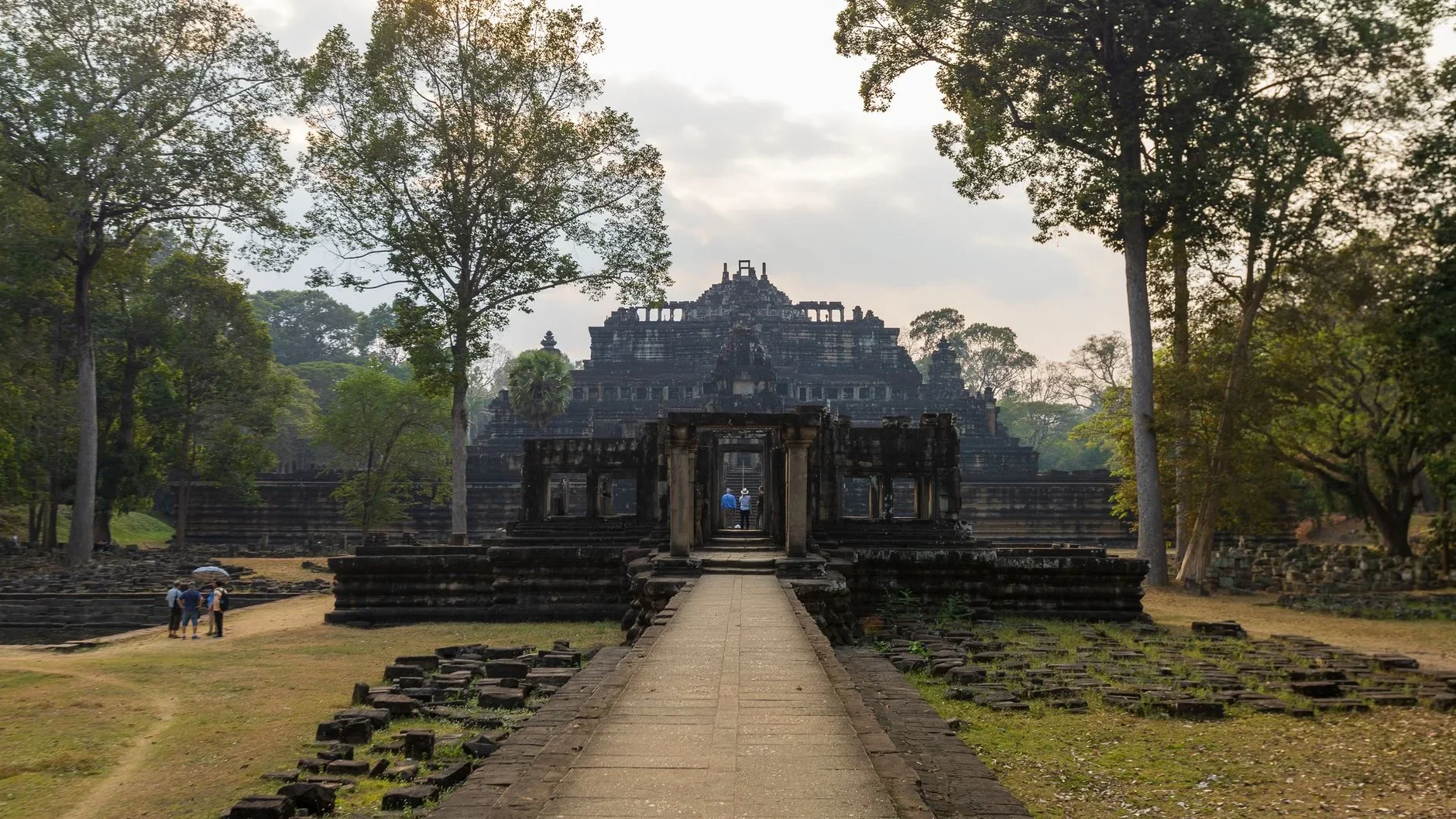
In a world increasingly connected, it might seem like every corner of the globe has been explored and documented. Yet, countless extraordinary places remain largely untouched by mass tourism, offering a unique allure to the adventurous traveler. These hidden travel destinations promise experiences far removed from the typical tourist trail, inviting you to discover authentic culture, pristine nature, and unparalleled tranquility.
Venturing beyond the well-trodden path requires a bit more research and an open mind, but the rewards are immeasurable. Imagine strolling through ancient villages where traditions thrive, hiking to waterfalls known only to locals, or relaxing on beaches where your footprints are the only ones in the sand. This article will guide you through the process of finding, planning, and enjoying these incredible secret spots, ensuring your next journey is truly unforgettable.
Why Seek Hidden Travel Destinations?
The appeal of hidden travel destinations goes beyond just novelty. It’s about experiencing travel in a more profound and personal way, free from the commercialism and crowds that often accompany popular tourist sites. The desire for genuine connection and discovery drives many to look for these less-known gems.
Escaping the Crowds
One of the most compelling reasons to choose a hidden destination is the opportunity to escape the throngs of tourists. Popular landmarks, while beautiful, can often feel overwhelming and diminish the sense of wonder. Hidden spots offer a peaceful retreat where you can truly immerse yourself in the environment without constant jostling or long queues.
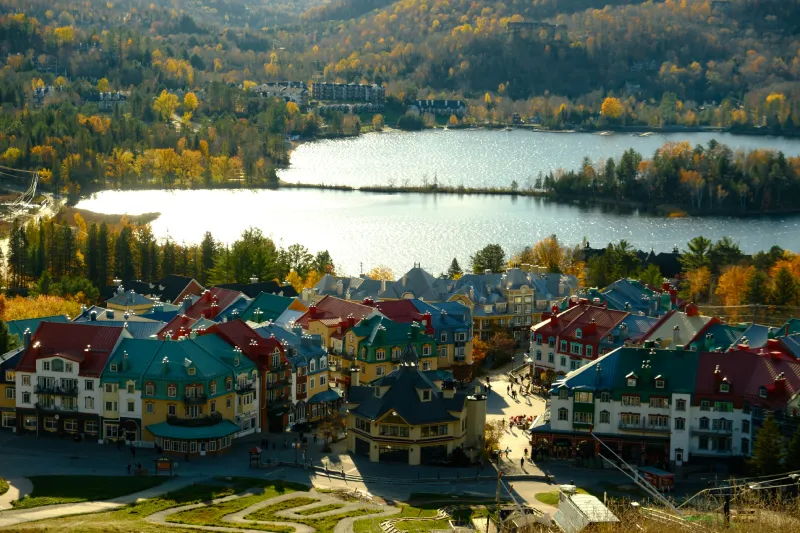
For example, instead of battling crowds at Santorini’s Oia during sunset, imagine watching the sun dip below the horizon from a secluded Greek island village, sharing the moment with only a handful of locals. This tranquility allows for deeper appreciation and a more relaxed pace, which is often what travelers truly seek.
Authentic Cultural Experiences
When you visit a hidden destination, you’re more likely to encounter genuine local life and culture. These places often haven’t been heavily adapted for tourism, meaning traditions are preserved, and interactions with residents are more organic and meaningful. You might find yourself participating in a local festival, learning a traditional craft, or sharing a meal in a family home.
Engaging with the local community in an authentic setting provides invaluable insights that no guidebook can offer. It transforms a simple trip into a rich cultural exchange, creating memories that resonate long after you return home. These experiences are the heart of what makes off-the-beaten-path travel so rewarding.
Unforgettable Memories
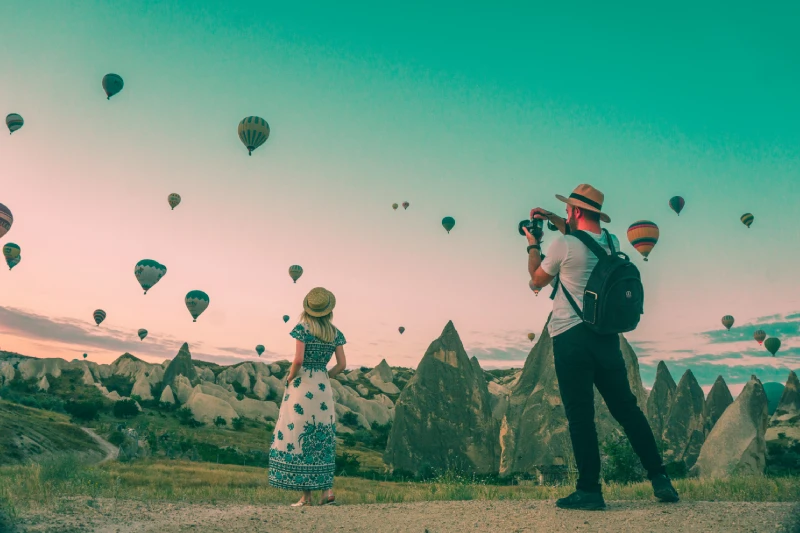
The unique nature of hidden travel destinations means your experiences there will often be more memorable. The challenges overcome, the unexpected discoveries, and the personal connections made all contribute to a richer travel narrative. These are the stories you’ll tell for years to come, not just another photo op ticked off a list.
Whether it’s navigating a remote trail to a hidden waterfall, stumbling upon an ancient ruin known only to a few, or simply enjoying the quiet beauty of an untouched landscape, these moments stand out. They offer a sense of accomplishment and wonder that crowded, commercialized destinations rarely provide, making every effort worthwhile.
Identifying Potential Hidden Gems

Finding truly hidden travel destinations requires a strategic approach and a willingness to dig a little deeper than the average travel search. It’s about looking beyond the first page of search results and tapping into niche resources.
Read Also : Hidden Gems for Unforgettable Weekend Adventures 2026
Researching Off-the-Beaten-Path Locations
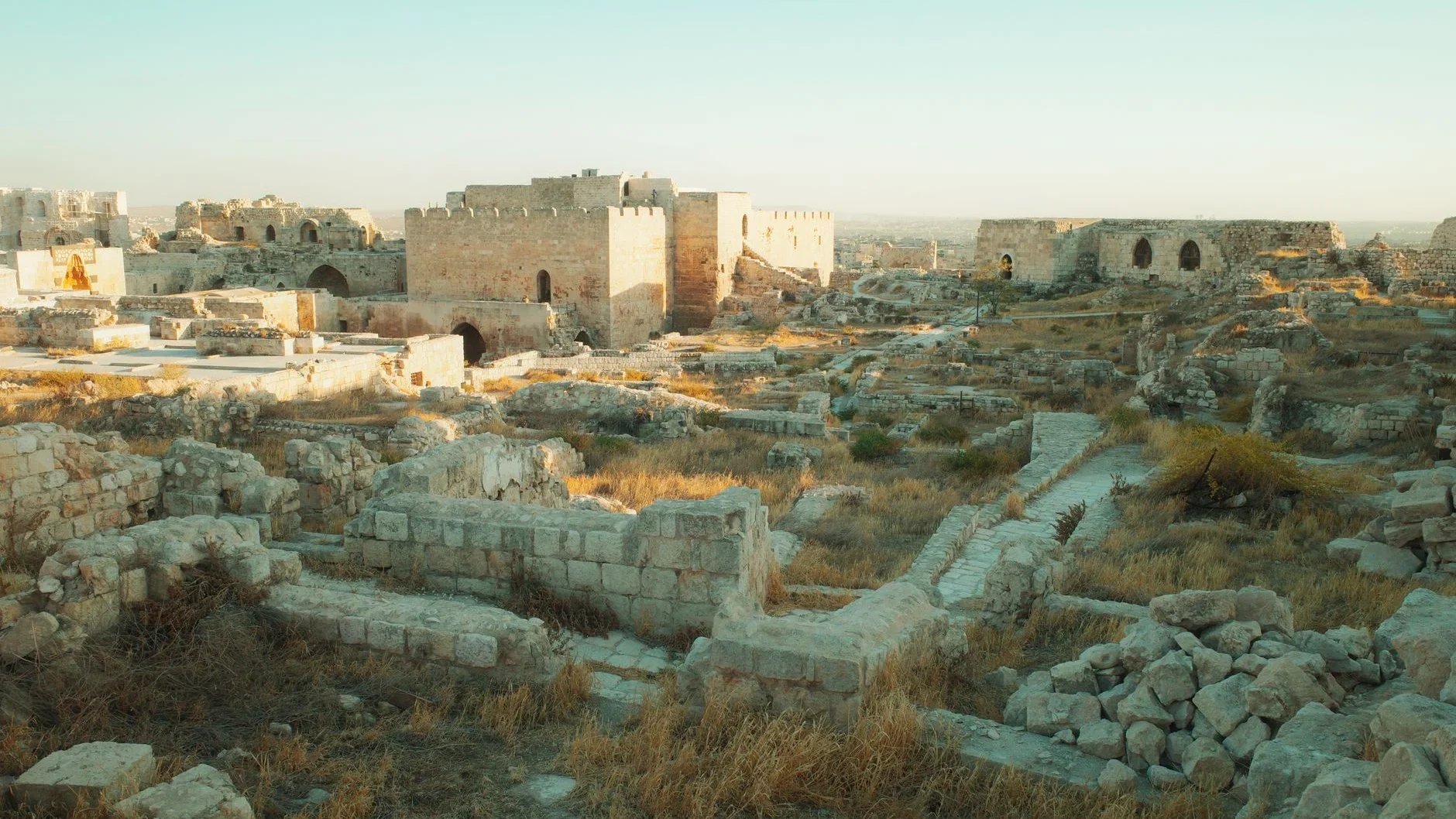
Start your search by looking at regions or countries that are less frequently highlighted in mainstream travel media. Once you have a general area, focus on smaller towns, national parks, or specific natural features within those regions. Use search terms like “underrated destinations in [country]”, “secret places [region]”, or “local favorites [city]”.
Don’t just rely on popular travel blogs; seek out academic papers on geography, history, or anthropology that might mention remote communities or lesser-known natural phenomena. Satellite maps can also be surprisingly useful for spotting isolated villages or intriguing landscapes that aren’t marked as tourist attractions.
Leveraging Local Insights and Blogs
One of the best ways to uncover hidden travel destinations is through the people who know them best: locals. Look for blogs written by residents of a particular country or region, rather than just international travel writers. These local perspectives often highlight places cherished by the community but unknown to outsiders.

Online forums and social media groups dedicated to specific regions or niche travel styles (e.g., hiking, birdwatching, cultural immersion) can also be goldmines. Ask questions, engage with members, and pay attention to recommendations that come from people with firsthand experience of living in or extensively exploring an area.
Utilizing Niche Travel Forums and Communities
Beyond general travel sites, there are numerous niche forums and online communities dedicated to adventurous or offbeat travel. Websites like Atlas Obscura, for instance, specialize in cataloging unusual and overlooked places worldwide. Forums for backpackers, long-term travelers, or specific interest groups (e.g., historical tourism, eco-tourism) often share insights on lesser-known spots.
Engage with these communities, read past discussions, and don’t be afraid to ask for recommendations. Members are often keen to share their discoveries, especially if you demonstrate a genuine interest in respectful and responsible travel. This collective knowledge can lead you to truly unique hidden gems.

Top Categories of Hidden Travel Destinations
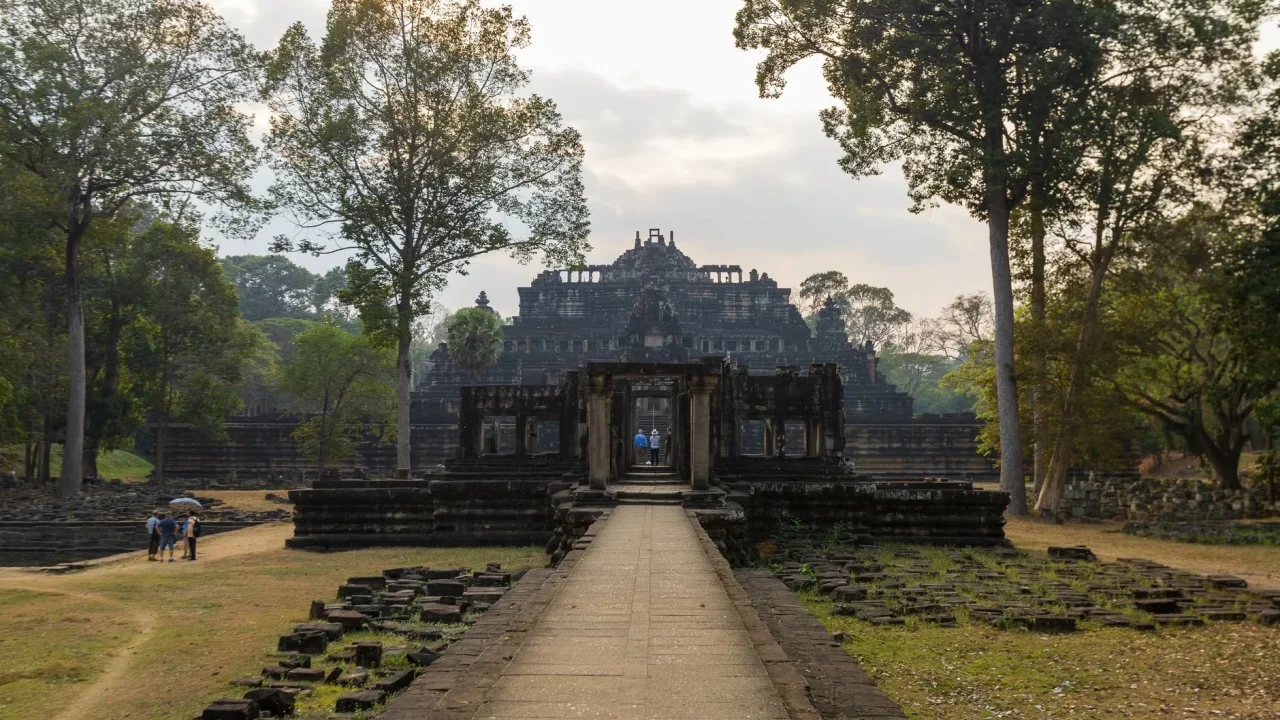
Hidden destinations come in many forms, each offering a distinct type of adventure and discovery. Understanding these categories can help you narrow down your search based on your personal interests and travel style.
Remote Natural Wonders
These destinations often involve stunning landscapes, untouched ecosystems, and breathtaking natural phenomena that are challenging to access, thus limiting visitor numbers. Think about pristine national parks in less-visited countries, secluded islands, or vast wilderness areas.
Examples might include the volcanic landscapes of the Kamchatka Peninsula in Russia, the remote fjords of Patagonia that are only accessible by multi-day treks, or the ancient baobab forests of Madagascar far from tourist routes. These places offer unparalleled opportunities for hiking, wildlife viewing, and nature photography.
Undiscovered Historical Sites
While places like Rome’s Colosseum or Egypt’s Pyramids are world-famous, countless other historical sites around the globe hold immense significance but receive little attention. These can range from forgotten ancient cities to medieval castles, or sacred temples hidden deep within forests.
Read Also : Discover Off-the-Beaten-Path Beautiful Places
Consider the lesser-known Mayan ruins in Belize or Honduras, the ancient city of Ani on the Turkish-Armenian border, or the petroglyphs in remote desert regions of the American Southwest. Visiting these sites offers a profound connection to history without the distraction of large crowds, allowing for a more reflective experience.
Charming Untouched Villages
Many villages around the world have managed to preserve their traditional way of life, architecture, and customs, escaping the homogenizing effects of modern tourism. These are places where time seems to slow down, and local culture thrives authentically.
Imagine the stone villages of the Apuseni Mountains in Romania, the remote fishing communities along the Norwegian coast that are accessible only by ferry, or the hill tribe villages in Northern Thailand that maintain their ancestral practices. These villages provide a window into a different way of life and an opportunity for genuine cultural immersion.
Planning Your Trip to Secluded Spots
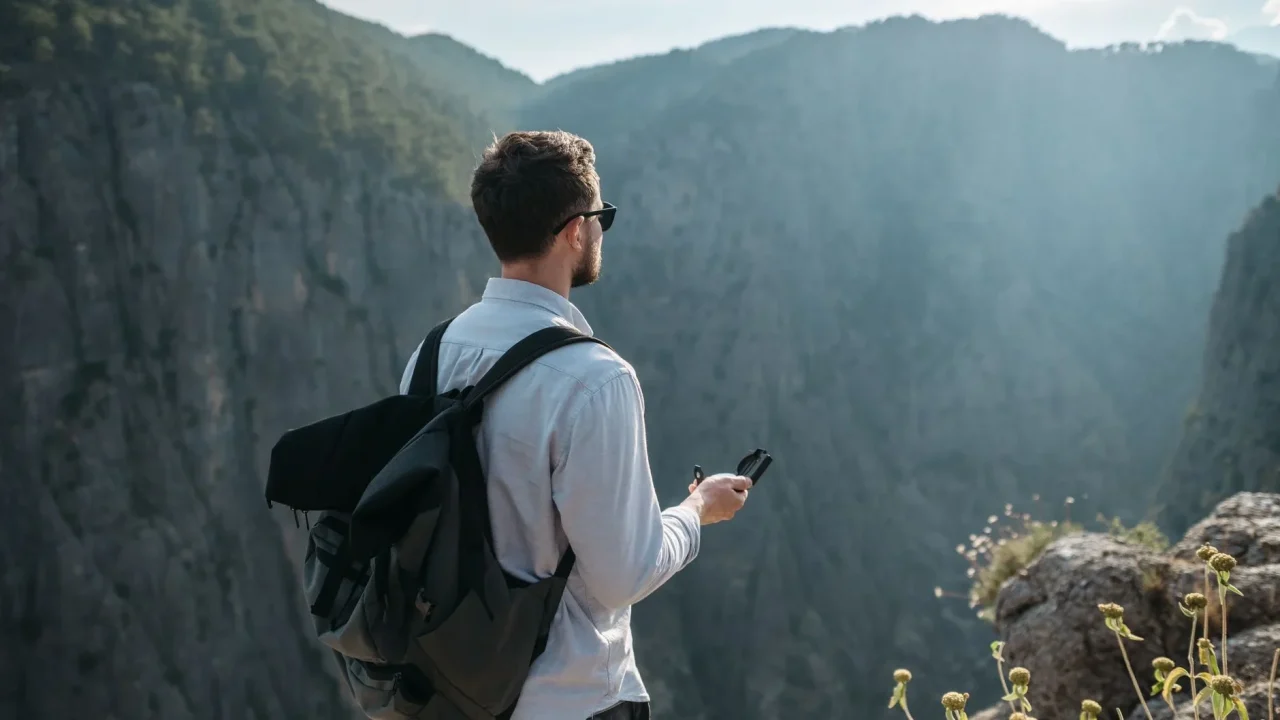
Traveling to hidden destinations often requires more meticulous planning than a typical vacation. Logistics, safety, and respect for local customs become even more critical when you’re off the main tourist grid.
Logistics: Accommodation and Transport
Accommodation in hidden travel destinations might be limited to guesthouses, homestays, or even camping. Research options thoroughly and book well in advance, especially if choices are scarce. Transportation can also be a challenge; public transport might be infrequent, and roads could be unpaved or difficult to navigate.
Consider renting a sturdy vehicle, hiring a local driver, or arranging transport through your accommodation. Always have backup plans for delays or unexpected changes. Remember that internet access might be unreliable, so download maps and important information offline before you go.
Essential Packing for Remote Travel
Packing smart is crucial for remote travel. Bring versatile clothing suitable for varying weather conditions, comfortable walking shoes, and any specialized gear you might need (e.g., hiking poles, water purification tablets). A first-aid kit with basic medications is essential, as medical facilities might be far away.
Don’t forget power banks for your electronics, a headlamp, and a reliable physical map as a backup to digital navigation. Pack light but comprehensively, prioritizing items that ensure your comfort, safety, and self-sufficiency in areas with limited amenities.
Safety Considerations and Local Customs
Safety should always be a top priority. Research the local political climate, common scams, and any specific health risks for your chosen destination. Inform someone of your itinerary, especially if you’re venturing into very remote areas. Learn basic phrases in the local language; it can be incredibly helpful and shows respect.
Respecting local customs and traditions is paramount. Dress modestly where appropriate, ask permission before taking photos of people, and be mindful of local etiquette, especially in religious sites or homes. A little effort to understand and adapt to local ways goes a long way in fostering positive interactions.
Read Also : Best Road Trips in the World: Ultimate Guide
Case Studies: Examples of Hidden Travel Destinations
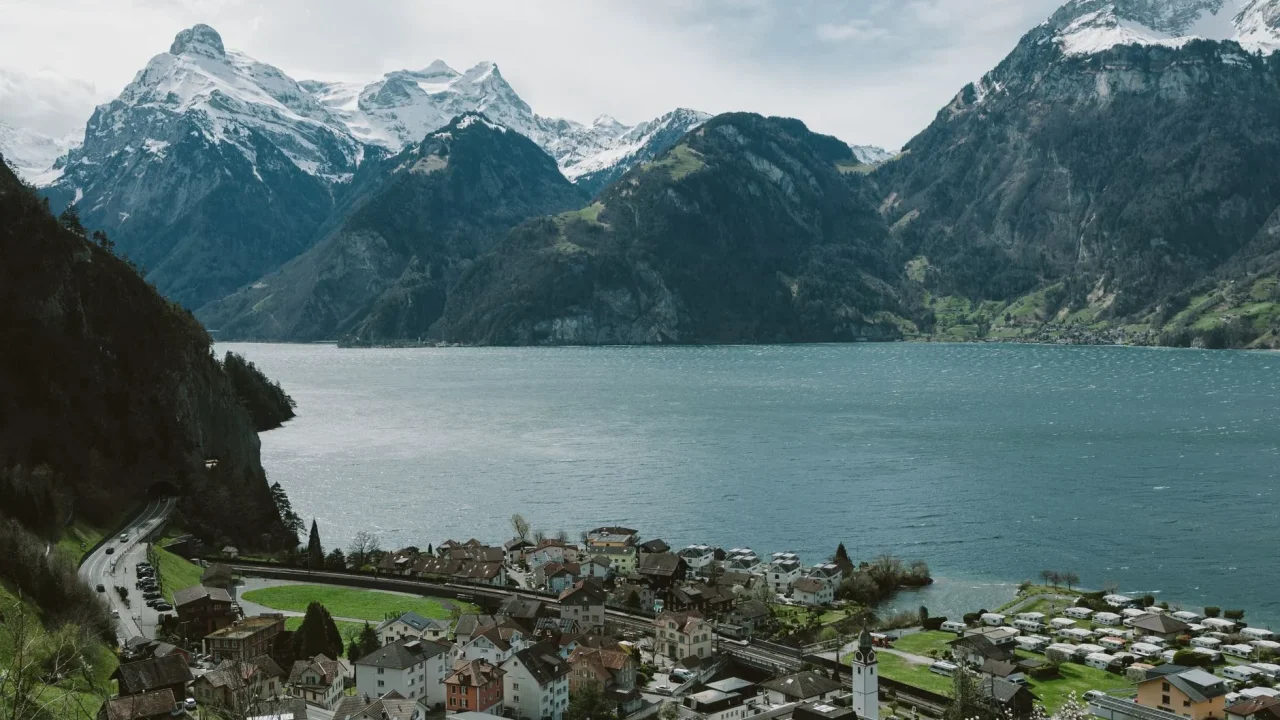
To provide concrete examples, let’s explore a few hypothetical but plausible hidden travel destinations that embody the spirit of off-the-beaten-path discovery. These examples illustrate the types of places you might uncover with diligent research.
The Enchanted Valley of Zylos, Georgia
Tucked away in the Greater Caucasus mountains of Georgia, far from the popular Svaneti region, lies the mythical-sounding Zylos Valley. Accessible only by a challenging jeep track or a multi-day hike during summer months, Zylos is home to a handful of isolated stone villages where ancient traditions persist. The valley is famed for its medieval defensive towers, which dot the landscape like sentinels, and its vibrant pagan festivals that predate Christianity.
Visitors can experience authentic Georgian hospitality in family-run guesthouses, sample unique local cuisine, and explore pristine alpine meadows filled with wildflowers. The lack of modern infrastructure means a true disconnection from the digital world, allowing for a deep immersion in nature and culture. This area offers a raw, untouched beauty that is increasingly rare.
Coastal Serenity at Isla Perdida, Colombia
While Colombia’s Caribbean coast boasts popular spots like Cartagena, the remote Isla Perdida (Lost Island) offers a completely different vibe. Located off the Pacific coast, this tiny island is a biodiversity hotspot and a sanctuary for marine life, far from the tourist radar. It’s accessible only by a small, infrequent boat from a regional port, adding to its mystique.
Isla Perdida features untouched black sand beaches, lush rainforest that meets the ocean, and incredible opportunities for whale watching (seasonal) and snorkeling in crystal-clear waters. There are no large resorts, just a few eco-lodges run by local communities. It’s a perfect retreat for those seeking peace, nature, and a connection with the ocean in an unspoiled setting.
Ancient Echoes in Qal’at al-Nisour, Jordan
Beyond Petra and Wadi Rum, Jordan holds a treasure trove of lesser-known historical sites. Qal’at al-Nisour, or the “Fortress of Eagles,” is a stunning Crusader castle perched atop a remote plateau in eastern Jordan. Unlike its more famous counterparts, this fortress sees only a handful of visitors each week, offering an almost private exploration experience.
The castle’s ruins tell tales of ancient battles and strategic importance, with panoramic views of the surrounding desert landscape. The journey to Qal’at al-Nisour itself is an adventure, often involving driving through Bedouin territories. It provides a unique opportunity to delve into medieval history and witness the enduring spirit of the desert, far from any tourist buses.
Budgeting for Your Offbeat Adventure
One common misconception is that hidden travel destinations are always more expensive due to their remoteness. While some logistical challenges can add costs, many offbeat locations can actually be more budget-friendly, especially if you adopt a local-centric approach.
Finding Affordable Accommodation
In hidden destinations, you’ll often find fewer luxury hotels and more budget-friendly options like guesthouses, homestays, or even monastic lodgings. These options not only save money but also offer a more authentic experience, allowing you to connect directly with local families and communities.
Consider looking for accommodation on local booking sites or through direct contact with guesthouse owners. Camping or staying in hostels (if available) can further reduce costs. Always inquire about included meals, as this can significantly impact your daily budget.
Read Also : inspiring Travel Tales That Will Ignite Your Wanderlust
Smart Transportation Choices
While getting to a remote location might initially seem costly, smart choices can keep expenses down. Instead of private taxis, opt for local buses, shared vans (marshrutkas), or even hitchhiking (if safe and customary in the region). These methods are not only cheaper but also offer a glimpse into local life.
For longer distances, consider slower forms of transport like trains or ferries, which can be more economical and often provide scenic journeys. Planning your routes carefully to minimize transfers and unnecessary detours will also help manage your budget effectively.
Eating Like a Local
Food costs can quickly add up, but in hidden destinations, eating local is both delicious and economical. Avoid tourist-oriented restaurants, which are often overpriced. Instead, seek out local markets, street food vendors, or small family-run eateries where residents dine.
Purchasing fresh ingredients from markets and preparing some of your own meals, especially if your accommodation offers kitchen access, is another excellent way to save. Not only will you save money, but you’ll also savor authentic flavors and support local businesses directly.
Capturing the Essence: Photography & Storytelling
Documenting your journey to hidden travel destinations allows you to share your unique experiences and preserve memories. However, it’s crucial to approach photography and storytelling with sensitivity and respect for the places and people you encounter.
Ethical Photography Practices
When photographing people, always seek permission first. A simple gesture or a few words in the local language can make a big difference. Respect a “no” and avoid intrusive photography, especially in private moments or religious ceremonies. Focus on capturing genuine interactions rather than staged shots.
For landscapes and sites, consider how your images represent the destination. Strive for authenticity and avoid romanticizing poverty or exoticizing cultures. Your photographs should reflect the reality of the place, conveying its true beauty and character without misrepresentation.
Documenting Your Unique Journey
Beyond photographs, consider keeping a travel journal to record your thoughts, feelings, and observations. Write down details about the people you meet, the foods you taste, and the sounds and smells of the environment. These personal reflections often become the most cherished parts of your travel memories.
You might also collect small, meaningful souvenirs directly from local artisans, which serve as tangible reminders of your experiences and support the local economy. These personal touches help to create a rich tapestry of your adventure, far more meaningful than generic tourist trinkets.
Sharing Your Discoveries Responsibly
While it’s natural to want to share your incredible discoveries, consider the impact of widely publicizing truly hidden travel destinations. Over-tourism can quickly degrade the very qualities that made these places special. When sharing, focus on the experience, the culture, and the importance of responsible travel.
Read Also : Adventure Travel: Discover Beautiful Places & Thrills
Instead of giving exact coordinates or detailed instructions that could lead to a sudden influx of visitors, encourage others to do their own research and discover their own hidden gems. Emphasize the importance of leaving no trace, respecting local communities, and supporting sustainable practices, ensuring these unique spots remain special for future generations.
Sustainable Tourism in Hidden Gems
Visiting hidden travel destinations comes with a significant responsibility to ensure your presence has a positive, or at least neutral, impact. Sustainable tourism practices are vital for preserving the authenticity and natural beauty of these delicate locations.
Minimizing Your Environmental Impact
Adhere strictly to “leave no trace” principles. Pack out everything you pack in, including all trash. Avoid disturbing wildlife or natural habitats. Conserve water and energy, especially in remote areas where resources might be scarce. Choose eco-friendly accommodations and tour operators when available.
Consider your transportation choices, favoring options with lower carbon footprints. Support local conservation efforts and be mindful of your consumption patterns. Your actions, however small, contribute to the long-term health and preservation of these pristine environments.
Supporting Local Economies
One of the most impactful ways to practice sustainable tourism is by channeling your spending directly into the local economy. Choose local guesthouses, eat at local restaurants, and purchase souvenirs from local artisans and markets rather than imported goods.
Hire local guides for excursions; their knowledge is invaluable, and it provides direct income to the community. By supporting local businesses, you help empower residents and ensure that tourism benefits the people who call these hidden places home, rather than large corporations.
Respecting Local Culture and Traditions
Cultural sensitivity is paramount. Learn about and respect local customs, dress codes, and social etiquette. Be open to new ways of thinking and interacting. Engage with locals respectfully, showing genuine interest in their way of life.
Avoid imposing your own cultural norms or expectations. Participate in cultural activities only when invited and with respect for their significance. By showing genuine respect, you foster positive relationships and help preserve the unique cultural fabric of these hidden travel destinations.
Conclusion
Embarking on a journey to discover hidden travel destinations offers an unparalleled opportunity for adventure, authentic cultural immersion, and profound personal growth. By venturing beyond the well-trodden tourist paths, you unlock experiences that are truly unique and deeply memorable, far removed from the commercialized mainstream.
The process of identifying, planning, and respectfully visiting these secret spots requires diligence, an open mind, and a commitment to responsible travel. From remote natural wonders to untouched historical sites and charming villages, the world is still full of incredible places waiting to be discovered by those willing to seek them out. Embrace the challenge, and you will be richly rewarded with stories and memories that last a lifetime.
Read Also : Unique & Beautiful Travel Experiences | Unforgettable Journeys
So, pack your bags, do your research, and prepare to embark on an adventure that transcends the ordinary. The world’s hidden gems are calling, promising not just a trip, but a transformative journey into the heart of authentic discovery. Your next unforgettable adventure awaits off the beaten path.
FAQ
Finding truly hidden travel destinations requires going beyond mainstream travel guides. Start by researching less-visited countries or regions, then delve into local blogs, niche travel forums (like those for specific interests or long-term travelers), and even academic or historical resources. Look for places mentioned by locals or those requiring more complex logistics, as these often deter mass tourism.
Not necessarily. While some remote locations might have higher transportation costs, many hidden destinations offer more affordable accommodation (guesthouses, homestays) and food options (local markets, street food) compared to popular tourist hubs. By adopting a local-centric approach to spending, you can often travel to these places on a surprisingly modest budget.
Challenges can include limited infrastructure (poor roads, infrequent transport), language barriers, unreliable internet access, and fewer amenities (medical facilities, ATMs). It's crucial to plan meticulously, pack essential supplies, learn basic local phrases, and have backup plans for unforeseen circumstances. Flexibility and self-reliance are key.
Traveling alone to less-known areas can be safe, but it requires extra precautions. Thoroughly research the safety of the specific region, inform someone of your itinerary, and trust your instincts. Avoid walking alone at night in unfamiliar areas, keep valuables secure, and be aware of local customs and potential risks. Joining local tours or hiring local guides can also enhance safety and provide valuable insights.


Popular Posts


Embracing Spiritual Growth Through Travel and Exploration
Travel is more than just seeing new places; it's a profound journey into oneself. This article explores how embracing travel and exploration can significantly contribute to your spiritual growth, offering unique perspectives and transformative experiences.


