Best Road Trips in the World: Ultimate Guide
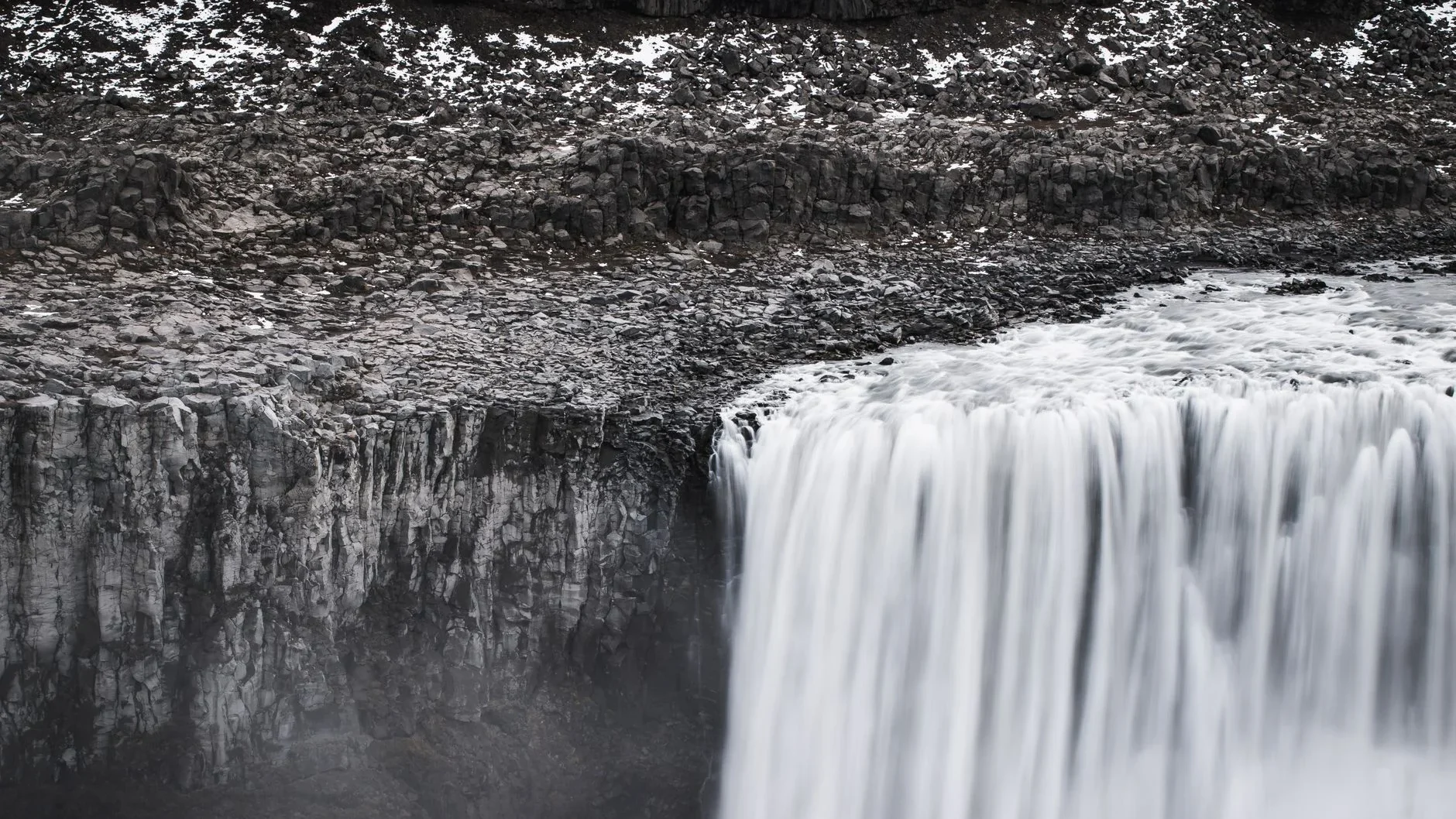
There’s a unique thrill that comes with hitting the open road, a sense of freedom and discovery that few other travel experiences can match. The world is crisscrossed with incredible routes, each offering a distinct blend of breathtaking scenery, cultural immersion, and unforgettable moments. Whether you dream of winding coastal highways, majestic mountain passes, or historic routes steeped in nostalgia, the perfect road trip awaits.
Embarking on one of the best road trips in the world is more than just a journey from point A to point B; it’s an opportunity to create lasting memories, explore hidden gems, and truly connect with the landscapes and communities you encounter. This comprehensive guide will take you through some of the most iconic and awe-inspiring road trip destinations across the globe, providing insights and practical advice to help you plan your ultimate driving adventure.
From the rugged beauty of the Scottish Highlands to the sun-drenched coasts of California and Australia, prepare to be inspired. We’ll delve into what makes each route special, highlight key attractions, and offer tips to ensure your road trip is as smooth and enjoyable as possible. Let’s buckle up and hit the road!
The Pacific Coast Highway, USA
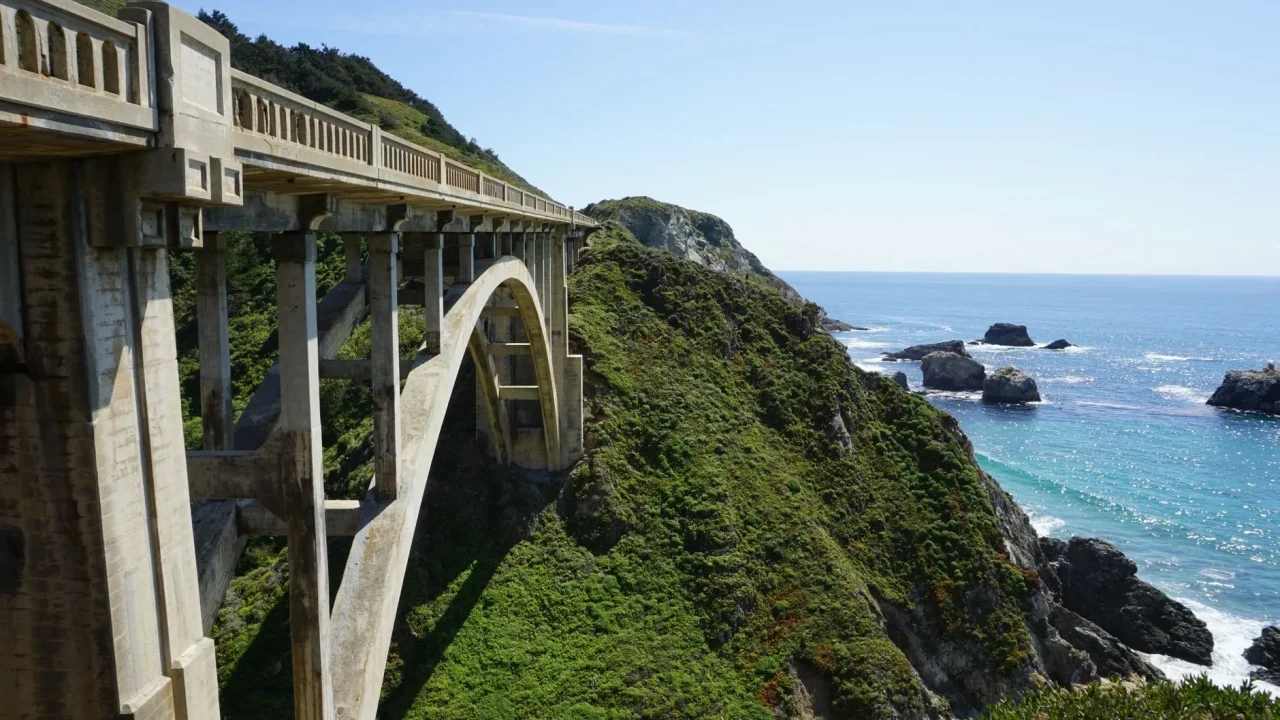
Iconic Coastal Scenery and Key Stops
California’s State Route 1, famously known as the Pacific Coast Highway (PCH), is arguably one of the most celebrated road trips globally. Stretching for over 650 miles along the stunning coastline, it offers panoramic views of the Pacific Ocean, dramatic cliffs, and charming seaside towns. The drive from San Francisco to San Diego (or vice versa) is a journey through diverse landscapes and cultural highlights.

Key stops along the PCH include the artistic haven of Big Sur, with its towering redwood forests meeting the sea, and the picturesque Danish village of Solvang. Don’t miss the historic Hearst Castle, the natural beauty of Pfeiffer Big Sur State Park, and the quaint charm of Carmel-by-the-Sea. Each stop offers unique photo opportunities and a chance to experience California’s laid-back coastal lifestyle.
Best Time to Go and Driving Tips
The best time to tackle the PCH is during the spring (April-May) or fall (September-October). These seasons offer pleasant weather, fewer crowds, and often clearer skies, providing optimal conditions for enjoying the breathtaking vistas. Summer can be busy, and winter may bring rain and potential road closures due to landslides, especially in the Big Sur area.
When driving the PCH, take your time. This isn’t a route to rush. The road is winding in many sections, particularly through Big Sur, so focus on the drive and use the numerous pull-offs to admire the views and take photos safely. Be aware of varying speed limits and watch for cyclists, as this is a popular route for two-wheeled adventurers too.
Beyond the Coast: Inland Detours
While the coast is the main draw, consider short detours inland to explore California’s diverse offerings. Just a short drive from the PCH, you can discover the vineyards of Napa and Sonoma valleys, perfect for wine enthusiasts. Further south, the Santa Ynez Valley also boasts excellent wineries and a more relaxed atmosphere. These detours provide a wonderful contrast to the coastal scenery and add another layer of richness to your Californian adventure.
Another worthwhile detour is to explore some of California’s national parks, such as Pinnacles National Park, which is relatively close to the PCH, offering unique rock formations and hiking opportunities. These inland excursions allow for a deeper appreciation of the state’s natural beauty beyond its famous coastline.
The Great Ocean Road, Australia
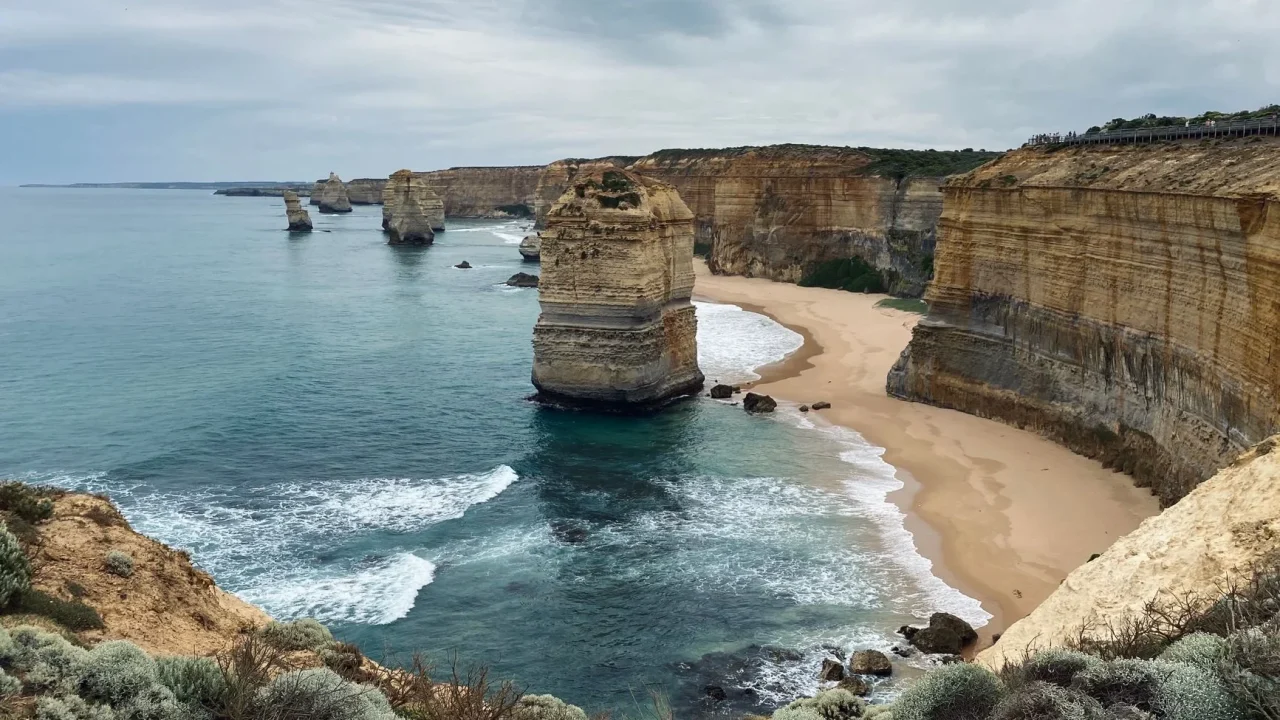
Iconic Sights and Natural Wonders
Winding for 243 kilometers along the southeastern coast of Australia, the Great Ocean Road is a spectacular tribute to World War I veterans and a truly iconic drive. Its most famous attraction is the Twelve Apostles, magnificent limestone stacks rising majestically from the Southern Ocean. Though only eight remain, their beauty is undiminished, especially at sunrise or sunset.
Read Also : Hidden Gems for Unforgettable Weekend Adventures 2026
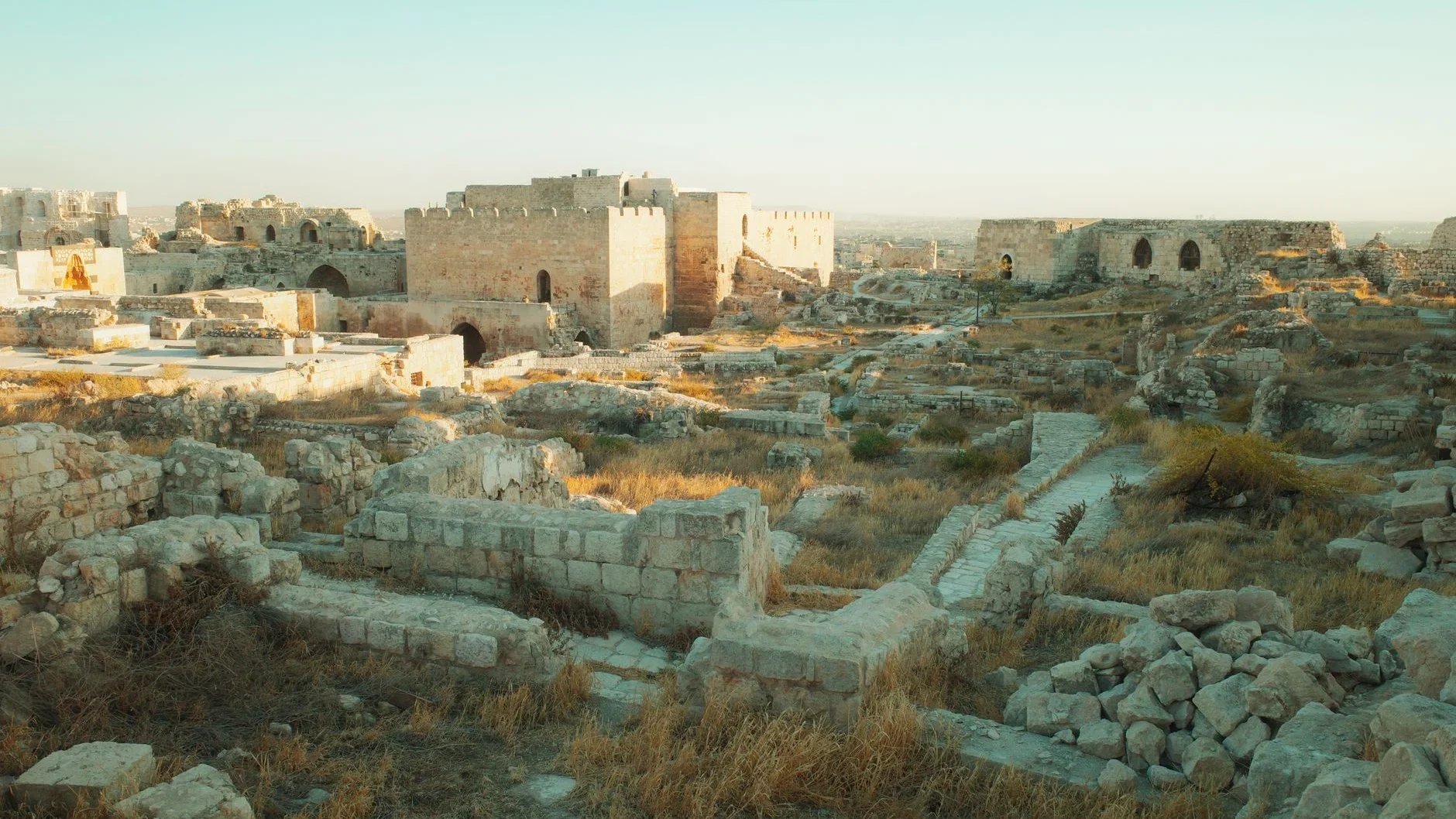
Beyond the Apostles, the road reveals a succession of natural wonders including Loch Ard Gorge, London Arch, and The Grotto, each with its own dramatic story and photographic appeal. The rugged coastline, pristine beaches, and lush rainforests of the Otway National Park make this one of the best road trips in the world for nature lovers and photographers alike.
Wildlife Encounters and Coastal Towns
The Great Ocean Road is not just about stunning landscapes; it’s also a fantastic place to spot Australia’s unique wildlife. Keep an eye out for koalas sleeping in eucalyptus trees, especially around Kennett River or along the Koala Memorial Arch. Kangaroos and wallabies are also common, particularly in the early morning or late afternoon.
Charming coastal towns like Lorne, Apollo Bay, and Port Campbell offer excellent opportunities to stop, refuel, and enjoy local hospitality. These towns provide a range of accommodation, dining options, and activities, from surfing lessons to exploring local markets. They serve as perfect bases for exploring different sections of the road.

Planning Your Drive and Activities
While the Great Ocean Road can be driven in a single day, it’s highly recommended to allocate at least two to three days to fully appreciate its beauty and attractions. This allows for leisurely stops, short hikes, and enjoying the atmosphere of the coastal towns without feeling rushed. Consider staying overnight in Apollo Bay or Port Campbell to break up the journey.
Activities along the route are abundant, ranging from surfing at world-renowned breaks like Bells Beach to ziplining through rainforests at Otway Fly Treetop Adventures. Hiking trails are plentiful, offering various levels of difficulty and stunning views. Don’t forget to visit the Cape Otway Lightstation, Australia’s most significant lighthouse, for a dose of history and incredible ocean vistas.
Route 66, USA

Historic Significance and Cultural Immersion
“Get your kicks on Route 66!” This historic highway, often called the “Main Street of America” or the “Mother Road,” stretches over 2,400 miles from Chicago to Santa Monica. Established in 1926, Route 66 played a vital role in the migration west, particularly during the Dust Bowl era, and became a symbol of American freedom and adventure. Driving it today is a journey through time, past remnants of a bygone era.

While much of the original road has been replaced by interstates, significant sections of the “Historic Route 66” remain, offering a nostalgic glimpse into mid-20th century America. This road trip is less about natural beauty and more about the cultural landscape, the quirky roadside attractions, and the stories of the people who traveled it.
Must-See Attractions and Quirky Stops
The appeal of Route 66 lies in its unique, often kitschy, attractions. Iconic stops include the Cadillac Ranch in Amarillo, Texas, where ten graffiti-covered Cadillacs are buried nose-down in a field; the Blue Whale of Catoosa in Oklahoma, a giant concrete whale structure; and the World’s Largest Ketchup Bottle in Collinsville, Illinois. Each state along the route offers its own set of roadside wonders.
Beyond the novelties, you’ll find classic diners serving up comfort food, vintage motels with neon signs, and small towns that have preserved the spirit of the Mother Road. Exploring these establishments provides an authentic taste of American history and the enduring legacy of this legendary highway.
Modern-Day Exploration and Planning
Planning a Route 66 trip requires a bit more research than other drives, as the route is not always clearly marked and often runs parallel to modern interstates. It’s advisable to use a detailed map or a dedicated Route 66 app to ensure you stay on the historic sections. Many guidebooks are also available that meticulously outline the best remaining parts of the road.
Read Also : inspiring Travel Tales That Will Ignite Your Wanderlust
Allow ample time for this epic journey – at least two to three weeks is recommended to truly savor the experience without rushing. Consider renting a classic American car for the ultimate immersion, though any reliable vehicle will do. This road trip is a pilgrimage for many, a chance to connect with American history and experience the open road in its purest form.
The Ring Road, Iceland
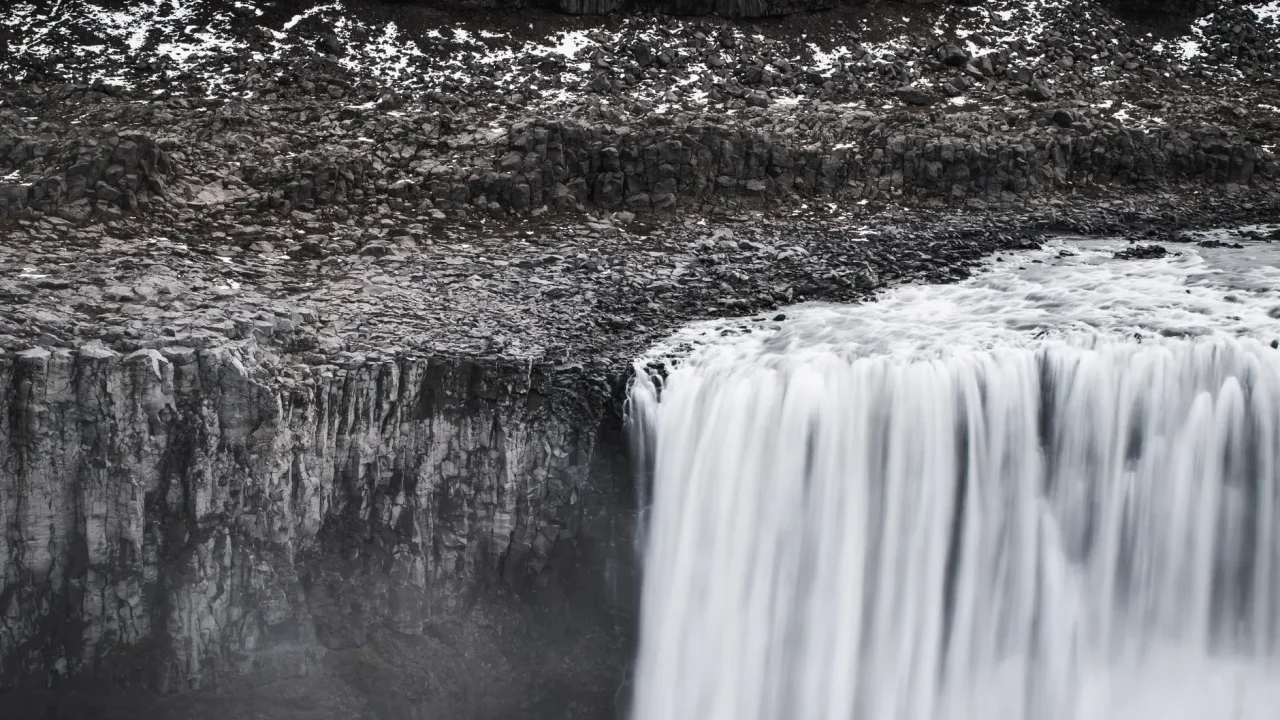
Natural Wonders and Diverse Landscapes
Iceland’s Ring Road, or Route 1, circles the entire country, spanning approximately 1,332 kilometers (828 miles). This incredible journey showcases Iceland’s otherworldly landscapes, from volcanic fields and black sand beaches to massive glaciers and powerful waterfalls. It’s a destination that consistently ranks among the best road trips in the world for its sheer natural beauty and dramatic scenery.
Along the Ring Road, you’ll encounter iconic sights such as the Seljalandsfoss and Skogafoss waterfalls, the Reynisfjara black sand beach with its basalt columns, and the Jökulsárlón glacier lagoon, where icebergs float majestically. The varying landscapes of the South Coast, East Fjords, North Iceland, and the Snæfellsnes Peninsula (a popular detour) offer a constant stream of visual delights.
Seasonal Considerations and Activities
The best time to drive the Ring Road depends on your preferences. Summer (June-August) offers the midnight sun, milder weather, and full accessibility to all parts of the road, including some F-roads (mountain roads requiring 4×4). However, it’s also the busiest and most expensive season.
Winter (October-March) brings the possibility of seeing the Northern Lights and snow-covered landscapes, but also shorter daylight hours, colder temperatures, and potential road closures due to snow or strong winds. Spring and autumn offer a good balance, with fewer crowds and decent weather. Activities include glacier hiking, exploring ice caves (winter), whale watching, and relaxing in geothermal hot springs.
Vehicle Choice and Planning Essentials
For a summer trip on the Ring Road, a 2WD vehicle is generally sufficient, as the main road is paved and well-maintained. However, if you plan to venture onto F-roads or travel during shoulder seasons, a 4×4 is highly recommended for safety and accessibility. In winter, a 4×4 is almost essential, along with good winter tires.
It’s crucial to book accommodations and rental cars well in advance, especially during peak season. Allow at least 7-10 days to comfortably drive the Ring Road, with extra time for detours and activities. Keep an eye on weather forecasts and road conditions (vegagerdin.is) as they can change rapidly. Packing layers, waterproof gear, and sturdy walking shoes is a must for exploring Iceland’s elements.
Amalfi Coast Drive, Italy
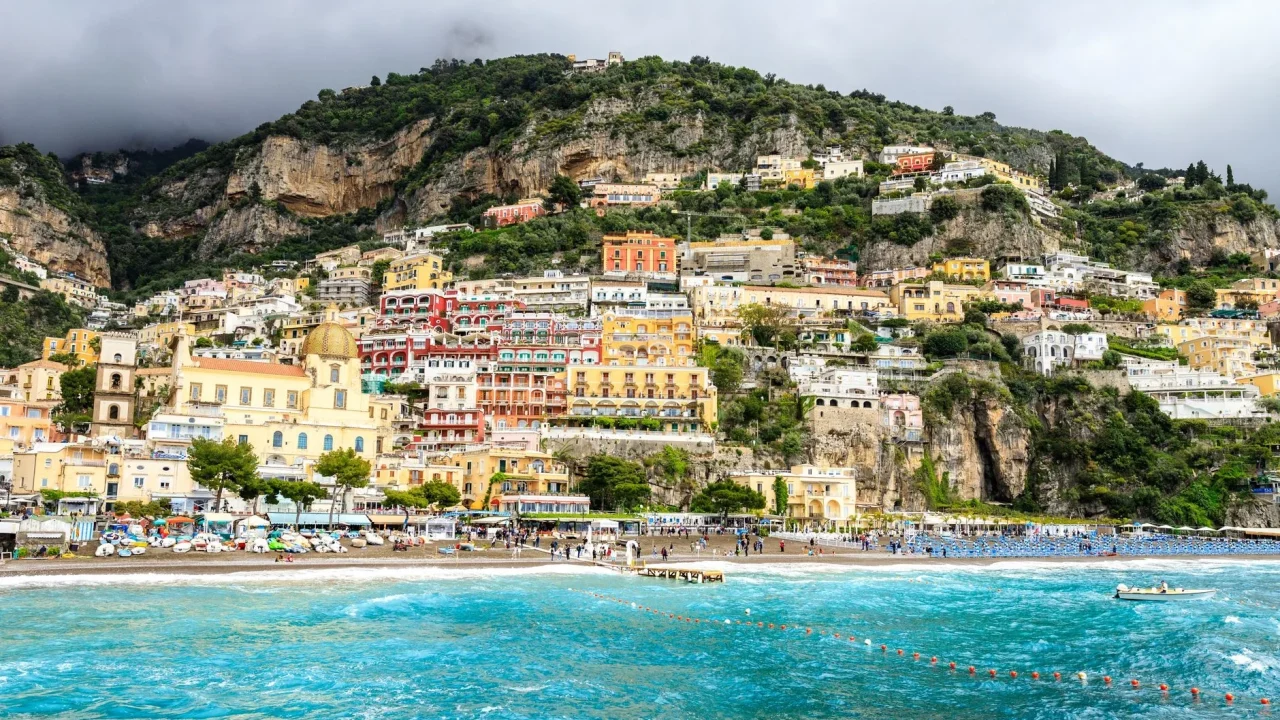
Coastal Beauty and Charming Towns
The Amalfi Coast Drive, Strada Statale 163, is a breathtaking 50-kilometer stretch of road along the southern edge of Italy’s Sorrentine Peninsula. Renowned for its dramatic cliffs, vibrant terraced villages, and sparkling turquoise waters, it’s a UNESCO World Heritage site and a top contender for the best road trips in the world for its sheer romantic beauty. The drive offers stunning vistas at every turn.
Iconic towns like Positano, with its pastel-colored houses clinging to the hillside, and Amalfi, a historic maritime republic, are highlights. Ravello, perched high above the coast, offers spectacular views and beautiful gardens. Each town has its own unique character, offering exquisite cuisine, artisanal shops, and a glimpse into Italian coastal life.
Navigating the Roads and Traffic Considerations
While incredibly beautiful, the Amalfi Coast Drive is also famously narrow, winding, and often busy. The road features numerous hairpin bends, tight turns, and sections where passing can be challenging, especially with large tour buses. Driving here requires confidence and patience. During peak season (June-August), traffic can be very heavy, making the journey slower.
Read Also : Adventure Travel: Discover Beautiful Places & Thrills
Consider visiting during the shoulder seasons (April-May, September-October) for more pleasant weather and fewer crowds. Parking in the towns can also be difficult and expensive, so planning your stops and potentially using public transport (buses or ferries) between towns after parking your car at a main hub is a smart strategy. Small cars are generally preferred for easier navigation.
Experiencing the Culture and Cuisine
Beyond the drive itself, the Amalfi Coast offers a rich cultural experience. Indulge in fresh seafood, local limoncello (a lemon liqueur), and delicious Neapolitan pizza. Explore ancient cathedrals, wander through lemon groves, and relax on picturesque beaches. Taking a boat tour along the coast provides a different perspective of the dramatic cliffs and hidden coves.
Don’t miss a visit to Pompeii or Herculaneum, ancient Roman cities preserved by volcanic ash, which are a short drive away. These historical sites offer a fascinating contrast to the natural beauty of the coast and provide a deeper understanding of the region’s rich past. The Amalfi Coast is a feast for all senses.
Garden Route, South Africa
Scenic Landscapes and Biodiversity
South Africa’s Garden Route is a spectacular 300-kilometer stretch of coastline in the Western Cape, renowned for its lush greenery, diverse ecosystems, and stunning natural beauty. From Mossel Bay to Storms River, this route passes through indigenous forests, pristine beaches, tranquil lagoons, and charming towns. It’s a truly diverse landscape that makes it one of the best road trips in the world for nature enthusiasts.
The route is characterized by its temperate climate, which supports a rich biodiversity, including fynbos (a unique shrubland), vast forests, and a vibrant marine life. The juxtaposition of mountains and ocean creates breathtaking vistas at every turn, making it a photographer’s paradise.
Adventure Activities and Wildlife
The Garden Route is an adventurer’s playground. Thrill-seekers can try bungee jumping from the Bloukrans Bridge, the world’s highest commercial bridge bungee. Other activities include canopy tours through ancient forests, ziplining, kloofing (canyoning), and abseiling. For water sports lovers, there’s surfing, kayaking, and stand-up paddleboarding in the lagoons and ocean.
Wildlife spotting is another major draw. Visit Monkeyland Primate Sanctuary or Birds of Eden for close encounters with rescued animals. The area is also excellent for whale watching (June-November), particularly in places like Plettenberg Bay. Hike through Tsitsikamma National Park, part of the larger Garden Route National Park, to explore its magnificent coastal trails and suspension bridges.
Best Stops and Planning Your Journey
Key towns along the Garden Route include George, Knysna, Plettenberg Bay, and Storms River. Knysna is famous for its lagoon and oysters, while Plettenberg Bay offers beautiful beaches and marine safaris. Storms River Village is the gateway to Tsitsikamma National Park, a must-visit for its dramatic coastline and indigenous forests.
A typical Garden Route trip takes 5-7 days to fully enjoy the sights and activities without feeling rushed. It’s an easy drive on well-maintained roads, making it suitable for all types of travelers. Consider extending your trip to include Addo Elephant National Park further east for an incredible safari experience, or explore the winelands of Stellenbosch and Franschhoek before or after your drive.
North Coast 500, Scotland
Highland Scenery and Remote Beauty
Often hailed as Scotland’s answer to Route 66, the North Coast 500 (NC500) is a spectacular circular route spanning over 500 miles (hence the name) around the rugged north coast of Scotland. Starting and ending at Inverness Castle, this road trip takes you through some of the most remote, wild, and utterly beautiful landscapes in the British Isles. It’s consistently rated among the best road trips in the world for its dramatic scenery and untamed wilderness.
Read Also : Unique & Beautiful Travel Experiences | Unforgettable Journeys
The NC500 encompasses stunning coastlines, majestic mountains, pristine lochs, and ancient castles. You’ll traverse regions like Wester Ross, Sutherland, and Caithness, each offering unique geological features and breathtaking vistas. The ever-changing weather adds to the dramatic atmosphere, from misty mornings to glorious sunshine.
Castles, Lochs, and Local Culture
Along the NC500, you’ll encounter numerous historic sites, including the iconic Dunrobin Castle, with its fairytale spires and formal gardens, and the ruins of Ardvreck Castle, dramatically situated on a peninsula in Loch Assynt. The route is also dotted with charming small villages where you can experience authentic Highland hospitality and sample local delicacies like fresh seafood and whisky.
Keep an eye out for wildlife, including red deer, eagles, and seals. The remote nature of the route means chances for solitude and immersion in nature are high. Don’t forget to stop at local distilleries for a taste of Scotland’s famous whisky, or explore the craft shops for unique souvenirs.
Preparing for Remote Drives and Weather
Driving the NC500 requires careful planning, especially due to its remote nature and often single-track roads in certain sections. Allow at least 5-7 days to complete the loop comfortably, with plenty of time for stops and detours. Be prepared for all types of weather, even in summer, as conditions can change rapidly in the Highlands. Pack layers, waterproof clothing, and sturdy walking shoes.
Fuel stations can be sparse in some areas, so always keep your tank topped up. Book accommodations well in advance, especially during peak season, as options in remote areas can be limited. Respect the local environment, drive carefully on single-track roads (using passing places correctly), and be mindful of sheep and deer on the road. The NC500 is an adventure that rewards preparation and a spirit of exploration.
Practical Tips for Your World Road Trip
Planning Your Route and Itinerary
Thorough planning is the foundation of any successful road trip. Start by researching your chosen route extensively, noting major attractions, potential detours, and estimated driving times. Use online mapping tools and dedicated road trip apps to create a detailed itinerary. Don’t overschedule; allow for spontaneity and unexpected stops. Build in buffer days for relaxation or unforeseen circumstances.
Consider the pace of your travel. Some prefer a fast-paced journey, covering many miles, while others enjoy a slower, more immersive experience. The best road trips in the world are those that match your personal travel style. Research local driving laws, speed limits, and any specific requirements for international drivers in your destination country.
Budgeting and Cost Management
Road trips can vary widely in cost, so establish a realistic budget beforehand. Key expenses include fuel, accommodation, food, activities, and vehicle rental/maintenance. Fuel costs can fluctuate significantly, so factor this into your calculations. Look for accommodation options that fit your budget, from camping and hostels to boutique hotels.
Eating out for every meal can quickly add up. Consider packing a cooler with snacks, drinks, and ingredients for simple meals to save money. Utilize free attractions like national parks (though some have entry fees) and scenic viewpoints. Having a contingency fund for unexpected repairs or emergencies is also crucial for peace of mind.
Vehicle Preparation and Safety
Whether you’re driving your own car or a rental, ensure the vehicle is in excellent condition. For your own car, a full service before departure is highly recommended, checking tires (including the spare), brakes, fluids, and lights. For rentals, inspect the vehicle thoroughly before leaving the lot and report any existing damage. Understand your rental agreement’s insurance coverage.
Read Also : Discover Hidden Travel Destinations for Your Next Adventure
Safety should always be a top priority. Carry a first-aid kit, emergency roadside assistance contact information, and a basic toolkit. Inform someone of your route and expected arrival times, especially when traveling in remote areas. Drive defensively, adhere to speed limits, and take regular breaks to avoid fatigue. Never drink and drive.
Packing Essentials and Navigation
Packing smart can significantly enhance your road trip experience. Beyond clothing suitable for various weather conditions, consider essentials like a portable charger for your devices, a physical map (in case GPS fails), a good camera, and a comfortable travel pillow. Don’t forget personal medications and toiletries.
For navigation, a reliable GPS device or smartphone app is indispensable. Download offline maps for areas with limited cell service. Consider a dashcam for recording your journey or for insurance purposes. A good playlist or audiobook collection will also make long stretches of driving more enjoyable. Remember to pack light enough to fit everything comfortably in your vehicle.
Conclusion
Embarking on one of the best road trips in the world is an unparalleled way to experience diverse cultures, breathtaking landscapes, and the sheer joy of discovery. From the sun-drenched coasts of California and Australia to the dramatic highlands of Scotland and the otherworldly vistas of Iceland, each route offers a unique tapestry of adventures waiting to be explored. These journeys are not merely about the destination, but about the freedom of the open road, the unexpected detours, and the memories forged along the way.
Whether you’re a seasoned road warrior or planning your first epic drive, the world’s most iconic routes promise unforgettable experiences. By planning thoughtfully, budgeting wisely, and prioritizing safety, you can ensure your adventure is as smooth as it is exhilarating. Remember to embrace the local culture, savor the cuisine, and allow for moments of spontaneity that often lead to the most cherished memories.
So, fuel up your vehicle, gather your travel companions, and prepare to write your own chapter on the open road. The call of adventure is strong, and with these incredible routes as your guide, your next great journey is just around the corner. Happy travels and safe driving!
FAQ
While "best" is subjective, many travelers consider Iceland's Ring Road or the Pacific Coast Highway in the USA to offer some of the most consistently stunning and diverse scenery. The Ring Road showcases volcanic landscapes, glaciers, and waterfalls, while the PCH offers dramatic ocean views and redwood forests. The Great Ocean Road in Australia also provides spectacular coastal vistas.
The time needed varies greatly depending on the route and your desired pace. For iconic drives like the Great Ocean Road, 2-3 days are sufficient. For longer, more comprehensive routes like Iceland's Ring Road or the North Coast 500, plan for at least 7-10 days. An epic journey like Route 66 could easily take 2-3 weeks to explore properly without rushing.
Key essentials include your passport/visa, international driving permit (if required), local currency/credit cards, a physical map alongside GPS, a first-aid kit, portable charger, comfortable walking shoes, and clothing layers for varying weather. Don't forget a camera to capture the memories and a good playlist for the long drives!
For international road trips, renting a car is almost always the practical choice due to logistics, shipping costs, and insurance requirements. When renting, research reputable companies, understand insurance options, and choose a vehicle suitable for the terrain and your travel group. If exploring within your home country, using your own well-maintained vehicle can be more cost-effective and comfortable.
Challenges can include navigating unfamiliar roads, language barriers, varying driving laws, unexpected vehicle issues, and managing budgets. In remote areas, limited fuel stations and accommodation options can also be a concern. Thorough planning, flexibility, and a positive attitude are key to overcoming these challenges and enjoying the adventure.


Popular Posts


Embracing Spiritual Growth Through Travel and Exploration
Travel is more than just seeing new places; it's a profound journey into oneself. This article explores how embracing travel and exploration can significantly contribute to your spiritual growth, offering unique perspectives and transformative experiences.


