Visa Requirements for World Travel: Your Ultimate Guide
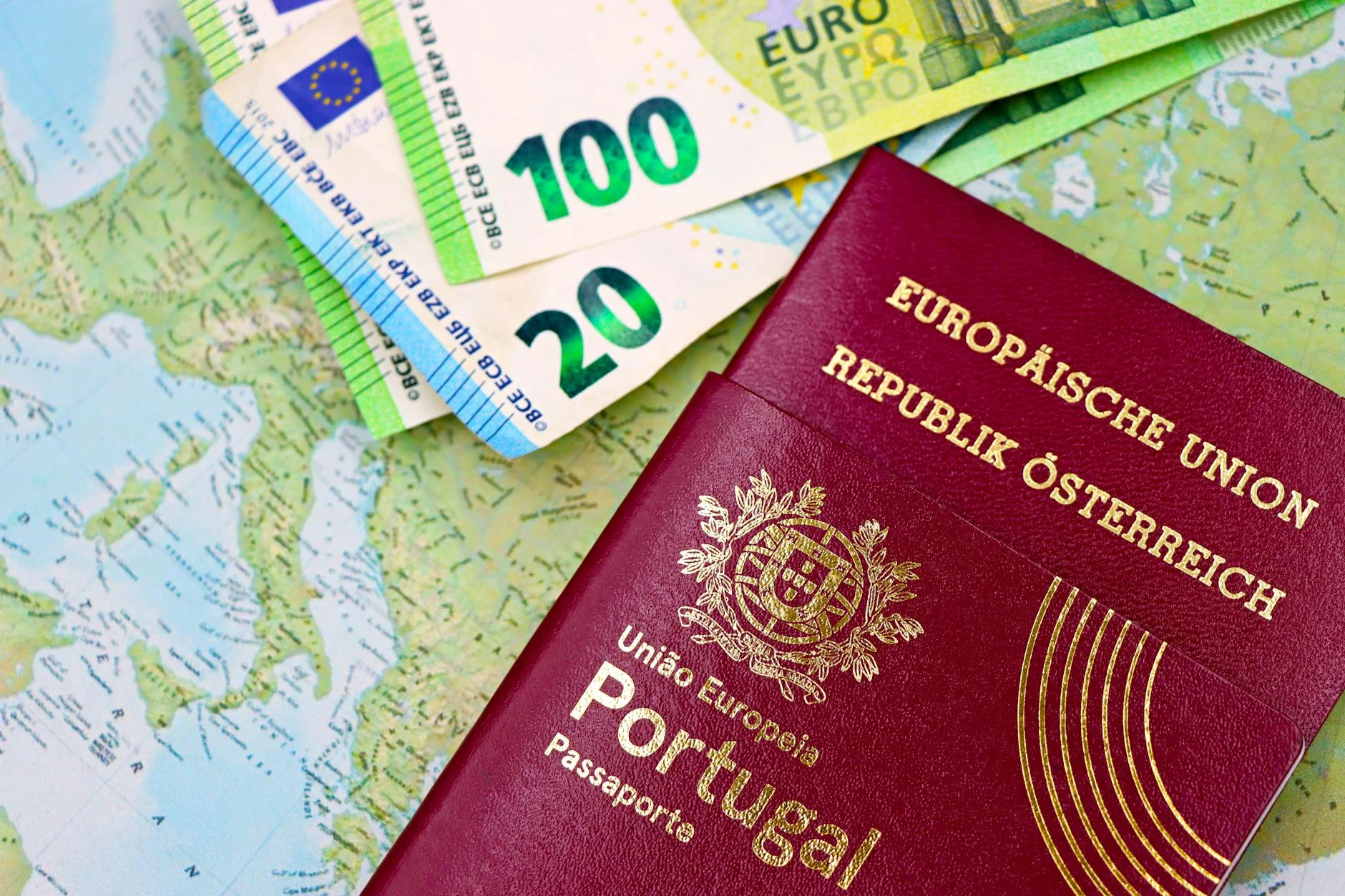
The dream of circling the globe is a shared aspiration for countless individuals, promising unforgettable experiences, diverse cultures, and breathtaking landscapes at every turn. However, before you can truly immerse yourself in the wonders of the world, there’s a crucial hurdle to clear: wrapping your head around and fulfilling the visa requirements for world travel. This aspect of international travel often feels like a Gordian knot, complex and overwhelming, but with the right know-how and preparation, it doesn’t have to be.
The ins and outs of international travel visas vary significantly from one country to another, influenced by your nationality, the purpose of your visit, and the duration of your stay. A failure to properly research and secure the necessary visas can throw a wrench in your plans, leading to frustrating delays, denied entry, or even the cancellation of your eagerly anticipated trip. This comprehensive guide aims to cut through the confusion, offering clear, step-by-step instructions and actionable tips to help you navigate the world of visa applications like a seasoned pro.
Understanding Visa Basics for World Travel
What is a Visa?
Think of a visa as an official stamp or sticker in your passport, issued by the government of a country, that signals your authorization to enter, stay in, or transit through that country for a specified period and purpose. This ‘permission slip,’ granted by your destination country, is what legally allows you to cross its borders. Without the correct visa, you’ll likely find yourself hitting a brick wall at immigration, no matter how solid your flight tickets or hotel bookings are.
The specific type of visa you’ll need hinges entirely on your travel intentions. For instance, a tourist visa is your ticket for leisure travel, while a business visa opens doors for activities related to commerce. Getting a handle on these fundamental distinctions is your first port of call when planning your international itinerary and ensuring you meet the specific visa requirements for world travel.
Also Read:

Why Do Countries Require Visas?
Governments put visa requirements in place primarily for security, immigration control, and economic considerations. They serve as a linchpin for authorities, allowing them to monitor who enters and exits their borders, preventing illegal immigration, controlling the spread of diseases, and keeping international crime in check. Visas also empower countries to regulate the flow of visitors, ensuring that foreign nationals adhere to local laws and don’t overstay their welcome.
Furthermore, visa policies can be a mirror reflecting diplomatic relations between countries. Some nations have reciprocal agreements that allow visa-free travel for their citizens, while others maintain stringent entry requirements. These policies aren’t set in stone; they’re dynamic and can shift due to various global events, making it absolutely essential for globe-trotters to stay on top of the latest regulations.
The Importance of Early Research
It’s a common pitfall for travelers to underestimate the time and effort required to obtain a visa. Visa application processes can be a marathon, not a sprint, often demanding multiple documents, interviews, and processing times that can stretch from a few days to several months. Getting a jump start on your research and application process is absolutely critical, especially when planning extensive world travel involving multiple countries.

Early research gives you the breathing room to identify all necessary documents, understand specific application procedures, and account for potential delays. It also grants you ample time to gather financial statements, book flights and accommodations (if required for the application), and schedule appointments. Proactive planning is your best bet against last-minute jitters and potential trip snafus.
Key Factors Influencing Visa Requirements

Your Nationality and Passport
The biggest piece of the puzzle when it comes to visa requirements is your nationality, specifically the country that issued your passport. Passports from certain countries often come with the perk of more visa-free access globally, thanks to diplomatic agreements and strong international relations. For example, citizens of the European Union can travel visa-free within the Schengen Area, and many countries roll out the welcome mat for citizens of the United States, Canada, and Australia without a visa.
Read Also : Do I Need a Visa for International Travel? Guide 2024

Before planning your itinerary, always make it a point to check the visa policies based on your specific passport. Reputable resources like the IATA Travel Centre or official government foreign affairs pages provide up-to-date information tailored to your nationality. Remember that a passport’s ‘power’ in terms of visa-free access can shift, so always double-check the current rules.
Purpose of Your Visit
The reason you’re hitting the road fundamentally determines the visa you’ll need. Are you going for tourism, business, study, work, or simply transiting? Each purpose generally falls into a distinct visa category, complete with its own specific requirements. Trying to pull a fast one by applying for a tourist visa when your real aim is to work, for instance, can land you in hot water, leading to serious legal issues and future travel complications.
It’s crucial to be upfront and crystal clear about your purpose of travel during the application process. Providing misleading information can result in visa denial or even a ban from entering the country in the future. Always select the visa category that accurately reflects your activities during your stay, leaving no room for doubt.

Duration of Stay and Transit
How long you plan to stick around is another make-or-break factor. Short visits, often less than 30 or 90 days, might qualify for visa-free entry or simpler visa processes in some countries. Longer stays, however, almost always require a full visa application – there’s no way around it. Additionally, if you’re merely passing through a country to reach another destination, you might need a transit visa, even if you don’t plan to leave the airport’s international zone.
Always verify the maximum allowable stay for your visa or visa-free entry. Overstaying your visa can lead to hefty fines, deportation, and difficulties in obtaining future visas for that country or others. Keep a hawk’s eye on your entry and exit dates to ensure compliance with immigration laws.
Common Types of Visas for International Travelers

Also Read:

Tourist Visas
Tourist visas are the most common type for world travelers, specifically designed for individuals exploring a country for leisure, sightseeing, or recreational purposes. These visas typically do not allow you to work or engage in any paid activities – that’s a hard stop. The validity period for tourist visas varies widely, from a few weeks to several months, and can be single-entry or multiple-entry.
Requirements often include proof of onward travel, sufficient funds to cover your stay, and a confirmed accommodation itinerary. Some countries may also ask for a letter of invitation from a host. Always clarify if a tourist visa allows for a single continuous stay or multiple entries within its validity period, which is vital for multi-country itineraries where you might pop in and out of a nation.
Transit Visas
A transit visa is a requirement by some countries if you have a layover or connection flight that involves passing through their territory, even if you do not intend to leave the airport’s international transit area. This is particularly relevant for travelers with long layovers or those whose flight requires them to change airports within the same city, stepping outside the sterile transit zone.
Not all countries require transit visas, and many offer exemptions for certain nationalities or if your layover is short and you remain within the international transit zone. It is absolutely crucial to check transit visa requirements for every stopover in your itinerary, as a lack of one could well throw a spanner in the works of your entire trip, leaving you stranded.
Read Also : Explore Visa-Free Countries: Your Ultimate Travel Guide
Business and Work Visas
While primarily focused on leisure, world travel sometimes intersects with business or temporary work opportunities. Business visas are for individuals attending conferences, meetings, or conducting short-term business negotiations – think networking, not earning. They generally do not permit gainful employment. Work visas, on the other hand, are specifically for those who intend to be employed in the destination country and are typically a much more complex beast to obtain.
If your global adventures include any form of work, paid or unpaid, you simply must dig into the appropriate visa category. Working on a tourist visa can open a Pandora’s Box of severe penalties, including deportation and future entry bans. Always ensure your visa aligns perfectly with your intended activities; don’t leave it to chance.
The Step-by-Step Visa Application Process

Researching Specific Country Requirements
The very first, and arguably most important, step in applying for any visa is thorough research. For each country you plan to visit, you must pinpoint its specific visa policies for your nationality. Official embassy or consulate websites are, hands down, the most reliable sources of information. Look for details on:
- Whether a visa is required for your passport.
- The type of visa needed (e.g., tourist, transit).
- Application forms and where to obtain them.
- Required documents and their specific formats.
- Application fees and payment methods.
- Processing times and submission methods (online, in person, by mail).
Don’t fall into the trap of relying solely on third-party travel blogs or outdated information
. Visa requirements are subject to change without notice, so always cross-reference with official government sources for accuracy.
Gathering Necessary Documentation
Once you’ve got all your ducks in a row with the requirements, the next step is to meticulously gather all necessary documents. This phase often involves collecting a range of personal, financial, and travel-related paperwork – it’s a paper chase, but a crucial one. Common documents include:
- A valid passport with sufficient validity (usually 6 months beyond your intended stay).
- Completed visa application form.
- Recent passport-sized photographs meeting specific criteria.
- Proof of onward or return travel (flight tickets).
- Proof of accommodation (hotel bookings, invitation letter from a host).
- Financial statements (bank statements, salary slips) to prove sufficient funds.
- Travel insurance policy.
- A detailed travel itinerary.
- Sometimes, a letter of invitation or sponsorship.
Ensure all documents are current, correctly formatted, and translated into the required language if necessary. Missing or incorrect documentation is a primary reason for visa application delays or rejections, so attention to detail is paramount.
Submitting Your Application and Interview
After compiling all documents, you’ll submit your application. This can be done online, in person at an embassy or consulate, or through a dedicated visa application center. Some countries require an in-person interview as part of the process, during which consular officers may ask probing questions about your travel plans, financial situation, and ties to your home country.
During the interview, be prepared to answer honestly and confidently. Dress appropriately and arrive on time with all your original documents. After submission, track your application status if possible. Be patient, as processing times can be a mixed bag, and hold off on making non-refundable travel arrangements until your visa is approved and safely in your hands.
Read Also : Plan Your Dream Trip to Beautiful Places: A Guide
Essential Documents for Your Visa Application

Valid Passport and Photos
Your passport is the bedrock of your international travel and visa application. Most countries require your passport to be valid for at least six months beyond your intended departure date from their territory. It must also have sufficient blank pages for visa stamps. If your passport is on its last legs or running low on pages, get it renewed well in advance before starting any visa applications.
Passport-sized photographs are also a universal requirement. These photos must meet strict specifications regarding size, background color, facial expression, and recentness. Always check the specific photo requirements for each country; a photo that doesn’t make the cut can lead to an immediate rejection of your application, sending you back to square one.
Proof of Funds and Accommodation
To make sure you won’t end up a financial burden on their country, most nations require applicants to demonstrate sufficient funds to cover their stay. This can be proven through recent bank statements, credit card statements, or a letter from a sponsor. The amount required is never one-size-fits-all but should reflect the cost of living in the destination country for your intended duration.
Proof of accommodation is also crucial. This typically includes confirmed hotel bookings for your entire stay, an invitation letter from a host detailing their address and relationship to you, or evidence of pre-paid tours that include accommodation. These documents help consular officers understand your travel plans and verify that you have a place to lay your head.
Travel Itinerary and Insurance
A detailed travel itinerary outlines your planned activities, destinations, and dates of travel within the country. While it doesn’t need to be etched in stone, it should demonstrate a clear plan for your visit. This helps assure authorities that you have a legitimate purpose for your trip and aren’t planning to overstay your welcome.
Travel insurance is increasingly becoming a non-negotiable requirement for visas, especially for countries within the Schengen Area. An insurance policy that covers medical emergencies, repatriation, and other travel-related incidents provides peace of mind and proves you’re prepared for whatever life throws at you on the road. Always ensure your insurance policy meets the minimum coverage requirements specified by the visa-issuing country.
Navigating Visa-Free Travel and eVisa Options

Understanding Visa Exemptions
For many world travelers, the concept of visa-free travel is a significant advantage – a true blessing! Visa exemptions mean that citizens of certain countries can enter another country without needing to apply for a visa in advance, typically for short stays (e.g., 30, 60, or 90 days) and for specific purposes like tourism. This is often based on bilateral agreements or international treaties between nations.
While visa-free travel offers immense convenience, it’s vital to grasp that it’s not a free pass. You still need a valid passport, and immigration officers at the port of entry always have the final say on whether you get in. Always verify the exact terms of visa-free entry, including maximum stay duration and any required pre-registration (like an ESTA for the USA or ETA for Canada), before you depart.
Read Also : Best Time to Travel the World: Your Ultimate Guide
The Convenience of Electronic Visas (eVisas)
Electronic visas, or eVisas, have been a game-changer for the visa application process in many countries. Instead of trekking to an embassy or mailing your passport, you can apply for an eVisa online, submit documents digitally, and receive your visa approval via email. This streamlined process significantly cuts down on processing times and eliminates the need for physical appointments.
Countries like Australia (ETA), India, Turkey, and many others offer eVisa options for various nationalities. While convenient, ensure you apply through the official government portal and steer clear of third-party websites that may charge exorbitant fees or provide misleading information. Always print a copy of your eVisa confirmation to carry with your passport; it’s your proof in hand.
Visa on Arrival: What to Know
A Visa on Arrival (VOA) allows travelers to obtain a visa directly at the port of entry upon arriving in the destination country. This option is popular for its simplicity, as it bypasses the need for pre-application, often a welcome relief. However, VOAs are typically available only for specific nationalities and frequently for short tourist stays, so it’s not a universal guarantee.
Even with a VOA, you may still need to present specific documents such as a valid passport, return ticket, proof of accommodation, and pay a fee. Long queues at immigration can be common, so factor this into your travel time. Always confirm if your nationality is eligible for a VOA for your chosen destination, and check the required documents and fees in advance to avoid any unwelcome surprises.
Special Considerations for Long-Term World Travel
Multi-Entry Visas and Border Hopping
For travelers planning extended or indefinite world travel, it’s paramount to understand multi-entry visas. A multi-entry visa allows you to enter and exit a country multiple times within its validity period, as long as you adhere to the maximum stay per entry (e.g., 90 days within a 180-day period). This is particularly useful for exploring neighboring countries and then returning to a central hub, making logistics much simpler.
Some long-term travelers engage in “border hopping,” where they exit a country briefly (e.g., for a weekend trip to a neighboring nation) and then re-enter to reset their visa-free or visa-limited stay. While this can be a clever strategy, it’s crucial to bear in mind that immigration officials may question your intentions if they suspect you’re playing fast and loose with long-term visa requirements. Always respect the spirit of immigration laws; they’re there for a reason.
Schengen Area Rules and Similar Blocs
Regions like Europe’s Schengen Area throw a unique set of visa rules into the mix for world travelers. The Schengen Agreement allows for visa-free movement between 27 European countries once you’ve entered any of them. For non-EU/EEA citizens, the “90/180-day rule” applies: you can stay in the Schengen Area for a maximum of 90 days within any 180-day period. This period applies to the entire zone, not just individual countries, so keeping track is key.
Similar blocs exist in other parts of the world, such as the Central America-4 (CA-4) Border Control Agreement (El Salvador, Guatemala, Honduras, Nicaragua). Understanding these regional agreements is crucial for planning your itinerary and managing your stay duration effectively without overstaying your welcome or getting into a pickle.
Visa Extensions and Renewals Abroad
In some cases, world travelers may wish to extend their stay in a particular country beyond their initial visa validity. While not always possible, some countries do offer options for visa extensions or renewals, typically requiring a new application and demonstrating a valid reason for the extension – it’s not a casual request.
Applying for an extension usually involves submitting an application to the local immigration department before your current visa expires. The process can be complex and may require additional documents, fees, and interviews. It’s generally a good rule of thumb to plan your trip to avoid needing an extension, as approval is never a given. If an extension isn’t in the cards, you’ll need to leave the country and reapply from your home country or a third country.
Read Also : How to Create a Travel Itinerary: Your Ultimate Guide
Tips for a Smooth Visa Application Experience
Start Early and Be Organized
The golden rule for any visa application is to start early. Visa processing times can be a bit of a lottery, and unforeseen circumstances (like missing documents or interview delays) can add weeks to the process. Aim to begin your visa applications several months before your intended departure date, especially for complex visas or multi-country trips where you’re juggling several.
Being organized is equally crucial. Create a checklist for each country’s visa requirements. Keep all documents, both original and copies, neatly organized in a dedicated folder. Digital copies are also helpful for backup. A well-oiled application signals responsibility and can certainly help grease the wheels of the process.
Double-Check Everything
Before hitting the submit button, go over every single detail with a fine-tooth comb. Ensure all information on the form matches your passport exactly. Verify that all required fields are filled, signatures are present, and photographs meet specifications. A small error, such as a misspelled name or an incorrect date, can lead to your application being rejected or significantly delayed, setting you back considerably.
It’s often a lifesaver to have a second pair of eyes review your application and documents. Ask a trusted friend or family member to go through your paperwork to catch any slip-ups you might have missed. This final review can save you considerable time and frustration, truly a stitch in time.
Consider Professional Assistance
For complex itineraries involving multiple visas or for countries with notoriously difficult application processes, considering professional assistance can be a wise investment. Visa agencies specialize in navigating the intricacies of international visa requirements. They can help you:
- Identify the correct visa types.
- Ensure all documents are correctly prepared and submitted.
- Provide guidance on interview preparation.
- Track your application status.
While these services come with a fee, they can save you time, reduce stress, and minimize the risk of rejection, making your overall visa requirements for world travel experience a walk in the park.
Staying Updated on Changing Visa Regulations
Official Government Websites are Key
The most reliable, up-to-the-minute source of information regarding visa requirements for world travel is always the official website of the embassy or consulate of the country you intend to visit. These sites provide precise details on application procedures, required documents, fees, and processing times – straight from the horse’s mouth.
Avoid relying solely on general travel websites, forums, or outdated information. Visa policies are fluid and can change at the drop of a hat due to political developments, health crises, or security concerns. Always cross-reference any information you find with the official government sources for accuracy; it’s non-negotiable.
Travel Advisories and News
Beyond specific visa rules, it’s important to keep an eye on general travel advisories and international news. Governments often issue travel warnings or advisories for their citizens regarding specific countries due to political instability, natural disasters, or health outbreaks. These advisories can impact entry requirements, visa processing, or even the safety of travel itself.
Stay informed through your own country’s foreign affairs department website and reputable international news outlets. Being aware of global events can help you anticipate potential changes to visa policies or adjust your travel plans accordingly, keeping you one step ahead.
Read Also : International Travel: Master Your Customs Declaration
The Dynamic Nature of Visa Requirements
It’s vital to remember that visa requirements aren’t set in stone. They are dynamic and can evolve. A country that offered visa-free entry last year might require one now, or vice-versa. New visa categories might be introduced, or existing ones might be modified. This is especially true in our fast-paced, ever-changing global landscape.
Therefore, even if you’ve traveled extensively before, always re-verify the visa requirements for world travel for each destination before every single trip. A quick check a few weeks before you jet off can head off unpleasant surprises at the airport or border control, saving you a world of trouble.
Conclusion
Wrestling with the intricate web of visa requirements for world travel might seem like a Herculean task, but with a systematic approach and diligent preparation, it’s an entirely manageable part of your adventure. The secret sauce lies in thorough research, meticulous organization, and a clear understanding that each country plays by its own rules based on your nationality and purpose of visit. By starting early, gathering all necessary documents, and staying informed about current regulations, you can significantly reduce stress and minimize the risk of any travel disruptions.
Remember that a successful visa application is a clear indication of your preparedness and respect for international laws. Whether you’re planning a short backpacking trip or an extended global odyssey, taking the time to understand and fulfill these requirements is an investment in a smoother, more enjoyable journey. Embrace the process as just another exciting chapter of your adventure, and before you know it, you’ll be adding stamps to your passport, sailing smoothly across borders.
Ultimately, the world is yours for the taking, and armed with this guide, you’re ready to confidently tackle any visa challenges that come your way. Happy travels, and here’s to a journey brimming with incredible discoveries and seamless transitions!
FAQ
No, not every country demands a visa. Many nations offer visa-free entry or Visa on Arrival options for citizens of specific countries, particularly for short tourist stays. However, it's absolutely crucial to check the specific requirements for your nationality for each country you plan to visit, as policies vary widely and can change at a moment's notice.
It's generally a smart move to apply for a visa several months ahead of time, especially for countries known for lengthy processing times or if you are planning extensive world travel involving multiple visas. A good rule of thumb is to start at least 2-3 months before your intended departure, or even earlier for complex applications that might require more documentation or interviews.
If your visa application hits a snag and is denied, the embassy or consulate should provide a reason for the refusal. You may have the option to appeal the decision or reapply, addressing the specific issues that led to the denial. It's important to fully understand the reason for denial and rectify any mistakes or shortcomings before reapplying.
While it's possible in a handful of rare cases, it's generally not advisable. Most countries require you to apply for a visa from your country of residence or citizenship. Applying from a third country while traveling can be significantly more complex, may require additional documentation, and could be subject to different rules or longer processing times. It's best to sort your visas before you set off.
Travel insurance is indeed a mandatory visa requirement for many countries, particularly those in the Schengen Area. Even if not explicitly required, it's a no-brainer for all international travel to cover unforeseen medical emergencies, trip cancellations, lost luggage, and other travel-related incidents. It offers invaluable peace of mind when you're far from home.


Popular Posts


Embracing Spiritual Growth Through Travel and Exploration
Travel is more than just seeing new places; it's a profound journey into oneself. This article explores how embracing travel and exploration can significantly contribute to your spiritual growth, offering unique perspectives and transformative experiences.